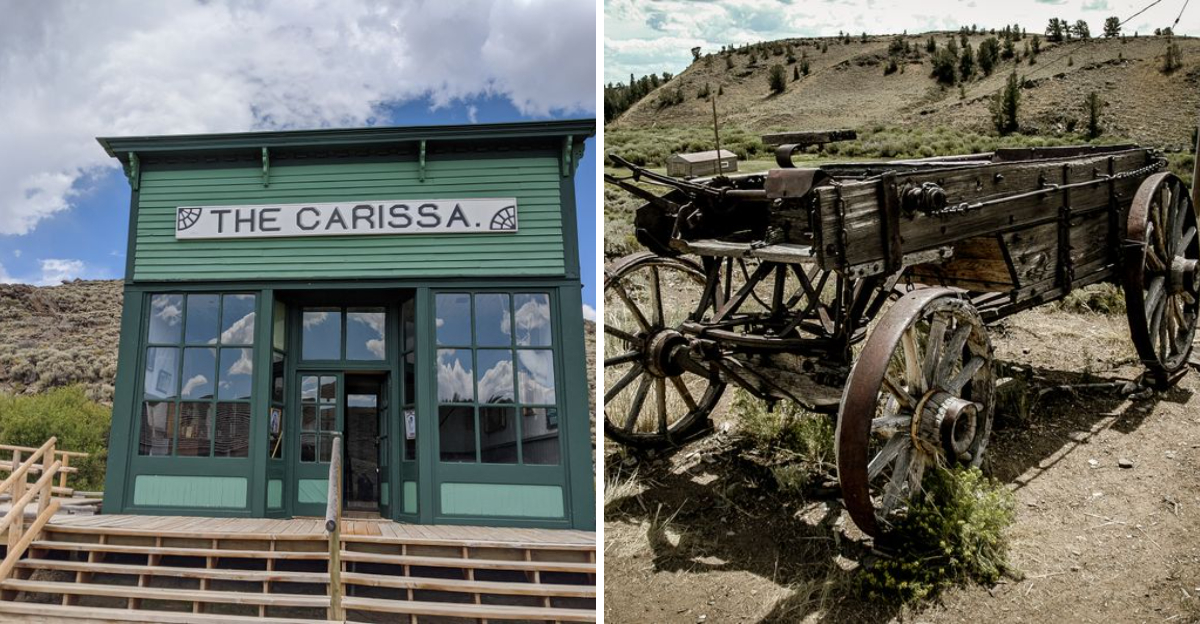
Deep in the mountains of Wyoming lies a settlement frozen in time.
South Pass City once buzzed with miners, merchants, and dreamers chasing gold.
Then, almost overnight, the population scattered and the town fell silent.
Today, this historic site stands as a haunting reminder of boom and bust cycles that shaped the American West.
Walking through its preserved buildings feels like stepping into a time machine.
The story of South Pass City reveals secrets about survival, ambition, and the harsh realities of frontier life.
From its sudden rise to its mysterious decline, this forgotten mountain settlement holds lessons about human resilience.
Discover the fascinating truths behind Wyoming’s most intriguing ghost town and what really happened when everyone left.
1. Gold Rush Origins Sparked Instant Population Boom
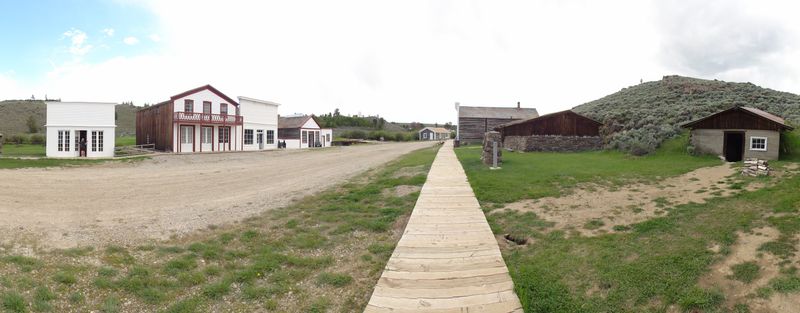
Prospectors struck gold in the South Pass area during the late eighteen sixties, transforming empty wilderness into a thriving settlement almost instantly.
News of the discovery spread like wildfire across the nation.
Thousands of fortune seekers flooded into the remote Wyoming mountains, hoping to claim their share of riches.
Tents and makeshift shelters appeared overnight as miners staked claims along every promising creek and hillside.
Within months, South Pass City boasted saloons, general stores, hotels, and even a newspaper.
The population swelled to several thousand residents at its peak.
Merchants arrived to sell supplies at inflated prices, knowing desperate miners would pay anything for basic necessities.
Gamblers, entertainers, and opportunists of every kind followed the money trail.
Women opened boarding houses and laundries, carving out their own economic niches in this male-dominated world.
The town’s rapid growth mirrored countless other western settlements built on mineral wealth.
However, South Pass City’s foundation rested entirely on gold extraction.
When ore deposits showed signs of depletion, the entire community’s future hung in the balance.
This dependence on a single resource would eventually seal the town’s fate and lead to its dramatic population collapse.
2. Harsh Mountain Winters Tested Every Resident
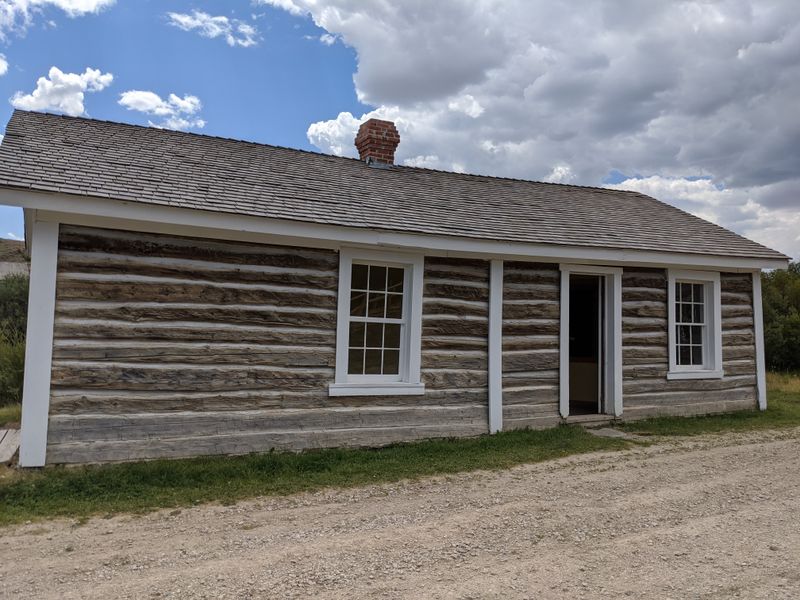
Surviving winter in South Pass City required serious determination and preparation.
Temperatures plunged well below zero for months on end.
Snow piled high against cabin walls, sometimes reaching the rooflines and trapping families inside for days.
Residents stockpiled firewood, dried goods, and preserved foods before the first snowfall.
Running out of supplies meant risking your life on dangerous journeys to distant trading posts.
Frostbite and hypothermia claimed lives every season.
Cabins offered minimal insulation, and wind whistled through gaps in the hastily constructed walls.
Families huddled near wood stoves, burning precious fuel to stay alive through endless frozen nights.
Livestock required constant care to prevent them from freezing or starving.
Children born in South Pass City grew up knowing winter as a formidable enemy.
Many residents simply couldn’t endure the brutal conditions year after year.
When mining prospects dimmed, the thought of facing another punishing Wyoming winter pushed families to abandon their claims.
The extreme climate contributed significantly to the town’s eventual abandonment, as only the hardiest souls could tolerate such harsh living conditions indefinitely.
3. Women Gained Voting Rights Here First
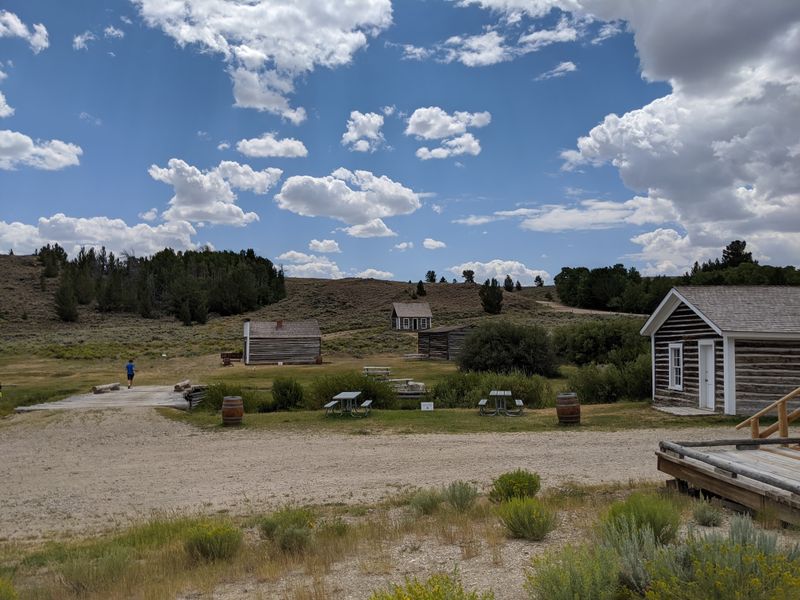
South Pass City holds a remarkable place in American history as the location where women first served in public office.
Esther Hobart Morris became the nation’s first female justice of the peace right here.
Wyoming Territory granted women the right to vote years before most of the country.
This progressive stance shocked eastern states and challenged traditional gender roles.
Women in South Pass City participated actively in civic life, attending town meetings and voting in elections.
They owned property, ran businesses, and wielded genuine political influence.
This frontier community demonstrated that women could handle responsibilities society typically reserved for men.
The harsh realities of mountain life demanded contributions from everyone regardless of gender.
Women proved themselves as capable decision makers and community leaders.
Morris presided over numerous cases during her term, earning respect for her fairness and judgment.
Her cabin still stands in South Pass City today as a monument to this groundbreaking achievement.
Visitors can tour the building where history changed forever.
This legacy of equality makes South Pass City significant beyond its gold mining past and adds depth to understanding why this settlement mattered in shaping Wyoming’s progressive character.
4. Strategic Location on Oregon Trail Brought Early Traffic
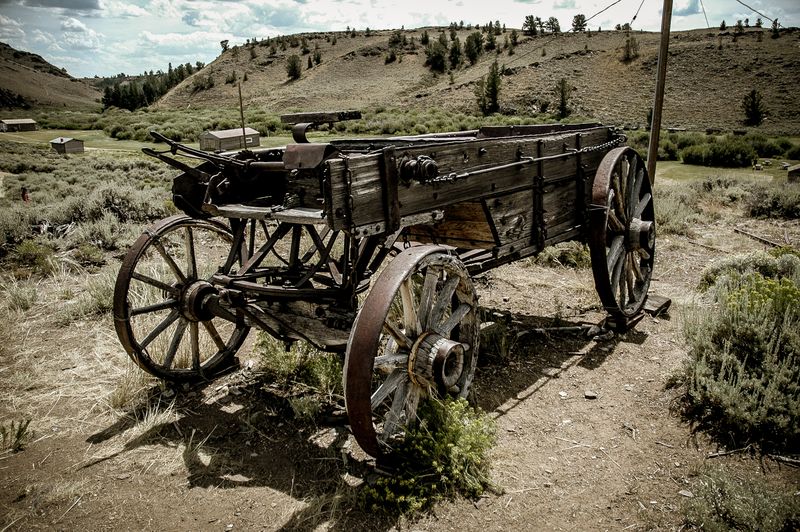
Long before gold seekers arrived, South Pass served as a crucial crossing point on the Oregon Trail.
This gentle mountain passage allowed wagon trains to traverse the Continental Divide without impossible climbs.
Thousands of pioneers rolled through this area heading west to Oregon, California, and Utah.
The relatively easy grade made South Pass the preferred route for emigrants and freight haulers.
Trading posts and rest stops appeared along the trail to serve weary travelers.
When gold was discovered nearby, the existing infrastructure helped the mining settlement develop quickly.
Roads already connected South Pass to supply centers and transportation hubs.
Stagecoach lines established regular service, bringing mail and passengers to the remote location.
This accessibility distinguished South Pass City from other isolated mining camps.
Merchants could restock inventory more easily than competitors in less connected areas.
However, the same roads that brought prosperity also facilitated rapid departure when conditions deteriorated.
Families could pack belongings and leave within days, following established routes to more promising locations.
The town’s position along major transportation corridors made both its rise and fall remarkably swift compared to truly isolated settlements.
5. Mining Technology Limitations Sealed the Town’s Fate

Early miners extracted surface gold using simple panning and sluicing techniques.
These methods worked well for easily accessible deposits but couldn’t reach deeper ore.
As shallow gold played out, mining required expensive equipment and industrial operations.
Individual prospectors lacked the capital to purchase hydraulic systems or stamp mills.
Large mining companies moved in, buying up claims and consolidating operations.
Independent miners found themselves working for wages instead of seeking their own fortunes.
When corporate operations determined the remaining ore wasn’t profitable enough, they shut down completely.
Workers lost their jobs overnight with no alternative employment available.
The technology needed to extract remaining gold simply cost more than the metal was worth.
Without functioning mines, every business in South Pass City lost its customer base immediately.
Saloon keepers, merchants, and service providers had no reason to stay.
The economic foundation crumbled in months rather than years.
This technological limitation affected countless western mining towns, but South Pass City’s dependence on gold made its collapse particularly dramatic and complete.
6. Isolation from Major Cities Created Supply Challenges

South Pass City sat far from established population centers and railroad lines.
Freight wagons required days to deliver goods from distant supply points.
Transportation costs inflated prices on every item from flour to nails.
Merchants charged whatever the market would bear, knowing customers had few alternatives.
Fresh produce and luxury items rarely appeared in local stores.
Residents made do with limited selections and adapted to frontier scarcity.
Medical care remained primitive, with no trained doctors within reasonable traveling distance.
Serious injuries or illnesses often proved fatal simply due to lack of treatment options.
Communication with the outside world moved slowly through irregular mail delivery.
News from back east arrived weeks or months after events occurred.
This isolation fostered tight community bonds but also created vulnerability.
When mining declined, the remote location offered no alternative economic opportunities.
Families couldn’t simply commute to jobs in nearby towns because no nearby towns existed.
The choice became stark: stay and starve, or pack up and leave for places with better prospects and connections to modern commerce.
7. Preserved Buildings Now Offer Time Capsule Experience
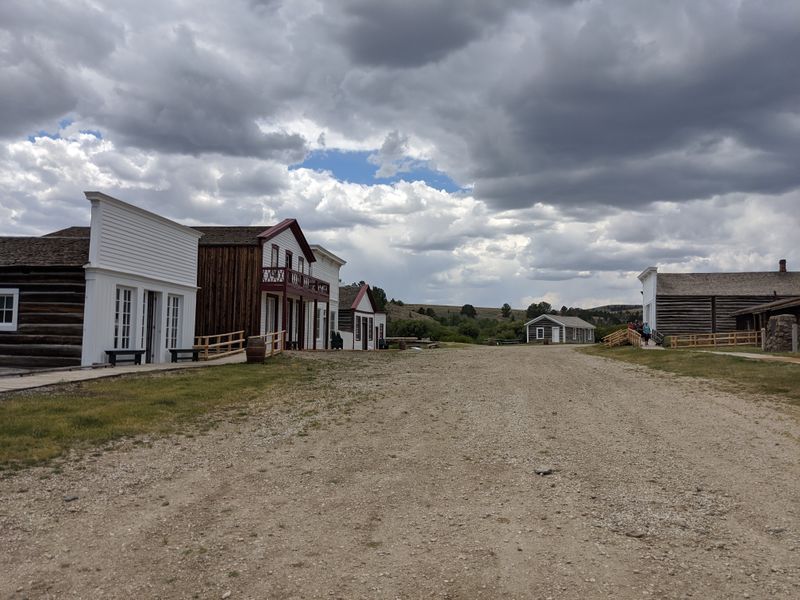
Today, South Pass City operates as a state historic site managed by Wyoming.
More than two dozen original structures still stand on their original foundations.
Visitors can walk through authentic saloons, stores, homes, and the old schoolhouse.
Period furnishings and artifacts fill the buildings, creating immersive historical environments.
The Smith Sherlock Store displays merchandise on shelves just as it appeared over a century ago.
Costumed interpreters share stories about the people who once lived and worked here.
Summer programs bring history to life through demonstrations and interactive exhibits.
The preservation effort began decades ago when historians recognized the site’s significance.
Without these conservation efforts, weather and vandalism would have destroyed everything.
Walking the dusty streets feels like stepping backward through time.
The silence contrasts sharply with the bustling activity that once filled these spaces.
Photographers love capturing the weathered wood and mountain backdrop.
The address is simply Wyoming and the site remains accessible to curious visitors willing to venture into the mountains to experience this remarkable preservation of western history.
8. Rapid Population Decline Left Behind Personal Belongings
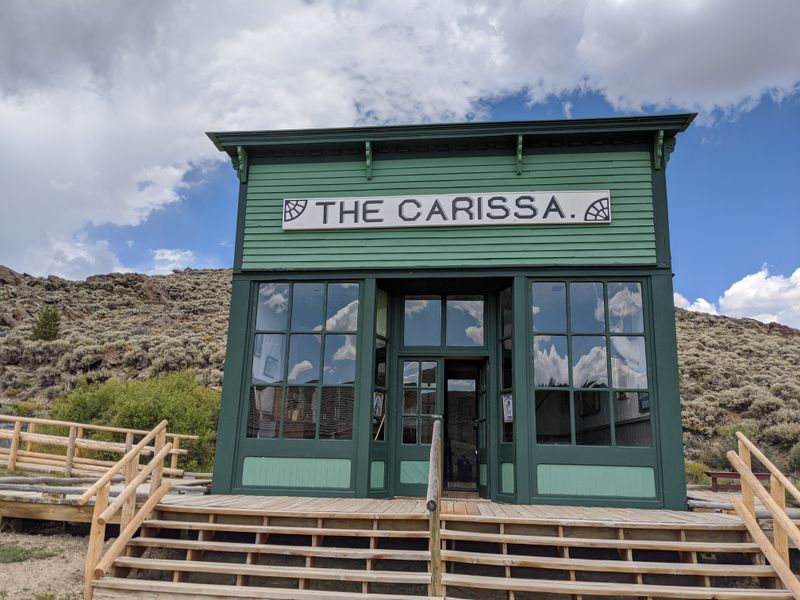
When families abandoned South Pass City, many left possessions behind in their haste to depart.
Furniture, tools, and household items remained in empty cabins.
Moving bulky belongings across mountain trails cost more than purchasing replacements elsewhere.
People prioritized carrying cash, important documents, and sentimental keepsakes.
Everything else got left behind as evidence of interrupted lives.
Bottles still sit on shelves in the old saloon.
School desks remain arranged in rows inside the abandoned schoolhouse.
These artifacts provide invaluable insights into daily life during the settlement’s heyday.
Archaeologists and historians study the remaining objects to understand frontier existence.
The sudden departure preserved a moment in time more completely than gradual abandonment would have.
No one stayed behind to salvage materials or strip buildings of valuable components.
This wholesale abandonment makes South Pass City particularly valuable for historical research.
The artifacts tell stories about hopes, hardships, and the realities of chasing dreams in an unforgiving landscape where fortunes changed overnight and entire communities could disappear.
9. Other Mining Camps Nearby Shared Similar Destinies
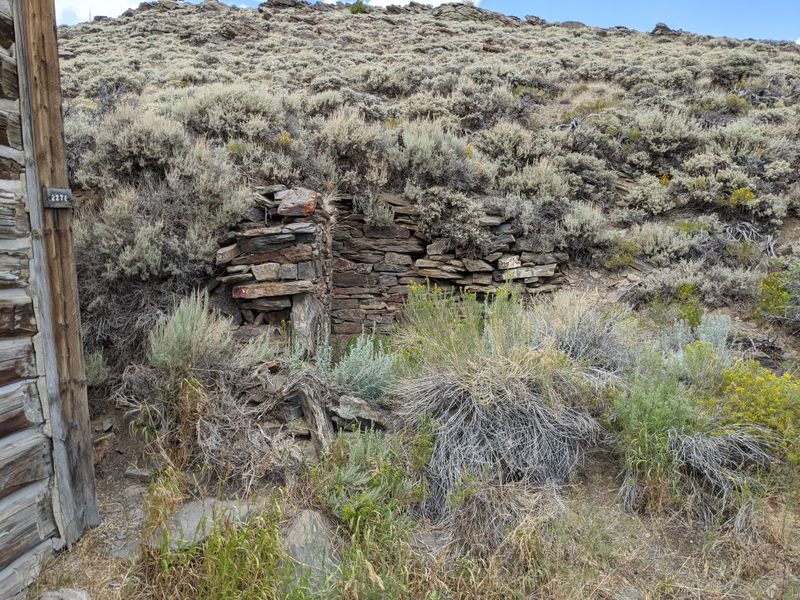
South Pass City wasn’t alone in its boom and bust cycle.
Nearby Atlantic City and Miner’s Delight experienced parallel histories.
All three settlements rose together during the gold rush excitement.
Miners moved between camps seeking the richest claims and best opportunities.
Competition and cooperation existed simultaneously among these neighboring communities.
When ore deposits depleted, all three towns suffered simultaneous economic collapse.
Some residents moved from one camp to another, chasing rumors of better strikes.
Eventually, reality set in that the entire South Pass mining district had played out.
Atlantic City maintained a tiny permanent population while the others became complete ghost towns.
This pattern repeated throughout Wyoming and across the entire western frontier.
Mineral wealth created instant communities that vanished just as quickly when resources ran dry.
The landscape remains dotted with remnants of forgotten settlements.
South Pass City stands out because preservation efforts saved it from complete destruction, allowing modern visitors to understand how these boom towns functioned and why they ultimately failed when the gold ran out.
10. Modern Visitors Discover Authentic Western History
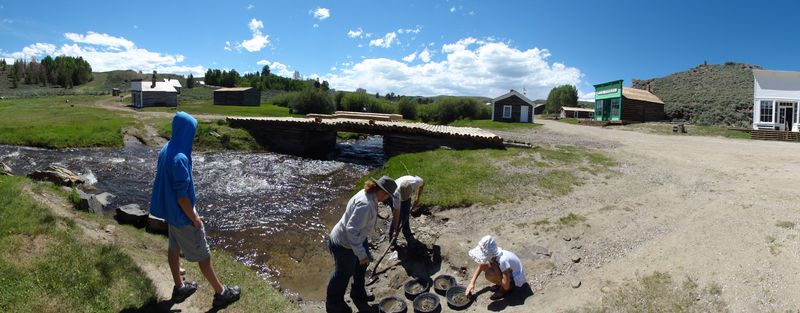
History enthusiasts travel from around the world to experience South Pass City firsthand.
The remote location discourages casual tourists, meaning visitors genuinely care about western heritage.
Photographers capture stunning images of weathered buildings against dramatic mountain scenery.
School groups learn about frontier life through hands-on exploration of authentic structures.
The site offers educational programs throughout the warmer months.
Winter closes the facility due to snow and dangerous road conditions.
Rangers and volunteers maintain buildings and share knowledge with guests.
Unlike commercialized tourist attractions, South Pass City retains genuine historical integrity.
No gift shops or modern amenities distract from the authentic experience.
Visitors must prepare for basic facilities and bring their own supplies.
This approach preserves the site’s character and educational value.
Standing in the old streets, you can almost hear echoes of miners, merchants, and families who built lives here.
The experience connects people directly with American frontier history in ways textbooks never could, making South Pass City an irreplaceable resource for understanding Wyoming’s past and the broader story of western expansion.
Dear Reader: This page may contain affiliate links which may earn a commission if you click through and make a purchase. Our independent journalism is not influenced by any advertiser or commercial initiative unless it is clearly marked as sponsored content. As travel products change, please be sure to reconfirm all details and stay up to date with current events to ensure a safe and successful trip.
