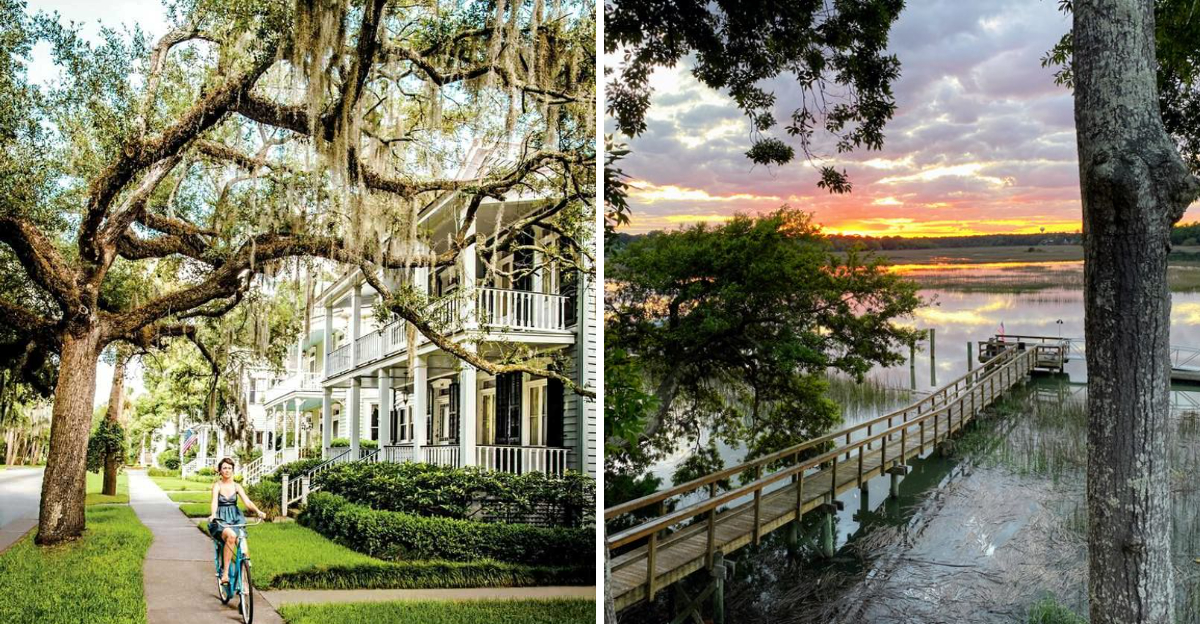
Beaufort, South Carolina, is where Southern Gothic charm drapes itself in Spanish moss and quiet history.
The marshland mystique rises with the tides, shimmering under skies that shift from silver to gold.
Every lane feels like a story, framed by antebellum homes and porches that lean into the past.
Salt air mixes with the scent of magnolia, carrying whispers of Lowcountry legends.
Herons and pelicans glide across the waterways, adding rhythm to the coastal calm.
Local cafés and seafood shacks bring flavor to the scene, grounding mystery with everyday warmth.
In this secluded haven, Beaufort proves that timeless beauty and marshland magic can live side by side.
A Secluded Coastal Haven
Beaufort, South Carolina, is a coastal town that blends history, culture, and natural beauty in a way few places can.
Founded in 1711, it is the second-oldest city in the state, and its streets still carry the weight of centuries. Antebellum homes with wide porches line quiet lanes, shaded by oaks heavy with Spanish moss.
The town sits along the Beaufort River, where tides rise and fall against marshes that glow in shifting light.
Its historic district is a National Historic Landmark, preserving architecture that tells stories of the Lowcountry past.
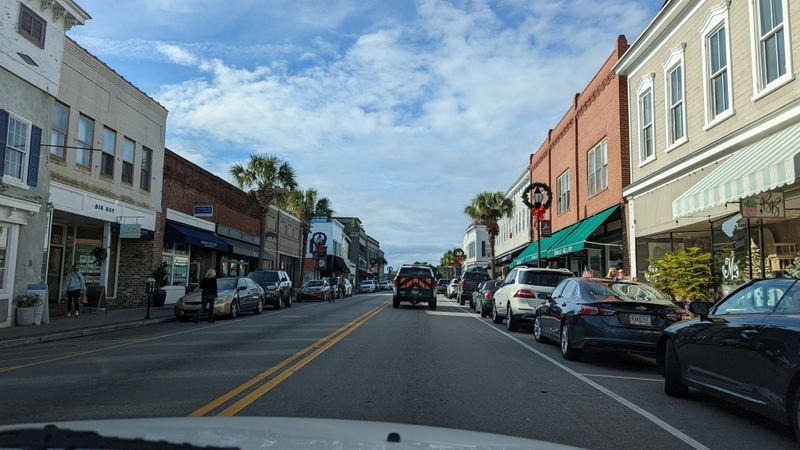
Walking downtown, you find art galleries, boutiques, and cafés tucked into restored buildings.
The pace is unhurried, inviting visitors to linger and notice details often overlooked.
Local cuisine celebrates seafood, with shrimp, oysters, and crab served fresh from nearby waters.
The waterfront park offers benches and boardwalks where pelicans and herons glide overhead.
Beaufort is also known for its role in film, with movies like Forrest Gump and The Big Chill filmed among its scenic streets.
Military heritage runs deep too, with nearby Parris Island shaping generations of Marines.
Festivals and cultural events bring the community together, highlighting Gullah traditions and Southern storytelling.
Beyond town, barrier islands and beaches extend the sense of escape, framed by marshland mystique.
Altogether, Beaufort feels like a haven where Southern Gothic charm and coastal calm meet in timeless balance.
Strolling Bay Street and the Waterfront Park
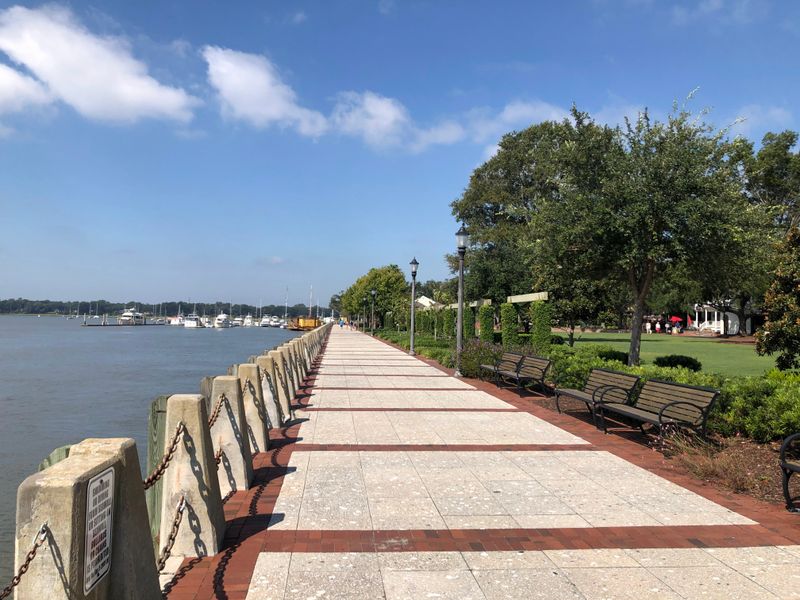
Start on Bay Street where shop windows glow and the breeze from the Beaufort River nudges you toward the swings at Henry C. Chambers Waterfront Park.
You hear gulls and the gentle shush of water, a soundtrack that slows your steps in the best way.
Grab a bench and watch the Woods Memorial Bridge rise for passing boats as shadows stretch over the tidal flats.
Streetfront boutiques mix local art with Lowcountry staples, and staff greet you like a neighbor.
You can wander from handmade sweetgrass baskets to coastal prints without losing sight of the river.
The vibe is calm, walkable, and perfect for a first taste of town.
Kids clamber across the playground while joggers loop the promenade, sharing space with photographers chasing the softest light.
Even at midday, there is shade from live oaks and room to breathe.
When the sky turns peach, you will understand why locals linger here long after plans end.
Historic District Carriage Tour
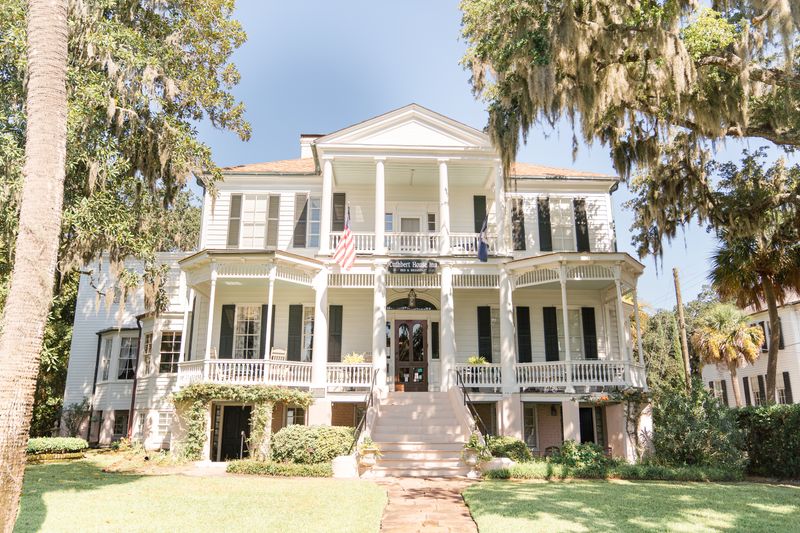
A carriage tour through the historic district lets you settle in and listen as clapboard walls and piazzas roll by at an easy pace.
Guides point out Federal and Greek Revival details, explaining how high foundations and wide porches fit the Lowcountry climate.
You learn just enough architecture to notice fanlights, haint blue ceilings, and brick walkways underfoot.
The clip-clop rhythm slows time so you can absorb garden fragrances and the touch of moss brushing low branches.
Houses wear layers of history, from preserved cornices to sympathetic restorations.
You feel the scale and symmetry that make Beaufort’s streets so photogenic.
Stories of past residents are presented with care, and legends are clearly labeled as local lore.
If you prefer, you can return later on foot to linger by tabletops of camellias and iron gates.
Either way, the tour frames the district so you see more each time you pass.
John Mark Verdier House Museum
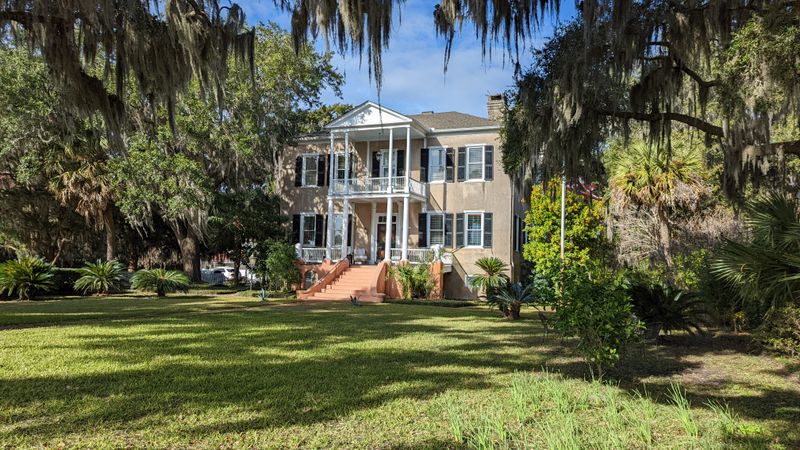
Step inside the John Mark Verdier House Museum and the early 1800s feel comes alive through careful curation.
Federal style lines the rooms with balanced mantels, delicate woodwork, and period furniture that shows how life moved at a slower, elegant tempo.
Exhibits explain the home’s place in Beaufort’s story and connect trade, design, and daily routines.
Docents share factual context and keep timelines clear, so names and dates land without confusion.
You can study textiles, ceramics, and portraits while sensing how sea breezes once threaded through these windows.
The house rewards patience with small details like keyholes and stair finials you might otherwise miss.
Photography policies and hours are posted, making it easy to plan.
When you step back onto the street, the museum’s lessons sharpen what you notice in neighboring facades.
It becomes a lens that reframes the entire district as a living gallery.
The museum also highlights Beaufort’s role in global trade, showing how imported goods shaped local life.
Seasonal exhibits rotate to keep the experience fresh, blending permanent collections with new discoveries.
Guided tours often include anecdotes about the Verdier family and their place in Lowcountry society.
Standing in its halls, you sense how history, architecture, and community still echo through Beaufort’s streets today.
Spanish Moss Trail Cycling and Walking
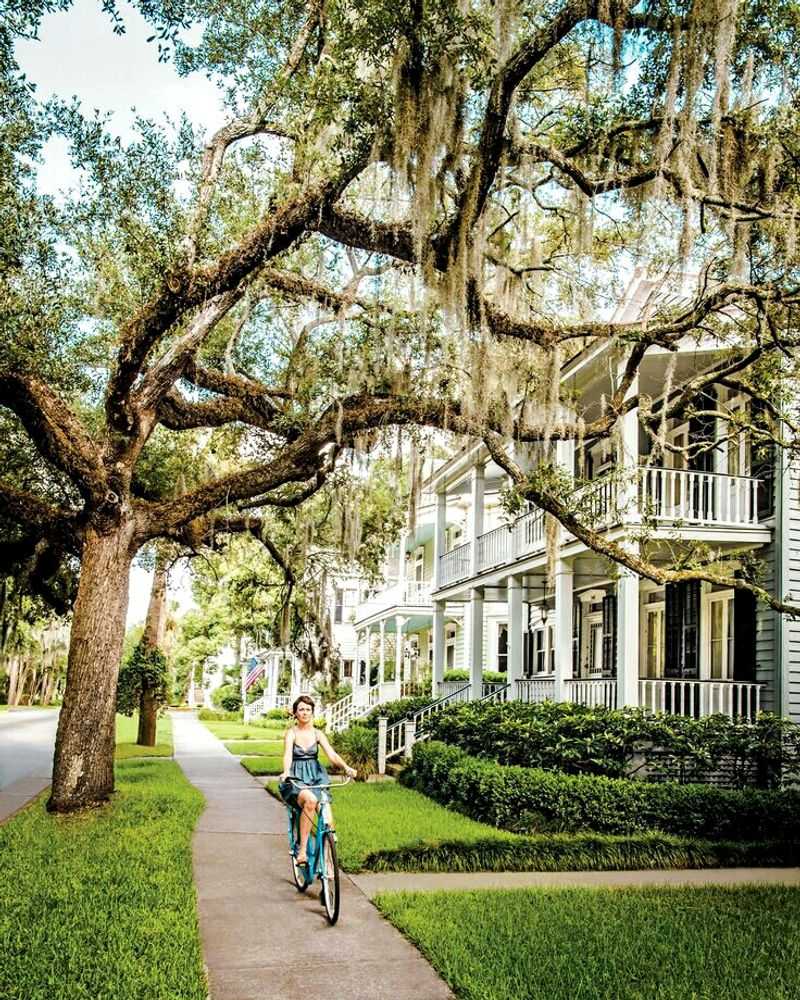
The Spanish Moss Trail stretches across Beaufort with a broad, welcoming path for bikes, strollers, and easy walks.
Marsh vistas open beside you as herons lift from the reeds and osprey arcs cut the sky.
Benches and trailheads make quick breaks simple, and the flat grade invites a leisurely rhythm.
You can start near town and follow sections that reveal tidal creeks and railroad heritage.
Interpretive signs point out wildlife and local history, keeping the journey interesting for kids and first-time visitors.
Sunrise rides feel especially peaceful when the water mirrors the pastel sky.
Respect posted rules, yield with a smile, and you become part of the community hum that powers this greenway.
Trail etiquette here is friendly and intuitive.
By the end, legs feel lighter and your camera roll is full of marsh light you will want to revisit.
Seasonal blooms and shifting tides make the trail feel different each time you return, offering fresh perspectives.
Cyclists, joggers, and families share the path with ease, creating a rhythm of movement that feels communal.
The gentle length of the trail allows you to choose between a short outing or a full day’s exploration.
Standing at its overlooks, you realize the Spanish Moss Trail is as much about reflection as it is about travel.
Hunting Island State Park Day Trip
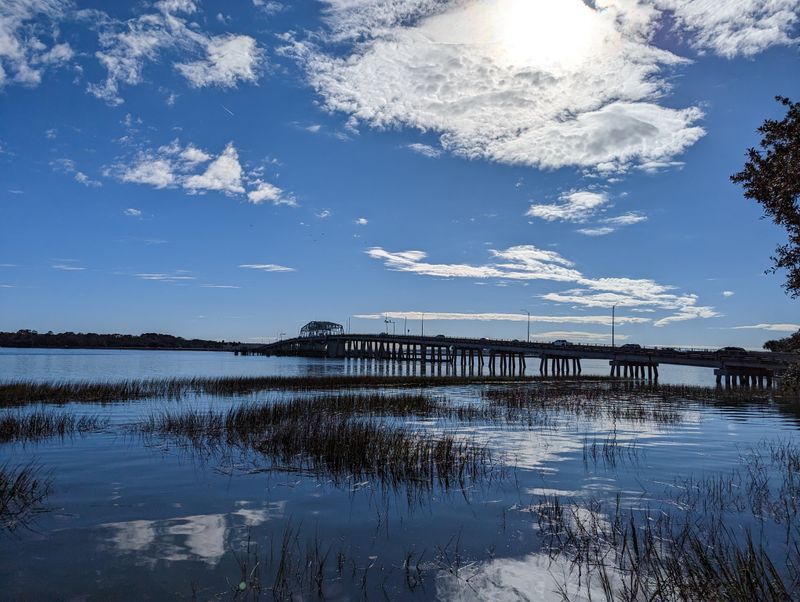
Just a short drive from Beaufort, Hunting Island State Park delivers a wild beach scene that feels worlds away.
Soft sand, palmettos, and a photogenic lighthouse anchor the experience with simple, natural beauty.
Boardwalks carry you over dunes while the Atlantic hums steadily to your right.
Trails thread through maritime forest where light filters green and quiet.
You might spot shorebirds working the wrack line or fiddler crabs skittering along tidal creeks.
The park’s facilities are clearly signed, so you can plan a beach walk, a lighthouse visit, or a picnic with ease.
Storms and tides reshape this shoreline, so check current conditions on the official site before you go.
Early and late hours reduce crowds and amplify that secluded feel.
Return to Beaufort sandy, happy, and ready for a slow evening by the river.
The lighthouse itself is one of the most photographed in South Carolina, offering panoramic views from its top.
Campsites and cabins tucked into the forest let visitors extend their stay and wake to ocean breezes.
Wildlife is abundant, with deer, raccoons, and migratory birds sharing the island’s shifting habitats.
Each visit feels different, as the tides, light, and weather continually redraw the edges of this coastal haven.
Gullah Heritage and Local Voices
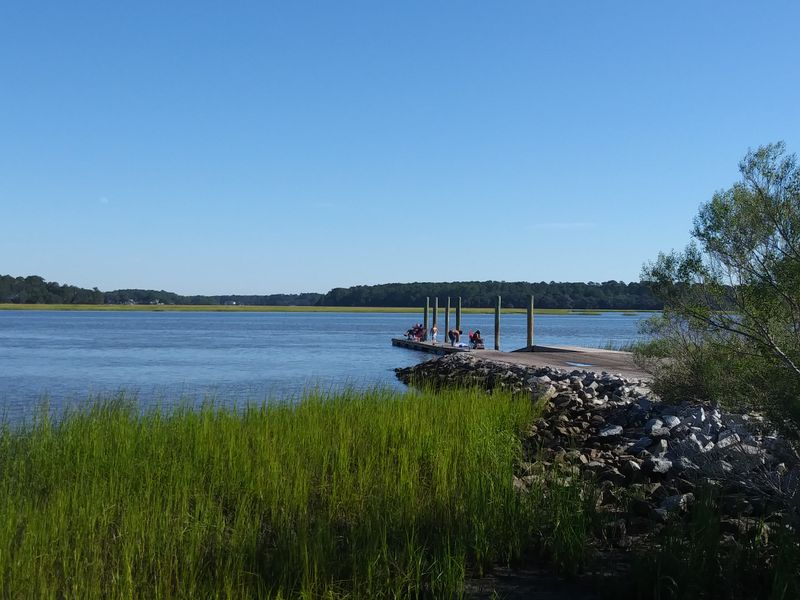
Beaufort sits within a region where Gullah culture has deep roots, with language, crafts, and traditions shaped by the Sea Islands.
You may encounter educational programs, art, and storytelling that share history in a respectful, firsthand way.
Listings change, so look for current schedules from visitor centers and community organizations.
Sweetgrass basket weaving and local foodways often appear in demonstrations and markets.
Presenters explain heritage and meaning so you understand more than surface details.
These moments feel personal and connect the marsh landscape to memory and resilience.
Some stories are shared as family history or legend, and are clearly offered as such.
Listen closely and ask thoughtful questions to support continued preservation.
You leave with context that enriches every porch, path, and tidepool you see.
Waterfront Dining With Lowcountry Flavors
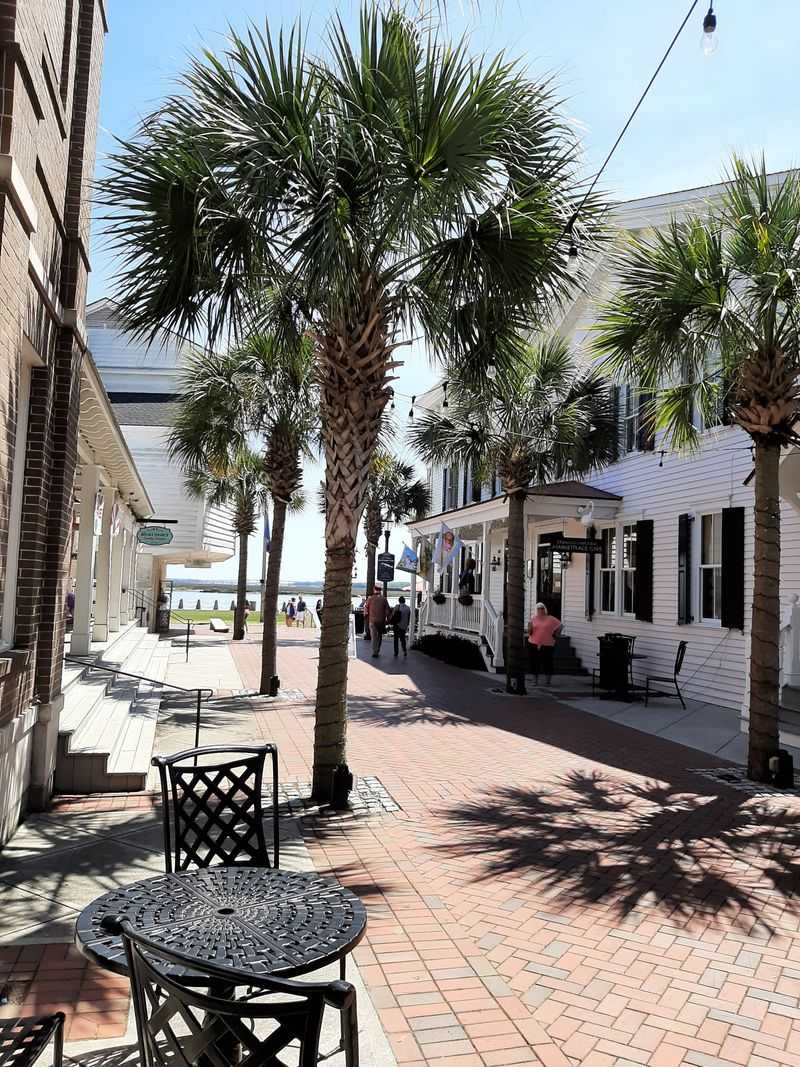
Restaurants near the waterfront lean into Lowcountry comfort with seafood, rice dishes, and bright coastal vegetables.
Staff move with an easy rhythm that makes you feel looked after without fuss.
Menus rotate with the season, so flavors stay fresh and rooted in place.
Expect classics like shrimp and grits, she crab soup, and crisp hushpuppies alongside lighter salads.
Ask about daily catches and house-made desserts for a local touch.
The view adds a steady calm as boats slip by and river light softens conversation.
If you have dietary needs, most spots handle requests with clear guidance.
Portions feel generous without being heavy, perfect after a long walk or ride.
By dessert, you will be planning a return visit for one more taste of the coast.
Wine lists often feature regional selections, pairing perfectly with seafood and enhancing the sense of place.
Outdoor seating lets you enjoy breezes from the river, with sunsets turning meals into memorable occasions.
Local chefs weave Gullah and Southern traditions into their menus, adding depth to familiar dishes.
Altogether, dining by Beaufort’s waterfront feels like both a feast and a cultural experience, where food, scenery, and hospitality blend seamlessly.
Port Royal Boardwalk and Cypress Wetlands
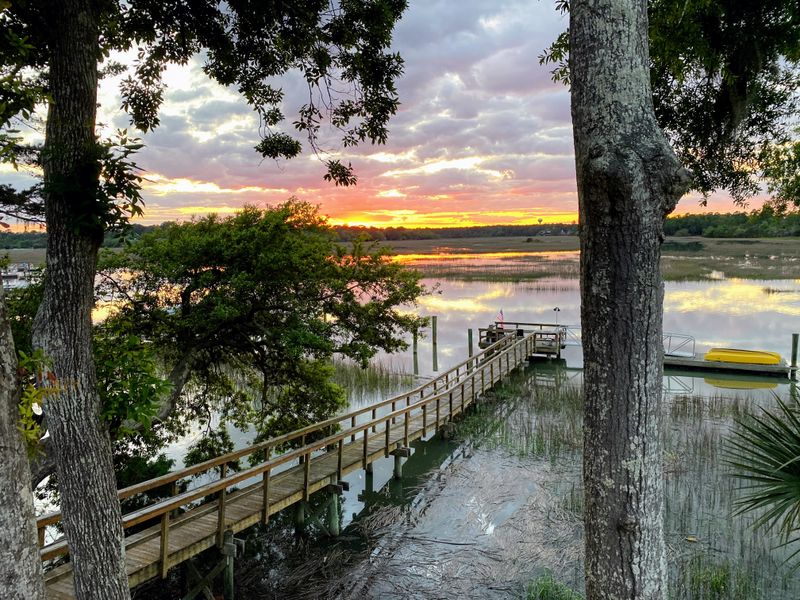
A quick hop from Beaufort places you at the Port Royal boardwalk and the adjacent Cypress Wetlands.
Elevated paths circle still water where egrets, turtles, and occasional alligators make unhurried appearances.
It is calm, photogenic, and easy to navigate with posted loops.
Listen for frogs and the whisper of reeds as you move from shade to open viewpoints.
The boardwalk’s length suits short visits or longer, watchful pauses.
Bring binoculars if you enjoy birding since sightings change with tide and season.
The wetlands connect back to town energy without losing their hush.
Stop by for a reset before dinner or as a gentle morning start.
You return to Beaufort tuned to the slow beat of the marsh.
Interpretive signs explain the ecology of the wetlands, helping visitors understand how water, wildlife, and vegetation interact.
Seasonal migrations bring new bird species, so each visit feels like a fresh discovery.
Families often stroll the boardwalk together, making it both a learning space and a peaceful retreat.
Standing at the overlooks, you realize the Cypress Wetlands are not just scenery but a living classroom of the Lowcountry.
Pat Conroy Literary Center
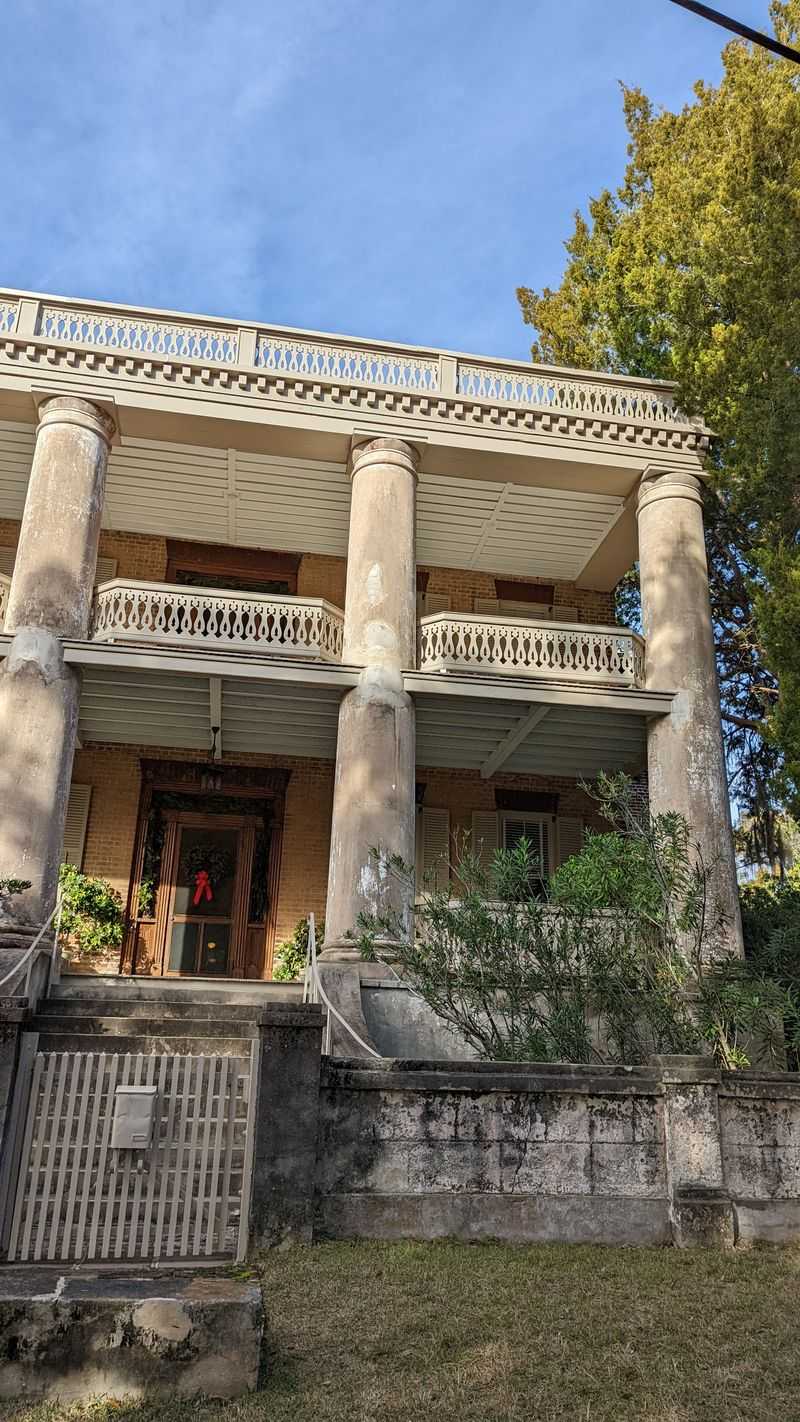
Readers will find a thoughtful tribute at the Pat Conroy Literary Center, which celebrates the author’s life and legacy.
Exhibits, programs, and reading spaces invite you to linger with his words and the landscapes that inspired them.
Staff share resources for exploring Beaufort through a literary lens.
The center hosts events and workshops that change throughout the year.
You can browse curated shelves, view artifacts, and learn how local places shaped scenes on the page.
It is calm and reflective, the kind of stop that pairs well with a riverside walk.
Check the official calendar for hours and special sessions before you visit. If you are new to his work, the exhibits provide a welcoming introduction.
You leave noticing how Beaufort’s quiet corners echo in every chapter.
Interactive displays highlight Conroy’s writing process, showing drafts, notes, and the evolution of his novels.
Community partnerships bring in guest authors and educators, expanding the center’s reach beyond Beaufort.
The intimate scale makes conversations feel personal, as if you are stepping into a circle of friends who love literature.
Altogether, the Pat Conroy Literary Center turns a visit into both a cultural experience and a heartfelt connection to the Lowcountry’s most celebrated storyteller.
Sunset From Woods Memorial Bridge
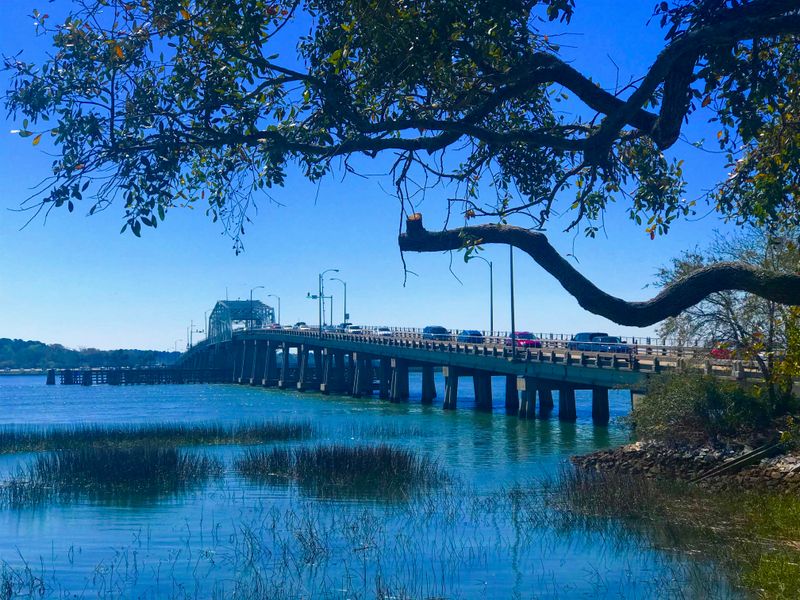
As evening settles, the Woods Memorial Bridge becomes the perfect frame for Beaufort’s pastel sky.
The drawbridge silhouette rests over the Beaufort River while the town’s lights blink on one by one.
You can watch from the waterfront swings or stroll slowly as colors deepen.
Traffic hums lightly, but the river hush keeps the mood serene.
Photographers set up along the railing and share space with couples and families.
Every minute reshapes the palette, so your photos evolve without moving an inch.
When the bridge lifts for a boat, it adds a bit of theater to the view.
Stay until that last wash of pink fades into blue.
Then head back along Bay Street with the night air cool and the day wrapped neatly.
Street musicians sometimes add a soft soundtrack, their notes drifting across the water with the breeze.
Reflections of passing boats ripple under the bridge, turning the river into a canvas of light.
Locals and visitors alike pause here, sharing a moment that feels both communal and timeless.
By the time you leave, the Woods Memorial Bridge has etched itself into memory as Beaufort’s evening centerpiece.
Dear Reader: This page may contain affiliate links which may earn a commission if you click through and make a purchase. Our independent journalism is not influenced by any advertiser or commercial initiative unless it is clearly marked as sponsored content. As travel products change, please be sure to reconfirm all details and stay up to date with current events to ensure a safe and successful trip.
