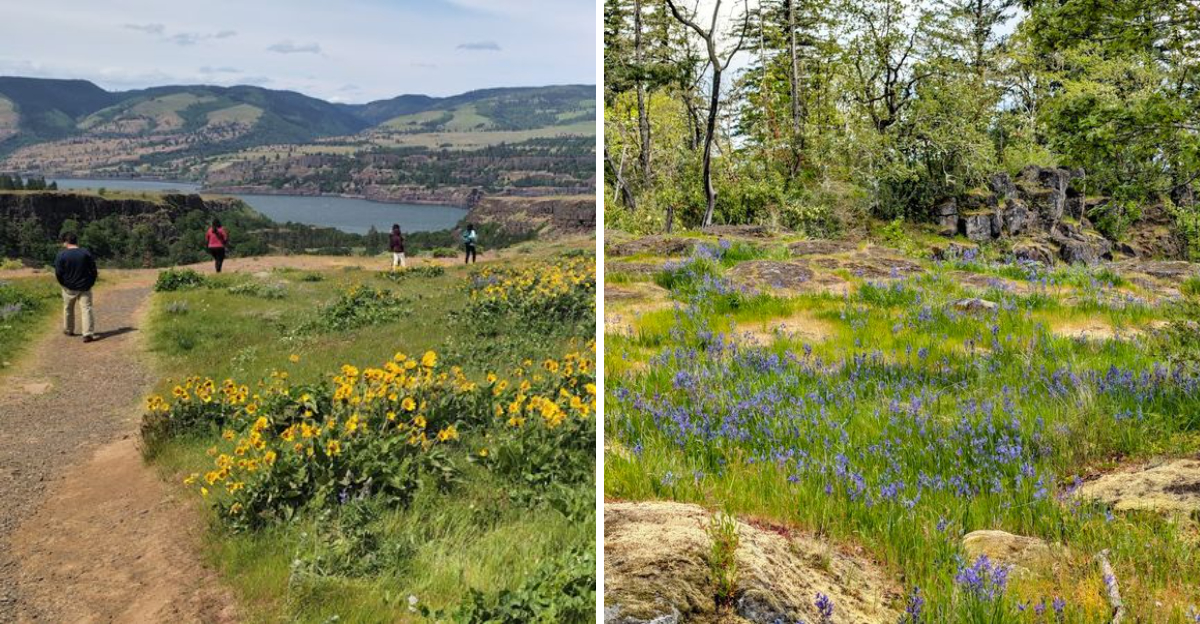
Spring in Oregon doesn’t whisper – it explodes in color. I step onto the first wildflower hike and the trail immediately feels like it’s showing off on purpose.
Every turn brings something new. Fields of blooms, bright patches along the forest floor, and sudden bursts of color that make you stop mid-step just to take it in.
Locals treat these trails like seasonal traditions, while I’m constantly switching between walking and staring.
Some hikes feel soft and dreamy, others stretch wide like painted landscapes you accidentally walked into. The air feels lighter, the views feel louder, and everything looks a little unreal.
And somehow, every trail ends the same way. You start for the hike, but stay for the color.
1. Tom McCall Preserve, Rowena, Columbia River Gorge, Oregon
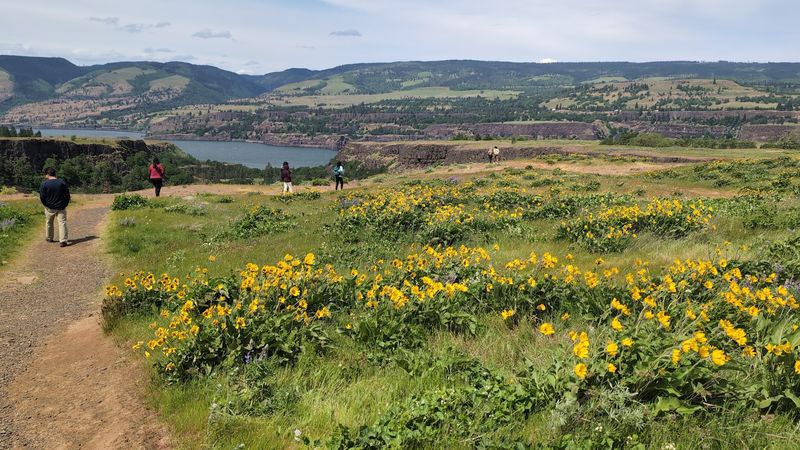
Balsamroot and lupine do not hold back here. Every spring, the hillsides at Tom McCall Preserve near Rowena explode in waves of yellow and violet. The colors stretch toward the Columbia River.
The 3.5-mile out-and-back trail is well-marked. It is also moderately easy to follow. You get sweeping river views almost immediately after starting. That makes even the first few steps feel rewarding.
Peak bloom runs from mid-April through June. That gives you a solid window to plan your visit. Mornings offer softer light and fewer crowds. Both are worth waking up early for.
The preserve is managed by The Nature Conservancy. The trails stay well-maintained because of that. Staying on the path is especially important here. The soil crust around the flowers is fragile and slow to recover from foot traffic.
Rowena sits along Historic Highway 30. That makes it an easy stop on a Columbia River Gorge road trip. Parking fills up fast on weekends in May. Arriving before 9 a.m. gives you a real advantage.
This trail rewards patience and early planning in equal measure.
2. Marys Peak, Corvallis, Coast Range, Oregon
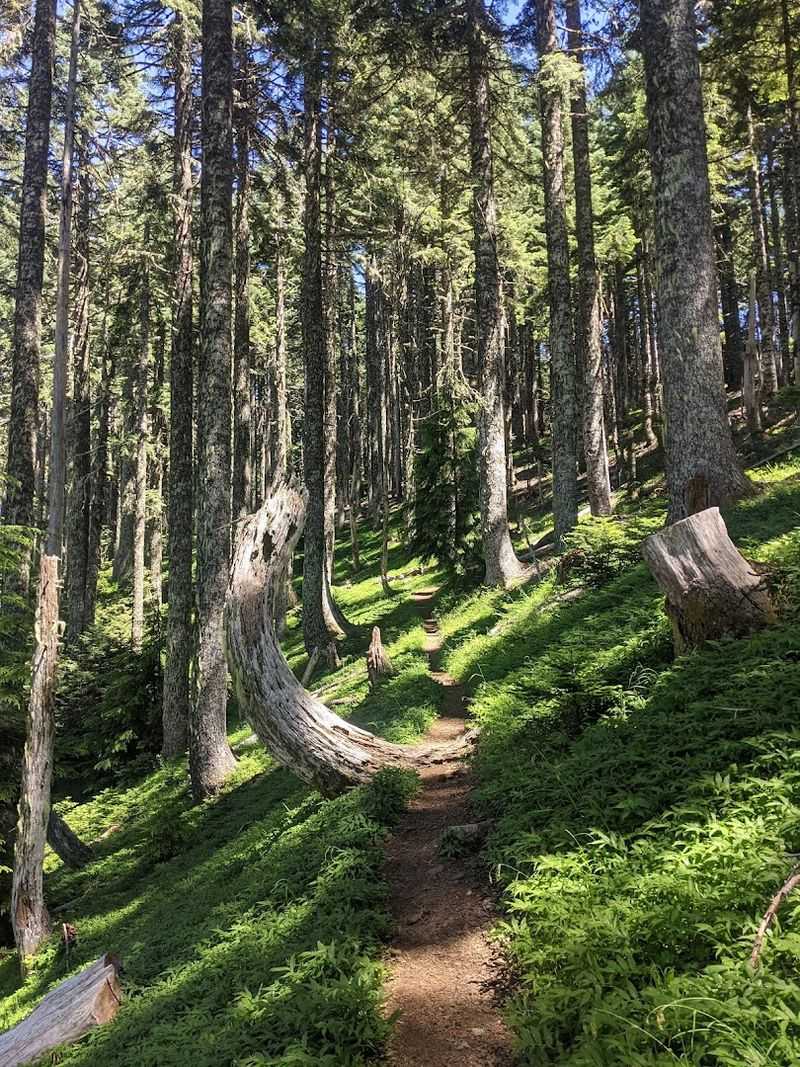
Standing at 4,097 feet, Marys Peak is the tallest point in Oregon’s Coast Range. It earns that title with some serious scenery. The summit meadows in late spring feel like a secret garden above the clouds.
Wild rhododendrons are the main attraction here. They burst into pink and magenta bloom from late May into early June. The color stands out against the deep green forest. It feels almost unreal until you see it in person.
On clear days, the views stretch west to the Pacific Ocean. They also reach east toward the Cascades. That kind of panorama from a single summit is rare. It makes the climb feel worth the effort.
The most popular route is the East Ridge Trail. It winds through old-growth noble fir forest. Near the top, it opens into meadows. The trail runs about 5 miles round trip and gains roughly 1,600 feet in elevation.
Corvallis is the nearest city. It sits about 25 miles east of the trailhead. The drive up Forest Road 3010 is scenic on its own. Dense coastal forest lines the road, with filtered light breaking through the canopy.
Spring rain is common here. Waterproof boots are a smart choice for this hike.
3. Rowena Plateau, Columbia River Gorge, Oregon
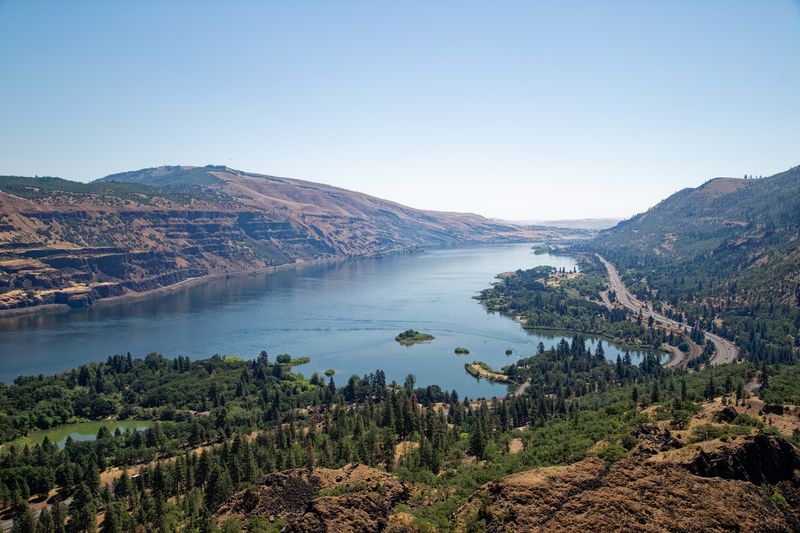
Just a short drive from the Tom McCall trailhead, Rowena Plateau offers a different perspective on the same stunning wildflower season. The 2-mile round-trip route is short enough for a quick morning outing. It is also rich enough to hold your attention the whole time.
Balsamroot, lupine, and Indian paintbrush create a layered color effect across the plateau’s open grasslands. The contrast between vivid blooms and dark basalt rock formations gives the landscape a dramatic, almost theatrical quality.
April and May are the sweet spot for visiting. The flowers usually peak in early to mid-May, depending on winter rainfall. A wetter winter usually leads to a more spectacular spring show.
The plateau sits at the edge of the Gorge. The views down to the Columbia River stay wide and unobstructed. Wind is a constant companion up here. It keeps the air crisp and the wildflowers swaying in photogenic waves.
This hike stays accessible for most fitness levels. It works well for families or anyone who wants big scenery without a big physical effort. The trailhead sits off Historic Highway 30 near Rowena, Oregon. A small parking area fills up quickly on warm spring weekends.
Bring a wide-angle lens if you have one.
4. Iron Mountain, Sweet Home, Cascade Range, Oregon
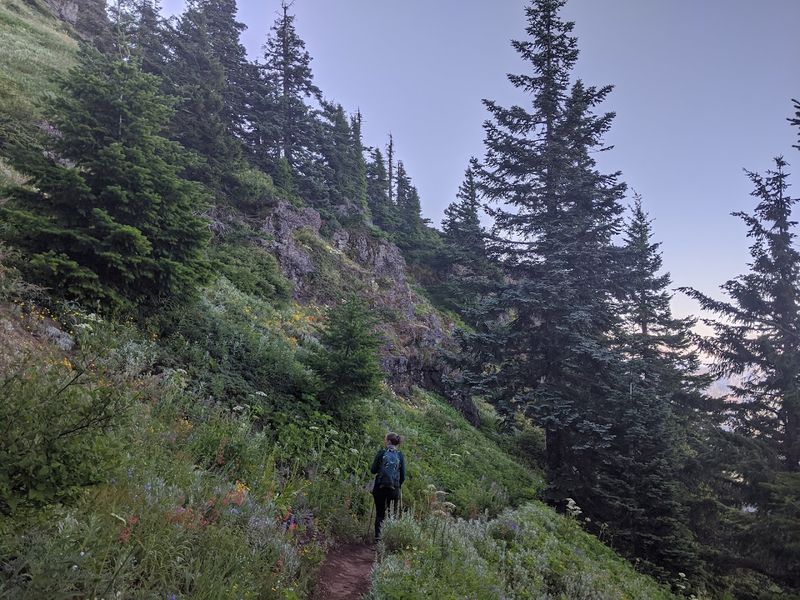
Over 300 species of wildflowers call Iron Mountain home, and that number alone should excite any plant lover. Located near Sweet Home in the Cascade Range, this 5-mile loop trail ranks among the most botanically diverse hikes in Oregon.
Tiger lilies in blazing orange and penstemon in deep purple are among the showiest species here. The variety runs so deep that even experienced hikers stop often. They pause to identify new blooms along the way.
The trail gains about 1,400 feet in elevation, so it counts as a moderate-to-challenging hike. The summit rewards you with a fire lookout tower. From there, you get views that stretch across the western Cascades.
Peak wildflower season on Iron Mountain runs from late June into early July. That timing comes slightly later than many lower-elevation Oregon hikes. Plan accordingly if you want the full display.
Sweet Home is the closest town. It sits roughly 35 miles west of the trailhead via Highway 20. The drive through the Cascades is scenic. It is worth slowing down for, especially in late spring when color lines the roadside.
Wildflower identification guides make a great addition to your pack on this trail. The sheer variety turns the hike into a living field guide.
5. Silver Falls State Park, Silverton, Willamette Valley, Oregon
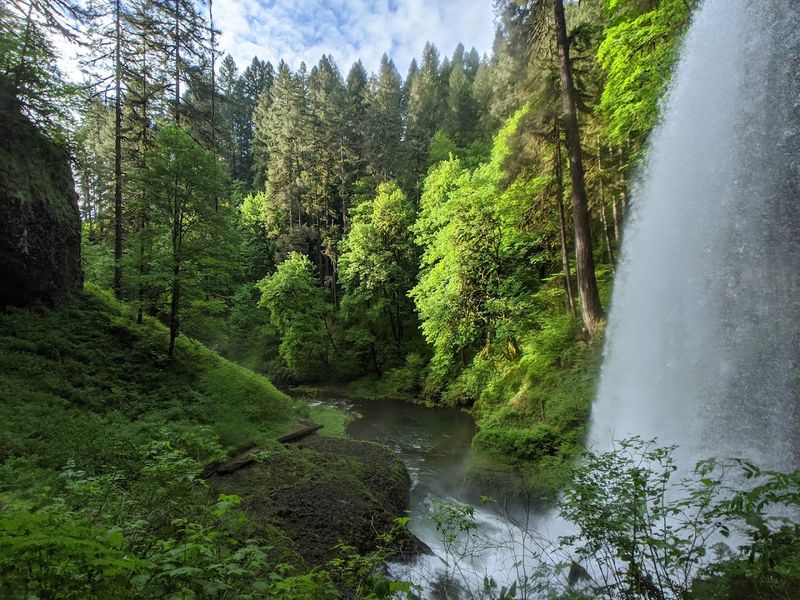
Silver Falls State Park pulls off a trick that most hikes cannot manage. It gives you waterfalls and wildflowers in the same outing. The Trail of Ten Falls is Oregon’s most famous waterfall loop. Spring turns it into something even more special.
Trillium and Oregon grape bloom along the forested path from March through May. They add splashes of white and yellow to the already dramatic scenery. The rushing water and delicate blooms combine into a layered sensory experience.
The full loop measures about 7.2 miles. It passes ten distinct waterfalls, including the iconic South Falls. The trail even leads you behind the curtain of water at South Falls. That behind-the-falls walkway is one of the most memorable moments on any Oregon trail.
The park sits near Silverton in the Willamette Valley, roughly 26 miles east of Salem. It ranks among the most visited parks in Oregon. Weekday visits in spring feel noticeably quieter.
The forest stays cool and shaded even on warm spring days. That makes the hike comfortable when temperatures rise. Waterproof shoes help near the falls. Mist keeps the rocks consistently damp.
Spring wildflowers make an already great trail genuinely unforgettable.
6. Camassia Natural Area, West Linn, Willamette Valley, Oregon
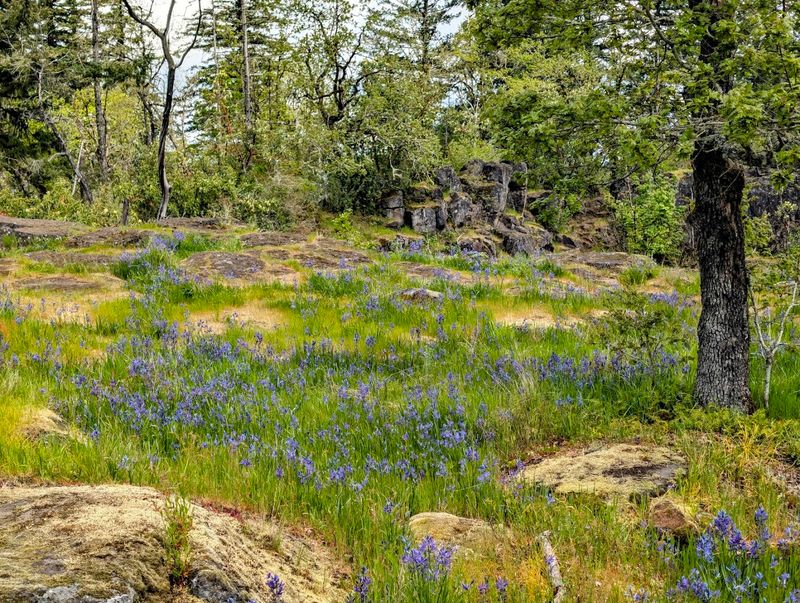
There is something quietly magical about a meadow filled edge to edge with camas lilies. At Camassia Natural Area in West Linn, that scene appears every spring in late April and early May. It turns the oak woodland landscape into a sea of blue and violet.
The 1.4-mile loop trail stays short and unhurried. It is one of the most accessible wildflower experiences in the Portland metro area. You can visit on a lunch break and still feel like you have been somewhere meaningful.
Camas lilies carry significant cultural importance for the Kalapuya people. They harvested the bulbs as a food source for generations. Walking through this preserve adds a layer of history that deepens the experience.
The Nature Conservancy manages the natural area and protects one of the few remaining camas meadows in the Willamette Valley. Development removed most of these habitats. That makes this small preserve genuinely irreplaceable.
West Linn sits just south of Portland. That location makes Camassia one of the easiest wildflower destinations to reach from a major Oregon city. Parking is limited. Arriving early or walking in from a nearby street works best.
The blooms last only two to three weeks, so timing your visit really matters here.
7. Saddle Mountain, Seaside, Northern Coast Range, Oregon
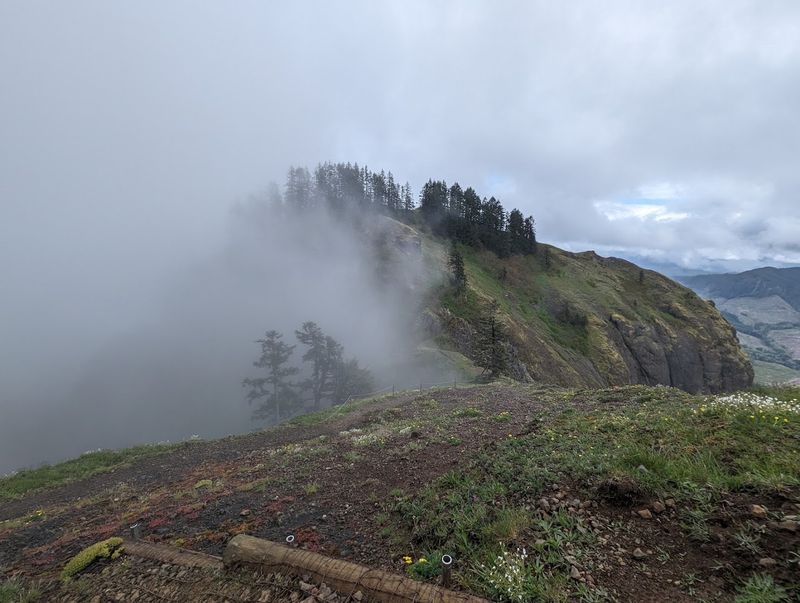
Saddle Mountain does not make things easy for you. That challenge is part of its charm. The 5.2-mile round-trip trail near Seaside climbs about 1,600 feet through dense coastal forest. It then opens onto a rocky, wind-swept summit ridge in May.
Fawn lilies and phlox are the standout wildflowers here. They cling to rocky outcroppings near the summit. The contrast between delicate blooms and rugged terrain feels almost defiant.
The summit reaches 3,283 feet. It offers sweeping views of the northern Oregon coast and the Columbia River. On clear days, you can even see Mount Rainier to the north. That panoramic payoff makes every steep switchback feel worthwhile.
Saddle Mountain State Natural Area sits about 65 miles from Portland. That makes it an easy day trip from the city. The drive west on Highway 26 crosses the northern Coast Range. It is scenic in its own right.
The upper trail includes steep scrambling on loose rock. Hiking poles and grippy shoes help a lot here. A slow descent protects your knees and the fragile vegetation along the trail.
May is the best month for wildflowers. The summit can still feel chilly and foggy in late spring, so layers are a smart choice.
8. Whychus Canyon Preserve, Sisters, Central Oregon
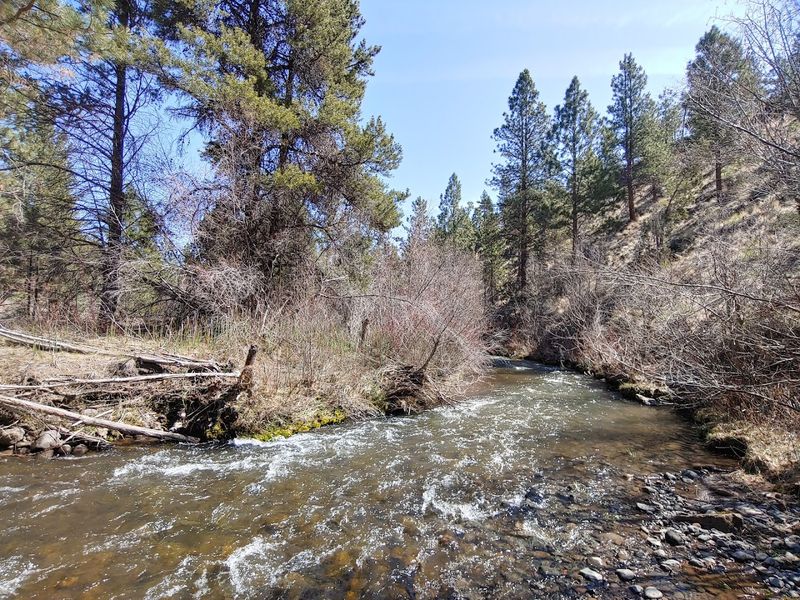
Central Oregon often gets overlooked in wildflower conversations. Whychus Canyon Preserve near Sisters makes a strong case for attention. The 4.8-mile trail follows Whychus Creek through a dramatic basalt canyon. It feels like a completely different world compared to the high desert above it.
Indian paintbrush and Oregon sunshine stand out as the main visual highlights. They dot the canyon slopes in red and gold from April through early June. The creek runs alongside the trail and adds a steady, calming soundtrack.
The canyon walls are geologically striking. Ancient lava flows formed much of this landscape. You do not need a geology background to appreciate the scale, but the story adds depth to the experience.
Sisters is the nearest town, just a few miles east of the preserve entrance. It offers good food options and an outdoorsy atmosphere that fits a post-hike afternoon well.
The Deschutes Land Trust manages the preserve and has restored native plant communities throughout the canyon. That restoration work shows in the health and density of the wildflower displays.
Elevation changes stay moderate, so most fitness levels can handle the hike comfortably. Spring mornings feel cool and crisp. The canyon also holds shade longer than the open plateau above it.
9. Metolius River Trails, Sisters, Central Oregon
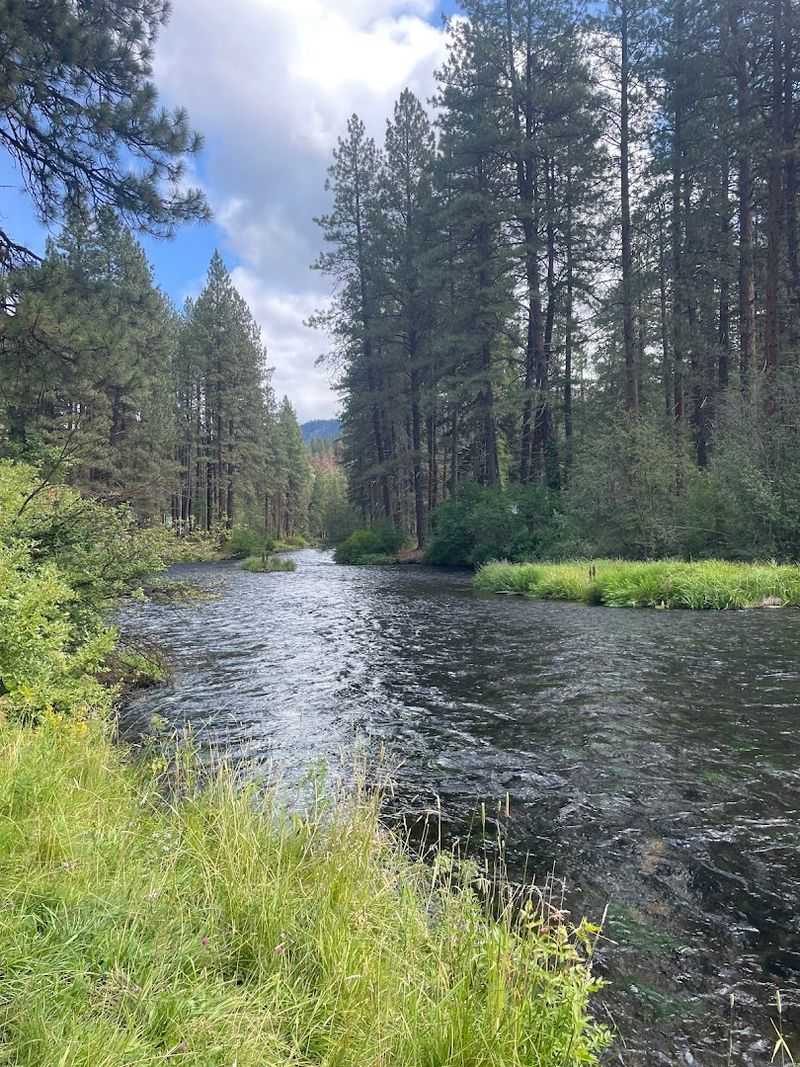
Few rivers in Oregon match the pure clarity of the Metolius. It springs fully formed from the base of Black Butte and runs cold and fast through a ponderosa pine forest near Sisters. The Metolius River Trails follow its banks through one of the most serene landscapes in the state.
Trillium and fairy slipper orchids bloom beneath the towering pines from April through June. They add soft color to the forest floor. The orchids are especially rare, which makes spotting them a real highlight for wildflower enthusiasts.
The trail system offers several route options. You can choose short riverside strolls or longer out-and-back walks that cover several miles. The terrain stays mostly flat and forested. It provides a calm contrast to the exposed summit hikes elsewhere.
The Metolius is also a world-class fly fishing river. You will likely share the trail with anglers as well as hikers. The atmosphere stays peaceful and unhurried, which feels genuinely restorative.
Sisters serves as the gateway town. The trailhead sits west on Highway 20 and then north on Forest Road 14. The area lies within Deschutes National Forest, so an America the Beautiful pass or day-use fee applies.
Cool temperatures and dappled light make this trail especially pleasant on warm spring afternoons. Other exposed hikes can feel too hot, but this one stays comfortable.
10. Columbia Hills State Park, Dallesport, Columbia River Gorge, Washington side
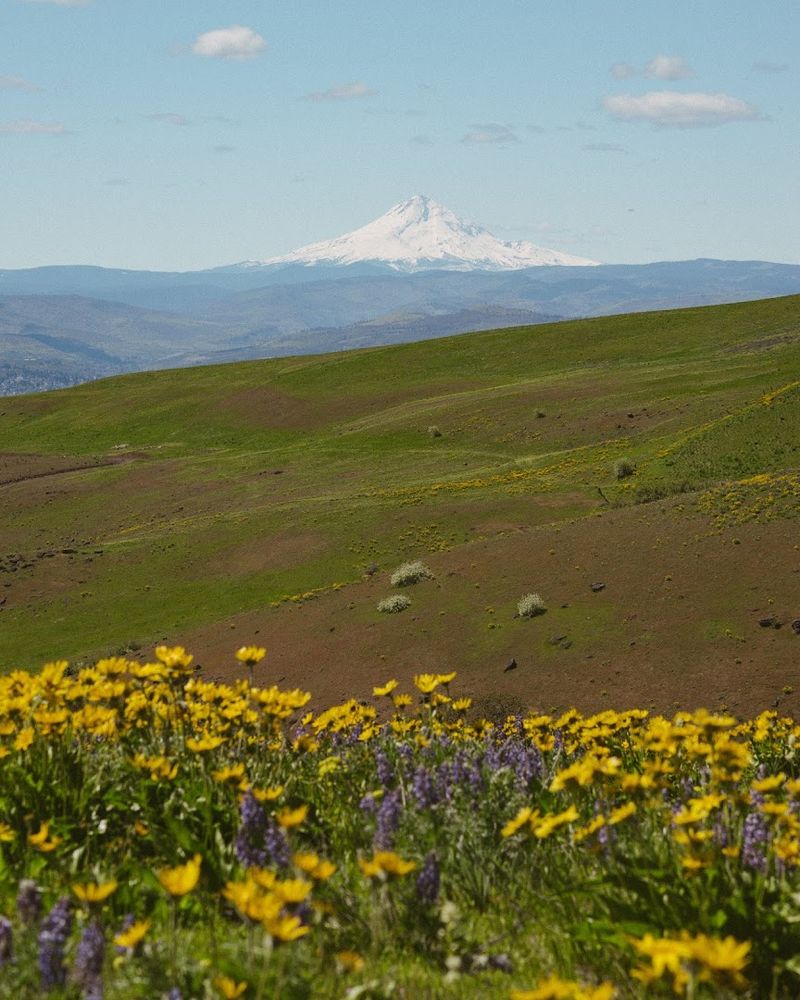
Crossing the Columbia River into Washington opens up a wildflower perspective that most Oregon-focused hikers miss entirely. Columbia Hills State Park near Dallesport sits on the north bank of the river. It offers spectacular spring bloom views looking back toward Oregon’s canyon walls.
Balsamroot and lupine carpet the open hillsides here in April and May. They create the same golden and violet palette that makes the Oregon side of the Gorge so famous. The cross-river views add a geographic depth that feels genuinely panoramic.
The park also contains Horsethief Butte, a distinctive basalt formation. It offers a short but rewarding scramble. Wildflowers grow right up to the rocky edges. The butte trail measures about 2 miles round trip and suits most hikers.
Columbia Hills is also home to important Native American rock art. Pictographs appear in protected areas that visitors can view on guided tours offered by the park. This cultural layer makes the visit feel richer than a standard wildflower outing.
Dallesport is a small community just across the river from The Dalles, Oregon. That location makes the park easy to reach from either state. Highway 14 runs along the Washington side of the Gorge and provides direct access.
Spring wind through the Gorge can be fierce here. Securing your hat before reaching the open hilltops is practical advice worth following.
Dear Reader: This page may contain affiliate links which may earn a commission if you click through and make a purchase. Our independent journalism is not influenced by any advertiser or commercial initiative unless it is clearly marked as sponsored content. As travel products change, please be sure to reconfirm all details and stay up to date with current events to ensure a safe and successful trip.
