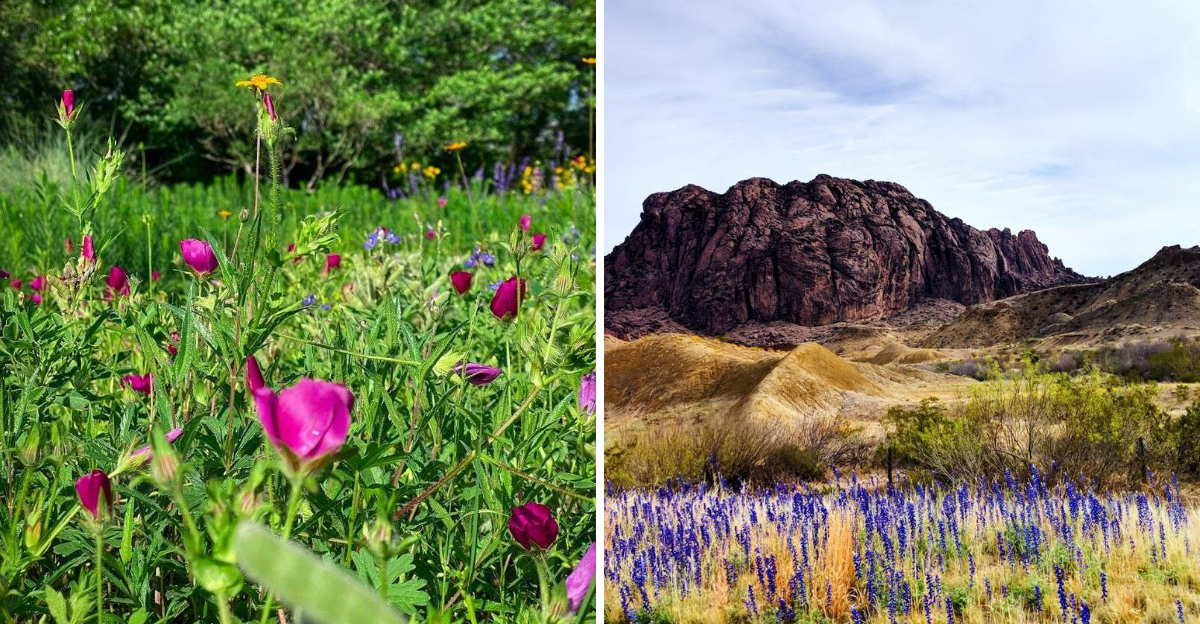
Spring flips a switch in Texas, and suddenly every trail looks like it tried a little harder overnight.
You start a hike expecting the usual views, then the colors show up, bluebonnets, paintbrush, patches of wildflowers that make you slow down whether you planned to or not. It turns a regular walk into something you actually stop to take in.
Timing matters, but when you catch it right, it feels like you stumbled into something that does not last forever.
1. Willow City Loop, Fredericksburg
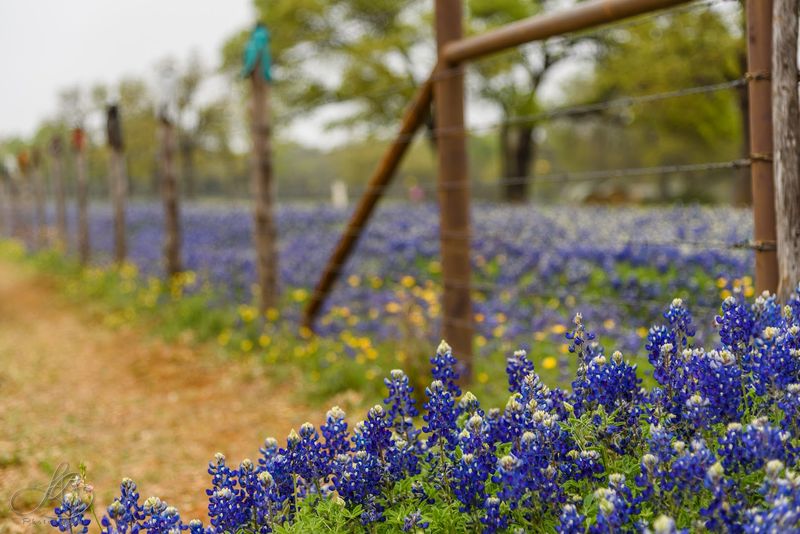
There is a stretch of road near Fredericksburg that almost does not feel real in April. The Willow City Loop winds through private ranchland for about 13 miles, and during peak bloom, the roadsides practically glow with bluebonnets and Indian paintbrushes stacked shoulder to shoulder.
Photographers absolutely love it here. The rolling terrain creates natural frames around every bend, and the light in the late afternoon turns the whole scene into something almost cinematic.
You do not need to be a professional with expensive gear to get a shot worth framing.
Wildflowers along this route can shift dramatically from year to year depending on winter rainfall. Visiting mid-March through mid-April usually gives you the best odds of catching a strong bloom.
Keep the windows down as you drive because the air genuinely smells different here, earthy and sweet all at once.
Respect the land by staying on the road and not venturing onto private property. The ranchers who own this land generously allow public enjoyment, and that access depends on visitors being considerate.
Bring a picnic, take your time, and let the scenery do the talking.
2. Ennis Bluebonnet Trails
Ennis takes its wildflower identity seriously, and honestly, it has earned every bit of that pride.
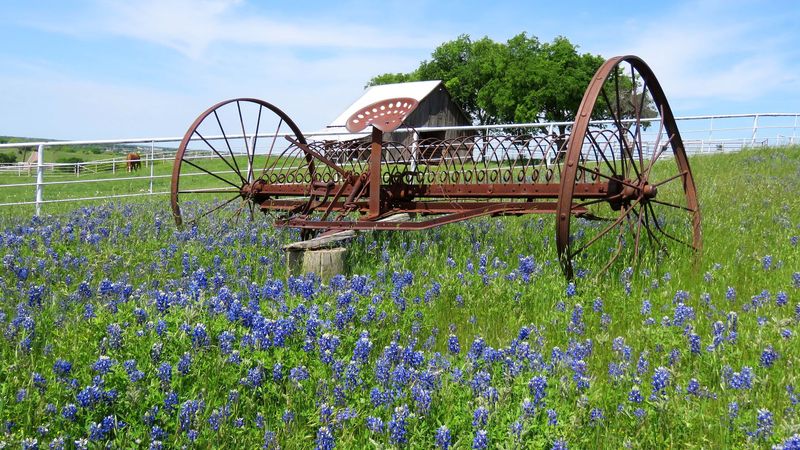
The city holds the official title of Bluebonnet City of Texas, and in April it leans fully into that reputation with more than 40 miles of mapped driving trails through some of the most saturated bluebonnet fields you will ever see.
The annual Bluebonnet Trails Festival brings live music, local food vendors, and handmade crafts to the mix. It turns what could be a quiet drive into a full weekend event with real community energy.
Families, couples, and solo travelers all seem to find something to love here.
What makes Ennis different from other wildflower spots is the sheer scale. The flowers stretch across farmland in sheets of deep violet-blue that seem to go on forever.
Even on overcast days, the color pops in a way that surprises you.
Arrive early in the morning if you want the trails without the crowds. The light is softer then, and the dew on the petals gives everything a fresh, almost glittery look.
Comfortable walking shoes are a must since some of the best viewing spots require a short stroll off the road.
Address: 201 NW Main, Ennis, TX 75119
3. Lady Bird Johnson Wildflower Center, Austin
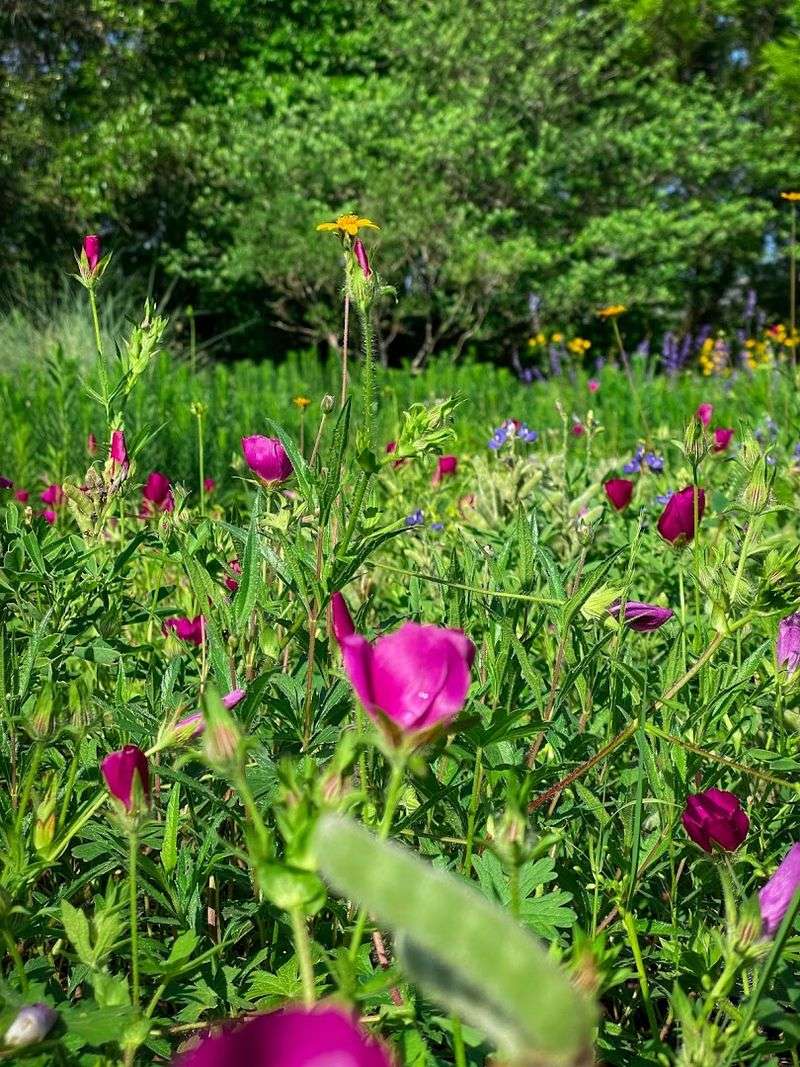
Austin has a lot going on in spring, but the Lady Bird Johnson Wildflower Center quietly holds its own as one of the most rewarding outdoor destinations in the city.
Dedicated entirely to native plants, the center transforms into a living gallery of color each spring as its meadows fill with bluebonnets, coneflowers, and black-eyed Susans.
Guided tours are available and genuinely worth taking if you want context for what you are seeing. The staff and volunteers here are passionate and knowledgeable, and they bring the science and stories behind native plants to life in ways that make even a casual visitor feel invested.
The layout of the grounds is thoughtful, with stone pathways that meander rather than rush you. There are shaded benches hidden into corners where you can just sit and listen to the bees working through the flowers.
It is a surprisingly meditative place given how close it sits to a major city.
Educational exhibits inside the center add another layer of depth to the visit. Kids especially seem to light up when they start connecting what they see growing outside to what they learn inside.
It is the kind of place that rewards curiosity at any age.
Address: 4801 La Crosse Ave, Austin, TX
4. Muleshoe Bend Recreation Area, Spicewood
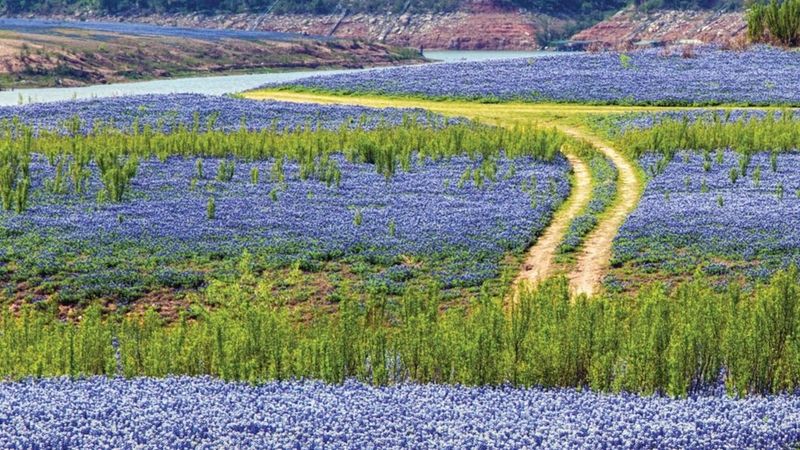
Hidden is the right word for Muleshoe Bend. Hidden near Spicewood along the shores of Lake Travis, this recreation area does not get the same buzz as some of the bigger wildflower destinations, and that is exactly what makes it worth the trip.
The trails here meander through open cedar and oak terrain where bluebonnets cluster in thick patches between the rocks.
Spring hiking at Muleshoe Bend has a relaxed, unhurried pace to it. The trails are not technical, making them accessible for families and casual hikers who just want to be outside surrounded by color.
Bikers also share some of the paths, so a little trail awareness goes a long way.
Lake Travis glimmers in the background on clear days, adding a blue-green contrast to all the floral color around you. Setting up a picnic near the water after a hike feels like a completely natural ending to a morning on the trails.
It is the kind of spot that becomes a yearly ritual once you find it.
Wildflower coverage here can be patchy depending on the season, but even in leaner years the landscape has a rugged, honest beauty to it. Go without expectations and you will almost certainly leave impressed.
Address: 820 Mule Shoe Bend Drive, Co Rd 414, Spicewood, TX 78669
5. Houston Arboretum and Nature Center
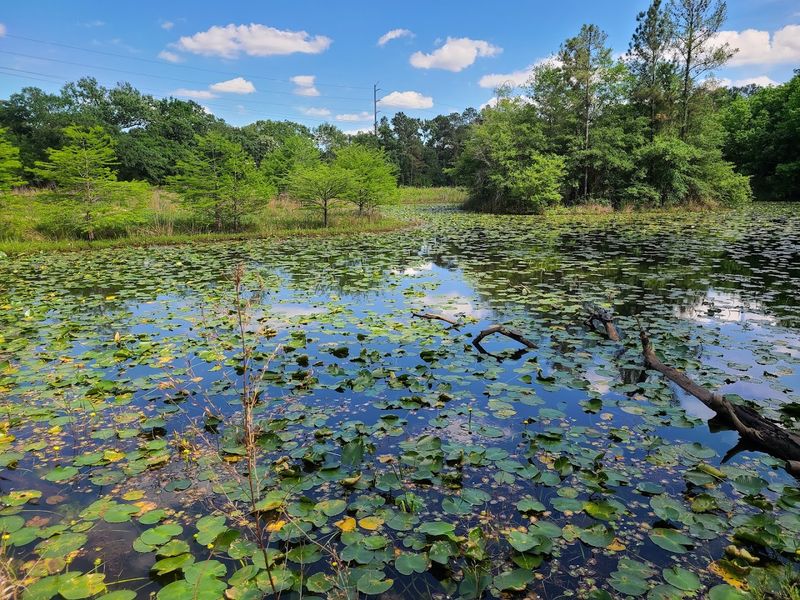
Houston does not always come to mind when people think of wildflower hikes, but the Arboretum and Nature Center makes a genuinely compelling case for the city.
The Outer Loop Trail covers 2.3 miles through a mix of woodlands, ponds, and open meadow areas where seasonal wildflowers pop up in cheerful, scattered clusters throughout spring.
What I appreciate most about this place is how it manages to feel like a true escape even though it sits inside one of the largest cities in the country. The canopy closes in around you on certain stretches of the trail, and the ambient noise of the city fades into something much quieter and greener.
Leashed dogs are welcome, which makes it a popular weekend destination for pet owners looking for a nature fix. Families with young children also find the loop manageable and engaging, especially when wildflowers are blooming and there is plenty to point out and talk about along the way.
Rangers and volunteers occasionally lead nature walks that highlight what is blooming and why. These walks are low-key and informative without being overwhelming.
Even a solo visit during a quiet weekday morning has a certain peaceful rhythm that is hard to replicate anywhere else in the city.
Address: 4501 Woodway Dr, Houston, TX
6. Pedernales Falls State Park
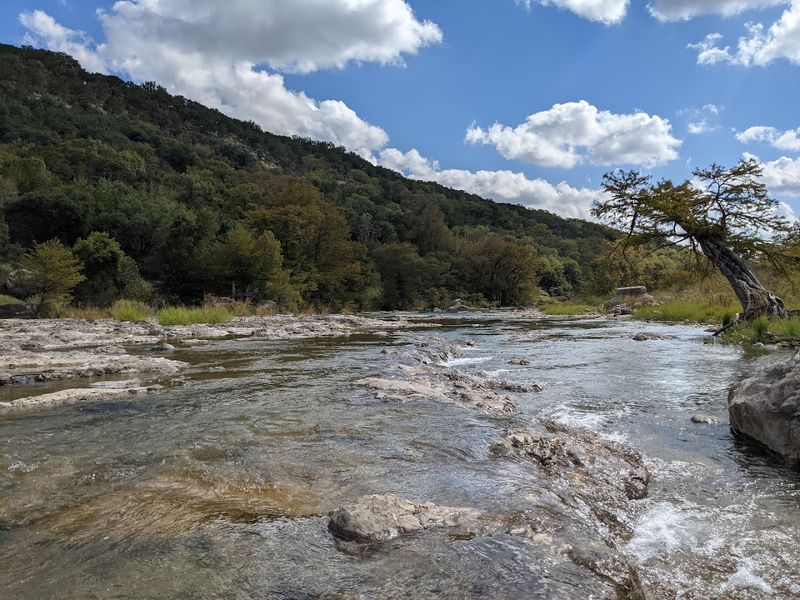
Pedernales Falls State Park has a dramatic, almost ancient quality to it that sets it apart from softer, more manicured wildflower destinations. The limestone terrain cuts across the landscape in jagged layers, and in spring, wildflowers push up between the rocks in a way that feels almost defiant.
It is a beautiful contrast that keeps your eyes moving constantly.
The Wolf Mountain Trail is a favorite for wildflower seekers, covering about six miles through cedar, oak, and open grassland. Bluebonnets tend to cluster in the sunnier exposed sections, while other species like winecup and spiderwort tuck into shadier corners.
The variety is genuinely impressive for a single trail.
Swimming in the Pedernales River is allowed in designated areas, so a post-hike cool-down is very much on the table when temperatures climb. The river itself adds a soundtrack to the whole experience, rushing and tumbling over the falls in a way that never really gets old.
Wildlife sightings are common here. White-tailed deer, wild turkeys, and a wide range of birds share the trails with hikers, especially in the early morning hours.
Bring binoculars if you have them because the birdwatching during spring migration is an unexpected bonus on top of all the floral color.
Address: 2585 Park Road 6026, Johnson City, TX
7. Enchanted Rock State Natural Area
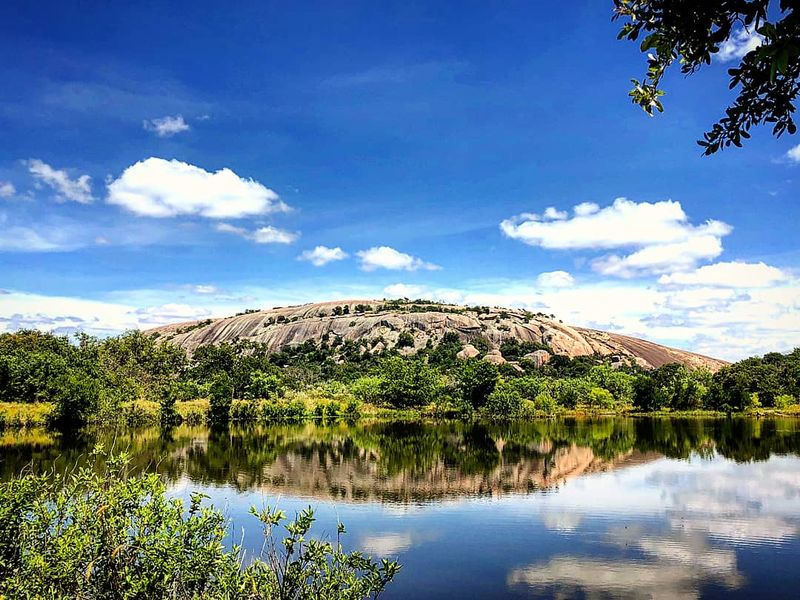
Enchanted Rock is one of those places that earns its name. The massive pink granite dome rises unexpectedly from the surrounding Hill Country, and in spring, the slopes around it come alive with wildflowers that seem almost too vivid against all that pale stone.
The visual contrast is striking from the moment you arrive at the trailhead.
The Summit Trail is the most popular route, but the Loop Trail and Enchanted Rock Loop offer more intimate encounters with the wildflower patches that spread across the lower terrain. Verbena, bluebonnets, and prairie paintbrush all make appearances depending on the week you visit.
Peak bloom usually hits sometime between late March and mid-April.
Reservations are required for entry and they fill up fast, especially on spring weekends. Planning ahead is not optional here, it is essential.
The park limits daily visitors to protect both the natural resources and the experience itself, which honestly makes the whole visit feel more special.
Stargazing after sunset is another reason people love this park. The dark skies above Enchanted Rock are remarkable, and spending a full day hiking through wildflowers before watching the stars emerge overhead makes for an almost impossibly satisfying Texas day.
Address: 16710 Ranch Road 965, Fredericksburg, TX
8. Big Bend National Park
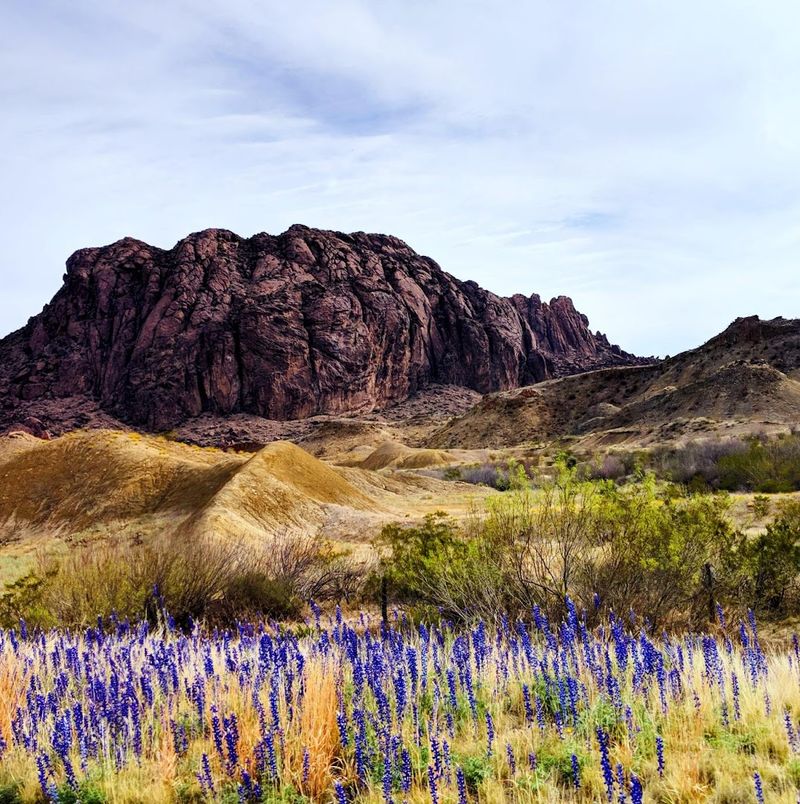
Big Bend operates on its own timeline, and spring there feels like something from another world entirely. The Chihuahuan Desert does not burst into bloom the way the Hill Country does, but what it offers is more subtle and in some ways more rewarding.
Desert marigolds, ocotillo flames, and lechuguilla spikes create a spare, sculptural kind of beauty that takes a moment to fully register.
The Window Trail and the Lost Mine Trail both offer excellent wildflower viewing in spring, with the added drama of canyon walls and mountain panoramas framing every step. I found myself stopping far more often than I expected, not just for flowers but for the sheer scale of the landscape around them.
Big Bend is remote, and that remoteness is part of what makes it feel so rewarding. Getting there takes commitment, but the payoff is a level of solitude and natural grandeur that crowded parks simply cannot offer.
Cell service is minimal, which forces a full digital detox whether you planned for one or not.
Spring temperatures in the park can swing widely between day and night. Packing layers and carrying more water than you think you need is standard advice that every experienced visitor will echo.
The desert rewards the prepared traveler generously.
Address: 1 Panther Junction, Big Bend National Park, TX
9. Guadalupe River State Park
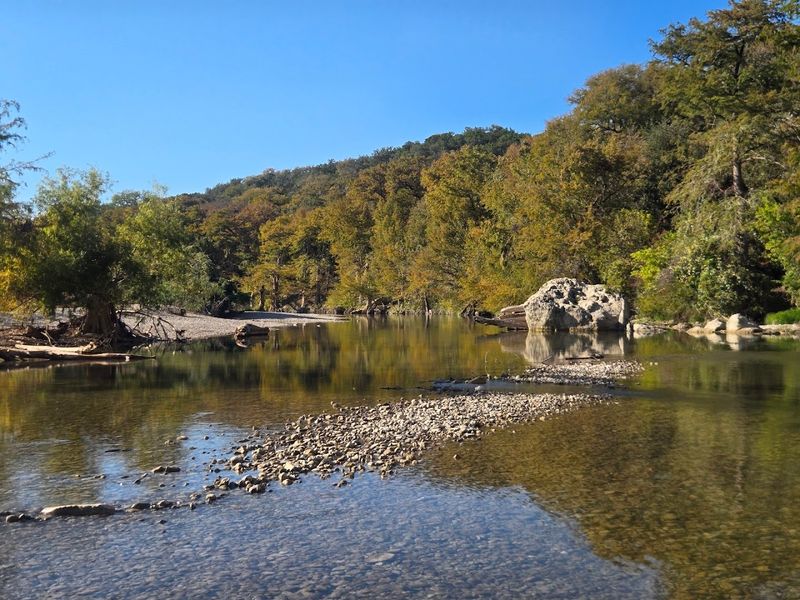
There is something deeply calming about hiking alongside a river, and Guadalupe River State Park in spring delivers that feeling in abundance.
The Guadalupe River runs clear and cold through the park, and the trails along its banks are lined with cypress trees, wildflowers, and a kind of green-gold light that makes every photo look effortless.
Indian blanket, bluebonnets, and wild bergamot tend to bloom along the riverside trails in March and April, creating a colorful border between the trail and the water.
The contrast between the cool blue-green of the river and the warm oranges and reds of the flowers is one of the more visually satisfying combinations Texas spring has to offer.
The park has over eight miles of trails ranging from easy riverside walks to more rugged terrain inland. Swimmers and tubers share the river access areas on warmer weekends, adding a lively energy to what might otherwise be a purely quiet outdoor experience.
Camping is available here, and spending a night after a full day on the trails gives you a chance to experience the park when most day visitors have gone home. The morning light on the river is worth waking up early for, especially when the wildflowers are still holding dew from the night before.
Address: 3350 Park Road 31, Spring Branch, TX
10. Palo Duro Canyon State Park
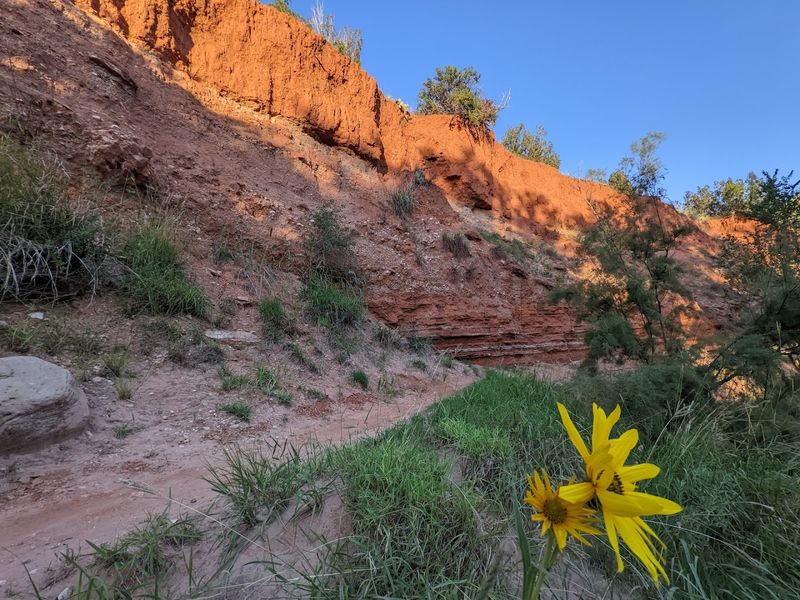
Palo Duro Canyon carries the nickname of the Grand Canyon of Texas, and standing at its rim for the first time makes that comparison feel completely justified.
The canyon drops away in layers of red, orange, and purple rock, and in spring, the floor and lower slopes come alive with wildflowers that seem almost shocking against all that warm-toned stone.
The Lighthouse Trail is the most iconic route in the park, winding about six miles round trip to a dramatic rock formation that rises like a tower from the canyon floor.
Along the way, spring bloomers including prairie verbena, desert phlox, and yellow daisies line the path in cheerful patches that reward a slower pace.
Palo Duro is located in the Texas Panhandle, which means it gets far fewer visitors than Hill Country destinations. That relative quiet is a genuine asset.
You can hike for stretches without seeing another person, which gives the whole experience a frontier-like feel that is harder and harder to find.
The canyon also hosts an outdoor musical drama in summer, but spring is when the natural scenery does all the performing. Sunrise hikes here are particularly striking, with the canyon walls shifting through shades of gold and amber as the light builds and the wildflowers begin to open for the day.
Address: 11450 Park Road 5, Canyon, TX
Dear Reader: This page may contain affiliate links which may earn a commission if you click through and make a purchase. Our independent journalism is not influenced by any advertiser or commercial initiative unless it is clearly marked as sponsored content. As travel products change, please be sure to reconfirm all details and stay up to date with current events to ensure a safe and successful trip.
