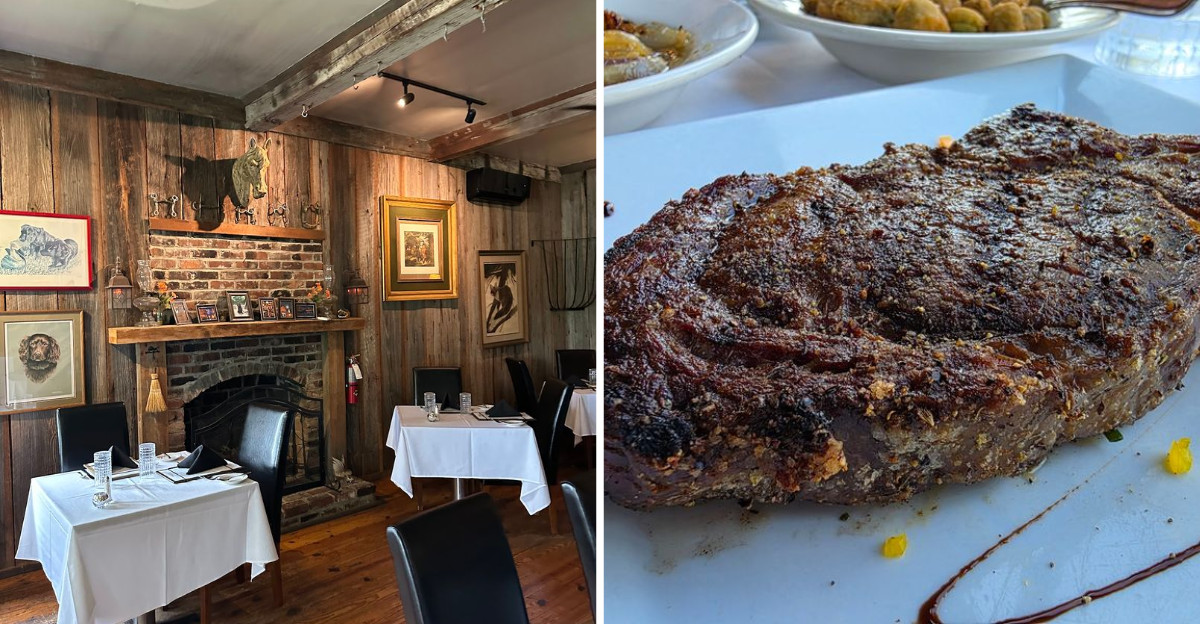
A grist mill that still grinds cornmeal today sits beside a wide, glassy pond in South Carolina, and I found it after narrow country roads bent past pines and pastures until the pavement felt like a secret.
I almost expected nothing at the end of the drive, and instead I found a cluster of weathered buildings with heart pine floors that creak in a friendly way and windows that frame water and birds.
The wood smoke from the kitchen mingled with the scent of dust and old paper that still clings to the corners of the building, a reminder of the decades when this room held mail and dry goods instead of steak and wine.
The floorboards shift slightly underfoot, and the view across the pond changes with every passing cloud.
The building used to hold the community post office and general store, and the smell of seared beef now fills the room where mail was once sorted and dry goods were stacked.
I sat down thinking I was just getting dinner, and left feeling like I had spent an evening inside a piece of state history, the kind of place where the walls hold more than just insulation.
If you like places with a story baked into the walls, this one is worth every mile of the drive.
The Old Post Office That Became a Kitchen
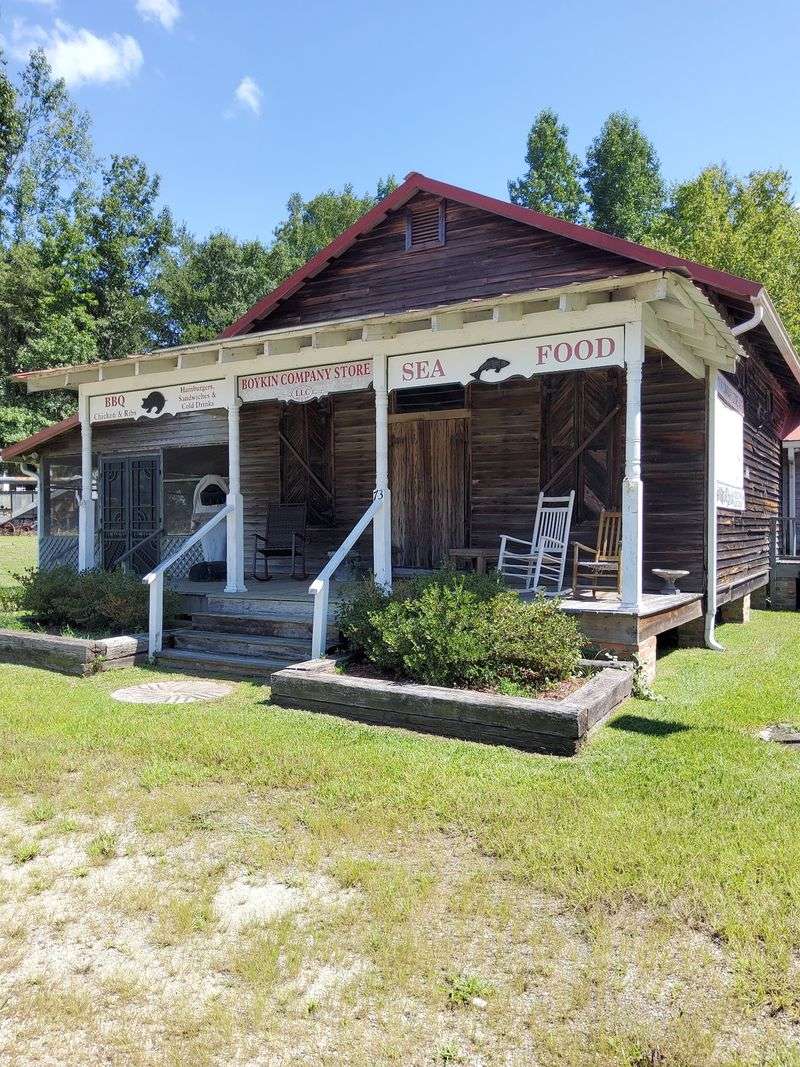
My favorite detail here has nothing to do with the food. It is the fact that the kitchen sits inside the frame of the community’s second post office, a structure rebuilt back in 1874.
Letters once passed across counters in that space. Now cast iron pans clatter and steaks hit hot grills in the very same footprint, which strikes me as a wonderfully odd kind of second life for a building.
Mill Pond Steakhouse is really three connected historic structures stitched together, not one purpose-built restaurant. You can feel the seams as you move through it, with slight changes in ceiling height and floorboard direction that give the place a pleasantly uneven, lived-in rhythm.
Heart pine runs underfoot, worn smooth by generations of shoes. Reclaimed lumber salvaged from old cabins around Boykin fills sections of the walls, so the wood itself carries local history.
Practical tip from my visit: arrive a few minutes before your reservation and take a slow look around the entry area instead of rushing to your table. The details reward attention, from door frames to hardware to the way the rooms connect.
Dining inside a former post office sounds like a gimmick until you are actually sitting in one, and then it just feels genuinely special. It feels less like a themed restaurant and more like another chapter in Boykin’s long history.
Boykin Mill Pond and the Grist Mill Still at Work
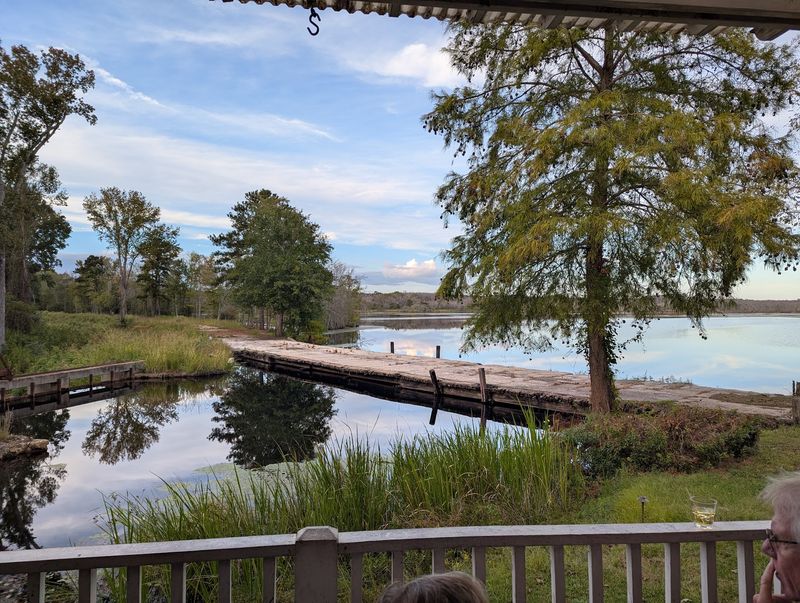
Just outside the windows sits Boykin Mill Pond, formed centuries ago when Swift Creek was dammed to power a grist mill. The water is wide, still, and edged with grasses that seem to hide something interesting every few minutes.
The current mill dates to around 1905 and still grinds cornmeal and grits, which means the grain heritage here is not decorative. It is ongoing work.
The whole Boykin Mill Complex, including the mill, the pond, and the buildings that hold the restaurant, sits on the National Register of Historic Places. That designation makes sense the moment you see how much of the original character survives.
Wildlife puts on a free show. White cattle egrets stalk the shallows, ibises drift past, fish break the surface, and alligators occasionally glide by with that unhurried confidence only alligators have.
My advice is simple. Book a table for around sunset, because the light hitting that water is the closest thing to free dinner theater I have found in the state.
The pond also carries heavy history, including a boat accident in 1860 and a late Civil War skirmish in April 1865 known as the Battle of Boykin’s Mill, fought right around these grounds.
A General Store Turned Dining Room
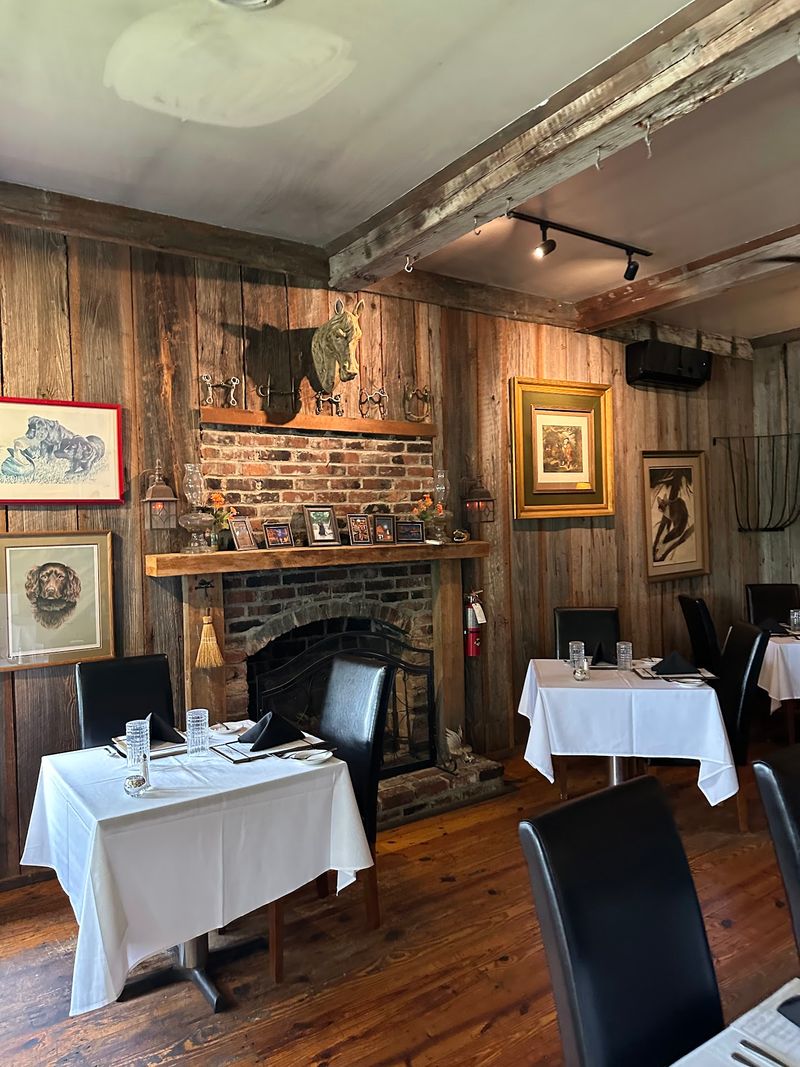
Part of the main dining room was once a general store, a building that was later moved and given new purpose. Sitting there, I kept picturing shelves of flour sacks and hardware where tables now stand.
The room manages something tricky. It looks refined enough for an anniversary, yet nobody feels out of place in a button-down shirt and clean boots.
Ambient lighting keeps everything soft and golden, and the decor leans into small details rather than big statements. There is even a bear in the bar area that guests love to pose beside, which tells you the place does not take itself too seriously.
Space is compact, and tables sit closer together than in a big-city steakhouse. On busy nights the room fills with conversation, so if you want quieter surroundings, an earlier seating on a weeknight tends to feel calmer.
Windows are the real showstopper. They stretch across the pond side of the room and turn the water into a slow-moving painting that changes as the sun drops.
Because the building grew from separate structures, there is also a section that handles larger parties well, which makes it a solid choice for birthdays or family reunions where everyone wants to sit together.
Steaks Worth the Country Drive
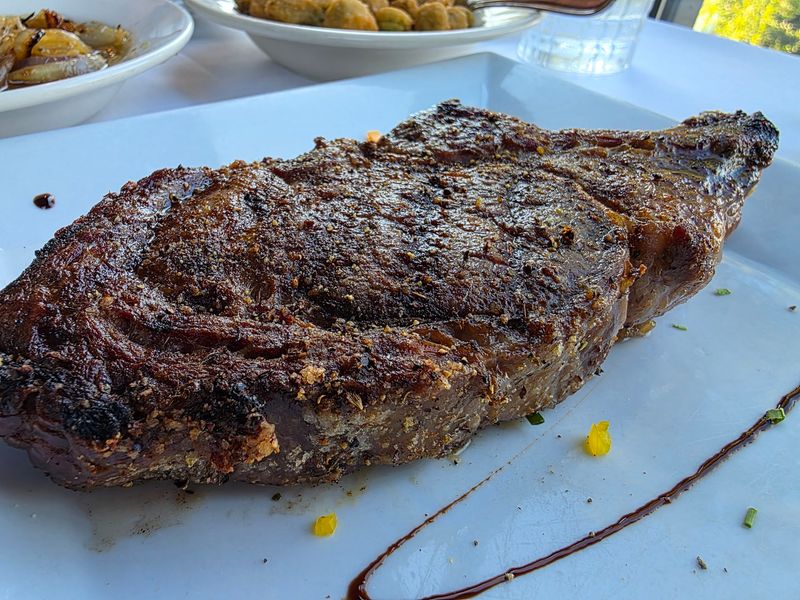
Beef is the headline act, and the kitchen treats it with obvious respect. Certified Black Angus gets aged more than 40 days before it ever meets the grill.
That aging shows up as a deeper, almost nutty flavor and a texture that gives way easily under a knife. The crust arrives dark and seasoned, the inside cooked to the temperature you actually asked for.
Cuts run from filet mignon to a hefty ribeye, and the bacon wrapped filet has earned something close to legend status among regulars. A twenty ounce steak also shows up on plenty of tables, usually shared or half boxed for tomorrow.
Here is the part first timers should know. Sides are ordered separately and come out family style, generous enough to feed three or four people, so a table of two really does not need four sides.
I would rather order lighter and add something later than stare down a mountain of food I cannot finish.
Scalloped potatoes with gorgonzola and asiago, twice baked potatoes, fried okra, creamed spinach, and stone ground grits from the mill down the road are all popular. The grits in particular tie the meal directly to the water spinning just outside.
Cornbread arrives early and disappears fast.
Lowcountry Flavors Beyond the Grill
Not everyone at the table wants beef, and that is where the menu quietly flexes. Lowcountry seafood shares equal billing with the steaks.
Shrimp and grits show up in classic Southern form, and the crab cakes lean heavy on crab rather than filler. Cornmeal crusted grouper is another dish people order again and again.
Appetizers are where things get playful. Boykin cornmeal encrusted oysters arrive crisp with a bright pineapple and mango chutney, and the fried green tomato Napoleon stacks Boursin cheese and lump crab into something that eats like a small architectural project.
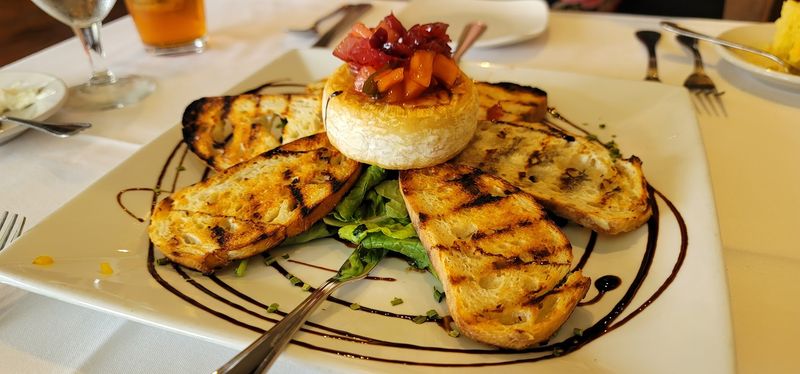
Duck spring rolls have their own devoted following, and baked Brie tends to vanish from the table before anyone remembers to take a picture of it.
Marinated rack of lamb, pork tenderloin, and salmon round out the choices, so a group with wildly different tastes can all leave happy.
Dessert deserves a plan. The cobbler, whether peach or mixed berry, gets mentioned more than almost anything else here, and it arrives warm with ice cream melting into the fruit.
Cheesecake and chocolate cake also make appearances, but honestly, if you drive this far and skip the cobbler, I think you have made a small mistake.
Boykin Village and Planning Your Visit
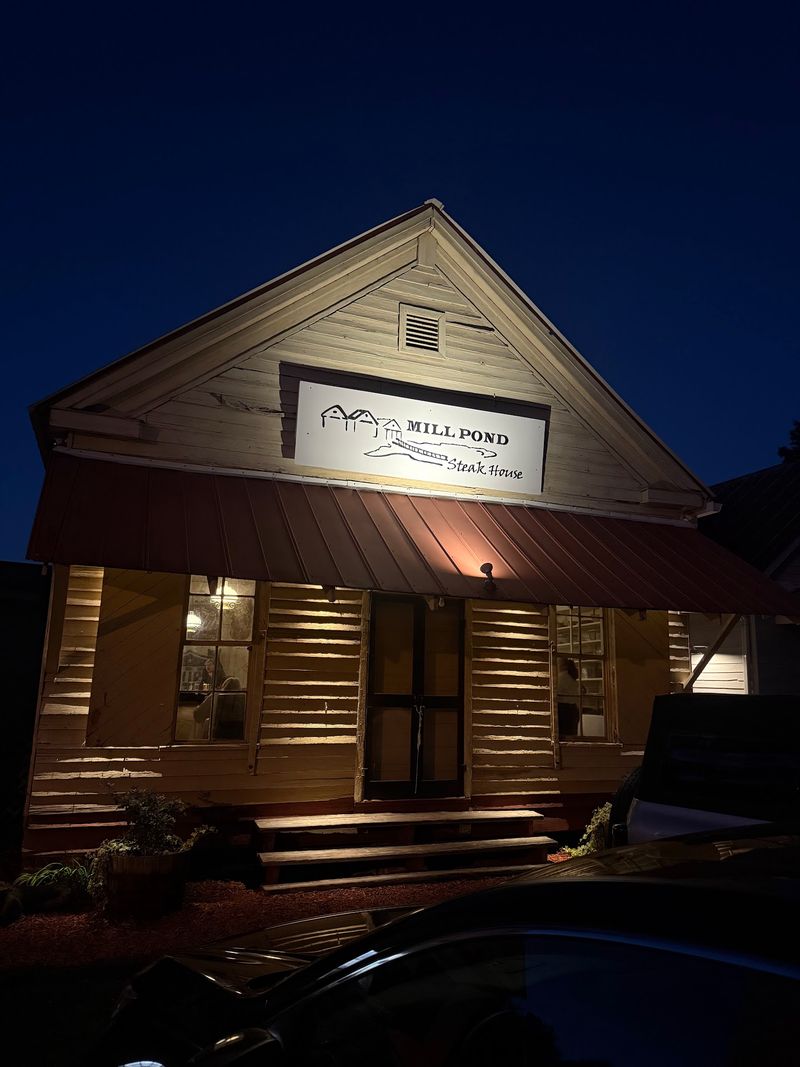
Getting here takes effort, and that is part of the charm. Boykin sits a few miles south of Camden, tucked into countryside where signage is scarce and phone service can get moody.
Before dinner, I would give yourself an hour to wander the village itself. The Boykin Mill still grinds grain, and the Broom Place turns out handcrafted brooms inside a restored 1740s settler’s cabin.
Swift Creek Baptist Church, dating back to around 1787, stands nearby and adds another layer to the area’s long timeline. Walking between these spots makes the dinner that follows feel connected to something bigger.
A few practical notes worth writing down. The restaurant opens at 5 PM Tuesday through Saturday and stays closed Sunday and Monday, so plan accordingly.
Reservations are strongly recommended, especially for weekends, holidays, and anniversaries, which seem to fill this dining room constantly.
Outdoor seating exists too, which is lovely on mild evenings when the pond air cools down.
Service here carries genuine Southern warmth, with servers who happily walk newcomers through the family style setup and the nightly specials. Come hungry, come curious, and leave time to linger.
Address: 84 Boykin Mill Rd, Rembert, South Carolina
