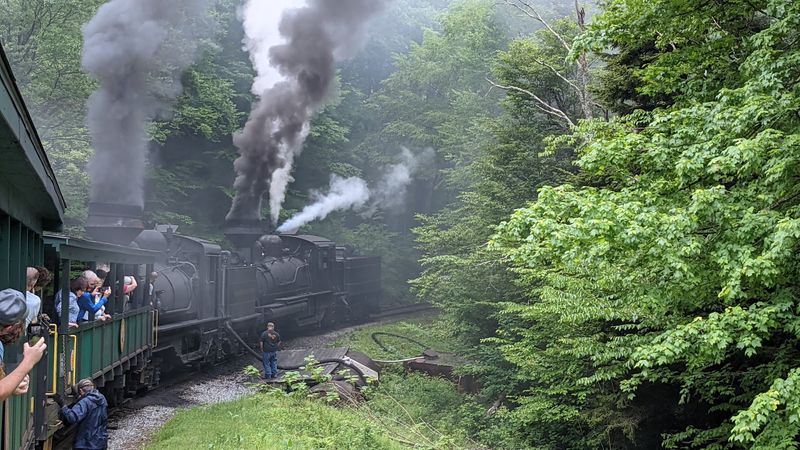
Picture a whistle echoing off the ridgelines, a plume of coal smoke curling into the trees, and a working steam engine grinding up a mountain the same way it did over a hundred years ago. Tucked deep in the West Virginia highlands, this old logging railroad still carries passengers where lumber once rolled down to the mill.
It is one of those places you stumble onto and never quite forget. Come along as we ride the tracks that time somehow left running.
A Mountain Railroad Hidden In Pocahontas County
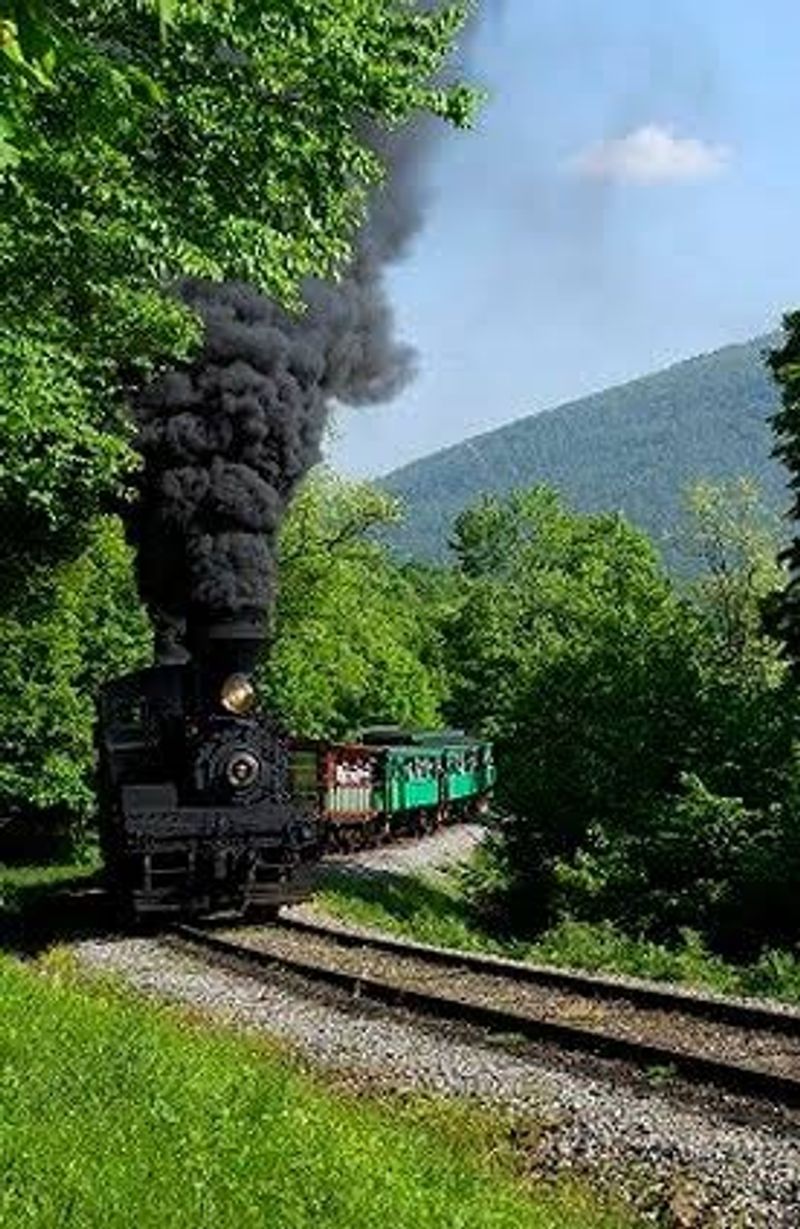
Roll into the little town of Cass and you feel the calendar slip backward. Sitting at 12363 Cass Rd in Pocahontas County, this state park is built around a working steam railroad that first hauled timber more than a century ago.
What makes it special is simple. The trains are real steam locomotives, the tracks are the original grades cut for loggers, and the whole town has been preserved rather than rebuilt to look old.
Visitors often describe it as stepping back in time, and they are not exaggerating. You climb aboard open-air cars, hear that whistle wail, and watch a crew shovel coal like their grandfathers might have.
The park earns a lot of affection, holding a 4.7-star rating across more than 1,600 reviews. Families, retirees, and lifelong rail fans all seem to find something here.
It sits in a remote pocket of the Mountain State, wrapped in forest and quiet. That isolation is part of the charm, giving the place a stillness that busier attractions simply cannot offer.
Timber, Steam, And The Story That Started In 1901
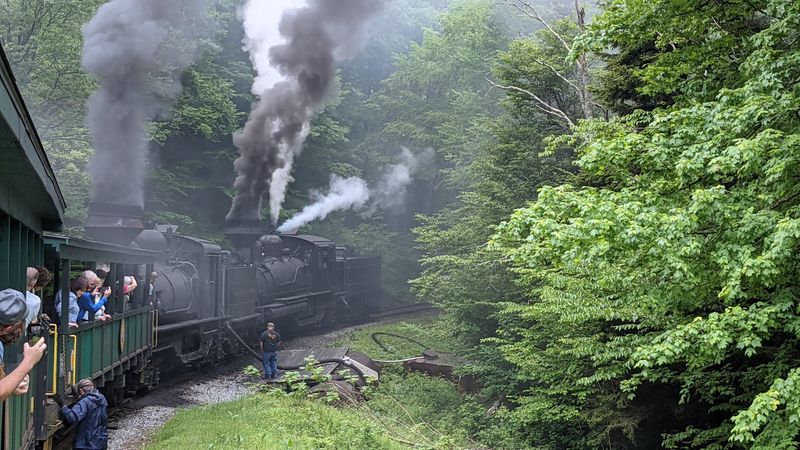
Back in 1901, the West Virginia Pulp and Paper Company laid these tracks for one reason: money made from wood. The railroad hauled enormous loads of timber off Cheat Mountain and Back Allegheny Mountain down to the mill in the company town of Cass.
Building a standard-gauge line through this rugged country was no small feat. Crews wrestled with grades that reportedly reached an astonishing 11 percent, using switchbacks to zigzag up slopes too steep for a straight climb.
Decades of heavy cutting followed. The line passed to the Mower Lumber Company in 1942, but as the timber thinned and the industry faded, the railroad shut down in 1960.
The story could have ended there, with rusting rails and empty houses. Instead, local visionaries stepped in, and West Virginia acquired the railroad and its town in the early 1960s.
The first tourist excursion pulled out in 1963. That decision saved a working piece of Appalachian heritage that riders still praise today for feeling genuine rather than staged.
Geared Giants Built To Conquer Steep Grades
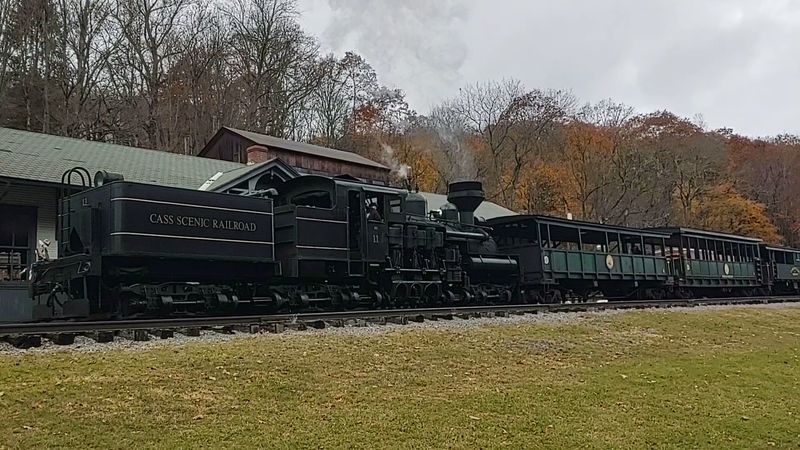
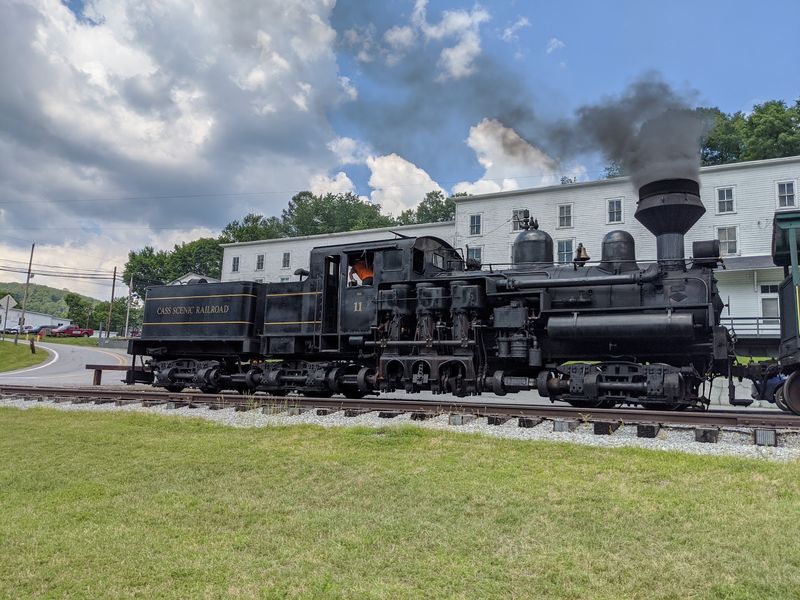
Here is the mechanical magic that makes Cass different from any ordinary train ride. The locomotives are geared steam engines, mostly Shay, Heisler, and Climax models built for the brutal work of mountain logging.
Regular rod locomotives would slip and struggle on these slopes. Geared engines send power through gears rather than direct rods, trading speed for muscle and traction.
That design let them crawl up impossible grades and around tight curves with heavy loads behind them.
Cass is celebrated as home to the world’s largest collection of operating logging steam locomotives. Seeing several of them fired up and working is a genuine rarity anywhere on the planet.
Many passenger cars add to the authenticity, since they are refurbished old logging flatcars rather than fancy coaches. You ride roughly the way the freight once did.
One longtime visitor mentioned taking these trips since the 1970s and never tiring of that Shay engine’s soulful whistle. Since 2015, the Durbin and Greenbrier Valley Railroad has operated the line under a lease with the state.
The Long Haul To Bald Knob
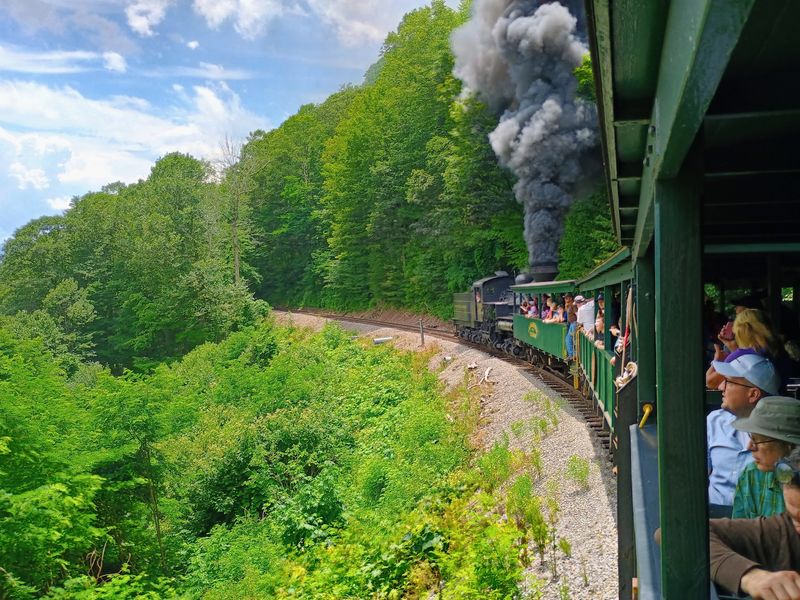
Want the full-blown adventure? The Bald Knob trip is the flagship, a 22-mile round journey that runs roughly four and a half to five hours as the train pushes and pulls its way up Back Allegheny Mountain.
The climb is genuinely dramatic. From Cass at 2,452 feet, the train gains around 2,390 feet to reach Bald Knob at roughly 4,842 feet, one of the highest points in the entire state.
Along the way the forest changes character, shifting from deciduous woods to northern hardwoods and finally into evergreens, a transformation some compare to traveling hundreds of miles north.
Riders who made the trip describe breathtaking views from the top, with vistas that can stretch into Virginia on a clear day. A cold-cut lunch comes included with the ticket.
Current adult fares run about 85 dollars, with seniors 65 and up around 83, military and veterans near 81, and children 4 to 11 about 65. Fall foliage season may add a small surcharge, which some folks find steep but understandable.
A Shorter Ride To The 1940s Logging Camp
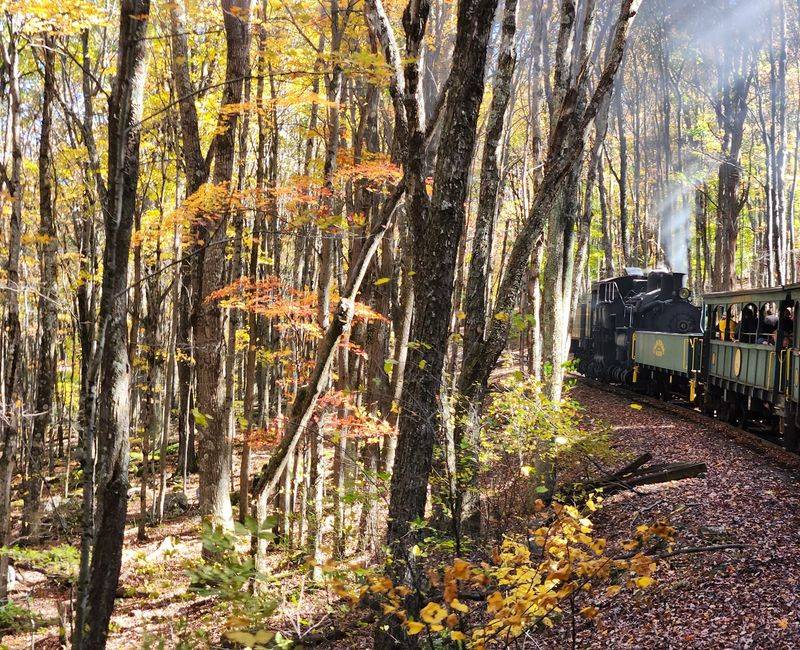
Not everyone has half a day to spare, and that is where the Whittaker Station trip shines. The 8-mile round trip lasts about two hours and still delivers plenty of steam-powered drama.
The route climbs the lower slopes of Cheat Mountain along the pretty Leatherbark Creek. Because the grades are so steep, the locomotives cross switchbacks and take turns pushing and pulling the cars up the hill.
At the top waits a treat for history lovers: a recreated 1940s logging camp. Wander through it and you get a tangible sense of how loggers and their families actually lived out here in the woods.
One rider took the Whittaker excursion and called it well worth the price, singing praise for the steam whistle and scenic views while planning a return trip.
Fares for this shorter ride run about 65 dollars for adults, roughly 63 for seniors, near 61 for military and veterans, and around 45 for children 4 to 11. It is an easy pick for families with younger kids or limited time.
Riding The River To Durbin And Chasing A Ghost Town
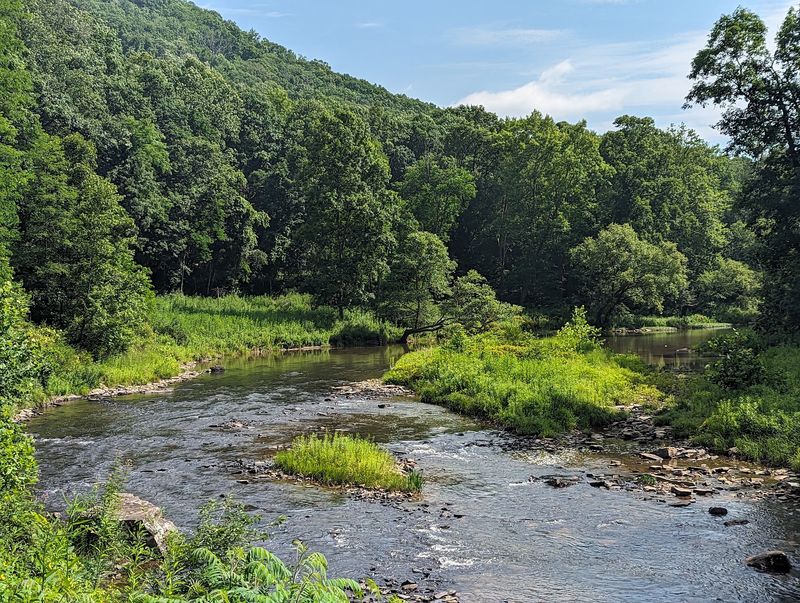
Beyond the two headline climbs, Cass offers routes that reveal completely different sides of these mountains. The Greenbrier Express trades steep switchbacks for a gentler ride along water.
This roughly five-and-a-half-hour journey rolls from Cass to the mountain town of Durbin, tracing the scenic Greenbrier River the whole way. A cold-cut lunch comes with this excursion too.
One rider found the Greenbrier Express more peaceful than thrilling, calling it anticlimactic compared to Bald Knob but still praising the hostess commentary and the calm river scenery.
For something rarer, keep an eye out for the Spruce trip. It heads to the ghost town of Spruce, once known as the highest and coldest incorporated town east of the Mississippi.
That special run is often powered by the mighty Western Maryland Shay No. 6, a real crowd-pleaser for engine enthusiasts. Riding to a vanished mountain settlement adds a haunting, historical layer that regular tourist trains rarely offer.
Between these choices, you can tailor your day to whatever mood you are in, from restful to full-on rail adventure.
The Company Town Frozen In Time
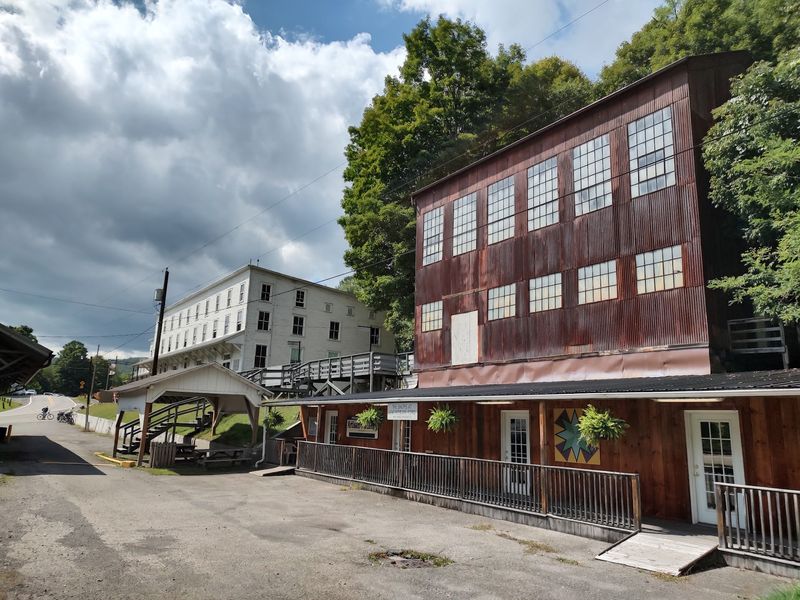
The magic here does not stop at the tracks. The town of Cass itself is part of the show, remarkably preserved since the West Virginia Pulp and Paper Company founded it in 1901.
Built purely to support the logging operation, it was a classic company town. Today the restored company houses still line the streets, and many are available for seasonal rental so you can actually sleep inside a piece of history.
One reviewer described the place as like walking into the 1920s, praising the vibe of a genuine little mountain town that feels all its own.
The Company Store, the Historical Theater, and the Historical Museum round out the experience. Visitors regularly mention the quaint general store just up the street and the museum full of photos, artifacts, and railroad relics.
Because the town sits so remotely, cell service is famously spotty, which many riders actually count as a plus. It nudges you to slow down and pay attention.
Between the shops, the water, and strolling the tracks, folks say you can easily fill a whole day without ever boarding a train.
Museum Walls, The Company Store, And Handmade Finds
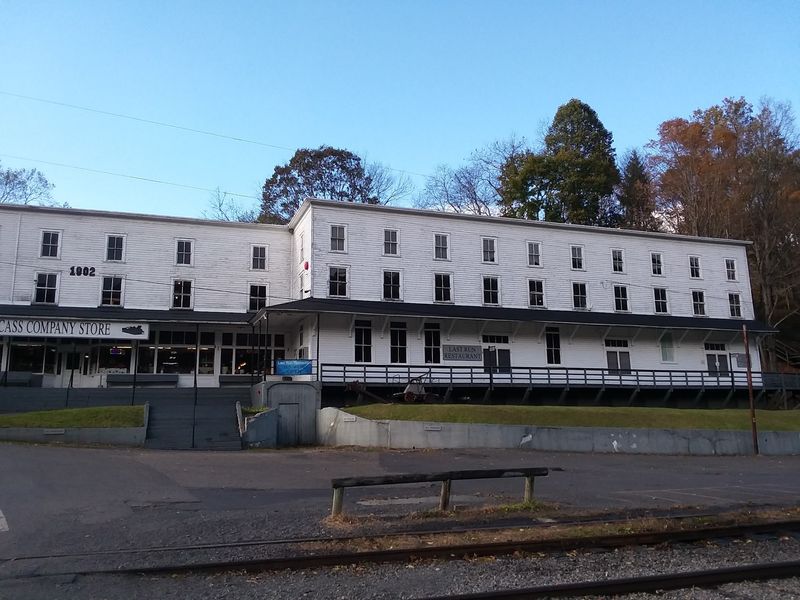
Give yourself extra time before or after your ride, because the buildings around the depot hold their own quiet treasures. The Historical Museum is a favorite stop.
Inside you will find old photographs, railroad items, tools, and even period clothing that help tell the story of West Virginia’s logging days. One family recommended budgeting extra time just to soak it all in.
Staff members here are part of the appeal. Many are career workers whose knowledge runs deep, and visitors describe them as a treasure trove of historical facts who clearly enjoy sharing them.
Just steps away sits the Company Store, praised as a quaint and historic shopping experience. Alongside it, a shop selling handmade local goods gives you a chance to take home something made in these hills.
One reviewer even met a lifelong local named Danny who answered questions on his day off, a small kindness that seems typical of the Cass spirit.
Between the museum, the store, the theater, and the crafts, the ground-level attractions make this more than a train ride. They make it a full living-history outing.
Sleeping In A Caboose Or A Century-Old House
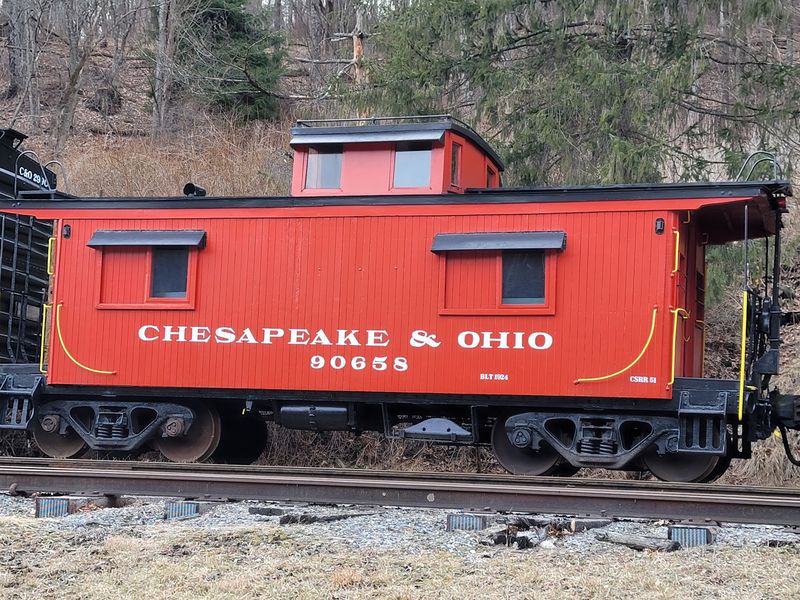
Here is something you cannot do at most attractions: spend the night wrapped in the history. Cass offers overnight accommodations that turn a day trip into a genuine getaway.
The restored company houses take in guests, with options large enough for families or small groups. One visitor stayed in a three-bedroom, one-bath house and found it far roomier than needed, with decent Wi-Fi and a good night’s rest, though the older homes do show their age.
Then there is the truly unusual choice. A repeat guest raved about staying in the Castaway caboose, saying they understood there is nothing else quite like it anywhere in the country.
That same family had visited five times, sent friends from out of state, and treasured the memories made here. When a place pulls you back again and again, that says plenty.
Staying over means you catch the town after the day crowd thins, when the mountain quiet settles in. For anyone chasing a unique adventure rather than a cookie-cutter hotel, these lodgings deliver a story you will keep telling for years.
Fall Foliage, Parades Of Steam, And Special Days
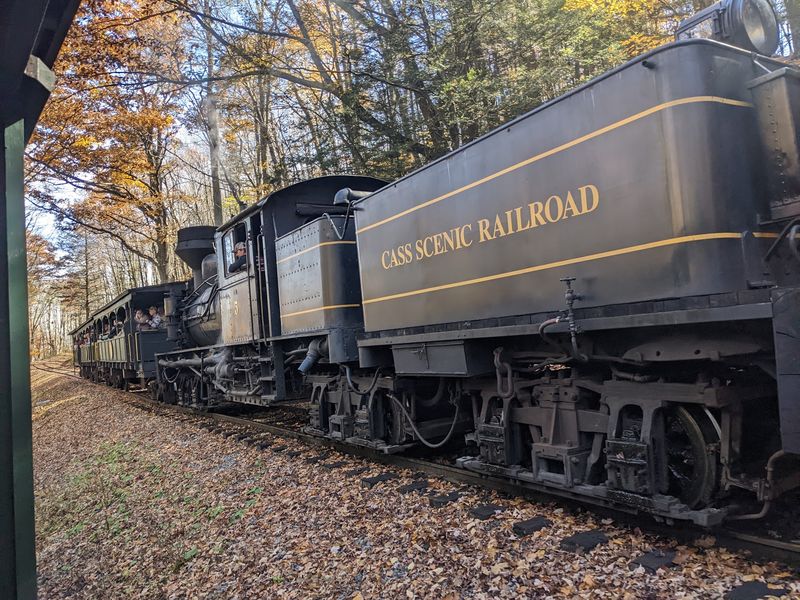
Timing your visit can completely change the experience. Autumn tends to be the showstopper, when the mountainsides blaze with color and the trains climb through a sea of reds and golds.
Riders who combined a steam ride with fall foliage called it a perfect mixture of exciting and relaxing, and some met fellow passengers they planned to stay in touch with. Fall’s popularity may nudge ticket prices up a bit.
The park also hosts special events worth planning around. The free Parade of Steam brings multiple operable locomotives together, and one visitor who caught the engine parade called it awesome.
Winter has its own charm too. Christmas train riders described warm cars, delicious food afterward, and friendly staff who added extra holiday cheer, especially delightful for young children.
Even the off season earns praise, with one couple enjoying a quiet visit and a wonderful chat with a local.
Whatever the season, checking the calendar ahead pays off. Between foliage runs, holiday trains, and steam parades, there is almost always a reason to pick one weekend over another.
What To Pack And What To Expect Aboard
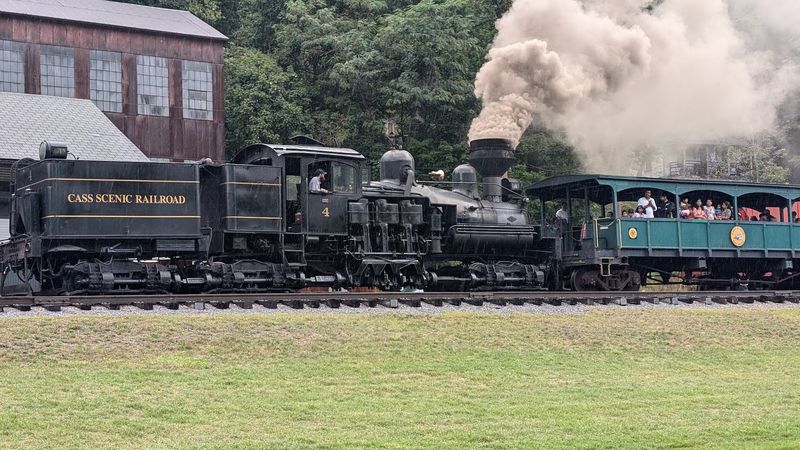
A little preparation makes a big difference on these historic cars. Seasoned riders share the same friendly warnings, and they are worth heeding.
First, the seats are wooden, so bring a cushion or blanket for the longer climbs. The cars are covered but open-air, meaning no windows or doors, which is exactly why they feel so authentic.
Expect soot and smoke. When the wind does not cooperate, you may get dusted with black smoke and small bits of carbon, especially near the front, where you also get the best view of the engine working.
The train can be genuinely loud, so several visitors suggest earplugs, particularly for children sitting close to the whistle. Boarding involves steep steps, so decent mobility helps.
Pack layers and maybe an umbrella, since mountain weather shifts fast. There is no cell service or reliable Wi-Fi on the train, so download maps, music, or a book beforehand.
None of this is luxury, and that is the point. Riders describe it as a genuine, old-fashioned train ride from another time, dust and all, and they mean it as high praise.
Hours, Directions, And A Final Word Before You Go
Ready to plan the trip? The park generally operates its train season from late May through October, with those golden autumn weekends drawing the biggest crowds.
Park grounds keep regular hours, opening at 8 AM daily and closing at 6 PM most days, with Thursday and Friday stretching to 8 PM. Because trips book up regularly, advance online reservations are strongly recommended so you actually get a seat.
Ticket prices vary by excursion, season, and age, so check current rates when you book. Infants 3 and under ride free but still need a ticket.
You will find it at 12363 Cass Rd, Cass, WV 24927, tucked into remote highlands where the drive itself feels like part of the adventure. The park also anchors the northern end of the 78-mile Greenbrier River Trail for hikers, bikers, and horseback riders.
One rider whose train broke down still gave glowing marks, praising a crew that got everyone safely down and refunded the fare without being asked. That kind of care sums up the place.
Come for the steam, stay for the mountains, and leave with memories worth repeating.
