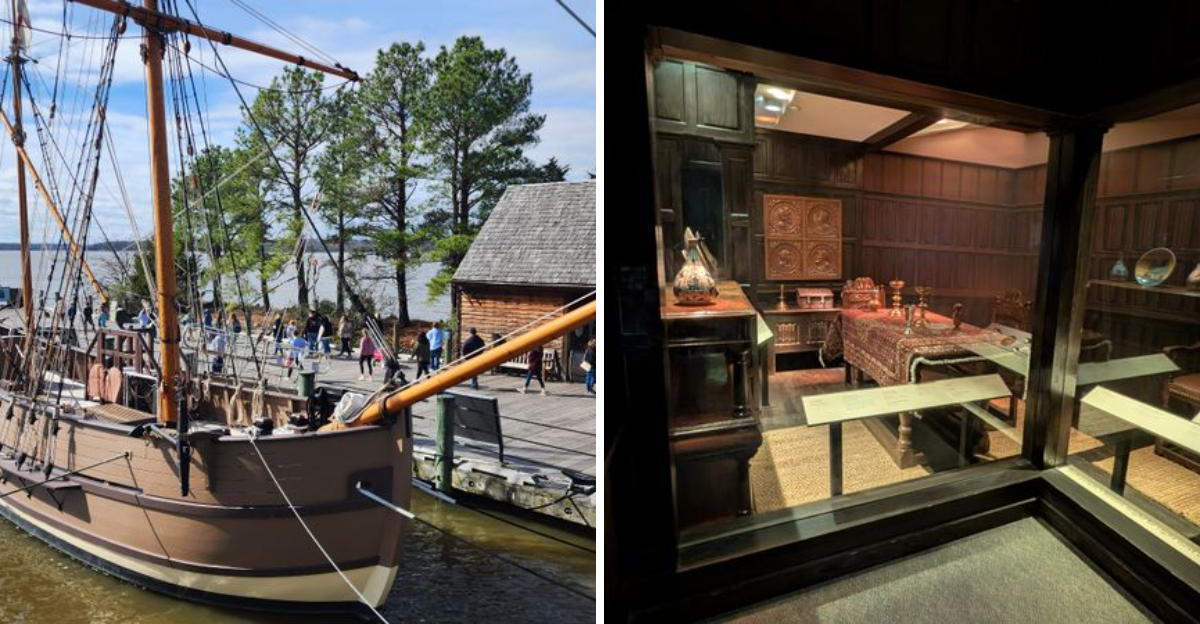
Jamestown Settlement Pier sits quietly along the James River, and it’s one of those rare places where history doesn’t just whisper, it shouts. Walking onto this pier feels like stepping through a time portal straight into the early colonial era, when English settlers first dropped anchor and changed the course of American history forever.
Some folks swear it’s the most underrated attraction in the state, while others argue nothing beats the raw authenticity of standing where those original ships once docked. Located at 2110 Jamestown Rd in Williamsburg, this isn’t your average waterfront stroll.
The pier connects you to full-scale replicas of the Susan Constant, Godspeed, and Discovery, the very vessels that carried dreamers and adventurers across a vast ocean. Whether you’re a history buff, a curious traveler, or just someone who loves a good story, this spot delivers big time.
Ready to see what all the fuss is about? Let’s explore what makes this pier so legendary.
The Replica Ships That Started It All
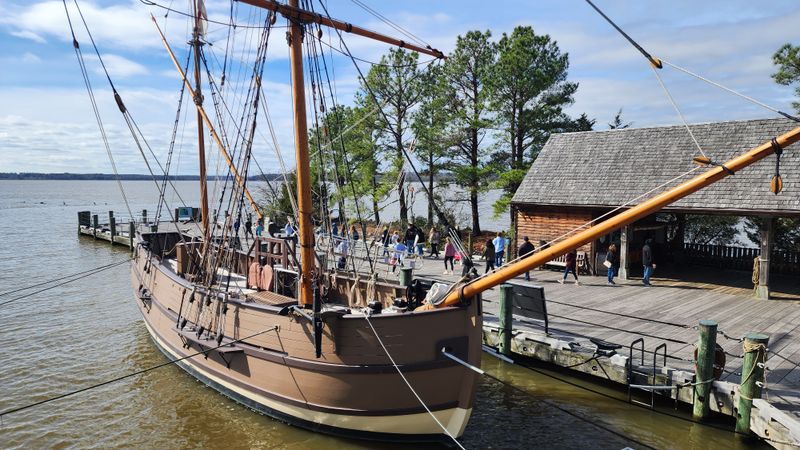
Standing at the pier, you’ll come face to face with three magnificent sailing ships that look like they sailed straight out of the seventeenth century. The Susan Constant, Godspeed, and Discovery are full-scale recreations of the original vessels that brought English colonists to Virginia’s shores.
Climbing aboard these ships gives you an instant appreciation for the bravery, or perhaps madness, it took to cross the Atlantic in wooden boats smaller than most modern yachts.
Each ship has been meticulously crafted to match historical records, from the creaking wooden decks to the cramped quarters below. You can explore the captain’s cabin, peer into the cargo hold, and even imagine what it felt like to spend months at sea with limited supplies and uncertain futures.
Costumed interpreters share stories about daily life aboard these vessels, answering questions and demonstrating navigation techniques from that era.
The pier itself provides the perfect vantage point for photographing these beautiful ships against the backdrop of the James River. Early morning visits offer especially stunning light, and you might catch the crew hoisting sails or performing maintenance work.
This hands-on experience transforms abstract history lessons into tangible reality that visitors of all ages can touch, see, and truly understand.
Where River Meets Revolutionary History
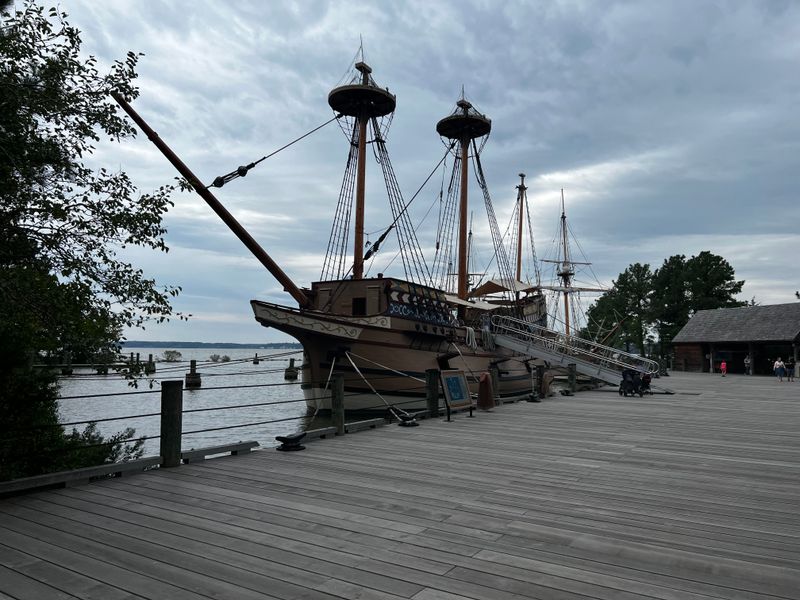
The James River isn’t just a pretty backdrop, it’s the lifeblood of early American colonization. From the pier, you’re looking at the same waters that carried hopeful settlers, vital supplies, and eventually the seeds of a new nation.
The river’s strategic importance becomes crystal clear when you stand here, understanding why colonists chose this exact spot despite the challenges they’d face.
Watching the gentle current flow past, it’s easy to picture supply ships arriving with much-needed provisions or imagine the tension as Spanish vessels were spotted on the horizon. The river served as highway, protection, and sometimes enemy, depending on the season and circumstances.
Today’s peaceful waters belie the dramatic events that unfolded along these banks over four centuries ago.
Wildlife still thrives along this stretch of the James, just as it did when Powhatan people first welcomed English strangers. Bald eagles soar overhead, herons stalk the shallows, and jumping fish create ripples across the surface.
The pier offers prime viewing opportunities for nature enthusiasts and photographers alike. Sunset visits are particularly magical, when golden light bathes everything in warm hues and the river seems to glow with historical significance and natural beauty combined.
Living History Interpreters Bring The Past Alive
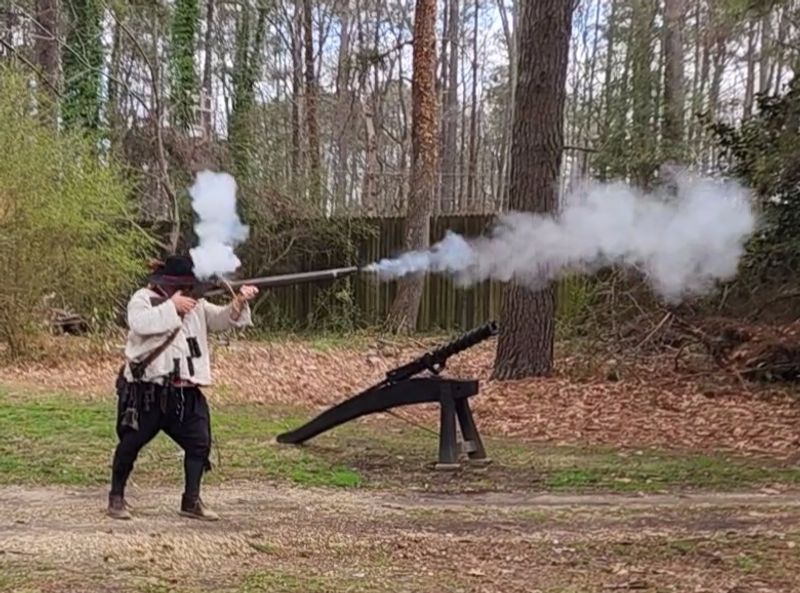
Forget boring museum placards and dusty displays. At Jamestown Settlement Pier, history comes alive through talented interpreters dressed in period-accurate clothing who actually know their stuff.
These folks aren’t just wearing costumes, they’re embodying the roles of sailors, settlers, and ship’s officers who made the dangerous voyage across the Atlantic. Their passion for the subject matter is contagious, turning casual visitors into captivated students.
Ask them anything about navigation, shipboard life, or the challenges of establishing a colony in unfamiliar territory. They’ll demonstrate how sailors used astrolabes and cross-staffs to chart their course, explain the hierarchy aboard ship, or describe what people ate during those long months at sea.
Many have backgrounds in maritime history or archaeology, bringing scholarly knowledge to their performances without ever sounding stuffy or academic.
Kids especially love the interactive demonstrations, whether it’s learning to tie nautical knots, understanding how cargo was stored, or hearing tales of storms and sea monsters that terrified colonial-era sailors. The interpreters adjust their presentations based on audience age and interest level, making complex historical concepts accessible to everyone.
Their presence transforms the pier from a static exhibit into a dynamic educational experience that sticks with you long after you’ve returned home.
The Paspahegh Connection At Water’s Edge
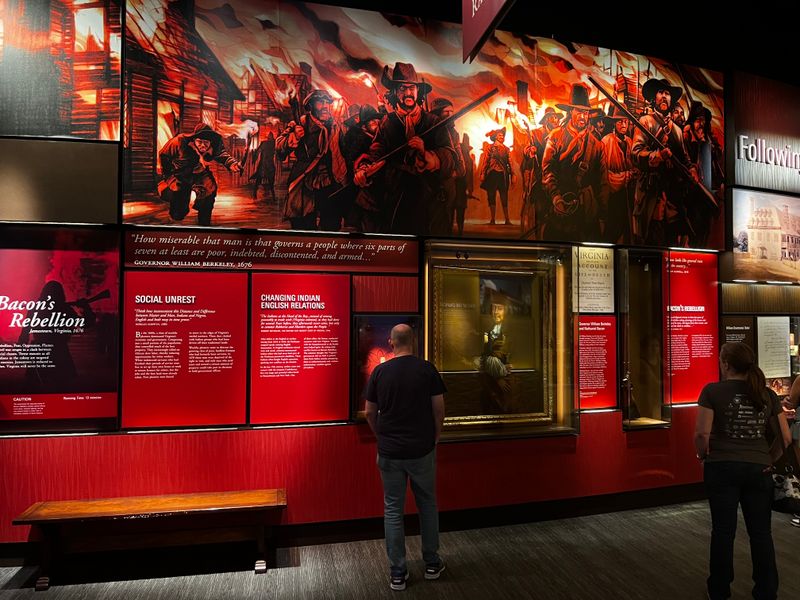
History isn’t just about the English colonists who arrived in ships. The pier area connects to the recreated Paspahegh village, reminding visitors that thriving indigenous communities already called this region home long before European arrival.
Walking from the pier to the village site provides crucial context about the complex relationships, conflicts, and exchanges that shaped early Virginia.
The Paspahegh people were skilled river navigators themselves, using dugout canoes to travel the James and its tributaries for fishing, trading, and communication. Their intimate knowledge of these waters proved invaluable to struggling colonists, even as cultural misunderstandings and competing interests created lasting tensions.
Understanding both perspectives enriches your appreciation of what transpired here.
Interpreters at the village demonstrate traditional canoe-making techniques, fishing methods, and river-based transportation that sustained indigenous populations for generations. You’ll gain respect for the sophisticated environmental knowledge that allowed communities to thrive in this landscape.
The pier becomes more than just a docking point for English ships, it represents a meeting place of cultures, technologies, and worldviews that forever changed both groups. This fuller picture of history acknowledges contributions and consequences that shaped the Virginia we know today.
Architectural Details That Tell Stories
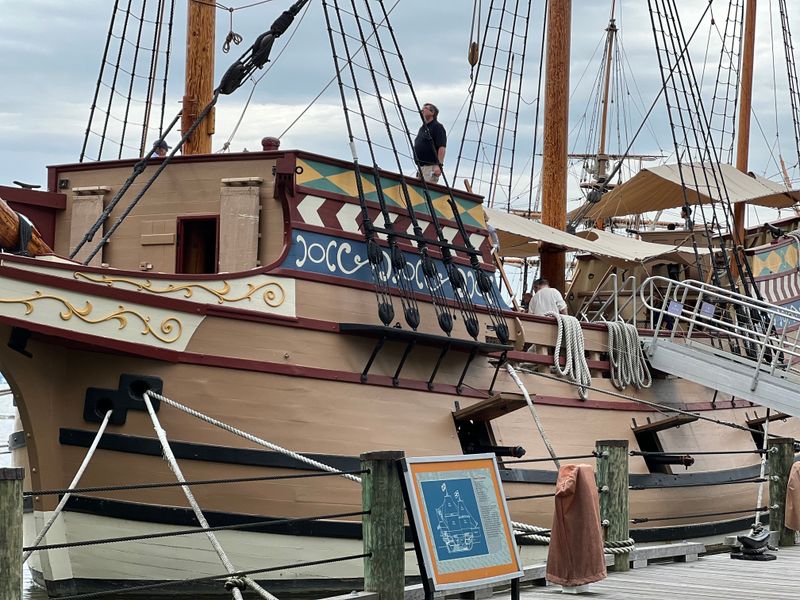
Architecture nerds and detail-oriented visitors will find endless fascination in the pier’s construction itself. Built using traditional methods and materials that mirror colonial-era techniques, every plank and post tells a story about maritime engineering from a time before power tools and modern fasteners.
The craftsmanship on display represents skills passed down through generations of shipwrights and dock builders.
Notice how the pilings are positioned to withstand river currents and tidal fluctuations, or how the decking boards are fitted together to create a stable walking surface that can handle heavy cargo loads. These weren’t random choices but carefully calculated decisions based on centuries of maritime experience.
Running your hand along the weathered wood connects you physically to building traditions that enabled global exploration and trade.
The pier’s design also reveals practical considerations that colonial-era builders faced. Rope fittings show where ships were secured, loading areas indicate how supplies were transferred from vessel to shore, and defensive positions hint at security concerns that colonists constantly navigated.
Even the wood species chosen for different components reflects knowledge about durability, resistance to water damage, and availability of materials. Every element serves a purpose, creating an efficient workspace that supported the colony’s survival and eventual growth into a permanent settlement.
Photography Paradise At Golden Hour
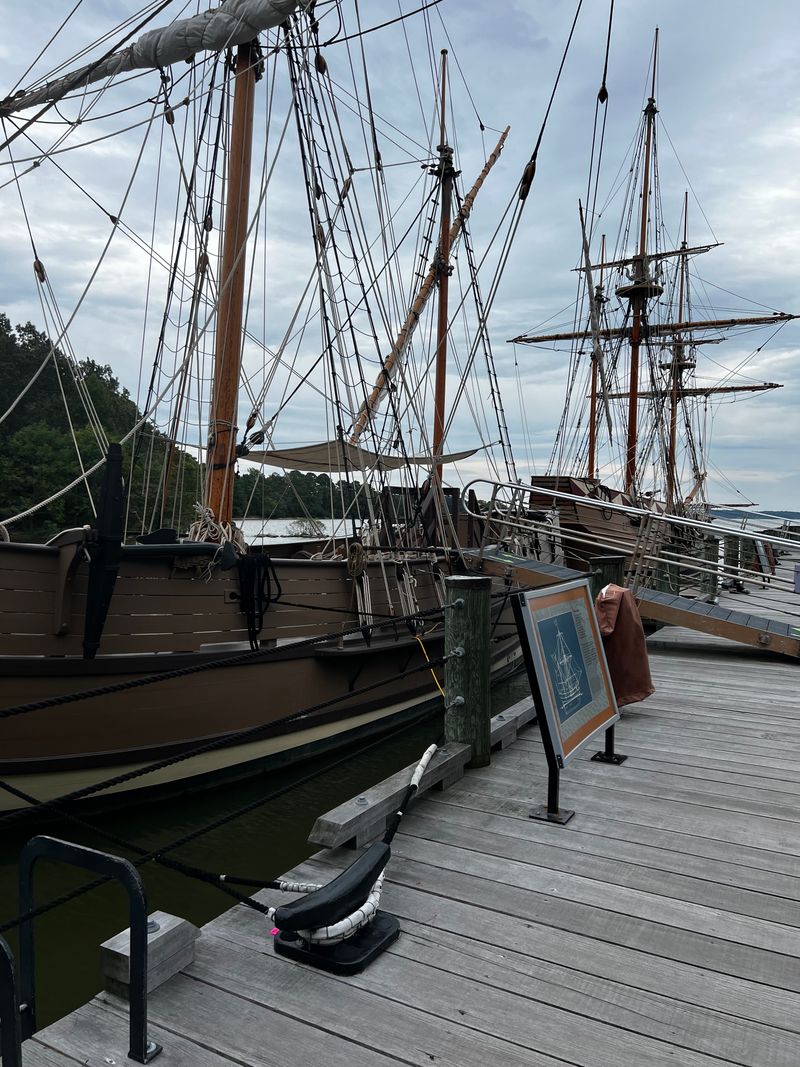
Photographers absolutely love Jamestown Settlement Pier, and once you visit during golden hour, you’ll understand why. The combination of historic ships, reflective water, and dramatic Virginia skies creates compositions that practically shoot themselves.
Whether you’re wielding professional equipment or just using your smartphone, the visual opportunities here are extraordinary.
Morning light brings soft pastels that make the river shimmer like liquid silver, while evening sun paints everything in warm amber and gold. The ships’ rigging creates intricate patterns against the sky, and their reflections in calm water double the visual impact.
Changing seasons offer different palettes, from spring’s fresh greens to autumn’s rich burgundies and oranges that frame the waterfront beautifully.
Don’t forget to capture the smaller details too: rope coils on the deck, weathered wood grain, interpretive flags snapping in the breeze, or wildlife that frequents the area. The pier provides stable platforms for long exposures if you’re into that technique, and multiple angles ensure you’ll never run out of fresh perspectives.
Social media influencers and history enthusiasts alike fill their feeds with images from this spot, and it’s easy to see why. The visual storytelling possibilities are endless, making this one of Virginia’s most Instagram-worthy historical sites.
Educational Programs That Actually Engage
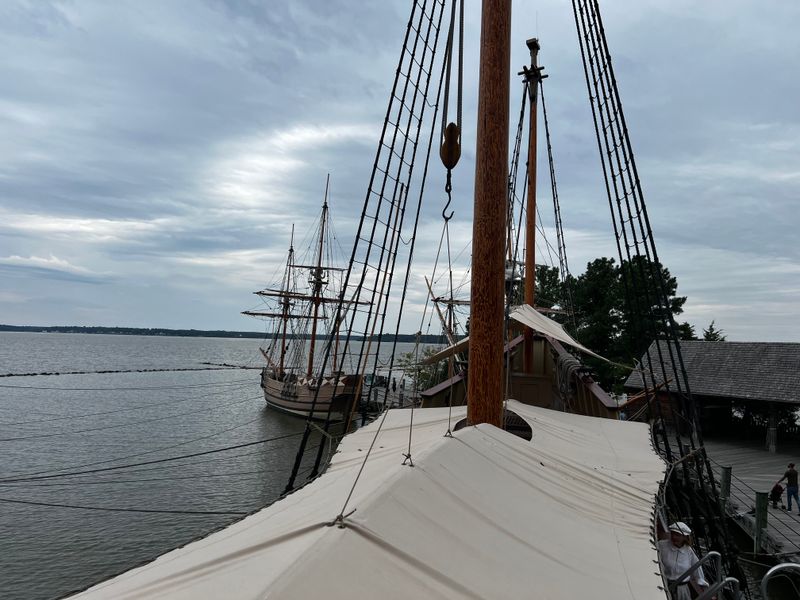
School groups descend on Jamestown Settlement regularly, but this isn’t your typical field trip snooze-fest. The pier serves as an outdoor classroom where history leaps off the page and into students’ hands.
Educational programs here are designed to meet curriculum standards while actually being fun, a rare combination that teachers and students both appreciate.
Hands-on activities might include practicing sailor’s knots, calculating navigation problems using period instruments, or role-playing scenarios that colonists faced during their voyage and early settlement days. These experiential learning opportunities create lasting memories and deeper understanding than any textbook could provide.
Students remember what they’ve touched, tried, and experienced far longer than what they’ve simply read or heard.
Homeschool families also flock here for the rich educational resources and flexible programming options. Special workshops throughout the year dive deeper into specific topics like maritime archaeology, colonial-era shipbuilding, or the complex relationships between English settlers and indigenous populations.
Adult learners aren’t left out either, with lecture series and behind-the-scenes tours that satisfy curious minds of all ages. The pier area becomes a multigenerational learning space where everyone discovers something new, challenging preconceptions and sparking genuine interest in American history’s complicated, fascinating early chapters.
Seasonal Events And Special Programming
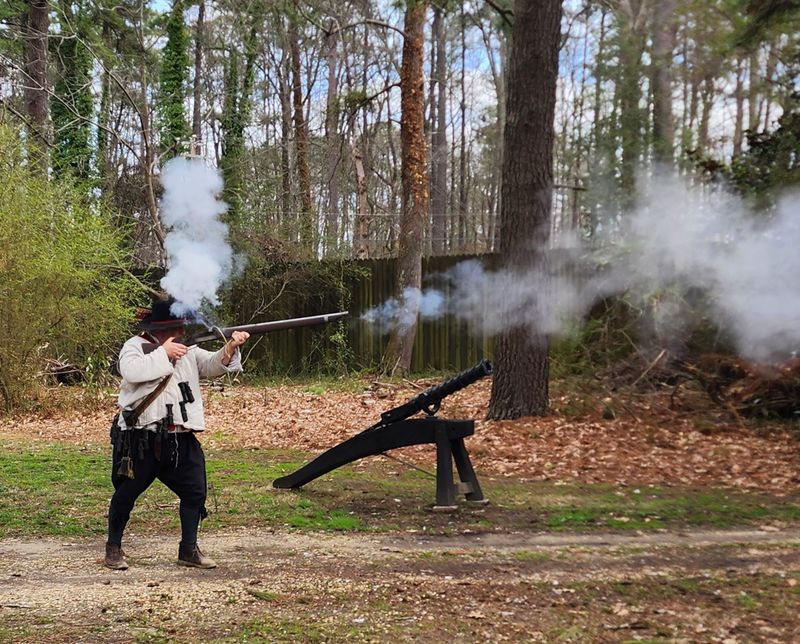
Jamestown Settlement Pier isn’t static, it transforms throughout the year with special events and seasonal programming that bring different aspects of history into focus. Holiday celebrations might feature period-accurate decorations and explanations of how colonists observed special occasions far from their English homes.
These events add layers of understanding about daily life beyond the dramatic moments we typically associate with early American history.
Summer brings increased activity with maritime demonstrations, visiting tall ships, or special exhibitions that rotate through the facility. Fall programming often highlights harvest traditions and preparations colonists made for winter survival.
Spring events might focus on planting, renewal, and the agricultural cycles that governed colonial life. Each season offers fresh reasons to return, even for locals who’ve visited multiple times.
Special anniversary commemorations occasionally recreate significant historical moments, with careful attention to accuracy and cultural sensitivity. These living history events can include everything from ship arrivals to treaty negotiations, performed by skilled interpreters who’ve researched primary sources extensively.
Check the calendar before visiting because you might stumble upon something extraordinary, from archaeological updates to scholarly presentations that reveal new discoveries about this pivotal period. The pier serves as a stage where history continues to unfold and evolve as we learn more about our shared past.
Accessibility And Visitor Amenities Done Right
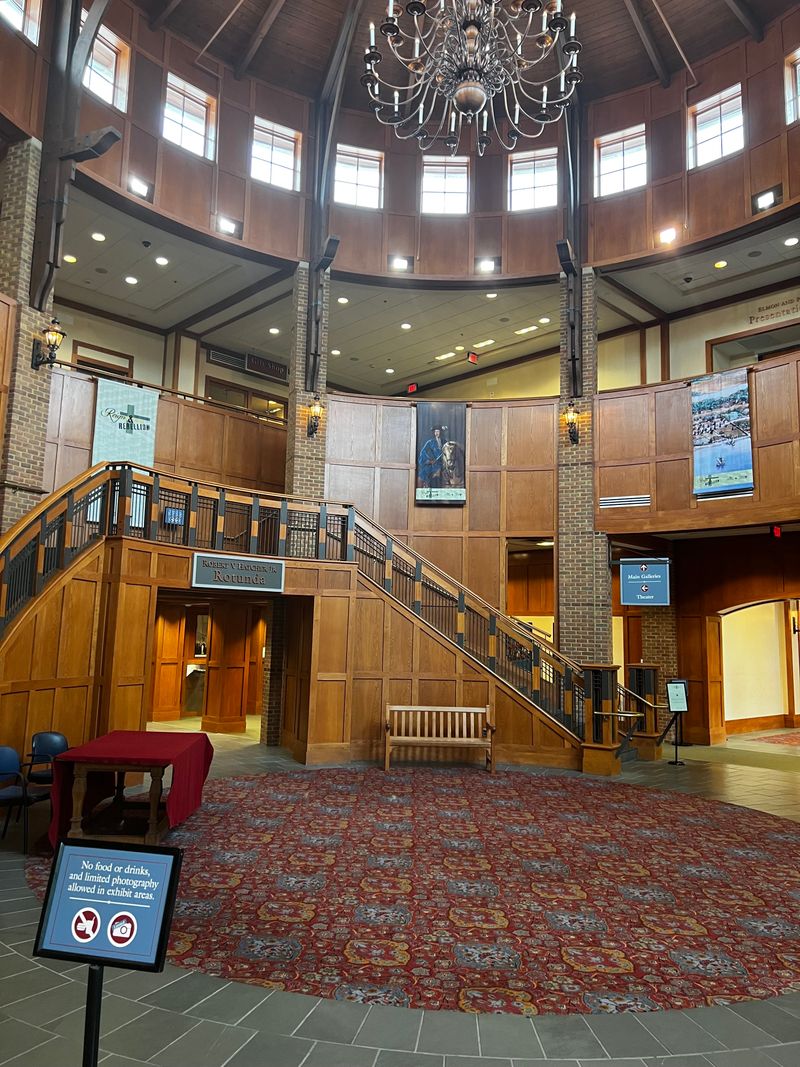
Historic sites sometimes struggle with accessibility, but Jamestown Settlement has worked hard to ensure everyone can experience the pier and ships regardless of physical limitations. Ramps and pathways allow wheelchair users to access most areas, and staff members are trained to assist visitors with various needs.
This commitment to inclusion means families don’t have to leave anyone behind when exploring this incredible resource.
Restroom facilities are clean and well-maintained, a detail that matters more than people admit when planning day trips. The on-site cafe provides welcome refreshments, from quick snacks to more substantial meals featuring regional specialties.
Picnic areas offer alternatives for families who prefer bringing their own food, and shaded seating provides relief during hot Virginia summers.
Free parking eliminates one common frustration of popular tourist destinations, and the lot is spacious enough to accommodate RVs and buses alongside regular vehicles. Clear signage helps first-time visitors navigate the grounds efficiently, and maps are available in multiple formats.
Staff at the information desk answer questions patiently and provide recommendations based on your interests and available time. These thoughtful touches transform what could be an overwhelming experience into a manageable, enjoyable visit.
The combination of historical authenticity and modern convenience creates an environment where learning takes center stage without unnecessary obstacles or distractions.
Why This Pier Matters Today
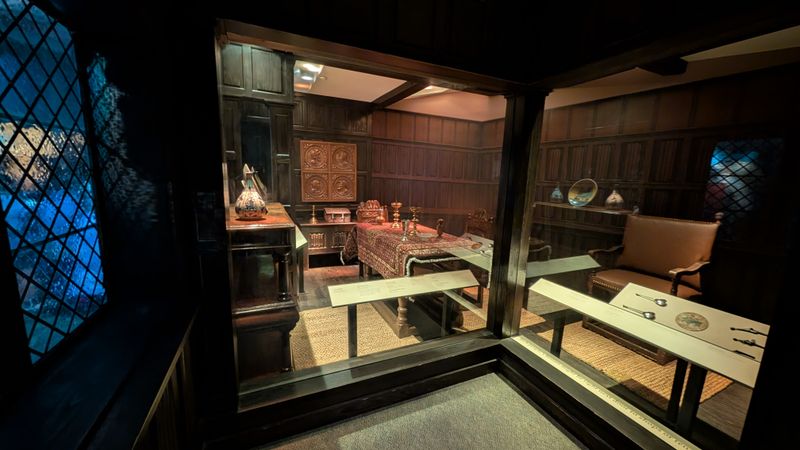
You might wonder why a pier and some replica ships deserve your time in an age of virtual reality and instant information. The answer lies in what physical presence at historical sites provides that screens cannot replicate.
Standing where momentous events unfolded creates connections that transcend intellectual understanding, touching something deeper in our awareness of who we are and how we got here.
Jamestown Settlement Pier represents more than colonial nostalgia or simplistic patriotic narratives. It’s a place to grapple with complex truths about ambition, survival, cultural collision, and the messy reality of how societies form and change.
The conversations happening here among families, students, and thoughtful visitors reflect ongoing discussions about identity, heritage, and shared responsibility for understanding our complicated past honestly.
Virginia’s role in American history cannot be overstated, and this pier sits at the geographic and symbolic heart of that story. Walking these planks, you’re literally following in footsteps that led to everything that came after, for better and worse.
The experience challenges us to think critically about progress, conquest, resilience, and the human capacity for both cooperation and conflict. Pack your curiosity along with your camera, because this isn’t just another tourist stop, it’s an invitation to engage with history that still shapes our present and future in profound ways.
Dear Reader: This page may contain affiliate links which may earn a commission if you click through and make a purchase. Our independent journalism is not influenced by any advertiser or commercial initiative unless it is clearly marked as sponsored content. As travel products change, please be sure to reconfirm all details and stay up to date with current events to ensure a safe and successful trip.
