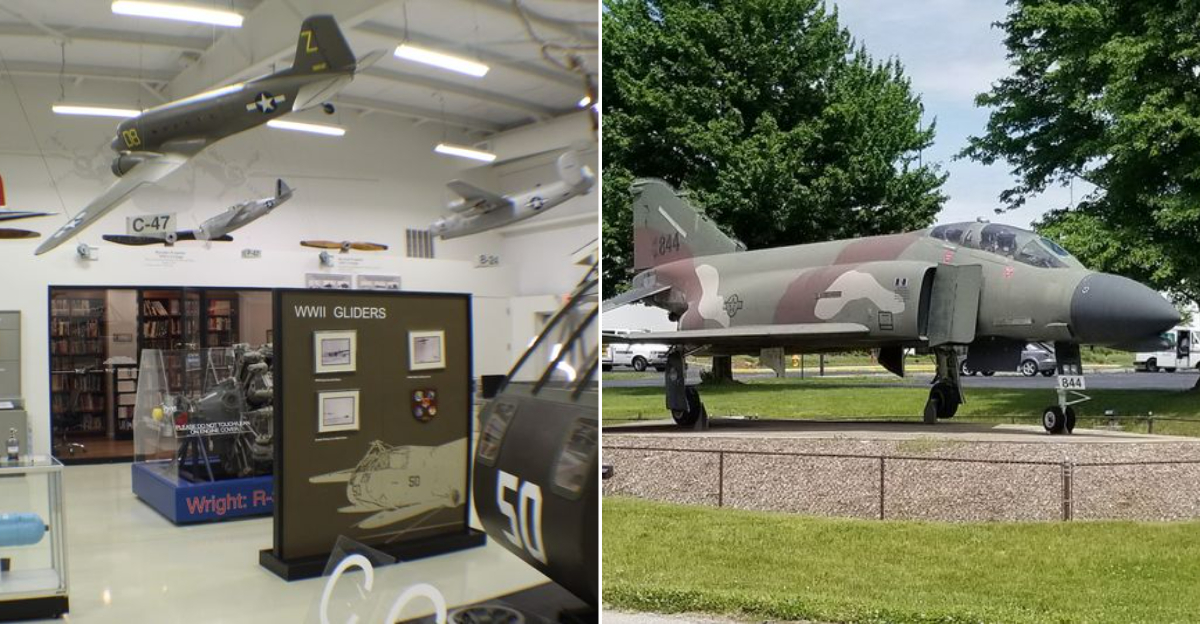
You know those places you expect to be mildly interesting, and then you walk in and realize you are about to spend way more time there than planned because something about it just grabs you?
That is exactly how Atterbury-Bakalar Air Museum felt to me, mostly because the whole visit builds toward this wild moment where you step inside a huge Flying Boxcar and suddenly the history around you stops feeling distant and starts feeling oddly physical.
Even if you are not the sort of person who can name aircraft parts or talk shop about aviation, there is something unmistakably cool about standing under that massive frame in Indiana and then climbing into a cargo plane that once had a real working life.
If you are anywhere near Columbus, this is the kind of stop that gives you stories to tell on the drive home, and honestly, that is my favorite kind of museum day.
That First Look At Charlie
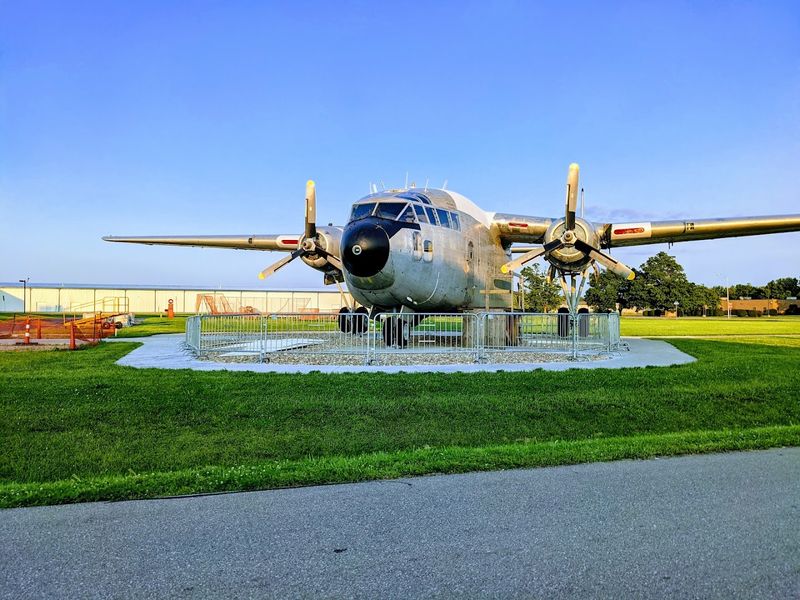
The first thing that got me was the size, because this plane does not ease into view like something modest sitting off to the side. It shows up with that broad, boxy body and those twin booms, and your brain immediately goes, okay, this thing is serious.
Even before you know anything about its story, it has that rare kind of presence that makes you slow down without really deciding to.
People call it Charlie, which somehow makes this giant aircraft feel a little more approachable when you are standing there looking up at it. The nickname softens the scale for about two seconds, and then you notice the shape again and remember this was built to haul cargo, equipment, and people through the air.
That contrast is part of the fun, because it feels both personal and enormous at the same time.
What I liked most right away was how grounded the whole experience felt, literally and emotionally. You are not looking at some polished fantasy version of aviation history, but something with real weight and purpose that belonged to Indiana in a meaningful way.
That makes the first impression stick, and it sticks fast.
By the time I finished circling it, I already knew this was not going to be a quick in and out visit for me.
Where You Actually Find It
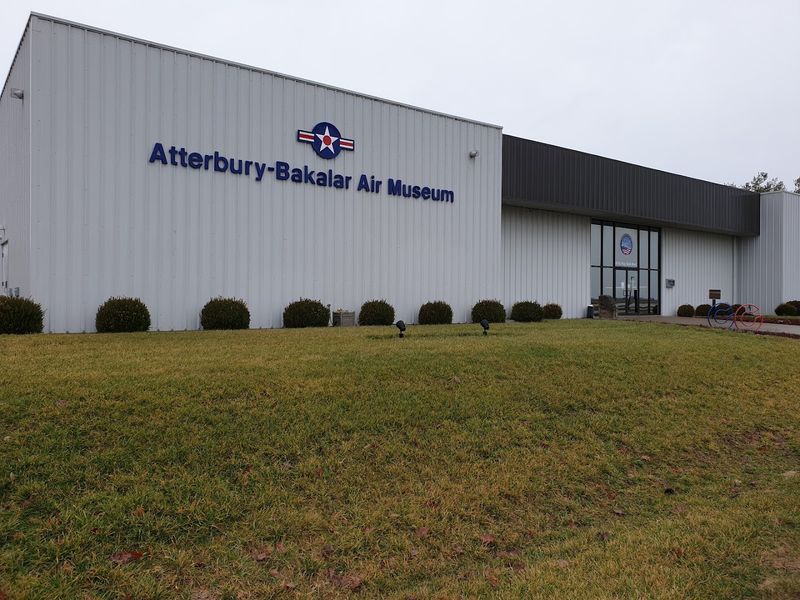
What makes this place extra fun is that it is not tucked into some made-up tourist zone that feels detached from real life. You find it at Atterbury-Bakalar Air Museum, 4742 Ray Boll Boulevard, Columbus, Indiana, and the setting makes immediate sense because you are right by the airport where this whole aviation story still feels connected to the ground beneath you.
That context matters more than you might expect, because the museum and the plane feel rooted in the same place instead of staged for effect.
I always like museums more when the location adds something to the mood, and that definitely happens here. You are not just reading about aircraft in Indiana while standing in a random building, because the surroundings quietly remind you that flying, training, and military history all had a local footprint here.
It gives the visit a lived-in feeling that is hard to fake.
The museum itself feels approachable in the best way, which is honestly part of the charm. Nothing about arriving here feels intimidating or overly formal, so you can settle in and enjoy what you are seeing without any weird pressure to perform interest.
That relaxed tone carries through the whole stop.
By the time I stepped inside, I already felt like I had landed somewhere with a real story attached.
Why The Plane Hits So Hard
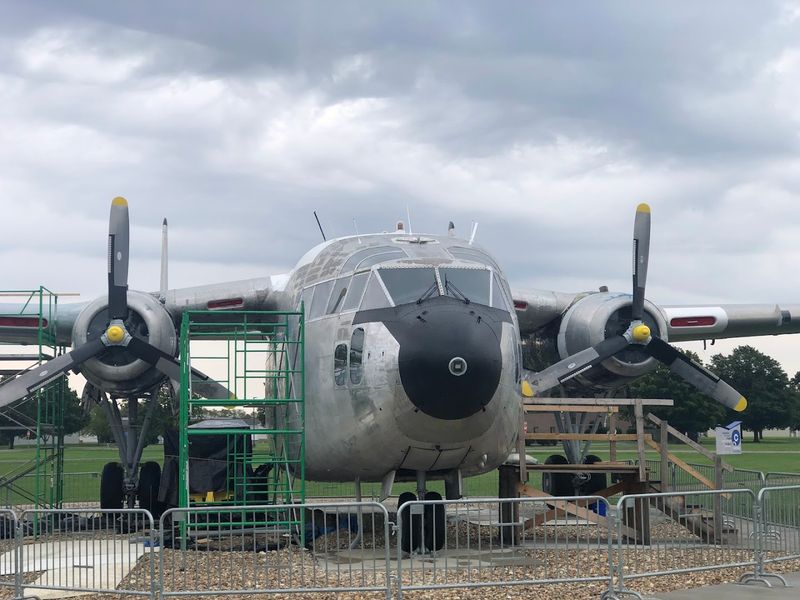
Here is the thing about the Flying Boxcar name, because it sounds a little playful until you actually see the aircraft in person. Then the nickname clicks immediately, and you understand why people stuck with it, since the fuselage really does have that strong, squared-off shape that feels more practical than graceful.
It is not delicate, and that is exactly why it leaves such a strong impression.
I think the plane lands emotionally because it looks like it was made to do a job and keep doing it, no matter what. There is something honest about a cargo aircraft that was built to carry loads, move personnel, and handle serious work without pretending to be elegant.
When you stand near it, that straightforward purpose still comes through, and it gives the whole visit a kind of muscular clarity.
That feeling gets even stronger once you remember this was not some abstract aircraft type with no local ties. Planes like this were part of the story around Bakalar, and that local connection gives the machine more character than a label on a wall ever could.
You are not just admiring a shape, but meeting a piece of regional memory.
Honestly, that is what kept pulling me back every time I looked up at it again.
Stepping Inside Feels Different
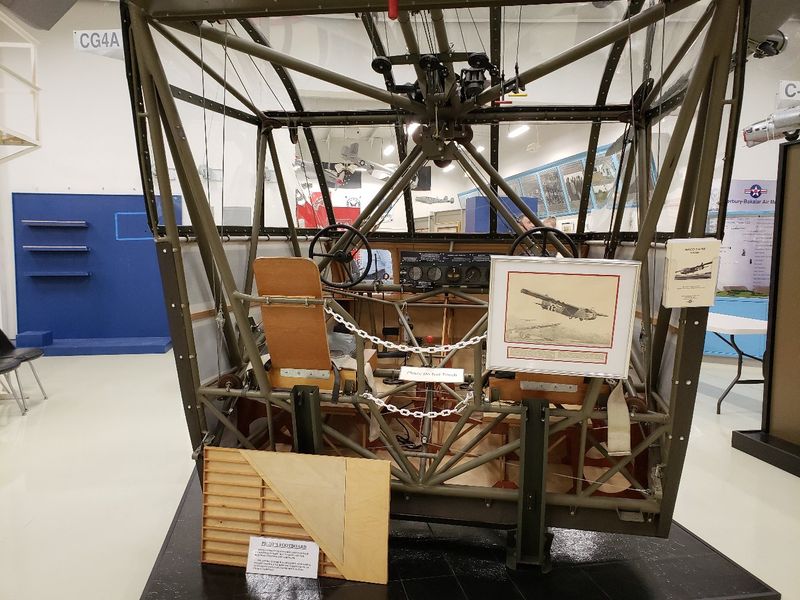
The outside is impressive, sure, but the moment you step inside is when the visit really changes shape. Standing in the cargo area gives you that odd, immediate jolt of scale that no exterior view can fully deliver, because now the aircraft is not just something you saw, but something you entered.
That shift sounds simple, though it completely changes how your brain reads the history.
I loved how utilitarian the interior feels, with none of the usual softness people expect from modern travel. You are inside a machine built around function, and that no-nonsense layout tells you a lot before anyone says a word.
The structure, the space, and the plain working feel all make it easier to imagine cargo, equipment, and people moving through it with purpose.
There is also something strangely intimate about walking around inside an aircraft this large. Instead of feeling distant or untouchable, the plane becomes readable in a human way, almost like you are finally seeing how its body was meant to work from the inside out.
That is where the nickname stops being cute and starts making practical sense.
If you like places that let you physically enter the story instead of just circling it, this is the part that stays with you.
The Local History Sneaks Up On You
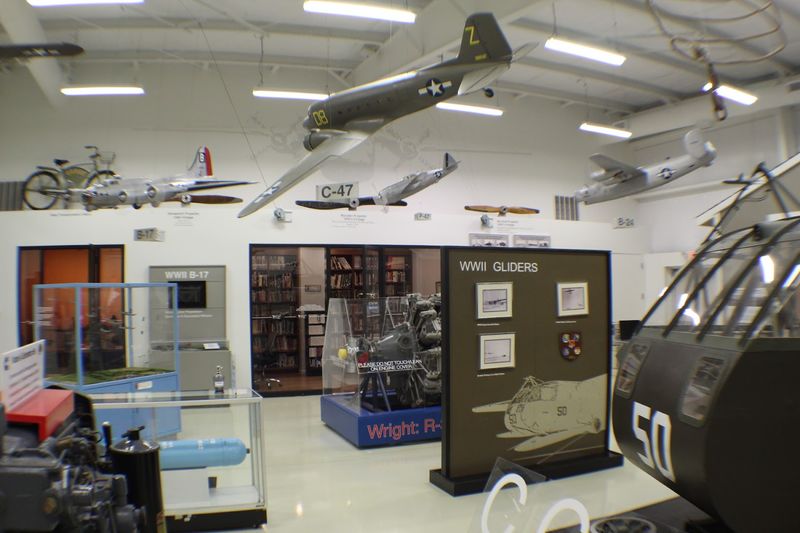
What surprised me most was how naturally the local history sneaks into your visit without ever feeling forced. You come for the giant cargo plane, obviously, but then the broader story around the former base starts filling in the background and giving the whole museum more depth.
Suddenly you are not just looking at an aircraft, but at the way aviation once shaped daily life around Columbus.
I really liked that the museum does not treat the community connection like a footnote. The story of Bakalar and the aircraft connected to it feels woven into the experience, which helps you understand why a Flying Boxcar matters here in a way it might not somewhere else.
That kind of place-based history tends to hit harder because it feels specific, not generic.
There is also something satisfying about seeing how regional memory gets preserved through a machine instead of just through text panels. A plane can hold a lot of meaning when it reflects local service, local work, and local pride all at once.
In Indiana, that relationship feels especially tangible, because the museum clearly understands the aircraft as part of a bigger hometown story.
That is the part I kept thinking about afterward, long after the shape of the plane had already impressed me.
It Is Better Than A Typical Museum Loop
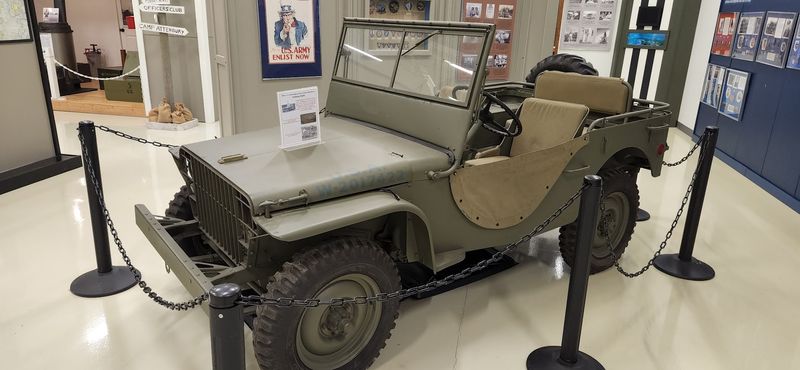
Some museums have that sleepy loop where you drift from case to case and quietly forget half of what you saw before reaching the exit. This place does not really work like that, partly because the Flying Boxcar keeps pulling your attention back, and partly because the whole experience has more texture than a standard walk-past display setup.
It feels active even when everything is still.
I think that comes from the combination of scale, setting, and story all working together at once. You move through the museum with enough context to understand what you are seeing, and then the aircraft outside or nearby gives all that information a body.
That rhythm keeps the visit from turning flat, which is a small miracle in any museum, honestly.
There is also a nice sense that you can take the visit at your own pace without losing the thread. If you want to linger and read more, you can, and if you mostly want to absorb the atmosphere and stand near the plane for a while, that works too.
The museum never feels like it is pushing you toward one correct way to care.
I ended up liking that freedom more than I expected, because it let the whole stop feel natural instead of programmed.
The Restoration Story Adds Heart

I am always a little more invested when I know something huge and complicated did not just appear in perfect condition by magic. Learning that this plane was brought here, reassembled, and carefully restored by people who believed it mattered gives the whole experience extra weight.
You can feel that effort when you stand near it, even if nobody explains every step in detail.
There is something deeply satisfying about seeing a working aircraft from another era given a second life as a public experience. Instead of fading into obscurity, it now gets to keep teaching people, surprising kids, and reminding adults that big pieces of history do not have to stay locked behind rope lines.
That kind of restoration is not just technical work, but a way of giving memory a physical home.
I also think the restoration story softens the plane in an unexpected way. Not literally, of course, because it is still this giant steel presence, but emotionally it becomes easier to connect with once you know people in the community cared enough to bring it back.
In Indiana, that kind of hands-on preservation says a lot about what places choose to remember and share.
For me, that backstory made the whole aircraft feel less distant and much more alive.
Why I Would Tell You To Go
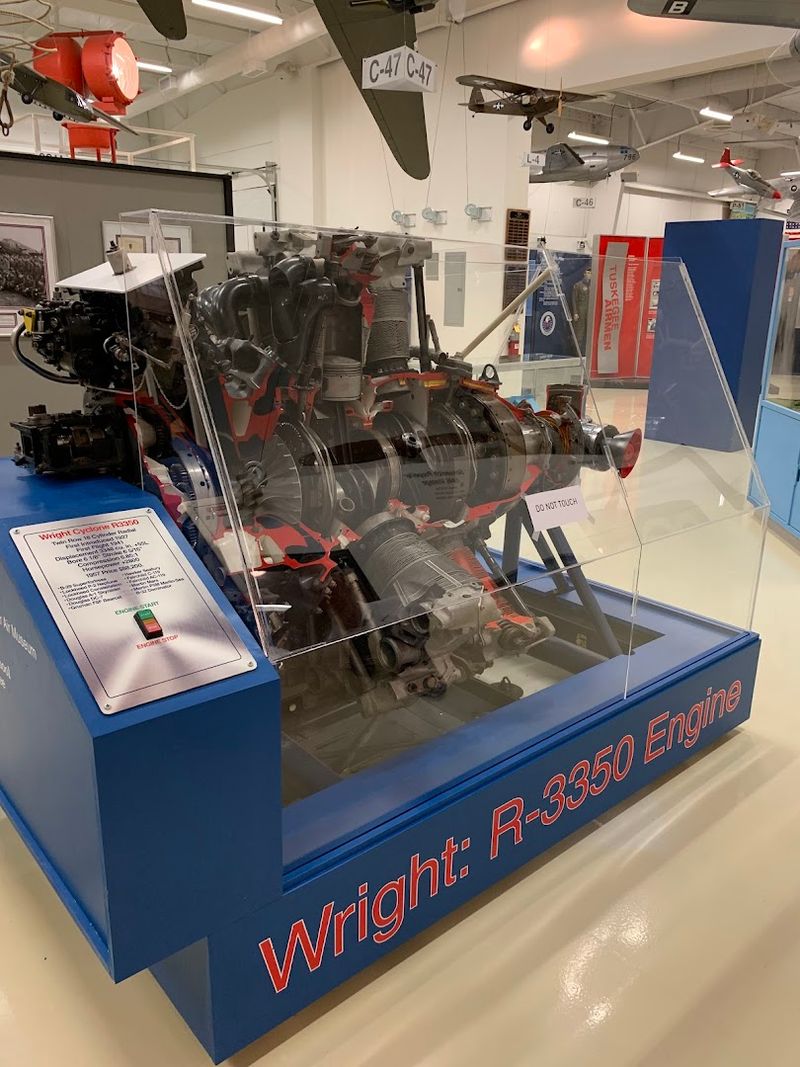
If you asked me whether this place is worth going out of your way for, I would say yes without doing that fake dramatic thing people do online. The reason is simple, really, because there are not many places where you can stand next to a massive Flying Boxcar, learn why it mattered locally, and then actually walk inside it.
That combination feels specific enough to be memorable, which is usually my test for recommending anything.
I would especially tell you to go if you like museums that still feel human in scale, even when the main attraction is enormous. Atterbury-Bakalar Air Museum does not bury you in polish or overwhelm you with spectacle, and I mean that as a compliment.
It lets the aircraft, the history, and the people telling the story do the work, and that approach ends up feeling more genuine than a lot of flashier places.
Mostly, though, I would tell you to go because it is just plain cool in a way that sneaks up on you. Indiana has a lot of interesting stops, but not all of them give you that moment where you look around and think, how is this not better known?
This one did that for me, and I would happily make the trip again.
And yes, I would still be talking about the plane the whole drive home.
