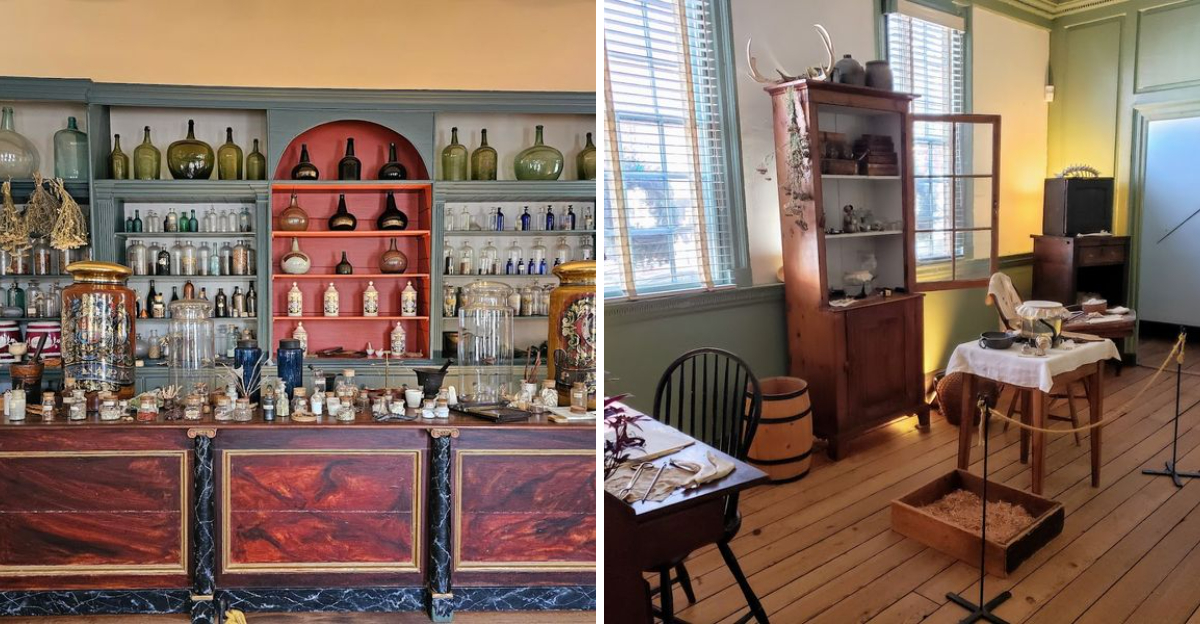
Virginia has no shortage of history, but tucked along a charming street in Fredericksburg sits a place that will genuinely make your jaw drop. Long before modern hospitals and pharmacies existed, colonial healers were mixing herbs, applying leeches, and performing procedures that sound more like Halloween horror than actual medicine.
What if the “cures” were sometimes scarier than the illness itself? Locals swear this is one of the most unforgettable stops in all of Virginia, but tourists often skip it entirely.
That is their loss. This living, breathing time capsule pulls back the curtain on 18th-century healing in ways that are equal parts fascinating, funny, and just a little bit terrifying.
Pack your curiosity and maybe a strong stomach, because colonial medicine is not for the faint of heart.
The Man Behind The Medicine: Dr. Hugh Mercer’s Remarkable Story
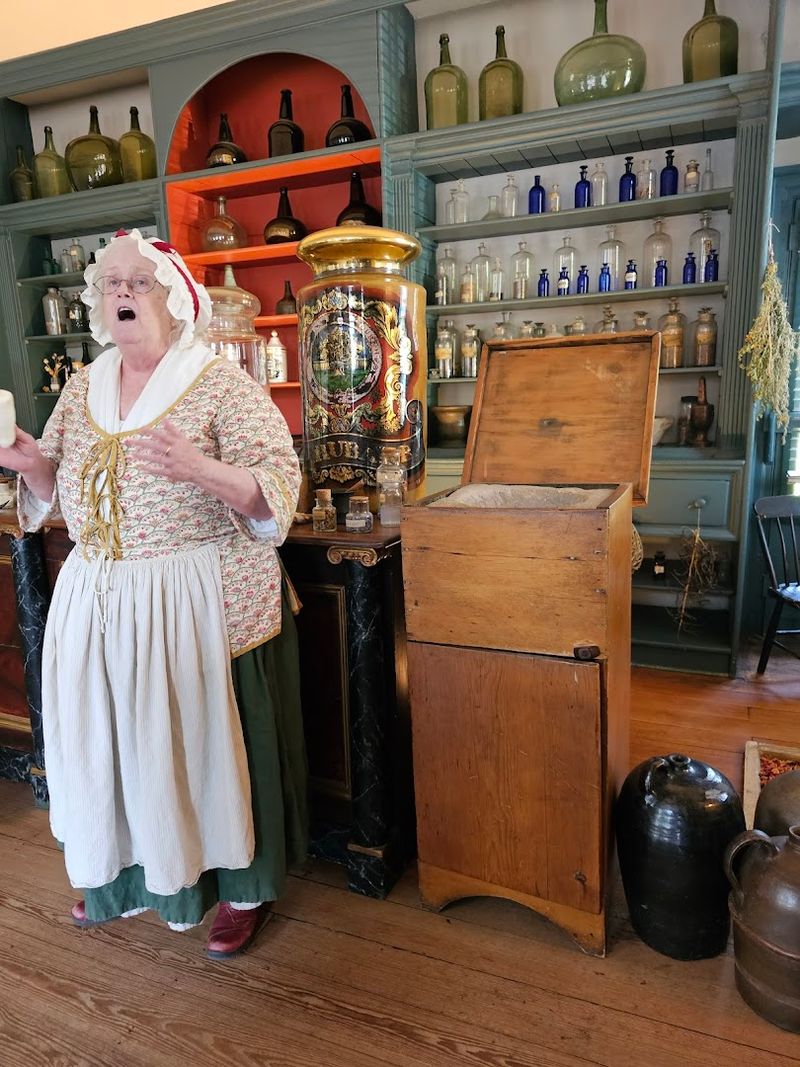
Before the shop became a museum, it was the real-deal workspace of one of colonial America’s most fascinating figures. Dr. Hugh Mercer was a Scottish immigrant who brought his medical training across the Atlantic and set up practice right in the heart of Fredericksburg, Virginia.
What makes his story genuinely jaw-dropping is the sheer range of his life. He was both a dedicated physician and a brigadier general in the Continental Army during the American Revolutionary War.
Not many people can claim they saved lives in the exam room and on the battlefield.
Among his most notable patients was Mary Washington, the mother of George Washington himself. That connection to America’s founding family adds a layer of historical weight that most museums can only dream about.
Mercer’s dual legacy as healer and military hero gives the entire visit a richer, more personal dimension. Walking through his restored shop, you genuinely feel the presence of someone who shaped both medicine and a nation.
Few Virginia landmarks carry that kind of double punch.
Bloodletting, Leeches, And The Wildly Uncomfortable Truth About Colonial Cures
Forget everything you know about modern medicine for a moment, because colonial healing operated on a completely different set of rules. Bloodletting was considered one of the most effective treatments of the era, based on the belief that removing excess blood would restore the body’s natural balance.
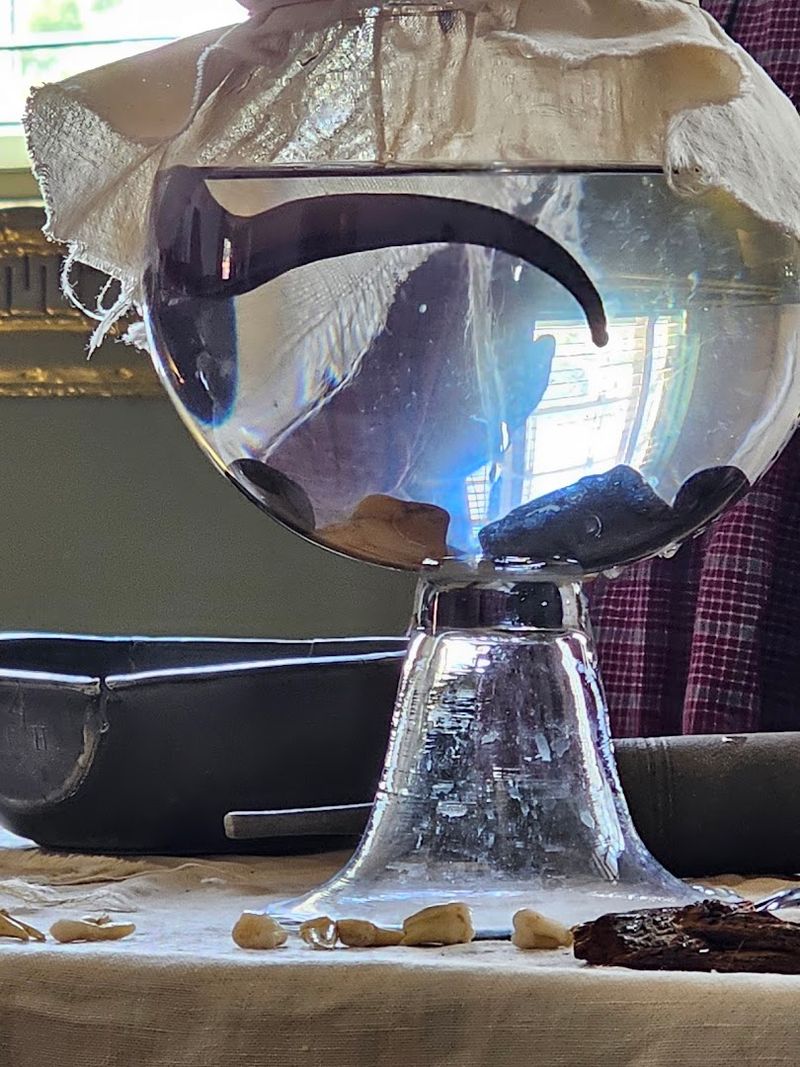
At the Hugh Mercer Apothecary Shop, visitors get an up-close look at the tools used for this practice, including lancets, bleeding bowls, and the star of the show: live medicinal leeches. Yes, actual live leeches are kept on-site, and yes, some visitors have actually touched one.
The guides explain how leeches were applied to the skin to draw out blood, and how this practice was genuinely believed to cure fevers, headaches, and a whole range of ailments. Hearing it described in first-person by costumed interpreters makes the whole thing feel alarmingly real.
One visitor described the experience as “listening to a horror movie,” and honestly, that tracks. It is creepy, compelling, and completely impossible to forget.
Virginia history does not get more visceral than this room.
Costumed Interpreters Who Bring The 18th Century Roaring Back To Life
Some museum tours involve a quiet walk past glass cases and a lot of reading plaques. This is not that kind of tour.
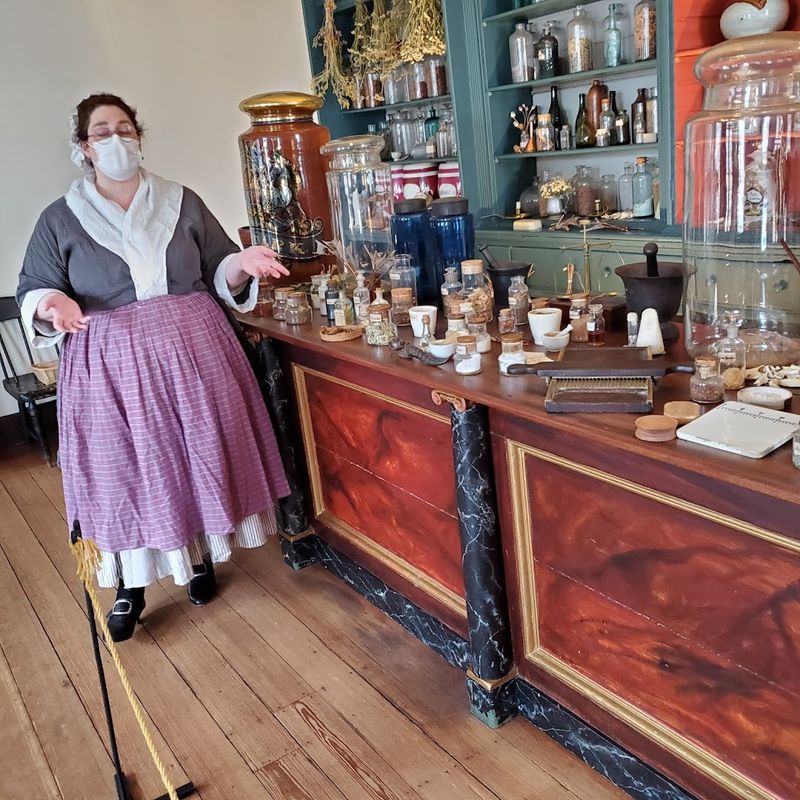
The guides at the Hugh Mercer Apothecary Shop are full-on characters, dressed in period-appropriate attire and completely committed to their roles as colonial-era apothecary assistants.
Visitors consistently rave about the theatrical energy these interpreters bring to every tour. They are funny, deeply knowledgeable, and genuinely enthusiastic about sharing information that most people have never encountered before.
Multiple reviewers have called them the highlight of an entire multi-day trip to Fredericksburg.
The first-person storytelling style makes the experience feel more like live theater than a museum visit. These are not people reading from a script in a monotone voice.
They interact, respond to questions, crack jokes, and keep the pacing lively from the very first room to the last. Kids love them.
Adults love them even more. If you are the kind of traveler who wants to be entertained AND educated at the same time, this tour delivers on both fronts with serious style.
The Herb Garden Out Back That Is Quietly Spectacular
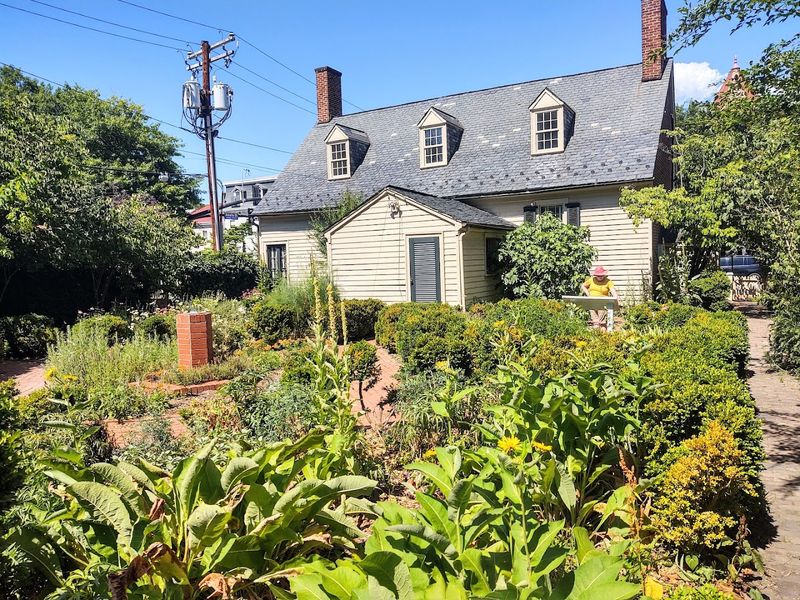
Most visitors head straight for the dramatic interior exhibits, which is completely understandable. But the garden tucked behind the Hugh Mercer Apothecary Shop deserves its own standing ovation.
It is a thoughtfully curated collection of medicinal plants that were actually used in 18th-century treatments.
Walking through it feels like stepping into a living pharmacy from another century. Plants like chamomile, lavender, and various roots that colonial healers relied on are growing right there in front of you.
The garden staff are knowledgeable and genuinely passionate about the history of herbal medicine, making even a casual stroll feel surprisingly educational.
One visitor noted that the garden guide Ian was particularly wonderful, sharing plant knowledge with warmth and enthusiasm. The contrast between the somewhat unsettling indoor exhibits and the peaceful, green beauty of the garden is striking.
It provides a nice moment to breathe and reflect on just how resourceful colonial healers had to be. Virginia’s natural landscape played a massive role in early medicine, and this garden makes that connection feel tangible and alive.
Bring a camera, because it photographs beautifully in every season.
Surgical Tools That Will Make You Grateful You Live In The 21st Century
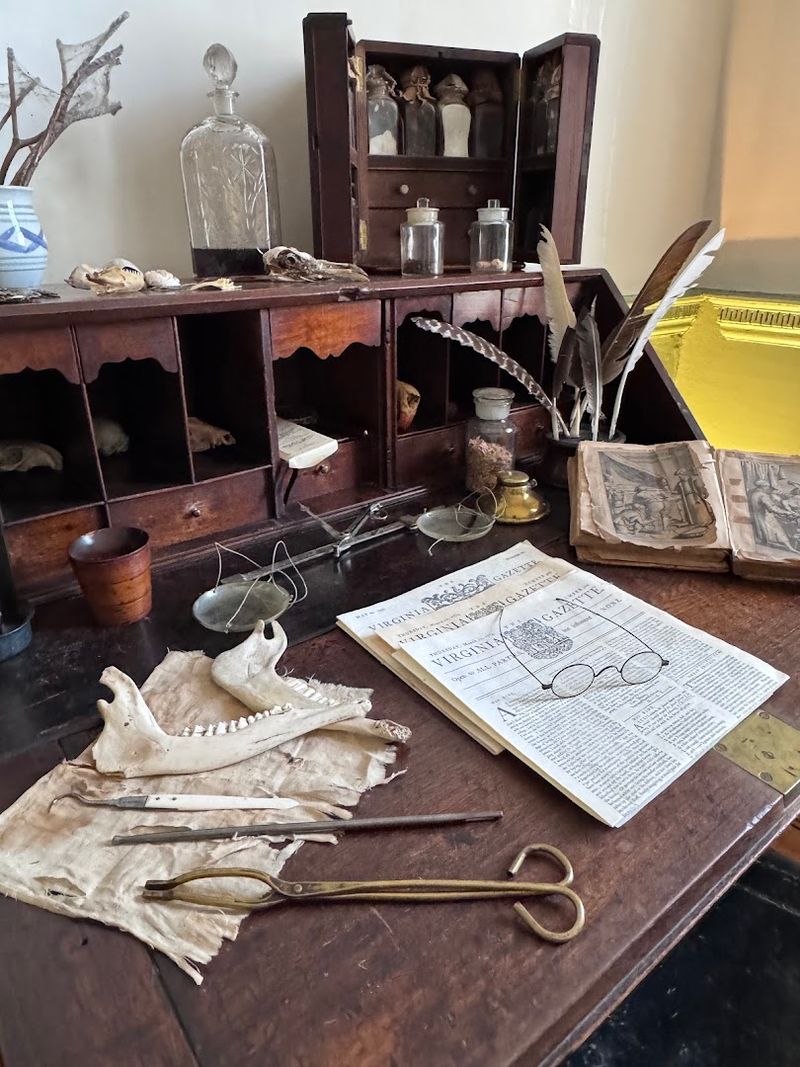
There is a room in this building that has a way of making modern dentist anxiety feel completely unreasonable by comparison. The surgical tools on display at the Hugh Mercer Apothecary Shop represent the cutting edge of 18th-century medicine, and they are genuinely alarming to behold.
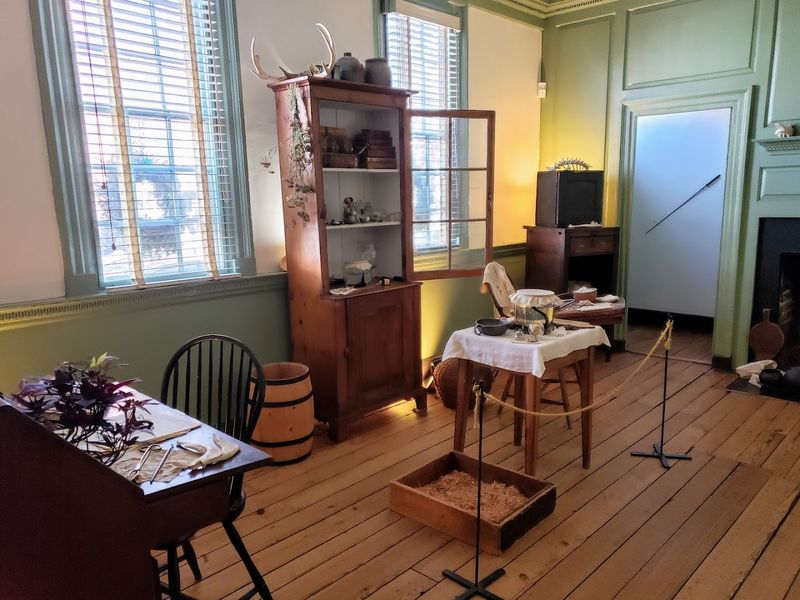
Tooth extraction instruments, amputation saws, and various implements designed for procedures that were performed without the benefit of modern anesthesia are all part of the exhibit. The guides walk visitors through how these tools were actually used, and the descriptions are vivid enough to make even the most stoic visitor shift uncomfortably.
What makes this exhibit so valuable is the context provided alongside the objects. Colonial surgeons were not butchers.
They were working with the best knowledge and technology available to them, and many of their techniques showed real ingenuity given the limitations of the era. Understanding that context transforms the exhibit from a freak show into a genuine lesson in the history of human resilience.
Virginia has preserved this collection beautifully, and it is one of the most thought-provoking stops on the entire tour.
Herbal Remedies That Actually Worked (And Some That Definitely Did Not)
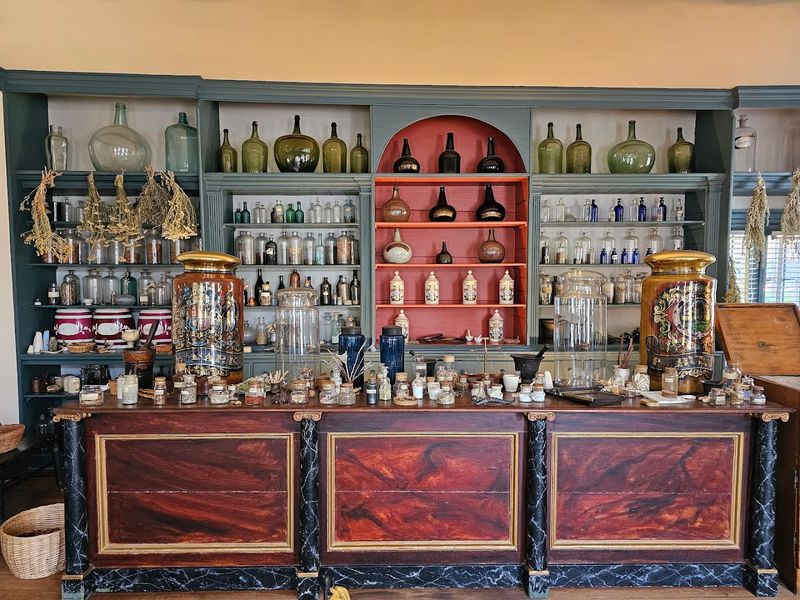
Here is a fun fact that tends to surprise visitors: a significant portion of the herbal remedies used in colonial-era medicine are still considered effective by modern standards. The Hugh Mercer Apothecary Shop puts that surprising overlap front and center, creating a fascinating dialogue between past and present.
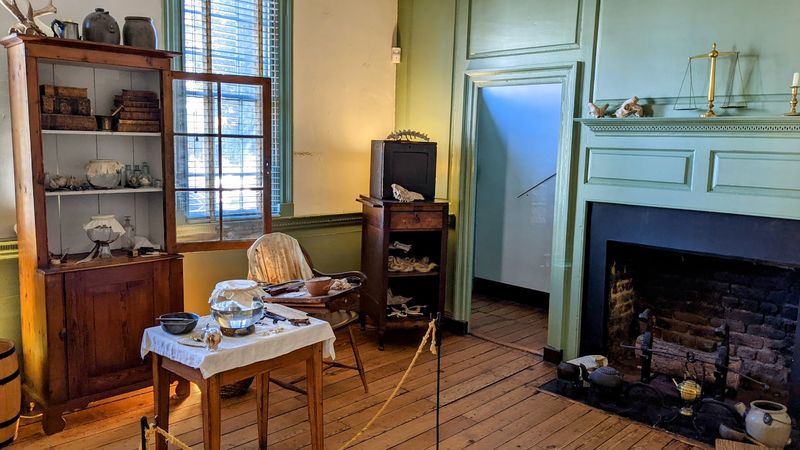
Shelves lined with glass bottles, dried herbs, and carefully labeled tinctures fill the shop with an almost magical atmosphere. Guides explain which plants were used for which ailments, and some of those explanations sound remarkably close to what you might hear from a naturopath today.
Willow bark for pain, chamomile for digestion, and various roots for inflammation all have roots, pun intended, in the colonial pharmacy.
Of course, not every remedy holds up under scrutiny. Some of the treatments on display were based on theories that have since been thoroughly debunked, and the guides are cheerfully honest about that too.
The balance of genuine respect for historical knowledge and good-humored acknowledgment of the misses makes for a refreshingly honest tour. This is one of those rare museum experiences where you leave genuinely smarter than when you walked in.
The Restored Building Itself Is A Star Worth Admiring
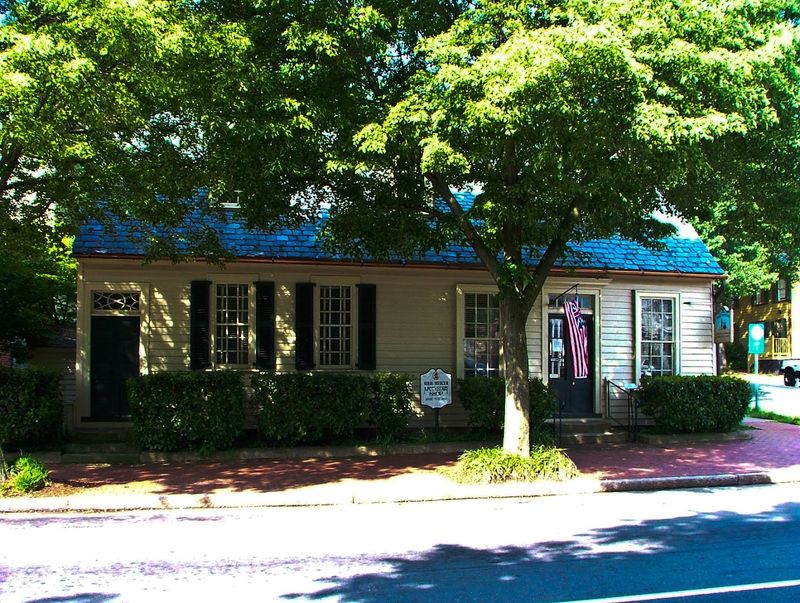
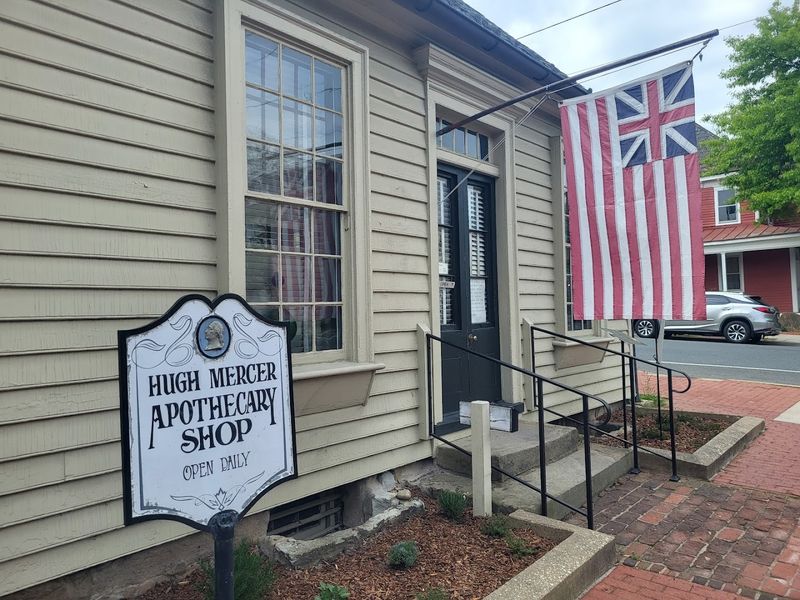
Even before you step inside, the building itself commands attention. The Hugh Mercer Apothecary Shop has been meticulously restored to reflect its original 18th-century appearance, and the attention to detail is immediately obvious from the street.
The modest exterior belies the richness of what is inside, which is kind of the whole point. Colonial buildings were built for function, not flash, and this one wears its history quietly and confidently.
The wooden interiors, low ceilings, and period-accurate furnishings create an atmosphere that feels genuinely immersive rather than staged.
Architecture enthusiasts will appreciate the craftsmanship involved in maintaining a structure of this age while keeping it accessible to modern visitors. The building sits right on Caroline Street in the heart of downtown Fredericksburg, making it an easy stop during any walking tour of the area.
Virginia takes its historic preservation seriously, and this building is a prime example of that commitment done right. Visitors who have only seen the exterior through a fence have already noted its quiet charm.
Seeing it up close and personal is a completely different experience worth every step.
The Washington Connection That Gives This Place Extra Historical Weight
George Washington is arguably the most famous name in American history, and his connection to the Hugh Mercer Apothecary Shop adds a remarkable dimension to the visit. Dr. Mercer treated Mary Washington, George’s mother, making this small Fredericksburg building part of the Washington family’s personal story.
That connection is not just a fun trivia tidbit. It grounds the museum in real human relationships and real moments of care and vulnerability.
Mary Washington was a real person who walked through this door seeking help, and that image is surprisingly moving when you are standing in the same space.
Dr. Mercer and George Washington were also close personally, having served together in the French and Indian War before Mercer’s medical career in Virginia truly flourished. Their friendship adds yet another layer of historical texture to the experience.
Visitors who arrive thinking this is just a quirky little museum about old medicine often leave with a much deeper appreciation for how interconnected colonial life really was. History in Virginia has a way of doing that, pulling you in with one story and revealing five more underneath it.
This place is a perfect example of that beautiful complexity.
Perfect For Families, History Buffs, And The Gloriously Curious
Not every historic site manages to keep kids genuinely engaged, but this one pulls it off with style. The Hugh Mercer Apothecary Shop hits a sweet spot that works beautifully for curious families, and the reviews from parents back this up enthusiastically.
Children old enough to appreciate the slightly gross elements, think leeches and surgical tools, tend to absolutely love the experience. The interactive, theatrical nature of the tour keeps attention spans from wandering, and the guides are skilled at adjusting their presentations to suit different age groups and energy levels.
History buffs of any age will find plenty to sink their teeth into here. The depth of information available goes well beyond the surface level, and the guides are genuinely happy to go deeper on any topic a visitor finds interesting.
Solo travelers, couples, school groups, and multi-generational families all show up regularly, and all of them seem to leave satisfied. Virginia has a lot of historic sites competing for attention, but this one earns its spot near the top of the list through sheer personality and authenticity.
Bring the whole crew and prepare for a surprisingly spirited afternoon.
Plan Your Visit To 1020 Caroline Street And Make It Count
Getting to the Hugh Mercer Apothecary Shop is genuinely easy, and the location in downtown Fredericksburg makes it a natural anchor for a full day of historic exploration. The address is 1020 Caroline Street, Fredericksburg, Virginia, right in the heart of one of the most walkable historic districts in the entire state.
The museum operates on a seasonal schedule, so checking the Washington Heritage Museums website before your visit is a smart move. Tours run throughout the day and do not require advance booking in most cases, which gives your visit a relaxed, spontaneous feel that suits the neighborhood perfectly.
Parking in downtown Fredericksburg is manageable, and the surrounding streets are lined with other historic sites, cafes, and boutiques that make for a lovely extended outing. Arriving with a bit of extra time allows you to wander the garden, browse any available reading materials in the shop, and really soak in the atmosphere without feeling rushed.
Virginia rewards slow travelers, and this corner of Fredericksburg is a prime example of why. Come ready to be surprised, a little unsettled, and completely charmed by one of the most distinctive museum experiences the state has to offer.
Dear Reader: This page may contain affiliate links which may earn a commission if you click through and make a purchase. Our independent journalism is not influenced by any advertiser or commercial initiative unless it is clearly marked as sponsored content. As travel products change, please be sure to reconfirm all details and stay up to date with current events to ensure a safe and successful trip.
