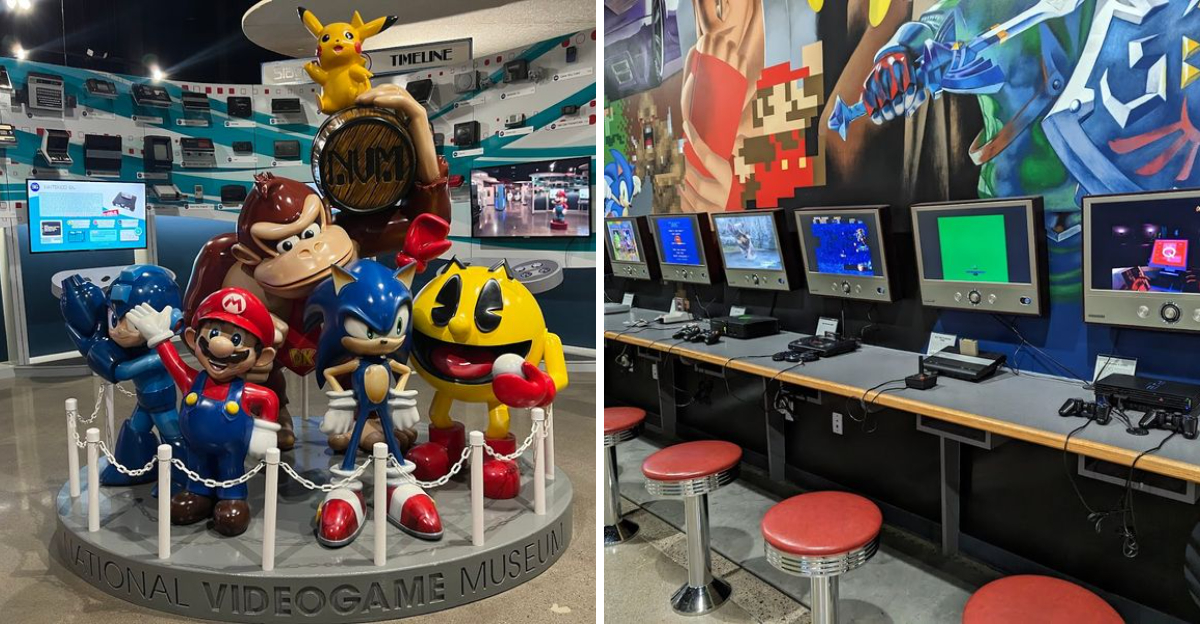
The second I walked into the National Videogame Museum, the glow of old screens and rows of classic consoles pulled me straight back to childhood. One look at those controllers and it felt like no time had passed at all.
Holding a 4.7-star rating from thousands of visitors, this place clearly strikes a chord. It is not just glass cases and placards.
It is hands-on, loud in the best way, and packed with moments that make people stop and smile. Families wander through together, adults linger a little longer at their favorite systems, and every few minutes someone lights up when they spot a game they thought they had forgotten.
It is less about nostalgia alone and more about sharing that spark across generations.
A Timeline Walk Through Gaming History
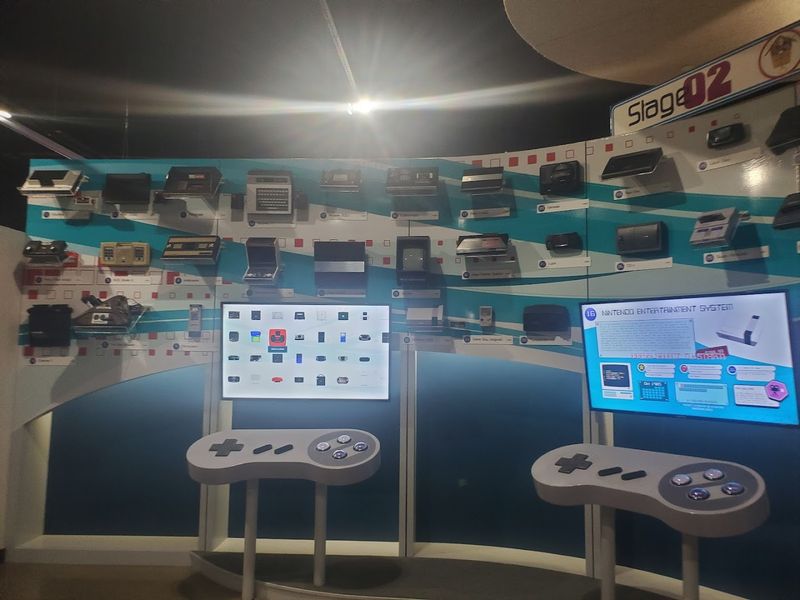
The very first thing that hits you when you walk the main floor is how thoughtfully the history is laid out. The exhibits move in chronological order, starting from the earliest days of electronic gaming in the mid-1900s and walking you all the way through the explosive growth of the 70s and 80s.
It does not feel like reading a textbook. It feels like watching a story unfold, one console at a time.
Each display case is carefully curated with original hardware, packaging, and context that explains why each moment mattered. You start to understand how gaming went from a curiosity in a university lab to a cultural force that shaped entire generations.
The progression is genuinely fascinating, even if you only know gaming from a casual perspective.
What makes this timeline especially cool is that it does not just list facts. It shows you the emotional journey of gaming culture, the rivalries, the breakthroughs, and the moments that changed everything.
Kids reading the panels alongside their parents often end up asking questions that spark real conversations. That kind of shared discovery is rare, and this museum pulls it off with a lot of heart and zero pretension.
Classic Consoles You Can Actually Play
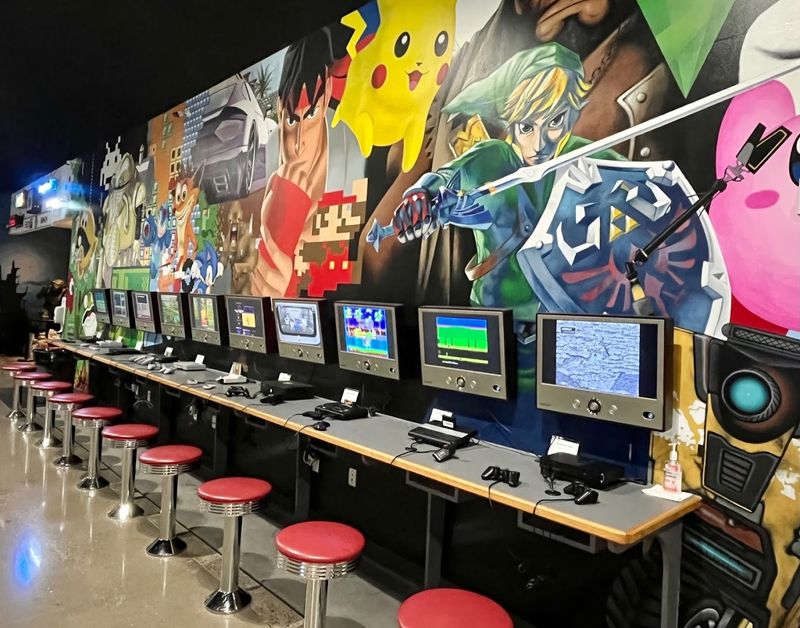
Most museums put their best stuff behind glass and tell you not to touch. This place does the opposite.
Dozens of classic consoles are set up and ready to play, from the chunky Atari systems of the late 70s all the way through the beloved cartridge era of the 90s. Picking up an original controller and feeling that stiff joystick resistance is something no YouTube video can replicate.
Watching a kid discover Pong for the first time while their parent stands behind them laughing is genuinely one of the best things you can witness in a public space. There is something quietly magical about it.
The generational handoff happens right there, in real time, with no instruction manual needed.
The staff keeps the setups in working order, and most of the games load without a hitch. A few displays might show their age, which is honestly part of the charm.
You are not visiting a pristine showroom. You are stepping into a living, breathing collection that invites you to engage with it.
Bring some patience if a line forms at a popular station, because some of these games attract a crowd for very good reason.
The Legendary 80s Arcade Replica
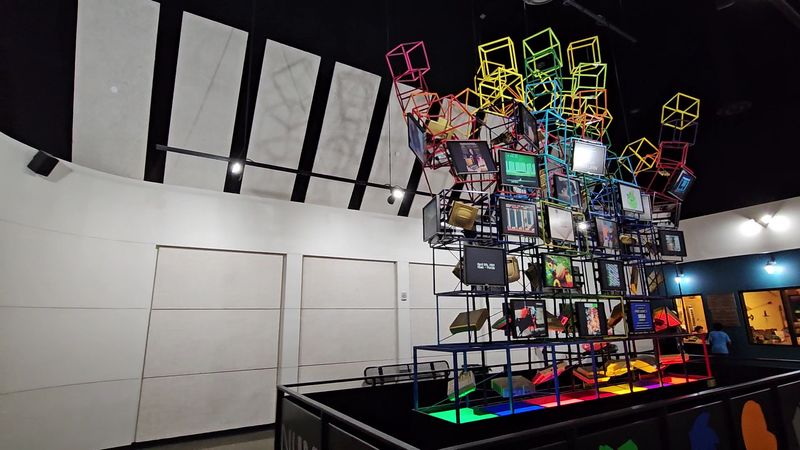
There is a moment near the back of the museum where the lighting shifts, the music gets louder, and suddenly you are standing in a full replica of an 80s arcade. Pac-Man cabinets, racing games, light-gun shooters, all lined up the way they used to be at the local pizza place or mall.
The sound design alone earns this room a standing ovation.
Admission includes tokens, so you can jump right in without fumbling for quarters. The energy in this room is completely different from the rest of the museum.
People laugh louder here. Friendly trash talk breaks out.
Complete strangers cheer each other on during high-score runs. It is a social experience that modern gaming, for all its brilliance, rarely matches.
Golden Eye, classic fighting games, and old-school racers all make appearances. If you have not played some of these titles in twenty years, muscle memory kicks in faster than you expect.
That moment of recognition, when your hands remember what your brain forgot, is oddly emotional. Plan to spend at least an hour in this room, because leaving early feels almost impossible once the nostalgia really sets in.
The Pokemon and Rotating Special Exhibits
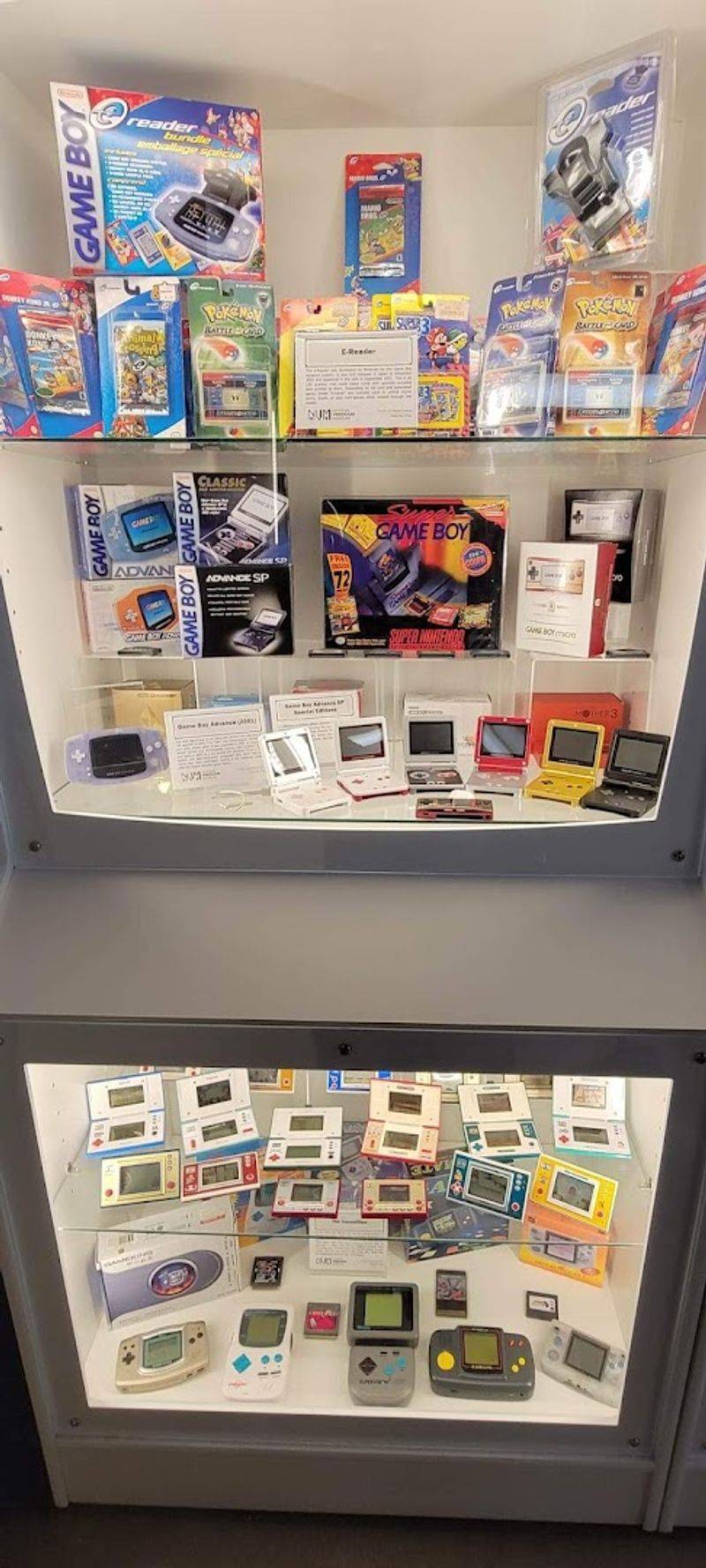
Beyond the permanent collection, the museum keeps things fresh with rotating special exhibits that spotlight specific franchises or gaming eras. During many recent visits, a large Pokemon display has drawn major crowds, and for good reason.
The exhibit traces the franchise from its humble Game Boy origins through its global explosion, covering the games, the trading cards, and the cultural moments that made it a phenomenon.
For anyone who grew up collecting cards or trading Pokemon on the playground, this section hits differently. It is not just nostalgia for a game.
It is nostalgia for a whole social world that revolved around it. Seeing original promotional art and early cartridges up close brings back a specific kind of childhood feeling that is hard to put into words.
The rotating nature of these exhibits means repeat visitors always have a reason to come back. Each visit might offer something new depending on what the museum is currently featuring.
That unpredictability keeps the experience from ever feeling stale. Even if you have been before, checking the museum website before your next trip is a smart move to see what fresh display is waiting for you on the floor.
The Immersive 80s Living Room Setup
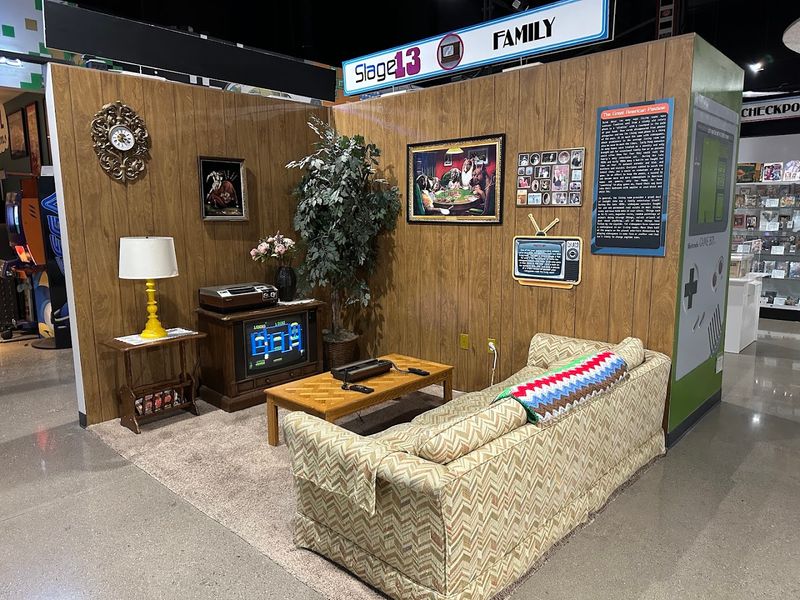
Somewhere in the museum, tucked between exhibits, sits a recreation of a classic 80s living room that stops almost every visitor in their tracks. The wood-paneled furniture, the boxy television, the carpet pattern that somehow looks exactly like the one from your grandmother’s house.
Every detail is considered, and the effect is immediate and powerful.
Kids find it hilarious. Adults find it haunting in the best possible way.
Seeing the physical environment that gaming grew up in, the actual living spaces where these consoles lived, adds a layer of context that a simple display case never could. It makes the history feel human and real rather than clinical or distant.
Sitting down in front of that old TV with a period-accurate controller is one of those small museum moments that ends up being a highlight of the whole trip. People take photos here.
Lots of them. It is one of the most shared spots in the building for a very understandable reason.
The setup manages to be simultaneously funny, sentimental, and educational, which is a combination that very few museum installations ever pull off this naturally or this well.
Interactive Exhibits for All Ages
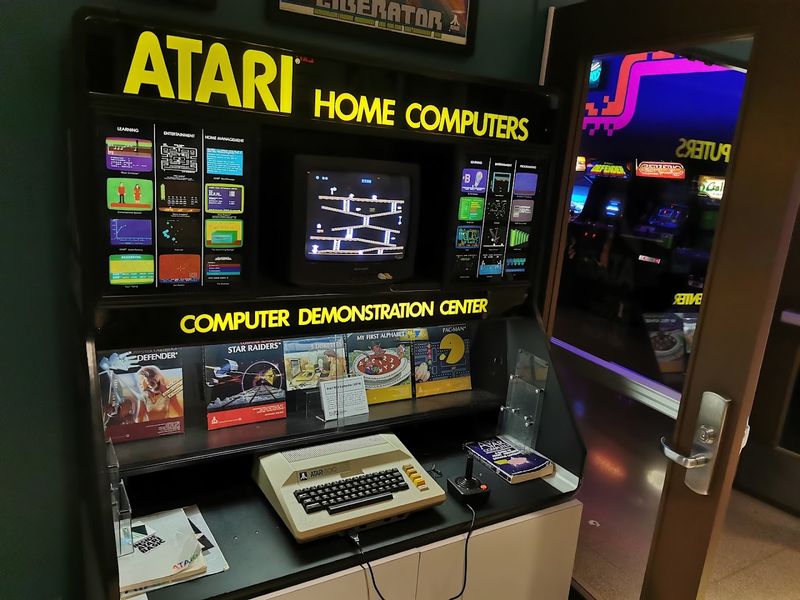
One of the things that genuinely surprised me was how well this museum works for every age group. Toddlers want to touch everything in sight, and there are enough hands-on stations to keep them engaged without too much parental panic.
Older kids get drawn into the deeper history. Adults lose track of time entirely.
The interactive design philosophy runs through the whole building. Rather than just reading about gaming history, you experience it through play.
That approach makes the information stick in a way that passive exhibits simply cannot achieve. You remember what you played far longer than what you merely read about.
School groups visit regularly, and it is easy to see why educators love bringing students here. The museum manages to teach media history, technology evolution, and cultural context all at once, without ever feeling like a lesson.
The learning happens naturally, slipped in between moments of genuine fun. Parents who bring kids to show them where gaming started often end up learning things themselves, which is the quiet genius of how this place is organized and presented to its visitors.
The Gift Shop and Collectibles Corner
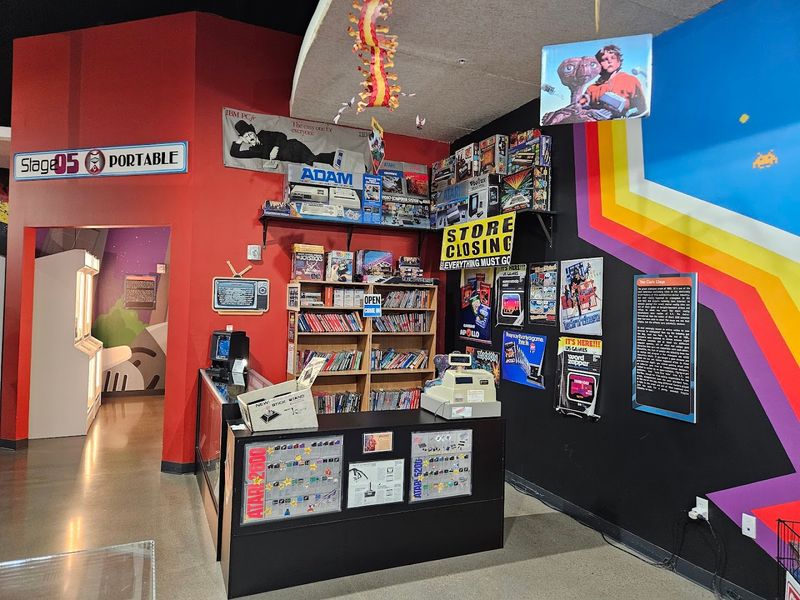
Even if you are not the type to buy souvenirs, the gift shop at the National Videogame Museum is worth a slow walk-through. The selection leans heavily into gaming culture, with collectibles, retro-styled merchandise, and items that range from genuinely useful to wonderfully nerdy.
It is the kind of shop where you pick something up just to look at it and end up walking to the register ten minutes later.
One nice touch is that you can browse the gift shop without paying museum admission. That makes it a low-pressure spot for anyone who wants to grab something for a gamer friend without committing to the full visit.
The staff in this area are consistently described as friendly and helpful, which makes the browsing experience feel relaxed rather than rushed.
Prices are reasonable for a museum shop, and the selection feels curated rather than generic. You are not going to find the same mass-produced keychains you see at every tourist stop.
The items here have personality, and many of them reference specific games or consoles that only true enthusiasts would recognize. That specificity is what makes the shop feel like an extension of the museum itself rather than just a tacked-on retail space.
The Doom Map Easter Egg
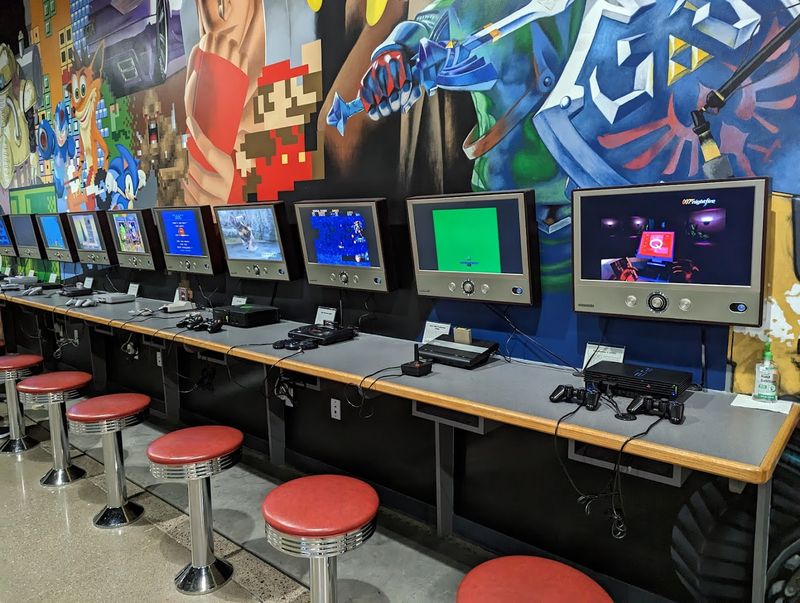
For anyone who considers themselves a true gaming enthusiast, there is a detail hidden inside the museum that feels like a love letter to the community.
Somewhere on the floor, you can play a version of the classic 1993 shooter Doom where the map has been recreated to match the actual layout of the museum itself. It is exactly as cool as it sounds.
Finding it feels like discovering a secret level, which is entirely appropriate. The people who built this museum clearly love games on a deep level, not just as products to display but as creative works worth celebrating with genuine creativity.
This kind of detail shows the curatorial passion behind the whole project.
Playing through a Doom map of the building you are physically standing in is a surreal, funny, and oddly satisfying experience. It is the sort of thing you describe to friends afterward and watch their expressions change when they realize you are not making it up.
The museum is full of moments like this, small discoveries that reward curiosity and make the visit feel personal rather than packaged. That spirit of exploration runs through everything here.
Location, Parking, and Nearby Attractions
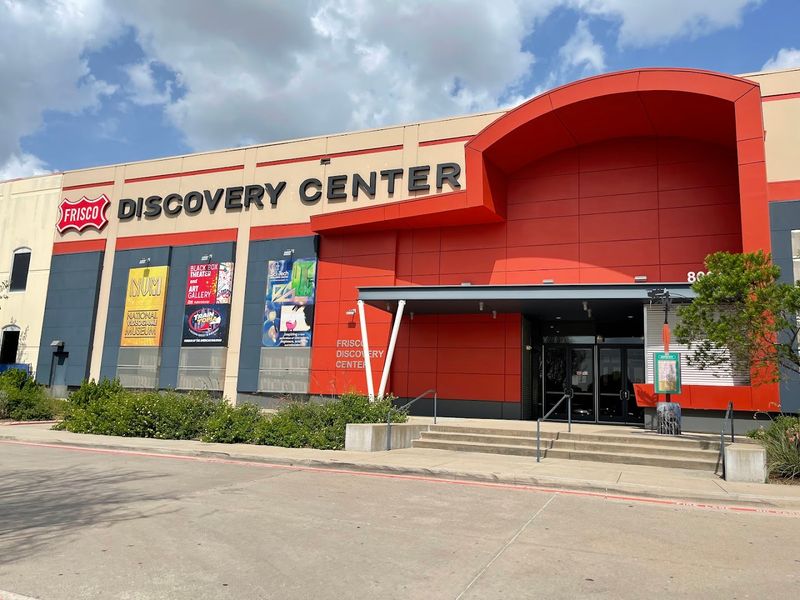
Getting to the museum is straightforward, and the parking situation is one of the better ones you will find at any Frisco attraction. The lot is spacious and free, which removes one of the most annoying parts of visiting any popular destination.
Arriving without circling the block three times puts you in a good mood before you even walk through the door.
The location inside the Frisco Discovery Center complex is a big bonus. Right next door sits a train museum, and the Frisco Public Library, widely considered one of the best in Texas, is just a short walk away.
Combining two or three stops in this area makes for an excellent full-day outing without any extra driving.
The museum is open Tuesday through Friday from 10 AM to 5 PM, Saturday from 10 AM to 6 PM, and Sunday from noon to 5 PM. It is closed on Mondays, so plan accordingly.
The surrounding area has plenty of dining options nearby, making it easy to grab lunch before or after your visit. For families making a day of it, this corner of Frisco genuinely delivers on multiple levels without requiring much logistical planning.
Why This Museum Earns Every One of Its Stars
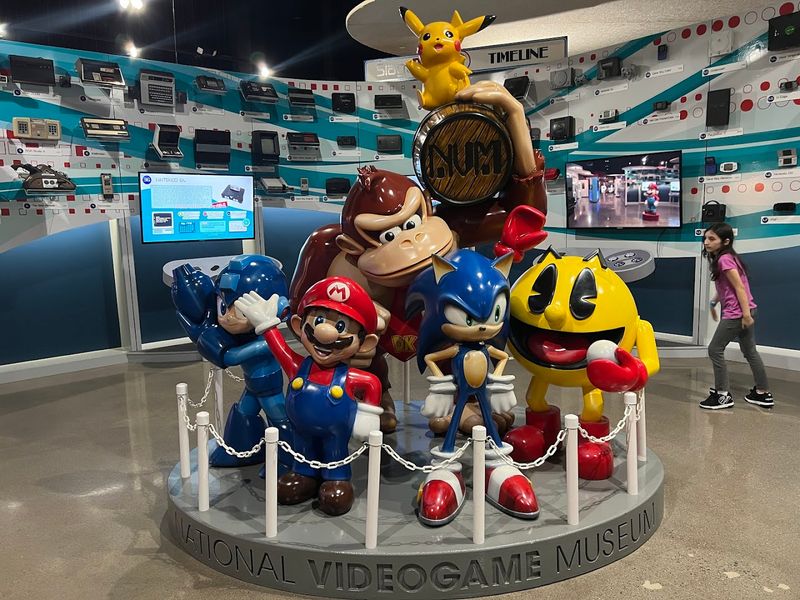
A 4.7-star rating across nearly four thousand reviews is not something that happens by accident. It reflects a place that consistently delivers on its promise, visit after visit, for people of wildly different ages and backgrounds.
Non-gamers walk in skeptical and leave genuinely charmed. Hardcore enthusiasts spend hours and still feel like they missed something.
The staff plays a big role in that reputation. Multiple visitors mention the friendliness of the team, from the front desk to the gift shop.
That human element matters enormously in a place designed around shared memories. A warm welcome sets the tone for everything that follows.
What the National Videogame Museum gets right, above everything else, is that it understands what it is actually selling. It is not just gaming history.
It is the feeling of being young, of having unlimited Saturday mornings, of discovering something that felt like it was made just for you. Capturing that feeling inside a building and making it accessible to strangers is genuinely difficult.
This museum does it with consistency and care that shows in every exhibit, every playable station, and every small detail that rewards the curious visitor who looks just a little bit closer.
Address: 8004 Dallas Pkwy, Frisco, Texas
Dear Reader: This page may contain affiliate links which may earn a commission if you click through and make a purchase. Our independent journalism is not influenced by any advertiser or commercial initiative unless it is clearly marked as sponsored content. As travel products change, please be sure to reconfirm all details and stay up to date with current events to ensure a safe and successful trip.
