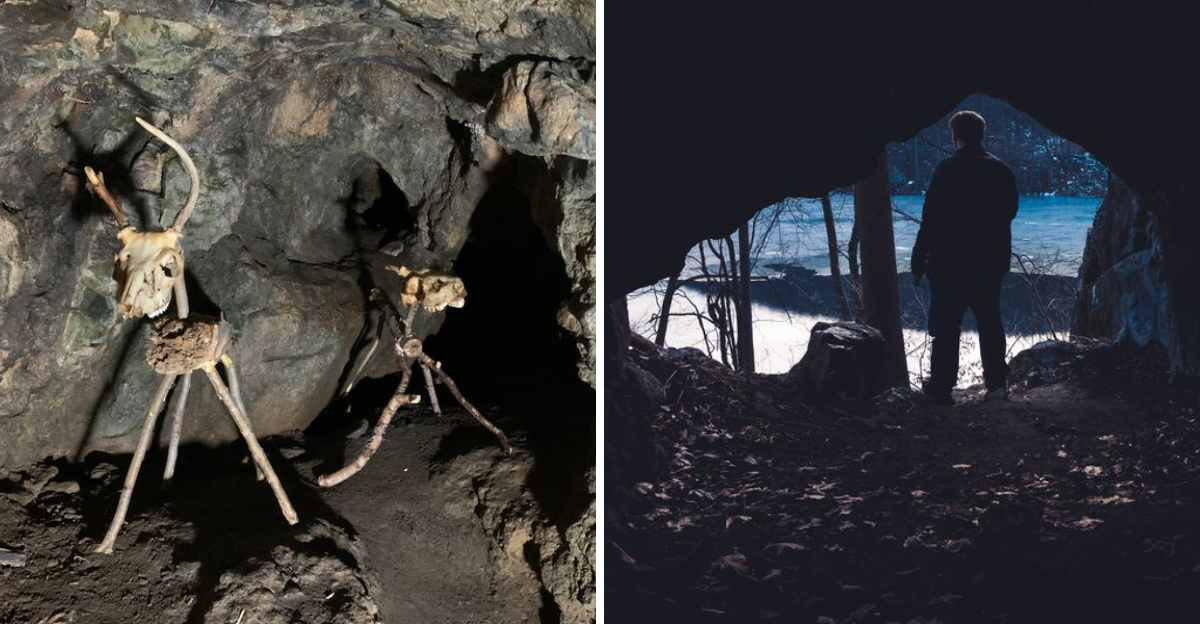
I stumbled deep into the woods of Warren County and found myself face-to-face with a geological wonder straight out of a fantasy novel. They call it the Fairy Hole, but honestly, it feels more like a time machine.
At first glance, it’s just a modest cave. But step inside and suddenly I’m imagining mammoths stomping around, giant sloths chilling, and ancient humans carving out their stories.
Ice Age fossils? Native American heritage?
Yeah, this place is basically history’s VIP lounge.
Forget dusty museum exhibits, I literally walked into prehistory. The crust cracked under my boots, the air smelled ancient, and I half expected Indiana Jones to pop out and hand me a whip.
By the time I left, stuffed with adventure instead of pizza, I couldn’t stop laughing at the thought: the Ice Age was hiding just off a hiking trail in New Jersey, and I found it.
My camera roll? Pure jealousy fuel for anyone scrolling my feed.
A Portal to Prehistoric Times
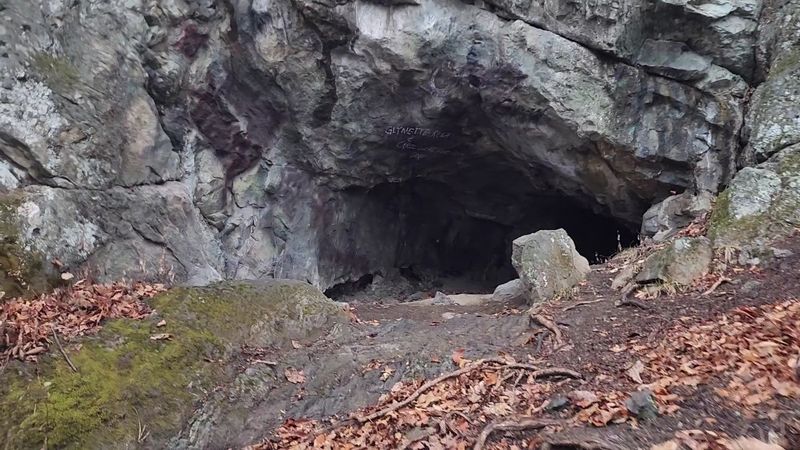
Imagine stepping into a place where Ice Age creatures once sought refuge from glacial storms. The Fairy Hole at Great Meadows, NJ 07838, United States offers exactly that experience, serving as a genuine archaeological treasure that has yielded giant sloth bones and artifacts from ancient inhabitants.
Scientists have confirmed that this rock shelter provided protection for both animals and early humans during the last Ice Age, making every visit a legitimate journey through deep time.
The cave itself formed through natural geological processes over countless millennia. Water erosion and freeze-thaw cycles carved out this sheltered space in the bedrock, creating an overhang that became a haven for life during harsh prehistoric winters.
When you duck inside, you’re literally standing where megafauna once huddled thousands of years ago.
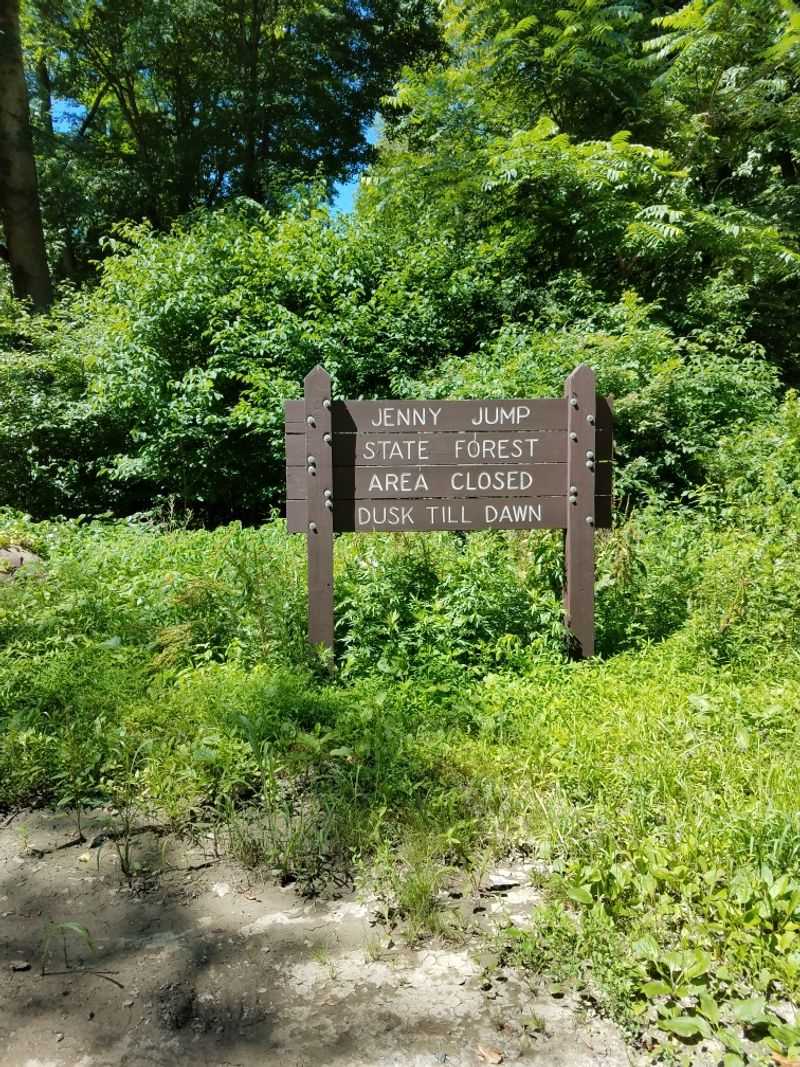
Located within the boundaries of Jenny Jump State Forest, this site remains accessible to curious explorers year-round. The rock formation extends deeper than many first-time visitors expect, with smaller connected voids branching off from the main chamber.
These secondary spaces add mystery and invite further exploration for those willing to carefully investigate.
What makes this spot truly special is its dual significance as both a geological formation and an archaeological site. The discovery of extinct animal remains here has helped scientists piece together what New Jersey looked like during the Pleistocene epoch.
Standing in this ancient shelter connects you directly to that vanished world in a way few other New Jersey locations can match.
The Ghost Lake Trail Adventure
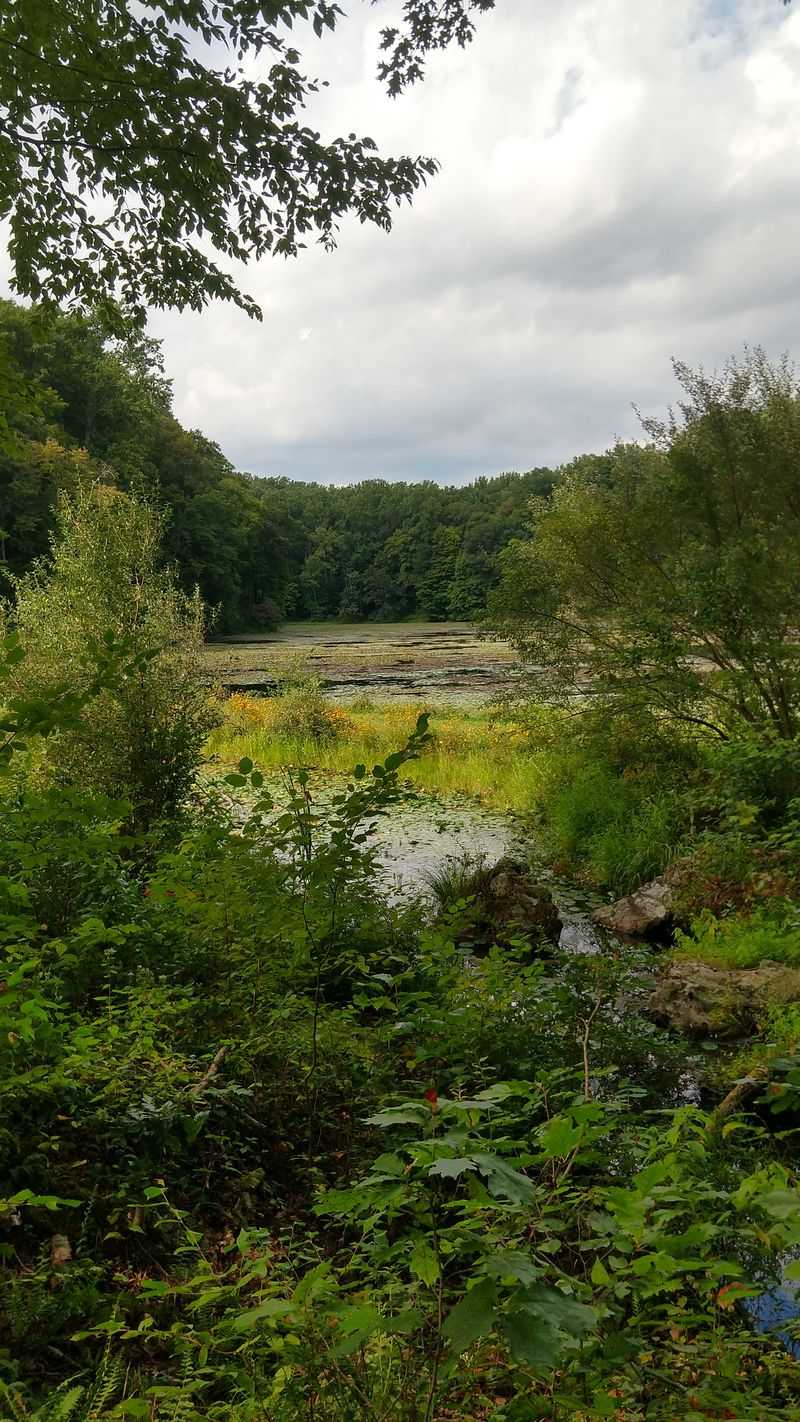
Getting to the Fairy Hole requires a short but memorable hike that begins at a parking area and follows the edge of Ghost Lake. This trail spans roughly three-tenths of a mile, offering a pleasant warm-up before you reach the main attraction.
The path hugs the shoreline of the marshy lake, providing glimpses of water through the trees and creating an atmospheric approach that builds anticipation with every step.
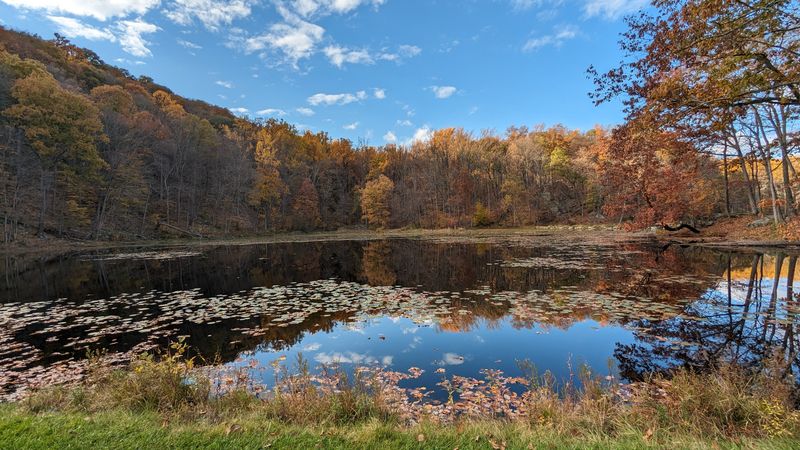
Ghost Lake itself adds an extra layer of intrigue to your journey. During winter months, the lake often freezes over, transforming into a silent, snow-covered expanse that looks like something from a fairy tale.
Some visitors have reported hearing unexplained sounds near the water, adding credibility to the lake’s spooky name and the area’s reputation for paranormal activity.
The trail itself can be challenging to follow at times, as nature constantly reclaims the path. Fallen trees occasionally block sections, and the route lacks clear signage that would make navigation foolproof.
Overgrown vegetation narrows the walkway in places, so wearing long pants is a smart move to protect against scratches and poison ivy, which grows along portions of the trail.
Despite these minor obstacles, the hike remains manageable for most fitness levels. Families with older children regularly make the trek without issue.
The journey takes about ten to fifteen minutes at a leisurely pace, making it perfect for those who want outdoor adventure without committing to an all-day expedition through New Jersey wilderness.
Native American Heritage Embedded in Stone
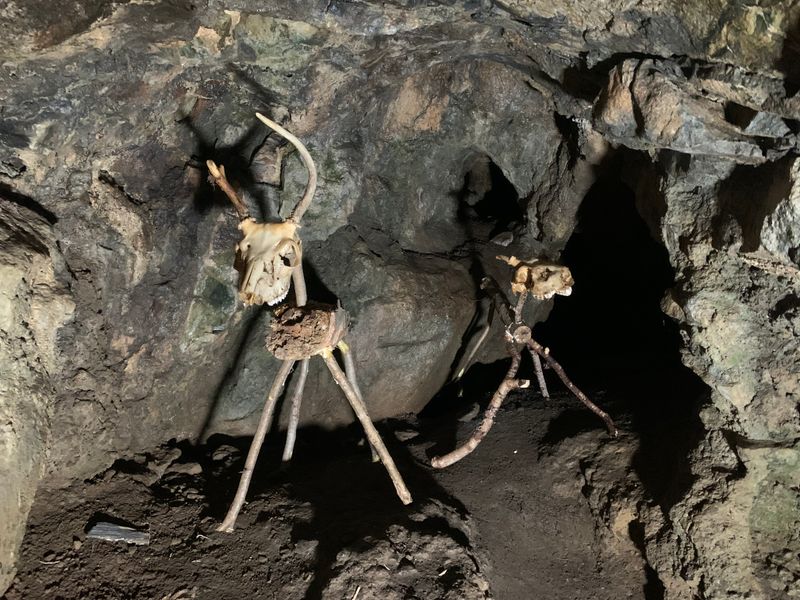
Long before European settlers arrived in New Jersey, indigenous peoples recognized the Fairy Hole as a valuable resource. Archaeological evidence suggests Native Americans used this rock shelter seasonally, taking advantage of its natural protection from weather and its strategic location near water sources.
The site likely served as a temporary camp during hunting expeditions or as a waypoint along established travel routes through the region.
Artifacts recovered from the area paint a picture of sustained human presence spanning centuries. Stone tools, pottery fragments, and other remnants of daily life have been documented here, though most have been removed to museums for preservation and study.
These findings help anthropologists understand how indigenous communities adapted to the challenging climate of the post-glacial Northeast.
The shelter’s modest size actually made it ideal for small hunting parties rather than large groups. Its depth provides enough space for several people to comfortably escape rain or snow while remaining close to the entrance for visibility and ventilation.
Native peoples clearly understood the practical advantages this geological feature offered.
Today’s visitors can appreciate the same qualities that attracted ancient inhabitants. Standing beneath the rock overhang, you experience the same natural shelter that protected people for thousands of years.
This continuity of use across such vast stretches of time makes the Fairy Hole more than just a cave; it represents an unbroken thread connecting modern explorers to New Jersey’s deepest human history.
The Mystery of the Name
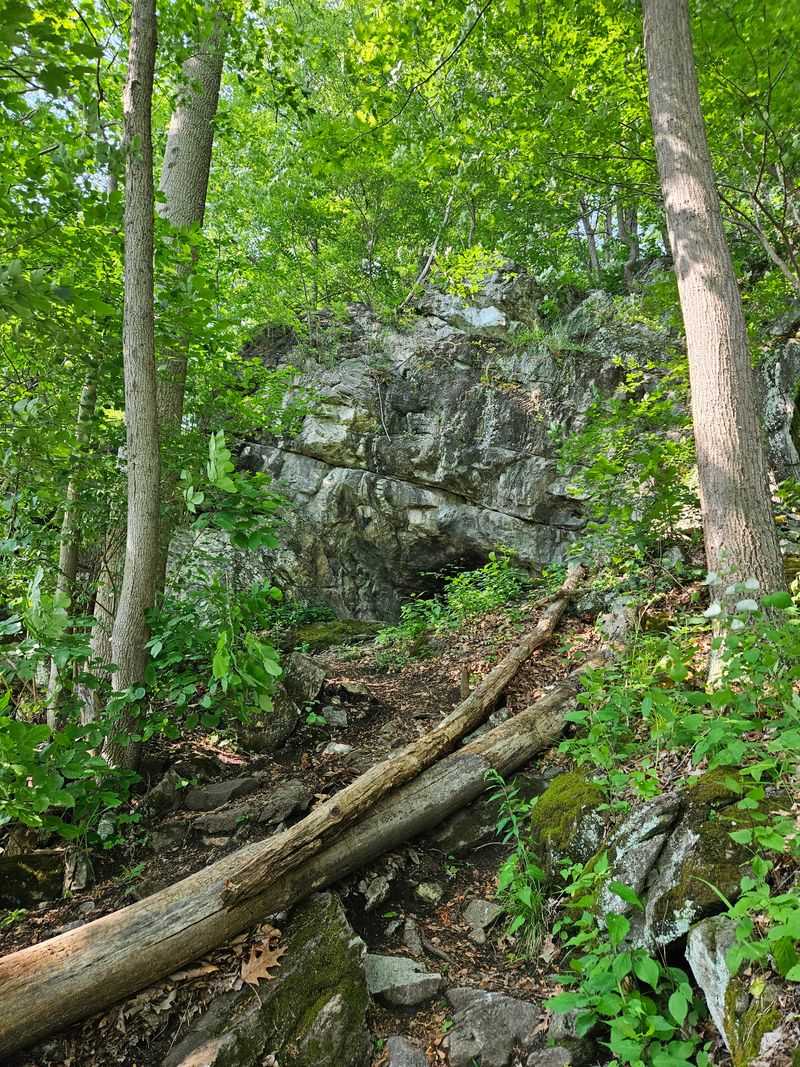
Why call this ancient geological formation the Fairy Hole? The origin of this enchanting name remains somewhat murky, lost to time like so many bits of local folklore.
Some theories suggest early European settlers drew on their own cultural traditions of fairies and nature spirits, projecting these beliefs onto the mysterious cave they discovered in the New World wilderness.
The name might also reflect the cave’s modest, almost hidden nature. Unlike grand caverns that announce themselves dramatically, the Fairy Hole requires deliberate searching to find, much like the elusive fairy folk of legend who reveal themselves only to those who truly seek them.
Its small entrance and tucked-away location certainly give it an air of secrecy that fits perfectly with fairy mythology.
Local storytelling traditions have likely embellished the cave’s mystique over generations. The nearby Shades of Death Road and Ghost Lake create a constellation of spooky place names in Warren County that feed into regional identity and tourism.
Whether these names emerged from genuine supernatural experiences or creative marketing by early tourism boosters remains an open question.
Regardless of its etymological origins, the name has stuck and continues to draw curious visitors. There’s something irresistibly charming about searching for a place called the Fairy Hole, especially when it delivers genuine historical significance alongside its whimsical title.
The name serves as a perfect gateway, inviting people who might otherwise skip a “rock shelter” to come explore something that sounds magical.
Exploring the Connected Cavities
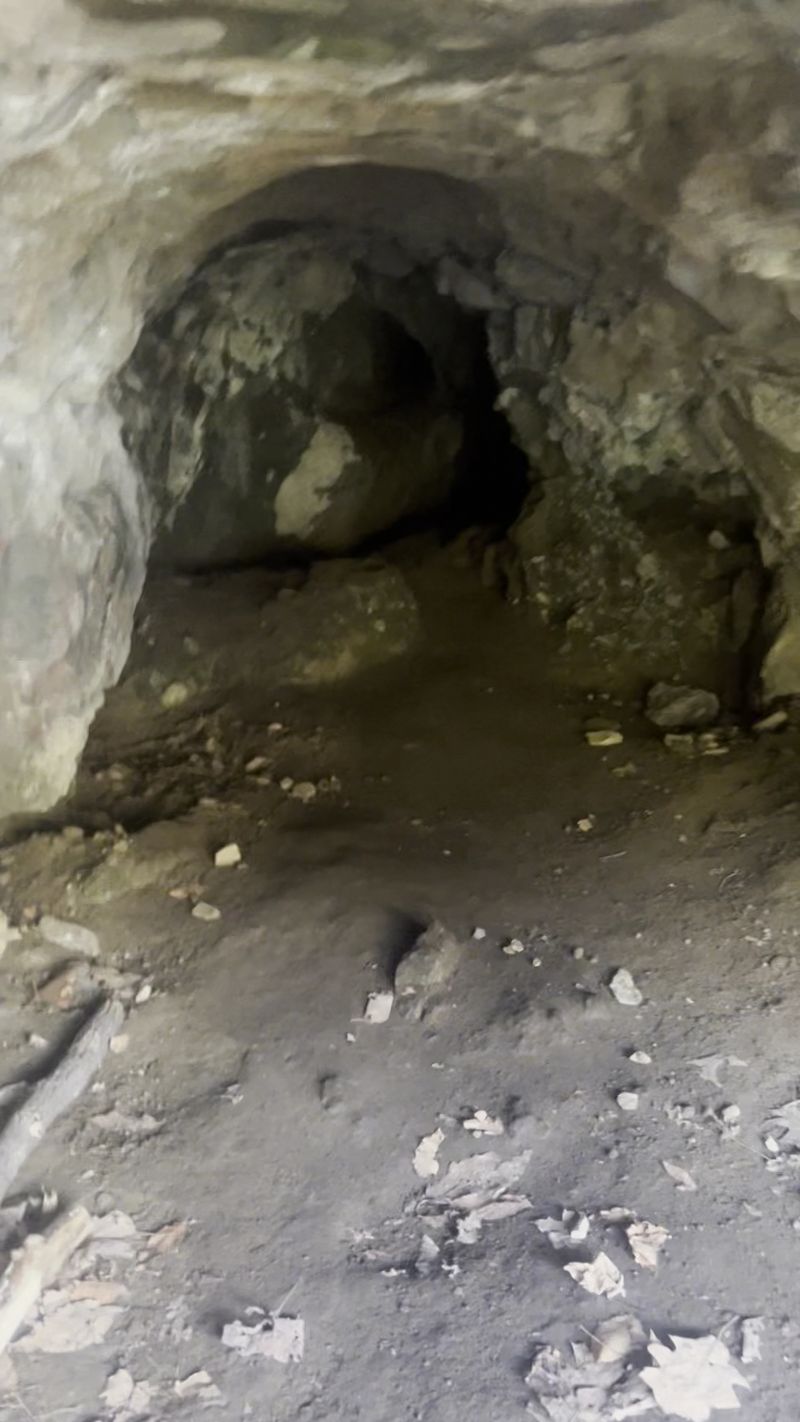
While the main chamber of the Fairy Hole gets most of the attention, intrepid explorers often find the smaller connected voids even more intriguing. These secondary openings branch off from the primary shelter, creating a network of tight spaces that beg to be investigated by those with adventurous spirits and compact frames.
Some of these passages are quite narrow, requiring careful maneuvering to access.
Multiple visitors have mentioned discovering approximately four or five additional cave formations in the immediate area. These satellite caves vary in size and accessibility, with some being little more than gaps between rocks while others offer genuine crawl-through experiences.
Exploring these requires caution, good lighting, and an honest assessment of your comfort level with tight spaces.
The geological processes that created the main Fairy Hole also produced these associated features. As bedrock fractured and eroded over millennia, it created a complex three-dimensional puzzle of stone.
Water continues to slowly reshape these formations even today, though changes occur on timescales far beyond human perception.
For safety reasons, visitors should never attempt to squeeze into spaces where they might become stuck. Several reviews mention the risk of getting trapped in the smaller openings, which could turn an exciting adventure into a dangerous situation requiring rescue.
Admiring these features from outside or exploring only the clearly accessible portions represents the wisest approach for casual visitors to this New Jersey treasure.
Wildlife Encounters and Natural Warnings
Nature doesn’t roll out a red carpet for visitors to the Fairy Hole, and part of respecting this wild space means being prepared for its less cuddly residents. Poison ivy grows abundantly along the trail, its three-leafed clusters lurking beside the path waiting to ruin your week with itchy misery.
Learning to identify this plant before your visit will save you considerable discomfort later.
Wasps and other stinging insects also call this area home, particularly during warmer months. One visitor reported their dog getting stung during the hike, serving as a reminder that our four-legged friends face the same risks we do.
Keeping pets on leash and watching where you place your hands when steadying yourself on rocks can help avoid painful encounters.
The marsh environment around Ghost Lake supports a diverse ecosystem that includes mosquitoes, ticks, and other biting insects. Wearing insect repellent and checking yourself thoroughly after your hike protects against both immediate annoyance and potential disease transmission.
Ticks in New Jersey can carry Lyme disease, making post-hike tick checks a serious health precaution rather than mere paranoia.
Despite these warnings, don’t let fear keep you from visiting. Thousands of people explore the Fairy Hole annually without incident by taking simple precautions.
Long pants, closed-toe shoes, insect repellent, and awareness of your surroundings address most risks. The goal isn’t to avoid nature but to engage with it respectfully and safely.
The Graffiti Problem and Preservation
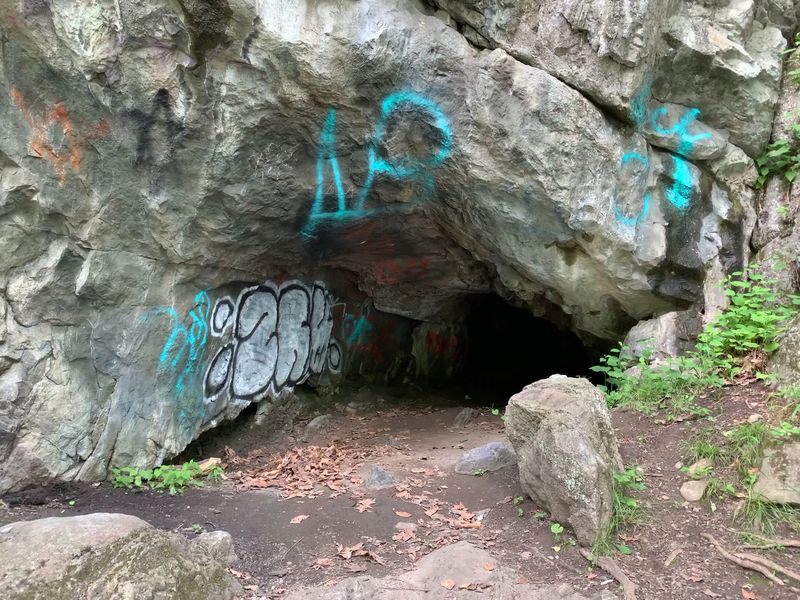
Visiting the Fairy Hole today means confronting an unfortunate reality that plagues many accessible natural and historical sites. Graffiti mars the rock walls inside the cave, with spray paint and carved inscriptions defacing surfaces that have remained largely unchanged for thousands of years.
This vandalism represents a heartbreaking disrespect for both natural beauty and archaeological significance.
The tagging typically consists of initials, dates, and crude drawings that add nothing to the experience while permanently altering the site. Unlike ancient Native American petroglyphs that hold cultural and historical value, modern graffiti serves only the ego of the vandal.
Each new mark makes it harder for visitors to imagine the cave as it existed in prehistoric times.
Removing graffiti from porous rock surfaces without causing additional damage presents enormous challenges. Chemical cleaners can alter the rock itself, while mechanical removal risks destroying any remaining archaeological evidence embedded in the stone.
This creates a frustrating situation where the damage essentially becomes permanent, a lasting scar on New Jersey’s natural heritage.
Future visitors can help by refusing to add their own marks and by reporting active vandalism to park authorities. Social media posts that glamorize or show off graffiti inadvertently encourage more of the same behavior.
Instead, sharing photos that highlight the cave’s natural beauty and historical importance helps shift cultural attitudes toward preservation. Every generation has a responsibility to pass this irreplaceable site along to the next in the best condition possible.
Planning Your Visit to Jenny Jump State Forest
The Fairy Hole sits within Jenny Jump State Forest, which means your cave adventure comes with access to a much larger recreational area. The forest offers camping facilities, additional hiking trails, and scenic overlooks that make it worth extending your visit beyond just the cave itself.
Planning a full day here lets you experience multiple facets of this beautiful corner of Warren County, New Jersey.
Parking for the Fairy Hole trailhead can be found at Great Meadows, NJ 07838, United States, though the lot itself is unpaved and can be rough, with potholes that require careful navigation. Arriving early, especially on weekends, increases your chances of finding a spot since this remains a popular destination despite its somewhat hidden nature.
The parking area lacks formal amenities, so plan accordingly.
The site stays open twenty-four hours, giving you flexibility in timing your visit. Early morning hikes offer cooler temperatures and fewer crowds, while late afternoon light creates beautiful photography conditions as sun filters through the forest canopy.
Winter visits provide a completely different experience, with bare trees offering better visibility and frozen Ghost Lake presenting stark beauty.
Before heading out, check current trail conditions online or by calling the state forest office. Seasonal changes, storm damage, and maintenance work can all affect accessibility.
Bringing a fully charged phone makes sense both for navigation and emergency communication, though cell service can be spotty in the forest. Download offline maps before you lose signal.
Photography Tips and Best Angles
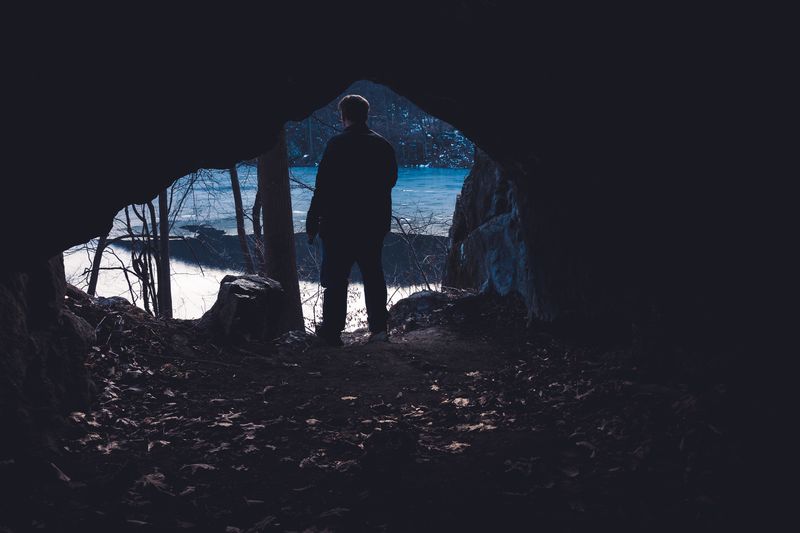
Capturing the Fairy Hole’s essence through photography presents unique challenges that reward preparation and patience. The cave’s interior remains quite dark even during midday, creating high contrast situations that can fool automatic camera settings.
Bringing a flashlight or headlamp helps not only with safety but also with illuminating details you want to photograph inside the shelter.
Wide-angle lenses work best for capturing the cave’s interior space, allowing you to show the full extent of the rock overhang and the relationship between the shelter and surrounding forest. Getting low to the ground and shooting upward toward the rock ceiling often produces dramatic compositions that emphasize the geological drama of the formation.
The approach trail along Ghost Lake offers numerous photographic opportunities beyond just the cave itself. Reflections in the still water, interesting tree formations, and the interplay of light through leaves all make worthy subjects.
During autumn, the surrounding forest explodes with color, creating a spectacular natural backdrop that elevates any composition.
For social media posts, consider including yourself or your hiking companions in the frame to provide scale and human interest. The cave’s modest size becomes more apparent and impressive when viewers can see actual people standing inside.
Just remember to be respectful of other visitors and avoid blocking the entrance while you perfect your shot. Golden hour lighting, shortly after sunrise or before sunset, bathes everything in warm tones that make New Jersey forests look absolutely magical.
Connecting With Other Nearby Attractions
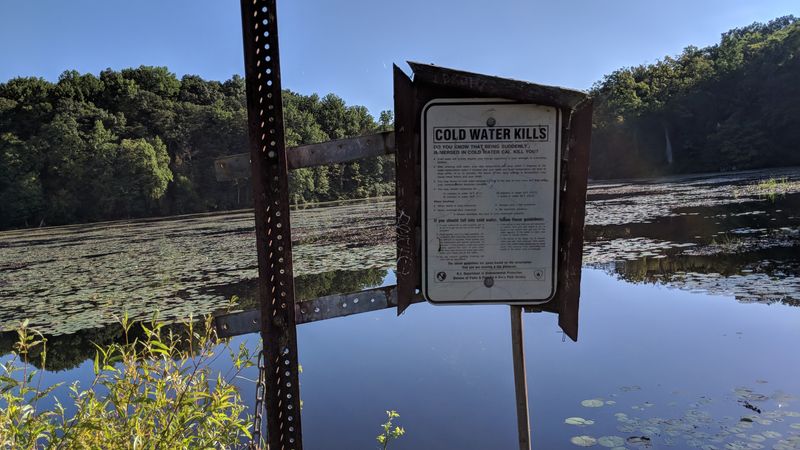
Your journey to the Fairy Hole places you in one of New Jersey’s most legendarily spooky regions, surrounded by other attractions that complement the cave experience perfectly. Shades of Death Road, mentioned in multiple visitor reviews, runs nearby and has earned a reputation as one of America’s most ominously named thoroughfares.
Driving this winding rural route adds atmospheric flavor to your adventure, though the road itself is simply a pretty country lane despite its dark moniker.
Jenny Jump State Forest extends far beyond just the Fairy Hole trail, encompassing numerous other paths that range from easy strolls to challenging climbs. The forest’s rocky ridges provide panoramic views across the Delaware Water Gap region, rewarding those willing to tackle steeper trails.
Camping facilities within the park let you extend your visit into an overnight adventure under star-filled New Jersey skies.
The broader Warren County area offers additional historical sites, charming small towns, and agricultural attractions that make excellent additions to your itinerary. Local farms often welcome visitors for seasonal picking, while antique shops in nearby communities provide rainy-day alternatives if weather doesn’t cooperate with outdoor plans.
Combining the Fairy Hole with these other attractions transforms a single destination into a full weekend getaway. The region’s concentration of unusual place names and genuine natural beauty creates an identity distinct from the rest of New Jersey.
Pack your bags, charge your camera, and prepare to discover a side of the Garden State that surprises people who think they know what New Jersey offers!
Dear Reader: This page may contain affiliate links which may earn a commission if you click through and make a purchase. Our independent journalism is not influenced by any advertiser or commercial initiative unless it is clearly marked as sponsored content. As travel products change, please be sure to reconfirm all details and stay up to date with current events to ensure a safe and successful trip.
