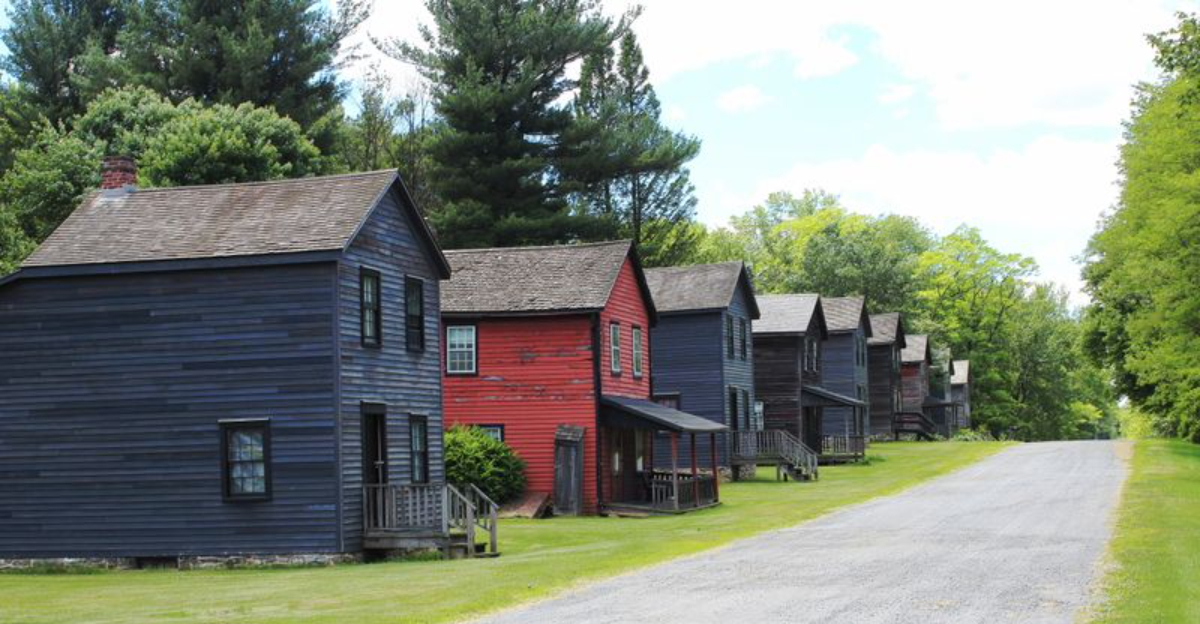
Step into Eckley Miners’ Village and you can feel Pennsylvania history under your feet with every creak of a porch board and whisper of coal dust in the breeze. The streets are quiet, the houses spare, and the stories everywhere, inviting you to slow down and look closely. You will leave with a clearer picture of how families built lives in a company town, finding dignity and community in the shadow of the colliery. If you love authentic places that still breathe, this village will stay with you long after you drive away.
A Patch Town With Purpose
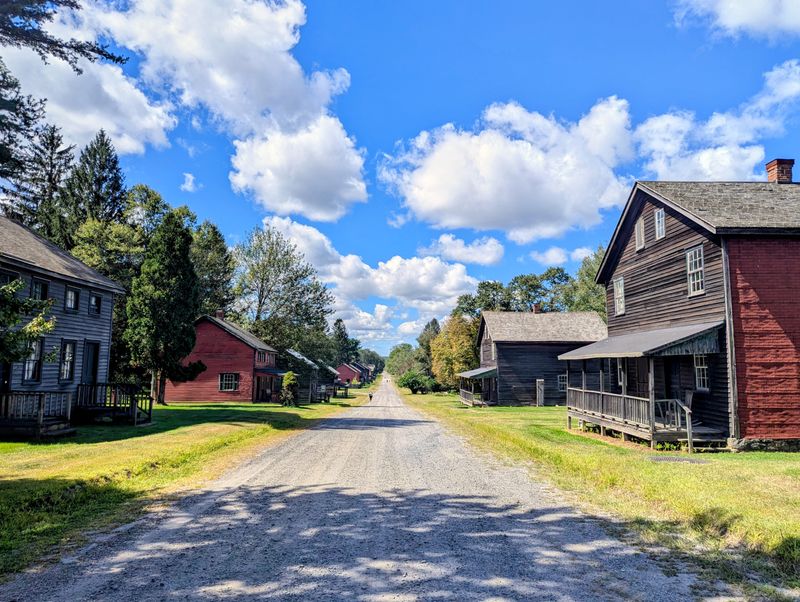
Eckley Miners’ Village began as a purpose built patch town, a company controlled community that kept miners and their families close to the anthracite seams and the colliery rhythm.
Walking along Main Street, you can trace the logic of the place, with compact lots, aligned façades, and outbuildings that speak to work and survival rather than showy comfort.
The address anchors the story in the present, 2 Eckley Main St, Weatherly, PA 18255, yet the view feels strikingly nineteenth century when the wind lifts coal dirt from the road edge.
You will notice how distances are short, because the company designed them that way, keeping labor near shafts, breaker, and supply sheds.
This design made everyday life efficient for management, and exhausting for workers who moved between home and job with little buffer.
Even so, the layout supported neighborly bonds, because houses faced one another and porches became informal gathering spots.
The village plan reveals control, but also reveals how families carved private corners, tending small gardens and stacking wood behind fences.
In Pennsylvania, many patch towns vanished, yet Eckley remains readable, like a living diagram of industrial power and domestic persistence.
The museum interpretation helps you decode these choices, guiding your eye to alignments, lot lines, and the siting of wells and privies.
By the time you loop back to the visitor center, you will understand why the town feels cohesive, and why that cohesion had a cost.
Immigrant Life In Close Quarters
Stories of Welsh, English, and German families still echo in the clapboard walls, later joined by Irish and Eastern European neighbors who brought songs, prayers, and new languages to the same narrow lanes.
You can almost hear the blend of accents as children ran between doors, sharing chores and games while parents swapped shifts and news.
At 2 Eckley Main St, Weatherly, PA 18255, the museum exhibits frame these migrations with photographs, ledgers, and artifacts that turn names into people.
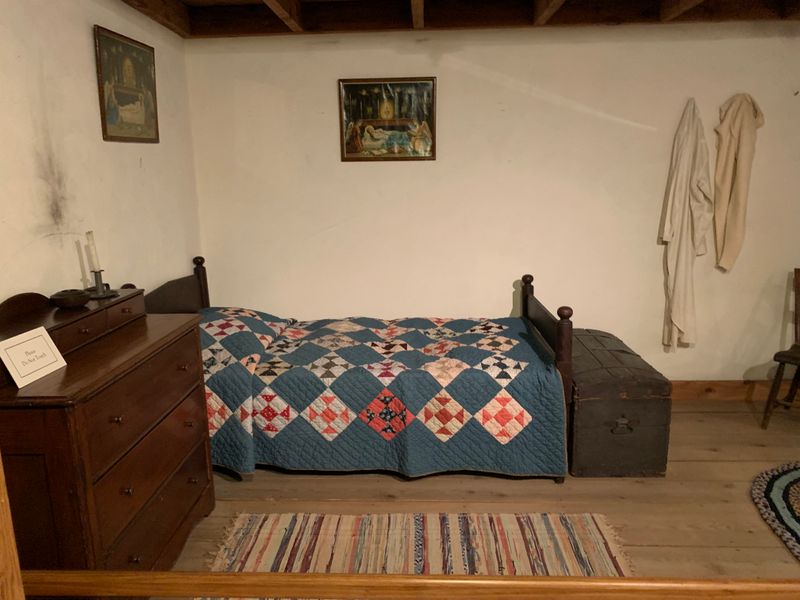
Domestic interiors remain modest, showing how space shaped daily habits, with shared rooms, hard benches, and stoves that doubled as hearts of the home.
Churches provided continuity, giving newcomers familiar rituals, while the company store pressed everyone into the same economic orbit.
In Pennsylvania, immigration left layered cultures that persist in festivals, hymns, and recipes, even when the mines went quiet.
As you move from house to house, differences in textiles and icons reveal how families held on to identity without losing neighborly trust.
The museum offers context without sentimentality, inviting you to see how resilience grew from cooperation and careful budgeting.
Children walked to the village school, then grew into jobs that mirrored their parents, while dreaming of options beyond the breaker.
You will leave with a sense that the village kept cultures alive in close quarters, and that closeness built a durable kind of community.
Hierarchy On The Street
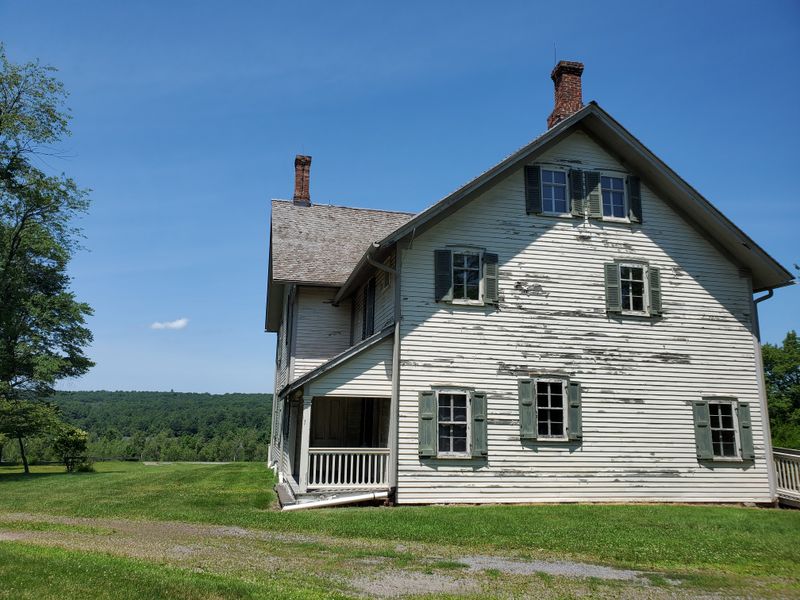
The village plan puts status in plain view, with bosses and owners in larger homes toward the western end and laborers in tighter double houses to the east.
You can read that hierarchy in window counts, rooflines, and yard width, a quiet code of privilege embedded in wood and slate.
Stand near 2 Eckley Main St, Weatherly, PA 18255, and follow the gradient as porches widen and trim grows more decorative toward management addresses.
The double houses tighten room sizes and insulation, making winters harsher for the families who could least afford discomfort.
In Pennsylvania, industrial towns often wrote status into geography, letting distance and comfort reinforce authority without a spoken order.
This physical arrangement shaped daily paths, because workers walked downhill to jobs and uphill to decisions that rarely included them.
Kids learned the map early, recognizing where their friends were more likely to live, and how to navigate invisible lines with care.
The museum interpretation highlights these contrasts without spectacle, pointing out fence types, garden strips, and paint colors.
You will start noticing small tells, like chimneys paired on doubles and single chimneys centered on higher status homes.
By tracing these details, the village turns into a lesson about power, and a reminder that architecture can speak as clearly as any document.
Life With Basic Amenities
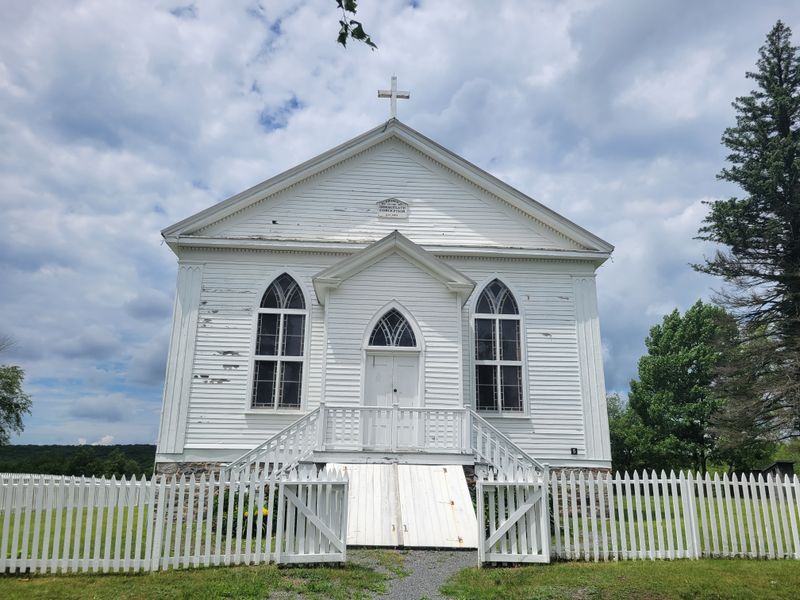
Company control reached into every task, supplying housing, a store, a school, and churches that centered daily schedules around the colliery.
At the visitor center near 2 Eckley Main St, Weatherly, PA 18255, exhibits explain how credits, scrip, and store accounts shaped household choices.
The schoolhouse stands small and practical, with benches that coached discipline as much as literacy, and a stove that gathered bodies on cold days.
Church bells set the week’s rhythm, giving families a pause from the hammering of work and the arithmetic of debt.
In Pennsylvania’s coal region, such amenities blurred kindness with control, keeping workers close while meeting basic needs.
You can step across thresholds and feel the tug of that bargain, where convenience meant oversight and familiarity meant limited freedom.
Ledger pages and tools fill glass cases, each object reminding you that numbers and nails guided life as much as sermons.
Paths between store, school, and church are short, so neighbors crossed often, building ties that outlasted the company’s plans.
The museum staff frame these links with clear signage and thoughtful tours that respect complexity without varnish.
By the last building, you will recognize how infrastructure can serve people, and still serve power at the very same time.
Hollywood Came To Coal Country
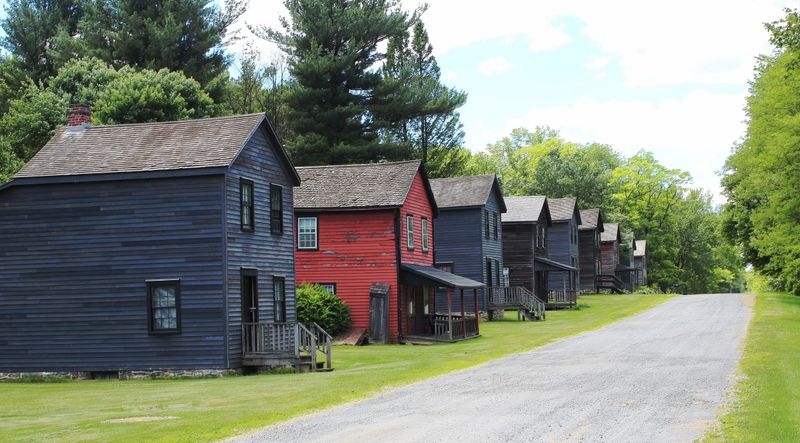
Paramount Pictures arrived to film The Molly Maguires, choosing Eckley for its intact streetscape and atmosphere that needed little dressing.
Production teams leased the village, brought period details, and left behind a renewed sense of value for a place once marked for removal.
Today, at 2 Eckley Main St, Weatherly, PA 18255, interpretive panels connect scenes from the movie to specific corners and façades.
You can match camera angles to porches and alleys, realizing how the town’s authenticity carried the story on screen.
In Pennsylvania, film crews have revived interest in heritage sites, and Eckley stands as one of the clearest examples.
Locals remember the energy, while visitors appreciate the preservation momentum that followed the final take.
The movie became more than entertainment, it became a turning point that protected ordinary houses usually ignored.
Walking the same blocks, you grasp how cinematic attention can preserve texture that textbooks cannot hold.
The museum does not romanticize the plot, focusing instead on why a real town mattered to a fictional narrative.
You will leave those panels seeing how culture and history can collaborate, saving a village through the lens of a camera.
Saved By A Movie
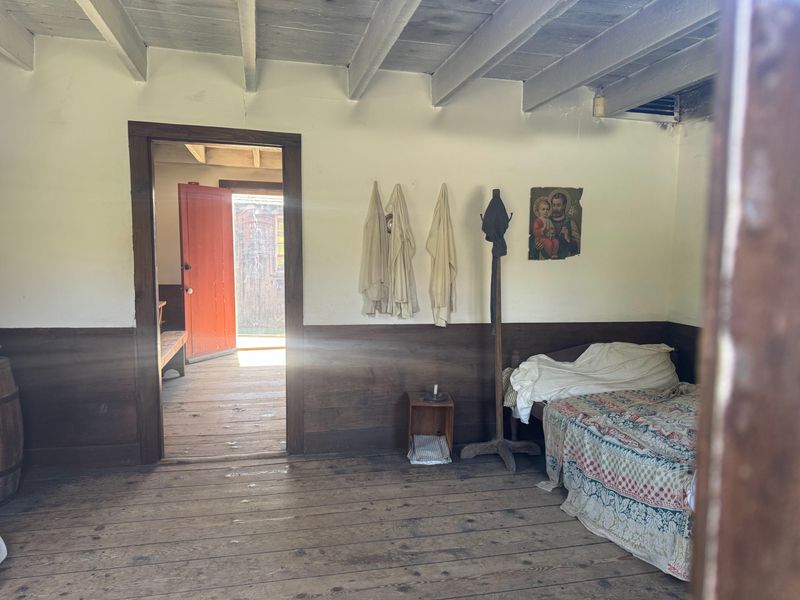
The film that captured Eckley also helped rescue it, turning attention into funding, advocacy, and formal preservation work.
What began as a location scout soon became a case study in how public interest can halt demolition plans.
At 2 Eckley Main St, Weatherly, PA 18255, the visitor center maps out this timeline with photos, contracts, and newspaper clippings.
Preservationists rallied, and the state stepped in, ensuring the village would remain as an outdoor museum for future learning.
Across Pennsylvania, similar sites looked to Eckley as proof that heritage can be saved when narratives catch the wind.
You can feel gratitude in the careful repairs, from stabilized foundations to authentic siding that keeps the streetscape coherent.
The result is not a theme park, but a living settlement where families still reside under stewardship rules.
Signs invite respect for privacy while encouraging exploration of designated interiors and public paths.
By the end, you will see how a single project can change a place’s fate, and why vigilance keeps that change alive.
Authentic Buildings You Can Enter
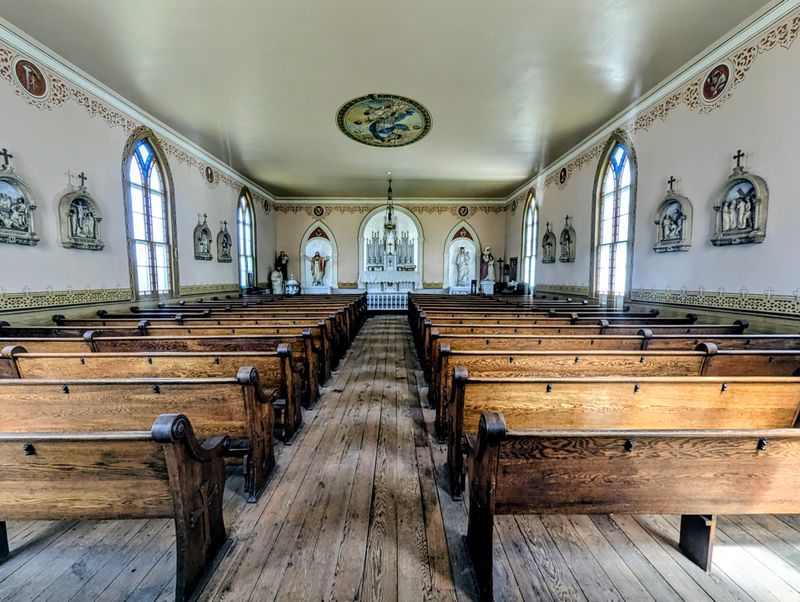
The village opens doors to original and reconstructed spaces, including miners’ houses, a doctor’s office, and two churches that anchor the main street.
Each interior is staged with restraint, letting materials and light carry the story rather than heavy props.
At 2 Eckley Main St, Weatherly, PA 18255, staff guide you toward buildings where floors, stoves, and tools remain close to what locals used.
Wood grain, chipped paint, and patched shingles reveal work done by many hands over long seasons.
In Pennsylvania, authenticity matters, and these rooms feel honest, with scuffed thresholds and simple fixtures that earn trust.
Medical displays in the doctor’s office remind you how care once relied on limited instruments and resourceful practice.
Church interiors glow with plain windows, pews, and modest altars that kept communities steady through hard times.
Outbuildings add texture, from coal sheds to wash houses that made chores visible and shared.
Interpretive labels stay clear and concise, helping you connect personal artifacts to the larger coal region context.
As you step back outside, the continuity between interiors and streets proves the site’s rare degree of completeness.
A Village That Still Has Neighbors
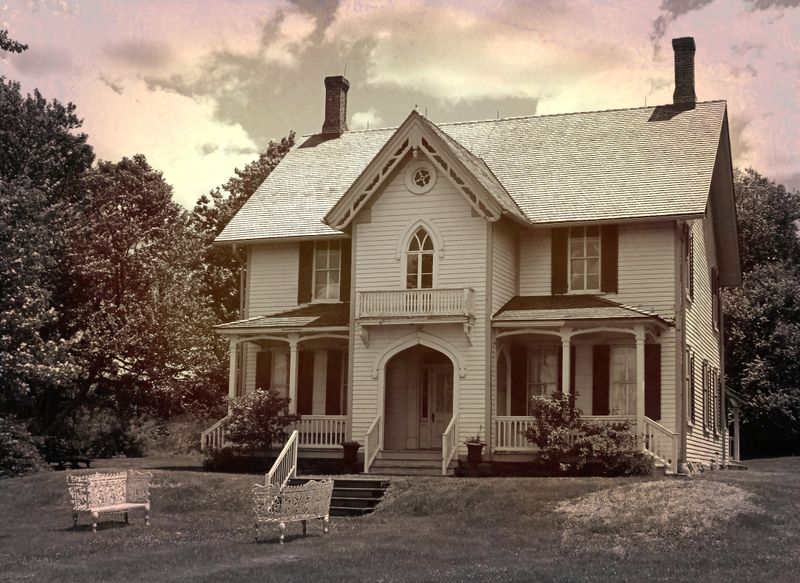
Although it functions as a museum, Eckley remains partly lived in, with descendants renting homes under the Pennsylvania Historical and Museum Commission.
This arrangement preserves memory while keeping porches active and curtains twitching, a gentle reminder that history never fully stops.
At 2 Eckley Main St, Weatherly, PA 18255, signage marks private residences so you can explore respectfully.
Hearing a screen door click or seeing laundry on a line adds warmth that exhibits alone cannot supply.
In Pennsylvania, few heritage towns maintain this balance, and it gives Eckley a rare sense of continuity.
Residents tend gardens, fix steps, and greet visitors with the calm of people who belong to a place.
You will feel more like a guest than a tourist, moving through streets where daily rituals still unfold.
The museum asks for quiet near homes, which helps everyone share space without friction.
This living layer deepens interpretation, because memories pass directly from families to staff and then to you.
Walking out, you carry voices as well as facts, and that mix lingers in a way labels alone never could.
Museum And Education In The Open Air
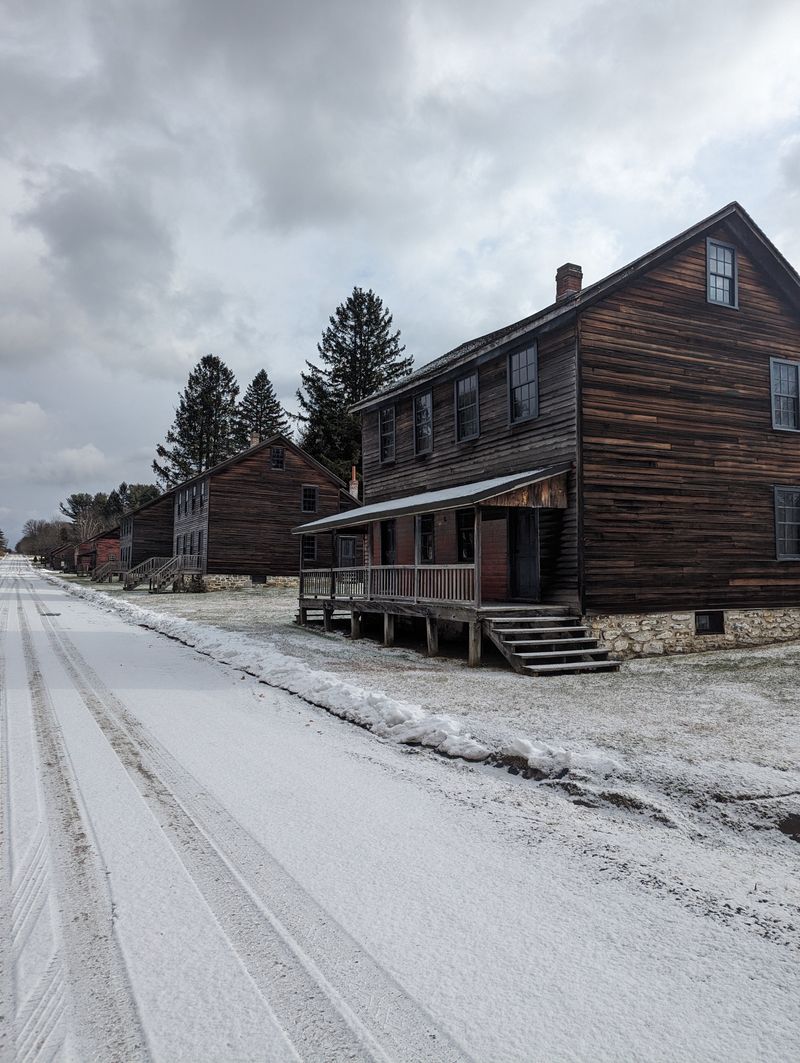
Eckley operates as an outdoor museum that interprets the anthracite coal region through buildings, artifacts, and well paced walking routes.
Start at the visitor center for maps, then follow marked paths that guide you across the core street and its side lanes.
At 2 Eckley Main St, Weatherly, PA 18255, staff share context about geology, labor, and technology without overwhelming detail.
Exhibits align with the landscape, so lessons unfold where events once occurred, turning the town into a classroom with sky for a ceiling.
In Pennsylvania, outdoor interpretation shines when weather and light play along, giving every visit a slightly different mood.
Benches and signs create pauses that invite reflection before you step into another doorway.
Interpretive themes connect family life to industry, and community rituals to regional change.
You can learn at your own pace, moving between interiors and open air vantage points that frame the breaker site and yards.
Docents offer insight and answer questions, keeping the tone friendly and practical.
By the end, you will have a layered understanding of coal country that feels earned through your own steps.
A Symbol Of Resilience
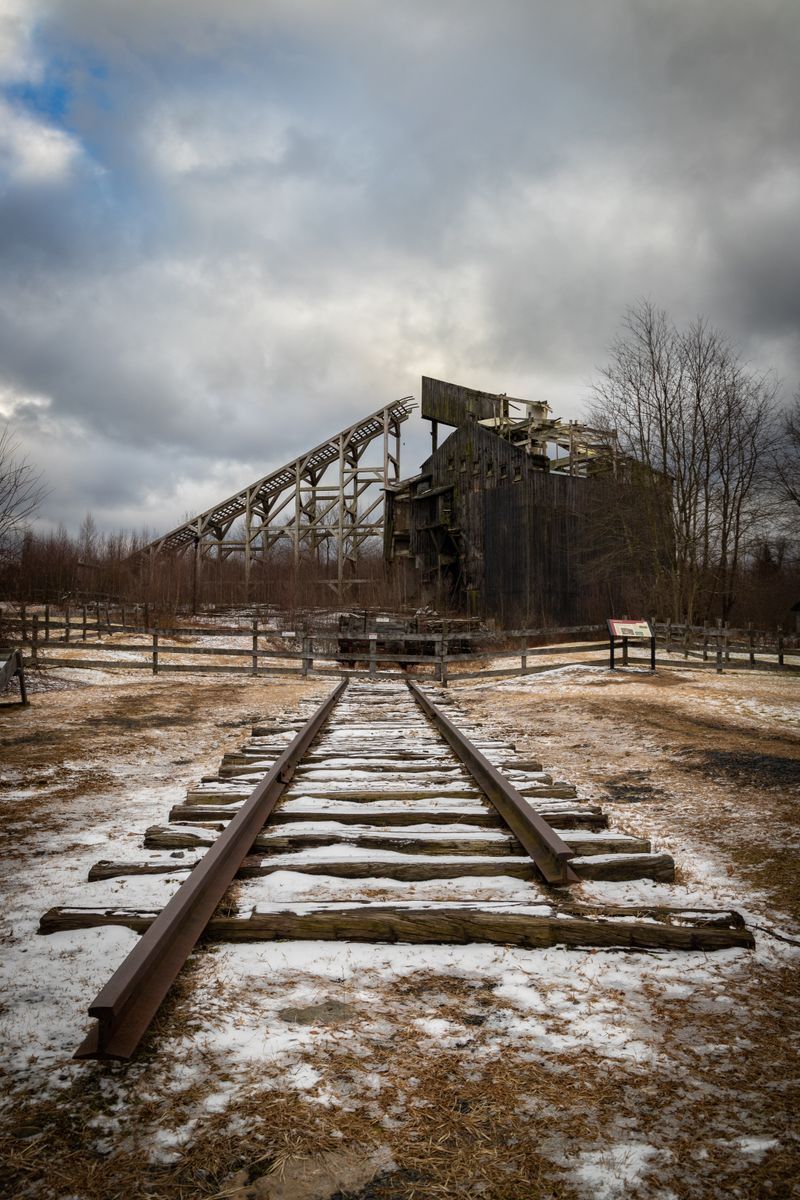
The village tells a story about hardship and resolve, showing how families found ways to claim dignity inside a company controlled world.
Chores, church, and community events created small sanctuaries that made life bearable even when work strained body and spirit.
At 2 Eckley Main St, Weatherly, PA 18255, narrative panels place these moments alongside labor history and regional change.
Windows patched against drafts and gardens coaxed from thin soil become emblems of stubborn hope.
In Pennsylvania’s coal belt, resilience often meant quiet decisions repeated day after day rather than dramatic gestures.
Neighbors traded time, tools, and comfort, building a safety net that the company did not provide.
You can feel that network in the tight spacing of homes and the worn footpaths that cut between lots.
Every house carries marks of care, from straightened steps to repaired clapboards that outlasted owners.
The museum frames resilience as action, not myth, keeping stories grounded in objects and places.
As you leave, the village asks a simple question, what kind of community do we build when resources are scarce but people are generous.
Plan Your Visit With Confidence
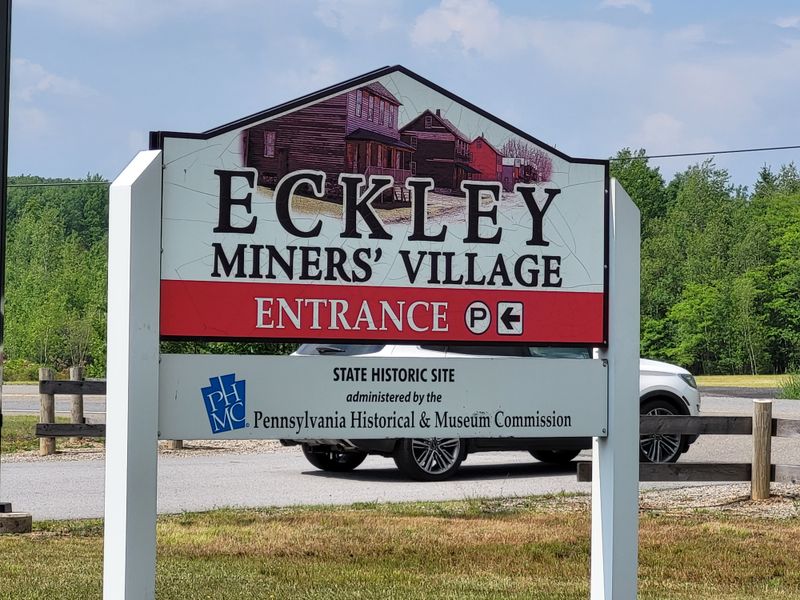
The practical details matter, and Eckley makes them easy with clear hours, a welcoming staff, and straightforward wayfinding once you arrive.
Before you go, check the official website for current schedules and special programs that can enrich your walk.
The address is simple to enter, 2 Eckley Main St, Weatherly, PA 18255, and signage along local roads directs you smoothly to the parking area.
The visitor center orients you with maps, exhibits, and guidance on which interiors are open that day.
In Pennsylvania, weather can shift quickly, so comfortable shoes and layers will make the outdoor setting more enjoyable.
Photography is welcome in public areas, and staff can advise on vantage points that respect privacy.
You can expect a calm pace, because the village rewards a slow look rather than a rushed checklist.
Interpretation stays family friendly, with content that invites questions from curious kids and thoughtful adults.
Call ahead if accessibility needs are a consideration, since historic buildings may have limitations that staff can help navigate.
Leave time to linger on porches and along the main street, because the details reveal themselves when you pause.
Dear Reader: This page may contain affiliate links which may earn a commission if you click through and make a purchase. Our independent journalism is not influenced by any advertiser or commercial initiative unless it is clearly marked as sponsored content. As travel products change, please be sure to reconfirm all details and stay up to date with current events to ensure a safe and successful trip.
