Texas stretches across hundreds of miles, filled with dusty highways, wide-open plains, and secrets hiding in plain sight.
Travelers who venture off the beaten path often stumble upon bizarre monuments, eerie legends, and attractions that make them question reality.
From ghost towns frozen in time to mysterious statues that seem out of place, the Lone Star State has no shortage of strange stops along its endless roads.
These roadside oddities blend history, folklore, and pure weirdness into experiences you won’t find anywhere else.
Whether you’re a curious adventurer or just passing through, these seven spooky spots will make your road trip unforgettable.
Some are creepy, some are downright bizarre, and all of them have stories that will stick with you long after you leave.
Buckle up and get ready to explore the strangest and spookiest roadside curiosities Texas has to offer.
1. The Devil’s Rope Museum in McLean
Few people realize that barbed wire changed the entire American West, and this museum celebrates that prickly invention in ways you never imagined.
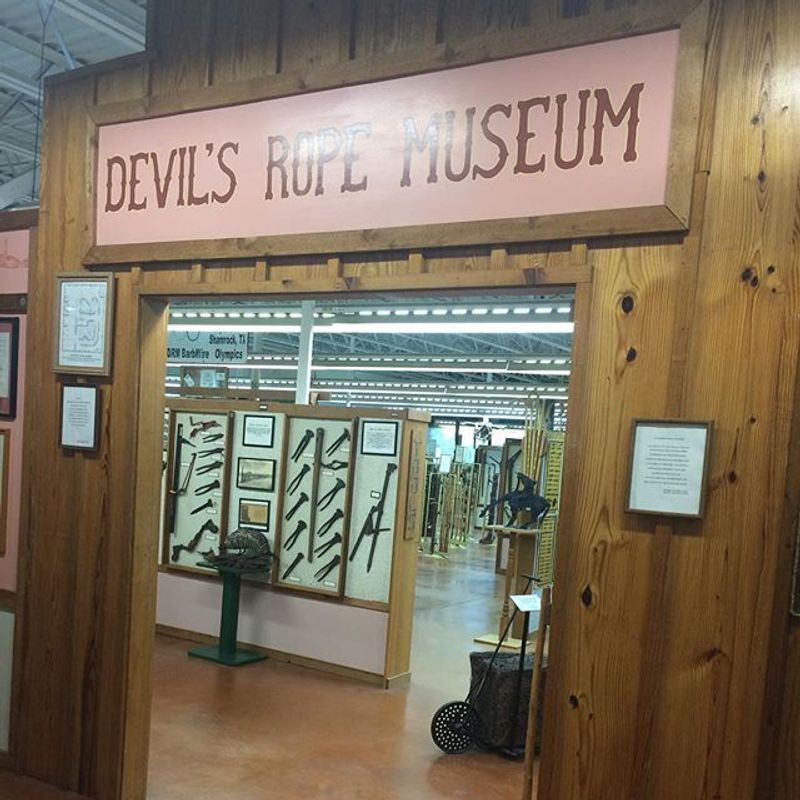
Located at 100 Kingsley Street in McLean, the Devil’s Rope Museum houses thousands of varieties of barbed wire, each with its own twisted history.
Some pieces look like medieval torture devices, while others resemble strange metal art that could haunt your dreams.
The nickname “Devil’s Rope” came from ranchers and Native Americans who saw this sharp fencing as a cruel barrier dividing the open range.
Walking through the dimly lit exhibits feels eerie, especially when you see antique wire cutters and tools that look like they belong in a horror movie.
The museum also features Route 66 memorabilia, adding a nostalgic layer to the already unsettling atmosphere.
Visitors often report feeling watched among the coils of rusty wire hanging from the walls and ceilings.
The shadowy corners and vintage photographs of stern-faced cowboys create an almost ghostly vibe throughout the building.
Outside, the small town of McLean feels frozen in time, making the whole experience feel like stepping into another era.
This roadside stop isn’t your typical museum; it’s a tribute to something that literally changed landscapes and lives.
The stories behind each wire type reveal struggles, innovations, and sometimes tragic accidents involving livestock and people.
Whether you find it fascinating or unsettling, the Devil’s Rope Museum definitely earns its place among Texas’s strangest attractions.
Plan to spend at least an hour exploring the collection and learning about this overlooked piece of Western history.
Admission is free, though donations help keep this unique museum operating for curious travelers passing through the Texas Panhandle.
2. Cadillac Ranch in Amarillo
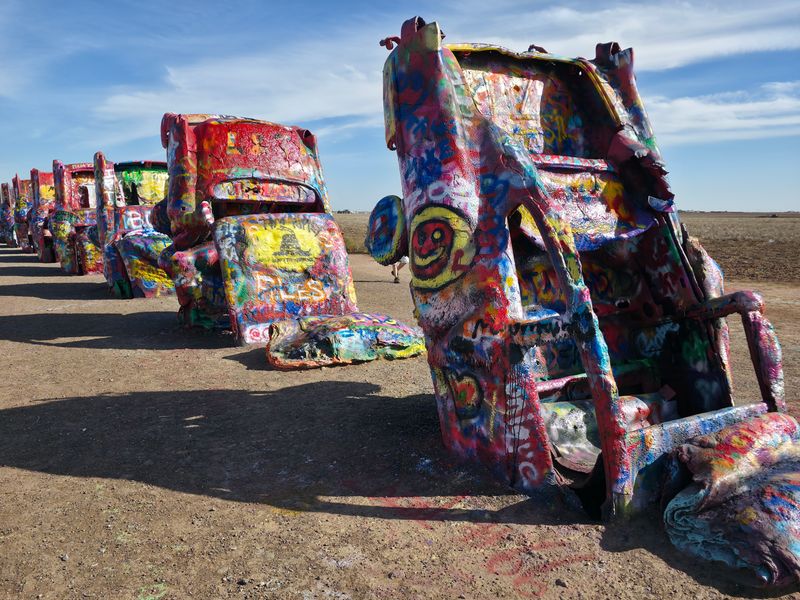
Picture ten classic Cadillacs planted nose-first into the ground, their tail fins pointing skyward like tombstones for the American Dream.
This bizarre art installation sits along Interstate 40 near Amarillo, just west of the city limits, and has become one of Texas’s most photographed oddities.
Created in 1974 by an art group called Ant Farm, the cars represent the rise and fall of the Cadillac tail fin era.
What makes this place spooky isn’t just the surreal sight of buried luxury cars in the middle of nowhere.
The constant evolution of graffiti covering every inch of the vehicles creates an ever-changing canvas that feels almost alive.
Visitors are encouraged to bring spray paint and add their own mark, making you part of the artwork’s ongoing transformation.
At dusk, the silhouettes of the tilted Cadillacs against the orange Texas sky look like a graveyard for a bygone era.
Some say the site feels haunted by the ghosts of American excess and forgotten dreams of the open road.
The isolation of the location, surrounded by empty fields and the constant rush of highway traffic, adds to the eerie atmosphere.
Thousands of layers of paint have built up over decades, creating thick, colorful crusts that chip and peel in strange patterns.
Old photographs show the cars in their original colors, but now they’re unrecognizable under mountains of artistic expression.
The ground around the installation is littered with spray paint cans, creating a post-apocalyptic landscape that photographers love.
Visiting at night transforms the experience into something almost otherworldly, especially when car headlights sweep across the painted metal.
Cadillac Ranch remains free to visit anytime, making it an essential stop for anyone seeking Texas’s weirdest roadside attractions.
Bring your own spray paint and become part of this living, breathing monument to American car culture and artistic freedom.
3. The Ghost Town of Terlingua
Terlingua sits near Big Bend National Park, a former mercury mining town that died when the mines closed in the 1940s.
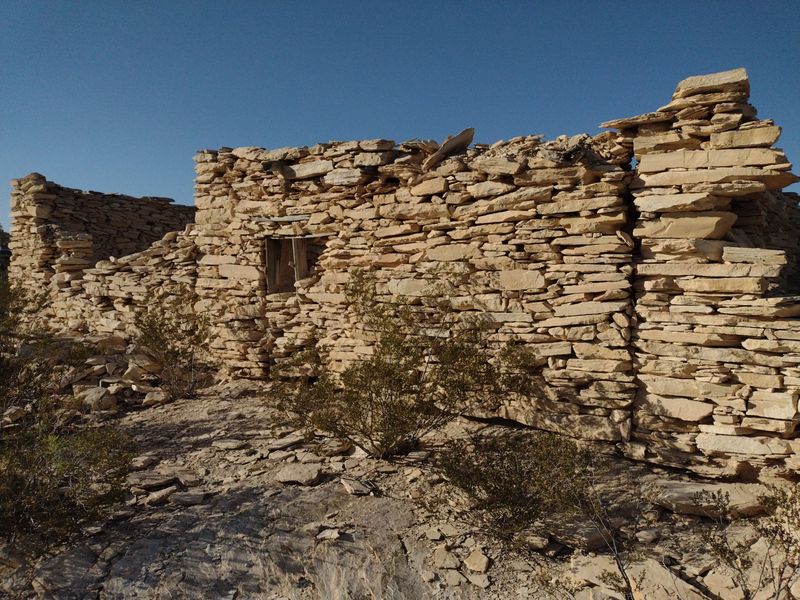
Crumbling stone buildings, rusted mining equipment, and a haunting cemetery create an atmosphere that feels stuck between life and death.
The old Chisos Mining Company structures still stand like skeletal remains of a once-thriving community that vanished almost overnight.
Walking through the ruins feels like trespassing in a place where time stopped abruptly and never started again.
The Terlingua Cemetery, perched on a hill overlooking the ghost town, contains graves marked with handmade crosses and weathered stones.
Many graves belong to miners who died young from accidents or mercury poisoning, their stories lost to history.
Locals and visitors report strange occurrences in Terlingua, from unexplained sounds echoing through abandoned buildings to shadowy figures seen at twilight.
The combination of isolation, desert heat, and decaying structures creates a genuinely unsettling experience, especially after sunset.
Despite being a ghost town, Terlingua has a small living community that hosts the annual Terlingua International Chili Championship every November.
The contrast between the lively chili cook-off and the dead town surrounding it makes the place even more surreal.
Old mine shafts still dot the landscape, some fenced off but others left open as dark reminders of dangerous working conditions.
Photographers flock here for the dramatic ruins set against stark desert backdrops and brilliant sunsets.
The Starlight Theatre, a restaurant and bar operating in a restored building, serves as the social hub where ghost stories are swapped over cold beers.
Visiting Terlingua requires a drive down isolated roads where cell service disappears and civilization feels very far away.
This combination of genuine history, abandonment, and ongoing ghost stories makes Terlingua one of Texas’s most authentically spooky roadside stops.
Bring plenty of water and respect the fragile ruins when exploring this haunting piece of Texas mining history.
4. The Beer Can House in Houston
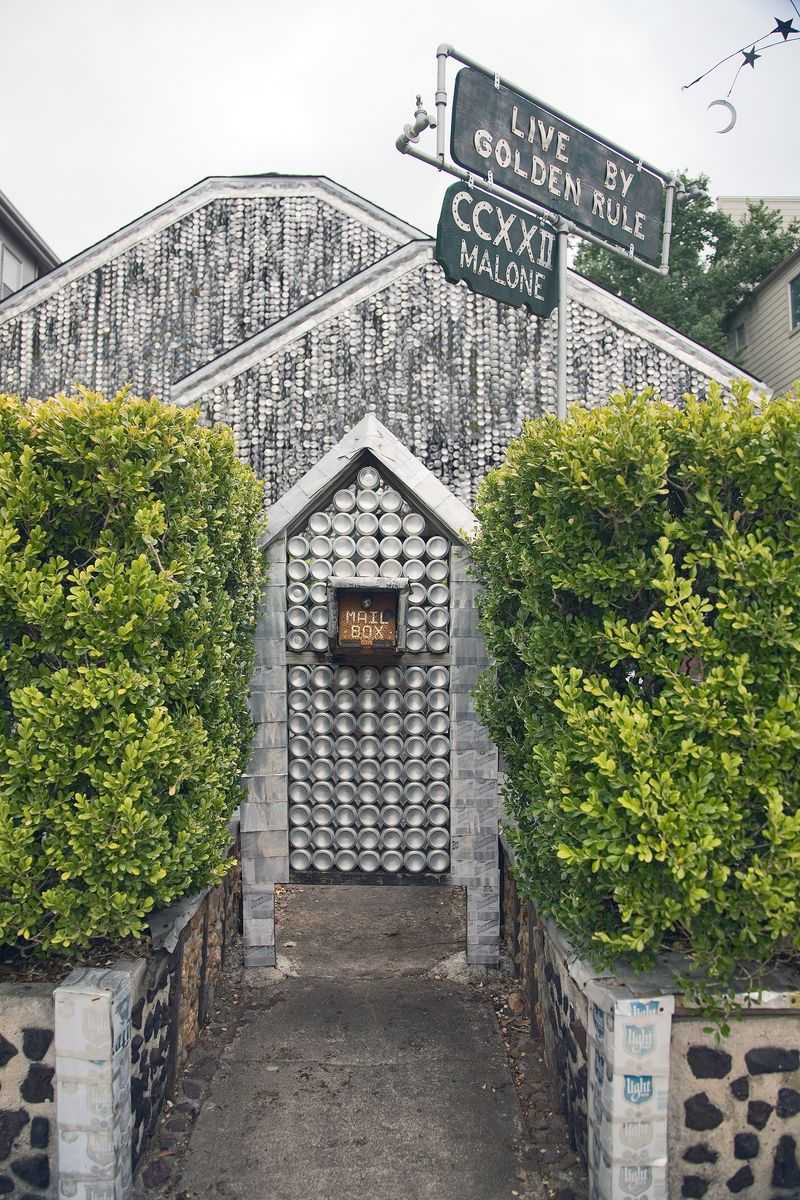
Imagine a house covered entirely in beer cans, bottle caps, and aluminum siding that clinks and rattles with every breeze.
Located at 222 Malone Street in Houston, this folk art monument was created by John Milkovisch, a retired upholsterer who started decorating in 1968.
What began as a simple yard project evolved into an obsessive decades-long transformation that consumed over 50,000 beer cans.
Milkovisch flattened cans into shingles, created curtains from pull-tabs, and fashioned wind chimes that create constant metallic music.
The effect is simultaneously impressive and unsettling, like walking into the mind of someone with an unusual vision.
Every surface reflects light in strange ways, creating a shimmering, almost hypnotic atmosphere that feels otherworldly.
After Milkovisch’s death, the Orange Show Center for Visionary Art acquired and preserved the property as a museum.
Guided tours reveal the incredible detail and craftsmanship behind what might initially look like hoarder chaos.
The backyard features concrete pathways embedded with marbles, rocks, and metal pieces, creating intricate mosaics underfoot.
Visitors often describe feeling overwhelmed by the sheer amount of visual information competing for attention in every direction.
The constant tinkling of can curtains in the wind creates an eerie soundtrack that follows you throughout the property.
Some find the house charming and creative, while others find it deeply unsettling in its obsessive completeness.
The Beer Can House represents outsider art at its finest; a personal vision executed without concern for convention or approval.
Photographs cannot capture the full sensory experience of standing surrounded by thousands of reflective aluminum surfaces.
The house is open for tours on weekends, with admission fees supporting preservation efforts and arts education programs.
This quirky Houston landmark proves that one person’s recycling project can become another generation’s cultural treasure and roadside attraction.
Don’t miss the opportunity to witness this glittering monument to beer, creativity, and dedication when passing through Houston.
5. The Giant Killer Bee Sculpture in Hidalgo
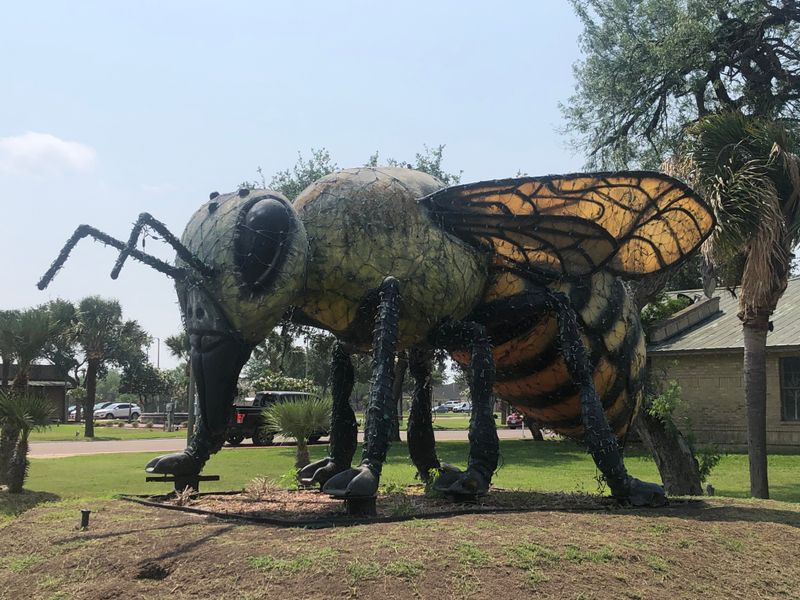
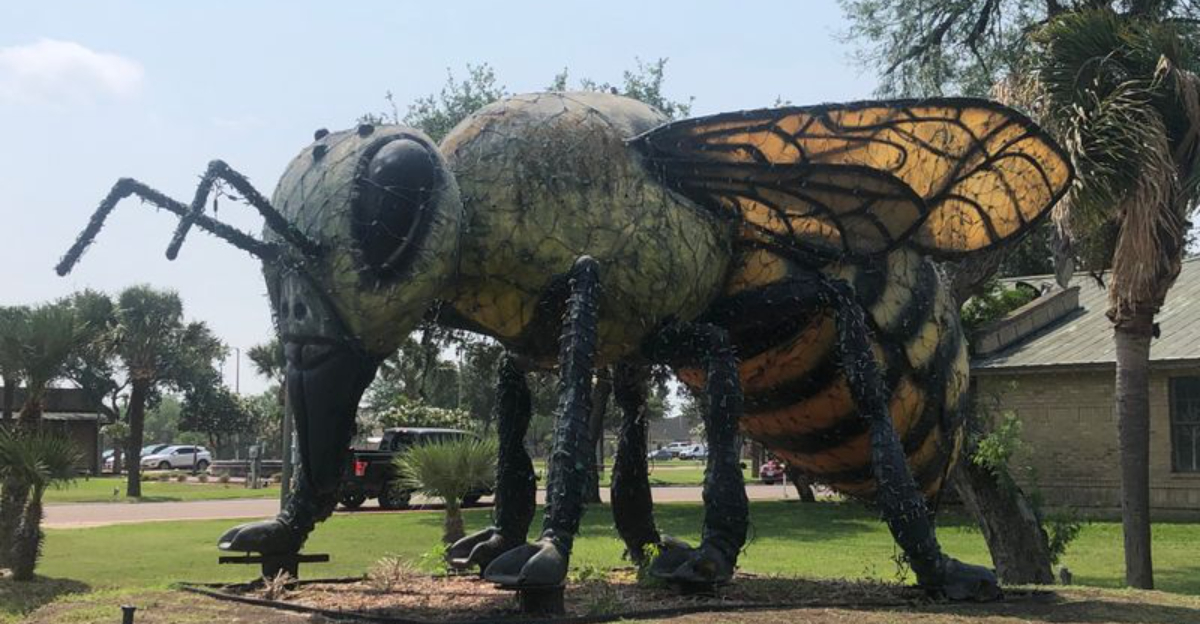
Standing over five feet tall and perched menacingly near the World Birding Center, this enormous killer bee statue celebrates an unusual local claim to fame.
Hidalgo marks the location where Africanized honey bees, commonly called killer bees, first entered the United States in 1990.
Rather than hide from this frightening invasion, the town erected a monument to commemorate the event with dark humor.
The sculpture features exaggerated features; enormous compound eyes, a wickedly pointed stinger, and fuzzy body segments that look almost cartoonish.
Yet something about its size and aggressive posture makes it genuinely unnerving, especially knowing the real danger these bees represent.
African honey bees are more defensive than European honey bees and have been responsible for numerous deaths across the Americas.
Visitors often pose nervously next to the giant bee, laughing uncomfortably while secretly relieved it’s made of fiberglass instead of chitin.
The monument sits at 2 E. Park Road in Hidalgo, near the entrance to the World Birding Center, creating an odd juxtaposition.
You come for peaceful birdwatching and instead encounter a tribute to one of nature’s most feared invasive species.
The bee’s paint job includes realistic yellow and black stripes that catch sunlight in ways that make it look almost alive from certain angles.
Children are both fascinated and frightened by the sculpture, which serves as an effective educational tool about ecological invasions.
Nearby plaques explain the history of Africanized bees and their ongoing impact on beekeeping and agriculture throughout the region.
This roadside oddity perfectly captures Texas’s tendency to embrace even its most dangerous wildlife with pride and dark humor.
The killer bee sculpture reminds us that not all roadside attractions celebrate pleasant aspects of history or nature.
Plan your visit during cooler months when real bees are less active, making your photo opportunity with their giant cousin slightly less ironic.
The World Birding Center itself offers beautiful trails and wildlife viewing, providing balance to the intimidating bee greeting you at the entrance.
6. The Museum of the Weird in Austin
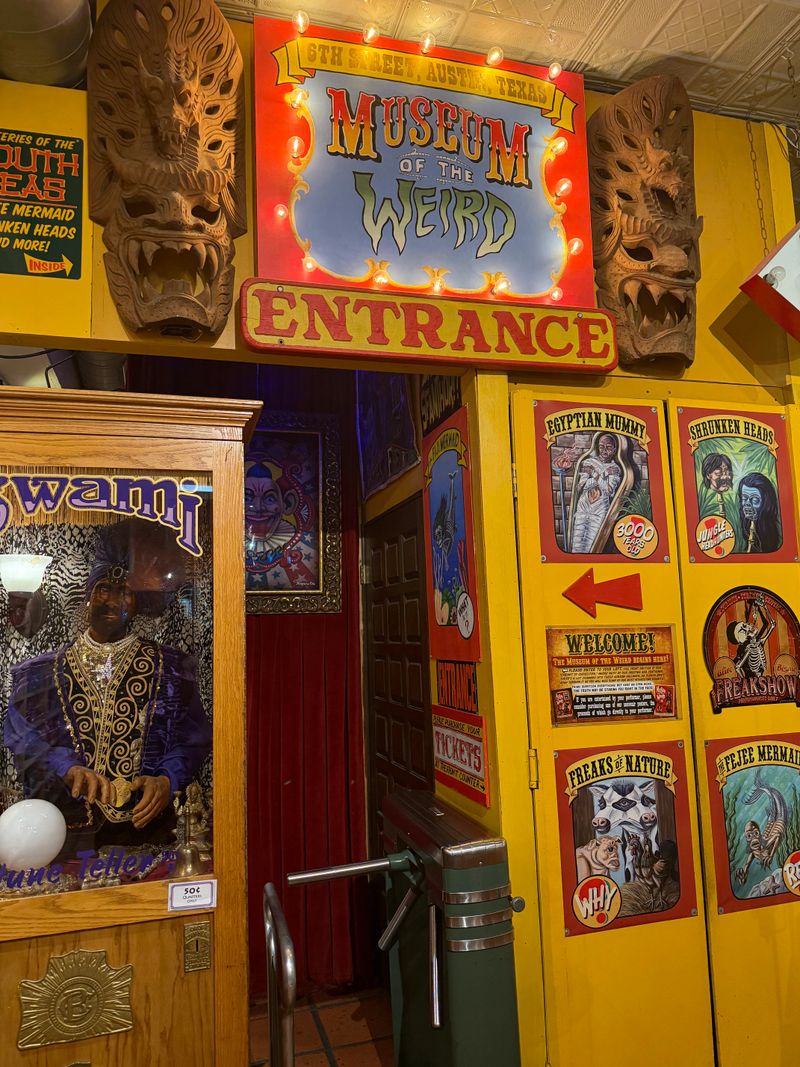
Tucked beneath Lucky Lizard Curios and Gifts at 412 East Sixth Street in downtown Austin, this basement museum celebrates the bizarre and unexplained.
The Museum of the Weird showcases oddities ranging from shrunken heads to a supposed Minnesota Iceman; a hairy humanoid frozen in a block of ice.
Owner Steve Busti has spent years collecting sideshow curiosities, cryptozoology specimens, and artifacts that blur the line between fact and fiction.
Descending the stairs into the dimly lit museum feels like entering a Victorian cabinet of curiosities where nothing is quite what it seems.
Two-headed animals preserved in jars, alleged chupacabra remains, and vintage carnival banners create an atmosphere both educational and deeply unsettling.
The museum embraces its carnival roots, presenting exhibits with the showmanship of old-time sideshows rather than sterile academic displays.
Live performances and magic shows happen throughout the day, adding entertainment value to the already strange experience.
The staff enthusiastically shares stories behind each exhibit, though they leave it to visitors to decide what’s real and what’s elaborate hoax.
This approach makes the museum more engaging than traditional institutions that insist on definitive answers for everything.
Austin’s reputation as a weird city finds perfect expression in this underground collection of the strange and inexplicable.
The museum also features a gift shop packed with oddities, allowing visitors to take home their own piece of weirdness.
From Fiji mermaids to Bigfoot footprint casts, every corner holds something designed to make you question reality.
The Museum of the Weird operates daily with affordable admission prices, making it accessible for curious travelers and locals alike.
Sixth Street’s party atmosphere provides stark contrast to the museum’s dark, mysterious interior tucked below street level.
This roadside attraction proves that Austin’s motto “Keep Austin Weird” isn’t just a slogan but a genuine commitment to celebrating the unusual.
Allow at least an hour to fully appreciate the collection and catch one of the entertaining live performances included with admission.
7. The Marfa Lights Viewing Area
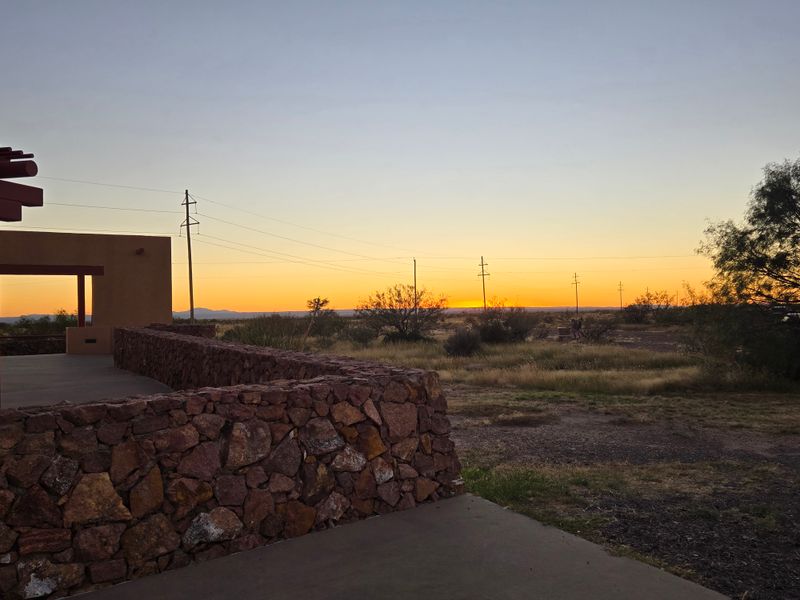
Nine miles east of Marfa on Highway 90, a roadside viewing platform offers front-row seats to one of Texas’s most enduring mysteries.
The Marfa Lights have been reported since the 1880s; unexplained glowing orbs that dance, split, merge, and disappear across the dark desert horizon.
Scientists, skeptics, and believers have studied these lights for over a century without reaching definitive conclusions about their origin.
Some attribute the phenomenon to car headlights, atmospheric reflections, or swamp gas, but witnesses insist the lights behave with apparent intelligence.
They appear in colors ranging from white to yellow to red, sometimes hovering motionlessly before shooting across the sky.
Native American legends describe the lights as spirits of Apache warriors, adding layers of folklore to the scientific mystery.
The official viewing area includes informational plaques, restrooms, and parking, making ghost light hunting surprisingly comfortable.
Visitors gather after dark, scanning the horizon with binoculars and cameras, hoping to witness something science cannot explain.
Some nights produce spectacular displays, while other times nothing appears, making each visit a gamble.
The isolation of the location amplifies the eerie experience; you’re standing in complete darkness, surrounded by desert, watching for unexplained lights.
Marfa itself has transformed into an unlikely art destination, but the mysterious lights remain its most famous attraction.
Skeptics and believers both leave the viewing area with stories, whether they saw genuine anomalies or misidentified mundane light sources.
The Marfa Lights have been featured in countless documentaries, paranormal shows, and scientific studies, yet remain unexplained to everyone’s satisfaction.
The annual Marfa Lights Festival celebrates the phenomenon each September with food, music, and guided viewing sessions.
Bring warm clothing, as desert nights turn cold, and patience, as the lights appear on their own schedule.
Whether you witness genuine unexplained phenomena or elaborate natural illusions, the Marfa Lights viewing area delivers an authentically spooky Texas roadside experience.
This mysterious attraction proves that sometimes the best stories are those without clear endings or easy explanations.
Dear Reader: This page may contain affiliate links which may earn a commission if you click through and make a purchase. Our independent journalism is not influenced by any advertiser or commercial initiative unless it is clearly marked as sponsored content. As travel products change, please be sure to reconfirm all details and stay up to date with current events to ensure a safe and successful trip.
