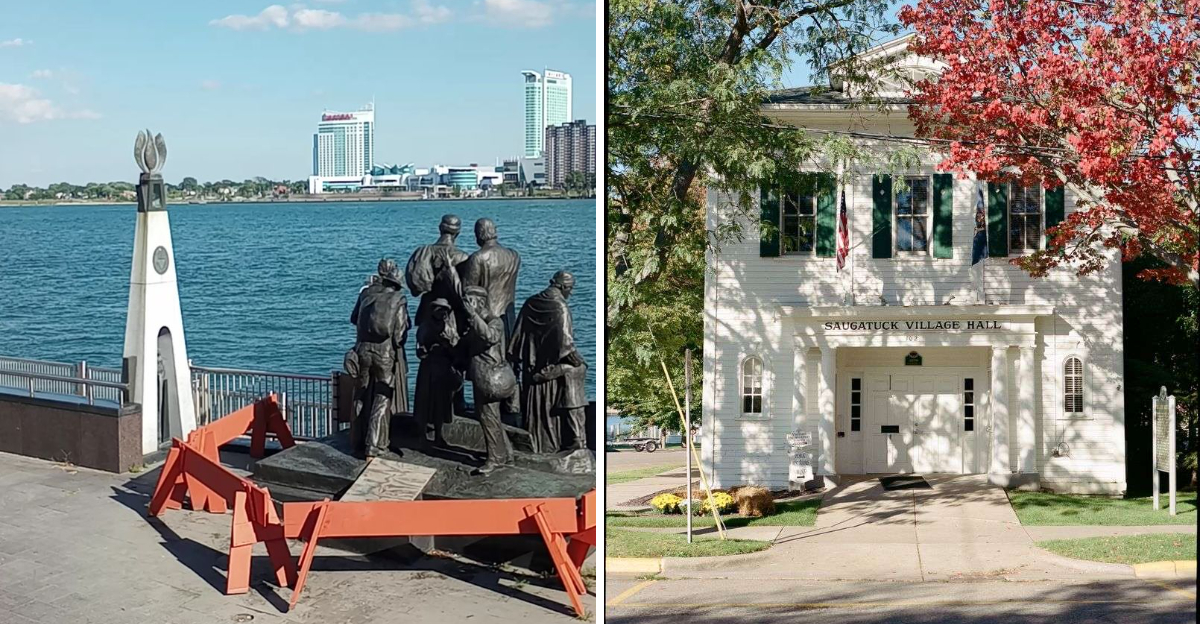
Michigan’s charm hides a maze of quirky rules that can surprise even the most seasoned traveler.
You will find lakeside towns, grand museums, and vibrant college streets, yet a few odd laws still pop up in daily life.
Some are enforced, others linger in the books, but all of them make for memorable stories.
Read on so you do not get tripped up by a statute you never expected to meet on vacation.
1. No Car Sales on Sunday
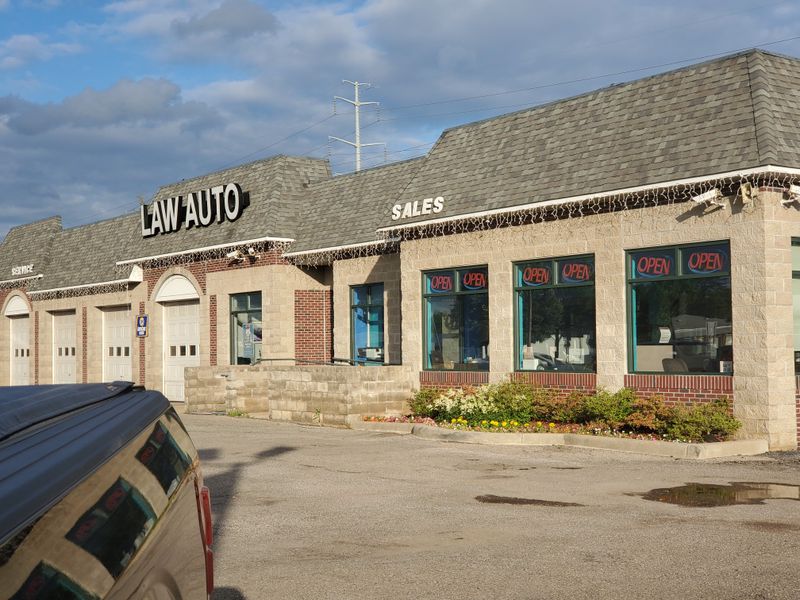
Michigan restricts motor vehicle dealers from conducting sales or negotiations on Sunday, which surprises road trippers who plan a last minute purchase or test drive.
The rule is rooted in commercial day of rest traditions, and while a few counties have limited allowances, most visitors will find lots closed and staff unavailable.
If you arrive expecting a quick trade in or paperwork, you will probably meet locked doors and quiet showrooms across the state.
Plan your browsing for Saturday, then return Monday for signatures, because sales conversations that look like negotiating can also be considered off limits.
Salespeople are careful with boundaries, and dealers post clear hours that skip Sunday entirely to avoid penalties.
Tourists who rely on a weekend window often end up changing itineraries, which can ripple through hotel stays and route planning in Michigan.
It is fine to walk the lot and peek through glass, but staff cannot initiate deals, finalize prices, or take deposits that indicate a sale.
Call ahead to confirm local interpretations, since some borders and dealer types may differ, though the safest assumption is a full pause.
For an easy landmark nearby, the Michigan Capitol at 100 N Capitol Ave, Lansing, MI 48933 offers a stroll worthy diversion while you regroup.
Use the downtime to compare features online, read warranty details, and schedule a weekday appointment so your Michigan trip stays smooth and stress free.
2. Offensively Intoxicated on a Train
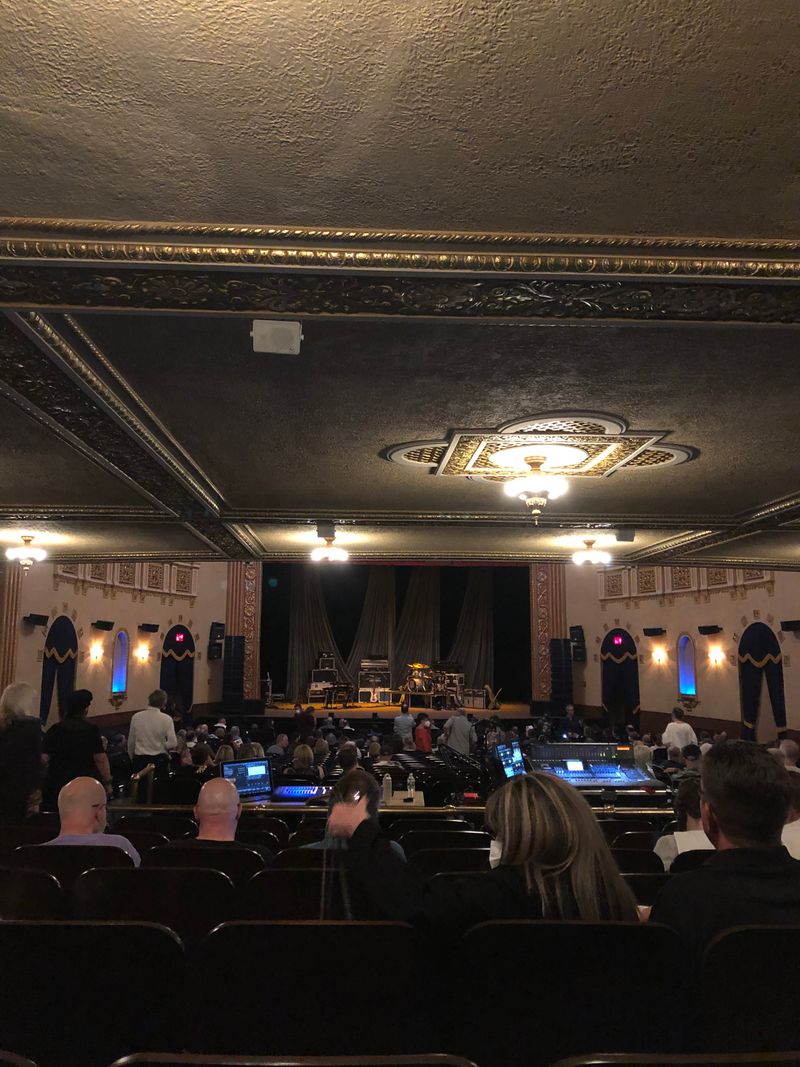
Michigan law prohibits being offensively intoxicated on a railway car, which catches visitors who treat the train like a rolling party.
Conductors and transit police can intervene when behavior disturbs other passengers, and the rule focuses on public order more than private choices.
If you are loud, disruptive, or unsafe, you may be removed or cited, even if you boarded with a valid ticket.
The expectation is simple, keep yourself under control so the ride remains comfortable for families, commuters, and tourists alike.
Quiet conversation is fine, but aggressive language or staggering through aisles can escalate quickly in a confined space.
Michigan riders value calm cars, and staff prioritize safety when a situation starts to unsettle a compartment.
Plan ahead with water, snacks, and a seat reservation when possible, and give crew requests prompt respect to avoid trouble.
If you are transferring late at night, patience helps, since delays compound tensions faster than during daylight schedules.
For orientation in Detroit, the Amtrak station sits at 11 W Baltimore Ave, Detroit, MI 48202, near galleries and street murals worth a look.
Stay considerate, enjoy the scenery, and let Michigan’s rail lines carry you without drama from city edge to city center.
3. Outdated Seduction Statute

Michigan once charged a felony for a man who seduced an unmarried woman, a moral era holdover that sparks head shaking from modern travelers.
The provision reflected older social values and concerns over deceit, and newer legal reforms have displaced it from practical use.
Today, prosecutors pursue contemporary offenses rather than this relic, and you are far more likely to see it referenced as history.
Laws evolve, and Michigan has cleaned many archaic codes while leaving cautionary footnotes that teach civics students and curious visitors.
Tour guides sometimes mention it to illustrate how communities adapted to changing norms without erasing the record.
If you hear jokes about romance and warrants, understand the real message is about legal modernization not prying into private relationships.
Archive rooms and law libraries provide context that separates folklore from the actual statute books.
Court buildings often display architectural gravitas that reminds everyone how society revises rules while honoring legal process.
A good stop for history buffs is the Michigan Supreme Court Learning Center, 925 W Ottawa St, Lansing, MI 48915, which hosts educational exhibits.
Respect current laws, enjoy the stories, and recognize how Michigan preserves lessons from the past without letting them govern your vacation.
4. Detroit’s Pig Nose Ring Rule
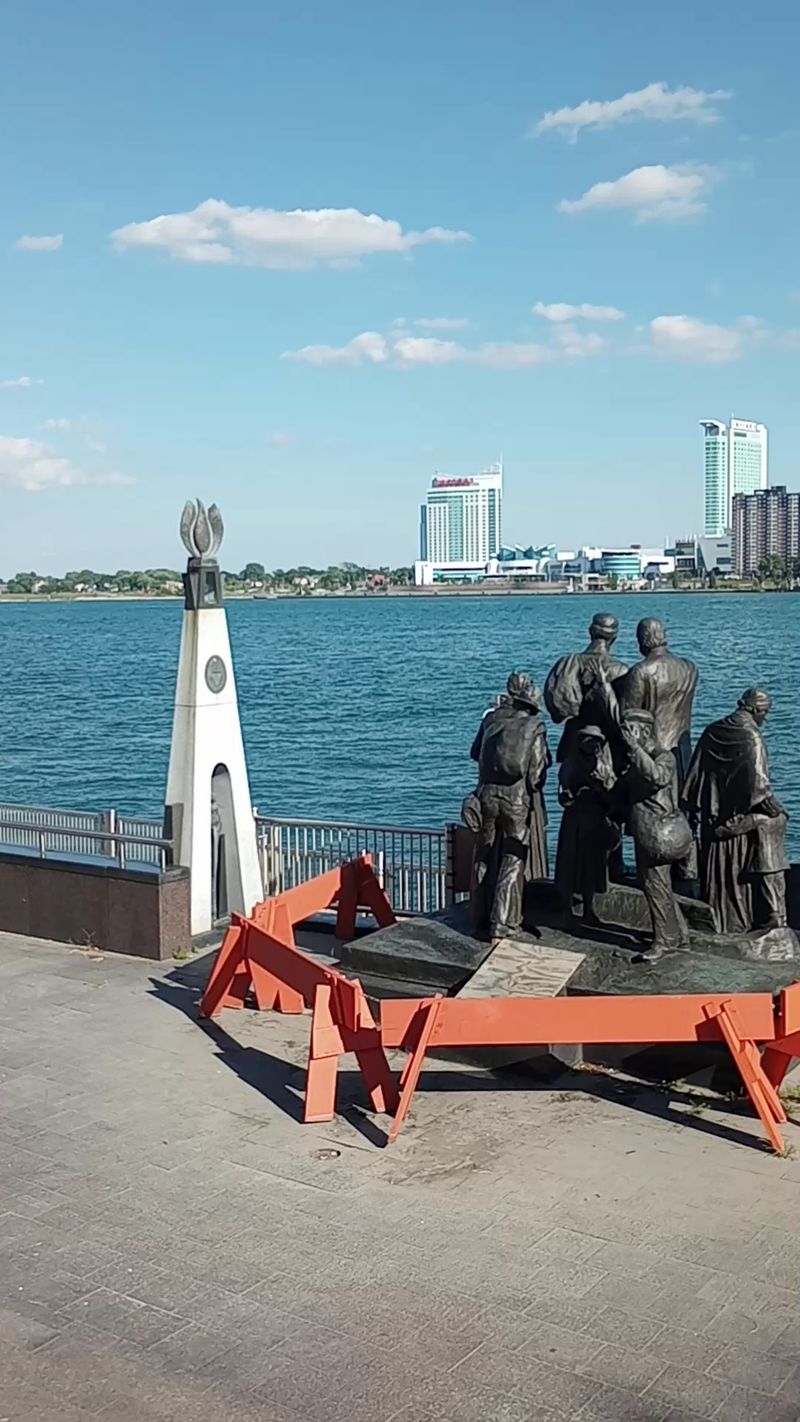
Detroit ordinance language has long referenced pigs needing nose rings to roam, an agricultural control method aimed at preventing rooting damage.
Travelers hear it and imagine wandering livestock downtown, but the real context is historical husbandry near city limits.
The rule signals how older city codes addressed property harm when animals foraged, not a quirky fashion choice for farm life.
Modern Detroit rarely deals with loose pigs, and enforcement lives mostly in the book rather than weekly patrols.
You will see more art than livestock, yet the ordinance persists as a civic time capsule that fascinates urban explorers.
It joins a catalog of legacy provisions that remind residents how rapidly city land use has changed.
If you love municipal history, check public records at 2 Woodward Ave, Detroit, MI 48226, where city clerk offices maintain code access.
Archivists can point you toward amendments and context that show why the measure appeared and how it intersects with nuisance rules.
Neighborhood walks then offer a contrast between past agrarian edges and today’s renovated streets and riverfront parks.
Michigan’s biggest city carries layers, and this odd animal note is one more tile in Detroit’s evolving civic mosaic.
5. Do Not Tease Skunks

Michigan statutes and wildlife rules expect people to avoid harassing wild animals, which includes the commonsense idea of not teasing skunks.
Beyond the smell risk, harassment can stress animals and trigger defensive behavior that endangers you and other visitors.
The state frames this through general prohibitions on molested wildlife, which park officers interpret to protect both species and guests.
Keep distance, move slowly, and never corner an animal because escape routes reduce fear and reduce incidents.
If you accidentally surprise a skunk, back away quietly, keep pets leashed, and give it room to choose another path.
Rangers respond if behavior becomes unsafe, and citations can follow when someone ignores posted guidance in sensitive habitats.
Photographers should respect lens limits instead of creeping closer for a dramatic shot, since that can alter natural behavior.
Michigan’s lakeshore parks publish seasonal tips that explain breeding periods and migration patterns so you do not interrupt routines.
For visitor help near Grand Rapids, the MDNR office sits at 4166 44th St SE, Kentwood, MI 49512 with maps and advice.
Let wildlife remain wild, enjoy your Michigan hike, and leave only footprints on the trail you came to see.
6. No Scowling at Wives on Sunday Myth

The claim that Detroit bans men from scowling at their wives on Sunday appears in humor lists, but it is not a currently enforced ordinance.
Researchers and city code searches do not show a live rule matching that phrasing, and it functions more as urban folklore.
Travelers should not fear a ticket for a frown, though everyone benefits from kindness on a weekend stroll.
This myth persists because old municipal codes once contained moral language that modern audiences find odd and entertaining.
Detroit has streamlined many chapters, leaving behind the occasional rumor that refuses to retire.
If someone repeats it on a tour, treat it as a conversation starter about how cities modernize their books.
You can verify current language through public terminals and online code libraries that list active sections.
Local historians often explain how a joke snowballed into a widely shared Michigan anecdote.
To check official texts, visit the Coleman A Young Municipal Center at 2 Woodward Ave, Detroit, MI 48226 for records access.
Enjoy the laugh, take a photo of downtown architecture, and remember that not every quirky Michigan tale is law today.
7. Bicycle Inspections in Leslie
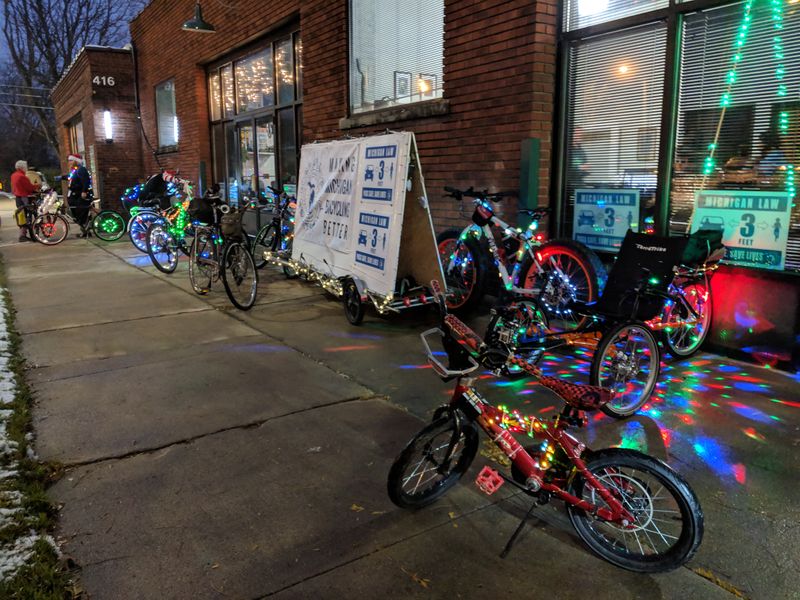
Leslie once required the Chief of Police to inspect bicycles for safety, a local ordinance that reflected earlier eras of street regulation.
Travelers hear about it when riding regional trails and wonder if they need a checkpoint before pedaling through town.
Modern practice focuses on education and voluntary safety rather than mandatory inspections for tourists on casual visits.
Reflectors, working brakes, and lights at night remain wise, and Michigan encourages cyclists to follow uniform traffic rules.
Helmet recommendations vary by age and locality, but visibility and lane awareness matter everywhere you ride.
Leslie’s story shows how small towns historically tailored codes to address risk with limited resources and simple tools.
Ask at city offices if you want to see how bicycle rules evolved on the books.
The staff can point you toward current guidance that supports safe routes while keeping rules easy to understand.
For directions, Leslie City Hall is at 602 W Bellevue St, Leslie, MI 49251 with posted hours and friendly clerks.
Pedal respectfully, signal clearly, and enjoy mid Michigan roads that roll past barns, creek crossings, and quiet neighborhoods.
8. Snowballs From Moving Cars in East Lansing

East Lansing bans throwing projectiles, including snowballs, from moving vehicles, which keeps winter streets calm near campus and neighborhoods.
Visitors sometimes treat fresh powder as a playful prop, then forget how fast a harmless toss becomes a hazard at speed.
The ordinance targets safety risks to pedestrians, cyclists, and property, and citations can follow if officers witness a toss.
Passengers often assume the driver is responsible, but local code views any participant as accountable for the act.
Roll down the window for air, not for launching anything, since sidewalks can hide children behind snowbanks.
Michigan winters reward caution because visibility shifts quickly with gusts, plows, and drifting corners.
If you want a snowball moment, park legally, step to an open area, and keep throws gentle and away from traffic.
Respect posted signs around schools and crosswalks where extra care is expected during dismissal times.
For clarity on local rules, East Lansing City Hall stands at 410 Abbot Rd, East Lansing, MI 48823 with public information desks.
Enjoy the cold sparkle, keep hands warm, and let Michigan’s winter magic stay fun without roadside surprises.
9. Profane Swearing in Public
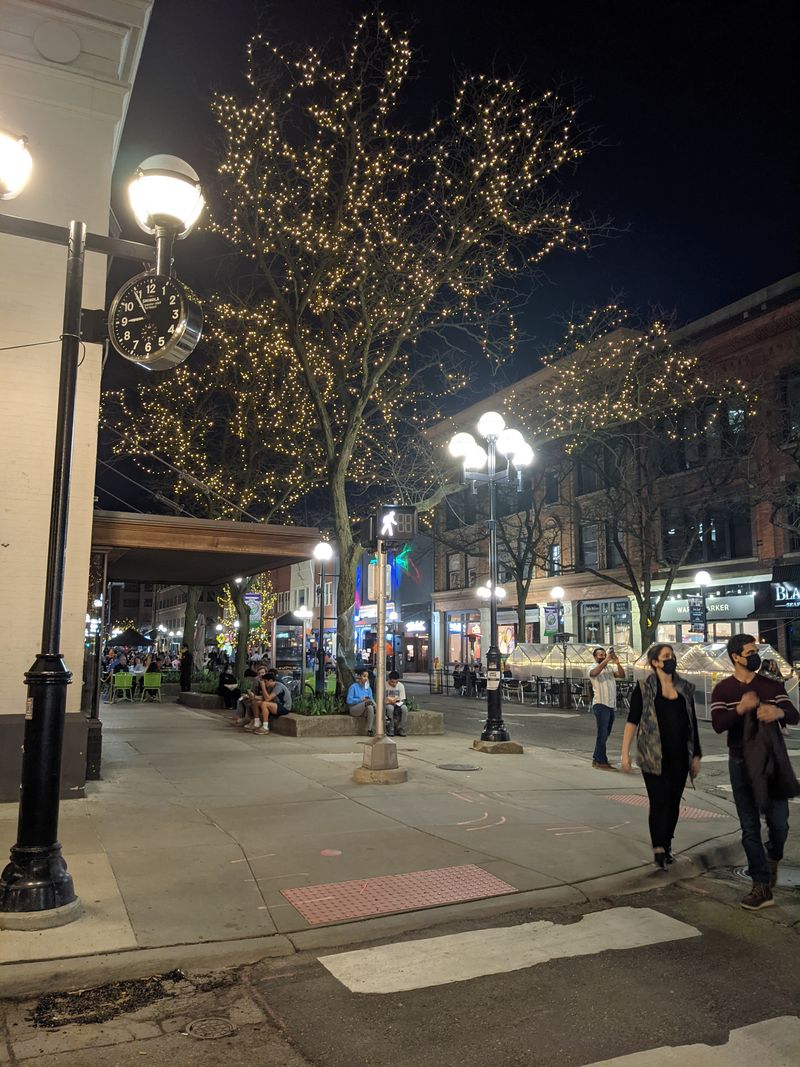
Michigan once treated profane swearing in public as a misdemeanor under older statutes that aimed to preserve public decorum.
Court decisions and reforms narrowed or repealed such provisions, recognizing speech protections under broader constitutional standards.
Today, enforcement centers on disorderly conduct or threats rather than simple profanity heard in passing.
If words escalate toward harassment or incitement, officers may respond using laws that address behavior not vocabulary alone.
Tourists should remember tone and context matter more than a stray exclamation on a busy sidewalk.
Local norms still favor courtesy, which keeps shared spaces comfortable for families and elders.
Cities post community guidelines for festivals, parades, and plazas, and staff encourage respectful interactions when crowds swell.
Michigan balances free expression with safety, and event marshals help de escalate tension before it becomes a scene.
Curious readers can visit the Hall of Justice at 925 W Ottawa St, Lansing, MI 48915 to learn about state jurisprudence.
Speak freely, stay considerate, and let your Michigan trip focus on murals, markets, and lake breezes rather than arguments.
10. Keeping Wild Animals in Captivity

Michigan law restricts taking or keeping wild animals from the wild, with permits governing rehabilitation and scientific care under state oversight.
Visitors sometimes try to rescue a fawn or a raccoon kit, unaware that removal can harm animals and break the law.
The Department of Natural Resources directs people to licensed rehabilitators when an animal truly needs help.
Observation from a distance is preferred, and most young animals are not abandoned even when a parent is out foraging.
Feeding wildlife can create dependency, so parks ask guests to secure trash and store food properly at campsites.
Michigan’s approach protects ecosystems while allowing education through accredited facilities that meet welfare standards.
Photography works best with telephoto lenses and patience, which keeps stress low and behavior natural.
Report injured animals to hotlines rather than transporting them yourself, and follow staff instructions about next steps.
For official contacts and maps, the Ralph A MacMullan Conference Center at 104 Conservation Dr, Roscommon, MI 48653 hosts DNR trainings.
Respect these boundaries, enjoy Michigan’s biodiversity, and leave the woods as you found them for the next hiker.
11. Local Oddities Worth Verifying
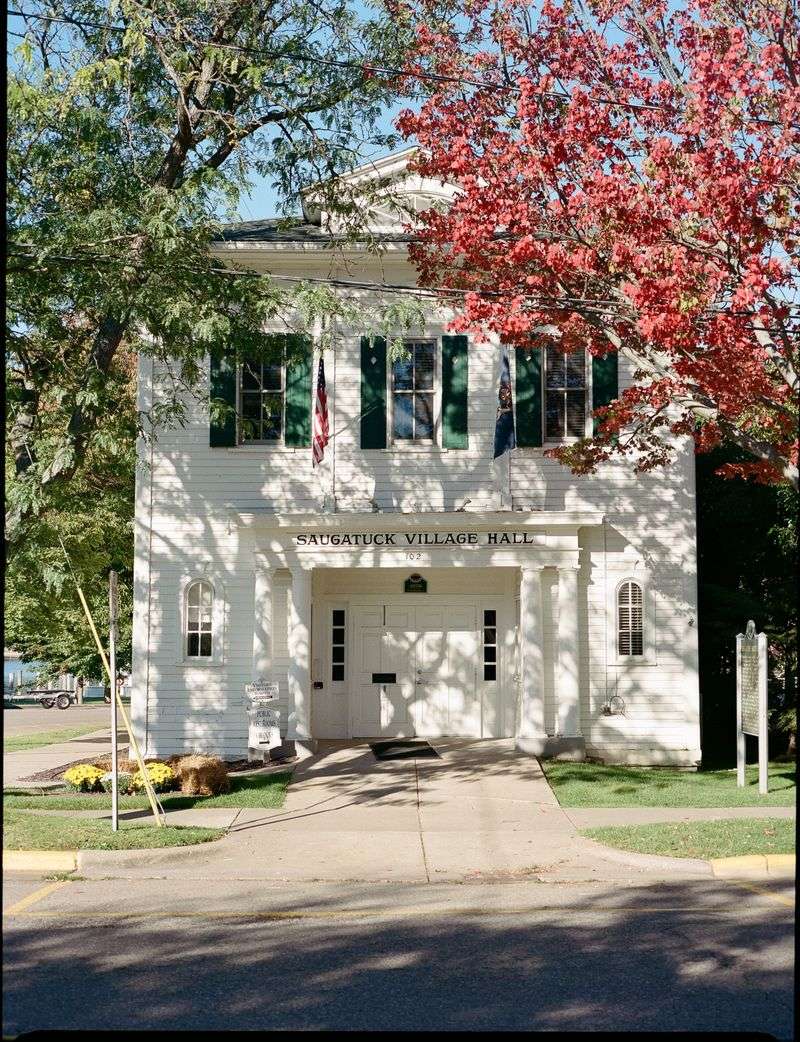
Many viral Michigan law claims blend half true history with playful exaggeration, so a quick verification step saves confusion.
City code libraries and state compilations are online, and clerks can guide you toward active sections with current language.
Tourists who check sources avoid missteps and also discover great civic architecture along the way.
Each town keeps its own quirks, from parking rules near beaches to seasonal leaf pickup policies on side streets.
The real charm sits in how communities tailor rules to fit local weather, campuses, and lake tourism patterns.
Ask friendly staff for brochures, then walk the block to notice details like bike racks, plaza seating, and murals.
You will read clearer maps, find better path lighting, and learn which alleys host public art rather than deliveries.
Michigan rewards curiosity, and city halls welcome visitors who treat codes as a window into civic life.
Start with the Library of Michigan at 702 W Kalamazoo St, Lansing, MI 48915 for research rooms and helpful guides.
Verify first, explore second, and let verified facts shape a smarter and more relaxed Michigan itinerary.
Dear Reader: This page may contain affiliate links which may earn a commission if you click through and make a purchase. Our independent journalism is not influenced by any advertiser or commercial initiative unless it is clearly marked as sponsored content. As travel products change, please be sure to reconfirm all details and stay up to date with current events to ensure a safe and successful trip.
