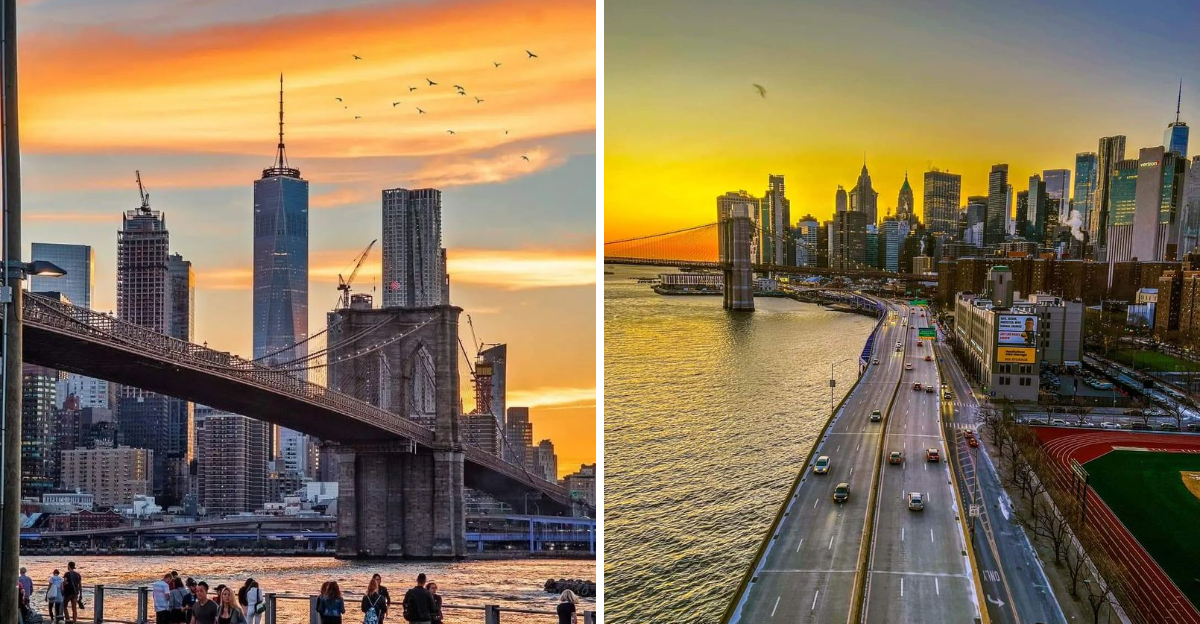
New York is full of energy, which makes it easy to miss the quirky rules tucked into its legal history.
Some are rarely enforced, yet they still pop up in conversations and trip up visitors who do not know the fine print.
This guide explains the oddities clearly, so you can enjoy the city without awkward moments.
Read on, laugh a little, and stay on the right side of New York State and New York City norms.
1. Curfew For Cozy Feet, Slippers After Dark
New York has a reputation for style and stride, yet one of its oddities reaches all the way down to your footwear after dark.
The oft cited rule against wearing slippers in public establishments after 10 p.m. comes from a tangle of historic decorum codes and local ordinances that prized presentable attire in shared spaces.
Today, you are unlikely to be stopped for soft soles at a lobby, but staff at upscale venues might still ask for closed shoes as a house policy.
Remember that the city grants businesses discretion when setting dress guidelines for safety and decorum, which can feel like a law even when it is a policy.
If you plan to wander a hotel corridor or step into a lounge late, pack lightweight street shoes and keep slippers for the room.
This small adjustment avoids awkward conversations with attendants who are simply enforcing venue rules.
In New York State, safety codes can also require firm footwear in certain areas where spills or glass pose risks.
Think lobby bars, event spaces, and elevators where traction matters and liability concerns guide decisions.
When in doubt, look for posted dress notices near entrances, or ask at the front desk before heading downstairs.
You will blend in, move confidently, and sidestep any grumbles from door staff trained to maintain standards.
2. The Sunday Ice Cream Pocket Ban
Slip an ice cream cone into a pocket on Sunday and you land in a story that feels like folklore but traces to real blue law traditions.
The idea was to deter mischief, especially sneaking treats and luring animals in public, which officials once saw as a nuisance.
In modern New York City, you will not see officers checking pockets, yet the tale endures and still gets referenced in local trivia.
What matters is not turning novelty into disruption, such as sticky messes on subway seats or park benches that maintenance crews must clean.
Carry your cone in hand, use a napkin, and toss waste in a bin, because sanitation rules are enforced when litter appears.
New York State laws on public cleanliness and transit conduct give agencies real authority when mess crosses into damage.
If you are touring Central Park or strolling a neighborhood green, keep sweets upright and watch for posted rules near lawns.
Park staff appreciate small courtesies, and you avoid a scolding that ruins a slow Sunday walk.
It is also wise to keep pockets free of sticky items that might stain shared seating or rub off on gallery benches.
Museums and theaters often have clear policies about food near exhibits and upholstered areas.
3. Elevator Etiquette That Reads Like Law
Old etiquette rules in New York say keep quiet in elevators, face the door, and fold your hands, which sounds like a scripted law.
While not a criminal statute, building codes and security policies treat elevators as tight shared zones where courtesy keeps things smooth.
Silence helps riders feel safe, and cameras in most cars reduce disputes when everyone follows calm, predictable behavior.
In office towers, residential high rises, and hotels, management posts conduct notices near call buttons or inside the cab.
Doorman buildings in New York City may also set guidelines about phone calls, large packages, and pet handling to prevent crowding.
These rules function like a binding agreement with tenants and guests, backed by lease terms or visitor policies.
If you are touring, keep conversations brief, step aside for exits, and avoid blocking the panel or the sensor line.
The rhythm of the city relies on quick boardings and clear sightlines for mobility devices and strollers.
Security officers will appreciate your patience if a car stops unexpectedly, since resets and priority service happen often.
Think of elevator etiquette as urban hiking manners, quiet, orderly, and tuned to shared comfort.
4. Flirting In Public, A Relic With Real Risks
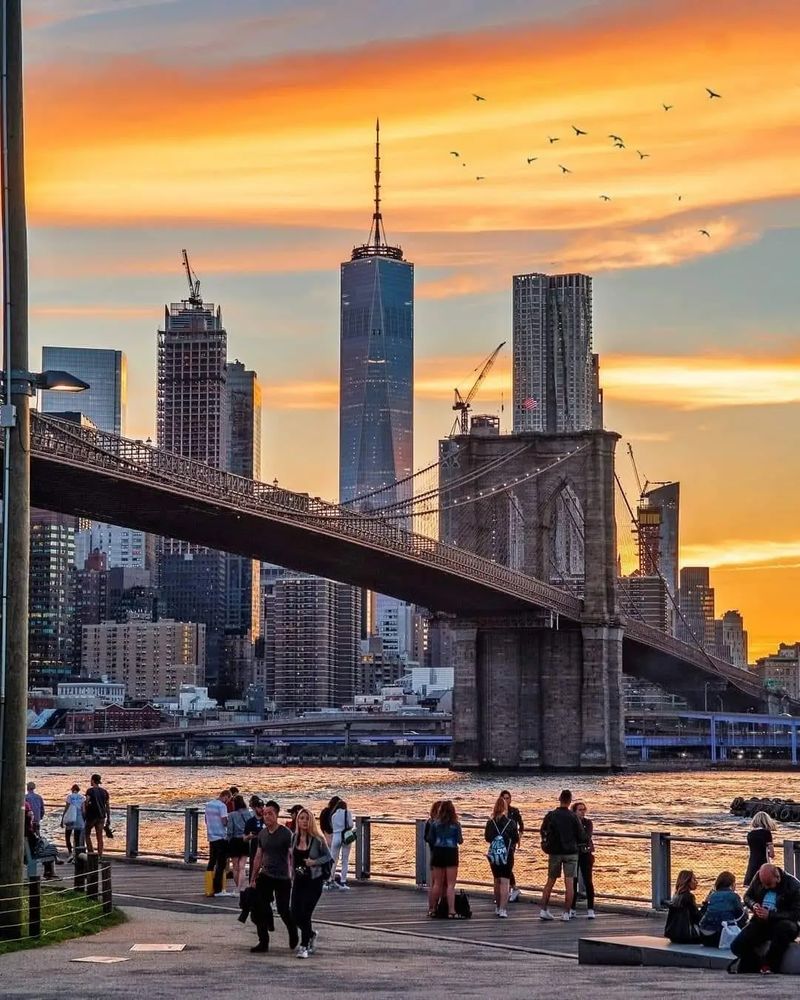
The dusty rule against flirting or staring suggestively once aimed to curb harassment before modern laws defined it more precisely.
Today, New York City enforces strong statutes against harassment, stalking, and unwanted contact, which carry real consequences beyond any quaint fine.
That means tone, persistence, and context matter more than the dated wording that shows up in trivia lists.
If a person says no, walk away, and if someone looks uncomfortable, give generous space on sidewalks and platforms.
New York State and city regulations protect people in public settings, transit, parks, hotels, and workplaces, with clear complaint channels.
Security cameras, station agents, and patrols make documentation straightforward when behavior crosses into intimidation.
Visitors can still be friendly, just keep conversations light, respect boundaries, and avoid blocking someone’s path.
Body language speaks loudly in crowded places, and polite distance reads as confidence rather than indifference.
If you feel harassed, head to a staffed area, call for help, or notify a uniformed employee right away.
Clear, simple communication keeps city life moving and helps everyone feel welcome.
5. Honking Without Cause, Noise Meets Law
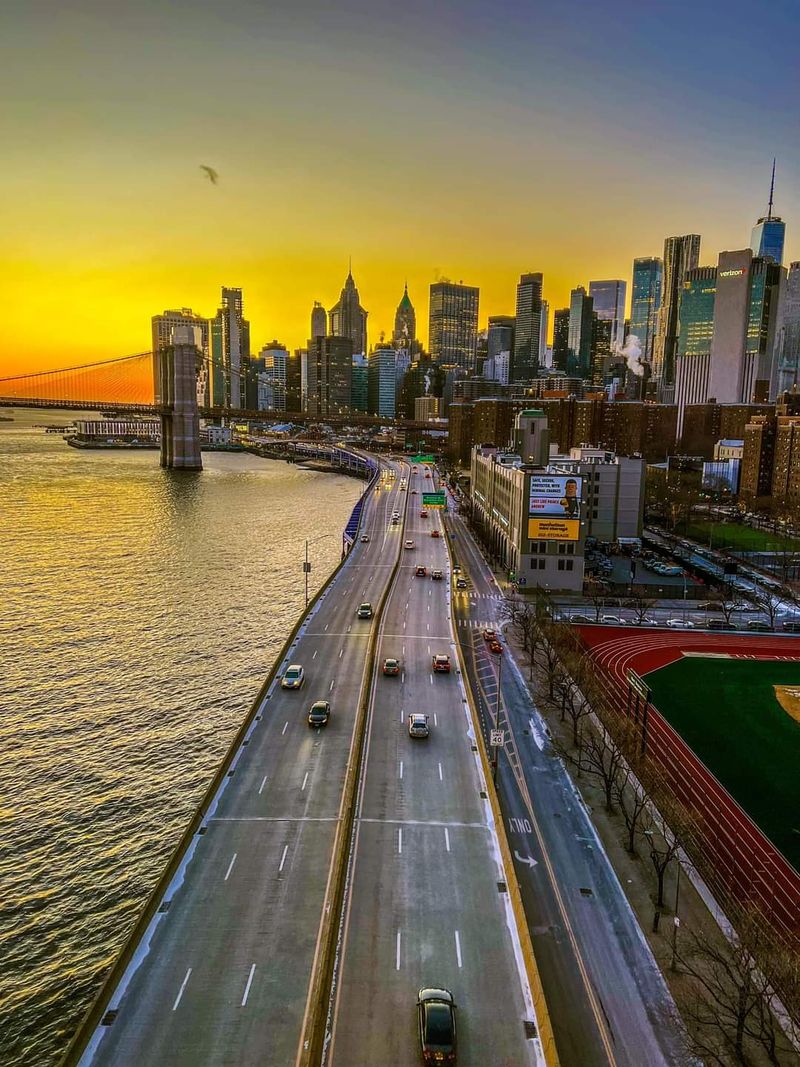
New York’s soundscape is loud, yet the law is clear, unnecessary horn use is prohibited and can draw enforcement.
The city wants honks for immediate safety only, not impatience at a light or a quick hello in a residential block.
Noise codes and traffic rules align here, protecting neighbors, schools, and hospitals from constant blasts.
Drivers who rent cars often forget that rental agreements do not shield them from summonses tied to the plate.
Bicycle bells are different because they signal quietly, but even then, overdoing it can count as disruptive behavior.
When in Manhattan canyons, try a gentle tap on brakes and a wave instead of leaning on the horn.
New York State traffic law prioritizes predictable behavior like signaling, yielding, and keeping intersections clear of gridlock.
Those habits solve more problems than honking, and they reduce the chance of a citation in busy corridors.
If another driver blocks a lane, wait a moment, use lights, and move only when space opens safely.
Patience reads as local savvy and keeps the street calm for walkers and riders.
6. No Head Shots, Ball Tossing Boundaries

The warning against throwing a ball at someone’s head sounds playful until it is not, which is why rules exist in parks.
New York City Parks Department posts regulations about organized games, safe distances, and designated fields for active play.
A friendly catch is fine, but targeting a head crosses into unsafe conduct that staff can address quickly.
In crowded lawns, err on gentle throws and step into open areas marked for sports rather than picnic zones.
New York State liability rules recognize injuries from reckless play, and rangers can intervene when behavior risks harm.
Use soft equipment in tight spaces, and keep eyes up for joggers and cyclists sharing paths.
If you plan something more vigorous, reserve a field, which keeps the activity contained and predictable for everyone nearby.
Permits are straightforward, and the spaces are designed for the speed and angles that big throws create.
When a ball goes astray, wave a quick sorry and retrieve it calmly without stepping into flower beds.
Small gestures keep the city experience kind and smooth for strangers who share the same green.
7. Masked Meetups, Know The Context
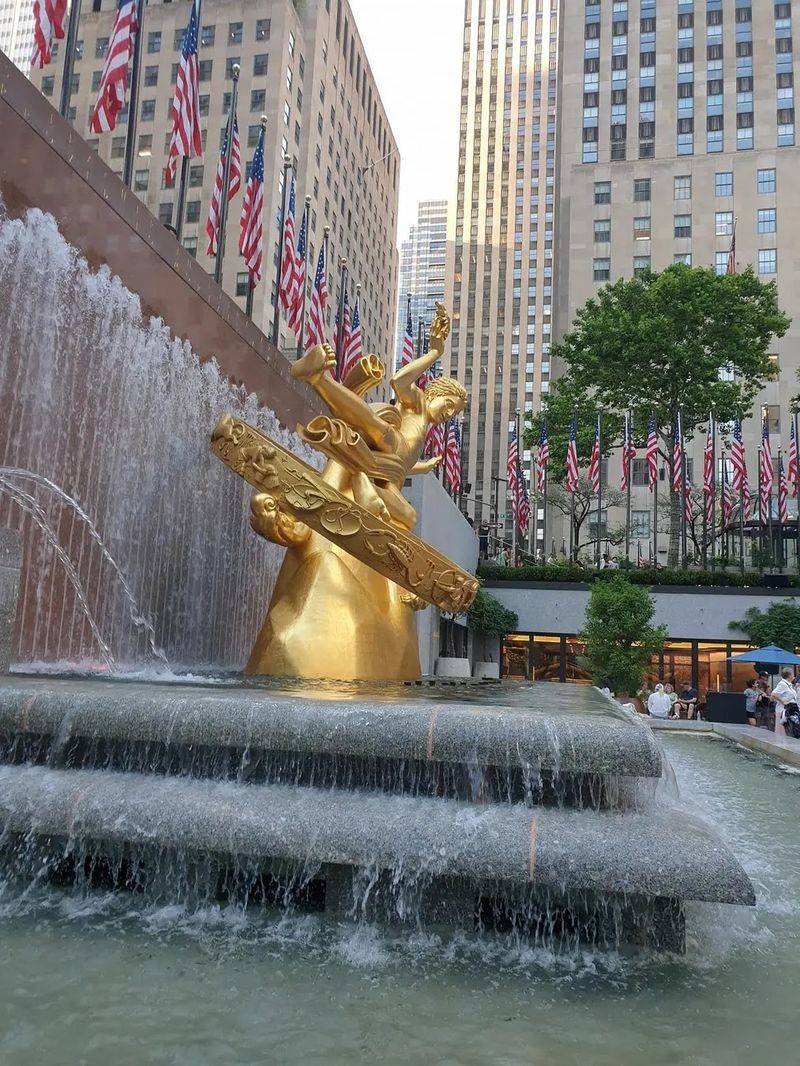
New York has a complicated history with laws about people gathering in masks or disguises, which changed alongside public health policies.
During health emergencies, face coverings became normal, and agencies issued guidance that coexisted with older statutes.
Outside those periods, context is key, because the issue turns on intent, safety, and whether a permitted event is in place.
Protests with permits and cultural festivals often coordinate with the city to set clear rules about face coverings.
That communication helps avoid confusion between lawful expression and conduct that could hide identity during misconduct.
New York State courts and city agencies balance rights with safety, which is why guidance can feel nuanced.
Visitors should follow posted instructions from organizers, respect police directions, and keep identification accessible if asked.
If a gathering shifts tone, step away and find a staffed area like a park office or transit hub.
Staying aware of entrances, exits, and staging zones keeps your day smooth and your photos easy to take.
Clarity protects both your plans and the shared comfort of others nearby in the crowd.
8. No Tiger Selfies, Big Cat Safety
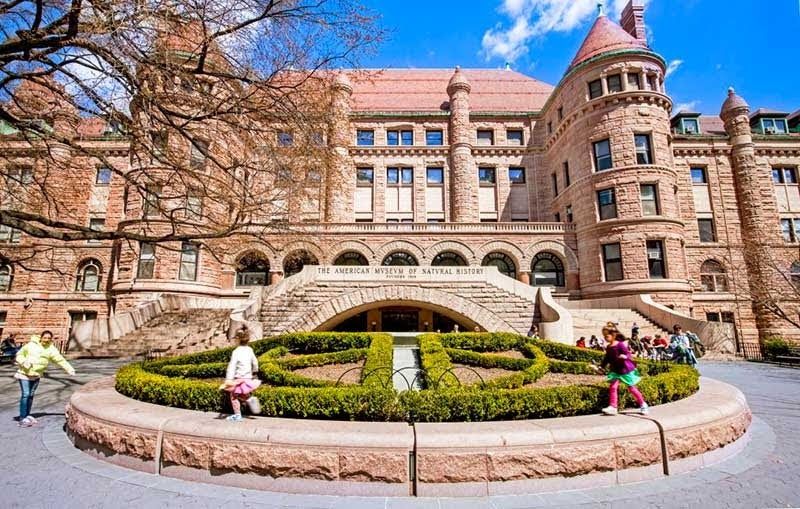
New York made it illegal for the public to have direct contact with big cats, which includes selfies and staged photos.
The rule protects people and animals, since stress and sudden movement can lead to dangerous outcomes in seconds.
Licensed facilities keep barriers for a reason, and staff are trained to manage distance and sightlines for safety.
If you visit a zoo, enjoy the design of habitats, read the placards, and respect the boundary railings at every exhibit.
Photos are welcome from viewing areas where angles are planned to give clean backdrops without risky proximity.
New York State enforcement allows fines when someone crosses a barrier or arranges private contact sessions with big cats.
That includes mobile shows and pop up displays that attempt to skirt the rule with temporary cages.
Ask staff if you are unsure where photography is allowed, since every habitat line is drawn for a reason.
Your images will still look striking, because the city’s zoo architecture frames scenes with thoughtful sightlines.
Safe distance keeps both you and the animals calm while you capture the memory.
9. Carmel Wardrobe Quirk, Matching Matters
The Carmel rule about men wearing matching jacket and pants reads like a punchline, yet it appears in many legal oddities lists.
While enforcement is not a daily reality, local decorum customs shaped how small towns once guided public appearance.
If you plan a day trip from New York City, treat it as a cultural footnote rather than a modern checkpoint.
Polished outfits still open doors, especially at civic spaces and houses of worship where formal events take place.
New York State’s towns often hold onto historic codes that rarely see courtrooms but linger in public memory.
They serve as reminders that community standards evolve with style, mobility, and shifting norms.
Pack a coordinating jacket if you want to lean into tradition and avoid raised eyebrows at formal venues.
It becomes a fun travel challenge, turning a quirky regulation into a playful styling prompt.
Take photos of streetscapes, not people, and focus on architecture that tells the story of place.
That approach keeps the attention on local character, which is always the better souvenir.
10. Sunday Shoe Shines, The Afternoon Pause

The rule against shining shoes after early afternoon on Sunday reflects an era when quiet hours shaped commerce across towns.
Hotels received exceptions because travelers needed services during peak turnover, which kept lobbies humming.
In modern New York City, you will find stands operating according to current permits and business hours that match demand.
If a stand is closed, it may be following building policy or local guidelines that still prefer calmer Sundays.
New York State retains pockets of blue law influence, though enforcement typically centers on licensing and location rules.
Stands near transit hubs often sync with commuter flows rather than old clocks.
Ask attendants about hours, since many are independent professionals who set schedules around events and weather.
If time is tight, hotel concierges can point to services operating legally within property guidelines.
Treat the shine chair as a small ritual, brief, tidy, and considerate of the next person waiting.
The polish looks better when the experience runs smoothly and the stand follows local expectations.
Dear Reader: This page may contain affiliate links which may earn a commission if you click through and make a purchase. Our independent journalism is not influenced by any advertiser or commercial initiative unless it is clearly marked as sponsored content. As travel products change, please be sure to reconfirm all details and stay up to date with current events to ensure a safe and successful trip.
