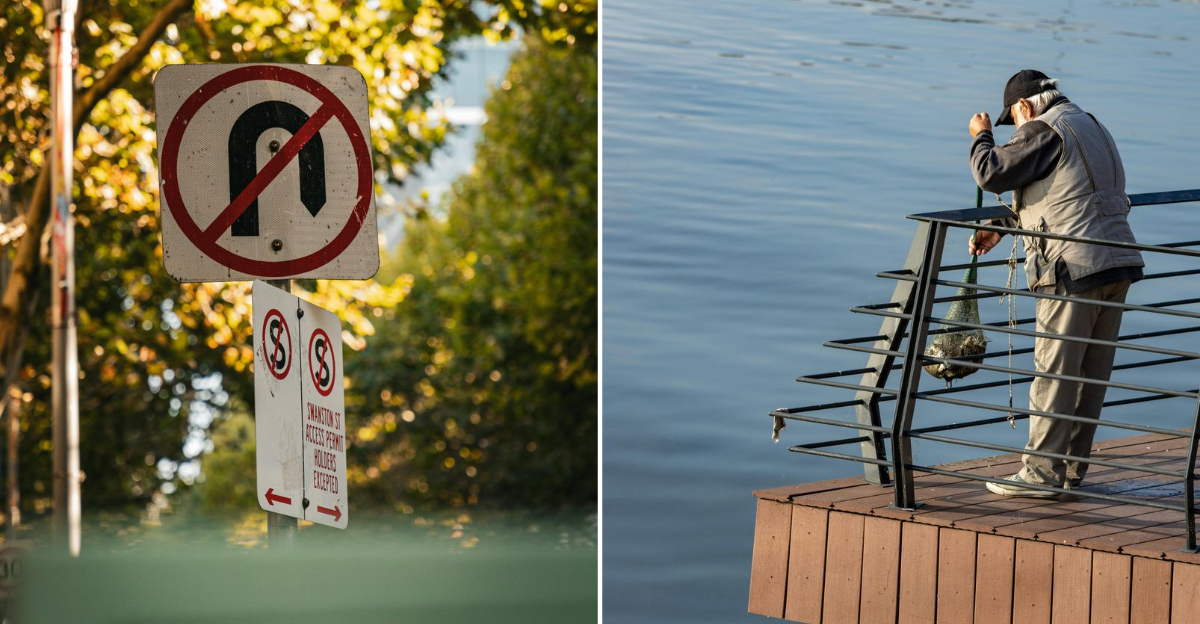
Did you know Pennsylvania has some rules that can catch visitors completely off guard? It’s not just about history, cheesesteaks, or rolling farmland. There are quirky laws and local customs that make you pause and think, “Wait, is that really a thing here?” From small towns to big cities, the state mixes tradition with odd regulations that tourists often stumble into without realizing. Some rules are leftovers from decades ago, others are tied to local culture, and a few just feel downright unusual. Whether it’s what you can or can’t buy on specific days, or the way communities handle routines, Pennsylvania has its own rhythm that doesn’t always match what outsiders expect.
I’ve always thought these little surprises are part of what makes travel fun. You’re not just seeing landmarks.
You’re learning how people live differently, sometimes in ways that seem strange at first. Keep on reading if you want to uncover the unexpected rules that make Pennsylvania stand out!
1. Headlights Are Required When Wipers Are On
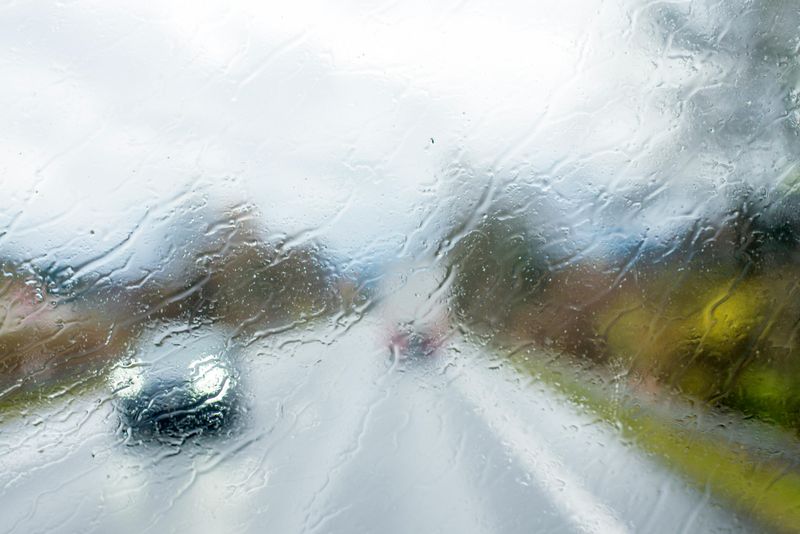
Here is a sneaky one that gets people in Pennsylvania all the time. If your wipers are going, your headlights need to be on too, even in gentle mist.
It feels obvious once you hear it, but many visitors forget during a quick sprinkle.
Driving into Pittsburgh or skirting the edges of rural roads near Ohiopyle State Park, visibility changes fast.
The rule is meant for safety, and officers do pay attention when storms roll in. You will spot locals flipping on headlights at the first swipe of the blades.
Think of it as an easy habit. When you hit the wiper stalk, twist on the lights without overthinking it.
You will be more visible to oncoming traffic and avoid an awkward roadside chat.
By the way, automatic daytime running lights do not always turn on the rear lamps. That can make you nearly invisible from behind in gray weather.
So pick full headlights whenever water hits the windshield.
Want a quick mental cue while you roll through Pennsylvania? Wipers mean headlights, simple as that, whether you are cruising near State College or sliding into Philadelphia traffic.
Once you do it a few times, it sticks.
2. Jaywalking Is Technically Illegal Almost Everywhere
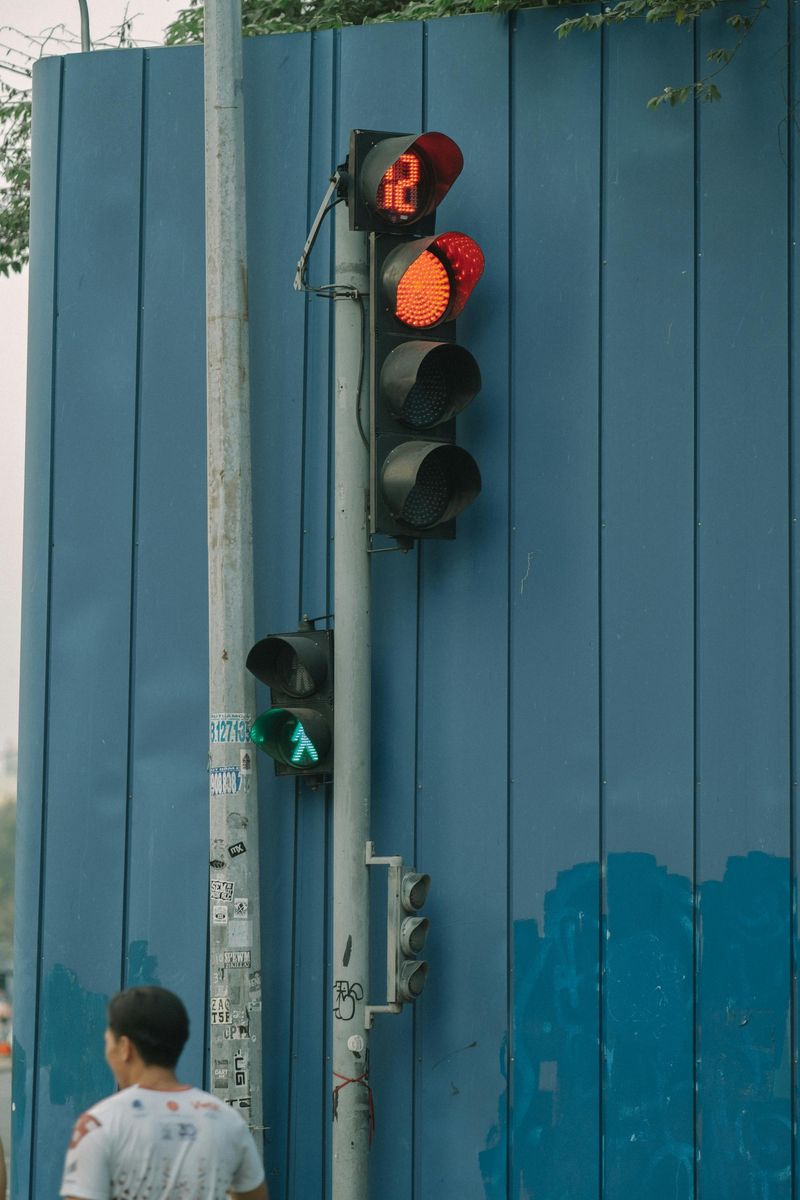
Crossing the street on instinct can get you in trouble here. This state treats jaywalking as a real thing, and it surprises visitors who are used to slipping across quiet streets.
If you are near an intersection, use the crosswalk and the signals.
In downtown Philadelphia or near the river in Harrisburg, officers do watch busy corners. It is not about being strict for no reason, it is about keeping everyone moving safely.
When cars expect you only in crosswalks, drivers react faster.
You will notice locals wait for the walk sign even when a block looks calm. It keeps traffic predictable and keeps you out of a warning or ticket.
A few extra seconds beats the hassle, trust me.
Some smaller towns feel relaxed, but the rule still applies. If a crosswalk is close by, that is the move.
Cross midblock and you are betting on luck. So take the extra steps and look for the white lines.
You are not just following Pennsylvania culture, you are making life easier for drivers who want to do the right thing. It is a small habit that pays off quickly.
3. Rearview Mirror Items Can Get You Pulled Over
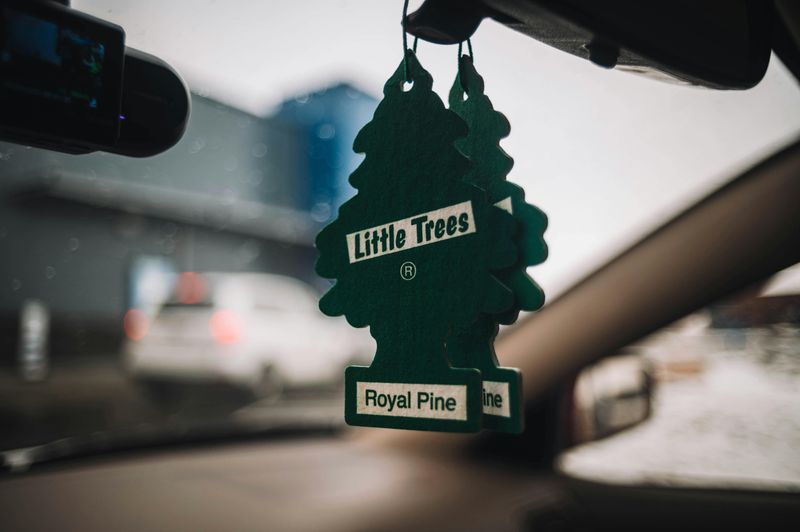
That little charm or air freshener dangling from your mirror might look harmless. In Pennsylvania, it can count as a visual obstruction, and that alone can justify a traffic stop.
Tourists do not expect it, especially if it is normal back home.
The idea is simple. Anything that blocks your field of view can hide pedestrians or cyclists.
An officer does not need to prove it caused a problem, only that it could.
If you love a tidy cabin, stash decorations elsewhere. Keep the mirror clean and leave the dash uncluttered.
I feel like it makes spotting signs and signals easier too.
Driving through Lancaster or threading Erie’s downtown, you want nothing messing with your sightlines. It helps when rain shows up or traffic compresses around tight turns.
Modern windshields already carry sensors and tint strips, so extra stuff just crowds the space.
So when you enter Pennsylvania, do a quick sweep. Remove hangers before you roll and you will feel lighter instantly.
It is one of those small tweaks that saves you from needless stress.
4. You Can’t Idle Your Car Freely
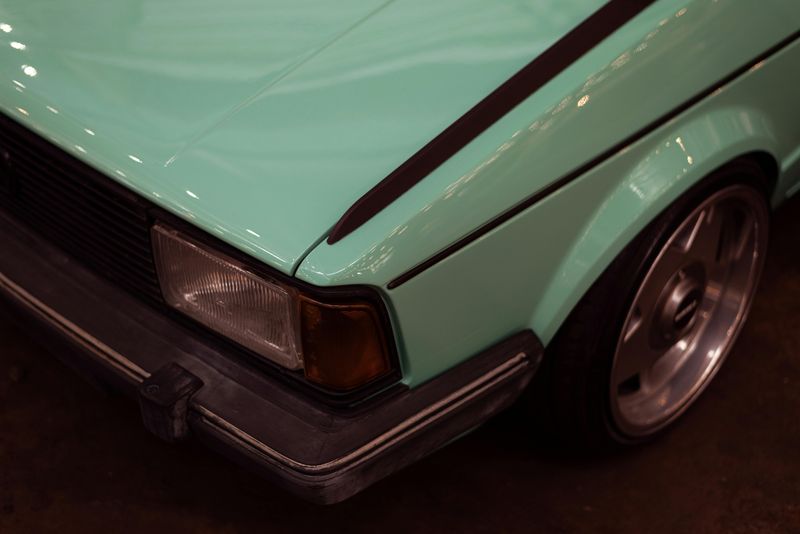
Letting the engine hum while you check directions feels convenient, but Pennsylvania caps idling.
The general expectation is a short window, and some towns watch for it near schools and busy blocks. It is all about cleaner air and quieter streets.
In places like Bethlehem or Scranton, you will see reminders near public buildings. Even in a lot outside a trailhead, the same idea holds.
People are used to shutting off and stepping out.
If you need climate control, consider a quick start only when you are ready to go. Plan your route before you fire up the engine.
It keeps neighbors and pedestrians more comfortable too.
Tourists often forget while waiting curbside. The car seems harmless while parked, but idling adds up, and municipal rules give officers a clear nudge.
A simple key twist solves it. So take a breath, power down, and enjoy the quiet for a moment.
The state appreciates it, and honestly, the calm feels nice. When it is time to move, you will be good to go without worry.
5. Pedestrians Have Strong Right-Of-Way Protections
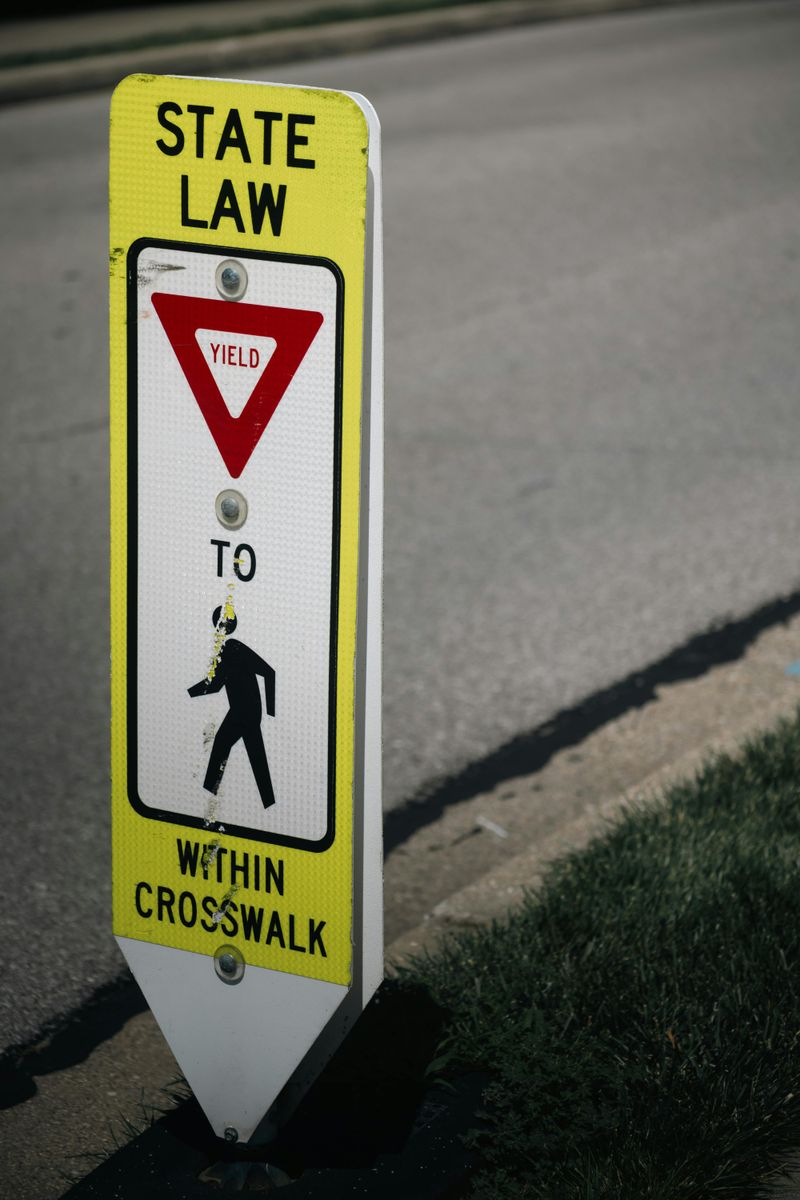
Here is a rule that flips the script for drivers: here you have to stop for pedestrians at crosswalks, marked and unmarked.
If someone steps off the curb, treat it like a clear signal.
In college towns like State College or busy strips in Allentown, this plays out constantly. Drivers pause, people cross, and traffic resumes smoothly.
It is a rhythm you feel after a few blocks.
As a visitor, watch for subtle cues. A person waiting at the edge might be about to cross, so slow early.
I think that little bit of space creates calm for everyone.
Unmarked crosswalks follow the same spirit near intersections. Cars that roll through without stopping stand out quickly.
Locals expect a full stop when a pedestrian starts moving.
Treat this as a kindness backed by law. When in Pennsylvania, think people first, then gas.
You will blend right in and keep the streets easygoing.
6. U-Turns Are Restricted More Than You Expect
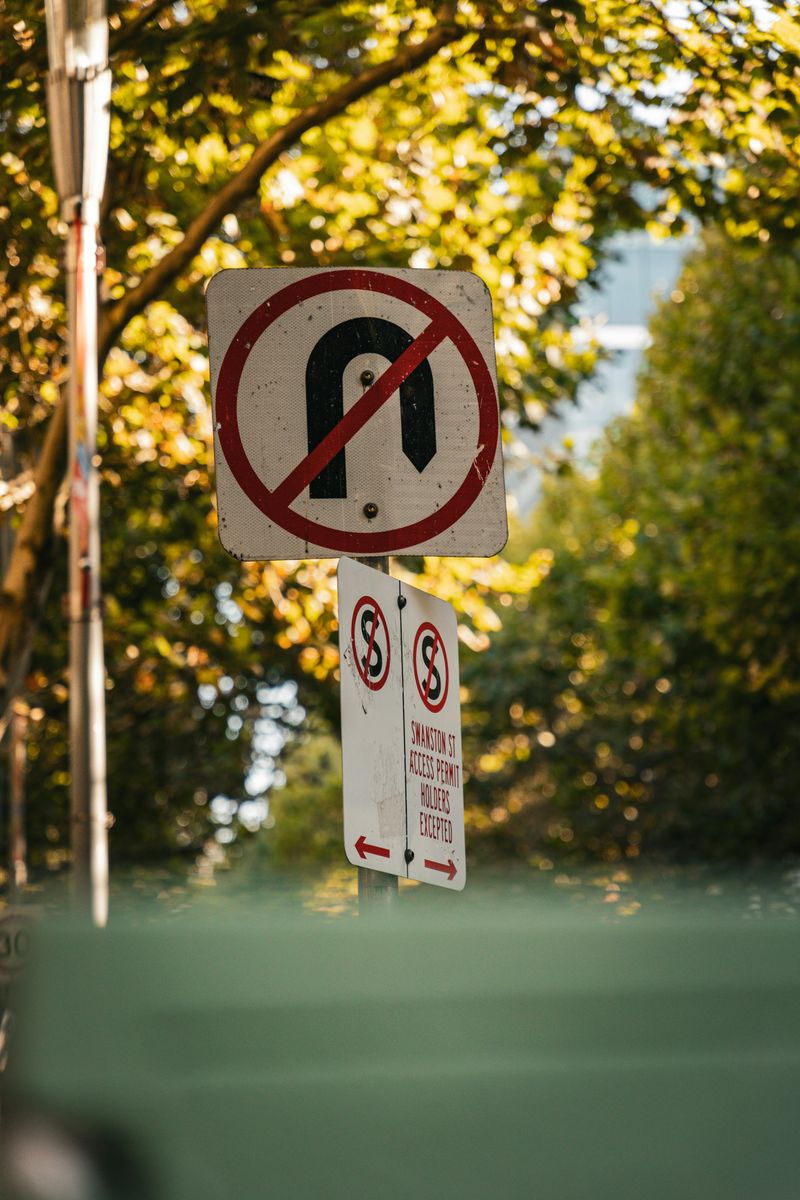
Spinning around for a missed turn is not always allowed here. Here, a U-turn has to be safe and not prohibited by signs.
City centers and business districts often ban them outright.
Philadelphia has tight corridors where a U-turn would jam the flow. Pittsburgh’s hills and bridges make sightlines tricky, so signs do a lot of talking.
You will see locals go around the block instead.
If you miss an exit or a turn, do not sweat it. Keep calm, take the next legal chance, and reroute.
It is smoother for everyone and saves you a risky maneuver in my opinion.
Watch for posted restrictions at busy intersections. Even when it looks clear, a hidden dip or curve can hide a car.
The rule expects you to plan ahead and avoid sudden flips. Once you adjust, it becomes automatic.
The state rewards patient driving with less chaos and fewer horns. A clean loop beats a hurried swing every time.
7. Left-Lane Cruising Can Get You Ticketed
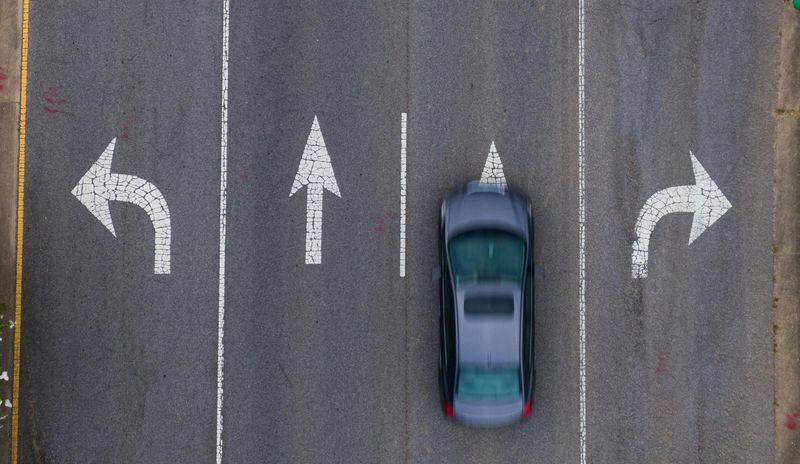
Hanging in the left lane without passing draws attention in Pennsylvania.
The law expects slower traffic to keep right, and that includes drivers who match the flow but are not actively overtaking. Visitors learn this fast on long stretches.
Out on the Pennsylvania Turnpike or I routes near the mountains, the pattern is steady. Pass, then slide back right and let the lane breathe.
It keeps frustration down and reduces sudden lane changes.
If you are just cruising, the center or right lanes are your comfort zone. Use the left for moving past and then tuck in.
You will feel traffic relax around you.
Look ahead and plan your pass early. Signal, move over, and finish the pass smoothly.
I think that rhythm feels natural after a short drive. Think of it as road etiquette backed by the rulebook.
Highways here reward drivers who keep the left lane clean. It is simple, efficient, and far less stressful.
8. You Must Yield To Funeral Processions
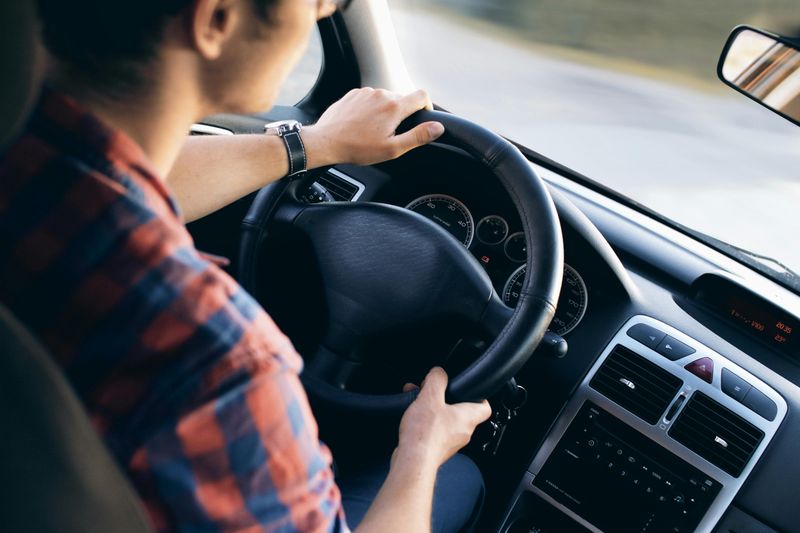
This one is about respect and patience. Here, you yield to funeral processions once they begin crossing an intersection.
Even a light changing does not break the line.
You will recognize a procession by the steady line of vehicles moving together. Often headlights stay on and small flags mark the cars.
Let them pass and do not cut into the group.
If you are waiting at a side street, hold your spot. The idea is to keep the procession intact and calm.
It is a moment to slow down and give space.
Visitors sometimes slip in without realizing the rule. If you are unsure, watch the lead vehicle and follow the flow.
Locals will often pause to make it obvious. Think of it as a gentle reminder that roads carry people through big moments.
Pennsylvania takes that seriously, and so do drivers who share the route. A little patience goes a long way.
9. Using A Phone At A Red Light Is Still Illegal
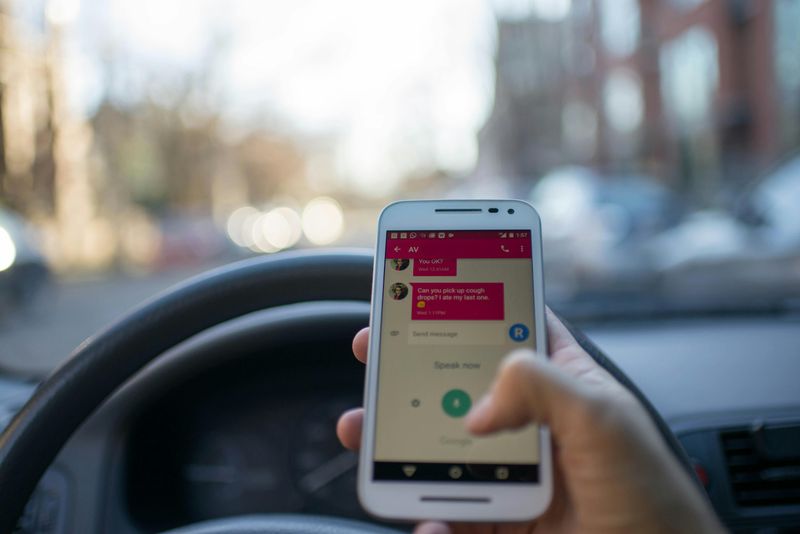
This one trips up a lot of visitors. In Pennsylvania handheld phone use is still illegal when you are stopped at a red light.
Stopping does not pause the rule. It is tempting to check a message when the light lingers.
The cleaner move is to keep the phone out of hand and eyes forward. You will spot pedestrians, bikes, and the green faster.
If you need navigation, set it before rolling. Mounts help, but hands off the device keeps you clear.
Police take this seriously in busier areas. You will see reminders near campuses and downtown corridors.
I think it keeps intersections calmer and less distracted, so treat red lights like motion.
Hands on the wheel, attention up, and phone down. Pennsylvania roads feel smoother when everyone sticks to it.
10. Foraging On Public Land Isn’t Automatically Allowed

Public land does not mean open season for picking.
Many state parks prohibit taking plants, berries, or mushrooms. Some forests allow limited foraging only with permits.
The rules protect habitats that look sturdy but are actually sensitive. Trails near Ricketts Glen or within Cook Forest feel lush, yet a few handfuls taken by many people add up.
Rangers want visitors to leave things as they found them.
If you are curious, check park guidance before you go. Permits exist in certain state forests with specific conditions.
When in doubt, admire and move on.
It is also a safety thing. Foraging mistakes can cause problems you do not want on a road trip.
Guided programs are a safer path if you want to learn. Know that respecting the land is part of the Pennsylvania rhythm.
Snap photos, note spots, and return in another season. You keep the place wild and welcoming for the next hike.
11. Fireworks Rules Change By City
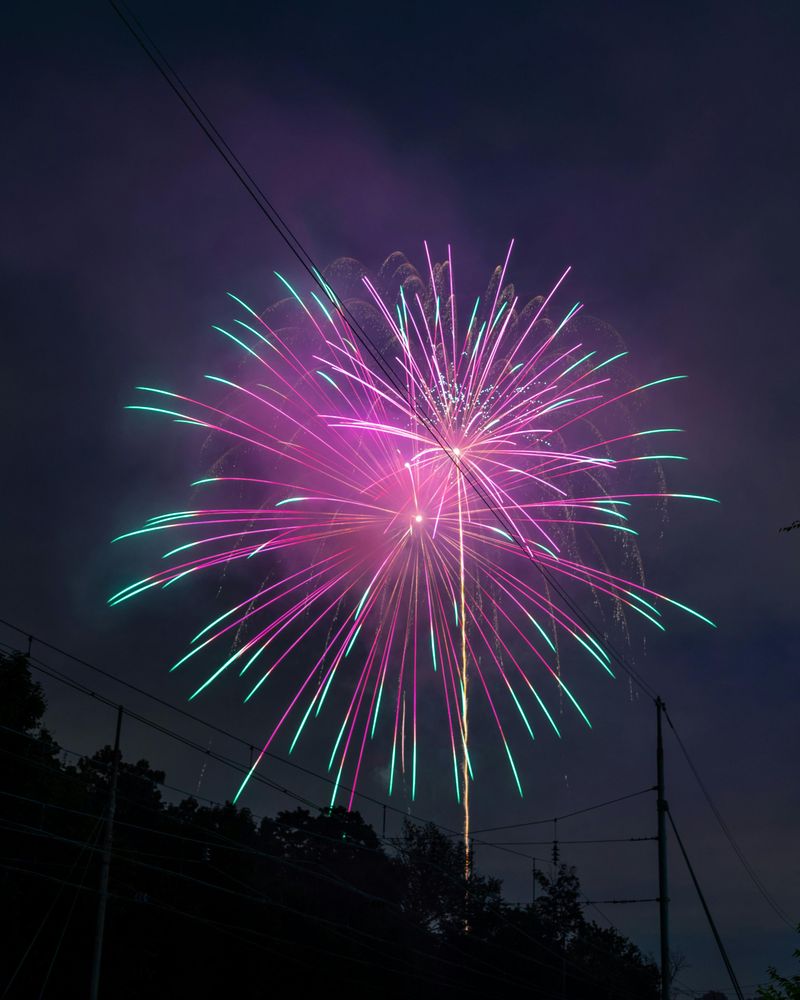
Buying fireworks does not mean you can use them anywhere.
In Pennsylvania, state rules meet local ordinances, and cities can ban use entirely. That is where visitors get tripped up.
Philadelphia and Pittsburgh both have strict local rules, and many suburbs follow suit. Even where they are allowed, location and timing rules can be tight.
Neighborhoods tend to prefer quiet over surprise crackles.
Before lighting anything, check the municipality website for the place you are staying. Town pages usually spell it out clearly.
If it is a no, that is the end of it.
Retail shelves can be confusing, and sales are legal in many cases, but use is a separate question. Just know the cashier is not your rulebook.
Keep it simple and neighbor friendly. Communities here appreciate a calm evening, and so will you after a long drive.
The safest plan is to enjoy the show run by professionals when available.
12. Fishing Requires A License At A Young Age
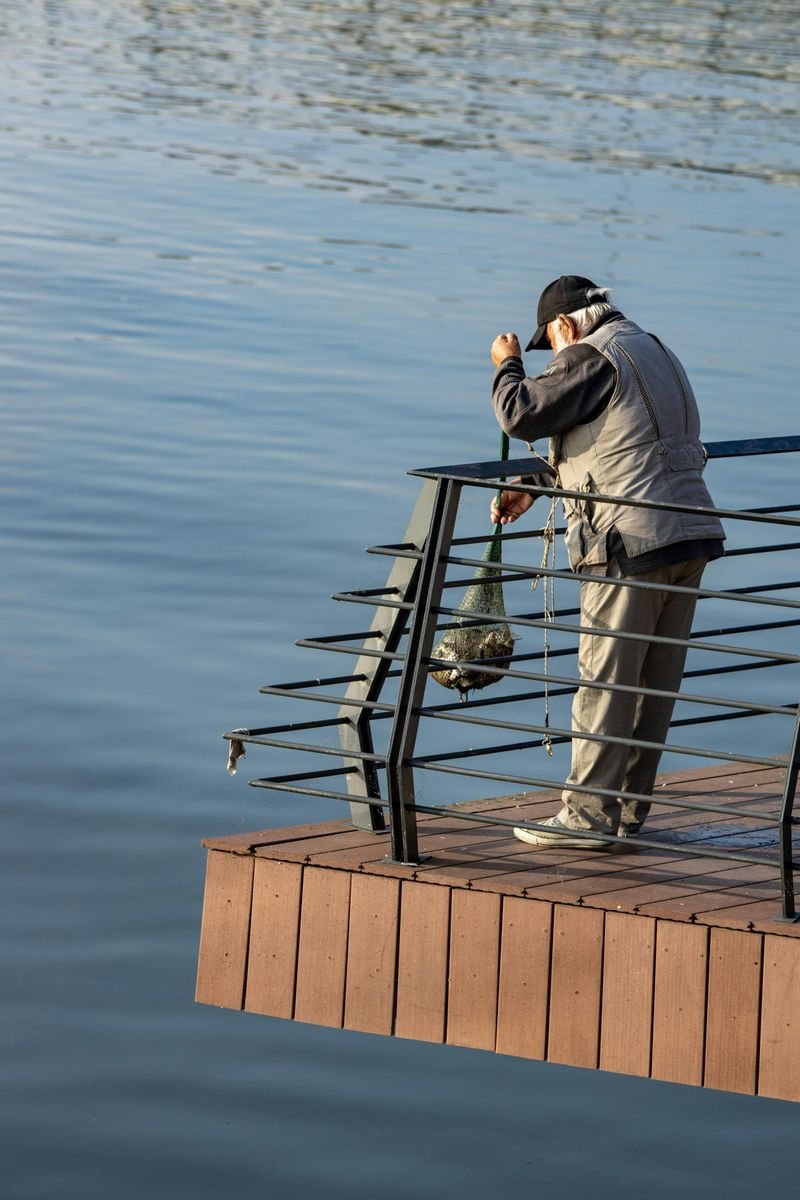
Thinking about tossing a line for a quick break? In Pennsylvania you need a valid fishing license once you hit a relatively young age.
That applies even to casual fishing from shore or a dock.
Visitors often assume short stays are exempt. The rule is straightforward, and officers do check popular spots.
Lakes across the state keep it consistent.
Grab the license before you head out. Many shops and official sites make it quick, and you can carry a digital copy when allowed.
It saves you from a messy interruption in my opinion.
Even when you are just tagging along with friends, the license requirement still stands. Different waters may have additional regulations, so a quick look never hurts.
You will feel more at ease with the basics handled.
Pennsylvania takes its waterways seriously, and anglers respect that.
The license supports conservation and keeps things balanced. With that squared away, you can focus on the quiet and the view.
Dear Reader: This page may contain affiliate links which may earn a commission if you click through and make a purchase. Our independent journalism is not influenced by any advertiser or commercial initiative unless it is clearly marked as sponsored content. As travel products change, please be sure to reconfirm all details and stay up to date with current events to ensure a safe and successful trip.
