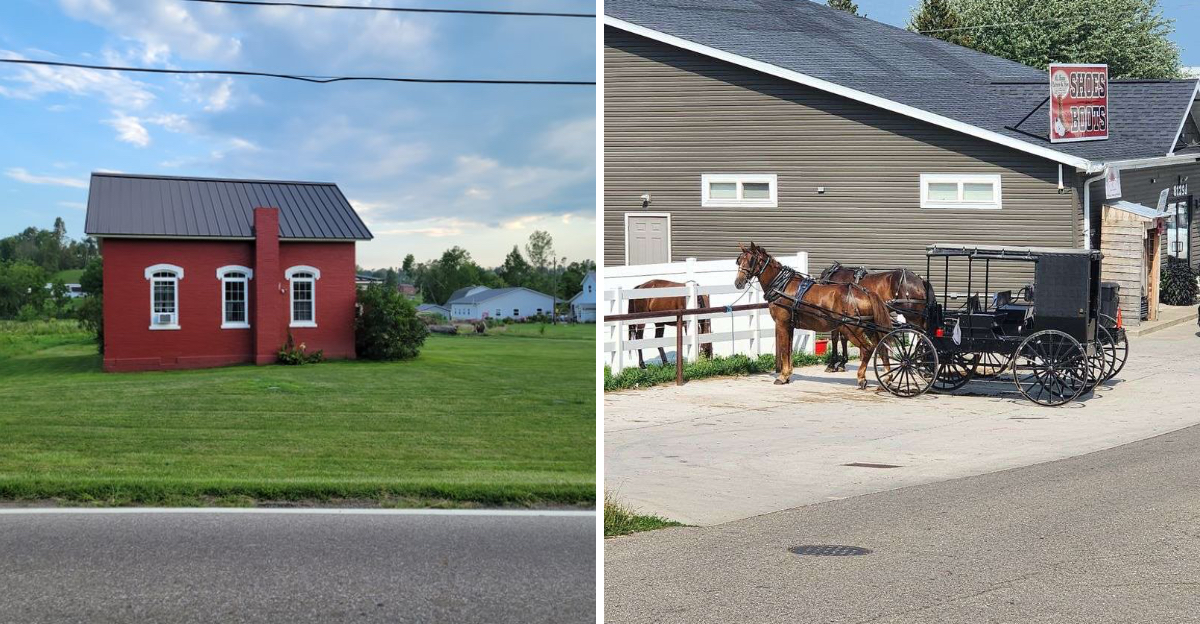
Ohio draws curious travelers with rolling farmland, tidy villages, and a slower rhythm that feels like a reset.
Amish towns amplify that calm, yet small missteps can turn grace into friction fast.
Learn the etiquette, and your trip becomes richer, kinder, and far more rewarding.
These insights will help you move with respect, keep the peace, and leave Ohio with goodwill and lasting memories.
1. Aiming Your Camera at Faces
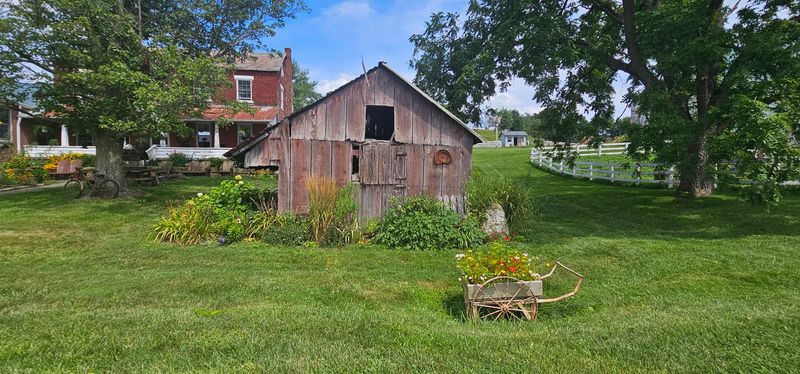
Ohio’s Amish Country looks cinematic, which is why many visitors reach for a camera the moment the hills open and barns appear.
Photographing scenery and architecture is generally acceptable, but pointing a lens at Amish people without permission is considered intrusive and disrespectful.
The concern is rooted in modesty and religious convictions about images, so a gentle no should be received with thanks and a lowered camera.
When you wander Holmes County, treat photography as a privilege tied to consent and context, not a souvenir grab.
Frame quilts on lines, timber frames, and corncribs, and keep faces out of the composition unless you have clear permission.
Shops sometimes post reminders, and a simple glance at the door can save an awkward moment before you start shooting.
Roadside stands occasionally allow photos of displays when faces are not visible, and a polite question sets the tone for trust.
If someone declines, step back with grace, thank them for their time, and shift to landscapes or details.
Respecting boundaries preserves the friendliness that makes Ohio welcoming and keeps communities comfortable with visitors.
Across Holmes County, Fredericksburg, and Charm, you will find countless vistas that tell a story without intruding on anyone’s privacy.
Local guides often emphasize that patience leads to better photos than proximity ever could.
Landscape angles shift with every hill, giving you fresh compositions without entering anyone’s personal space.
Shops that allow photos may offer small notes explaining cultural norms, which helps visitors learn respectfully.
If you enjoy portrait work, invest time in conversations rather than quick snapshots to build comfort and consent.
Your photos will feel stronger when they reflect cooperation, calm, and the natural rhythm of Ohio countryside life.
2. Stopping at Homes Uninvited
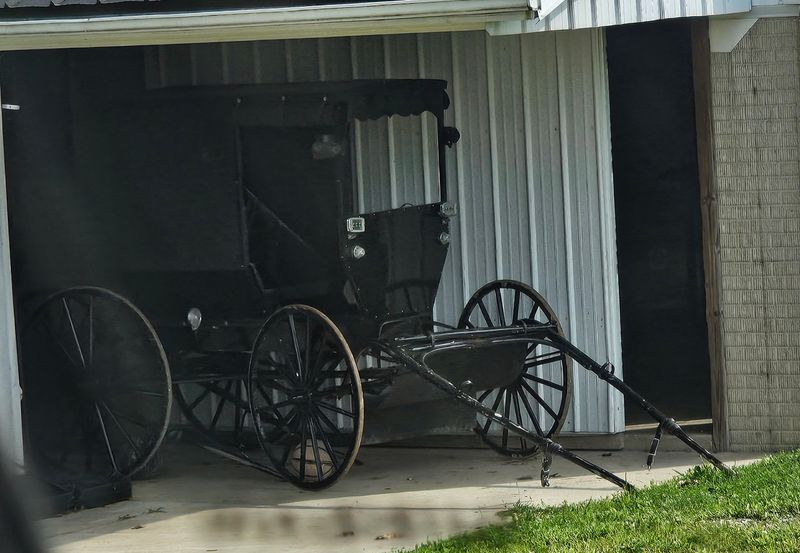
Curiosity can pull travelers down peaceful Ohio lanes where tidy farmhouses and gardens invite the eye.
Knocking on a private door without an invitation unsettles families who value privacy and order, and it creates anxiety instead of connection.
In Amish towns, visitors are encouraged to meet people through public businesses and markets, not through personal homes.
Look for signs that mark quilt rooms, furniture barns, bulk stores, and greenhouses, because those places are designed for conversation.
When you have questions, greet the proprietor, stand clear of working areas, and let interest lead with patience.
Staffed shops provide a respectful bridge to learning about crafts, family enterprises, and the daily cadence of Ohio life.
Unannounced visits blur the line between cultural exchange and intrusion, which can linger long after a traveler leaves.
The better path runs through established venues where expectations are clear and kindness flows naturally both ways.
Follow these cues and you will find warm chats, careful workmanship, and a welcome that endures.
Across Holmes County and surrounding townships, boundaries keep peace, and honoring them keeps Ohio’s Amish communities open to guests.
Families often juggle chores from dawn to dusk, and surprise knocks disrupt tasks that run on precise routines.
Clear signage at roadside stands makes it easy to distinguish private spaces from visitor friendly zones.
You will find deeper insight when your questions arise in places meant for exchange rather than interruption.
Respect given at the doorstep becomes goodwill that carries into every conversation you have later.
Following those boundaries reinforces a culture of mutual ease that keeps Ohio’s backroads welcoming.
3. Blinding Buggies With High Beams
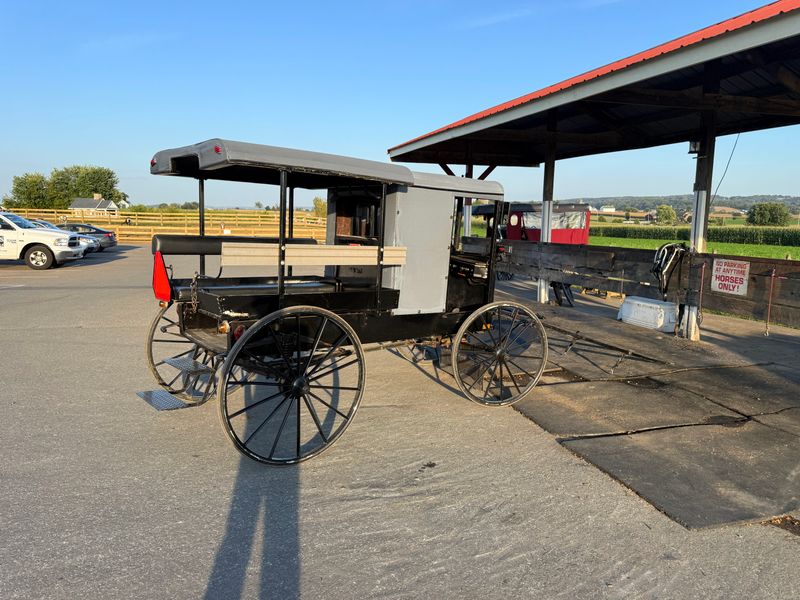
Rural Ohio roads mix car traffic with horse-drawn buggies, and bright high beams can spook a horse in an instant.
A startled animal endangers passengers, drivers, and nearby vehicles, so dimming headlights early keeps everyone safer.
Patience, distance, and gentle decisions matter more than speed when the road narrows and curves appear.
Approach slowly, avoid sudden honks, and pass only when sightlines are open and the shoulder looks clear.
Give wide berth around hills, bridges, and shaded bends where visibility falls and reactions compress.
Small choices, like easing off the gas and coasting quietly, dramatically reduce risk on shared routes.
Signs in Holmes and Geauga counties often highlight buggy areas, and they function as active warnings rather than scenery.
Treat every reflective triangle as a moving family space that deserves caution instead of hustle.
Respectful driving blends travelers into the daily rhythm that keeps Ohio’s communities running smoothly.
With calm headlights and unhurried pacing, you protect people, animals, and the peaceful spirit that draws visitors here.
A calm approach reminds horses they have nothing to fear, which helps the entire road flow smoothly.
You will notice that many local drivers lift off the accelerator early, signaling courtesy long before the pass.
Over time, this shared etiquette becomes a predictable language that reduces tension on narrow routes.
Night travel demands extra care because reflective triangles only reveal so much distance ahead.
Practicing patience builds trust between travelers and residents who navigate these roads daily.
4. Ignoring Quiet Sundays
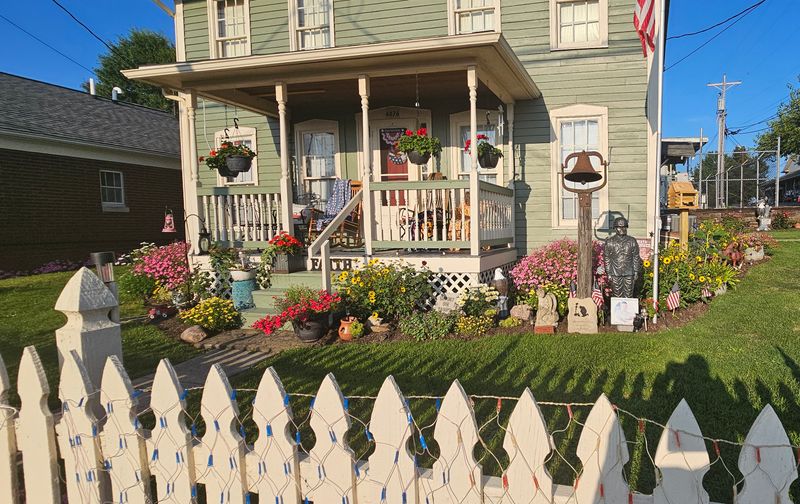
Weekend plans can collide with the quiet cadence of Sunday in Ohio’s Amish towns, where many shops pause for rest.
Visitors sometimes arrive to locked doors and dark windows, then scramble for activities that match the slower pace.
This rhythm anchors worship and family time, shaping business hours and the flow of small communities.
Check schedules for quilt rooms, greenhouses, and furniture shops, because family-run spots often maintain traditional closures.
Larger attractions may open, yet smaller venues typically pause, so adjust expectations before you set out.
A Saturday circuit is ideal for browsing handcrafted goods and speaking with artisans without rushing.
Use Sunday for scenic drives, covered bridges, and unhurried walks through village centers and parks.
Quiet streets become perfect for thoughtful photos of architecture without crowds or busy traffic.
Aligning with local routines shows care for tradition and enhances the welcome you feel in Ohio.
Honor the hush, and you will find rest that matches the landscape’s gentle curve and calm.
Many travelers discover that the slower pace invites reflection and a deeper reading of the landscape.
Even closed storefronts offer beauty in quiet porches, hand painted signs, and still gardens.
Local parks and winding backroads become ideal places to appreciate how the community spends its rest day.
A gentle schedule shift gives your trip structure without feeling restrictive or demanding.
Those peaceful hours often become the memories that linger longest once you leave Ohio.
5. Treating Church Districts Like Attractions
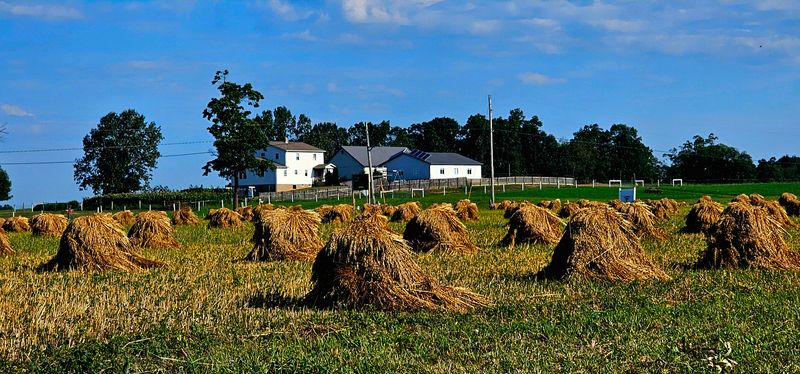
Maps mention church districts, but those are community boundaries, not sightseeing zones for curious visitors.
In Ohio, worship rotates among homes, and a driveway filled with buggies signals a private service, not an event to observe.
Pulling over to watch or take photos interrupts sacred time and unsettles families gathering in faith.
If you encounter a service in progress, continue driving and allow the moment to remain private.
Avoid lingering, photographing, or parking nearby, since even quiet spectators can feel intrusive on a solemn day.
Distance communicates respect better than conversation when people are focused on worship and community bonds.
For context, visit local museums or welcome centers that explain Amish lifeways in curated exhibits.
Staff can share background on customs, language, and education without risking disruption of real gatherings.
This approach preserves dignity while helping travelers understand Ohio’s religious traditions with clarity.
With discretion and thoughtful planning, you learn more and leave communities feeling seen, not scrutinized.
Community members often spend hours preparing for these gatherings, and privacy maintains the sense of sacred focus.
You honor that preparation by keeping your distance and continuing your route without hesitation.
Local museums can explain how congregations rotate hosting duties throughout the year.
Learning through curated spaces protects real gatherings from curiosity that might feel intrusive.
Thoughtful choices strengthen the trust that allows travelers to explore Ohio’s rural areas with ease.
6. Crossing Private Lanes for the Perfect Barn Shot
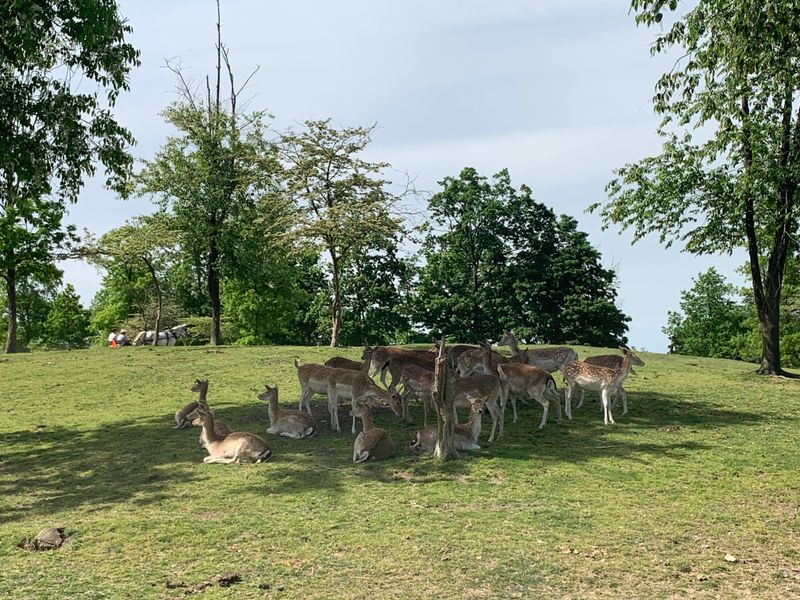
A postcard barn beyond a split-rail fence can tempt even careful travelers to step over a line for a better angle.
Crossing a private lane without permission is trespassing, and in Ohio’s Amish areas it creates frustration that lingers.
The fix is simple, stay on public roads or ask the owner before you approach a structure.
Many farms maintain roadside stands where introductions happen naturally and questions can be asked politely.
If someone is present, explain your interest and accept the answer, whether it is a yes or a no.
When no one is available, respect the boundary and seek a different vantage point along the road.
Public overlooks, township pull-offs, and park edges often deliver angles that are safer and cleaner.
A modest step back usually improves composition by including fence lines, fields, and leading curves.
Valuing property lines protects hospitality, which keeps Ohio’s countryside open-hearted and calm for visitors.
Choose restraint, and you will still leave with images that honor place and the people who live there.
Respect for property builds rapport that benefits the next traveler who visits after you.
Often the best photographs appear when you accept natural limits and let distance shape your framing.
A short lens change or reposition along the road can yield a more balanced and honest composition.
Pausing to appreciate sound, light, and open space adds depth that a closer angle cannot supply.
Choosing restraint lets the countryside remain uncluttered and keeps local families comfortable with visitors.
7. Misreading Reflectors and Flashing Lights Rules
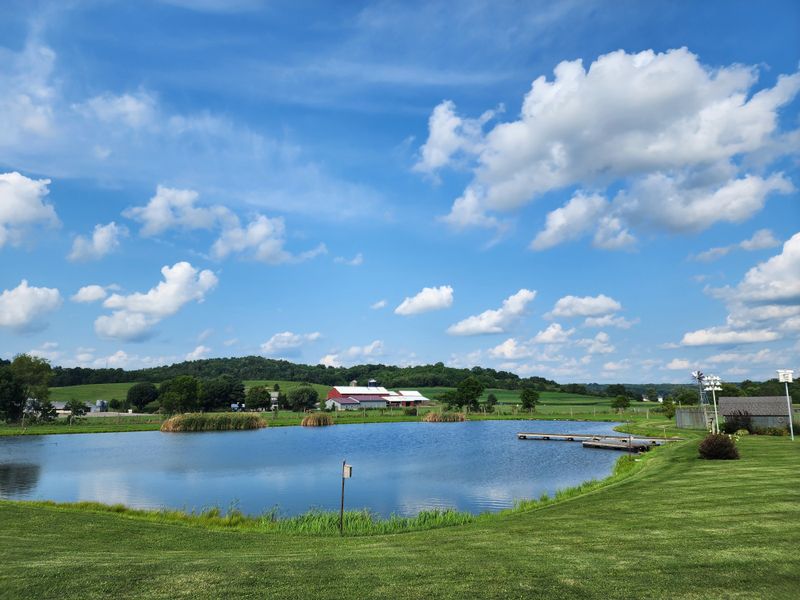
A yellow flashing light on an animal-drawn vehicle is a safety signal, not decoration for passing drivers to judge.
Ohio requires visibility markings on buggies, and details can vary by affiliation and local practice.
Debating equipment at the roadside creates discomfort and does not improve safety for anyone nearby.
Your role as a guest is to drive predictably, give space, and keep commentary private.
Slow down early, avoid tailgating, and let visibility guide your passing decisions on narrow stretches.
Traffic laws belong to local authorities who understand the terrain and the community context.
If you want deeper knowledge, read official guidance or regional reporting before you set out.
Clarity helps you recognize signals, reflectors, and triangles without second guessing families in transit.
With respectful driving, Ohio’s mixed traffic system functions smoothly for residents and travelers alike.
Focus on patience, and the road culture will feel calm, predictable, and safe from start to finish.
Understanding these symbols ensures smoother interactions along shared corridors where speeds vary widely.
Reflective tape patterns help you judge distance without relying solely on roadside lighting.
A calm response to unusual equipment signals respect for the diversity of transport methods here.
Consistent courtesy builds a safer road culture for everyone navigating Ohio’s rural stretches.
Your awareness becomes part of a broader rhythm that keeps travel steady and predictable.
8. Treating Farm Shops Like Tourist Displays
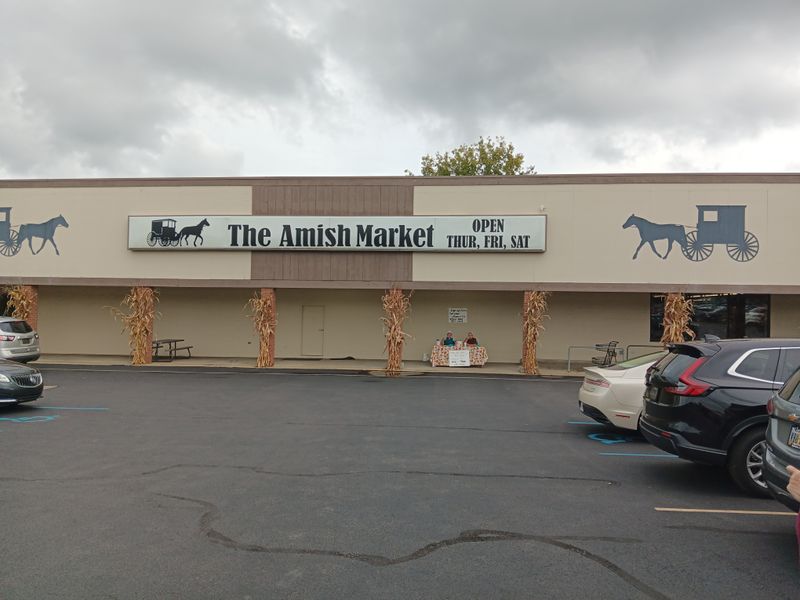
Small farm shops along Ohio backroads are working family businesses, not galleries designed for endless browsing.
Some travelers handle goods like museum pieces, then leave without a word, which can feel dismissive and careless.
Respect starts with careful hands, focused questions, and gratitude for time spent showing you the craft.
If you are not buying, minimize handling, step aside for customers, and thank the proprietor sincerely.
Consider small purchases that support the labor behind quilts, candles, baskets, and hand tools.
Expect a slower checkout rhythm, sometimes with handwriting and careful wrapping that signals pride.
Lean into the pace, admire the workmanship, and let conversation unfold without pressure.
Clear aisles for families arriving by buggy, and keep doorways free for quick in and out.
Good manners sustain community trust and keep Ohio’s artisan economy steady and welcoming.
Leave with respect, and the memory of craftsmanship will travel farther than any hurried souvenir.
Many proprietors juggle sales with production, so patience during checkout earns sincere appreciation.
Asking about materials or techniques often opens conversations that deepen your understanding of the craft.
Not every item is meant for browsing, so gentle handling communicates respect without words.
You help sustain small family economies when you treat each space as a workshop rather than an attraction.
Kindness in these shops creates lasting impressions that echo long after the visit ends.
9. Parking Like You Own the Lane
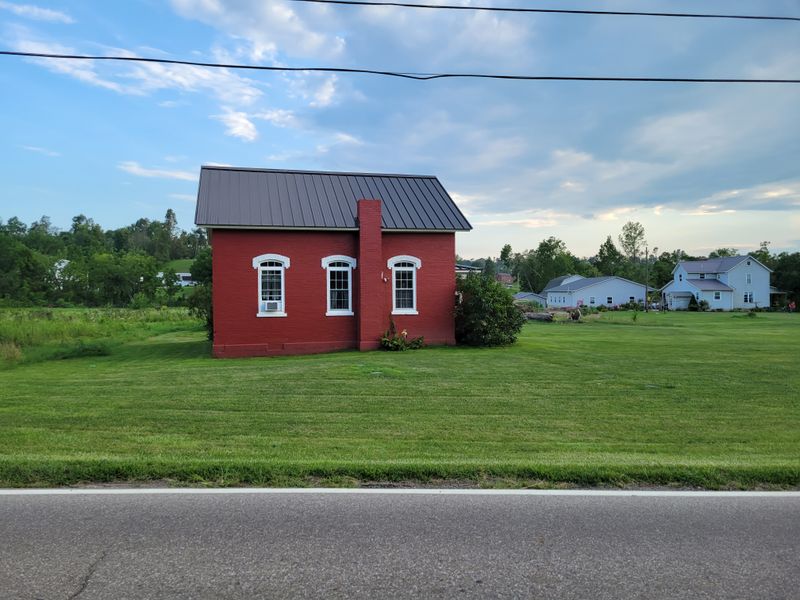
Narrow roads and gravel drives near Amish businesses in Ohio demand parking that keeps traffic flowing.
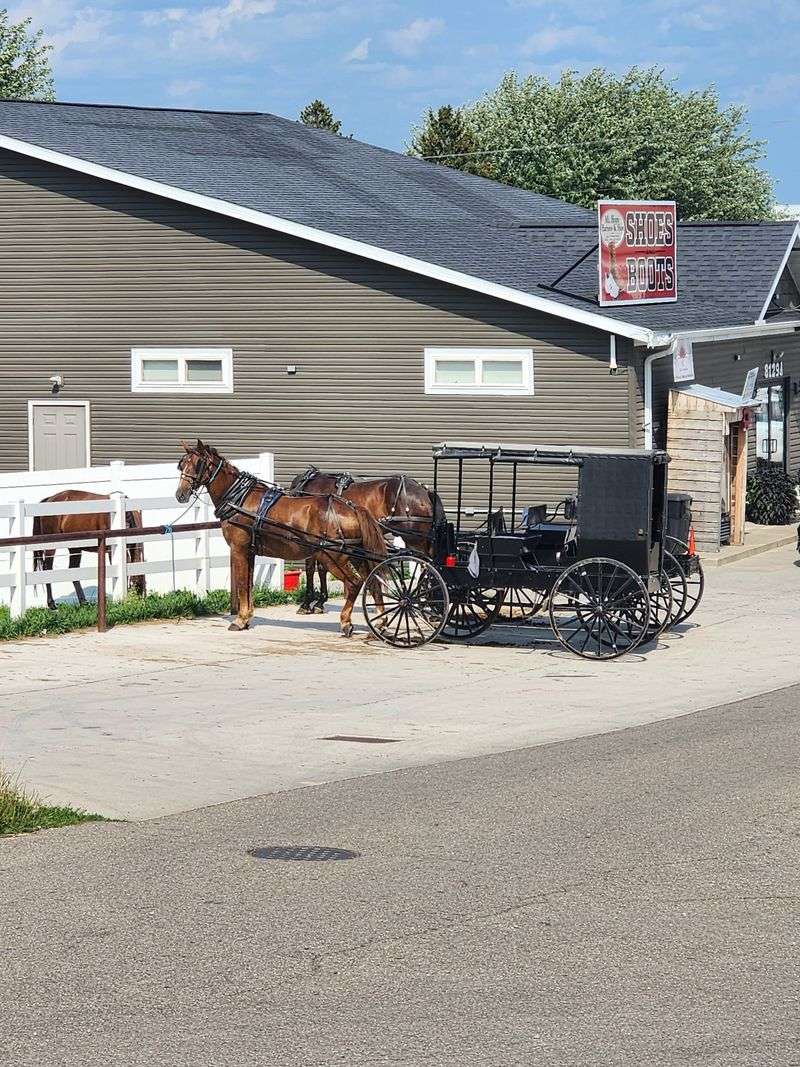
Blocking hitching rails or buggy pull-offs disrupts customers arriving by horse and complicates busy moments.
Those spaces are essential infrastructure, not overflow for cars when lots feel tight.
Look for posted signs, grass areas marked for visitors, or simple arrows guiding vehicles to safer spots.
When uncertain, ask a shopkeeper where to park and follow their directions exactly.
Keep lanes open for deliveries and families, and leave generous room to turn without backing chaos.
During peak times, a short walk from a proper space beats squeezing into risky gaps.
Patience prevents fender scrapes, stressed horses, and tense exchanges that echo after you leave.
Orderly parking supports the calm rhythm that makes Ohio’s small towns easy to love.
Respect the layout, and every arrival and departure will feel simple, courteous, and safe.
The simplest courtesy is often giving every vehicle type enough space to maneuver comfortably.
If you step back and assess the flow before parking, you will almost always find a clearer option.
Many sites rely on consistent parking habits to keep buggies and cars moving without stress.
A well chosen space shows awareness of how local families navigate daily errands.
When visitors park thoughtfully, the entire village feels more orderly and welcoming.
10. Chasing Night Sounds With Drones
Quiet defines the after dark experience in Ohio’s Amish towns, where the night belongs to stars and soft wind.
Launching a drone to capture rooftops or barns can violate local rules and disturb livestock and families.
Even when legal, the buzz cuts through the calm and changes the tone of the evening.
Research municipal ordinances, respect property lines, and avoid flying over people or private land.
Permission is the baseline, and without it, the ethical choice is to keep the drone grounded.
A tripod from a public spot delivers long exposures that honor stillness without intrusion.
Use low light techniques that showcase silhouettes, fences, and gentle sky glow over fields.
Silence is a community asset that visitors help preserve by choosing low tech methods.
When you honor the hush, Ohio rewards you with atmosphere that feels timeless and deep.
The night gives enough, and restraint lets the landscape speak clearly without mechanical noise.
Many communities value the chance to hear crickets, horses, and wind without interference.
Night flights can unsettle livestock that react instinctively to unfamiliar movement and noise.
Your choice to keep equipment grounded safeguards the peace families count on after long workdays.
Still photography from a respectful distance often results in images that feel more honest and atmospheric.
By preserving quiet, you contribute to the very experience that drew you to these towns in the first place.
Dear Reader: This page may contain affiliate links which may earn a commission if you click through and make a purchase. Our independent journalism is not influenced by any advertiser or commercial initiative unless it is clearly marked as sponsored content. As travel products change, please be sure to reconfirm all details and stay up to date with current events to ensure a safe and successful trip.
