Did you ever show up somewhere new and realize the rules aren’t quite what you expected? That’s the case for many tourists in Tennessee, where some of the laws still on the books are downright unusual.
They’re the kind of rules you don’t think about until someone points them out, and then you can’t help but laugh or scratch your head.
Imagine doing something totally normal back home, only to find out it’s technically against the law here. Most locals don’t even notice them anymore, but for tourists, they become part of the story of the trip.
I’ve had that moment while traveling before, where you stumble across a quirky rule and it instantly becomes a fun memory to share later. So if Tennessee is on your travel list, be ready to discover some strange laws along the way.
Horses Have The Right Of Way
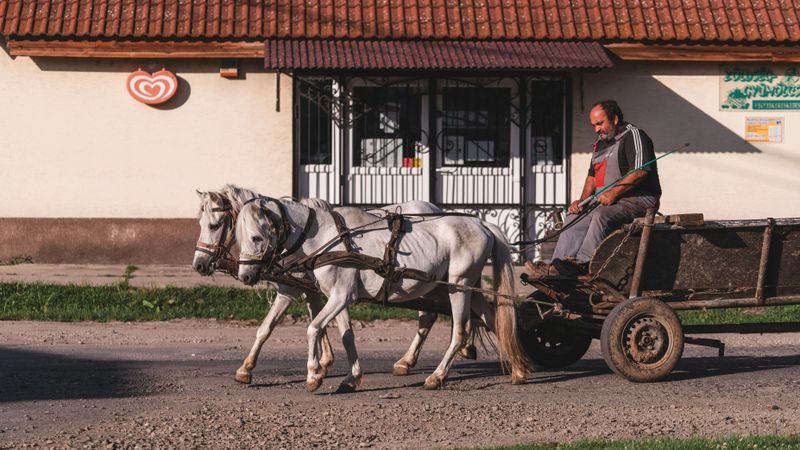
You will not expect it until you round a bend and see a horse and buggy.
This law is real and still on the books, and drivers must yield to horses and horse drawn vehicles.
Passing too closely can land you a citation and also spook the animal. This matters in rural areas and in Amish communities where road shoulders can be narrow.
Slow down early and give wide space so the rider feels steady and calm. Think about how noise and quick movement feel to a horse with big eyes on a busy road.
Ease off the horn because horns are only for safety and can startle here. Use gentle signals and wait for a safe gap rather than squeezing by.
In Tennessee, respect on the road includes humans and animals sharing it. You will see yellow warning signs that hint the route has regular horse traffic.
That is your cue to watch your mirrors and soften your speed a notch.
If a buggy turns, give extra time and do not crowd the rear wheel. The relaxed pace can feel nice after city driving and tight ramps.
It slows the day down and gives you a different view of the countryside. Take a breath, enjoy the quiet, and roll by like a considerate neighbor.
Your careful approach keeps everyone safe and keeps the trip light and easy.
You Can Be Ticketed For Driving Too Slowly
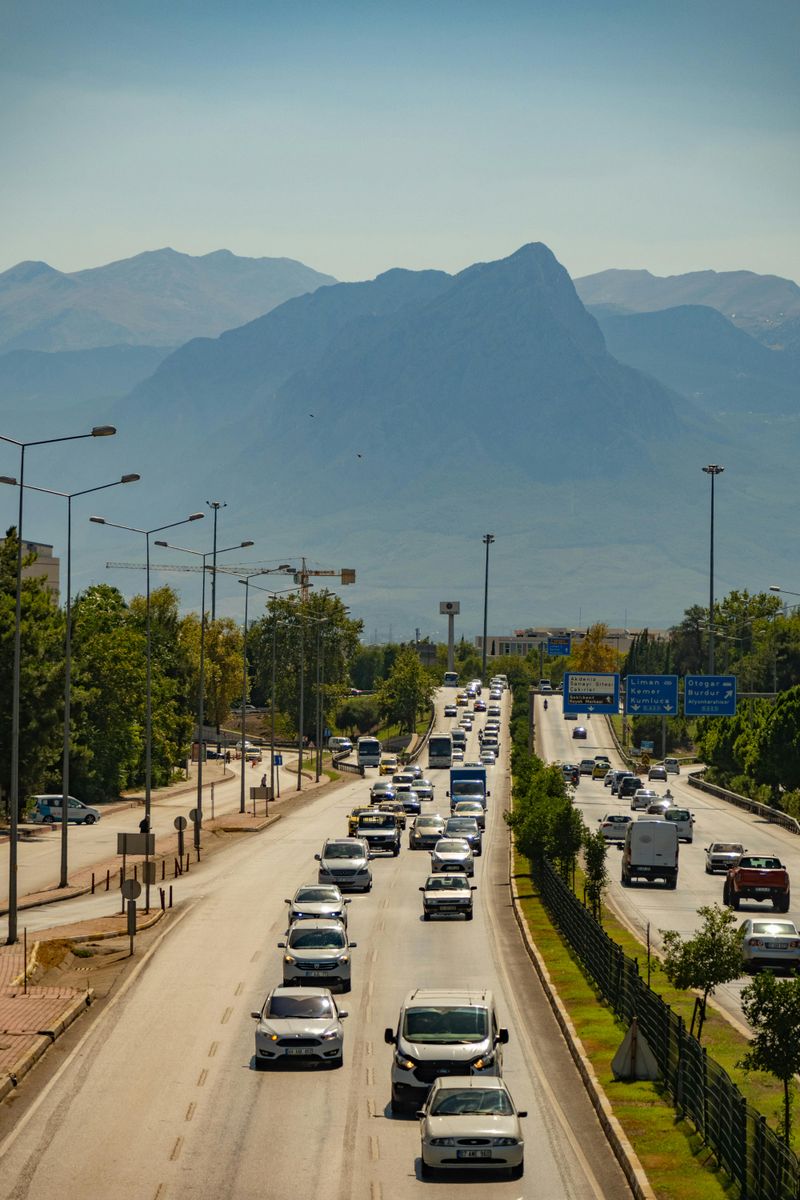
Here is a twist that trips up careful visitors every time!
Going under the speed limit is not always safe or legal if you impede traffic without cause. The state can cite you for blocking the flow even when you think you are being cautious.
Tourists creeping through unfamiliar roads get caught by this one on rolling hills. Keeping pace with traffic is expected and it helps prevent weird accordion waves.
Stay right unless you are passing and let faster cars move through smoothly. If you need extra time, pick a turnout or parking lot to regroup.
Use your navigation to preview exits so you are not guessing at the last second.
On scenic parkways, locals know the curves and keep a steady rhythm. Match that flow but hold a margin you feel comfortable with during new routes.
When the weather shifts, slow for safety and signal early so others read your plan. The key is not camping in the passing lane or creating rolling roadblocks.
I think of it like merging into a conversation without talking over anyone. Find your space, keep it consistent, and avoid sudden drops in speed.
That mix of courtesy and awareness keeps your drive calm and citation free. It also makes the day feel smoother as the miles blend into easy travel.
You Can’t Use Your Horn When You’re Irritated
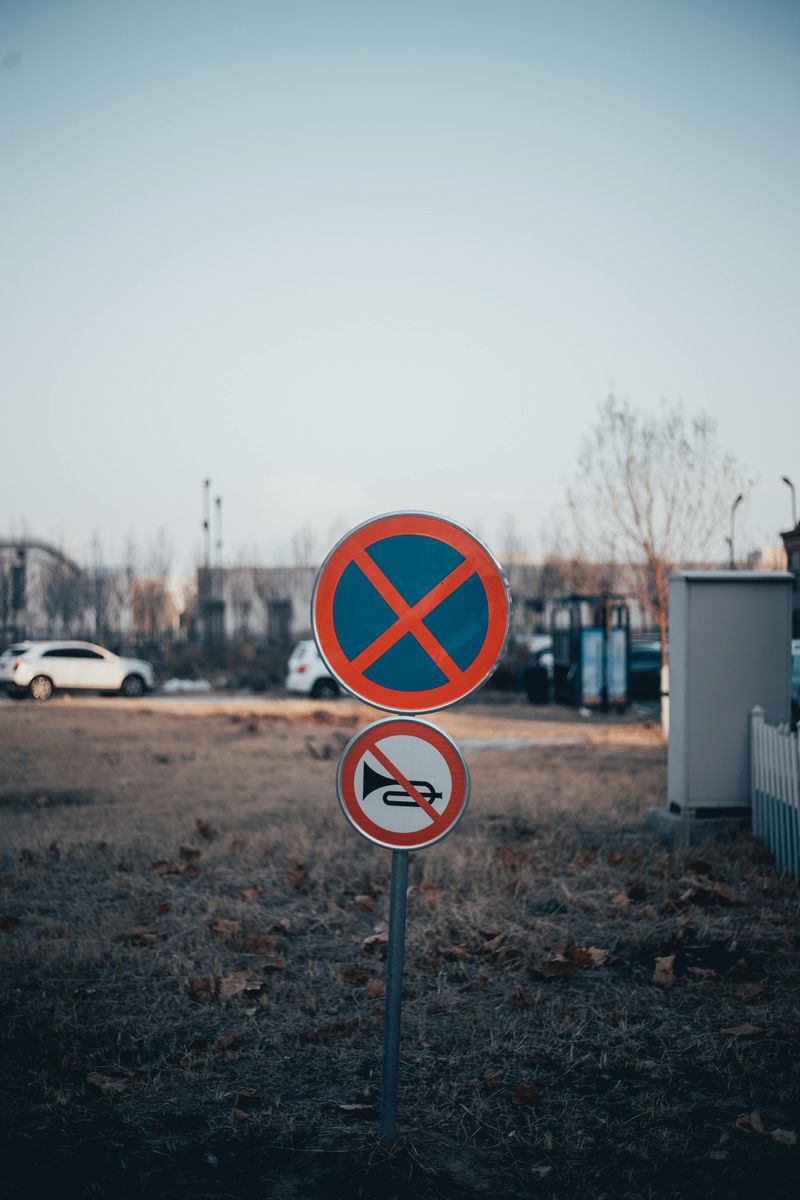
This one always makes people laugh at first: horns are for safety warnings only, not for venting during a tense merge.
Using them to express frustration can count as improper use under state rules. This law exists statewide, even if it does not get cited every time.
Honking can get attention you really did not want on a trip. If someone cuts in close, breathe and give space instead of leaning on the horn.
A quick tap for danger is fine because that is about safety and awareness. A long blare because you are mad is where you step over the line.
I keep a simple habit and ask myself if there is a risk to warn about. If the answer is no, I skip the noise and let the moment pass.
It is amazing how fast the tension fades when you do not feed it.
Tennessee roads go from city bustle to quiet rural lanes in minutes. Dropping the drama helps you adjust without carrying leftover stress.
Think of the horn like a seatbelt for sound, to be used when safety needs it. Save your voice, save your nerves, and keep the vibe relaxed and friendly.
Your trip will feel lighter and your focus will stay where it belongs.
You Must Use Headlights In The Rain

This rule sneaks up on sunny days that turn gray in a minute. If windshield wipers are on, headlights must be on too under Tennessee traffic rules.
Many tourists miss this during sudden pop up storms that drop visibility fast.
This is a real and enforced requirement, especially on highways with spray. Turning on lights helps other drivers see you through the mist and glare.
Autos often switch, but it is smart to double check the stalk when rain hits.
I treat wipers and lights like a team that always works together. When the first drops tap the glass, I click both so I do not forget later.
Tickets are common during heavy rain when officers watch for visibility mistakes. That quick flick saves you stress and makes lane changes clearer for everyone.
Clouds can roll over the hills and dim the road sooner than you expect. Good lighting gives you more time to read signs and notice brake lights ahead.
It is a simple habit that pays off mile after mile across the state. Your future self will thank you when the weather shifts twice in one hour.
Keep it easy, keep it bright, and let the storm pass without extra drama.
Throwing Trash From A Car Is A Serious Offense
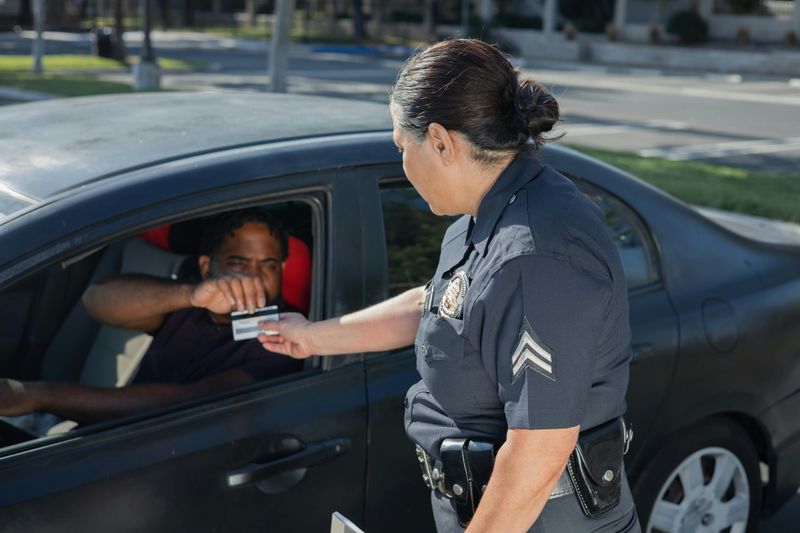
This one is not just a polite request, it is a real rule with teeth. Littering from a vehicle can bring heavy fines and sometimes community service.
Tennessee treats roadside litter aggressively because those scenic views matter to locals. Yes, even tossing a cigarette butt counts here and gets attention fast.
I keep a small bag in the door pocket so nothing flies out in the wind. When you stop for a stretch, hit a proper bin and keep the cabin tidy.
Highways cut through forests and along waterways that collect trash in a snap. A tiny wrapper on the shoulder can slide into a creek before you notice.
Enforcement ramps up near parks and interchanges where debris piles up quickly. People forget the smallest items make the biggest mess after a storm.
The state has pride in clean roads that feel welcoming and calm. Visitors help by making easy choices that show care for the land.
If a window is down, double check nothing lightweight sits near the edge. That habit saves you from chasing a receipt across a busy lot.
Keep trash inside until you find a can and you will be golden. Your route stays pretty and your day stays smooth, which feels good.
Motorcycles Don’t Have To Split Lanes
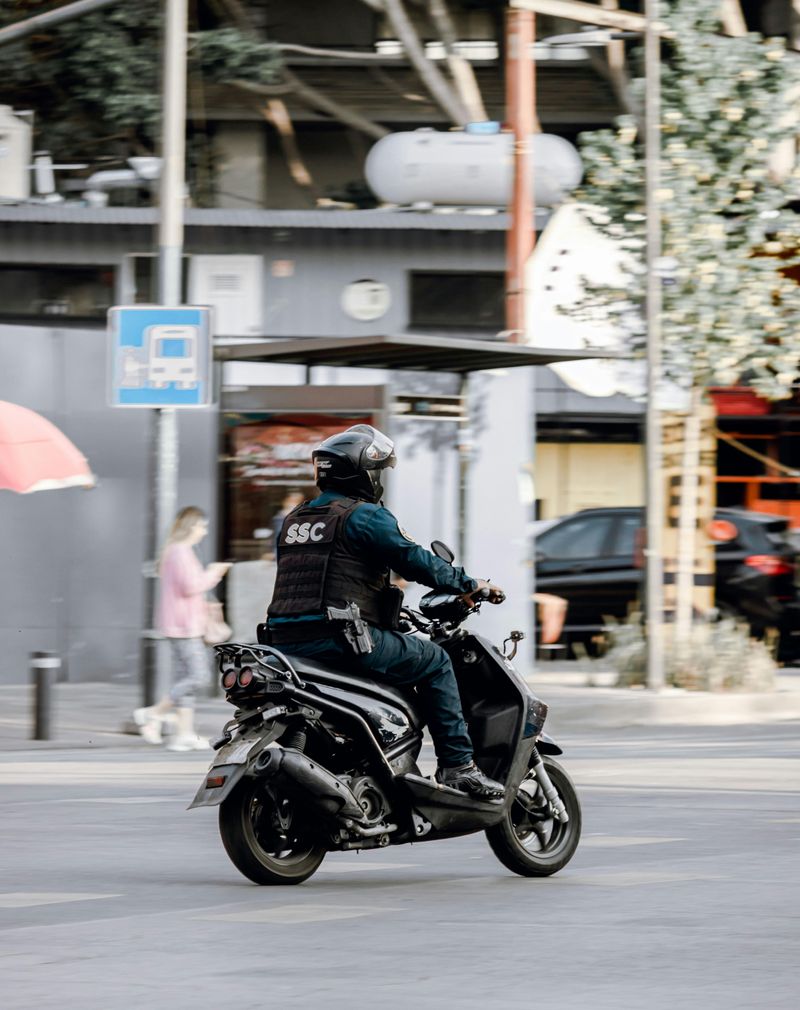
If you ride, this detail is worth a pause before you launch. Lane splitting is illegal in Tennessee, so motorcycles must stay within a single lane.
Tourists from states that allow filtering often get surprised at intersections. Police do enforce this and expect riders to queue like cars in traffic.
Plan for stops and leave space so you are not tempted to squeeze through. Group rides should stagger and keep clean gaps for visibility and reaction time.
I like a bright jacket and clear signals so drivers clock me early. That way I do not rely on quick weaving to be seen in busy spots.
On curvy roads, stay smooth and pick lines that keep you within your lane. The rhythm feels good and lets others predict your movement without guesswork.
City corridors can pack up fast near ramps and bridges during rush hours.
Holding your place reduces misunderstandings and keeps the energy calm. If a driver waves you ahead, take it slow and confirm with a nod.
Courtesy goes a long way when everyone is sharing tight space. Know the rule, ride the pace, and enjoy the scenery without hassle.
The miles will feel steady and the day will end with a happy engine.
You Can’t Ride In A Pickup Bed Under 12
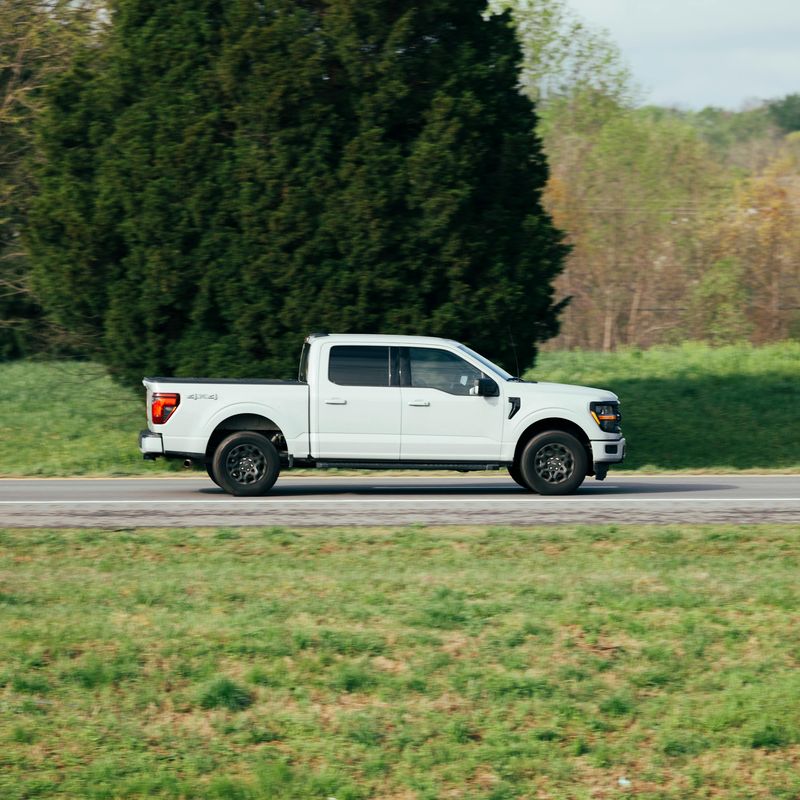
This detail surprises people who picture country roads and easy rides. Children under 12 may not ride in an open truck bed in Tennessee.
There are limited exceptions for farming and parades that do not cover tourists.
Tourists assume rural states relax about this, but Tennessee is not relaxed here. If your family is visiting, buckle everyone inside and skip the tailgate idea.
Officers look for open bed riders near trailheads and small town main streets. It is about safety when roads change speed quickly or pavement turns rough.
Trucks feel stable until a sudden stop tosses weight around without warning. When plans shift, make two trips rather than squeeze into a risky spot.
Friends will thank you later when the drive stays easy and calm. The rule keeps kids safe and keeps your day from getting complicated.
It also means you will arrive with the same relaxed mood you started with. Think comfort over convenience and the miles pass without a hiccup.
Set the plan before you load up and everyone follows without fuss. Your road trip through the state keeps rolling with smiles and no citations.
You Must Wear A Seatbelt, Even In The Back
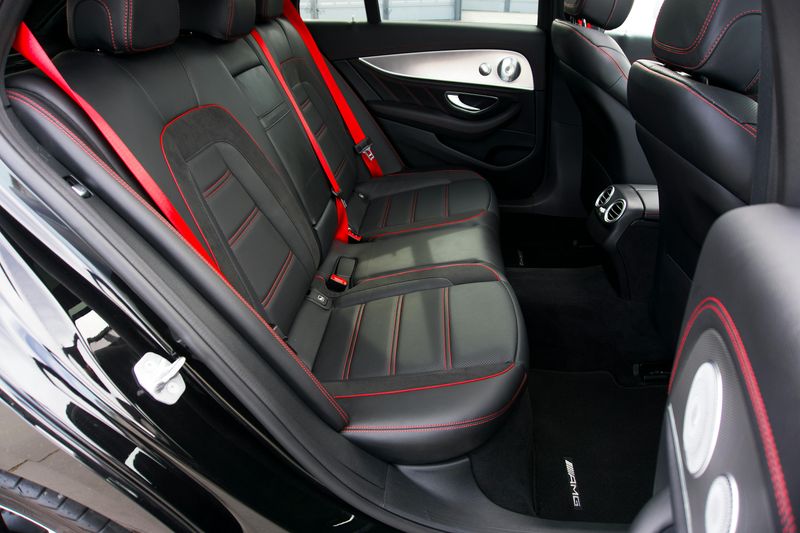
This is one you will want to set as a habit before the first mile. Tennessee requires seatbelts for all passengers and that includes adults in the back seat.
Police can pull you over for this alone because it is primary enforcement. Buckle clicks should be the soundtrack before the engine even turns over.
Back seat riders sometimes forget on short hops between neighborhoods and parks.
Make it easy with a quick group check and a thumbs up from the driver.
I remind everyone that belts keep you steady when a curve tightens unexpectedly. They also reduce distractions because people are not sliding on smooth seats.
In busy areas, sudden stops are normal and belts prevent awkward tumbles. On the highway, they keep naps comfortable and safe during long stretches.
No lectures here, just a small habit that pays off every day. It sets the tone that this trip runs on calm and common sense.
If someone forgets, pull over, click in, and reset the mood. That pause is faster than dealing with a preventable stop down the road.
Belts on, music low, and the route flows like a smooth river. Driving feels friendlier when everyone rides smart and relaxed.
Headphones In Both Ears Are Illegal While Driving

This one hides in the fine print and catches music lovers. Drivers may not wear headphones that cover both ears while operating a vehicle here.
One earbud is allowed so you can still hear sirens and horns around you. The law is about awareness because sound clues matter when traffic gets busy.
Tourists streaming playlists often miss this rule until someone taps the window.
Swap to one ear or use the car speakers and keep the vibe going.
I keep a small case on the dash so I can stash an earbud fast. That way I am not fumbling at a light or drifting in conversation with a song.
City streets layer sounds from buses, bikes, and quick turns at tight corners. Hearing clearly gives you an extra beat to react without drama.
On rural stretches, animals and tractors can appear sooner than expected. Your ears help you catch subtle cues that maps do not show.
It is a small change that makes driving smoother across the state. Set it before you roll and then forget about it for the day.
Simple rules like this one add up to less stress and fewer surprises. Enjoy the soundtrack while staying tuned to the world around your wheels.
You Can Be Charged For Splashing Pedestrians
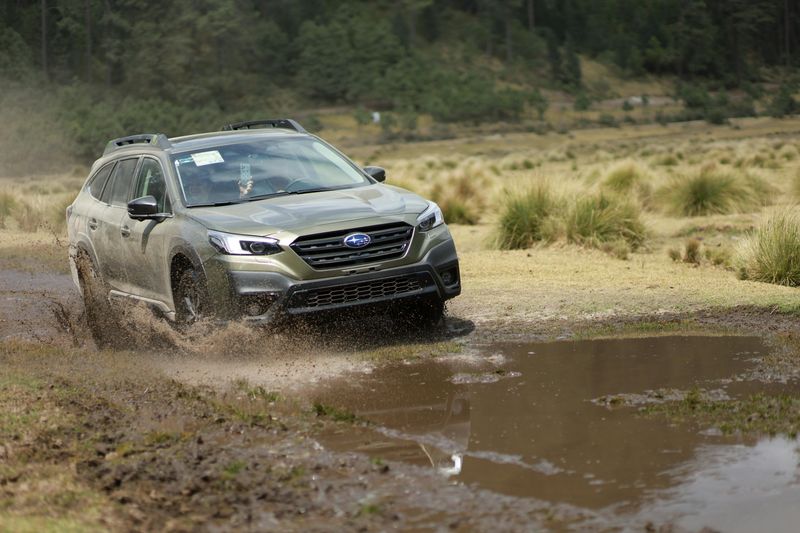
You would not think puddles come with rules, but here we are.
Intentionally splashing people with puddles can count as careless or reckless driving in Tennessee. This old school idea still applies today when streets fill up after a storm.
Yes, it can result in a real ticket if someone calls it in or an officer sees it. Slow for big puddles near sidewalks or crosswalks where people are waiting.
Angle your line to avoid the water and give a little extra space.
I tap the brakes early so the car settles before the wet patch. That small move keeps spray down and shows you are paying attention.
It feels like basic kindness mixed with good control of the car. In cities, drains can back up and make shallow lakes along the curb.
On those days, you will be glad you left extra room to steer.
People remember considerate drivers and the trip stays friendly and light. It is a simple habit that matches the respectful tone across the state.
Watch the sidewalks when clouds break and keep your speed easy. You will glide through wet streets without drama or soggy surprises.
Your shoes stay dry, their shoes stay dry, and your record stays clean.
Dear Reader: This page may contain affiliate links which may earn a commission if you click through and make a purchase. Our independent journalism is not influenced by any advertiser or commercial initiative unless it is clearly marked as sponsored content. As travel products change, please be sure to reconfirm all details and stay up to date with current events to ensure a safe and successful trip.
