Texas has a way of rewriting your expectations the moment you land, and its legal quirks turn that surprise into a story you will tell for years. Visitors hear rumors about offbeat rules and assume they are folklore, then find citations tucked into dusty municipal codes that feel oddly specific and strangely charming. These rules rarely see daylight in a courtroom, yet they color the culture, anchor local legends, and reveal how communities shaped their streets, storefronts, and public spaces. Read on and you will see why Texas keeps curious travelers flipping through history with a grin and a raised eyebrow.
1. Illegal To Milk Another Person’s Cow
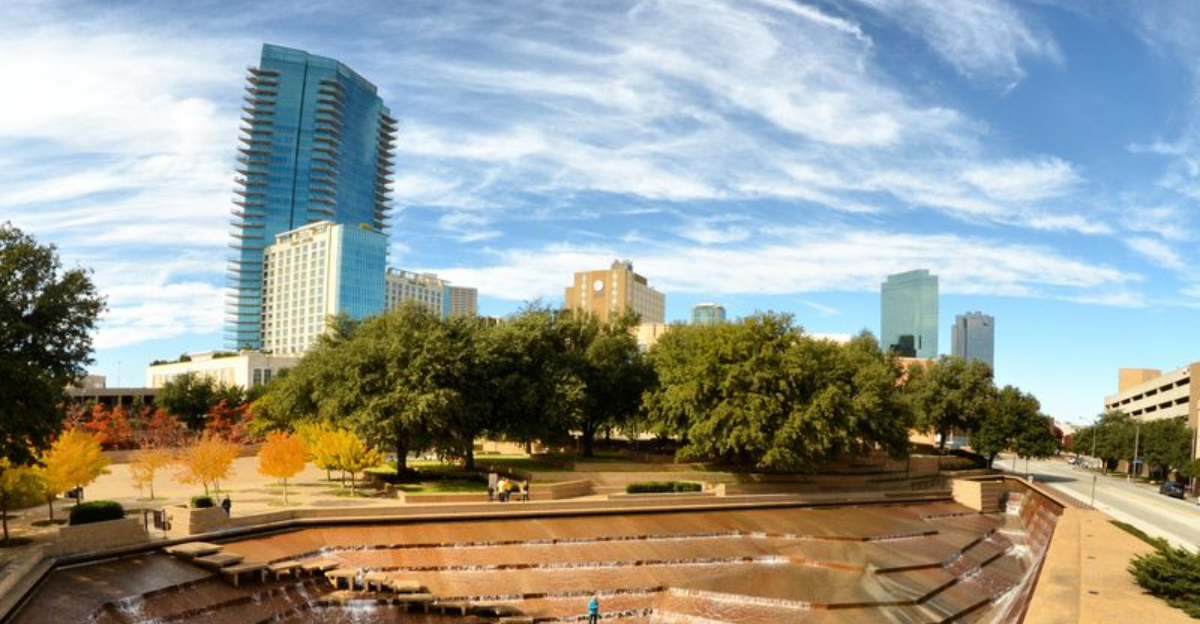
Walk into the Bullock Texas State History Museum at 1800 Congress Ave, Austin, TX 78701, and you will find how agricultural life shaped law.
One exhibit unpacks the 1925 provision that fined anyone who milked another person’s cow without permission, a tidy rule forged from property rights and rural routine.
The galleries use large photographs, rusted milk pails, and labeled tools to translate statute language into daily scenes from early Texas ranches.
Ambient lighting keeps the focus on artifacts, while carved wood benches offer a comfortable perch for reading long captions and timelines.
Visitors trace how a simple pail of milk becomes a legal boundary between neighborly trust and petty theft.
The architecture favors broad sightlines that guide you through eras without crowding your attention or pace.
Texas farming communities appear in the details, from fence posts to branding irons placed inside glass cases.
Audio stations play oral histories in soft loops, their voices anchoring dry legal codes in lived experience.
You leave with a sense that even tiny fines carried moral weight in small towns where everyone knew the herd.
The museum store downstairs sells books that expand on property law and ranch culture without losing the human thread.
Sit for a moment near the entrance and watch families connect the dots between quirky statutes and everyday chores.
Step onto the plaza at 1800 Congress Ave, Austin, TX 78701, and imagine the clink of milk cans at dawn.
2. A Permit Is Required To Walk Barefoot
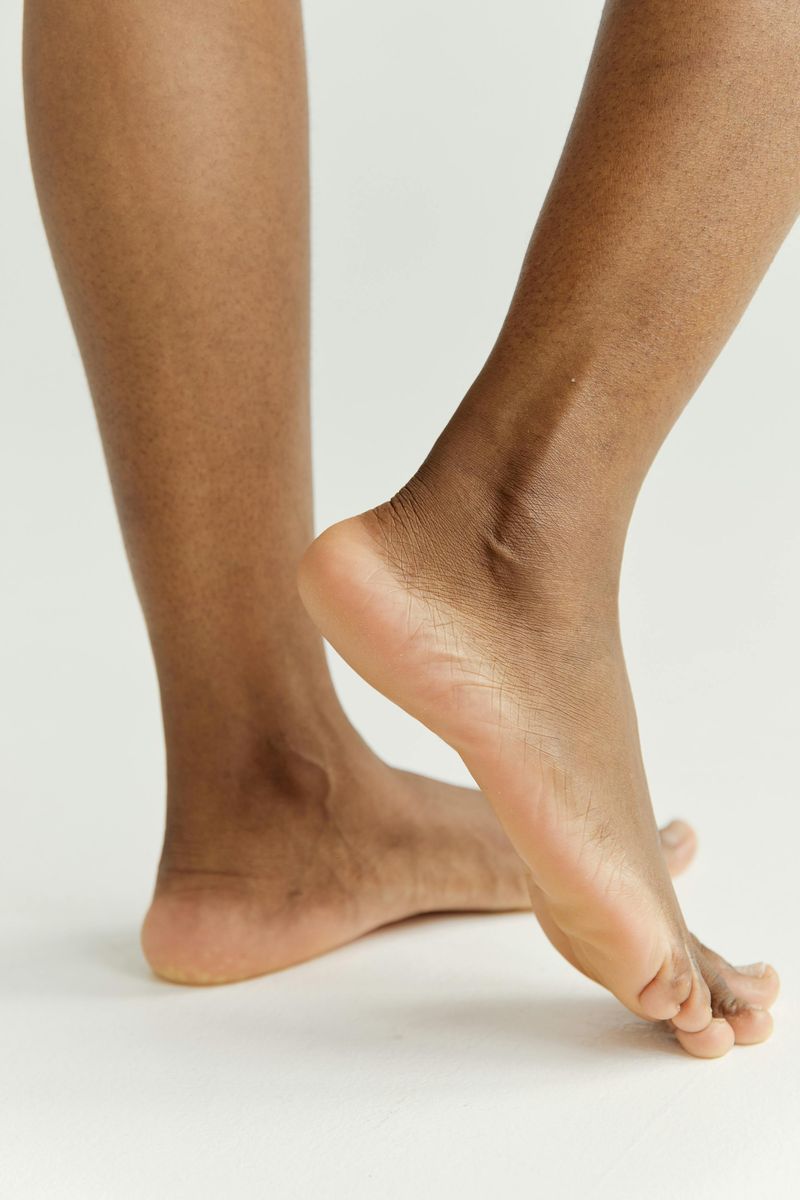
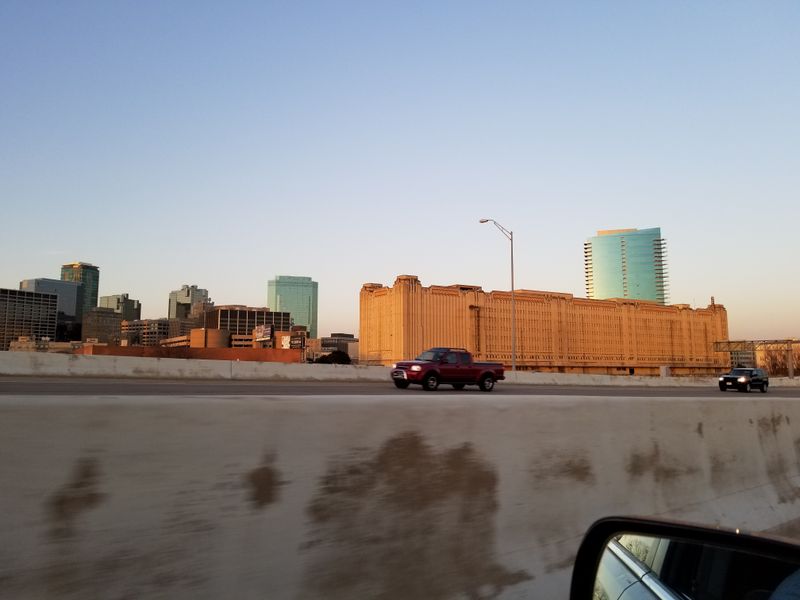
Stand inside City Hall at 301 W 2nd St, Austin, TX 78701, and you might hear a clerk mention an old barefoot permit that once cost five dollars.
The rule sounds theatrical, but it reflects how Texas towns tried to shape a clean, orderly public square in eras when street hygiene was a daily concern.
Architecture here leans modern, with glass walls and open seating that invites lingering conversation and curious questions about civic life.
The lobby feels like a civic living room, with benches arranged so neighbors can pause, file paperwork, and swap stories about rules that refuse to fade away.
Look toward the public records desk and you will find stacks of forms, digital kiosks, and friendly guidance that makes even obscure regulations approachable.
Visitors notice the rhythm of movement, from security screening to information boards that map out departments and community services with clear labels.
Offices upstairs host meetings where policy wonks, neighborhood advocates, and staff weigh tradition against practical needs.
The building’s wide corridors soften the bureaucratic mood, and public art adds a colorful counterpoint to the procedural atmosphere.
Curiosity often turns into a grounded appreciation for how cities evolve while carrying forward their quirks.
Texas appears in every hallway conversation, a reminder that local codes express statewide character in miniature.
Whether you enter to pay a fee or to learn the story behind one, the setting keeps the focus on community function.
Step back outside onto 301 W 2nd St, Austin, TX 78701, and the sunshine makes the whole legend feel surprisingly plausible.
3. Criminals Must Give 24-Hour Notice
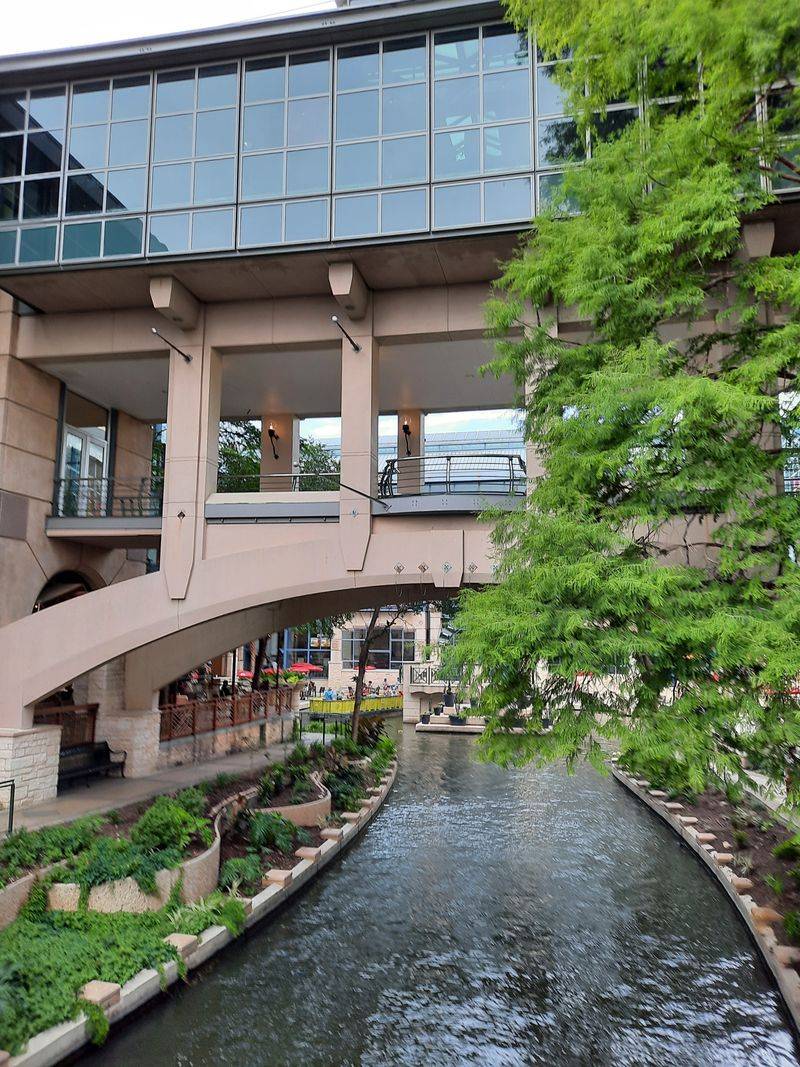
Inside the Texas Capitol at 1100 Congress Ave, Austin, TX 78701, docents often field questions about a strange idea that offenders must warn victims 24 hours ahead.
The building’s chambers echo with debate, and that echo colors the way visitors interpret odd provisions from earlier eras.
Granite walls and sweeping staircases present lawmaking as a public performance in a grand architectural shell.
Seating under the dome lets you pause and consider how deterrence sometimes took theatrical forms on paper.
Texas appears in every seal and star carved into railings, reminding you that statute language is part heritage and part cautionary tale.
Down the hall, framed documents and portraits lend context to how bills harden into rules that outlive their moments.
Natural light rinses the corridors, turning public reading into an almost ceremonial act.
Guides explain that some rules endure as reminders rather than active tools for prosecutors.
The hush invites reflection on consent, notice, and whether spectacle ever curbed intent.
Architecture here feels both practical and ornate, with chambers that balance acoustics and ritual.
You leave appreciating how a headline grabbing clause might really be a cultural artifact with a legal shell.
Step outside to 1100 Congress Ave, Austin, TX 78701, and the dome glows like a beacon for civic curiosity.
4. No Shooting A Buffalo From A Second Story Hotel Window
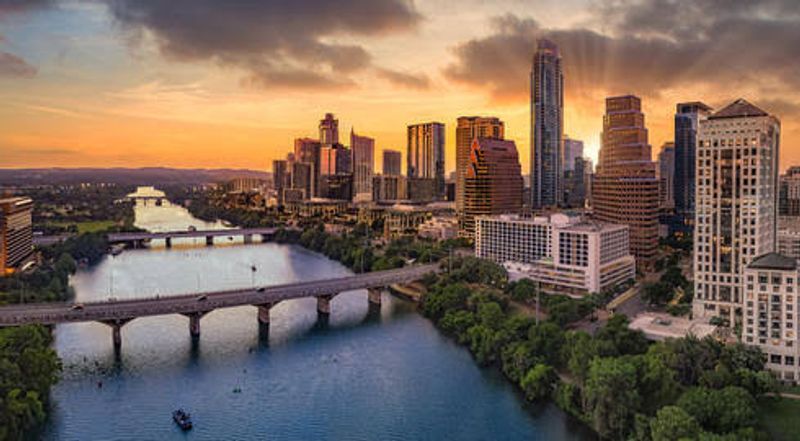
The Driskill Hotel at 604 Brazos St, Austin, TX 78701, frames a legend about rules that once forbade shooting a buffalo from a second floor window.
Step into the lobby and the marble floors, high ceilings, and oil portraits set a stage where frontier myths meet city polish.
Texas history lingers in the staircases and carved railings, hinting at a time when wildlife drifted near commercial corridors.
Second floor corridors run past tall windows, but today they frame downtown traffic instead of thundering herds.
The hushed atmosphere encourages quiet storytelling, the kind that reduces exaggeration to a grain of truth.
Seating clusters pull you into conversations about how laws evolve while memories keep their flare for drama.
Staff will point you toward historical displays that explain the building’s long timeline and its parade of travelers.
The architecture mixes Romanesque arches with refined Victorian detailing that photographs beautifully in afternoon light.
You can almost feel an era when the street outside was a threshold between wild range and orderly boulevards.
Texas pride shows up in the art, patterns, and carefully restored woodwork that keeps history close at hand.
This is the perfect setting to weigh a highly specific ordinance that reveals how cities respond to colorful behavior.
Step back onto the sidewalk at 604 Brazos St, Austin, TX 78701, and you will notice how myths cling to corners.
5. Illegal To Sell Your Eyes
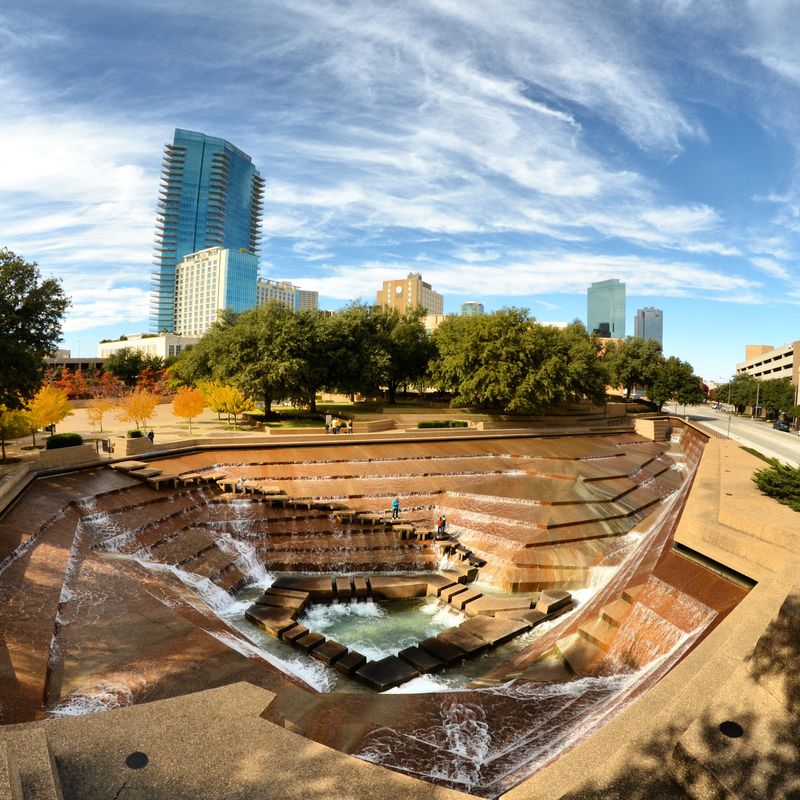
Visit the Health Discovery Building at 1701 Trinity St, Austin, TX 78712, and you will encounter exhibits that touch ethics, medicine, and regulation.
Texas law bars the buying or selling of human organs, and that includes eyes, alongside other vital tissues and parts.
Interactive screens make dense statutes easier to follow with clear definitions and practical scenarios for lay readers.
Study nooks with soft seating invite careful reading, while frosted glass partitions keep sound at a respectful hush.
The building favors daylight and open atriums that signal scientific transparency paired with civic responsibility.
Panels explain the difference between donations, reimbursements for travel, and impermissible transactions.
You leave with a hands on grasp of how health policy protects vulnerable people from coercion and confusion.
Architecture uses smooth concrete and warm wood to balance clinical clarity with human warmth.
Texas universities often present difficult topics with direct language and case studies that feel grounded.
Docents emphasize that hair and blood are treated differently, reflecting a careful line in policy thinking.
Every seat seems placed for conversation, with small tables that host quiet debates about consent and value.
Step back out to 1701 Trinity St, Austin, TX 78712, and the campus energy carries the lesson forward.
6. Cars Do Not Need A Windshield, But Must Have Wipers
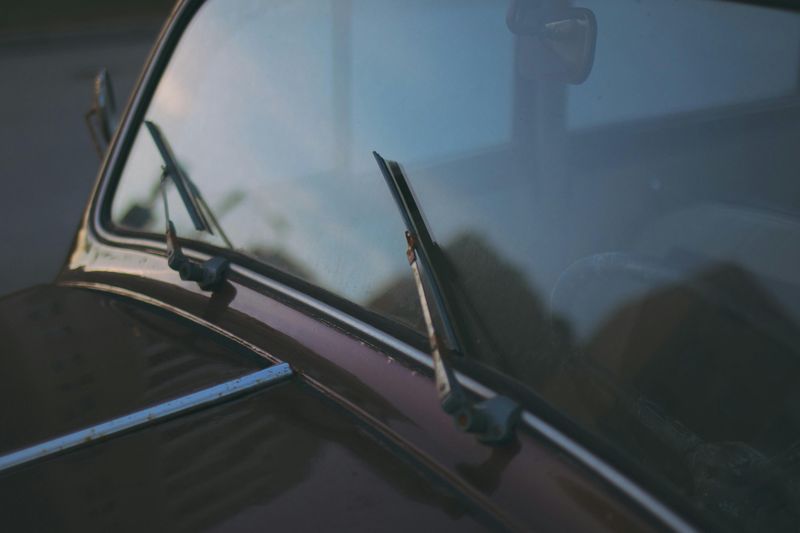
Pull into an inspection lane at 1006 S Congress Ave, Austin, TX 78704, and the rule hits you as soon as the tech checks the wipers.
Texas inspection standards do not require a windshield, but functional wipers are a must to satisfy the checklist.
The garage mixes rubber scents with humming fans, and the seating nook offers a compact view of the bay.
Plastic chairs face a window where you can watch technicians test signals, tires, and oddball setups that roll in.
Architecture is utilitarian, a box of cinder block and bright paint that communicates clarity and compliance.
Placards on the wall explain criteria in plain terms so nothing hinges on insider knowledge or jargon.
When a roadster without glass appears, the team documents the presence of wipers and marks the record accordingly.
Texas pragmatism shines in this pairing of unusual freedom and specific safety function.
Payment happens at a small counter with a tidy drawer of stickers and stapled receipts.
You leave with paperwork that satisfies the state and a story about the strangest inspection line you have seen.
The waiting room’s vending machine and bulletin board add hometown texture to a technical process.
Step outside 1006 S Congress Ave, Austin, TX 78704, and the traffic feels newly interesting to watch.
7. Spittoons Required In Public Buildings (El Paso)

At El Paso City Hall, 300 N Campbell St, El Paso, TX 79901, a quiet records room preserves a law about spittoons in public buildings.
The ordinance once demanded enough receptacles to handle expectoration in churches, banks, hotels, and meeting halls.
Texas border history lives in these files, where health rules marched alongside rapid growth and regional trade.
Long counters and metal shelving frame a calm space for browsing minutes, resolutions, and ledger bound ordinances.
Seating is simple and functional, a few chairs near copy stations that hum like small engines.
The room’s neutrality helps the past speak without theatrics, letting its practical tone lead the way.
Old photographs reveal brass spittoons lined like punctuation marks along walls and pews.
Staff will point you to index numbers that make the paper trail easy to follow back through decades.
Architecture outside is clean and contemporary, but inside the records feel stubbornly tactile.
Texas civic culture shows up in meticulous cataloging and courteous guidance for researchers.
You step away with a better grasp of how sanitation shaped public etiquette and interior design.
Stand again at 300 N Campbell St, El Paso, TX 79901, and the desert air feels freshly scrubbed by history.
8. Illegal To Eat Your Neighbor’s Garbage

In a quiet Austin neighborhood near the Austin Code Department at 6310 Wilhelmina Delco Dr, Austin, TX 78752, the curb tells a story about property lines.
Texas law treats unauthorized rummaging as potential theft or trespass, even when the bag looks abandoned at the street.
The office nearby helps residents navigate complaints, citations, and the fine print of local enforcement steps.
Benches in the lobby offer a moment to cool down before filing a report or asking for mediation tips.
Architecture favors efficient corridors and labeled counters that guide first time visitors without stress.
Flyers explain how to document issues with photos, dates, and conversation records to keep conflicts civil.
You learn that courtesy often solves what statutes only frame in rigid lines.
Texas neighborhoods value privacy, but they also value clear communication about boundaries and bins.
Outside, the block patterns show how sidewalks, driveways, and shared alleys shape perception of ownership.
Morning light catches the lids, and that simple detail anchors a larger lesson about respect.
The building’s small seating area feels like a pause button for disputes that need structure.
Step onto 6310 Wilhelmina Delco Dr, Austin, TX 78752, and you might notice how quiet solutions travel fast.
9. Illegal To Carry Wire Cutters In Your Pocket In Austin
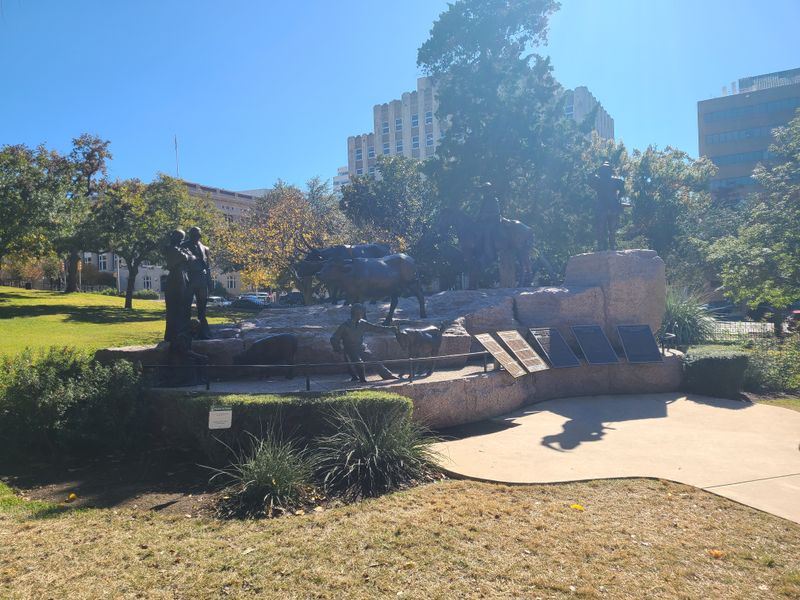
Travis County Historical Commission materials at 700 Lavaca St, Austin, TX 78701, recall an Austin era when carrying concealed wire cutters crossed a legal line.
The lobby hosts rotating cases where rusted tools sit beside plain language summaries of fence cutting conflicts.
Texas ranching history threads through every caption, explaining how open range habits collided with barbed boundaries.
Benches along the wall let you read while office traffic moves at a steady clip behind glass doors.
Architecture here is modern civic, a stack of concrete planes softened by wood accents and sunlight.
The exhibit tone is steady rather than sensational, which makes the law’s blunt edge easier to absorb.
You see how one tool became a symbol for bigger fights over land, access, and resentment.
Staff can point you toward archives that map the dispute from newsprint to statute book.
Texas identity emerges in the balance between personal freedom and shared order.
The glass cases turn everyday objects into artifacts that carry the weight of collective memory.
After reading, you will spot barbed wire with a new awareness of its social history.
Step outside 700 Lavaca St, Austin, TX 78701, and the city grid feels carefully stitched together.
10. Odd Fishing Rules And Handholds
Stand at Emma Long Metropolitan Park, 1600 City Park Rd, Austin, TX 78730, and read the fishing boards that line the entry road.
Texas water rules can restrict techniques that seem folksy, especially hand grabbing or unconventional tackle in some zones.
The shoreline here gives you space to weigh tradition against conservation while birds flicker over the surface.
Picnic tables sit under oaks that filter the sun into gentle patterns on the ground.
Architecture is minimal, just shelters and grills that frame the river rather than dominate it.
Rangers post updates that keep anglers aligned with seasons, limits, and legal methods.
Conversations near the boat ramp often turn to oddities that sound apocryphal until you see the code citation.
Texas parks treat education as the first tool of enforcement, which keeps the mood friendly and clear.
The water’s slow current makes the rules feel practical rather than fussy.
Benches give newcomers a place to plan gear choices before lines ever touch water.
You leave with a sense that careful technique honors both fish and fellow visitors.
Drive past 1600 City Park Rd, Austin, TX 78730, and the river looks newly legible to your eyes.
11. Keep The Hooves Off The Sidewalk
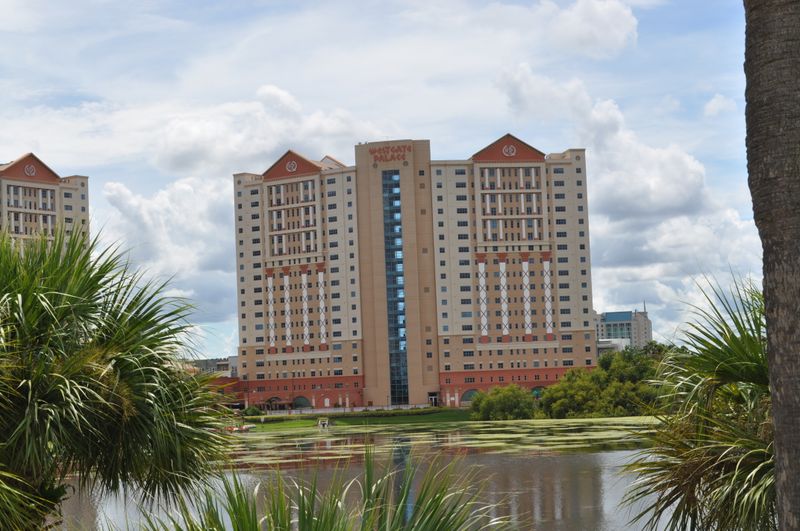
On the square by Georgetown City Hall at 808 Martin Luther King Jr St, Georgetown, TX 78626, you may find references to livestock control on sidewalks.
Cities once policed hooves and herds near storefronts to protect shoppers and delicate boardwalks from damage.
Texas town centers grew from dusty trails into tidy grids where commerce required careful choreography.
Benches under shade trees face limestone facades that glow a soft gold before sunset.
The architecture here blends courthouse grandeur with modest shopfronts that keep the square human in scale.
Local signs and pamphlets explain how animal ordinances shaped streetscapes and daily rhythms.
Conversation drifts from history to modern pet etiquette, connecting past rules to present courtesy.
Sidewalk cafes add rhythm without overwhelming the quiet pace of courthouse afternoons.
The old concern for safety reappears in bike racks, crosswalks, and planter boxes that guide flow.
Texas culture breathes in limestone textures and clean brick patterns that anchor a sense of place.
You finish the loop with a fresh appreciation for how small rules keep public life smooth.
Return to 808 Martin Luther King Jr St, Georgetown, TX 78626, and the square feels tidier than before.
Dear Reader: This page may contain affiliate links which may earn a commission if you click through and make a purchase. Our independent journalism is not influenced by any advertiser or commercial initiative unless it is clearly marked as sponsored content. As travel products change, please be sure to reconfirm all details and stay up to date with current events to ensure a safe and successful trip.
