
Rolling hills and farmland stretch across Kentucky’s countryside, where Amish communities have quietly built their lives for generations.
Visitors who venture into these rural pockets find themselves stepping into a world that moves at a slower pace, guided by customs and traditions that feel both fascinating and mysterious.
Understanding the unspoken rules that govern daily life in these regions can help travelers show respect while experiencing something truly unique.
From dress codes to photography etiquette, these guidelines shape every interaction and offer a window into a culture that values simplicity, faith, and community above all else.
Photography Is Considered Disrespectful

Cameras and smartphones have become so common in modern travel that most visitors don’t think twice about snapping pictures wherever they go.
However, Amish communities in Kentucky follow strict religious beliefs that discourage having their photographs taken, viewing it as a form of vanity that conflicts with their humble way of life.
The practice stems from biblical interpretations about graven images and the desire to avoid pride or drawing attention to oneself.
When travelers arrive in areas like Casey County or Hart County, where Amish settlements thrive, they quickly notice the absence of posed family photos or selfies with locals.
Many visitors feel tempted to capture the picturesque scenes of horse-drawn buggies rolling past red barns or children in traditional clothing working in gardens.
Yet taking such photos without permission can cause genuine offense and discomfort to community members who view it as an invasion of their privacy and beliefs.
Some Amish individuals may politely turn away or shield their faces if they notice a camera pointed in their direction.
Respecting this boundary shows cultural sensitivity and helps maintain the trust between visitors and residents.
If you absolutely must photograph the landscape or architecture, be mindful to ensure no Amish people appear in your frame.
Many travelers find that simply observing and mentally recording these moments creates more meaningful memories than any photograph could capture.
The experience of witnessing this lifestyle firsthand, without the distraction of a camera lens, often leaves a deeper impression on those who visit.
Modest Dress Expectations for Visitors
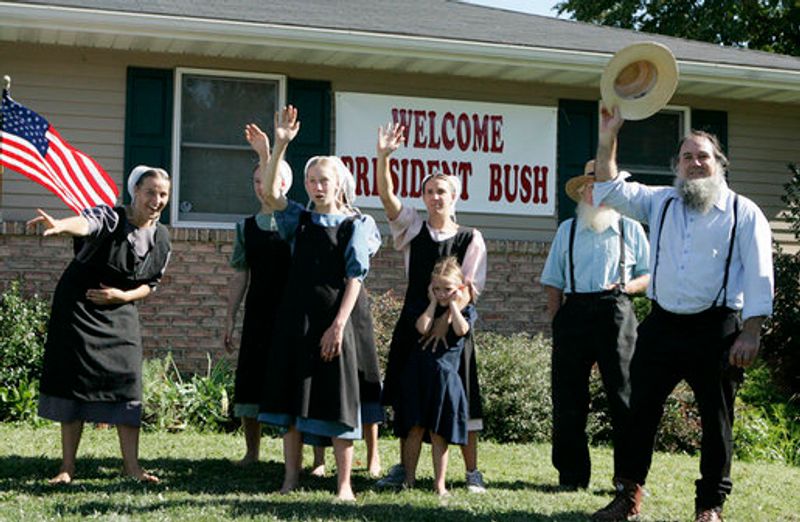
Walking through an Amish community in Kentucky means entering a space where clothing choices carry significant meaning and reflect deeply held values.
While visitors aren’t expected to dress exactly like community members, showing up in revealing or flashy attire can create awkward situations and demonstrate a lack of awareness.
Amish culture emphasizes modesty as a way to honor God and avoid drawing unnecessary attention to physical appearance.
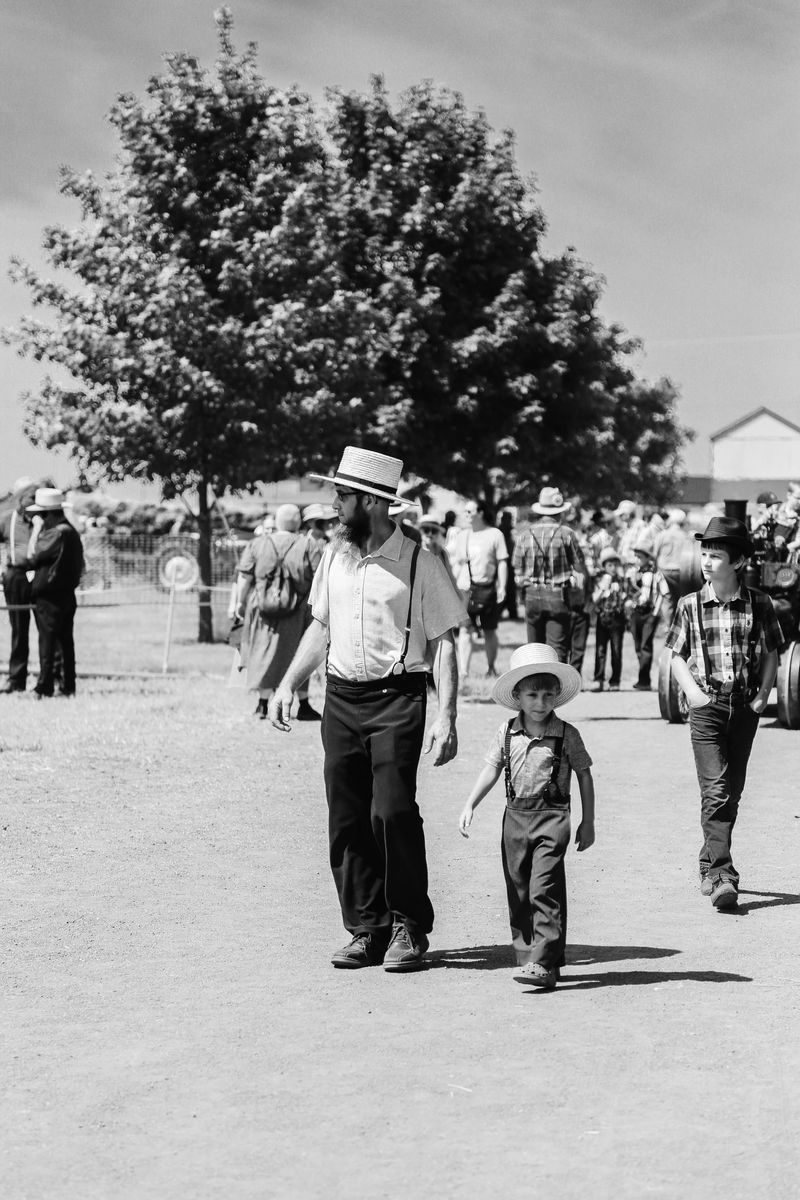
Women in these communities typically wear long dresses with aprons and head coverings, while men don plain shirts, trousers with suspenders, and wide-brimmed hats.
Travelers who dress in shorts, tank tops, or clothing with loud patterns or brand logos may find themselves receiving uncomfortable glances or feeling out of place.
Choosing conservative clothing like long pants or knee-length skirts, along with shirts that cover the shoulders, demonstrates respect for the local customs.
This consideration becomes especially important when visiting Amish-owned businesses, attending community events, or shopping at roadside stands.
Many visitors report feeling welcomed more warmly when they make an effort to dress appropriately for the setting.
The gesture signals that you understand and value the cultural differences rather than treating the community as a tourist attraction or living museum.
Packing a light cardigan or shawl can help you quickly adjust your outfit if you realize you’re underdressed for the environment.
This small act of preparation can make your interactions smoother and more comfortable for everyone involved.
Sunday Is Strictly Reserved for Worship

Planning a weekend trip to Kentucky’s Amish regions requires careful consideration of the community’s religious observances and weekly rhythms.
Sunday holds sacred significance for Amish families, dedicated entirely to worship, rest, and spending time with loved ones rather than conducting business or entertaining visitors.
Shops, bakeries, furniture stores, and roadside stands that welcome customers throughout the week remain firmly closed on this day of rest.
The tradition follows biblical commandments about keeping the Sabbath holy and reflects the community’s commitment to prioritizing spiritual life over commercial activities.
Travelers who arrive on Sunday expecting to browse handmade quilts, sample fresh baked goods, or purchase wooden crafts will find themselves disappointed and out of luck.
Even driving through Amish neighborhoods on Sunday can feel intrusive, as families gather for lengthy church services held in homes or barns on a rotating basis.
The roads typically remain quiet, with fewer buggies traveling except to and from worship gatherings.
Visitors who understand this practice can plan their trips for weekdays or Saturdays when businesses operate and community members feel more open to interactions with outsiders.
Respecting Sunday as a day when the community withdraws from public commerce shows cultural awareness and consideration.
Many travelers find that visiting on other days leads to better experiences anyway, with more opportunities to chat with shopkeepers and observe daily life in action.
The rhythm of Amish life revolves around these religious observances, and honoring them helps preserve the peaceful coexistence between tourists and residents.
Cash Is the Only Accepted Payment

Modern payment methods have revolutionized shopping for most Americans, but Amish communities in Kentucky operate on a different system altogether.
Credit cards, debit cards, and mobile payment apps remain absent from nearly all Amish-owned businesses, replaced by the simple exchange of paper money and coins.
This preference for cash transactions aligns with the community’s broader rejection of modern technology and financial systems that could entangle them in worldly concerns.
Many Amish families avoid opening bank accounts or using credit, viewing debt and electronic money as potential sources of temptation and dependence on outside institutions.
Travelers accustomed to tapping their phones or swiping cards for every purchase often forget to bring sufficient cash when visiting these rural areas.
Finding an ATM near Amish settlements can prove challenging since these communities typically exist far from commercial centers and banking facilities.
The nearest cash machine might require a twenty-minute drive back toward town, turning a quick shopping trip into a lengthy detour.
Smart visitors stop at their bank or an ATM before heading into Amish country, bringing enough bills to cover anticipated purchases plus a little extra for unexpected finds.
Prices at Amish businesses often run lower than retail stores anyway, making the cash requirement feel less burdensome once you see the quality and value.
Shopkeepers appreciate exact change when possible, though they typically keep small bills and coins on hand for making change.
This cash-only approach might seem inconvenient at first, but it creates a refreshingly straightforward transaction experience free from processing fees or technical glitches.
Buggies Always Have the Right of Way
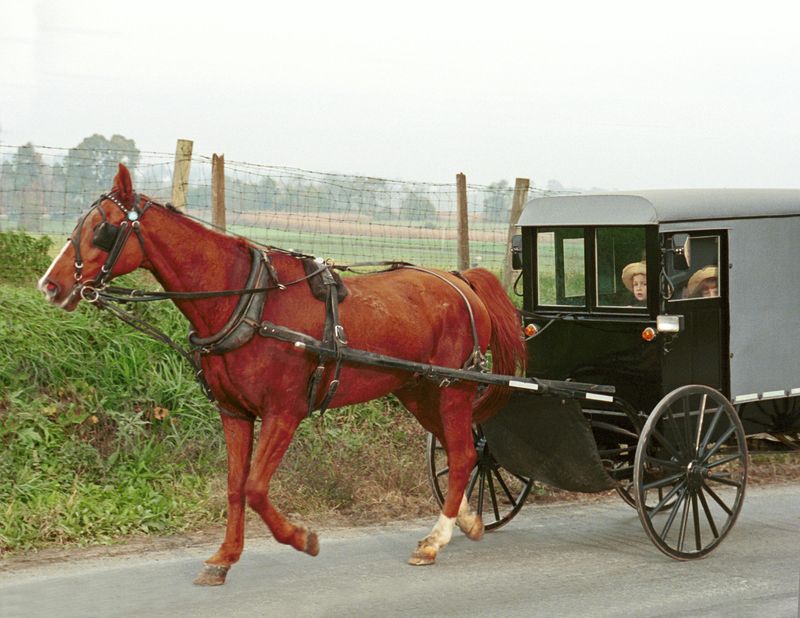
Driving through Kentucky’s Amish regions presents unique challenges that urban and suburban motorists rarely encounter in their daily commutes.
Horse-drawn buggies share the roadways with cars and trucks, creating situations that require patience, caution, and a willingness to slow down considerably.
These buggies travel at speeds between five and ten miles per hour, meaning vehicles approaching from behind must reduce their pace dramatically or wait for safe passing opportunities.
The unspoken rule among locals and respectful visitors is that buggies always receive priority, regardless of traffic laws that might technically apply to all road users equally.
Rushing past a buggy on a narrow country lane or honking impatiently demonstrates both poor judgment and cultural insensitivity.
Horses can startle easily from loud noises or vehicles passing too closely, potentially causing accidents that endanger both the Amish family and other travelers.
Many buggies display orange safety triangles on their backs to increase visibility, especially during dawn, dusk, or overcast conditions when they become harder to spot.
Drivers should watch for these triangles from a distance and begin slowing well before reaching the buggy.
Passing requires clear visibility for at least several hundred feet, ensuring no oncoming traffic could create a dangerous situation.
Even when conditions seem safe, passing slowly and giving the buggy plenty of space prevents spooking the horse or creating turbulence that could affect the lightweight carriage.
This courteous driving behavior reflects the slower pace of life that defines Amish communities and reminds visitors that efficiency isn’t always the most important value on the road.
No Electricity Means Limited Business Hours

Amish communities reject connection to public electrical grids as part of their commitment to remaining separate from mainstream society and its conveniences.
This fundamental lifestyle choice affects nearly every aspect of daily life, including when businesses can effectively operate and serve customers.
Without electric lights, shops and workshops rely entirely on natural daylight streaming through windows or, in some cases, gas-powered lanterns for illumination.
During Kentucky’s long summer days, Amish businesses might stay open until seven or eight in the evening, taking advantage of extended daylight hours.
However, winter months bring earlier closings as darkness falls by five o’clock, making it impractical to conduct business or complete detailed craftwork.
Travelers planning afternoon visits should account for these seasonal variations and aim to arrive with several hours of daylight remaining.
Showing up at four-thirty on a December afternoon might mean finding shuttered shops and families already settling in for the evening.
The absence of electricity also means no refrigeration in many Amish establishments, affecting what products they can sell and how long perishable items remain available.
Baked goods often sell out by midday during busy periods since there’s no way to keep them fresh overnight without modern cooling systems.
Some Amish businesses have adapted by using propane-powered refrigerators or generators for specific purposes while still avoiding grid electricity.
Understanding these constraints helps visitors appreciate the ingenuity required to run successful businesses while maintaining traditional values and practices that have guided the community for centuries.
Bargaining Is Not Part of the Culture

Visitors familiar with flea markets or international bazaars sometimes assume that haggling over prices is acceptable or even expected at Amish businesses.
This assumption couldn’t be further from the truth in Kentucky’s Amish communities, where posted prices reflect careful consideration of materials, labor, and fair value.
Attempting to negotiate or ask for discounts can come across as insulting, suggesting that the craftsperson’s work isn’t worth the stated amount.
Amish culture emphasizes honesty, integrity, and straightforward dealings in all business transactions, making the idea of inflating prices for negotiation purposes completely foreign.
When an Amish furniture maker prices a rocking chair at three hundred dollars, that figure represents hours of skilled handiwork using quality materials, not an opening bid.
The craftsmanship visible in Amish products typically justifies prices that might initially seem high compared to mass-produced alternatives from big-box stores.
Each item receives individual attention and traditional construction methods that ensure durability lasting for generations rather than a few years.
Visitors who understand this background recognize that Amish prices actually offer excellent value for handmade goods built to heirloom standards.
If a price genuinely exceeds your budget, the appropriate response is to politely decline and perhaps look for a smaller or simpler item within your range.
Many Amish shopkeepers offer various sizes and styles at different price points, allowing customers to find something suitable without awkward negotiations.
Paying the asking price without complaint demonstrates respect for the artisan’s skill and the cultural values that shape their business practices.
Children Are Expected to Work Alongside Adults
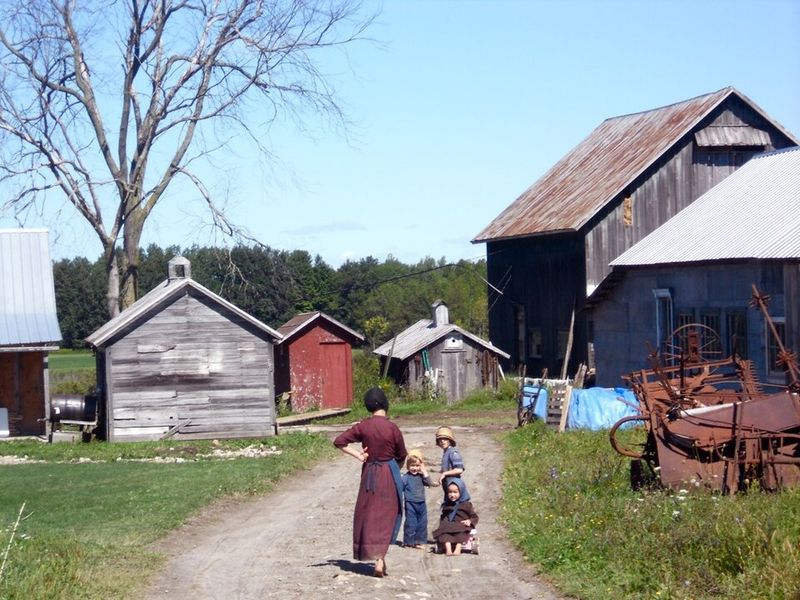
Modern American childhood typically involves years of schooling, extracurricular activities, and leisure time before young people enter the workforce.
Amish communities in Kentucky follow a dramatically different approach, integrating children into productive work from an early age as part of their education and family contribution.
Boys and girls as young as five or six help with age-appropriate tasks like gathering eggs, weeding gardens, or organizing items in the family shop.
This practice teaches responsibility, practical skills, and the value of contributing to the household economy while strengthening family bonds through shared labor.
Visitors often feel surprised or even concerned when they see young children working in fields, tending animals, or assisting at market stands during school hours.
However, Amish education typically concludes after eighth grade, with formal schooling giving way to apprenticeship-style learning in trades, farming, or homemaking.
The community views this hands-on training as more valuable than extended academic study for preparing young people to succeed in their traditional lifestyle.
Children working alongside parents and siblings gain confidence, competence, and a strong work ethic that serves them throughout life.
Travelers should avoid commenting on or questioning this practice, as it reflects deeply held beliefs about child-rearing and education that differ from mainstream approaches.
The children themselves typically appear content and capable, often demonstrating skills and maturity that exceed what you’d expect from their age.
Watching these young workers can actually provide valuable perspective on different paths to raising responsible, skilled, and community-minded individuals.
Greetings Should Be Simple and Polite
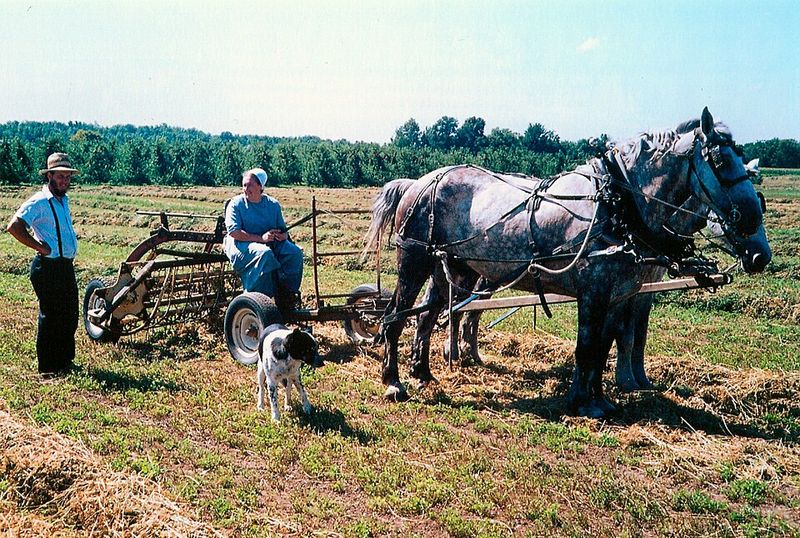
Social interactions in Amish communities follow patterns quite different from the casual, often effusive greetings common in mainstream American culture.
Visitors who approach Amish shopkeepers or neighbors with overly familiar behavior or excessive enthusiasm may receive reserved or puzzled responses.
The community values humility and modesty in all interactions, preferring quiet politeness over animated conversation or attempts at instant friendship.
A simple nod, smile, and straightforward greeting like good morning or hello typically suffices when entering an Amish business or passing someone on the road.
Lengthy personal questions about family, beliefs, or lifestyle choices can feel intrusive, especially when coming from strangers who view the community primarily as a curiosity.
Amish individuals generally respond warmly to genuine politeness but may withdraw or offer minimal responses when they sense they’re being treated as tourist attractions.
Keeping conversations focused on the business at hand, whether purchasing goods or asking directions, shows respect for their time and privacy.
Many Amish people speak Pennsylvania Dutch as their first language, using English primarily for interactions with outsiders, which can make extended conversations challenging anyway.
If an Amish person seems willing to chat about their crafts, farming methods, or local weather, following their lead creates more authentic exchanges than forcing conversation.
Visitors who adopt a quieter, more restrained demeanor often find that Amish individuals gradually open up once trust develops through repeated respectful interactions.
This patient approach yields far more meaningful connections than aggressive friendliness or treating every encounter as an opportunity to satisfy curiosity about an unfamiliar lifestyle.
Technology Use Should Be Discreet

Smartphones, tablets, and laptops have become such integral parts of modern life that many people feel lost without constant access to their devices.
However, Amish communities in Kentucky have intentionally rejected most forms of modern technology as potential threats to family cohesion, community bonds, and spiritual focus.
While visitors aren’t expected to leave their phones in their cars, constantly checking devices or making calls in front of Amish people can create awkward dynamics.
The contrast between your technological dependence and their deliberate simplicity becomes glaringly obvious when you’re scrolling through social media while they’re hand-stitching a quilt.
Many travelers find that temporarily disconnecting from technology enhances their experience in Amish regions anyway, allowing fuller engagement with the slower pace and natural surroundings.
If you need to check messages or make calls, stepping away from Amish businesses or homes to do so privately shows consideration for their lifestyle choices.
Using your phone to navigate to Amish destinations is perfectly reasonable, but arriving and immediately starting to film or photograph everything without permission crosses important boundaries.
Some younger Amish individuals, particularly those in their rumspringa period of exploration before baptism, might show curiosity about your devices.
While brief, respectful explanations are fine, avoid extended demonstrations that could be seen as attempting to influence or corrupt community members.
The goal of visiting Amish regions should be learning about and appreciating their way of life rather than showcasing everything they’ve chosen to reject.
Keeping technology use minimal and discreet demonstrates that you value the experience of being present in their world more than maintaining constant connection to your own.
Loud Voices and Noise Are Considered Rude
Urban and suburban environments train people to speak loudly to be heard over traffic, crowds, and constant background noise from various sources.
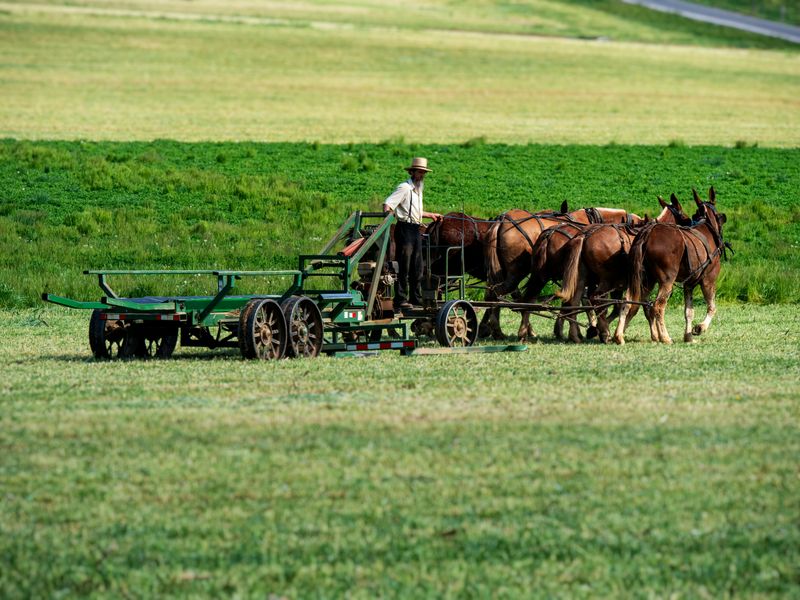
Amish communities in Kentucky exist in a remarkably different acoustic environment where natural sounds like birdsong, wind, and horse hooves dominate the soundscape.
Shouting across a shop to your travel companion or playing music from your car creates jarring disruptions that violate the peaceful atmosphere residents work to maintain.
The community’s rejection of radios, televisions, and electronic entertainment means they’re accustomed to quiet homes and workspaces punctuated only by conversation and hand tools.
Visitors who arrive with booming voices, loud laughter, or music blaring from vehicle speakers immediately mark themselves as outsiders lacking cultural awareness.
Children especially need guidance about using indoor voices and moving calmly through Amish spaces rather than running and yelling as they might at a regular store.
The tranquility that makes Amish regions appealing destinations also requires visitors to adjust their volume and behavior to match the setting.
Speaking in moderate tones, closing car doors gently rather than slamming them, and generally moving through the area with quiet respect preserves what makes these places special.
Many travelers report that adopting this quieter approach actually enhances their own experience, allowing them to notice details and sounds they would normally miss.
The subtle creak of a buggy wheel, conversations in Pennsylvania Dutch drifting from a nearby porch, or the rhythmic sound of a hand saw cutting wood all become audible when you stop adding your own noise to the environment.
This mindful quietness represents one of the simplest yet most important ways to show respect for Amish communities and their values.
Questions About Faith Should Be Avoided
Curiosity about religious beliefs and practices naturally arises when encountering a community so visibly shaped by faith commitments.
However, Amish individuals typically feel uncomfortable discussing theology or church practices with outsiders who lack context or genuine spiritual interest.
Their religion emphasizes living faith through actions rather than evangelizing or debating doctrine with those outside the community.
Asking direct questions about why they dress a certain way, why they reject specific technologies, or what they believe about salvation can feel invasive and inappropriate.
These topics touch on deeply personal convictions that Amish people don’t discuss casually, especially with strangers passing through for a few hours.
The community also maintains boundaries between themselves and the outside world partly to preserve their distinctive identity and protect against outside influences.
Pressing for explanations about their faith can seem like an attempt to challenge or judge their choices rather than simply understand them.
Visitors genuinely interested in Amish religious life can find numerous books, documentaries, and academic resources created by scholars who’ve earned community trust over years.
These sources provide far more comprehensive and accurate information than brief conversations with shopkeepers who are trying to run businesses.
If an Amish person voluntarily shares something about their beliefs during conversation, listening respectfully without arguing or questioning shows appreciation for their openness.
However, treating every interaction as an opportunity to satisfy curiosity about their religion reduces complex individuals to representatives of an exotic belief system.
Focusing conversations on practical topics like craftsmanship, farming, or local geography creates more comfortable exchanges and demonstrates that you see them as whole people rather than just religious curiosities.
Meals and Food Preparation Follow Strict Traditions
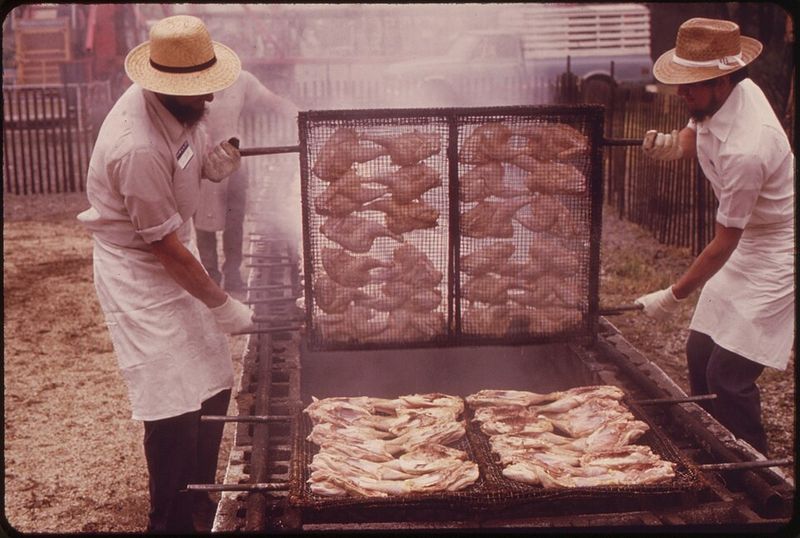
Food plays a central role in Amish community life, with meals serving as opportunities for family bonding, expressing hospitality, and following time-honored recipes.
Travelers who visit Amish bakeries, restaurants, or are fortunate enough to be invited to share a meal encounter culinary traditions shaped by German heritage and agricultural abundance.
The food tends toward hearty, filling dishes that fuel long days of physical labor, with plenty of bread, meat, potatoes, and vegetables from family gardens.
Sweets like shoofly pie, whoopie pies, and fruit preserves showcase the community’s baking skills and provide treats for special occasions and everyday enjoyment.
Meals typically begin with silent prayer or a spoken blessing, a moment of gratitude that visitors should respect by remaining quiet and still even if they don’t share the faith.
Table manners tend toward the practical rather than formal, with family-style serving allowing everyone to help themselves from shared dishes passed around the table.
Complimenting the food is always appropriate and appreciated, though excessive praise might embarrass hosts who value humility over acclaim.
Offering to help with meal preparation or cleanup can be a kind gesture, though hosts may decline if they’re uncomfortable having outsiders in their kitchens.
Many Amish families maintain specific dietary preferences based on tradition rather than religious law, favoring simple, unprocessed ingredients over convenience foods.
Visitors with dietary restrictions should mention them politely if invited to a meal, though options for accommodating special diets may be limited in homes without modern kitchen equipment.
The experience of sharing food in Amish settings offers unique insight into values of hospitality, gratitude, and the importance of gathering together around the table.
Seasonal Rhythms Dictate Community Activities
Modern life increasingly disconnects people from natural cycles, with climate-controlled buildings, artificial lighting, and year-round access to all foods obscuring seasonal changes.
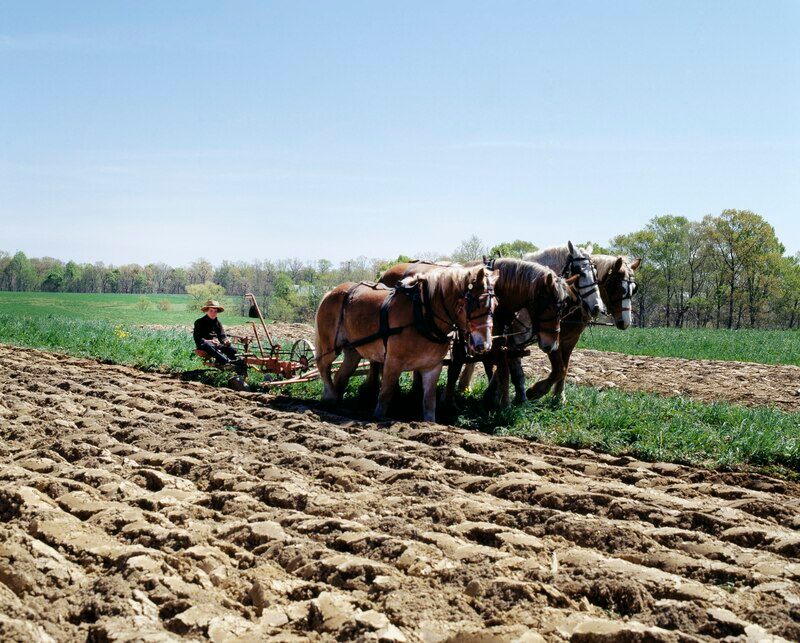
Amish communities in Kentucky remain intimately tied to the rhythm of seasons, with planting, harvesting, and preservation activities dominating different times of year.
Spring brings intense plowing, seeding, and garden preparation as families race to get crops in the ground before optimal planting windows close.
Summer focuses on cultivation, weeding, and early harvests of vegetables, berries, and hay that will feed livestock through winter months.
Autumn transforms Amish regions into hives of activity as corn, soybeans, tobacco, and garden produce reach maturity and require immediate attention before frost arrives.
Families spend long days canning vegetables, making preserves, and storing root crops in cellars to ensure adequate food supplies until next year’s harvest.
Winter allows some rest from agricultural demands, though daily animal care, wood chopping, and workshop projects continue regardless of weather conditions.
Travelers who visit during different seasons witness dramatically different aspects of Amish life and find varying levels of availability at businesses.
Harvest time might mean fewer handmade goods in shops as craftspeople help with urgent farm work that can’t be delayed.
Conversely, winter months often showcase expanded inventory as woodworkers, quilters, and other artisans spend more time on their crafts.
Understanding these seasonal patterns helps visitors appreciate how deeply agriculture shapes community priorities and why certain times of year prove better for tourism than others when families have more capacity to welcome and serve guests.
Dear Reader: This page may contain affiliate links which may earn a commission if you click through and make a purchase. Our independent journalism is not influenced by any advertiser or commercial initiative unless it is clearly marked as sponsored content. As travel products change, please be sure to reconfirm all details and stay up to date with current events to ensure a safe and successful trip.
