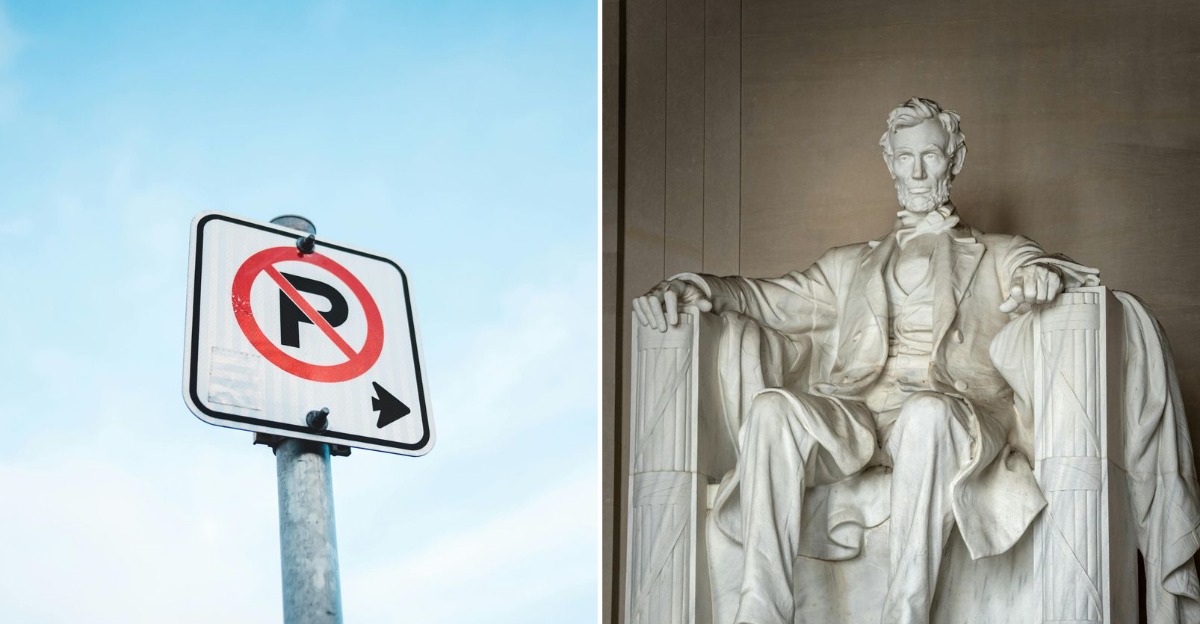
Have you ever been caught off guard by the small rules in a new city?
That’s what happens in Washington D.C.
It’s a place full of history and big landmarks, but the little quirks are what stick with you.
Every time I think about driving down there, I remember the odd rules that visitors don’t expect.
They’re not hard to follow, but they make you pause, laugh, or double-check a sign before you step.
Some of these details are funny, others just make you shake your head, but they all add to the experience of being in the capital.
It’s not about stressing over them, it’s about knowing what to expect so you can enjoy the trip without surprises.
I like sharing these because they always spark stories, and honestly, they make the city feel more real than just monuments and museums.
So let’s go through the quirks that make D.C. memorable, you’ll be glad you knew them ahead of time!
1. It’s Illegal To Eat While Walking On The National Mall
Here is a weird one that pops up when you least expect it.
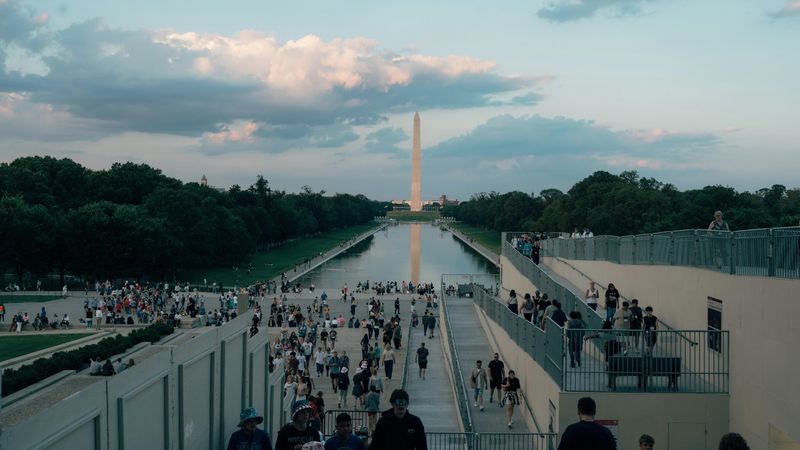
On parts of the National Mall, especially during events or near protected areas, eating while walking can be restricted to keep the grounds clean and respectful.
You will see people snacking anyway, which makes the rule feel like a quiet rumor.
The Mall stretches from the Capitol at First Street SE to the Lincoln Memorial at 2 Lincoln Memorial Circle NW, right through the heart of the District of Columbia.
Signs sometimes appear near pop up exhibits or temporary fencing, and that is your cue to finish bites before wandering farther.
Security and maintenance crews have enough to handle without chasing down crumbs and wrappers in the grass.
I know it sounds fussy, but it comes from a preservation mindset that Washington takes seriously.
Think of it like visiting a living museum that so many people treat like their backyard.
Does anyone stop every single person with a granola bar?
Probably not, but the expectation is there, and it is good manners to roll with it.
If you want to picnic, settle at a bench or on a blanket and keep walking breaks clean.
That simple shift makes life easier for rangers and gardeners who protect the views you came to see.
So tuck snacks in your bag when you pass the Reflecting Pool and the World War II Memorial at 1750 Independence Avenue SW.
You will still get your steps, and the monuments will look just as sharp.
Washington remains a city of rules, and this one just wants tidy shoes and tidy paths.
2. You’re Not Allowed To Yell Obscenities Near The White House
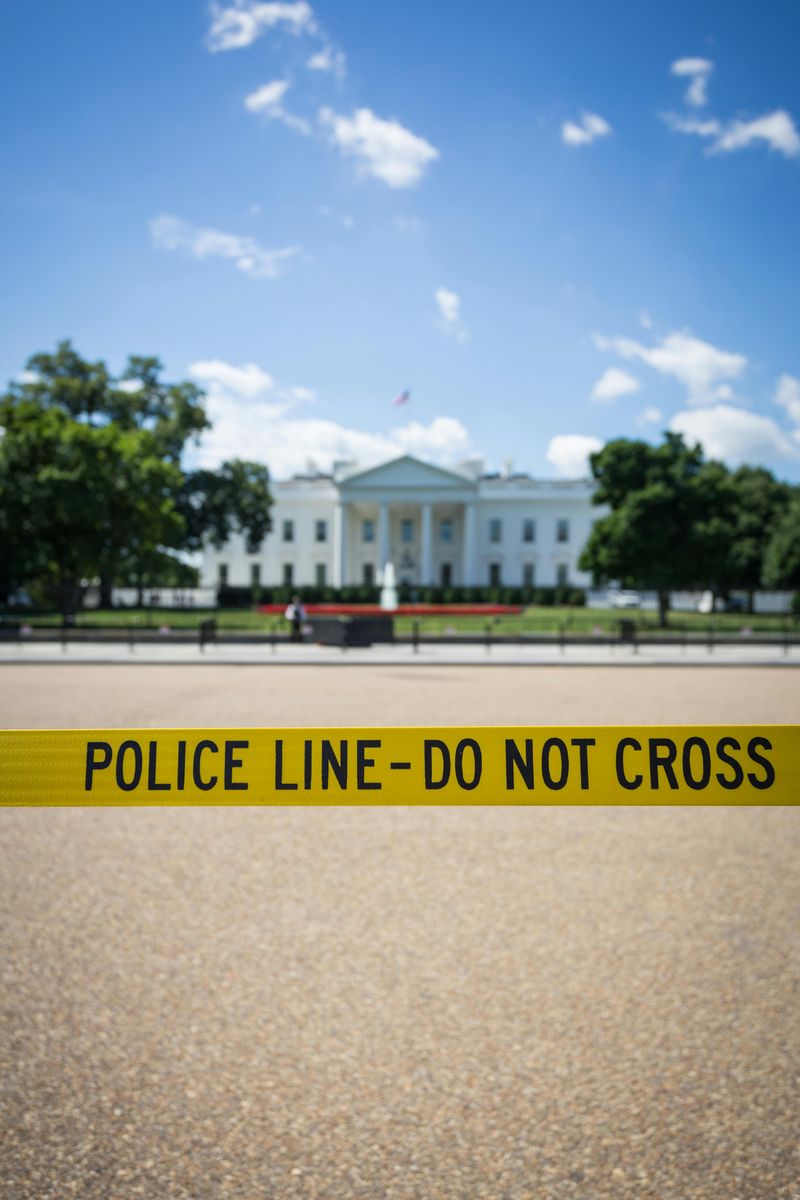
This spot has extra rules because it is the front yard of the presidency.
Near the White House at 1600 Pennsylvania Avenue NW, shouting obscenities can cross into disorderly conduct territory and attract attention you do not want.
The issue is less about language taste and more about security and crowd control in a tight zone.
Free speech is real here, and protests happen often, but the way you project your voice matters.
If volume and wording tip into disturbing the peace, officers can step in fast.
You will see quiet chants, clever signs, and sometimes a formal permit setup on the sidewalks and nearby Lafayette Square at 750 Jackson Place NW.
Keep your tone measured, and the message still lands without a headache.
It helps to remember staff, neighbors, and visitors share this space all day.
Want to vent hard about politics?
Do it with calm delivery and you avoid a preventable scene.
The line can feel fuzzy, and that is why people get surprised.
When in doubt, let the words carry more than the volume does.
Stay on public sidewalks, follow directions from the uniformed folks, and you will keep moving with no stress.
Washington sits in the middle of the state region but plays by its own rules, and this is one of them.
3. Playing Dice In Public Is Still Illegal

Here is a law that feels like it wandered out of another era.
Public dice games in Washington D.C. can fall under gambling restrictions even if no cash is on the curb.
The idea is to keep sidewalks and parks from turning into pop-up gaming corners.
Places like Franklin Park at 1332 I Street NW and the plaza near Judiciary Square at 455 Indiana Avenue NW are watched closely.
Officers care most when a crowd forms and the energy shifts from casual to tense.
If you need to pass a few minutes, go for a walk and leave the dice in your bag.
Is this law enforced every minute?
No, but it is on the books, and that is enough to cost time if someone calls it in.
The District has a habit of keeping older rules alive to manage what happens in shared spaces.
It keeps the city feeling orderly even when the sidewalks are packed.
Visitors from nearby states sometimes forget that the District code reads differently than back home.
So play it safe when you are hanging out by the National Portrait Gallery at 8th and G Streets NW.
Save the roll for a table inside somewhere private and you will have one less thing to explain.
4. Public Intoxication Is A Bigger Deal Than You’d Expect
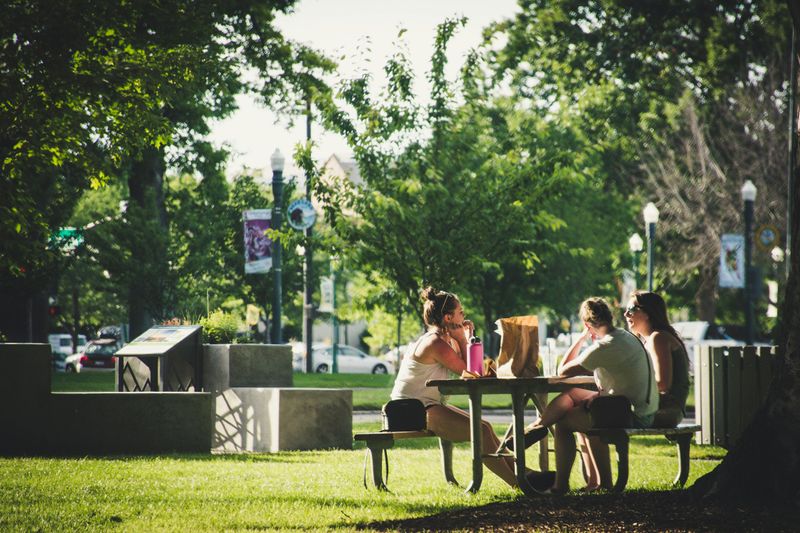
The city runs on a be respectful in public mindset, and that includes how you carry yourself.
Washington D.C. has firm rules around public intoxication that sometimes surprise people.
The focus is on safety, noise, and keeping sidewalks clear for everyone moving through.
Areas around Gallery Place at 630 H Street NW and along U Street NW see steady foot traffic and steady attention from officers.
If you look unsteady or loud, you can get pulled aside and redirected fast.
The District keeps the streets managed so visitors and locals can share the same blocks without chaos.
It is not about judging your night, just preventing a scene before it starts.
I like to think of it as city etiquette with rules behind it.
Walk steady, keep your voice level, and you will glide right by any trouble.
Some folks expect a free pass outside a venue and get surprised.
That is why it helps to plan your rides and keep your group calm when you head out.
If you are near the Convention Center at 801 Mount Vernon Place NW, the presence is visible and consistent.
Across the state lines nearby, norms shift, but the District standard holds firm inside city limits.
Stay collected on the walk back to your place and the night ends quietly.
5. Carrying An Open Container On The Street Is Illegal
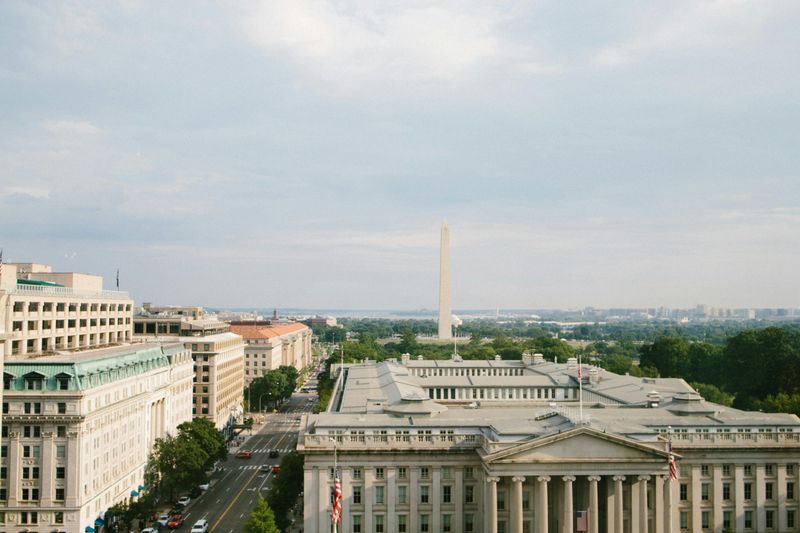
This one gets people right outside a bar or a show.
Open container rules in Washington D.C. are strict, and walking with a visible drink on a public sidewalk can bring a citation.
The idea is to separate private spaces from shared streets so crowds stay manageable.
It is not about mood, it is about boundaries the city draws to keep order.
Neighborhoods like H Street NE near 800 H Street NE and Capitol Hill around 301 Pennsylvania Avenue SE see consistent enforcement.
Once you step past the doorway, the rules change, and security may remind you fast.
Visitors from cities with festival style blocks sometimes forget until it is too late.
In the District, lids and bags stay closed until you are in a private spot again.
Is there wiggle room during big events?
Not really, because the standard avoids confusion and keeps things even across neighborhoods.
That predictability helps officers and keeps sidewalks calmer than you might expect for a capital city.
It makes sense when you think about crowds streaming between venues and transit stops.
Keep a pocket tote for sealed items and you will avoid the awkward conversation at the curb.
Simple habits save time and keep your night focused on the fun part.
6. You Can’t Park Within 50 Feet Of A Stop Sign
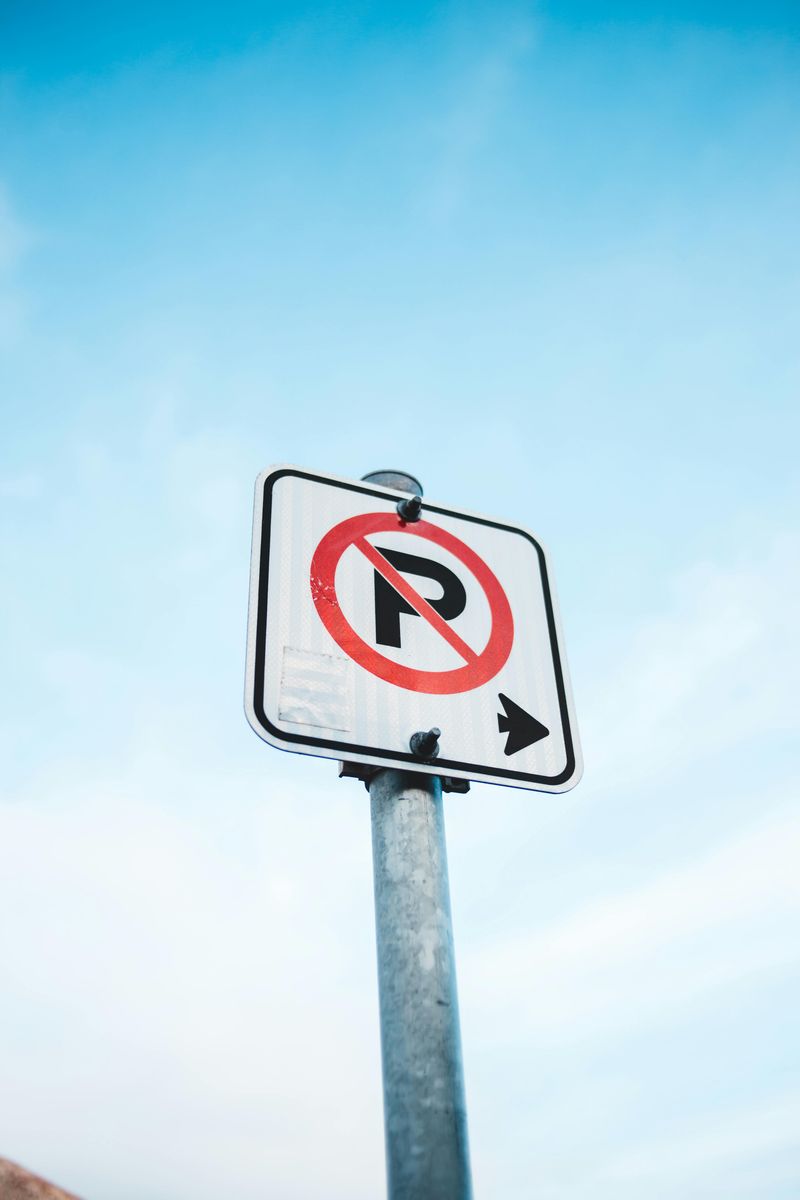
This distance feels longer than what many of us are used to.
In Washington D.C., parking within a generous stretch of a stop sign can earn a ticket faster than you can fish for coins.
The rule aims to protect sight lines and keep cross traffic safer at busy corners.
It is one of those small details that enforcement loves because it is clear and visible.
When you drive through neighborhoods like Capitol Hill near 600 A Street NE, stop signs sit tight to the intersections.
Give them breathing room or you risk a bright envelope under the wiper.
Rental cars are famous for getting nailed because visitors guess wrong on distance.
I like to count car lengths and then add a little extra for peace of mind.
It does not matter if you are hopping out for a minute, the curb rules do not blink for quick stops, even late at night.
Look for curb paint, posted signs, and camera angles that say someone is watching.
Washington treats parking like a shared safety tool, not a personal puzzle.
If you are near Logan Circle at 13th Street NW and Rhode Island Avenue NW, the sight lines can be tricky with the circle layout.
Play it safe, park farther back, and enjoy the walk to your spot.
Your feet will forgive you, and your wallet will thank you.
7. Hanging Laundry Outside Can Be Restricted In Some Areas
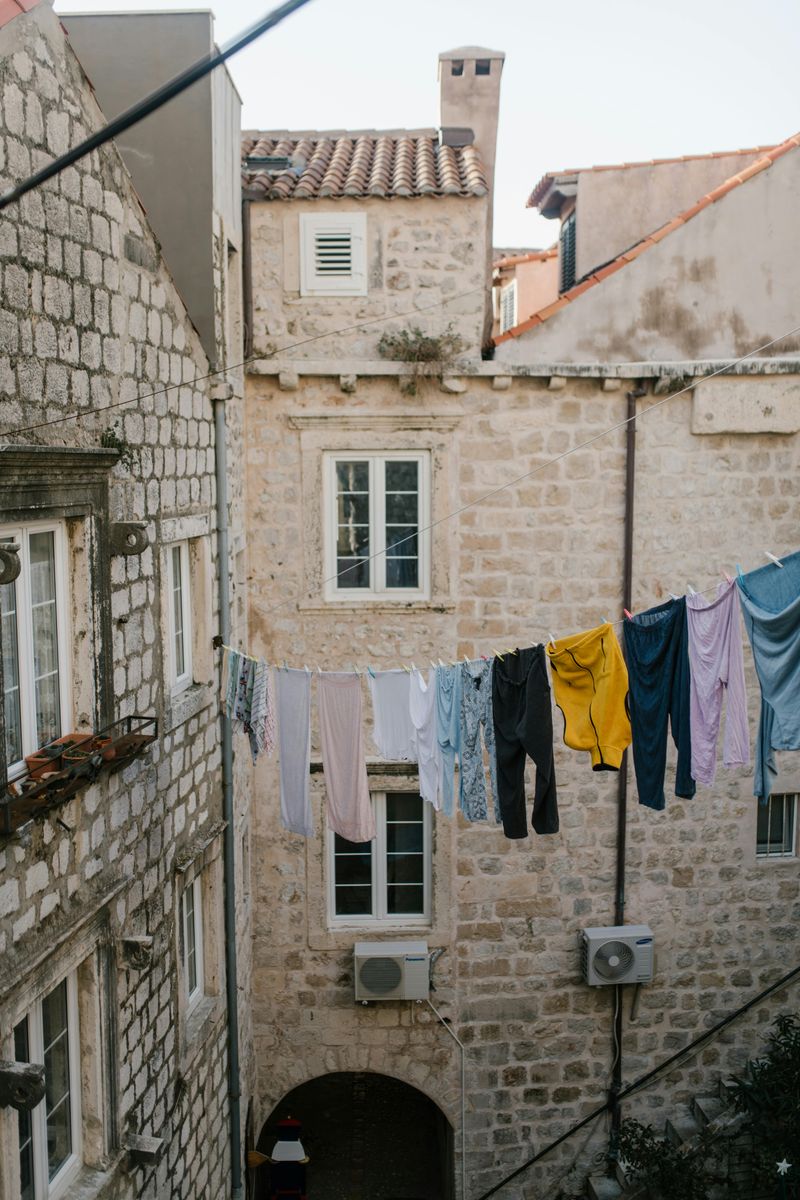
You would think a clothesline is the most ordinary thing in the world.
In parts of Washington D.C., historic district guidelines and building rules can limit outdoor laundry to keep the streetscape tidy.
The goal is to preserve the look that makes these blocks feel timeless.
Places like Georgetown near 3300 M Street NW and Capitol Hill around 500 East Capitol Street NE carry strong preservation habits.
Associations and review boards care about how things appear from public view.
That means the back patio might be fine and the front porch might not be.
Long term visitors renting a rowhouse sometimes learn the rule the hard way after a neighbor chat.
A quick check with a landlord or building manager saves an awkward redo of laundry day.
It’s not about snobbery; it is about a shared style standard that Washington chose long ago.
The District loves its brick, its trim, and its clean lines along the curb.
When everything matches, the whole block feels like a set from a favorite show.
If you are staying near Dupont Circle at 1600 20th Street NW, ask about outdoor rules before pinning anything up.
Different states play this differently, but the District leans toward a careful visual story.
Keep the dryer humming inside and you will fit right in.
8. Climbing On Statues Is Illegal
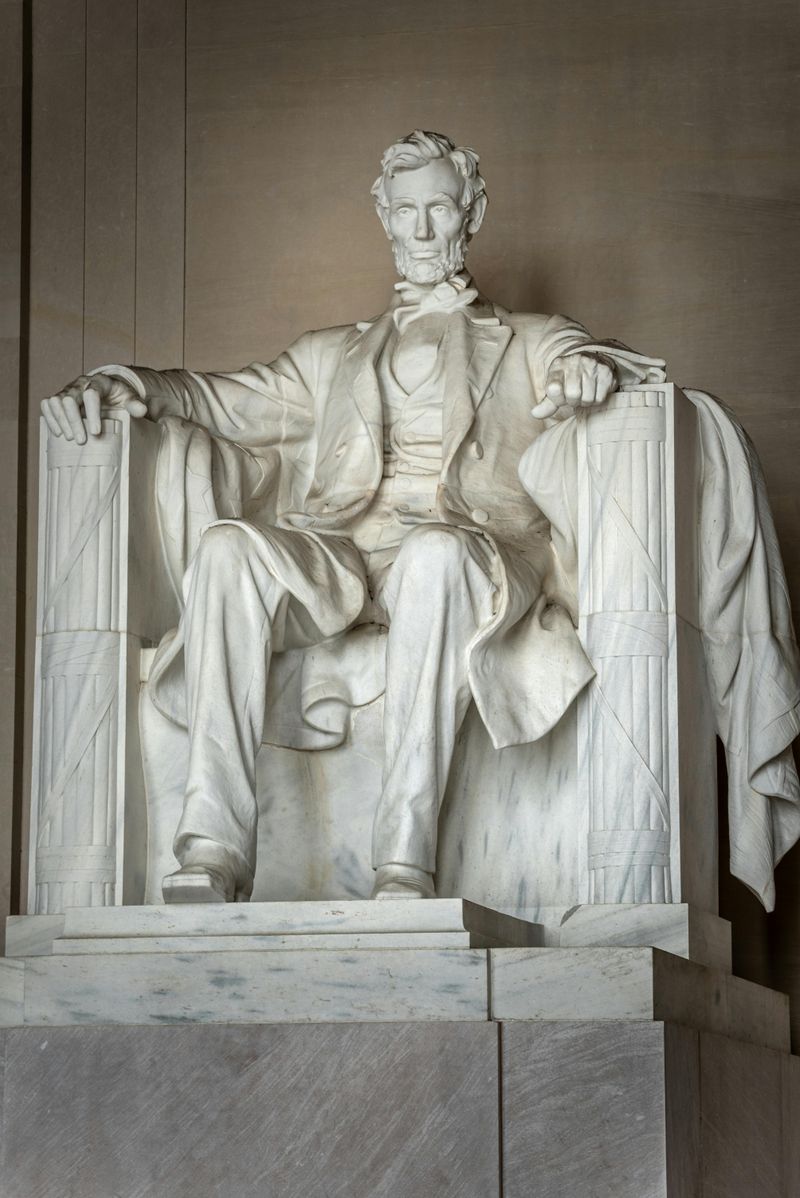
I know the pose looks epic in your head, but the law says keep off.
Climbing on statues around Washington D.C. is prohibited to protect artwork and prevent damage from constant contact.
The surfaces wear down fast when everyone treats them like steps.
Popular areas like the Lincoln Memorial plaza at 2 Lincoln Memorial Circle NW and the Ulysses S. Grant Memorial at Union Square see steady crowds.
Rangers and officers have a short fuse for anyone testing the edges of pedestals.
There are plenty of angles for the shot without putting a foot where it does not belong.
Think of the sculptures as guests with boundaries you are helping keep safe for the next person.
It keeps the whole place looking sharp year after year.
Could you get away with a quick perch at a quiet moment?
Maybe, but it is not worth the fine or the attention that follows.
Take a few steps back and let the camera do the work for you.
Washington loves a respectful photo more than a risky one.
If you want height, find a public overlook like the steps at the Supreme Court at 1 First Street NE and pose from there.
The view reads just as strong without the rule breaking moment in the middle.
Your future self will be glad you kept it simple.
9. Using A Car Horn Without Reason Is Against The Law
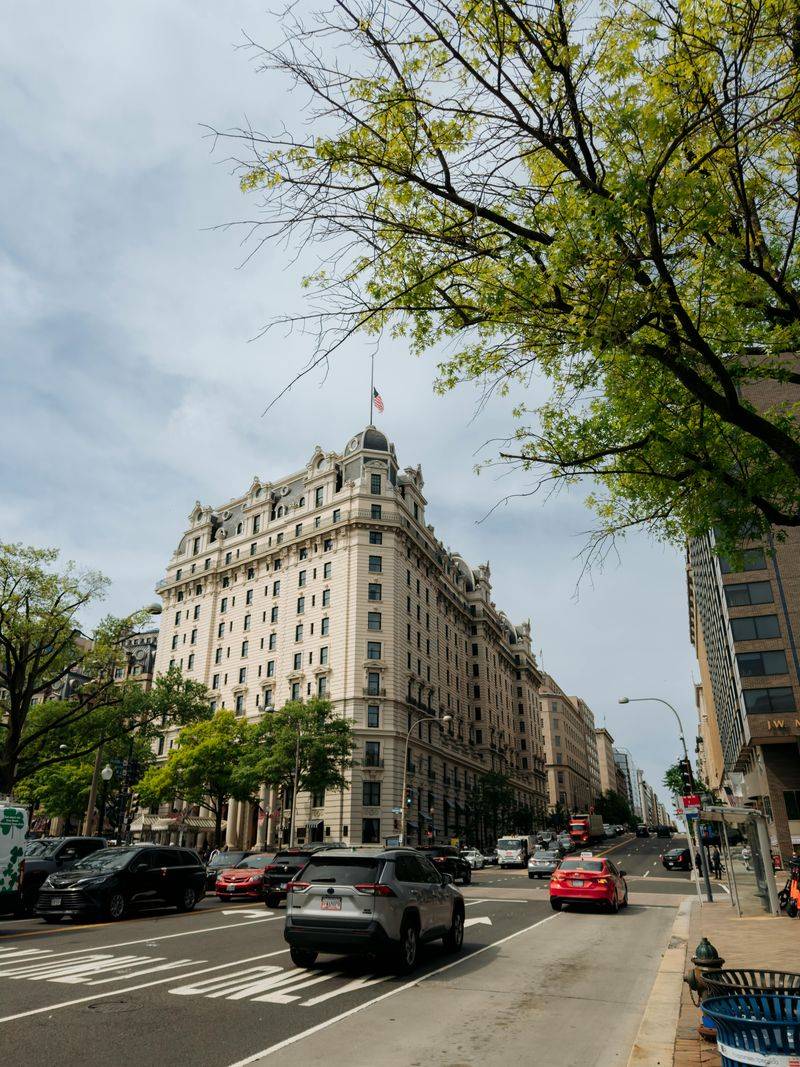
The soundtrack of this city is not supposed to be constant honking.
In Washington D.C., using a horn without a safety reason can count as a violation, and officers do call it out.
The idea is to cut noise and keep communication clean for real emergencies.
Many visitors arrive from louder places and need a day to reset their instincts.
Intersections near Dupont Circle at 1330 Connecticut Avenue NW and along K Street NW are perfect examples of patient timing.
You wait, you breathe, and you let lights and signals do their job.
Pep talk your foot before it taps the center of the wheel out of habit.
It is amazing how much calmer the drive feels when you follow the local rhythm.
People still lean on the horn sometimes, but that does not make it welcome or wise in the District.
The law backs the idea that noise should mean something important.
Ambient peace helps pedestrians hear bikes and sirens when it matters.
If you are passing the National Museum of Women in the Arts at 1250 New York Avenue NW, notice how measured the flow sounds.
Different states handle noise differently, but the District prefers calm streets over quick blasts.
Your trip will feel smoother when you play along with the quiet.
Dear Reader: This page may contain affiliate links which may earn a commission if you click through and make a purchase. Our independent journalism is not influenced by any advertiser or commercial initiative unless it is clearly marked as sponsored content. As travel products change, please be sure to reconfirm all details and stay up to date with current events to ensure a safe and successful trip.
