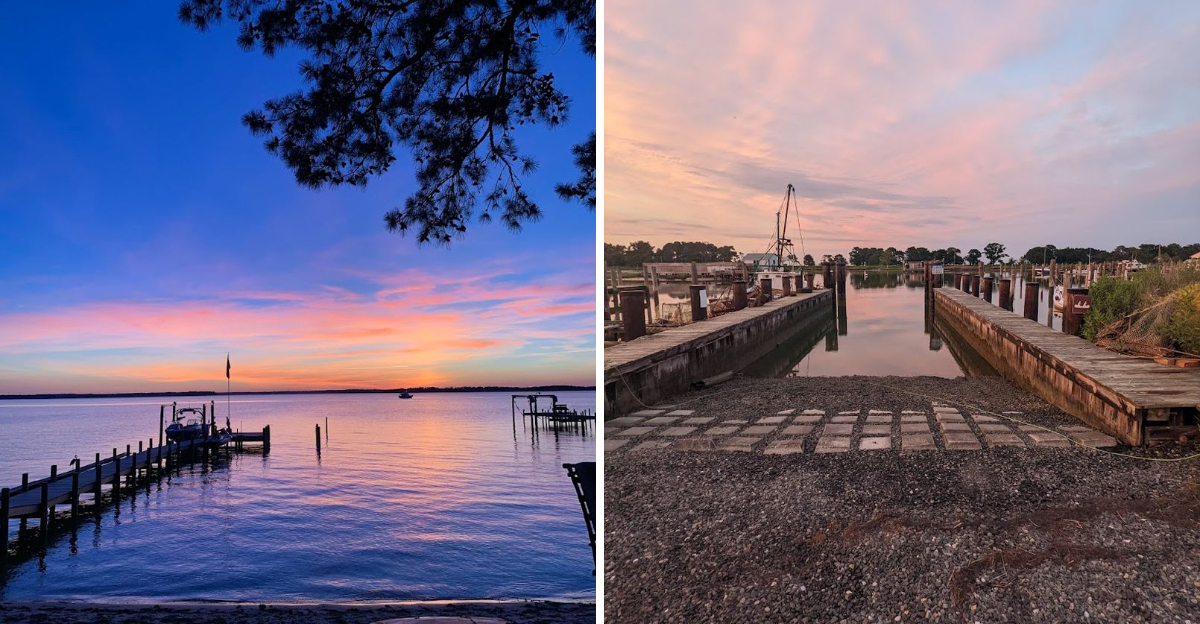
When people think of Virginia islands, they think of Chincoteague. Wild ponies and salt air.
But there are other islands in this state, smaller ones, quieter ones, hidden in the Chesapeake Bay and along the Eastern Shore. Some are accessible by bridge, others only by boat.
This list has ten stunning island getaways in Virginia that you probably did not know existed. I have visited each one, and each time I have felt like I was discovering a secret.
The beaches are empty, the sunsets are spectacular, and the pace is slow. You can kayak, fish, birdwatch, or just sit on a dock and do nothing.
Virginia has plenty of famous destinations, but these islands are for people who want to get away from it all.
Assateague Island
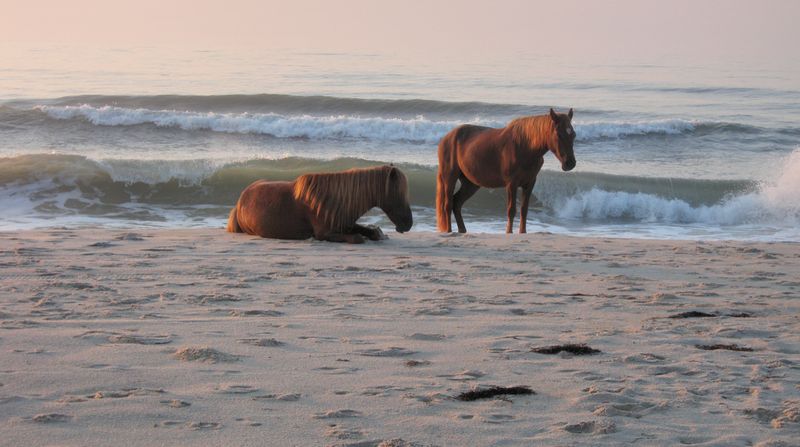
Nothing prepares you for the moment a wild pony trots past your beach towel like it owns the place, because on Assateague Island, it absolutely does. This 37-mile barrier island is one of the most gloriously untamed stretches of coastline on the entire East Coast.
The Virginia side remains blissfully undeveloped, offering miles of pristine beach with zero boardwalks, zero souvenir shops, and zero crowds fighting over umbrella space.
The famous Chincoteague Ponies are the undisputed stars of the show here. These compact, shaggy-maned horses have adapted brilliantly to island life, grazing on salt marsh grass and wandering wherever the mood takes them.
Watching a small herd splash through a tidal pool at sunrise is the kind of moment that makes you forget your phone exists.
Primitive camping is available on the Virginia side, meaning you fall asleep to the sound of waves and wake up to birdsong and salty air. Surf fishing, kayaking, and shorebird spotting keep outdoor lovers endlessly entertained.
The island is accessible via Chincoteague Island, which serves as the perfect mainland base.
Assateague is also a critical nesting ground for numerous shorebird species, so tread lightly and respect the wildlife corridors. Spring and fall offer the most dramatic wildlife activity, while summer brings warm water for swimming.
Address: Assateague Island National Seashore, 7206 National Seashore Lane, Berlin, MD 21811 (Virginia access via Chincoteague).
Tangier Island
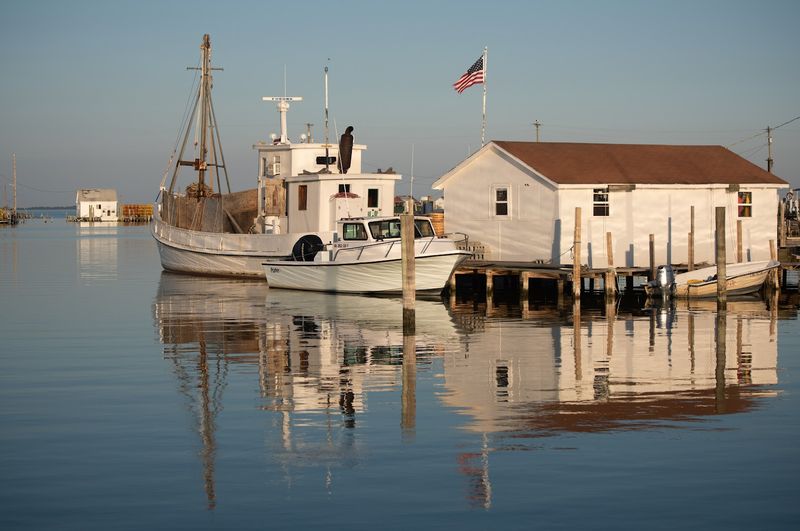
Tangier Island exists in a category entirely its own. Sitting roughly 12 miles out into the Chesapeake Bay, this tiny fishing community feels like a world that time politely decided not to bother.
Residents here speak a dialect with roots in 17th-century Elizabethan English, a linguistic quirk that has survived centuries of isolation and remains one of the most fascinating cultural oddities in the entire Mid-Atlantic region.
Cars are essentially irrelevant here. Golf carts and bicycles handle all the transportation needs on this narrow strip of land, giving the whole island a wonderfully slow, unhurried energy.
The crabbing culture runs deep, with generations of watermen heading out before dawn to pull blue crabs from the bay. Fresh crab sandwiches served at local eateries are the stuff of legend among those lucky enough to make the trip.
Getting here is part of the adventure. Ferries depart from Reedville, Virginia, and Crisfield, Maryland, offering a scenic bay crossing that sets the mood perfectly.
The ferry ride alone gives you sweeping views of open water that feel genuinely cinematic.
Tangier is also facing a very real environmental challenge, as rising sea levels and erosion are slowly shrinking the island. Visiting now feels both like a privilege and a responsibility.
Address: Tangier Island, Virginia 23440. Ferry access from Reedville, VA via Tangier Island Ferry or from Crisfield, MD via the Steven Thomas ferry.
Chincoteague Island
Chincoteague Island has a magnetic pull that is genuinely hard to explain until you actually get there. Virginia’s only official resort island wears its small-town charm like a perfectly broken-in pair of flip flops.
Main Street hums with activity without ever feeling overcrowded, and the pace of life here operates on what locals affectionately call island time.
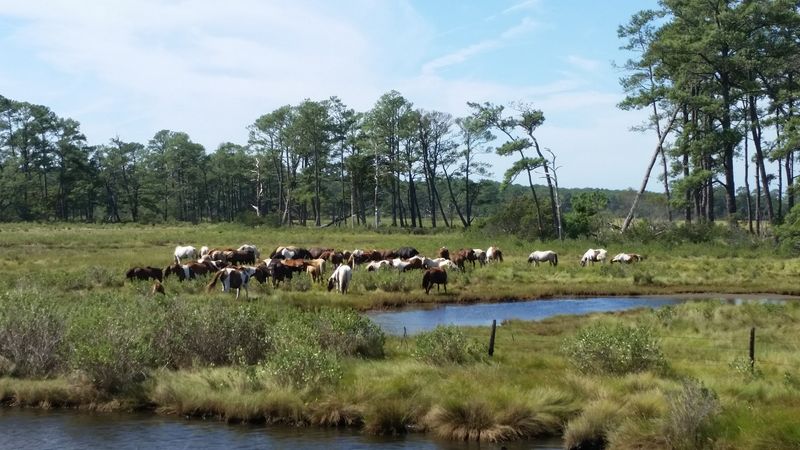
The annual Pony Swim is Chincoteague’s most celebrated tradition, drawing spectators from across the country every July. Wild ponies from neighboring Assateague Island swim across the channel in a spectacle that is equal parts thrilling and deeply moving.
It’s one of those rare events that lives up to every ounce of its reputation.
Beyond the ponies, Chincoteague serves as the gateway to the Chincoteague National Wildlife Refuge, where miles of trails wind through maritime forest and open marsh. Kayaking through the back bays at low tide reveals an entirely different ecosystem, all glassy water and wading herons.
Cyclists love the refuge trails, and the birding here is world-class.
The island’s seafood scene draws foodies who make the pilgrimage specifically for the famous Chincoteague oysters, briny and perfect straight from the bay. Boutique shops, art galleries, and waterfront parks round out a destination that genuinely delivers for every type of traveler.
Address: Chincoteague Island, Virginia 23336. Access via Route 175 from the Eastern Shore mainland.
Wreck Island Natural Area Preserve
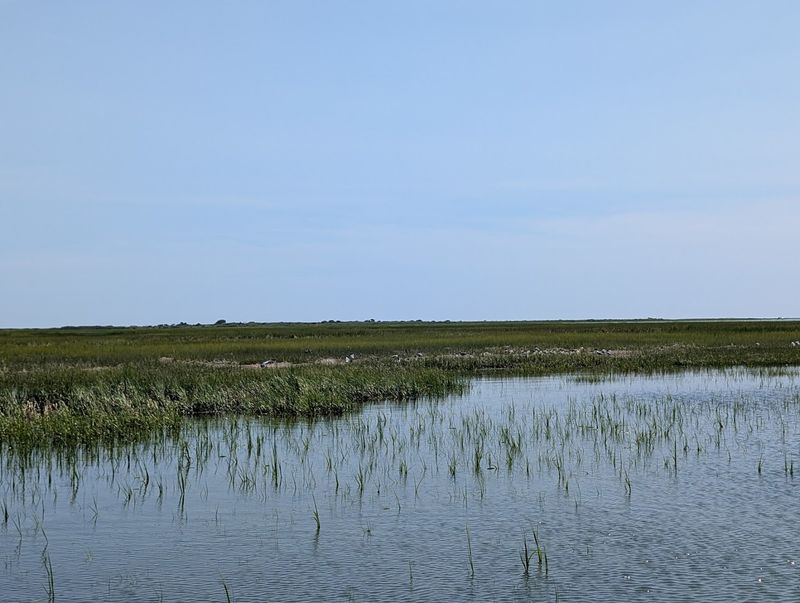
Wreck Island earns its dramatic name with a personality to match. Part of the pristine Virginia Coast Reserve, this uninhabited barrier island is one of the most ecologically significant and least-visited places in the entire Commonwealth.
Getting here requires a private boat or a spot on a local eco-tour, which means the crowds you won’t find here are the best feature of all.
The island closes to visitors between mid-April and August to protect nesting shorebirds, a rule that speaks volumes about how seriously conservation is taken here. Outside those months, the landscape opens up into something almost otherworldly.
Towering dunes, undulating sea oats, and miles of empty beach stretch in every direction without a single human footprint in sight.
Wreck Island is part of The Nature Conservancy’s Virginia Coast Reserve, a chain of barrier islands considered one of the last undisturbed barrier island ecosystems on the Atlantic coast.
Birders make special pilgrimages here during fall migration, when the island hosts staggering numbers of shorebirds and raptors funneling south.
The shelling is equally spectacular, with the undisturbed shoreline producing finds that mainland beaches gave up decades ago.
Low-impact exploration is the philosophy here, and every visitor should embrace it fully. Pack out everything you pack in, stay on established paths, and treat the whole place like the irreplaceable treasure it genuinely is.
Address: Wreck Island Natural Area Preserve, accessible by boat off the coast of Northampton County, Virginia. Contact the Virginia Department of Conservation and Recreation for access details.
Hog Island
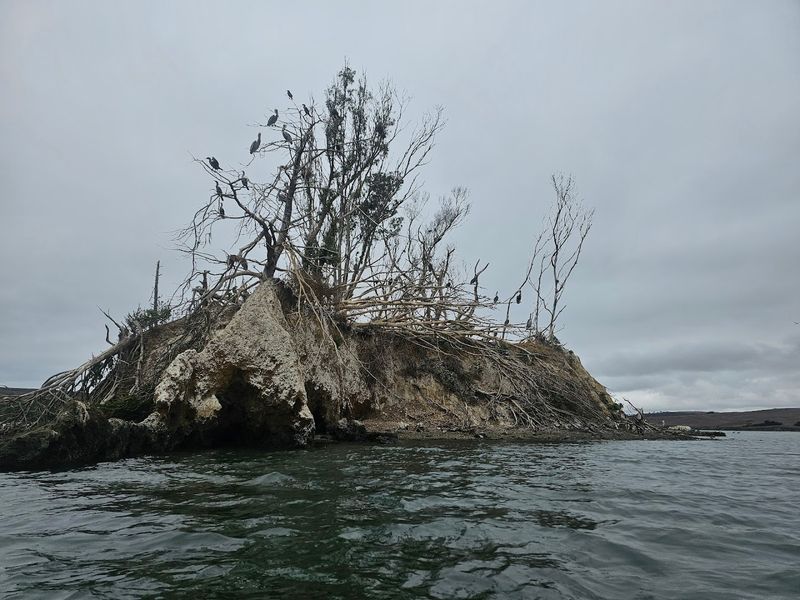
Hog Island carries a ghost story written in sand and saltwater. Once home to a thriving 19th-century community called Broadwater, complete with homes, a hotel, and a church, the entire settlement was eventually swallowed by the relentless forces of storms and erosion.
Today, the island is wild, remote, and hauntingly beautiful in a way that makes your imagination work overtime.
Now owned by The Nature Conservancy as part of the Virginia Coast Reserve, Hog Island sits off the coast of Northampton County and is accessible only by private boat. That barrier to entry is a feature, not a flaw.
The island rewards the effort with complete solitude, dramatic dune landscapes, and a sense of standing somewhere genuinely outside of ordinary time.
One of Hog Island’s most charming quirks is the legendary Hog Island fig, a variety of fig that naturalized on the island after the community abandoned it.
These figs, descended from trees planted by former residents, still grow wild on the island today, a sweet and stubborn reminder of the people who once called this place home.
Birdwatching here is exceptional, with the island serving as a critical nesting and migratory stopover for dozens of species. The combination of ecological importance and historical intrigue makes Hog Island one of the most compelling destinations on Virginia’s barrier island chain.
Address: Hog Island, accessible by boat off the coast of Northampton County, Virginia. Contact The Nature Conservancy Virginia Coast Reserve for guided access information.
Smith Island
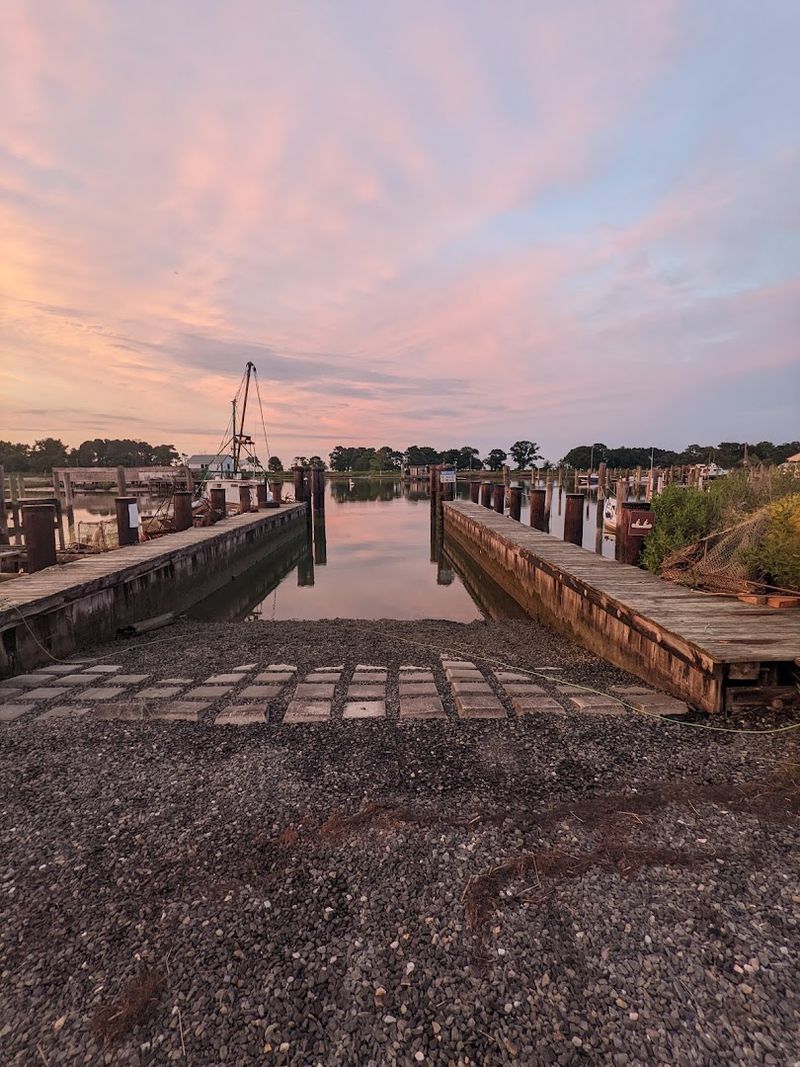
Smith Island sits near the Virginia-Maryland border in the Chesapeake Bay, and the debate over which state can claim it more proudly is one that locals on both sides take very seriously. What is not up for debate is that this quiet, marsh-wrapped island delivers a quality of stillness that is almost impossible to find anywhere else on the East Coast.
The pace here is measured in tides, not minutes.
Kayaking through the island’s intricate network of marsh channels is the single best way to experience it. Paddling at dawn, with mist rising off the water and osprey calling overhead, is the kind of experience that resets something fundamental inside you.
The marshes are alive with blue herons, egrets, and the occasional bald eagle making a dramatic low pass.
Smith Island is also famously associated with the Smith Island Cake, a multi-layered confection that Maryland officially designated as its state dessert.
The cake’s origins are deeply tied to the watermen culture of the Chesapeake, where women would bake elaborate layered cakes to send with their husbands on long crabbing trips.
It’s a delicious piece of edible history.
The island’s tranquil pace and natural beauty make it an ideal overnight or day-trip destination for those wanting genuine disconnection. Address: Smith Island, accessible by ferry from Crisfield, Maryland, or by private boat.
Closest Virginia mainland access points are in Northampton County. Contact local charter services for boat access from Virginia.
Wallops Island
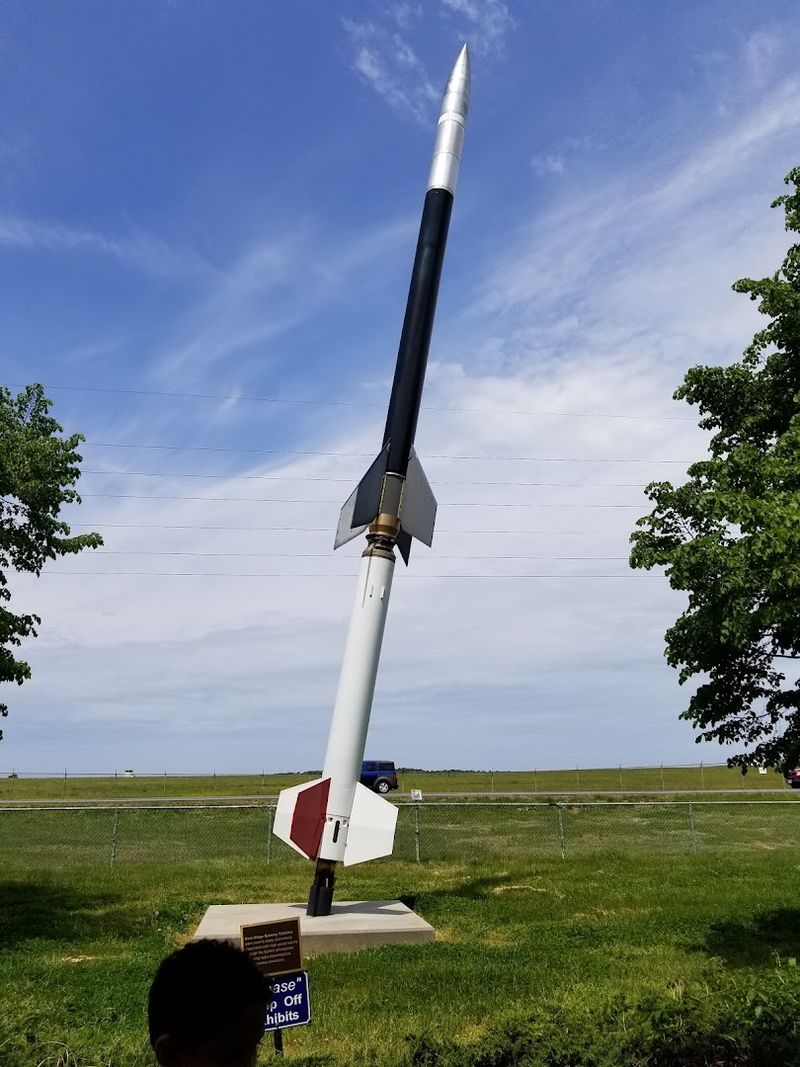
Wallops Island is the only place on this list where you might witness a rocket launch while standing on a beach, which instantly makes it the most gloriously unexpected island getaway in Virginia.
Home to NASA’s Wallops Flight Facility, this barrier island on the Eastern Shore has been launching rockets and conducting aerospace research since the mid-20th century.
The combination of space science and coastal scenery is genuinely surreal in the best possible way.
Much of the island is restricted due to active aerospace operations, but the NASA Wallops Visitor Center is open to the public and absolutely worth the trip. Exhibits cover everything from early rocket history to current satellite missions, and the center occasionally hosts public launch viewing events that draw crowds from across the region.
Watching a rocket arc into the night sky from a beach on the Atlantic coast is a memory that sticks permanently.
The coastal areas around Wallops offer beautiful, quiet scenery that most tourists completely overlook. Assateague Island is visible from various vantage points, and the surrounding Chincoteague Bay provides excellent kayaking and wildlife viewing opportunities.
The whole area has an appealingly unhurried quality that contrasts wonderfully with the cutting-edge science happening just over the fence.
Wallops is a fantastic educational day trip for families, science enthusiasts, and anyone who gets a little giddy thinking about space exploration. Address: NASA Wallops Flight Facility Visitor Center, Route 175, Wallops Island, Virginia 23337.
The visitor center is free and open to the public on select days.
Cedar Island
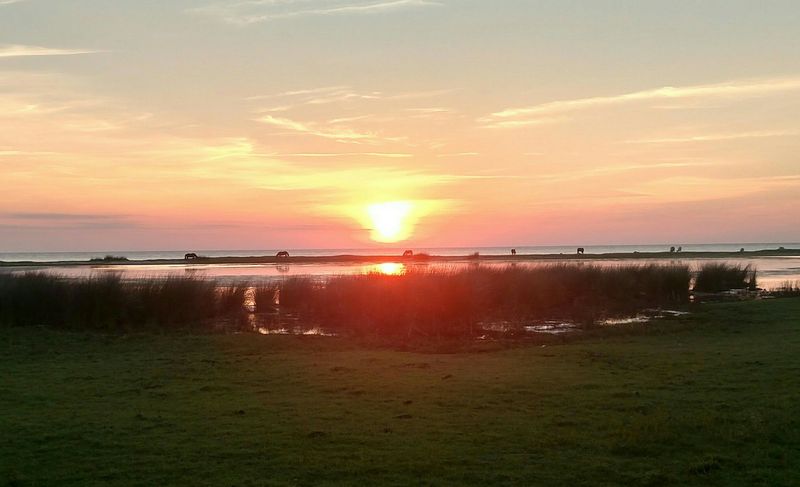
Cedar Island is the kind of place that serious surf fishers whisper about like a secret handshake. Stretching roughly seven miles along the coast just off Wachapreague on Virginia’s Eastern Shore, this narrow barrier island is raw, windswept, and utterly magnificent.
Access requires a boat, which filters out the casual crowd and leaves behind only those who genuinely came to experience something real.
A former U.S. Coast Guard station still stands on the island, its weathered structure serving as a compelling reminder of the maritime history embedded in this stretch of coastline.
The station’s presence adds a layer of historical texture to what would already be a visually dramatic landscape. Erosion has been relentless here over the decades, and the island’s shape has shifted considerably from historical maps.
The surf fishing on Cedar Island is the stuff of local legend. Striped bass, red drum, and flounder move through these waters in impressive numbers, making it a pilgrimage destination for anglers who know their way around a surf rod.
The shelling is equally rewarding, with the undisturbed shoreline delivering finds that turn casual collectors into obsessed ones.
Local watermen and Wachapreague charter services provide the primary access to the island, and booking in advance is strongly recommended during peak fishing seasons. The nearby town of Wachapreague, nicknamed the Flounder Capital of the World, makes an excellent overnight base.
Address: Cedar Island, accessible by boat from Wachapreague, Virginia 23480. Contact local charter services for transport arrangements.
Gwynn Island
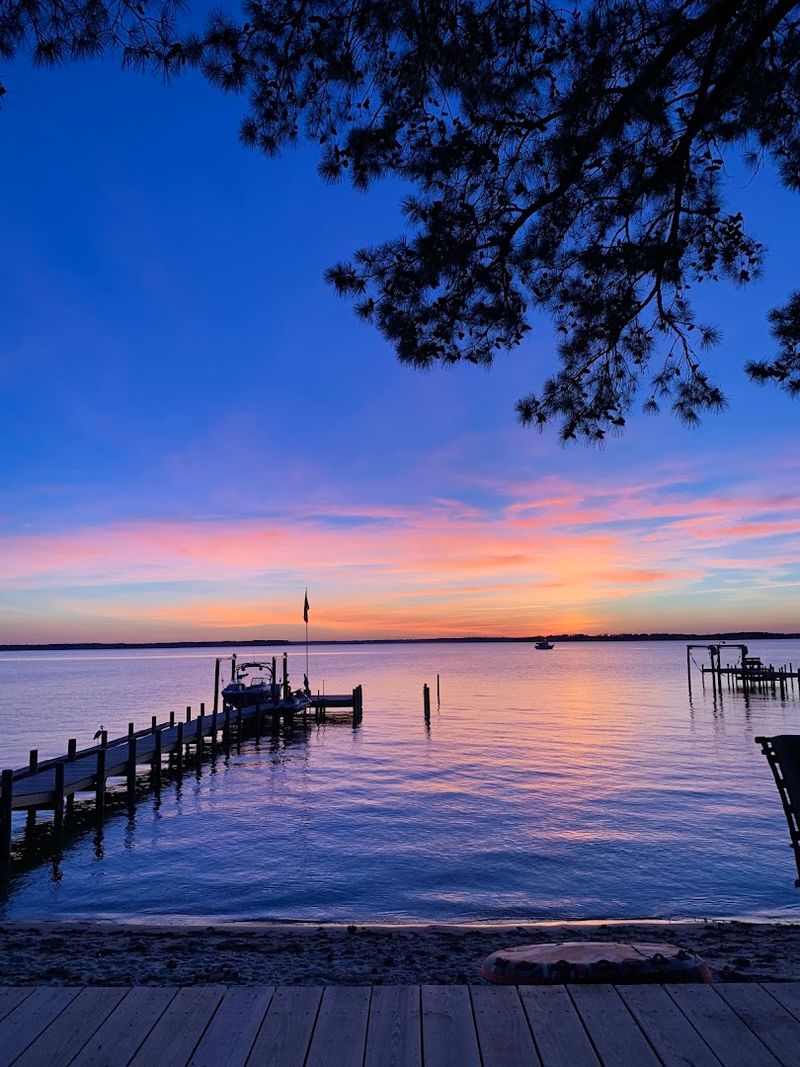
Gwynn Island is the rare island getaway that requires absolutely zero boat skills to reach, which makes it one of Virginia’s most accessible and criminally underappreciated coastal escapes.
A bridge connects this charming Mathews County island to the mainland, meaning you can roll up with a car full of gear and be exploring within minutes of arrival.
The bridge crossing itself is a lovely little moment, with open water views on both sides hinting at the relaxed adventure ahead.
The island’s maritime history is rich and genuinely fascinating. During the Revolutionary War, Gwynn Island was the site of a significant confrontation involving Lord Dunmore, the last royal governor of Virginia, who used the island as a base before being driven off by colonial forces.
The Gwynn’s Island Museum preserves this history with surprising depth and warmth, and a visit there adds real context to the landscape around you.
Marinas dot the shoreline, and the local boating community gives the island a lively, salty energy without ever tipping into overcrowded. Semi-public beach access points let you find a quiet spot to sit with your feet in the Chesapeake Bay and watch skipjacks and workboats pass in the middle distance.
Sunsets here are spectacularly good.
Gwynn Island rewards slow exploration on foot or by bicycle, with scenic roads winding past waterfront homes, old cemeteries, and sweeping bay views. Address: Gwynn Island, Mathews County, Virginia 23066.
Access via the Gwynn Island Bridge from Route 633 off Route 198.
Fisherman Island
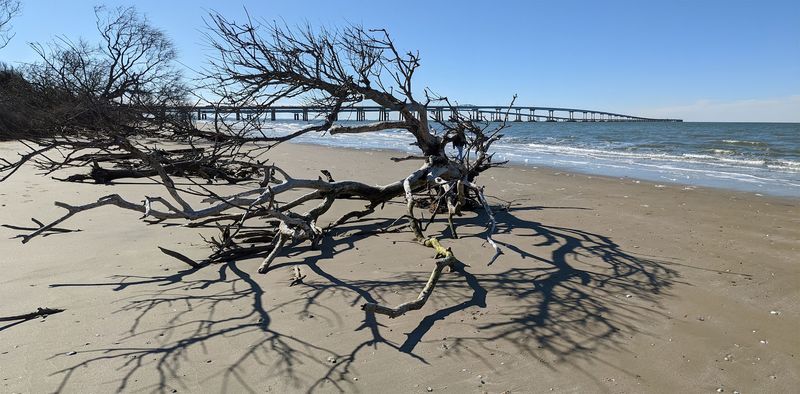
Fisherman Island sits at the very southern tip of Virginia’s Eastern Shore, tucked right where the Chesapeake Bay shakes hands with the Atlantic Ocean. The Chesapeake Bay Bridge-Tunnel rumbles past just overhead, making this one of the most dramatically situated wildlife refuges anywhere in the country.
Most people driving that iconic bridge have no idea they are passing directly above one of the most ecologically critical bird sanctuaries on the entire Atlantic Flyway.
As a designated National Wildlife Refuge, Fisherman Island is closed to general public access, which is precisely why it remains so spectacularly wild.
The island serves as a major stopover and staging area for migratory birds funneling down the Eastern Shore in fall, with numbers during peak migration that border on the genuinely unbelievable.
Peregrine falcons, merlin, and dozens of warbler species concentrate here in numbers that make serious birders weak at the knees.
Highly specialized guided wildlife tours are offered during the winter months, providing rare access to a landscape that most people will never set foot on. These tours are organized through the U.S.
Fish and Wildlife Service and require advance reservation. Spots fill up quickly, so planning ahead is essential if you want a chance at this extraordinary experience.
The island’s maritime forest, salt marshes, and sandy beaches support an astonishing diversity of wildlife year-round.
Address: Fisherman Island National Wildlife Refuge, Eastern Shore of Virginia National Wildlife Refuge Complex, 5003 Hallett Circle, Cape Charles, Virginia 23310.
Guided tours available seasonally through the U.S. Fish and Wildlife Service.
