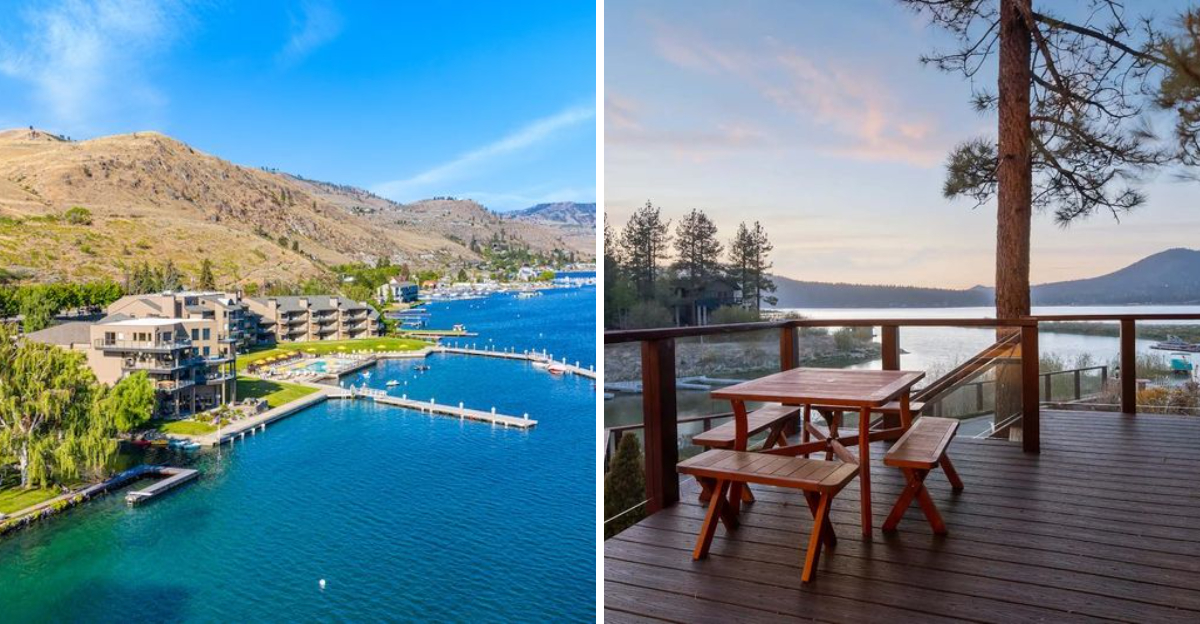
Lakefront spots have a way of slowing everything down the moment you arrive. Water stretches out in front of you, streets feel quieter, and life seems to settle into a calmer rhythm without much effort.
Across different regions, these spots each bring their own version of that peaceful escape. Some sit right on wide, open lakes where sunsets take over the sky.
Others are tucked into smaller shorelines where mornings feel especially still and unhurried.
You wander a bit more than you plan to. Along docks, through small main streets, and past waterfront parks where time doesn’t feel as tight as it does elsewhere.
It’s less about doing everything and more about simply being there. And that’s exactly what makes these lakefront spots such easy places to return to in your mind long after you leave.
1. Lake Tahoe, California and Nevada
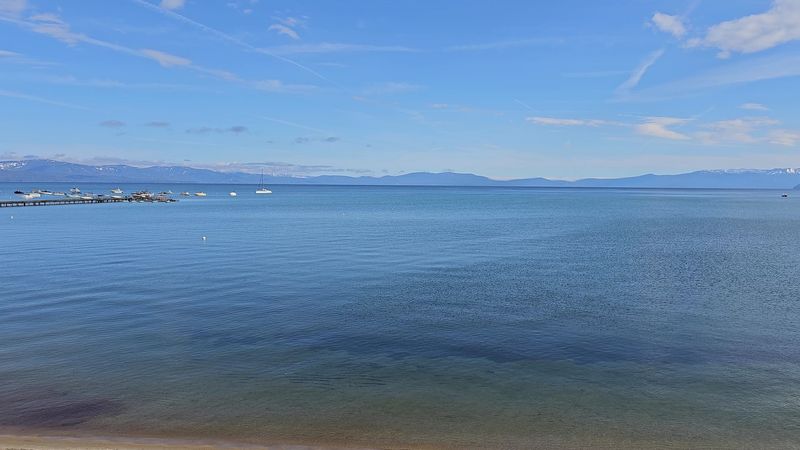
Clear water so blue it almost looks painted is the first thing you notice at Lake Tahoe. Straddling the border of California and Nevada, this alpine lake sits at over 6,000 feet above sea level.
The scenery here is genuinely hard to put into words. Granite peaks rise around the lake on every side, and the shoreline shifts between sandy beaches, rocky coves, and dense pine forests.
Summer draws hikers, kayakers, and paddleboarders out in full force. Trails like the Rubicon Trail offer lakeside views that stop you mid-step.
For a quieter experience, head to the smaller coves on the Nevada side. The crowds thin out fast once you move away from the main resort areas.
Winter transforms the whole scene into a snowy alpine escape. Ski resorts like Palisades Tahoe attract visitors from across the country, but the lake itself stays just as beautiful under a layer of snow.
Tahoe is one of those places that works in every season. Plan around what you love most, and the lake will deliver.
2. Lake McDonald, Montana
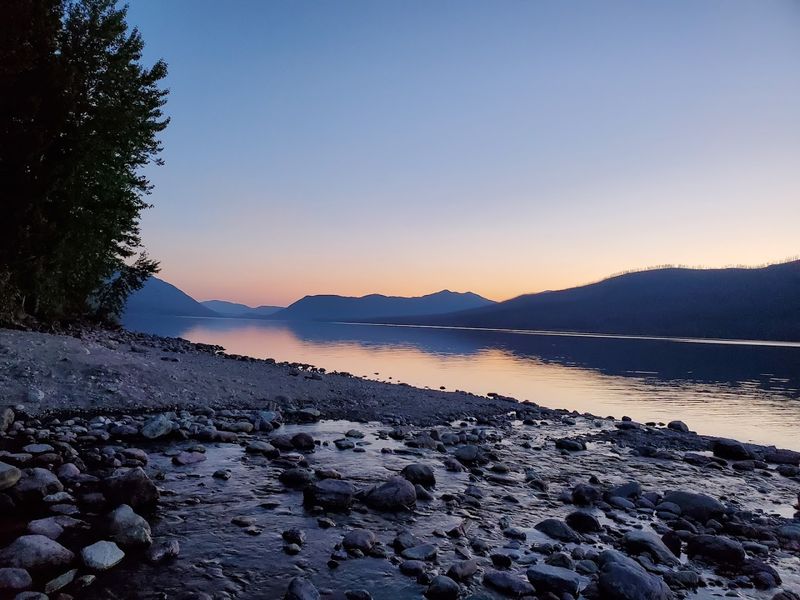
Colorful pebbles rest on the lakebed like a mosaic someone spent years arranging. Lake McDonald, located inside Glacier National Park in Montana, is one of the most visually striking lakes in the entire country.
The water is so clear that those red, green, and purple stones are visible from above the surface. That clarity comes from the lake’s glacial origins and the slow mineral weathering of surrounding rock.
Canoeing here is an experience all its own. You paddle in near silence, surrounded by forested ridgelines and snow-capped peaks reflecting perfectly off the water.
Wildlife sightings are common and completely unscripted. Mountain goats, black bears, and bald eagles all share this landscape with visitors, and they are rarely shy about it.
The Going-to-the-Sun Road, which passes near the lake, is one of the most scenic drives in North America. Even a slow cruise along that route earns its reputation.
Campgrounds and lodges near the lake fill up quickly in summer, so early reservations are strongly recommended. Arriving in late spring or early fall gives you nearly the same beauty with noticeably smaller crowds.
3. Lake George, New York
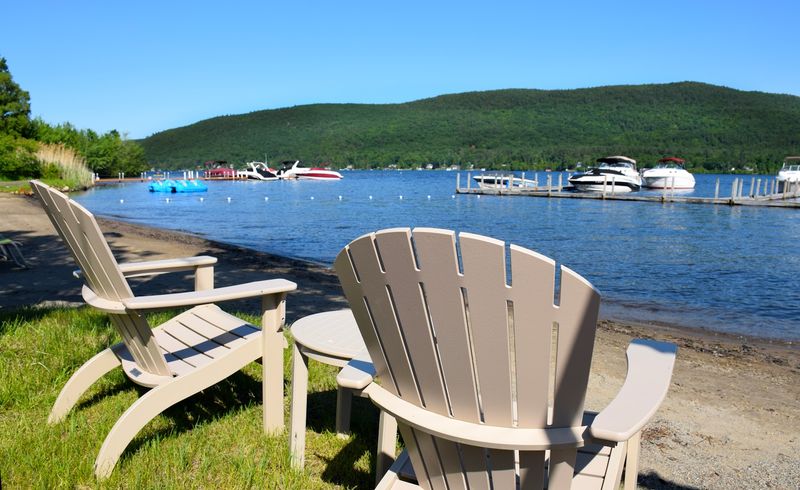
Long before it became a summer vacation favorite, Lake George earned a reputation as the Queen of American Lakes. That nickname still fits.
Sitting in the heart of the Adirondacks in upstate New York, this lake is 32 miles long and surrounded by forested hills that glow orange and red every autumn.
The town of Lake George sits at the southern end and offers a lively main street with shops, restaurants, and boat rentals. It is the kind of place where families return summer after summer.
Kayaking and swimming are the most popular warm-weather activities. The water stays clean and relatively calm, making it friendly for beginners and experienced paddlers alike.
History runs deep here too. Fort William Henry, a restored 18th-century fort at the lake’s edge, gives visitors a vivid look at the French and Indian War era.
Boat tours run throughout the summer and offer a relaxed way to see the lake from the water without doing any of the paddling yourself.
Fall is arguably the best time to visit. The foliage reflects off the lake in shades of amber and crimson, and the crowds are a fraction of what they are in July.
4. Lake Chelan, Washington
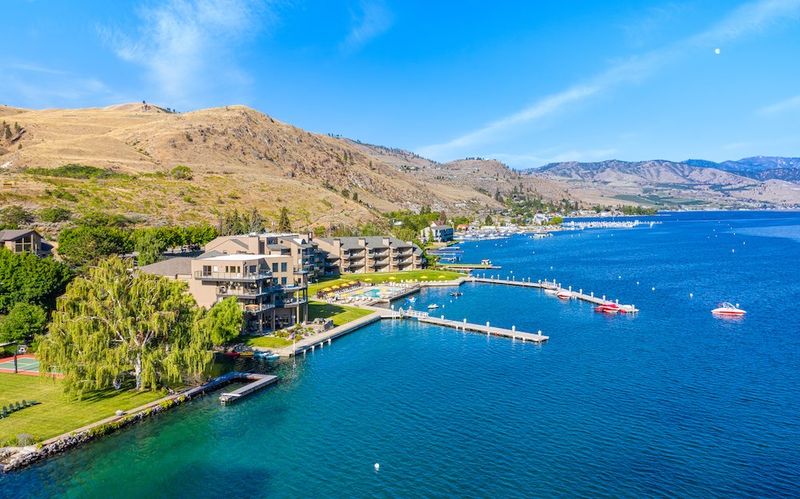
At nearly 1,500 feet deep, Lake Chelan is one of the deepest lakes in the United States. Located in north-central Washington State, this 50-mile-long lake cuts through a dramatic landscape where desert-like hills meet cold, deep water.
The contrast here is striking. On one side of the lake, you have dry golden hillsides covered in sagebrush.
On the other, you have lush vineyards and orchards that benefit from the lake’s moderating effect on the local climate.
The town of Chelan at the southern end is the main hub for visitors. It has a relaxed small-town feel with waterfront parks, local eateries, and plenty of boat launch access.
Cruises to the remote village of Stehekin at the northern end of the lake are a highlight for many visitors. Stehekin has no road access, so the ferry ride is part of the adventure.
Hiking trails around the area range from easy lakeside walks to more challenging routes with sweeping views of the entire valley.
Summer weekends can get busy near the waterfront, so arriving midweek or staying through September gives you a noticeably calmer experience with the same great scenery and warmer water temperatures.
5. Big Bear Lake, California
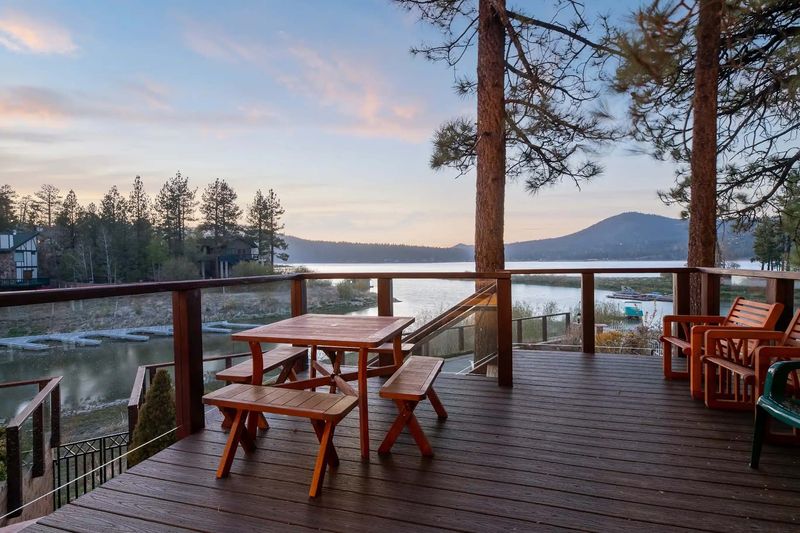
Sitting at 6,752 feet in the San Bernardino Mountains of Southern California, Big Bear Lake is the kind of place that surprises people who expect only beach towns and desert heat from the state.
The lake itself is a reservoir, but it does not feel artificial. Pine trees crowd the shoreline, the air is noticeably cooler than in the valleys below, and the pace of life slows down the moment you arrive.
Fishing is a major draw here. Trout, bass, and catfish are all common catches, and local bait shops are happy to point you toward the best spots on any given day.
Kayaking and paddleboarding are popular throughout the warmer months. The lake is calm enough for beginners but large enough that you can spend a full afternoon exploring without covering the same ground twice.
In winter, Big Bear transforms into a ski destination. Snow Summit and Bear Mountain are both within easy reach of the town, making this a genuine four-season destination.
The village area has a cozy mountain-town atmosphere with local restaurants and boutique shops. It feels removed from the chaos of the greater Los Angeles area, which is only about two hours away by car.
6. Crater Lake, Oregon
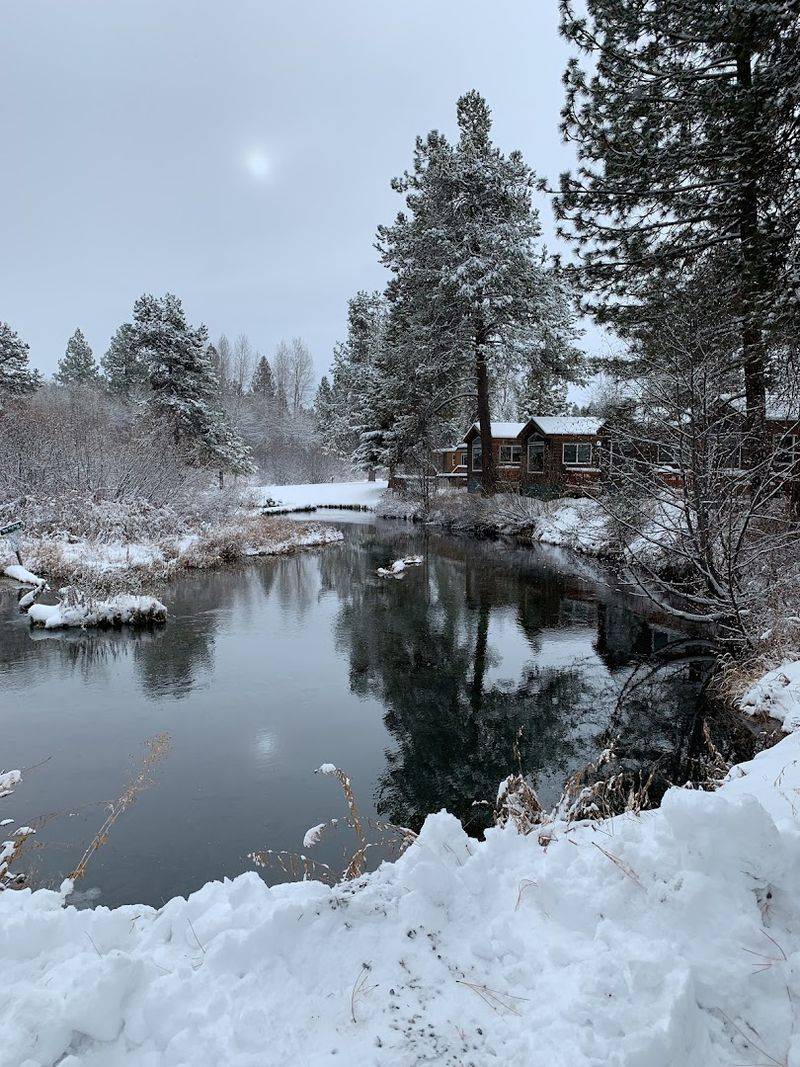
No photograph fully prepares you for the color of Crater Lake. The water is an almost unreal shade of deep blue that seems to glow from within, and that is not a trick of the light.
Located in southern Oregon, Crater Lake sits inside the collapsed caldera of a volcano called Mount Mazama, which erupted roughly 7,700 years ago. At 1,943 feet, it is the deepest lake in the United States.
Because no rivers flow into or out of the lake, the water is fed entirely by rain and snow. That isolation keeps it extraordinarily pure and gives it that signature blue intensity.
Crater Lake National Park surrounds the entire rim, and the 33-mile Rim Drive is one of the most rewarding scenic routes in the Pacific Northwest. Pullouts along the way offer jaw-dropping views from every angle.
Hiking trails descend to the water at Cleetwood Cove, the only legal access point to the lakeshore. Boat tours from there circle Wizard Island, a small cinder cone rising from the lake’s center.
Snow can arrive as early as October and linger into June, so the park has a relatively short peak season. Visiting in late July or August gives you the best combination of clear skies and open roads.
7. Seneca Lake, New York
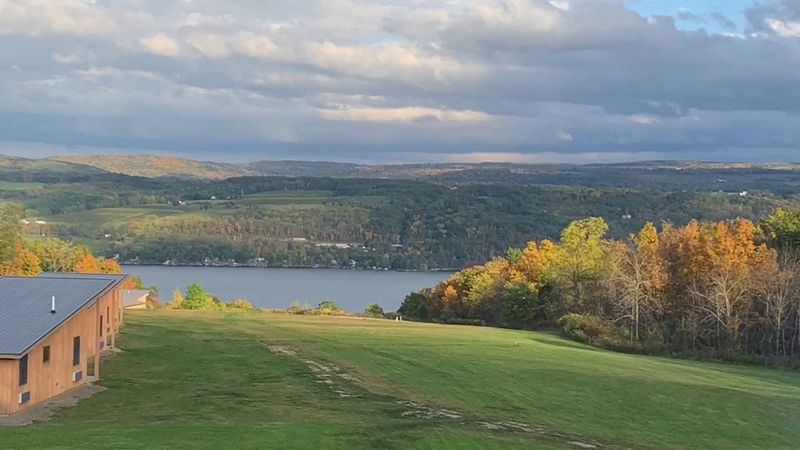
The longest and deepest of New York’s eleven Finger Lakes, Seneca Lake stretches 38 miles through the heart of a region that has quietly become one of the most respected agricultural areas in the Northeast.
The lake sits in a narrow glacially carved valley in the Finger Lakes region of central New York. The surrounding hillsides are covered in farms, orchards, and vineyards that take advantage of the lake’s natural ability to regulate temperature throughout the year.
Watkins Glen, at the southern tip of the lake, is a must-visit. The Watkins Glen State Park gorge trail winds past 19 waterfalls in just under two miles, making it one of the most dramatic short hikes in the state.
Boating on Seneca Lake is a serious pastime for locals. The lake is deep enough for sailboats, and on calm summer mornings the water is glassy and almost perfectly still.
Small towns like Geneva on the northern end offer farmers markets, historic architecture, and lakefront parks that are perfect for a slow afternoon walk.
The best time to visit is late summer into early fall, when the surrounding landscape is at its most lush and the lake temperatures are warm enough for swimming.
8. Lake Minnewaska, New York
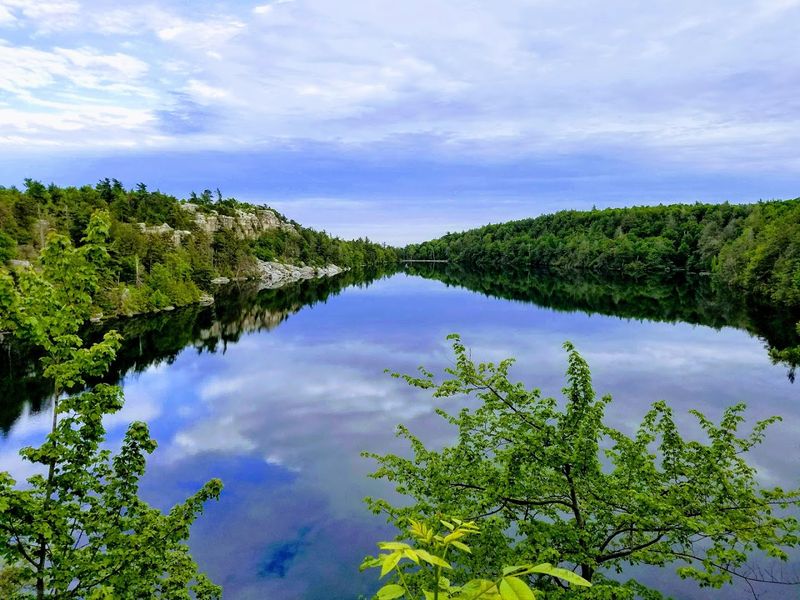
Perched high in the Shawangunk Mountains of New York, Lake Minnewaska looks like something out of a fantasy novel. The water is a vivid shade of aquamarine, and the white quartz cliffs that frame the shoreline seem to glow in bright sunlight.
The lake sits within Minnewaska State Park Preserve in Ulster County, about 90 miles north of New York City. That proximity makes it a popular weekend escape for city residents, but the park is large enough that it rarely feels overwhelmed.
Swimming is permitted in the lake during summer months, and the water stays clean and cool thanks to the high elevation and lack of motorized boat traffic. Only non-motorized watercraft are allowed on the lake.
The trail network around the lake is exceptional. Routes wind through pine barrens, past hidden waterfalls, and along cliff edges with sweeping views of the Hudson Valley below.
One of the most rewarding walks is the carriage road loop around the lake itself. It takes about an hour at a relaxed pace and delivers constant views of the water and surrounding ridgeline.
Autumn turns the surrounding forest into a patchwork of red, orange, and yellow. Visiting in mid-October puts you right in the middle of peak foliage season with the lake as a stunning centerpiece.
9. Lake Superior, Minnesota
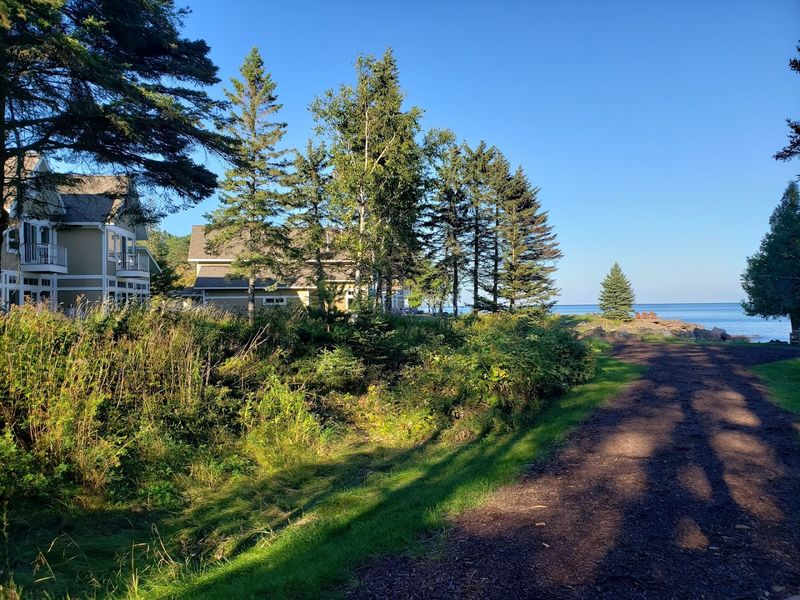
Standing on the shore of Lake Superior in Minnesota, it is easy to forget you are looking at a lake. The water stretches to the horizon with the same scale and energy as an ocean, and the waves hit the rocky shore with genuine force.
Superior is the largest of the five Great Lakes by surface area, covering about 31,700 square miles. The Minnesota shoreline runs along the North Shore, a stretch of rugged coastline between Duluth and the Canadian border that is widely considered one of the most scenic drives in the Midwest.
Duluth itself is a fascinating city to explore. Built on a hillside above the lake, it has a working port, a vibrant arts scene, and an Aerial Lift Bridge that raises and lowers to let ships pass through the harbor.
Towns like Grand Marais and Two Harbors offer a quieter, more intimate experience of the lake. Both have small harbors, independent restaurants, and easy access to hiking trails in the surrounding Superior National Forest.
Kayaking along the North Shore requires some experience due to the lake’s unpredictable conditions, but guided tours make it accessible for most visitors.
Fall is spectacular here, with birch and aspen trees turning gold against the blue-gray water in a combination that is hard to find anywhere else in the country.
10. Moosehead Lake, Maine
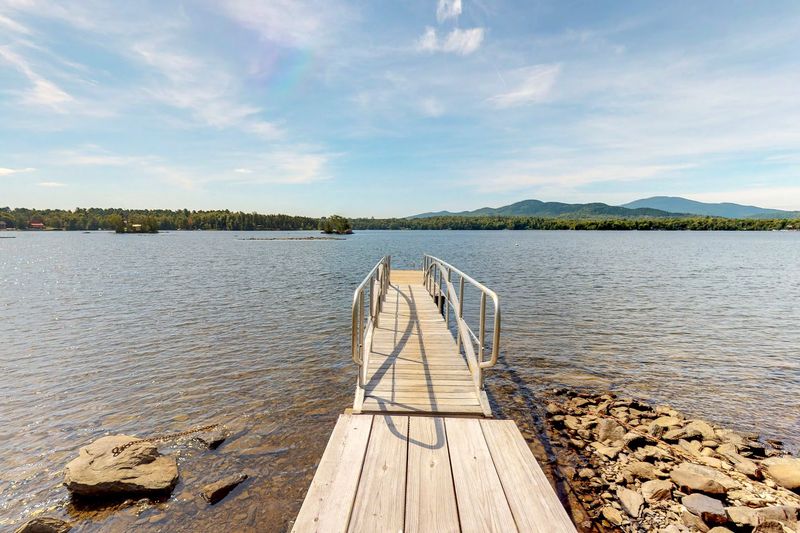
Maine’s largest lake does not try to impress you with resorts or manicured waterfronts. Moosehead Lake, located in the remote Moosehead Lake Region of northern Maine, earns its appeal through sheer wildness.
The lake covers about 75 square miles and is surrounded almost entirely by boreal forest. Moose sightings are common enough that the lake was named after them, and early morning canoe trips frequently reward paddlers with a glimpse of one wading near the shore.
Greenville, the main town on the southern end of the lake, serves as the gateway to the whole region. It is a small community with a handful of outfitters, a seaplane base, and a genuine frontier-town atmosphere that has not been polished away.
Canoeing and kayaking are the most popular ways to explore the lake. The shoreline is varied and largely undeveloped, offering hours of paddling through quiet coves and around forested islands.
Fishing for landlocked salmon and lake trout draws serious anglers from across New England. Ice fishing in winter is equally popular, and the frozen lake develops a whole community of its own each January and February.
The remoteness is the point. Moosehead Lake rewards visitors who want solitude, fresh air, and a genuine connection with a landscape that has stayed largely unchanged for generations.
