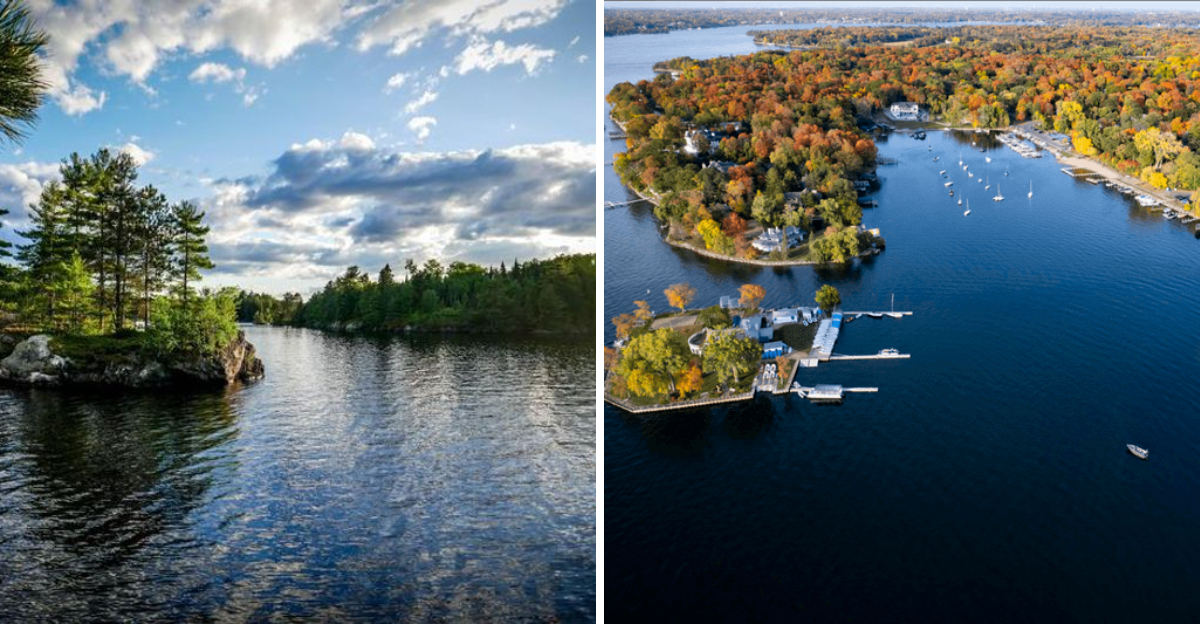
Minnesota doesn’t do spring halfway – when the ice finally breaks, the whole state feels like it exhales at once. And nothing captures that shift better than its lakes, each one turning into a fresh escape as the season comes alive again.
From wide, glassy waters perfect for slow mornings to tucked-away spots where the shoreline feels almost private. These lakes each bring their own version of spring energy.
Some are built for kayaking and fishing, others for lazy afternoons on the dock with nothing on the schedule. I kept noticing how quickly the mood changes from lake to lake.
One feels lively and social, another calm and almost untouched, like it’s still waking up after winter. It’s the kind of season where a simple drive turns into a string of stops you didn’t plan – just following water, light, and whatever view pulls you in next.
1. Lake Superior, Grand Marais, Minnesota
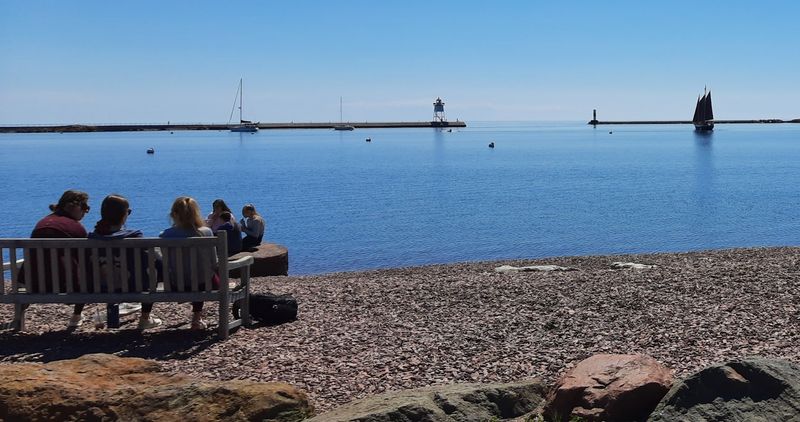
Crystal-clear water stretches so far you might forget you are looking at a lake. Lake Superior, hugging the northeastern edge of Minnesota near Grand Marais, is the largest of the Great Lakes and one of the most jaw-dropping sights in the Midwest.
Spring here is something special. Wildflowers push through the rocky soil along the shoreline trails.
Migratory birds fill the trees overhead, and the crisp lake air makes every hike feel refreshing.
Grand Marais itself is a charming lakeside town worth exploring. Local art galleries, coffee shops, and bakeries line the small downtown area.
The Gunflint Trail, which starts nearby, leads into deep wilderness territory perfect for a longer spring adventure.
Kayaking along the rugged shoreline is a popular choice for visitors. The water is cold but calm in spring, and the views of the cliffs and forested hills are stunning from the water level.
Camping spots at Judge C.R. Magney State Park and Cascade River State Park sit close to the lake and offer easy access to trails and scenic overlooks.
Spring camping here feels quiet and peaceful before the summer crowds arrive.
2. Lake Mille Lacs, Central Minnesota
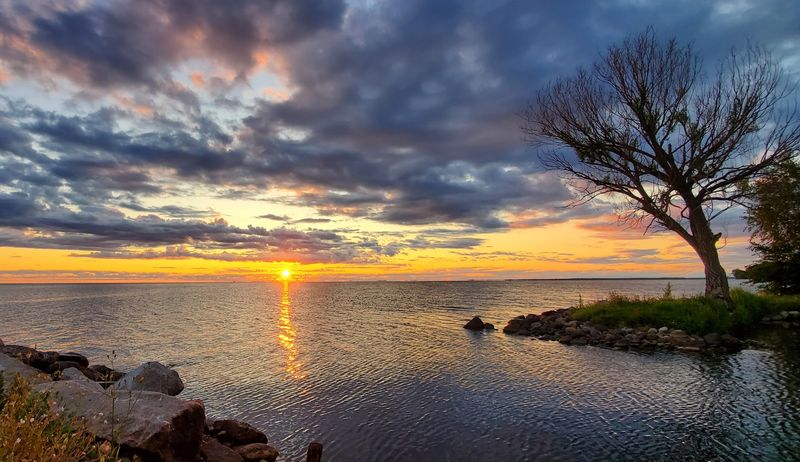
Walleye fishing has a home in Minnesota, and that home is Lake Mille Lacs. Sitting in the heart of central Minnesota, this massive lake covers nearly 132,000 acres and draws anglers from across the Midwest every spring season.
The walleye and bass populations here are legendary. Fishing resorts along the shoreline offer guided trips, boat rentals, and comfortable cabins that make a spring fishing weekend feel like a full vacation rather than just a day trip.
Beyond fishing, the lake has a lot going on. Scenic hiking and biking trails wind through the surrounding forests.
Spring brings fresh green growth to the woods, making every trail feel like a nature walk through a living painting.
The Mille Lacs Indian Museum and Trading Post sits nearby and offers a fascinating look at the history and culture of the Ojibwe people who have called this region home for centuries. It is a meaningful stop that adds real depth to your visit.
Sunsets over Lake Mille Lacs are absolutely worth staying up for. The wide-open water gives the sky plenty of room to put on a show, and the colors reflecting off the lake surface are hard to describe without sounding like you are making it up.
3. Rainy Lake, Voyageurs National Park, Minnesota
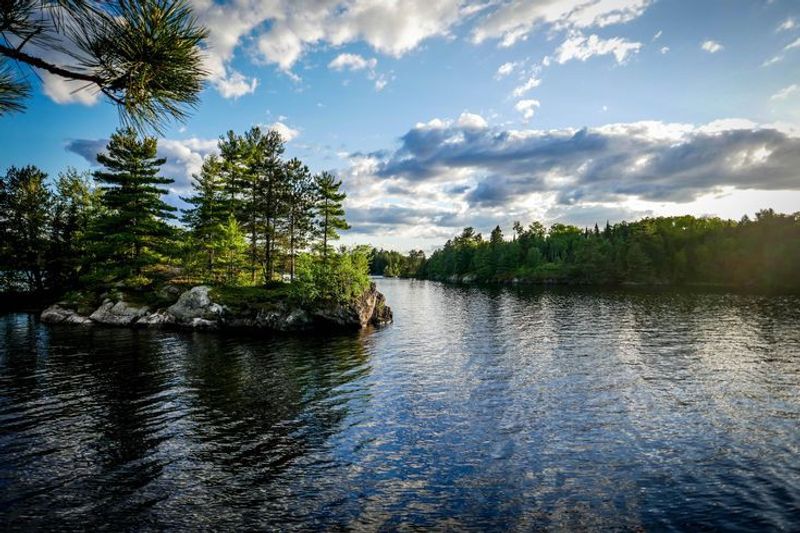
Sitting right on the border between Minnesota and Canada, Rainy Lake is one of those places that makes you feel genuinely far from everyday life. It is part of Voyageurs National Park, and the sheer number of islands scattered across it is almost unbelievable.
More than 2,000 islands dot the surface of Rainy Lake. Paddling through them by canoe or kayak in spring feels like exploring a maze built by nature itself.
Each turn reveals a new cove, a new cluster of pines, or a quiet rocky beach.
Fishing is excellent here in spring. Walleye, northern pike, and smallmouth bass are all active as the water warms up after the long winter.
Many visitors combine a fishing trip with a camping stay on one of the park’s remote island campsites.
One of the most exciting reasons to visit Rainy Lake in spring is the chance to see the Northern Lights. The remote location and minimal light pollution create ideal conditions for aurora viewing on clear nights.
Voyageurs National Park is accessible only by water during spring and summer, which gives the whole experience a true wilderness feel. Boat tours run from the Rainy Lake Visitor Center and are a great introduction for first-time visitors.
4. Lake Vermilion, Tower, Minnesota

Some lakes have a few islands. Lake Vermilion has 365 of them.
Located near the small town of Tower in northeastern Minnesota, this lake is one of the most beautiful and underappreciated destinations in the entire state.
Spring transforms Lake Vermilion into a lush, vibrant landscape. The forests surrounding the 340 miles of shoreline come alive with fresh green leaves and blooming plants.
Bald eagles are commonly spotted soaring above the water during this time of year.
Boating through the islands is a pure joy. Each island feels like its own private world, and the winding channels between them create a natural playground for kayakers and canoeists.
Fishing for walleye, muskie, and bass is productive throughout the spring season.
Lake Vermilion State Park sits on the southwestern shore and offers well-maintained hiking trails with gorgeous lake views. The park opened in 2010 and is one of Minnesota’s newer state parks, which means facilities are modern and well-kept.
The town of Tower is a friendly little stop for supplies, a warm meal, or a chat with locals who know the lake better than anyone. Tower also sits close to the Iron Range region, which has a fascinating mining history worth learning about.
5. Lake Minnetonka, Minnetonka, Minnesota
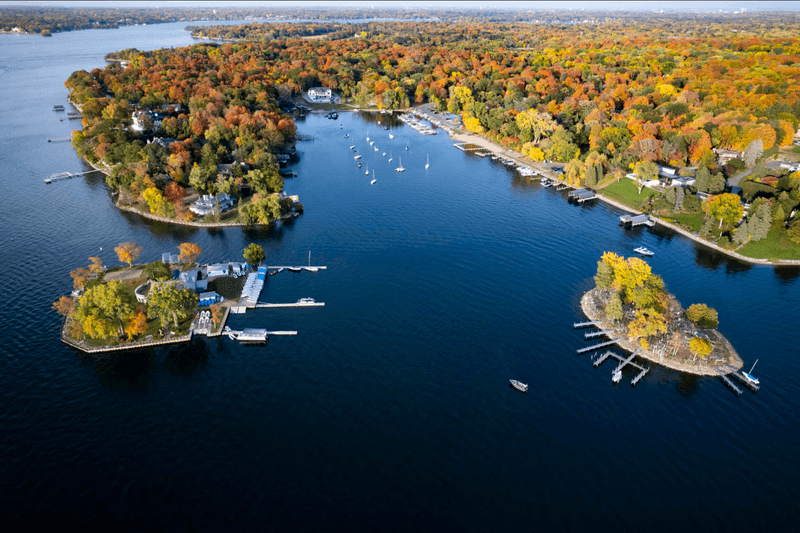
Just a short drive west of Minneapolis, Lake Minnetonka is the kind of place that locals fiercely love and visitors immediately understand why. This sprawling lake covers over 14,000 acres and has so many bays and inlets that first-timers often joke about needing a map just to keep track.
Spring brings a burst of energy to the lake. Boaters come out early in the season, and the waterfront towns like Excelsior and Wayzata start buzzing with activity.
Lakeside restaurants open their patios, and the whole area feels festive and alive.
Fishing is a serious pursuit here. The lake holds largemouth bass, northern pike, and panfish in good numbers.
Spring is particularly productive for bass fishing as the water temperature rises and fish move into shallower areas near the shoreline.
Walking the trails around Excelsior is a lovely way to spend a spring morning. The town has a historic downtown with independent shops, bakeries, and a charming small-town feel that contrasts nicely with its proximity to the Twin Cities metro area.
The Minnehaha Creek flows out of Lake Minnetonka and eventually connects to the Mississippi River, giving the lake a fun geographical distinction. History buffs will appreciate knowing that this lake inspired Henry Wadsworth Longfellow’s famous poem, even though he never actually visited it.
6. Lake Pepin, Lake City, Minnesota
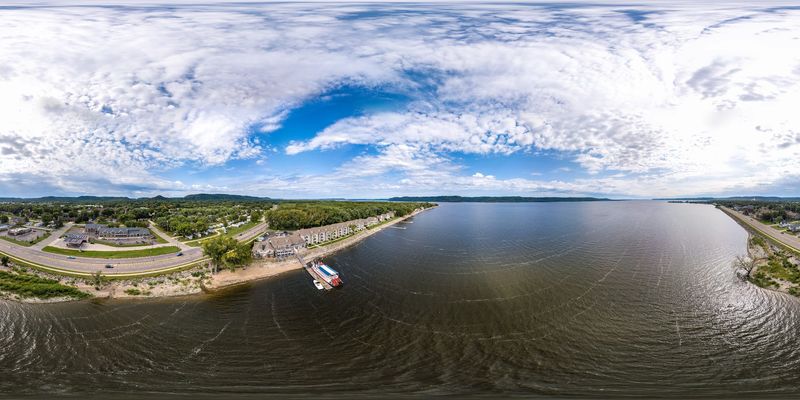
Technically part of the Mississippi River, Lake Pepin earns its lake status by being wide enough and calm enough to feel like one. Stretching about 22 miles along the Minnesota-Wisconsin border, it is the largest lake on the entire Mississippi River and a genuinely beautiful spring destination.
The bluffs surrounding Lake Pepin are dramatic in spring. Fresh green growth covers the hillsides, and the contrast between the dark river water and the bright green cliffs is striking.
Scenic overlooks along Highway 61 offer some of the best views in the state.
Lake City, Minnesota, sits right on the western shore and claims an impressive piece of history. Water skiing was actually invented here in 1922, when a young man named Ralph Samuelson strapped two boards to his feet and figured out the rest.
That local pride runs deep.
Sailing is a major activity on Lake Pepin in spring. The consistent winds that blow through the valley make it one of the best sailing spots in the Midwest.
Sailboat races are a regular event, and watching them from shore is entertaining even if you have never touched a sail.
The historic town of Pepin, Wisconsin, sits on the opposite shore and is the birthplace of author Laura Ingalls Wilder. A quick drive across the bridge adds a literary detour to your lake visit.
7. Gull Lake, Brainerd Lakes Area, Minnesota
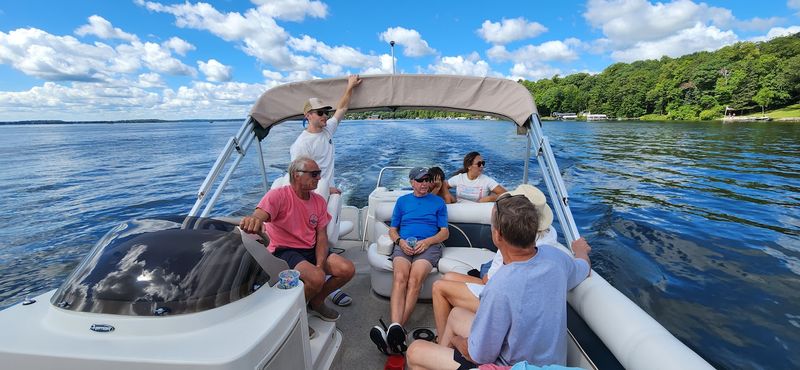
Clear water and sandy beaches are not always easy to find in Minnesota, but Gull Lake delivers both with confidence. Part of the famous Brainerd Lakes area, this lake has been a favorite getaway spot for Minnesotans for generations, and it is not hard to see why.
Spring at Gull Lake is refreshingly uncrowded. The summer resort scene has not fully kicked in yet, which means you get the beauty of the lake without the noise and traffic that come later in the season.
Resorts around the lake often offer discounted spring rates, making it a smart budget choice too.
Fishing is excellent in spring, with walleye, bass, and panfish all active and biting. Many resorts provide boat rentals and fishing gear, so you do not need to haul your own equipment from home to have a great day on the water.
Golf courses surrounding Gull Lake are some of the best in northern Minnesota. Madden’s on Gull Lake and Grand View Lodge both offer championship-level courses that come alive beautifully in spring.
Teeing off with a lake view in the background is a genuinely pleasant experience.
The town of Brainerd is just a short drive away and offers plenty of dining, shopping, and entertainment options for evenings off the water. The Paul Bunyan Trail, a paved multi-use path nearby, is perfect for spring cycling or rollerblading.
8. Bear Island Lake, Ely, Minnesota
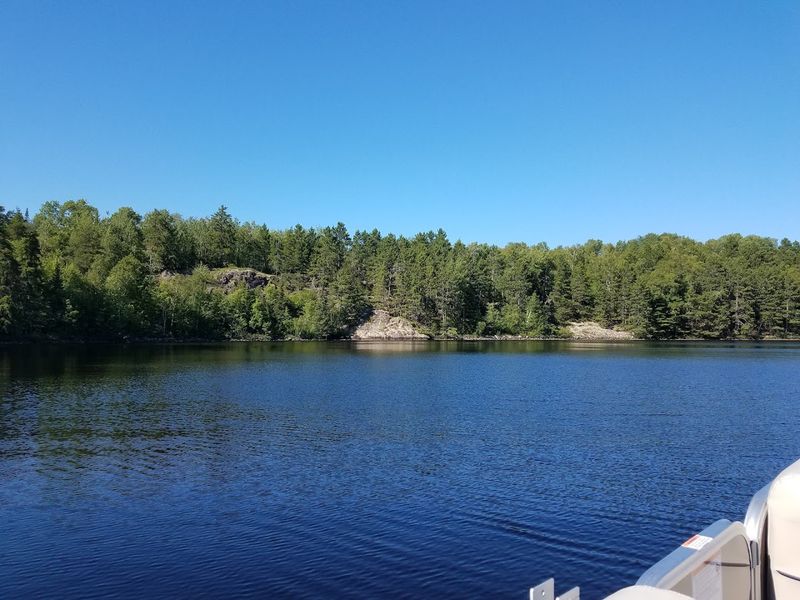
If solitude is what you are chasing this spring, Bear Island Lake near Ely, Minnesota, will deliver it in abundance. This remote lake sits in the heart of the Boundary Waters Canoe Area Wilderness, one of the most protected and pristine wilderness regions in North America.
Getting to Bear Island Lake requires some effort, and that is honestly part of the appeal. Paddling in through the BWCA entry points near Ely means you earn the view.
Once you arrive, the silence and the untouched forest around the lake feel almost surreal.
Fishing here is outstanding. Walleye, smallmouth bass, and northern pike thrive in the clear, unpolluted water.
Spring is a particularly rewarding time because fish are hungry and active after the long winter, and the competition from other anglers is minimal in the more remote areas.
Camping on the shores of Bear Island Lake under a canopy of stars is the kind of experience that resets your perspective on life. Loons call across the water in the early morning, and the sounds of the forest at night are both peaceful and wild.
Ely itself is a wonderful base town. It has excellent outfitters who can set you up with canoes, camping gear, and route planning.
The International Wolf Center in Ely is also a fascinating stop for wildlife education before or after your lake adventure.
9. Ten Mile Lake, Hackensack, Minnesota
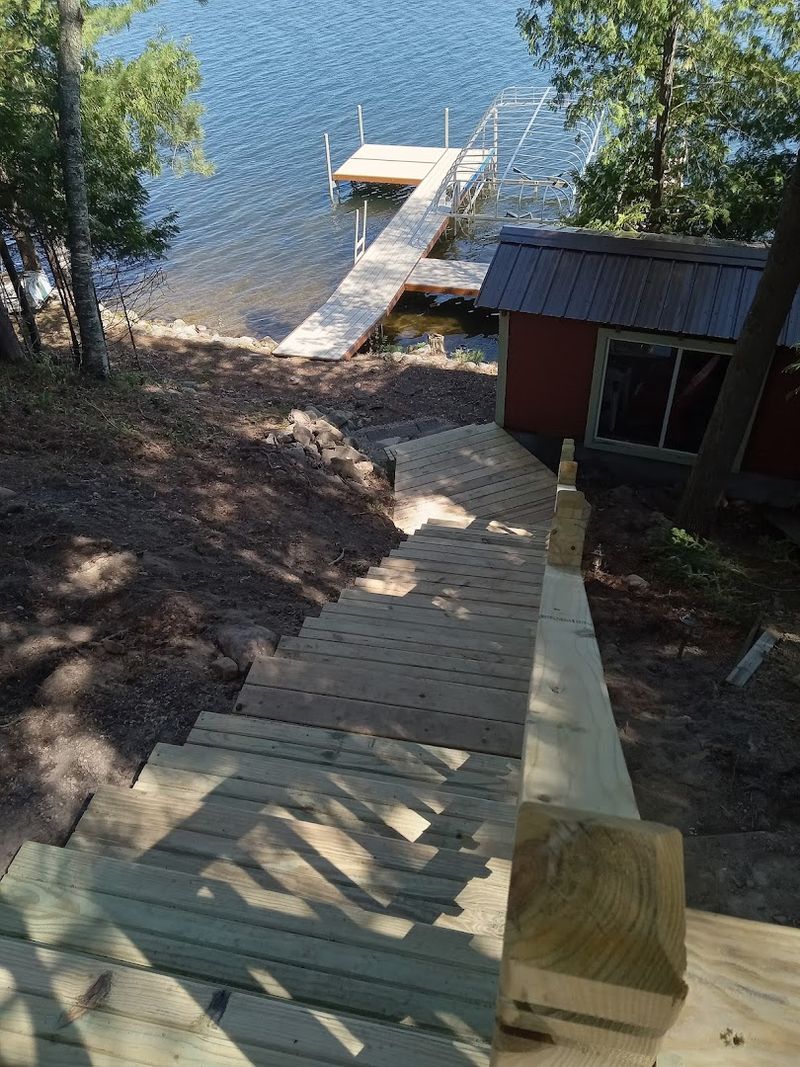
Depth records might not sound exciting until you learn that Ten Mile Lake near Hackensack, Minnesota, is the deepest natural lake entirely within the state. At around 246 feet at its deepest point, it holds an almost eerie clarity that makes it stand out among Minnesota’s many lakes.
Spring fishing on Ten Mile Lake is a treat. The lake holds a healthy population of walleye, bass, muskie, and lake trout.
The deep, cold water keeps fish populations strong year-round, and the spring season kicks off with some of the most productive fishing of the year.
Resorts around the lake offer comfortable spring accommodations, and many cater specifically to fishing groups. Cabin rentals with private docks are common, and waking up to a quiet lake view before heading out for a morning fishing session is a genuinely lovely way to start the day.
The town of Hackensack is small but friendly, with a few local restaurants and shops that give the area a laid-back charm. It is also home to Lucette, the legendary girlfriend of Paul Bunyan, celebrated with a large statue in town.
Paddleboarding and kayaking on Ten Mile Lake are popular spring activities. The clear water gives paddlers a view straight down to the lake bottom in shallower areas, which is both beautiful and a little humbling.
10. Lake Itasca, Itasca State Park, Minnesota
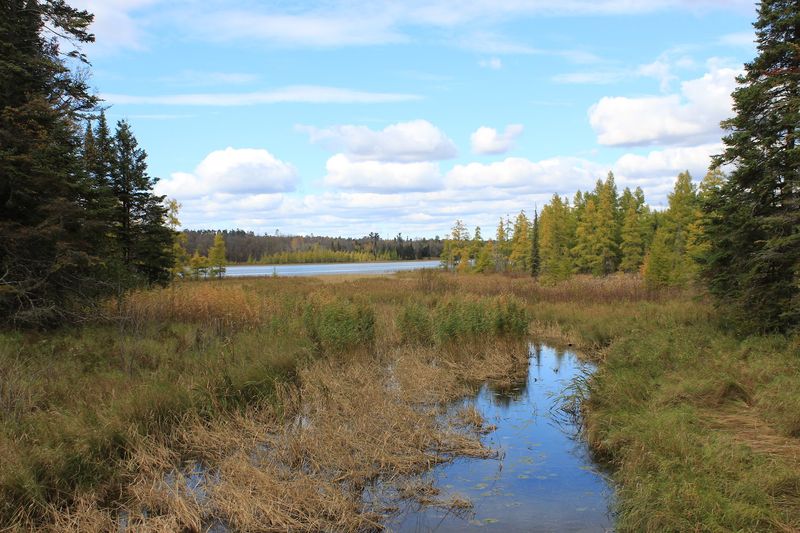
Standing at the headwaters of the Mississippi River and watching the water begin its 2,340-mile journey to the Gulf of Mexico is a moment that hits differently than you might expect. Lake Itasca, located within Itasca State Park in northwestern Minnesota, is where that journey starts.
Visitors can literally walk across the Mississippi River right here at the lake outlet. The water at the headwaters is shallow and rocky, and stepping across it is one of those small, memorable travel moments that feels bigger than it looks on the surface.
Itasca State Park is Minnesota’s oldest state park, established in 1891. Ancient old-growth pine trees tower over the hiking trails, some of them hundreds of years old.
Walking among them in spring, when the forest floor is carpeted with wildflowers, feels genuinely awe-inspiring.
Paddling on Lake Itasca itself is peaceful and beautiful. The lake is calm, clear, and surrounded by forest on all sides.
Canoe and kayak rentals are available at the park during spring and summer months.
Cycling the park’s scenic roads is another popular spring activity. The paved routes wind through the forest and along the lakeshore, offering easy riding with constantly changing scenery.
The park also has a small beach area that opens as the season warms up.
