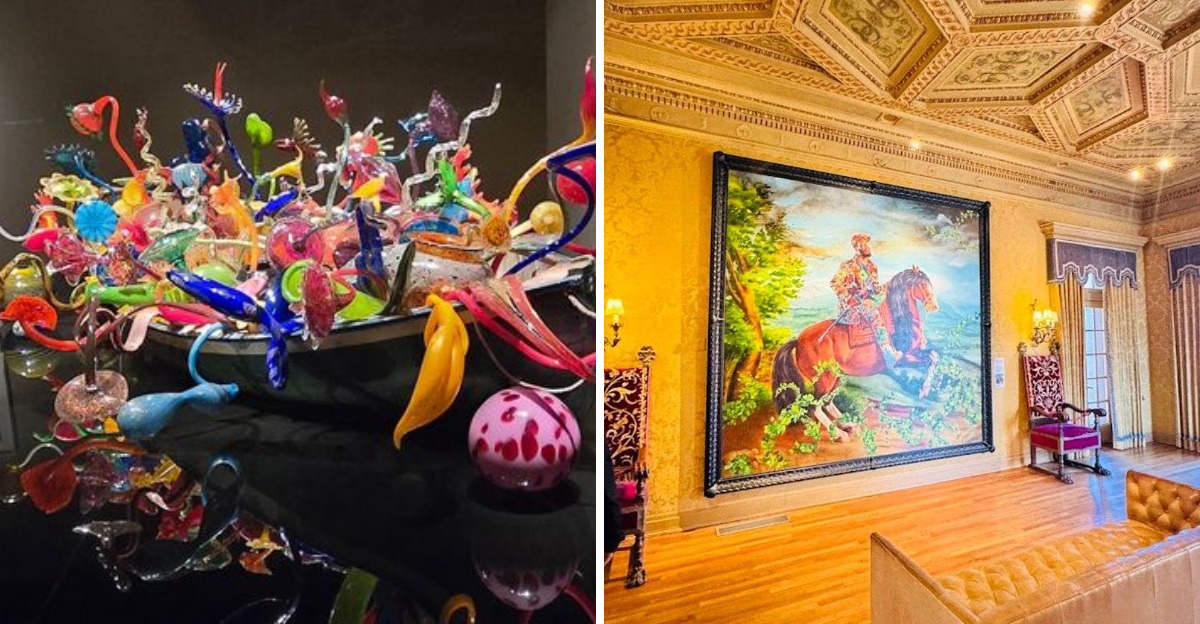
Oklahoma holds more of these places than expected. Not just quiet galleries or history halls, but spaces filled with strong stories, bold artwork, and details that keep you moving from one exhibit to the next without losing interest.
Each one feels different, yet they all share that sense of stepping into something bigger than the moment you walked in with. March fits them perfectly.
It is calm enough to take your time, yet lively enough to make each visit feel fresh. These museums across Oklahoma offer that balance, giving you a reason to spend a few hours inside without feeling like you missed anything outside.
1. Oklahoma City Museum of Art Brings Light and Color Together
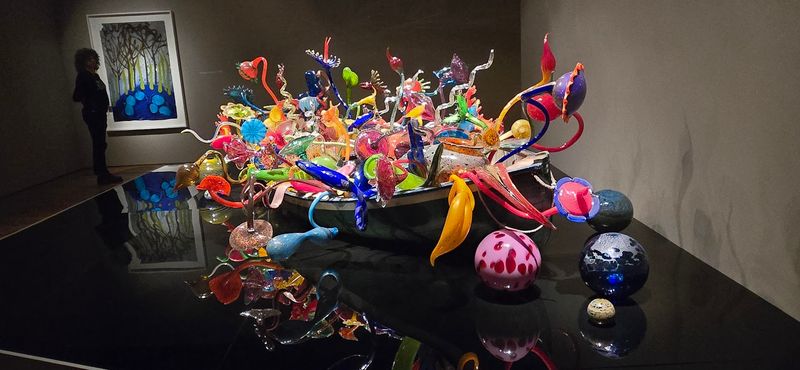
The first thing that stands out is how the light moves through the space. The Oklahoma City Museum of Art, located at 415 Couch Drive in Oklahoma City, creates an environment where artwork feels alive, not static.
Glass installations and rotating exhibits shift the mood from room to room. The experience stays engaging without overwhelming you, which is a balance many museums struggle to find.
The layout encourages steady movement through the building. You move naturally from one gallery to another, with each section offering something distinct from what came before it.
March is a great time to visit because the crowds stay manageable. You can actually stand in front of a piece and think about it without someone nudging past you.
The collection here spans American and European art, photography, and decorative objects. There is enough variety to keep anyone moving forward with genuine curiosity rather than obligation.
One of the most talked-about features is the Dale Chihuly glass tower in the atrium. It rises several stories and catches the light in a way that changes depending on where you stand.
There is a sense of balance here that feels intentional. The artwork feels important, but the space allows you to take it in at your own pace without any pressure.
2. Philbrook Museum of Art Blends History With Beauty
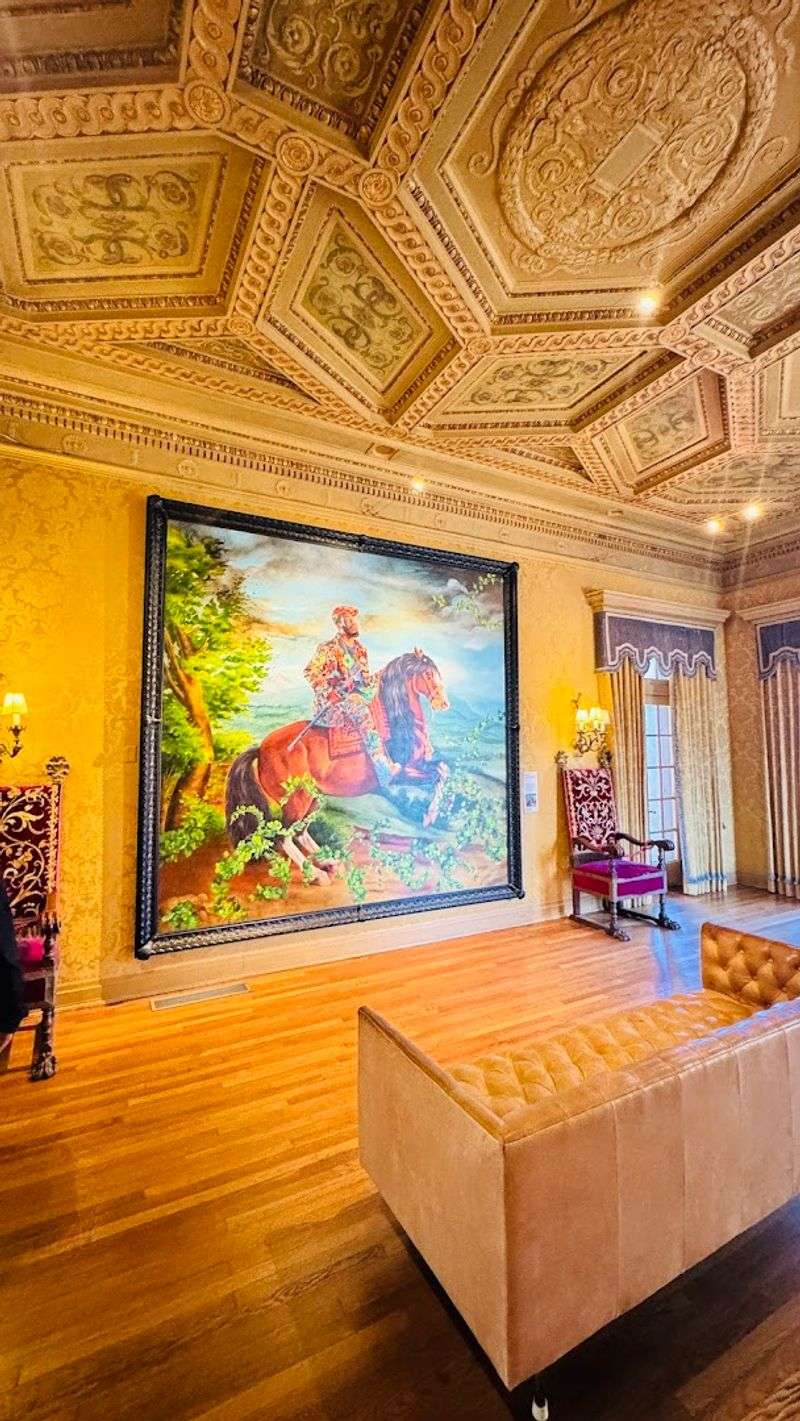
Walking into the Philbrook Museum of Art feels like stepping into a different era entirely. Located at 2727 South Rockford Road in Tulsa, Oklahoma, this museum is housed in a stunning 1920s Italian Renaissance villa that was once a private residence.
The building itself becomes part of the experience. Its architecture adds depth to everything inside, making the galleries feel more layered than a standard white-wall museum setting.
Nine collections of art from around the world fill the interior, with a particularly strong focus on Native American art. The variety means each room carries its own identity and energy.
The surrounding formal gardens extend the visit well beyond the walls. In March, early seasonal blooms begin to appear, adding color and a slower pace to the afternoon.
It creates a layered experience that feels genuinely complete. You are not just looking at art on walls but moving through a space that has its own history woven into every corner.
The outdoor paths invite you to slow down between galleries. That shift in pace keeps the visit from feeling like a checklist and turns it into something more personal.
Inside, the artwork reflects a wide range of styles and time periods. Each room earns its own attention rather than blending into the next.
3. National Cowboy and Western Heritage Museum Feels Grounded
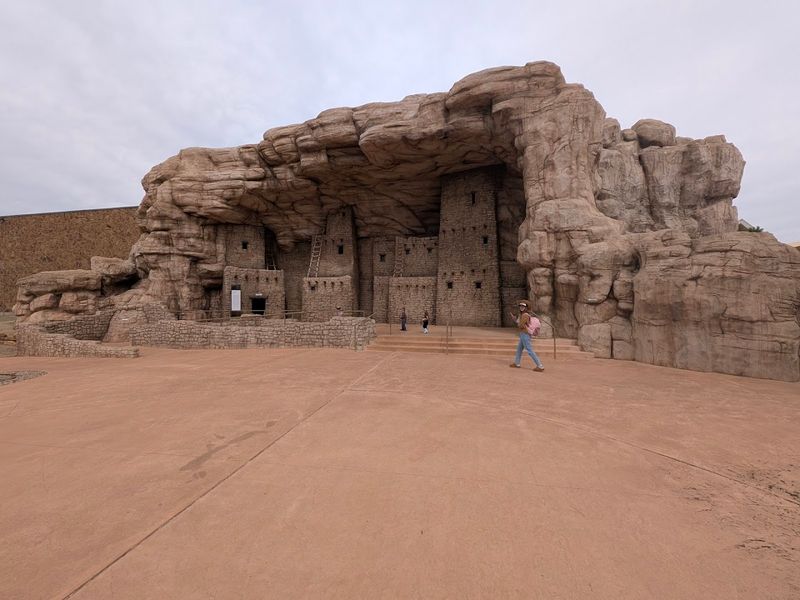
There is a sense of place here that feels unmistakable the moment you step through the front doors. The National Cowboy and Western Heritage Museum sits at 1700 Northeast 63rd Street in Oklahoma City, and it presents Western history with a steady, respectful hand.
The collection includes over 28,000 artworks and artifacts related to Western and Native American culture. Paintings by Charles Marion Russell and Frederic Remington anchor the fine art galleries with real visual power.
The scale of the space allows you to explore without feeling rushed. Each section builds on the last, creating a clear narrative that carries you forward naturally.
Bronze sculptures greet you early in the visit, setting the tone for everything that follows. They are large, detailed, and positioned in ways that encourage you to walk around them fully.
The Prosperity Junction exhibit recreates a turn-of-the-century Western town inside the museum itself. It is one of those experiences that makes you stop and look twice because the detail is genuinely impressive.
4. Gilcrease Museum Holds Stories of the American West
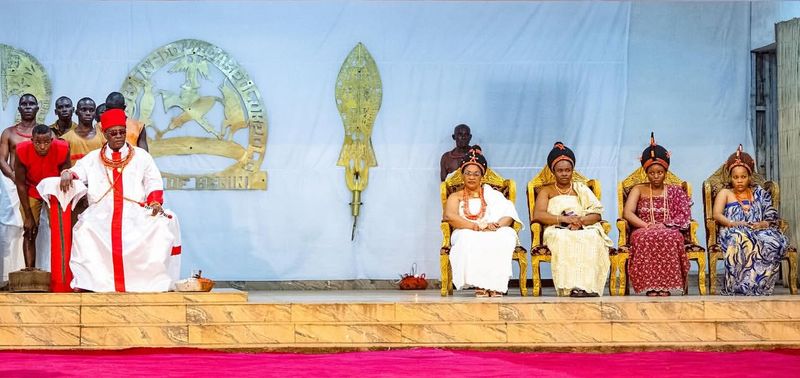
There is a quiet depth to the experience at Gilcrease Museum that becomes clear within the first few minutes. Located at 1400 North Gilcrease Museum Road in Tulsa, Oklahoma, this museum focuses on American history through art, archives, and artifacts.
The collections highlight stories that often feel overlooked in broader national narratives. That focus makes the experience feel purposeful rather than simply decorative.
Founded by oil businessman Thomas Gilcrease, the museum holds one of the world’s largest collections of art and artifacts related to the American West. The depth of the holdings gives each visit a sense of discovery.
The setting allows for real reflection. It does not rush you, and it does not overwhelm with too much information at once.
It simply presents its content in a way that feels steady and considered.
Each gallery adds another layer to the story, creating a fuller understanding of the region and its history over time. The progression feels organic rather than forced.
The landscape surrounding the building also carries historical significance. The grounds include Native American garden areas that connect the outdoor experience to the themes inside.
Gilcrease is where Oklahoma feels thoughtful, expansive, and deeply committed to preserving the full complexity of the American West for anyone willing to look closely.
5. Sam Noble Museum Brings Natural History to Life
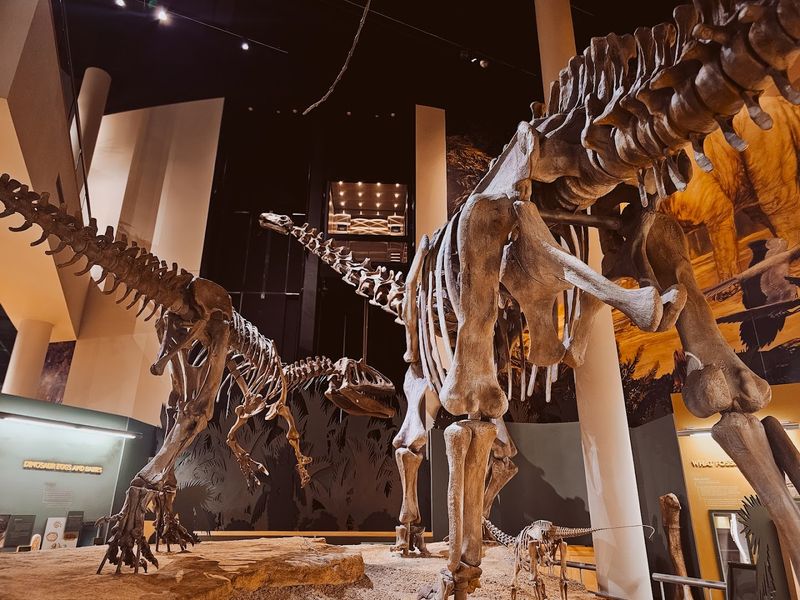
The scale here becomes clear the moment you walk through the entrance. The Sam Noble Oklahoma Museum of Natural History, located at 2401 Chautauqua Avenue in Norman, Oklahoma, offers exhibits that cover everything from prehistoric life to modern ecosystems.
The displays feel immersive without being complicated. Large installations create strong visual moments, while smaller details reward the visitors who take time to look closely at the cases and labels.
One of the most striking features is the Apatosaurus skeleton, which stretches across a full gallery in a way that makes the space feel both enormous and intimate at the same time. It is hard not to stop and stare.
The museum also covers Native American cultures of Oklahoma with care and depth. Those galleries offer a meaningful contrast to the natural science exhibits and broaden the overall experience considerably.
The layout is easy to follow, which makes it accessible for all ages without losing the interest of adults who want more than surface-level information. The balance works well throughout.
Younger visitors tend to gravitate toward the hands-on areas, while older visitors often linger in the geology and archaeology sections. Both groups leave with something worth thinking about.
This is where Oklahoma feels educational, engaging, and genuinely excited about the natural world it sits on top of.
6. Woody Guthrie Center Feels Personal and Cultural
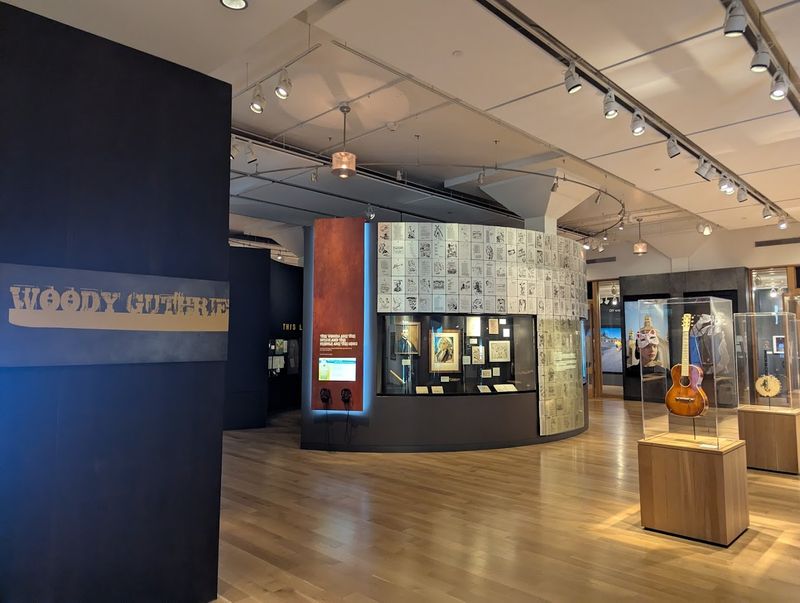
The atmosphere here carries a different kind of energy than a typical art or history museum. The Woody Guthrie Center, located at 102 East Reconciliation Way in Tulsa, Oklahoma, focuses on music, culture, and the power of storytelling.
Woody Guthrie was born in Okemah, Oklahoma, and his influence on American folk music stretched far beyond state lines. The center does a strong job of connecting his personal story to the broader cultural movements he became part of.
The exhibits feel personal in a way that is hard to manufacture. Handwritten lyrics, original artwork, and personal correspondence are displayed throughout, creating a connection that goes beyond simple observation.
The space is designed to guide you through a clear narrative. You move from his Oklahoma roots outward into his travels, his music, and his lasting cultural legacy without ever losing the thread.
Audio components throughout the exhibits let you hear the music that shaped the man. That layer of sound adds a dimension that purely visual museums cannot replicate.
There is also rotating programming that brings in contemporary artists and musicians who carry forward the traditions Guthrie helped establish. Checking the March calendar before your visit is worth the effort.
This is where Oklahoma feels expressive, human, and connected to something that still resonates today.
7. Oklahoma History Center Connects Past and Present
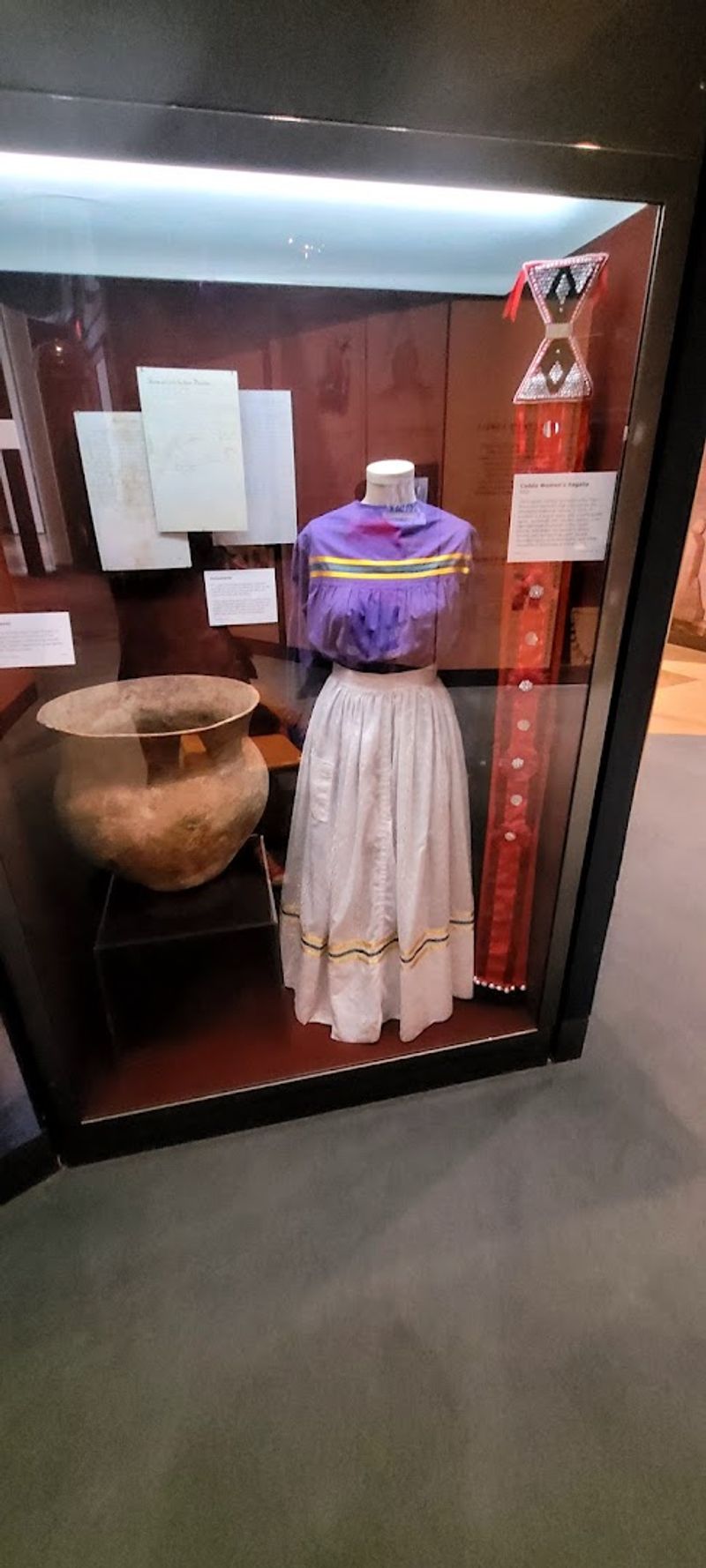
There is a sense of continuity here that stands out from the moment you enter. The Oklahoma History Center, located at 800 Nazih Zuhdi Drive in Oklahoma City, presents the state’s full story in a way that feels organized and easy to follow.
The exhibits move through time without losing focus, which is a real achievement given how much ground they cover. From prehistoric Oklahoma through statehood and into the modern era, each section connects naturally to the next.
The building itself is impressive, with a glass-and-steel design that feels open and forward-looking. That architectural choice feels fitting for a museum dedicated to a state still in the process of writing its own story.
The variety of themes keeps things genuinely interesting throughout the visit. Oil history, Native American nations, the Land Run, and Route 66 all get their own attention without competing for space.
Interactive elements are well-placed throughout the galleries. They break up the reading and encourage you to engage physically with the material, which helps the information stick.
The space allows for exploration at your own pace. Nothing feels rushed or crammed, and the flow between galleries makes it easy to stay engaged for a full afternoon.
This is where Oklahoma feels connected, evolving, and genuinely proud of the complicated, fascinating journey that brought it to the present day.
8. Museum of the Great Plains Shows Regional Identity
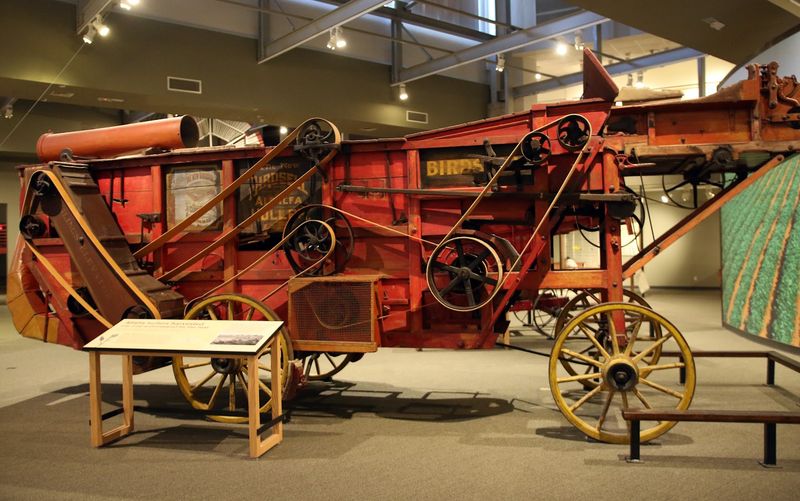
The setting here feels specific and grounded in a way that larger, more general museums sometimes miss. The Museum of the Great Plains is located at 601 Ferris Avenue in Lawton, Oklahoma, and it focuses squarely on the history and environment of the Southern Plains region.
The exhibits highlight daily life, industry, and the natural landscape that shaped communities across this part of the country. It is a focused experience, and that focus works strongly in its favor.
An outdoor area expands the visit beyond the main building, featuring historic structures and large equipment that give a physical sense of scale to the stories being told inside. Walking through it feels like moving through a preserved moment in regional time.
The museum does not try to be everything to everyone. It knows its subject and presents it with clarity, which makes the experience feel confident rather than scattered.
Inside, the collections cover trade, agriculture, Native American history, and frontier settlement. Each topic gets enough room to breathe without crowding the others out.
Lawton itself is worth a bit of extra time if you can manage it. The surrounding area carries the same plains character that the museum works hard to document and preserve.
This is where Oklahoma feels regional, distinct, and deeply shaped by the land it sits on.
9. Fred Jones Jr. Museum of Art Offers Quiet Depth
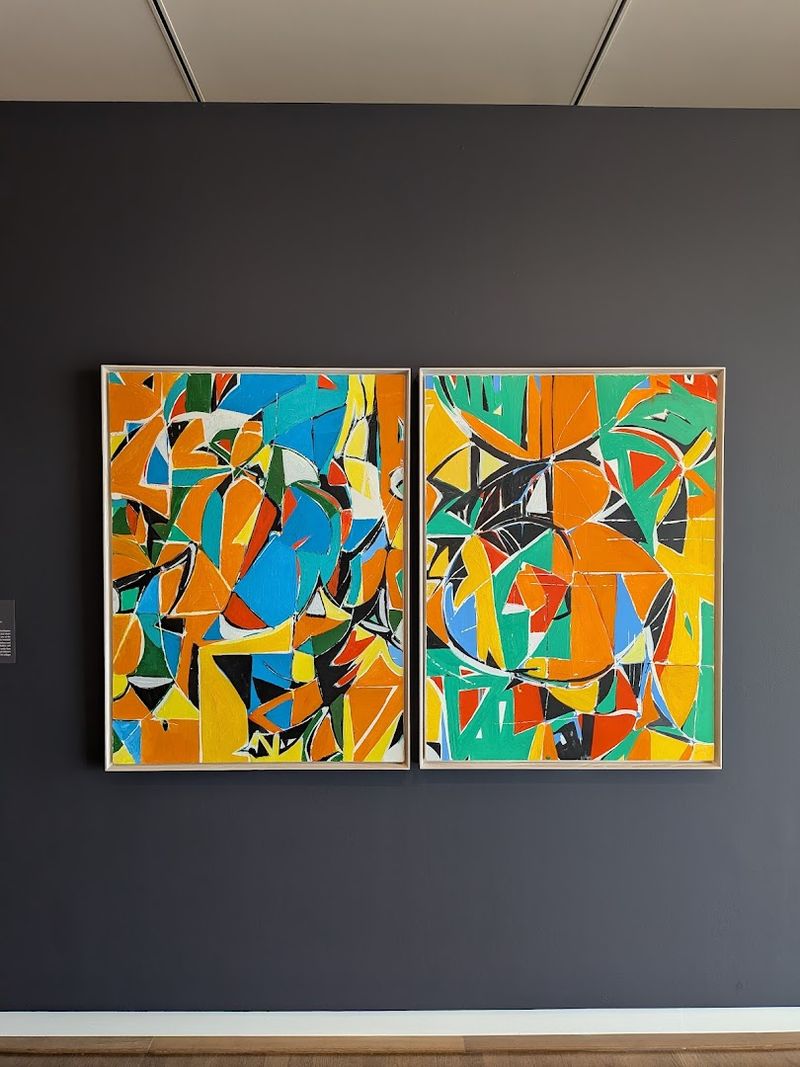
Stepping into this museum feels like the volume of the world gets turned down slightly. The Fred Jones Jr. Museum of Art is located at 555 Elm Avenue on the University of Oklahoma campus in Norman, and it carries a calm, focused energy that rewards patient visitors.
The collection spans European masters, American modernists, French Impressionists, and Native American art. That range means the galleries shift in tone as you move through them, keeping the experience from feeling one-note.
One of the highlights is the Weitzenhoffer Collection, which includes Impressionist works by Monet, Renoir, and Degas. Finding pieces of that caliber in Norman, Oklahoma, feels genuinely surprising in the best possible way.
The galleries allow for close viewing without distraction. The spacing and lighting are handled with care, creating a more personal connection between you and the work than you might expect from a university museum.
The variety ensures that each visit feels slightly different depending on what rotating exhibits are on display. Checking ahead for current programming is always a good idea before making the trip.
The museum also serves as an active teaching space, which gives it a sense of purpose beyond simple display. That intention comes through in how the collections are presented and explained.
This is where Oklahoma feels composed, intentional, and quietly confident in the quality of what it holds.
10. Cherokee National History Museum Shares Living Heritage
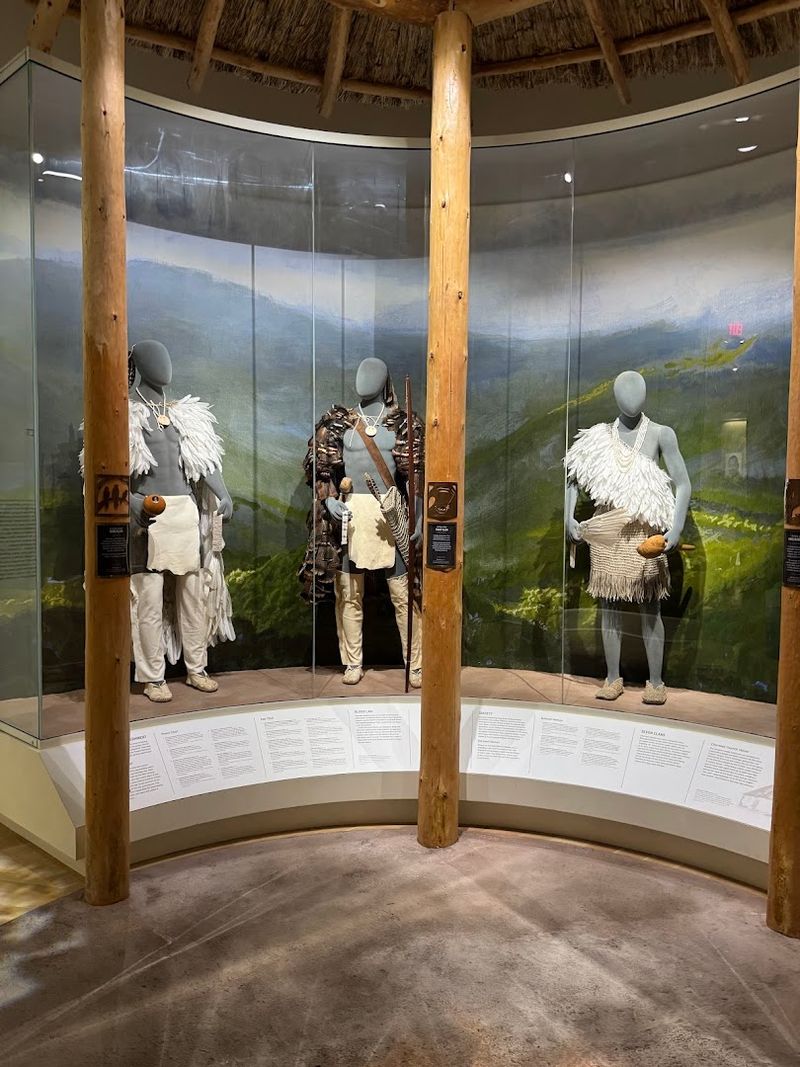
The stories here feel present rather than distant, which is what separates this museum from many others that cover Native American history. The Cherokee National History Museum is located at 101 South Gay Street in Tahlequah, Oklahoma, the capital of the Cherokee Nation.
The exhibits cover the history, culture, and traditions of the Cherokee people with clarity and respect. Nothing feels reduced to a simple summary.
Each section earns its own time and attention.
Tahlequah itself carries deep historical weight as the endpoint of the Trail of Tears, and the museum addresses that history directly without shying away from its complexity. That honesty makes the experience more meaningful.
The space encourages understanding rather than quick observation. You are invited to slow down, read carefully, and think about what you are encountering rather than simply moving from display to display.
Contemporary Cherokee art is featured alongside historical artifacts, creating a connection between past and present that feels alive rather than archived. That combination is one of the museum’s greatest strengths.
Each section builds on the last, forming a complete narrative that leaves you with a fuller understanding of a nation that continues to shape Oklahoma’s identity today.
This is where Oklahoma feels meaningful, deeply rooted in heritage, and honest about the full story of the land it occupies.
11. Will Rogers Memorial Museum Feels Familiar and Warm
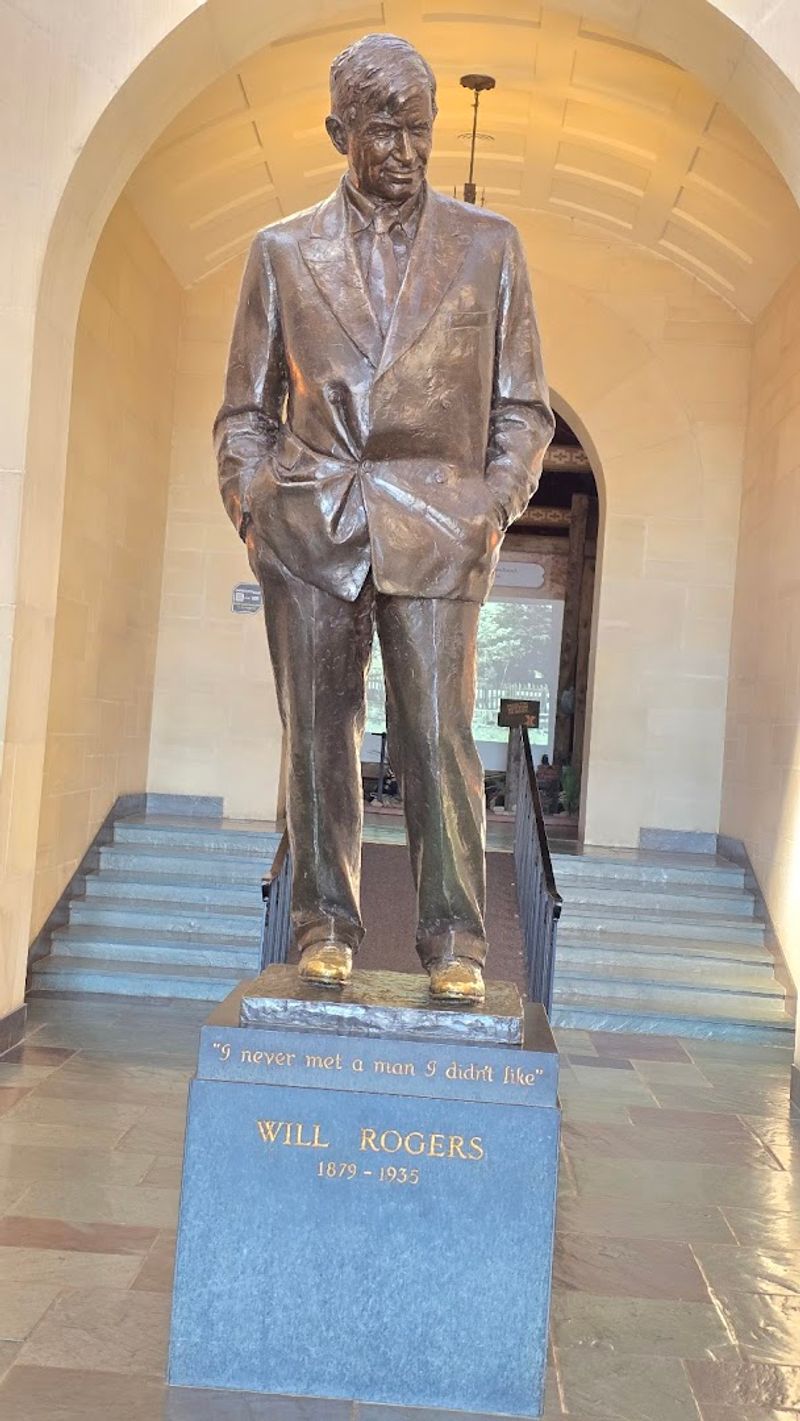
There is a sense of personality here that shapes the entire experience from the moment you arrive. The Will Rogers Memorial Museum is located at 1720 West Will Rogers Boulevard in Claremore, Oklahoma, and it carries the warmth of its subject throughout every gallery.
Will Rogers was born in what is now the Cherokee Nation of Indian Territory in 1879, and his rise from Oklahoma ranch life to international fame is one of the state’s most compelling stories. The museum tells it with charm and genuine affection.
The exhibits cover his life as a performer, humorist, actor, and cultural commentator. Saddles, film reels, personal correspondence, and newsreel footage all appear throughout, creating a portrait that feels fully dimensional.
His wit comes through in the quoted material displayed across the galleries. Reading his words in context makes it easy to understand why he resonated so strongly with audiences during a complicated period in American history.
The grounds include the burial site of Rogers and his family, which adds a quiet, reflective element to the visit. It never feels heavy, just grounded in something real.
The layout is easy to navigate, making the visit feel comfortable and steady from start to finish. Nothing is hard to find or confusing in its presentation.
This is where Oklahoma feels approachable, personal, and proud of a figure who never stopped being exactly himself.
12. Mabee-Gerrer Museum of Art Brings Unexpected Variety
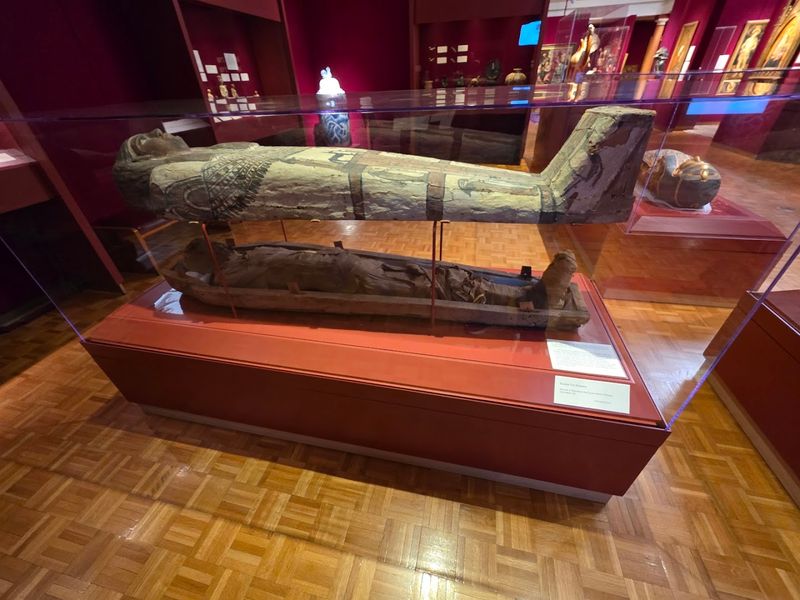
The range here stands out right away, and it continues to surprise you the further you move through the building. The Mabee-Gerrer Museum of Art is located at 1900 West MacArthur Drive in Shawnee, Oklahoma, on the campus of St. Gregory’s University.
The collection spans over 3,500 artworks representing roughly 8,000 years of human culture. Ancient Egyptian, Chinese, pre-Columbian, African, Native American, European, and American art all have a place here, which makes the scope genuinely remarkable for a museum of this size.
Founded in 1914 by Father Gregory Gerrer, a Benedictine monk and trained painter, the museum grew from one man’s lifelong commitment to collecting and sharing art. That origin story gives the place a personal quality that larger institutions sometimes lack.
The space is compact but filled with detail. Every corner holds something worth examining closely, and the density of the collection rewards visitors who move slowly rather than rushing through.
Each section offers something genuinely new, whether that is a carved ceremonial object, a Renaissance-era painting, or a piece of Native American beadwork. The transitions between cultures feel natural rather than jarring.
Keeping the visit open-ended rather than scheduled works best here. There is more to find than a single pass through will reveal.
This is where Oklahoma feels varied, quietly surprising, and full of depth that most people never expect to find in Shawnee.
Dear Reader: This page may contain affiliate links which may earn a commission if you click through and make a purchase. Our independent journalism is not influenced by any advertiser or commercial initiative unless it is clearly marked as sponsored content. As travel products change, please be sure to reconfirm all details and stay up to date with current events to ensure a safe and successful trip.
