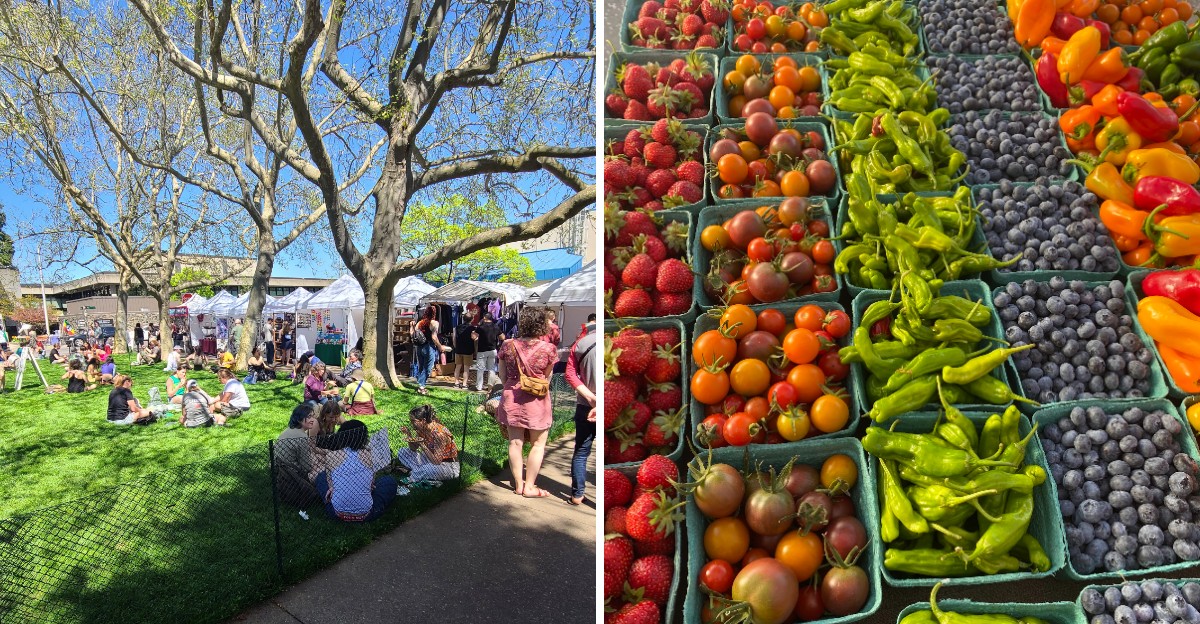
Most farmers markets fold up once summer ends, tables packed away until warmer weather returns. This one keeps running regardless of season.
Vendors switch what they’re selling as months change, root vegetables and squash eventually replacing summer produce without the market itself ever shutting down entirely.
Staying open year round takes real commitment from vendors willing to show up through cold, rain, or anything else winter throws at them. Few markets manage that consistency successfully, yet this one keeps operating anyway, seasons changing around it while the market itself stays constant.
Farmers markets rarely survive this long without a seasonal break. Oregon’s version keeps proving that fresh food doesn’t need to disappear once summer officially ends.
A Market That Refuses To Call It A Season
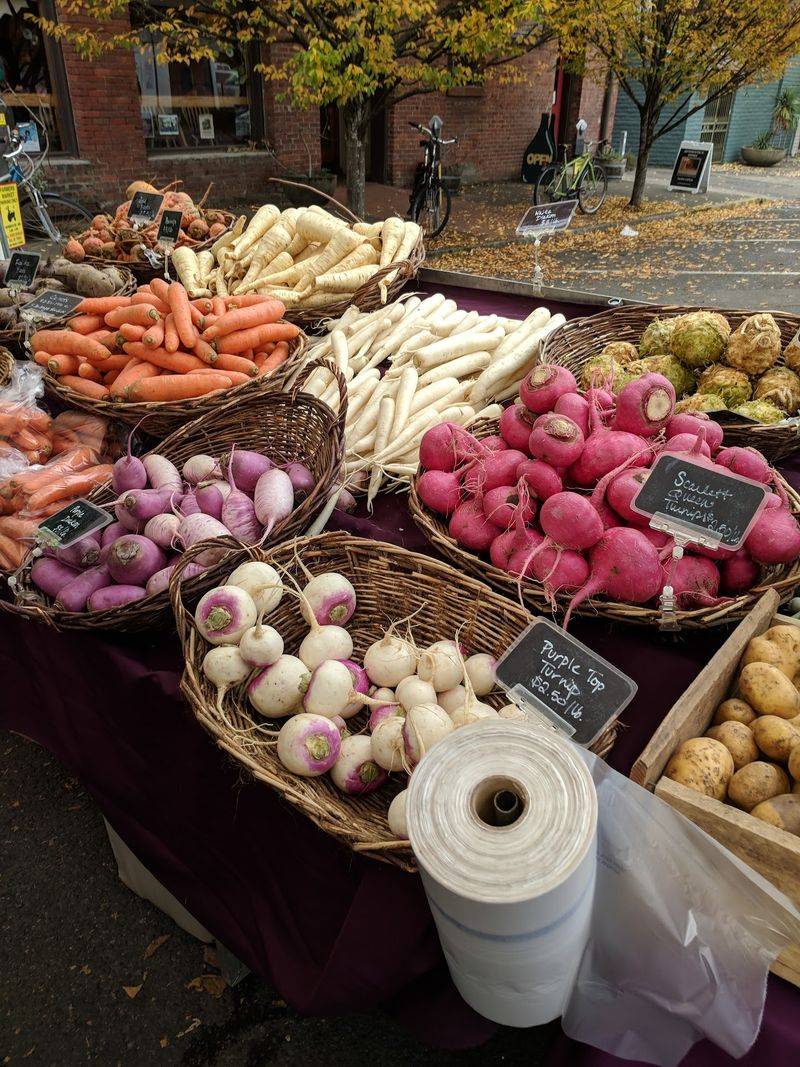
Most markets pack up once the last tomato disappears, yet this one simply shifts gears instead of closing the gates. Saturdays hold their place on the calendar deep into the cold months.
Vendors trade berry flats for crates of storage onions, potatoes, and sturdy greens. The energy changes character, but it never drains away. Cold-weather shopping here moves slower and feels friendlier.
Conversations stretch longer because nobody is racing through the aisles in July heat. Regulars show up with reusable bags, a rough plan, and enough patience to ask a grower how the harvest turned out.
Expect root vegetables, winter squash, hardy kale, hazelnuts, and pantry goods rather than peaches. Bakers, mushroom growers, honey sellers, and preserve makers stay steady through the drizzly weeks.
Saturday hours run from 9 AM to 2 PM, which leaves plenty of morning light for a full loop and a second pass.
Anyone visiting Eugene outside of summer gains something unexpected, a working market that behaves like a neighborhood gathering rather than a seasonal pop-up. Rain gear helps. So does an appetite.
The Pavilion Makes Rainy Shopping Painless
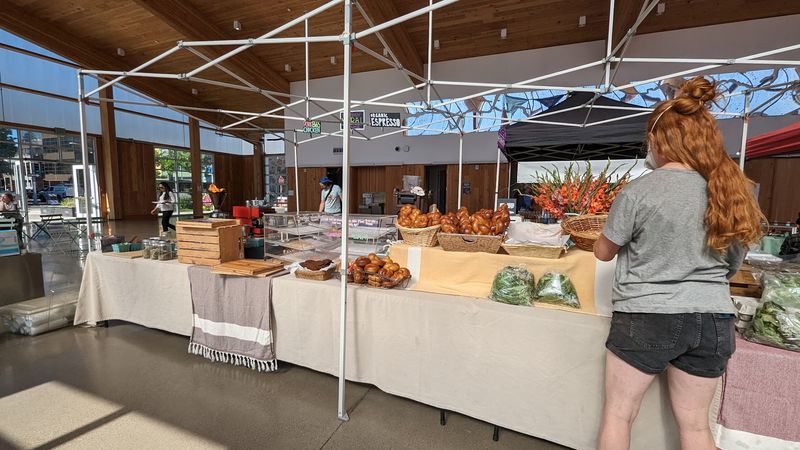
Cover matters in the Willamette Valley, and the pavilion at the center of the market handles that job with style. Open sides let daylight and fresh air move through while the tall roof keeps drizzle off the produce tables.
Shoppers stay dry without losing the outdoor feeling. The building arrived as a genuine upgrade, and visitors noticed immediately. Restrooms sit close by, the floors stay clean, and the whole space looks well cared for.
Wide aisles make browsing easy with a stroller, a wagon, or a bag that keeps getting heavier. Stalls fan out inside and along the perimeter, so wandering feels natural instead of forced into one line.
Bakery booths sit near produce growers, and craft food makers fill the gaps between them. Morning light bounces off the beams and gives the vegetables an almost staged glow.
Thanks to that roof, a November trip does not demand heroic commitment. Grab something warm to sip, take a slow lap, and let the weather do whatever it wants outside.
Tuesdays Belong To The Quiet Crowd
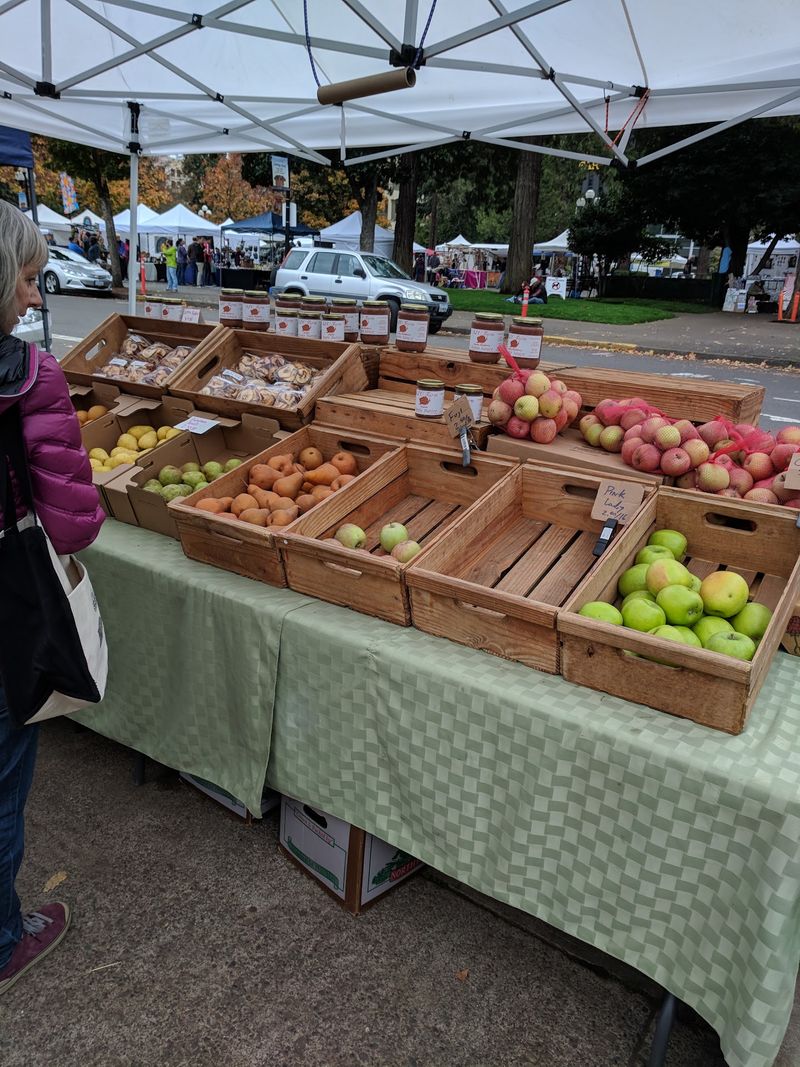
Saturday gets the glory, but the midweek market has its own appeal. Tuesdays run from 9 AM to 2 PM, and the pace drops several notches compared with the weekend rush.
Fewer people means more room to study the tables and actually hear what a grower is saying about a variety of pepper. Shoppers who dislike crowds tend to prefer this day.
Aisles stay open, lines barely form, and vendors have time for real questions about storage, cooking, or which greens hold up best in soup. It is the version of the market that feels like an errand rather than an outing.
Selection can be smaller than Saturday, so treat Tuesday as a restocking trip instead of a grand tour. Bring a short list and expect to fill it.
Weekday visits also pair nicely with a walk through downtown Eugene afterward, since parking pressure eases and the sidewalks feel calm. For travelers with a flexible schedule, the midweek option is quietly the smarter pick.
Cold Season Produce That Actually Tastes Better
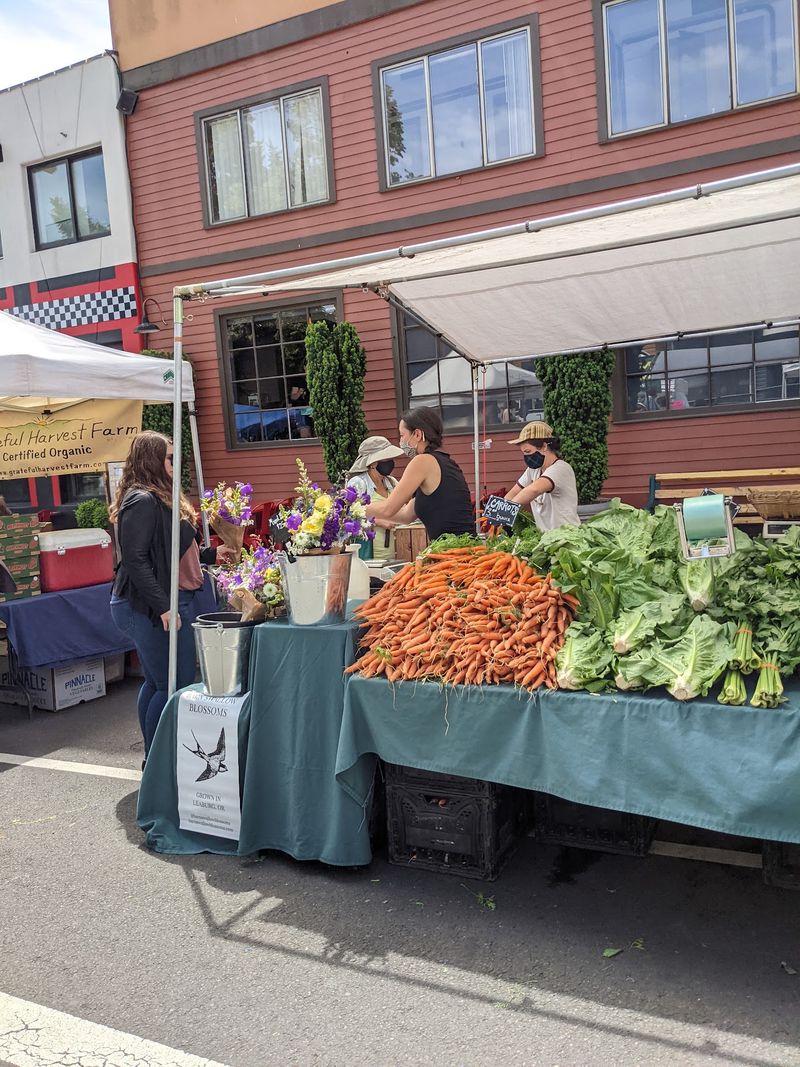
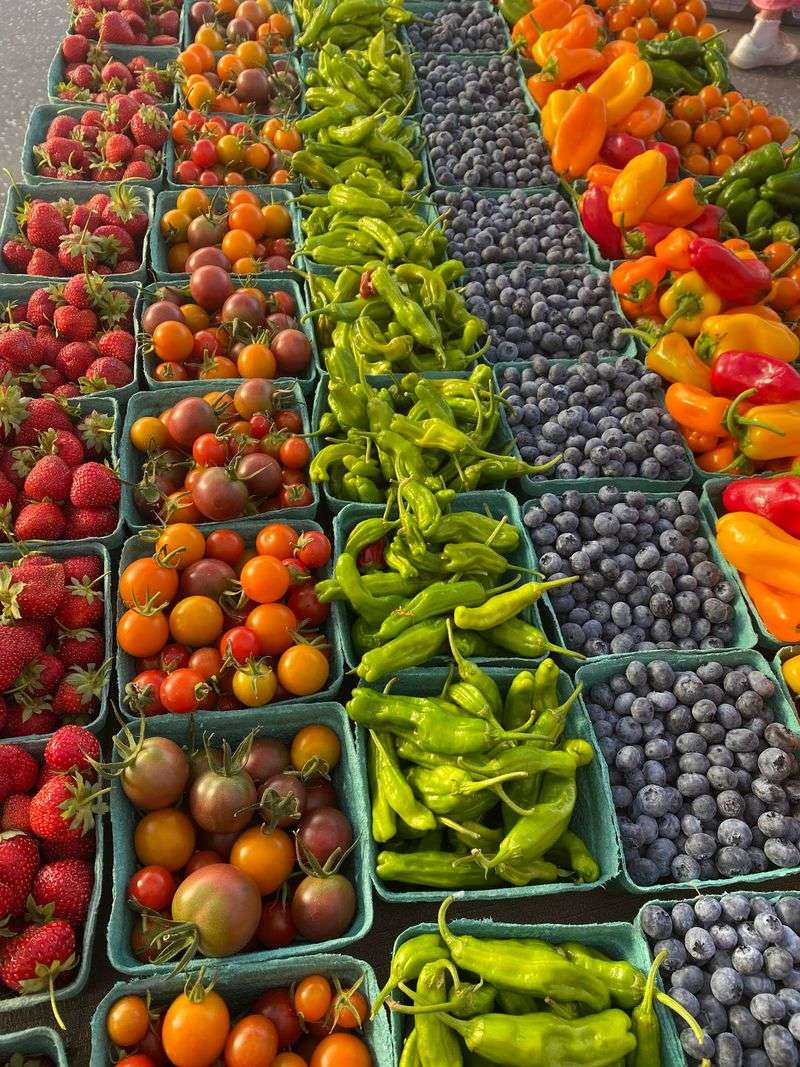
Frost does something wonderful to vegetables, concentrating sugars in carrots, kale, and Brussels sprouts until they taste sweeter than their summer selves. That shift shows up clearly on the tables here once the weather turns.
Winter squash gets stacked like firewood, and bunches of spinach look almost glossy. Growers such as Horton Road Organics bring carrots, spinach, and salad greens that hold up well in a home refrigerator.
CrossRoads Farm has become known for fire-roasted pimentos and a lineup of hot peppers with real personality. Most booths let shoppers pick their own produce by hand instead of grabbing prepackaged bundles.
Buying the exact quantity needed keeps waste down, which matters when cooking for one or two people. It also makes trying a single unfamiliar root vegetable painless.
A practical tip worth remembering, ask what stores well. Squash, onions, and potatoes can sit happily in a cool corner for weeks, turning one market run into several dinners without much planning.
Mushroom Growers Steal The Show In Wet Weather
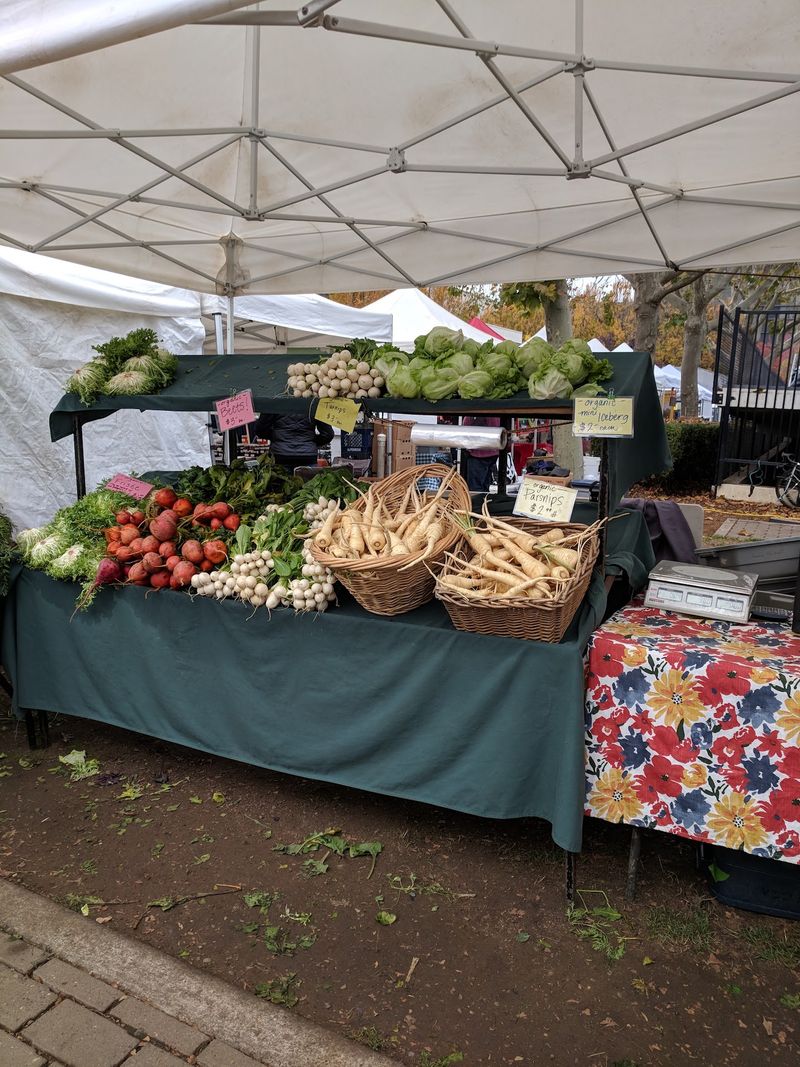
Oregon rain has one reliable upside, and it shows up in baskets. Mushroom sellers come alive during the damp stretch of the year, filling tables with oyster clusters, shiitake, and other varieties that thrive when the air stays heavy.
Shoppers mention mushrooms often when describing this market, and the reason becomes obvious after one look at the display.
The people behind these stalls tend to be generous with cooking advice. Ask how to keep a delicate variety from turning rubbery in the pan, and the answer usually involves a hot skillet and patience.
Some vendors set up outside near the edges of the market, which makes for a nice detour on a full loop.
Mushrooms travel well and cook fast, so they suit travelers with kitchen access at a rental. They also hold their own in soups and grain bowls, which feels right when the sky stays stubbornly grey. Bring a paper bag rather than plastic, since airflow keeps them fresher longer.
Bread, Bagels And Cookies Worth The Detour
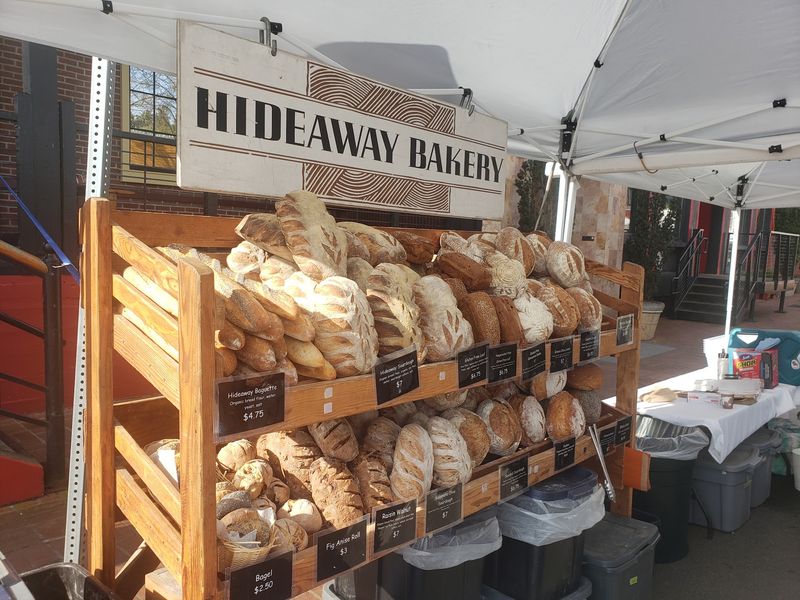
The smell hits before the sign does. Baked goods rank among the most talked about part of this market, and the bakery booths stay busy no matter what the calendar says.
Creswell Bakery has built a following for a multigrain seeded sourdough that shoppers rave about. LadyBread Bakery brings breads and treats, including a carrot cake made from a recipe said to be a century old.
Gluten-free visitors have options too, with Larry and Sons offering bagels that regulars go out of their way to collect. Cookie stands round things out, and gingersnaps seem to be a favorite among younger shoppers.
Arriving early improves the odds on popular loaves, since the best ones do not linger past mid-morning. A loaf of good bread also turns a simple market haul into a proper meal.
Pair it with cheese from the grocery store, some roasted squash, and dinner practically assembles itself. That is the quiet genius of a market that never closes for the season.
Pantry Treasures Like Honey, Hazelnuts And Preserves
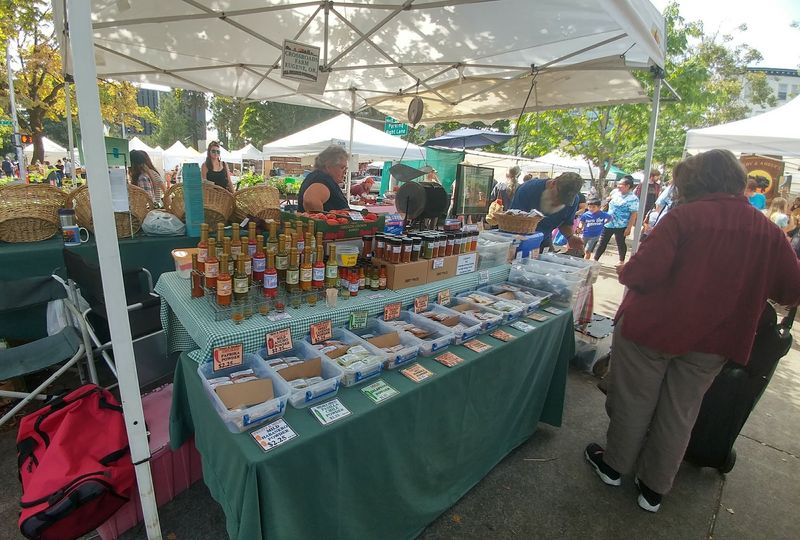
Some of the best souvenirs from this market fit neatly in a suitcase. Honey jars line several tables, and honey comes up again and again when shoppers describe what keeps them returning.
Hazelnuts deserve equal attention, since Oregon grows most of the country’s crop. Kronke Farms has earned praise for hazelnuts that taste fresh rather than dusty.
Preserves, dried fruit, spices, and fruit rolls fill out the shelf-stable corner of the market. Grateful Harvest makes organic fruit rolls that families snap up, often stationed outside the main pavilion.
Shelf-stable goods make the year-round schedule especially useful, because a rainy January trip still yields plenty to carry home.
For anyone buying gifts, a jar of honey and a bag of hazelnuts beat almost any airport shop find. Vendors will usually explain where their crop was grown and how it was processed, which adds a small story to the package.
Bring a sturdy tote, since glass jars get heavy faster than expected.
Flowers, Plant Starts And A Splash Of Color
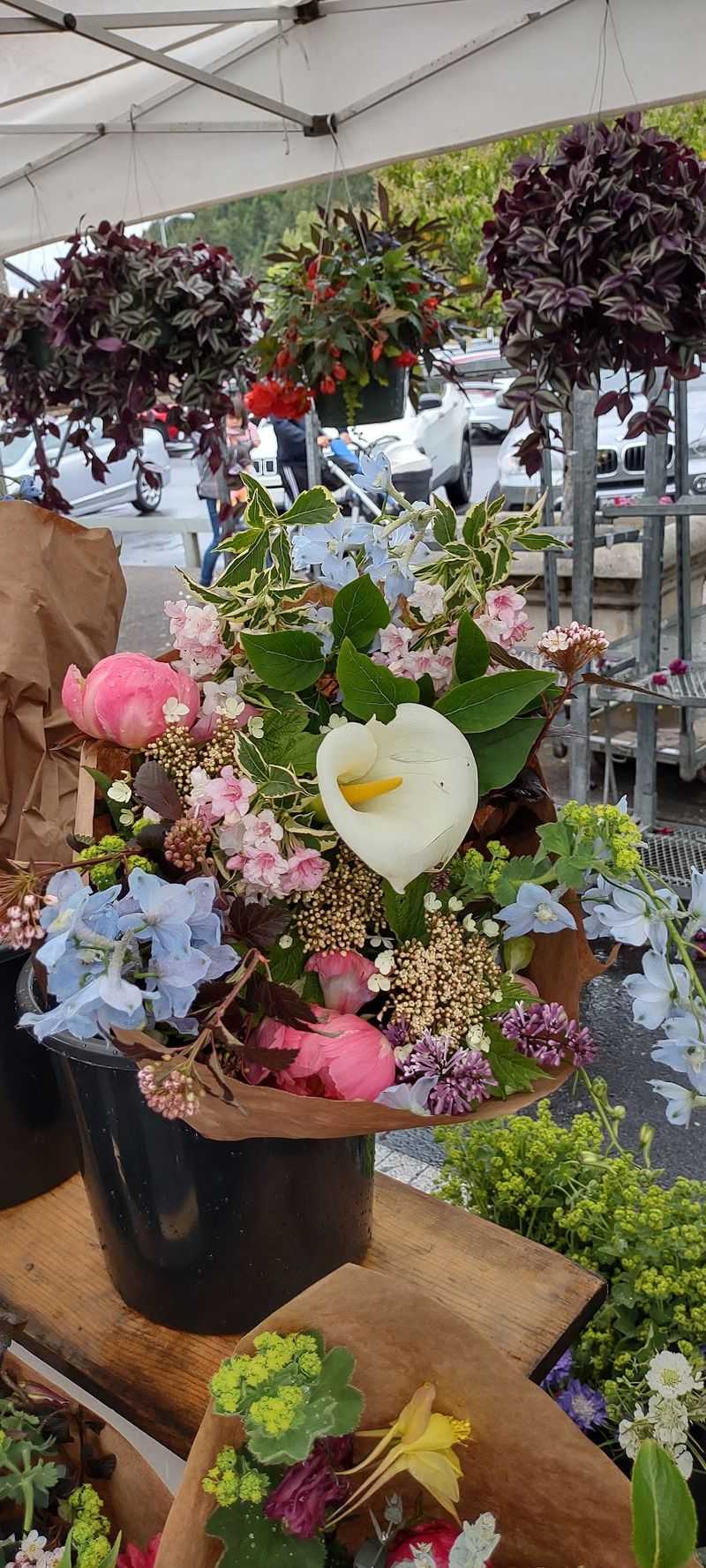
On a grey Eugene morning, the flower stalls act like a light switch. Buckets of stems and arranged bouquets appear near the entrances, and the floral designs get regular praise from shoppers who come mainly for vegetables.
Even in the off season, dried arrangements, evergreens, and hardy blooms keep that corner interesting.
Plant starts show up as the growing calendar shifts, giving gardeners a head start on herbs and greens. Vendors selling starts tend to know exactly which varieties handle the valley’s damp spring.
Ask about timing and sunlight, and expect a straight answer rather than a sales pitch. Even travelers who cannot carry a plant home benefit from a look.
Flower stalls make the best photos in the market, especially with the pavilion beams overhead. They also make a small bouquet a very reasonable way to brighten a rental kitchen for a few days.
One grower mentioned catnip among the offerings, which explains the occasional shopper leaving with a suspiciously happy cat waiting at home.
Food Trucks, Tamales And Breakfast On The Move
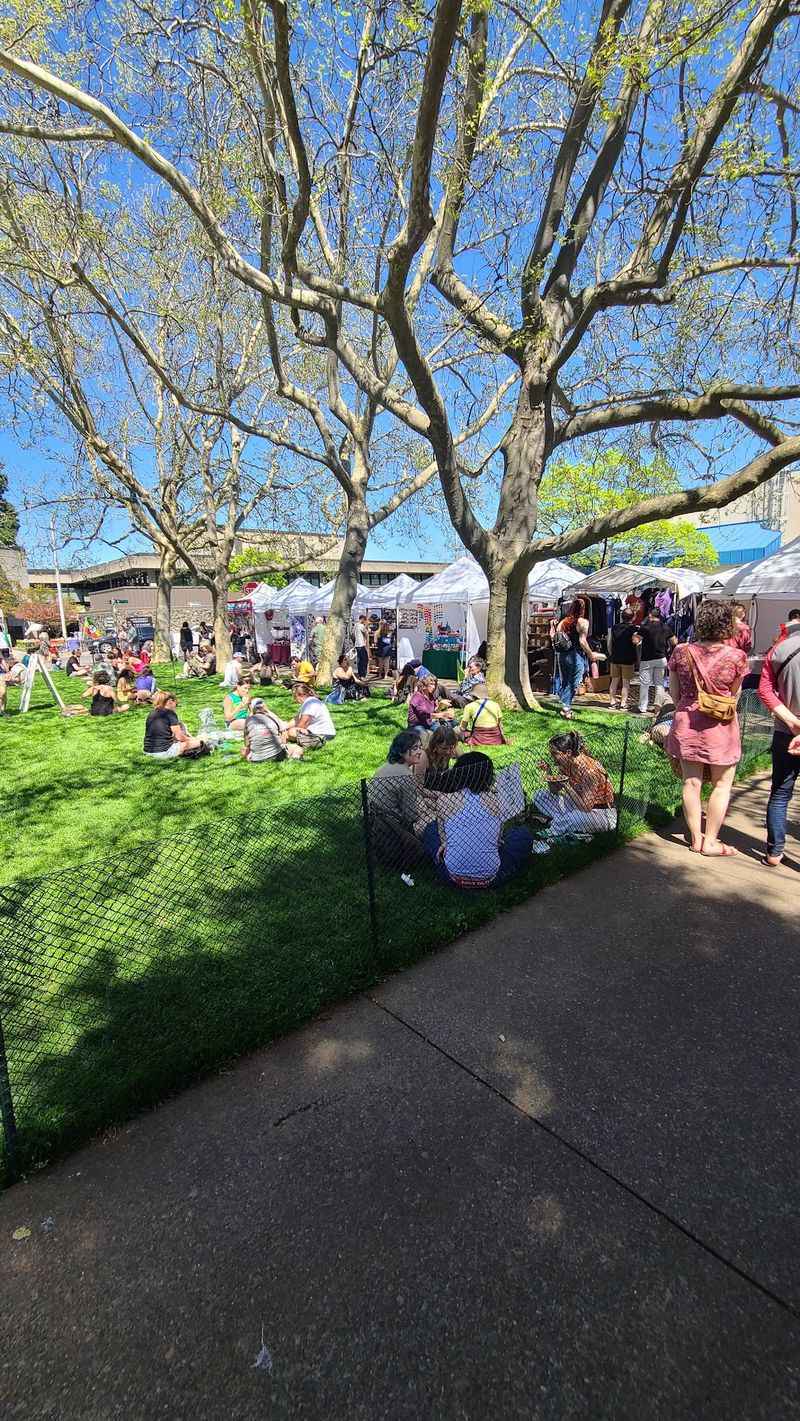
Shopping hungry is a mistake here, or maybe the whole point. Prepared food fills a solid slice of the market, from tamales to pastries to hot dishes served out of trucks parked along the edges.
Visitors often describe the food area as the reason a quick errand turns into a long morning.
Eating first changes the entire experience, because a warm breakfast makes browsing in cool weather far more pleasant. Benches and open areas give people a spot to pause and watch the market move around them.
People watching ranks high on the list of unofficial attractions. The variety means repeat visits rarely feel repetitive, since one truck or booth can occupy several trips before the menu runs out of surprises.
Vendors change with the seasons too, so a winter lineup will not match a late summer one. Carry a little cash for smaller booths, though many accept cards. Save room. Then buy vegetables. In that order.
Planning A Smooth Visit Any Month Of The Year
A few small details make the difference between a rushed stop and a genuinely good morning. Saturdays and Tuesdays both run 9 AM to 2 PM, and earlier arrivals get the widest selection plus easier parking downtown.
Most vendors accept credit cards, though tokens purchased with a card work across booths and help at smaller stalls.
Bring layers and something waterproof, since the pavilion covers a lot but not everything. Reusable bags matter more than usual, because produce sold loose adds up quickly.
Dogs are not welcome inside the market, so plan pet arrangements ahead of time. Restrooms are available on site, which makes longer visits comfortable for families.
Shoppers using nutrition assistance programs will find support at the market, and staff can point the way. The market sits in the heart of downtown at 85 E 8th Ave, Eugene, OR 97401, close enough to walk to nearby shops and cafes afterward.
Come once and the Saturday habit tends to stick.
