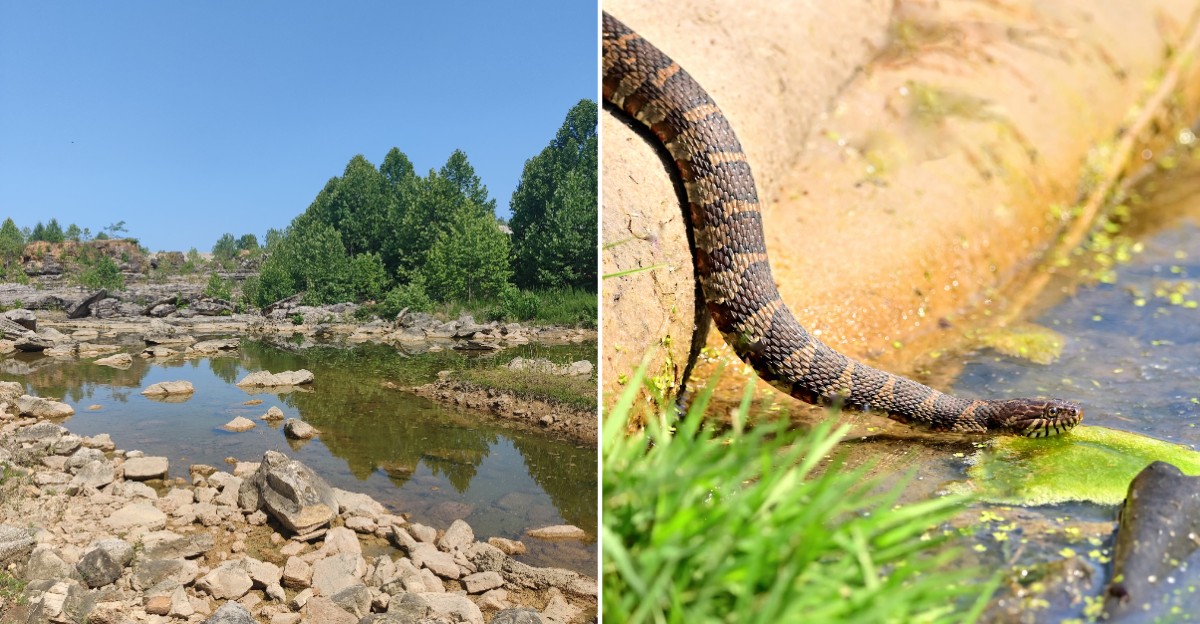
Snakes are part of the deal when you spend time around lakes, woods, and rocky trails. At this Missouri lake, that means keeping an extra eye on the shoreline and watching where you step around logs, brush, and sunny rocks.
The surrounding area is home to several snake species, including some venomous ones, so a little awareness goes a long way. Most snakes would rather avoid people, and spotting one does not mean the whole lake is overrun.
Still, warm weather can make them more active around trails and the water’s edge. That is enough to make hikers, campers, and anglers pay closer attention.
The lake is still a popular place for boating, fishing, and hiking, but this is one outdoor stop where checking your surroundings is simply part of the experience.
The Shoreline Setup That Keeps Snakes Coming Back
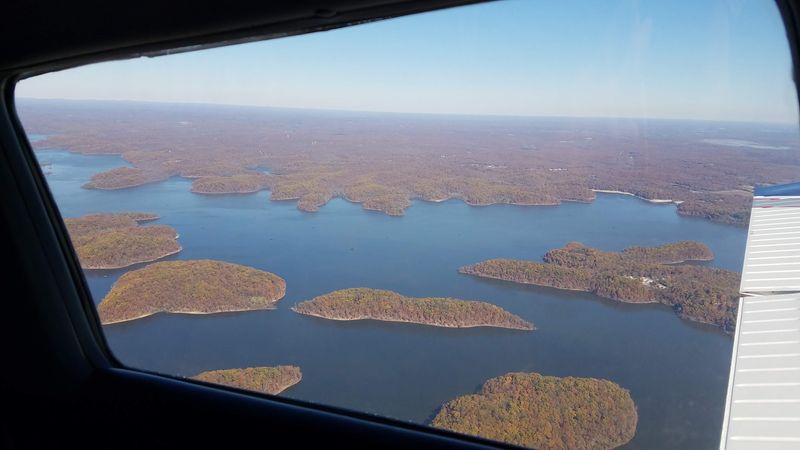
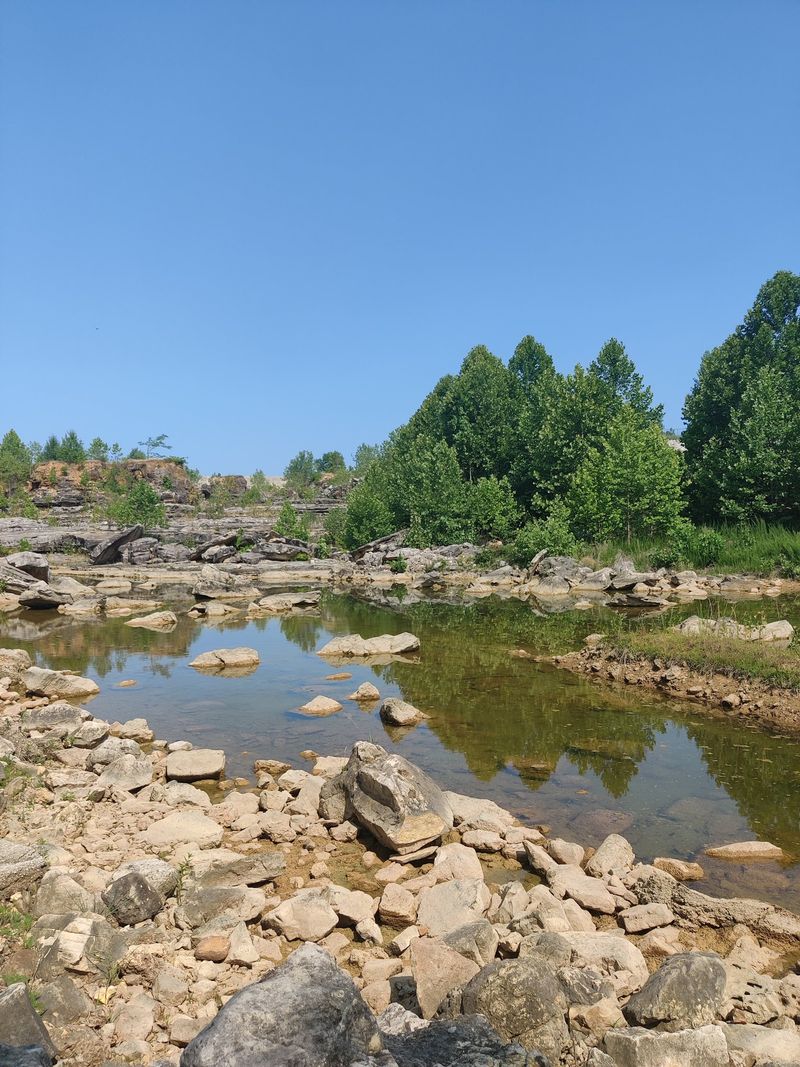
Picture a shoreline where the water meets fallen timber, loose rock, and thick brush all within a few steps of each other. That is basically the entire edge of the lake at Lake Wappapello State Park, located at 8005 State Highway 172 in Williamsville, Missouri, and it explains almost everything about the snake sightings people report.
Snakes are not showing up because something went wrong. They are showing up because the habitat is close to ideal for them, with sun-warmed rocks for basking and plenty of frogs and small fish hanging around the shallows.
When you understand that, the whole conversation shifts from panic to awareness, which is a much better headspace to be in while you are walking a bank.
The other thing worth knowing is that water levels shift throughout the season here, and when the lake rises or drops, animals reposition themselves along the new edge. That can make it feel like there are suddenly more snakes than before, when really they just moved.
If you walk the shore with your eyes forward and your feet on open ground, you will probably notice a lot more turtles and herons than anything else.
Cottonmouth Talk Versus Cottonmouth Reality
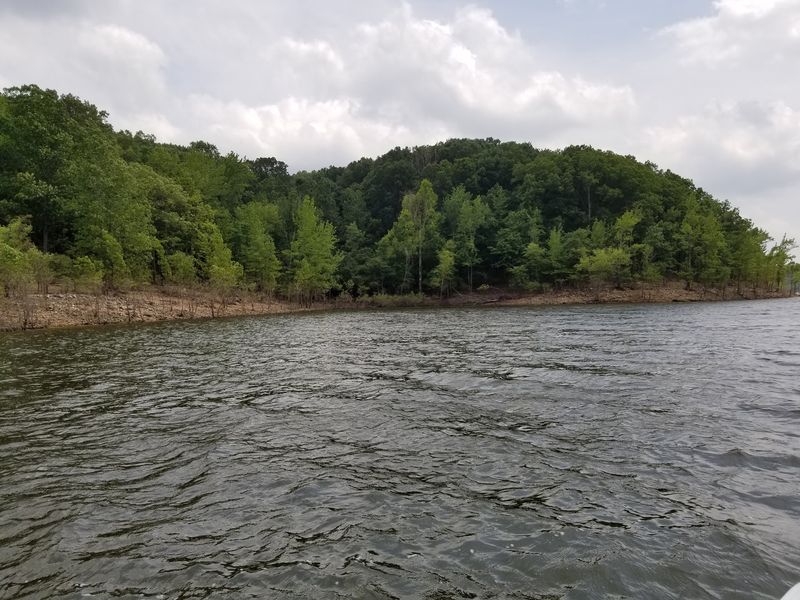
Ask around the Lake Wappapello area and someone will tell you about a cottonmouth thick as a grown man’s forearm that reared up near the bank. Those stories float around social media constantly, and some of them are almost certainly accurate, because the western cottonmouth, also called the water moccasin, does live in southern Missouri.
Here is the part that gets lost in the retelling though. Cottonmouths are far less common around the Lake Wappapello shoreline than people assume, and a huge share of the sightings turn out to be something else entirely.
The real animal tends to hold its ground rather than chase anyone, and it usually wants distance just as much as you do.
If you do believe you are looking at one, the correct move is boring and effective, which is to stop walking, back up slowly, and give it a wide loop. No stick, no photo from two feet away, no attempt to move it off the path.
Nearly every serious snakebite in Missouri happens because a person tried to kill or handle the snake instead of simply walking around it.
Why That Swimming Snake Is Probably Harmless
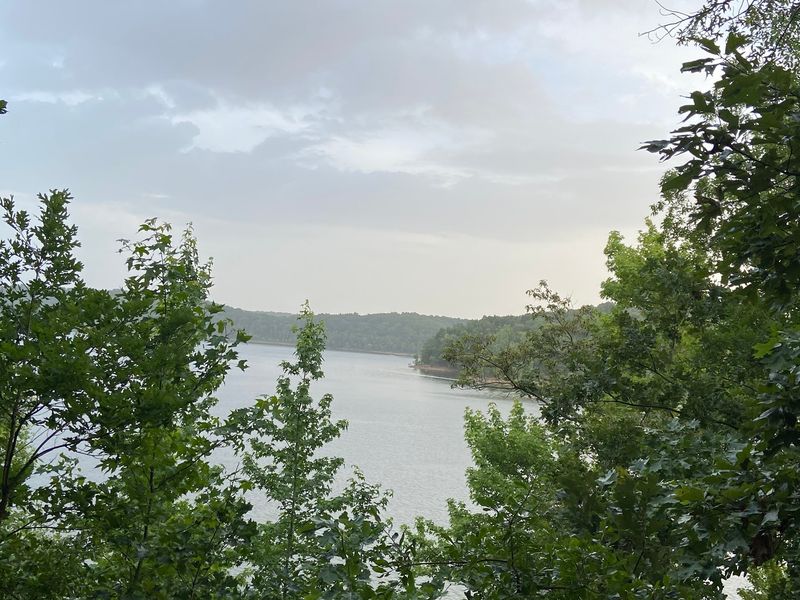
The single most misidentified animal on this lake is the northern water snake, and it gets called a cottonmouth constantly. It swims, it basks on logs, it hangs out on rocks at the water’s edge, and it has a blotchy brown pattern that looks vaguely threatening from a distance.
The thing is, it has no venom at all and it plays a genuinely useful role in keeping fish and amphibian numbers balanced around the shoreline.
One easy tell is how the snake moves through water, because a water snake usually swims with most of its body below the surface while a cottonmouth tends to float higher and looks puffed up.
Head shape gets mentioned a lot too, though honestly that is a tricky guide since a scared water snake will flatten its head to look meaner than it is.
My suggestion is simple. Assume any snake you see near the water at Lake Wappapello State Park deserves space regardless of species, and you never have to make the identification call in the moment.
That approach keeps you safe and keeps a harmless animal from getting killed over a case of mistaken identity.
Timber Rattlesnakes And The Wooded Ridges
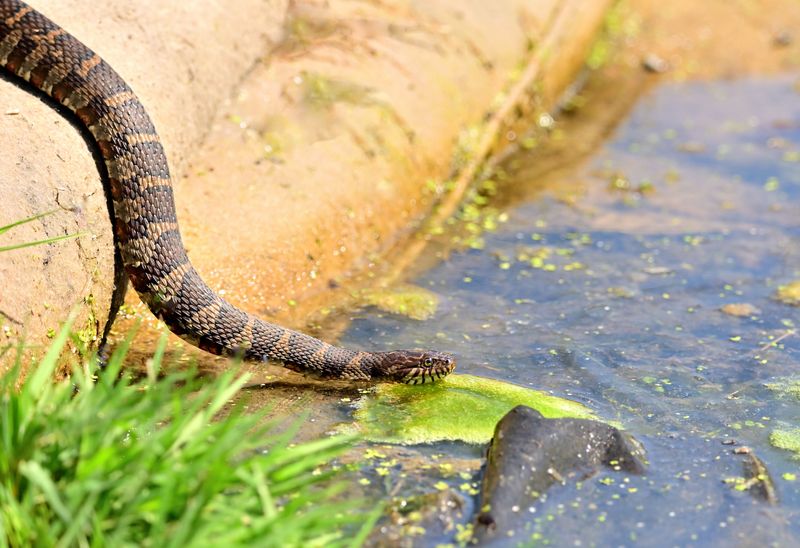
Move away from the water and up into the wooded slopes, and the species mix changes. Timber rattlesnakes live in this part of Missouri, and they favor rocky, forested hillsides with plenty of leaf litter and downed wood rather than the open bank.
They are large, heavy-bodied, and honestly pretty spectacular animals, but they are also famously reluctant to make a fuss unless someone steps right on top of them.
What makes them tricky is the camouflage, since a coiled rattlesnake in dry leaves basically disappears until you are close. That is why the trails around the park matter so much, because a cleared path gives you a visible walking surface.
Skip the shortcut through the brush and you remove most of the risk right there.
They do rattle as a warning, though not always, and not always loudly enough to hear over wind and footsteps. If you hear it, freeze first and figure out the direction before you move, because stepping blindly away can put you closer instead of farther.
Then back off along the path you came from and carry on with your hike.
Copperheads Hiding In Plain Sight
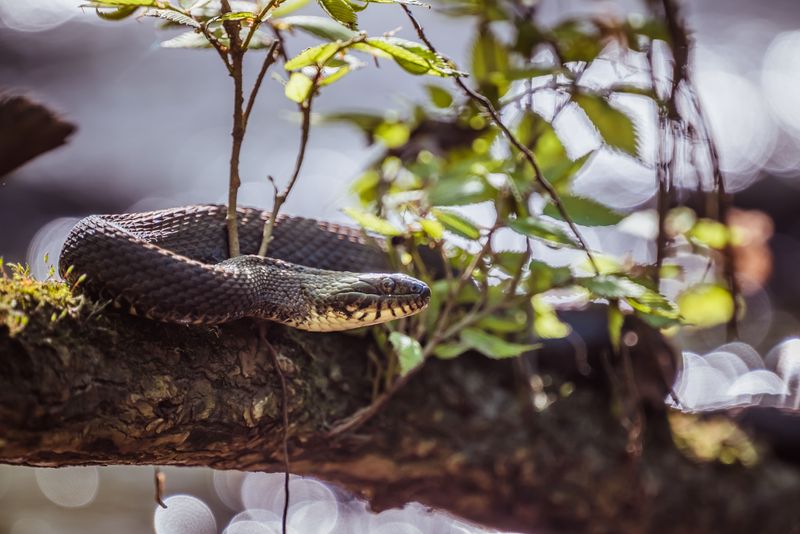
Of the venomous snakes in Missouri, the eastern copperhead is the one you are statistically most likely to encounter, and that is mostly because it lives comfortably around people. It does not need remote wilderness, and it will settle near woodpiles, brushy edges, rock walls, and the shaded borders of campgrounds.
Its copper and tan hourglass pattern is beautiful and also disturbingly good at blending into fallen leaves.
Around Lake Wappapello State Park at 8005 State Highway 172 in Williamsville, the copperhead is the reason you hear the advice about never reaching into a crevice you cannot see into. Same goes for flipping logs, grabbing firewood in the dark, or sticking a hand under a picnic table ledge.
A flashlight solves a shocking amount of this problem.
Copperheads generally freeze rather than flee, which is exactly the behavior that leads to accidental steps. They are relying on the camouflage to protect them, so they will often let you walk right past without moving at all.
Keep your eyes a few steps ahead of your feet and you will almost always see one before it becomes an issue.
Timing Your Visit Around Snake Season
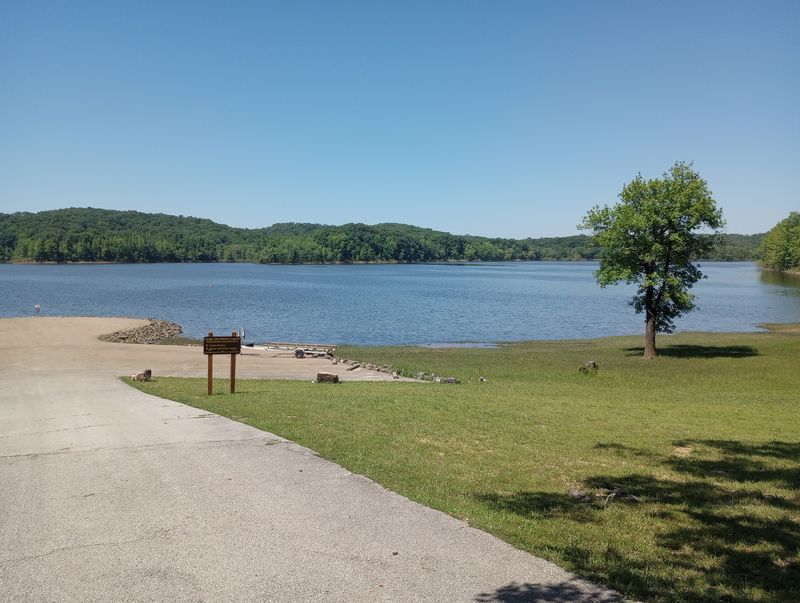
Snakes run on temperature, and once you know that, you can plan around them without much effort. Activity picks up in spring, stays steady through summer, and tapers off in early fall, which lines up almost exactly with when most people want to be at the lake.
During the cold months they tuck into rock crevices and underground spaces and you will essentially never see one.
Heat also shapes the daily pattern. On mild spring days snakes come out to bask in open sun, often right on warm rocks and trail edges, while in the blazing heat of midsummer they shift toward dawn, dusk, and shade.
A midday summer walk is usually the quietest time for sightings, though it is also the sweatiest.
If you genuinely want to reduce encounters, visiting Missouri lakes in late fall or winter works beautifully, and the scenery along the water is gorgeous with the leaves down. If you are coming in warm weather anyway, just accept that you might see one and plan your footwear accordingly.
Awareness beats avoidance almost every time out here.
Footwear And Trail Habits That Actually Matter
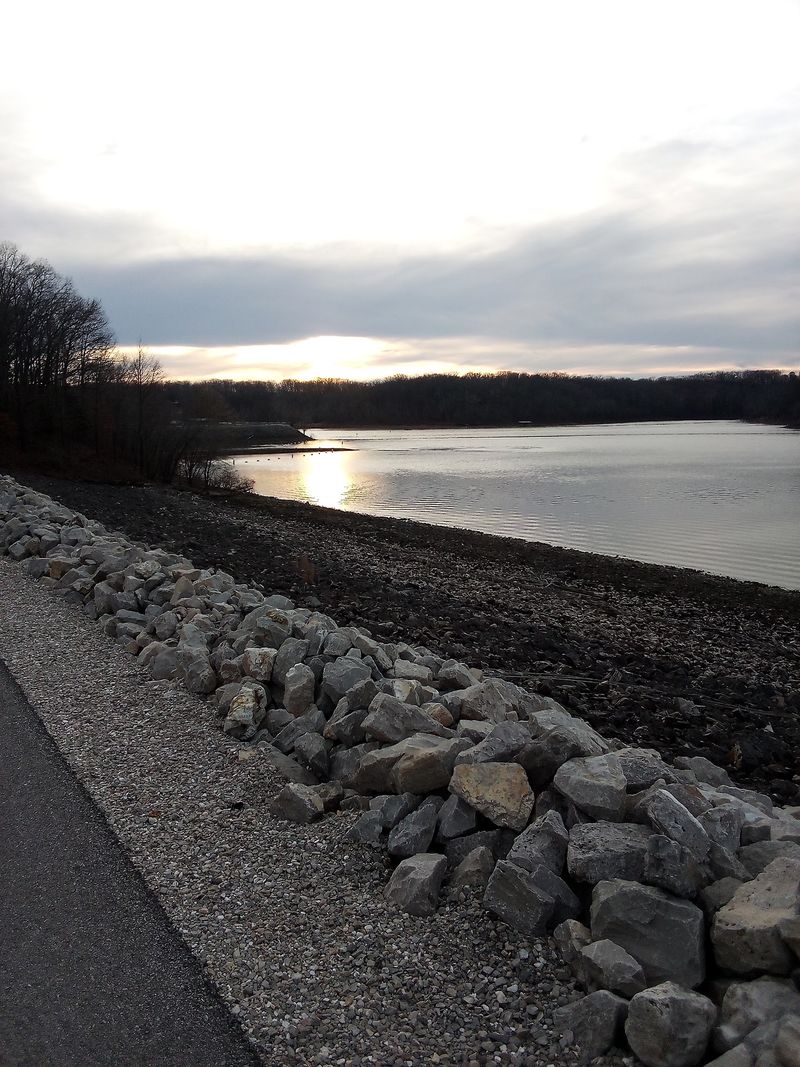
Flip flops on a rocky shoreline are asking for trouble, and not only because of snakes. Closed, sturdy boots that cover the ankle give you real protection against a strike low on the leg, which is where the overwhelming majority of bites land.
Long pants help too, even when the weather makes you resent them.
Sticking to the marked trails at the park is probably the highest value habit of all, since cleared ground means you can see where your feet are going. Cutting through tall grass or scrambling over log piles takes away that visibility completely.
Step onto logs rather than over them so you can check the far side before committing.
Pets deserve a mention here because a curious dog off leash will investigate a snake with its face, and that goes badly fast. Keeping the leash short along the water and on wooded trails protects the animal far more than it restricts it.
Bring a light if you are walking after dark, watch where you sit down, and you have handled most of the realistic risk in this part of Missouri without thinking about it again.
What The Numbers Say About Missouri Snakes
Here is a figure that surprises people. Missouri is home to roughly four dozen snake species and subspecies, and only six of them carry venom, which means the overwhelming majority of what crawls through this state cannot seriously hurt you.
In the Ozark region that surrounds Lake Wappapello, the venomous list narrows down to the eastern copperhead, the timber rattlesnake, and the western cottonmouth.
Three species out of dozens is a very different picture than the one you get from a panicked post online. And of those three, encounters that lead to a bite are rare, especially among people who keep their hands to themselves.
Snakes are also protected wildlife in Missouri, which is a detail plenty of visitors do not realize.
The ecological side matters too, since these animals keep rodent populations in check and feed hawks, owls, and other predators that people are thrilled to see. Remove the snakes and the whole shoreline system gets messier, not better.
Knowing the actual numbers takes the edge off the fear, and that alone makes for a much more relaxed day at the water.
