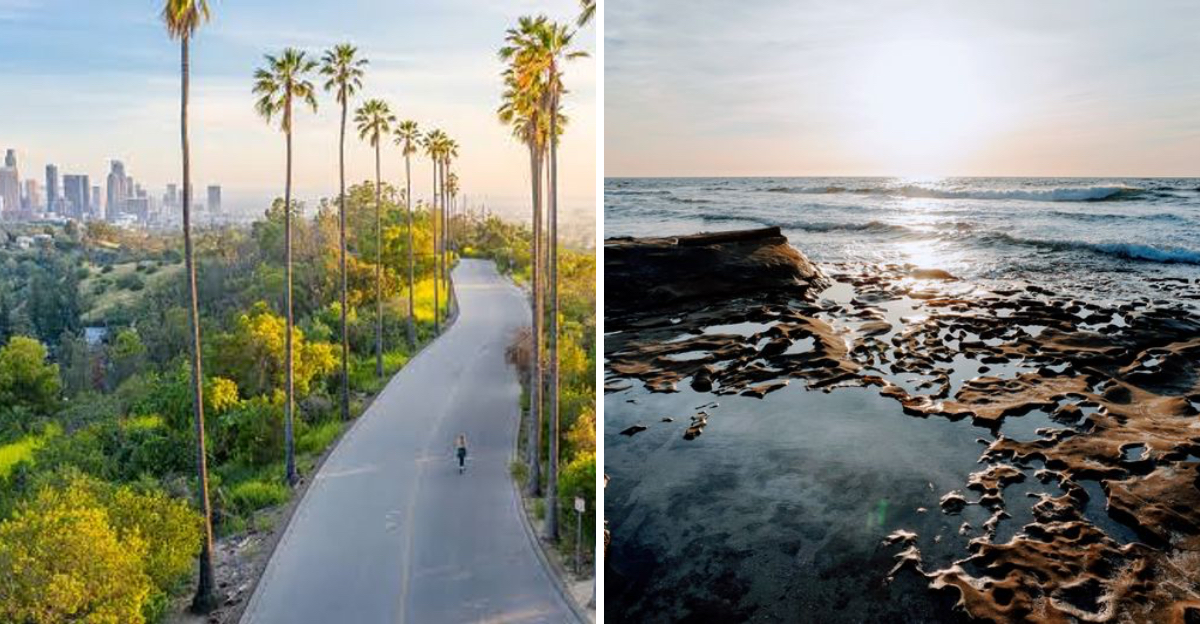
The California Coast pulls you in with a quiet mix of sea haze, eucalyptus scent, and late light that lingers over bluff trails.
You think you know the postcard, but the rhythm here is stranger and softer, shaped by fog belts, kelp forests, and small rituals no one advertises.
Each day slides between dazzling clarity and a muted gray that makes the ocean feel secretive.
Keep reading and you will start to notice the unspoken details that locals live by but rarely explain.
1. Salt Air Patina On Everything
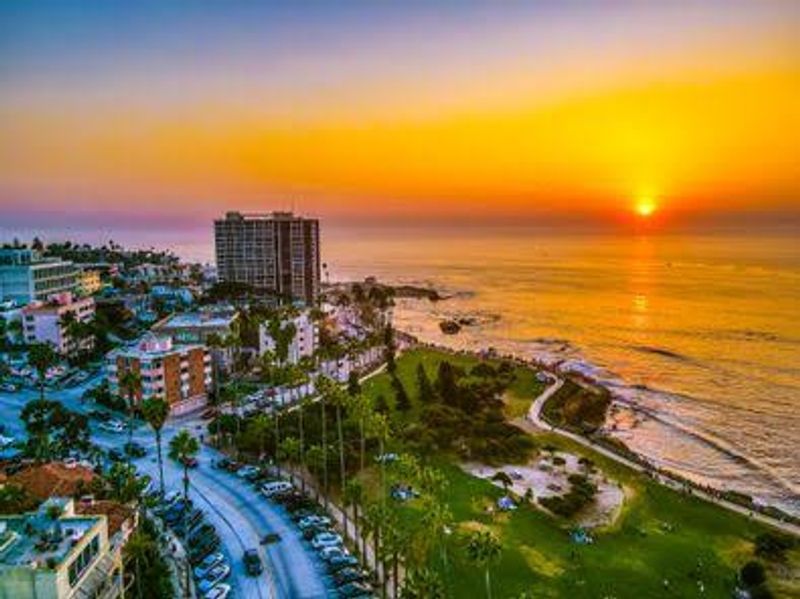
Salt rides every breeze and leaves a faint film on glass, screens, and car mirrors that you wipe away again and again.
Outdoor furniture fades faster here, with wicker turning brittle and metal hardware growing a pale crust that never seems to quit.
Locals accept this patina as the price of ocean proximity and plan with materials that forgive the weather.
Stainless fasteners and marine grade finishes make quiet appearances on decks, railings, and gate latches without flashy claims.
Windows facing the Pacific often get rinsed with fresh water after windy days to slow the haze that creeps back overnight.
Gardeners tuck aloe, agave, and coastal sage into sheltered corners because salty spray can scorch tender leaves.
Tools stay in sealed bins, and bike chains get wiped and lubed with a rhythm that soon becomes instinctive.
Even phone cameras benefit from a quick cloth clean before sunset photos, because mist dots will smudge the color.
In California the conversation is not about fighting the sea, but about adapting in small, repeatable ways.
You learn the angles of the afternoon wind and when to pull cushions inside before gusts turn them into sails.
Paint choices lean toward matte finishes that hide specks and age with a softened grace rather than a hard shine.
Car wash lines spike after storm cycles, as airborne salt bonds to roofs and glass with surprising persistence.
Boardwalk handrails grow smooth from a mix of weather and hands, a tactile record of daily walks.
Over time the look becomes part of the place, a coastal signature that favors texture over polish.
You start to see beauty in the wear, the way sea air writes its slow story across the things you use.
2. Microclimates That Change Your Day Plans
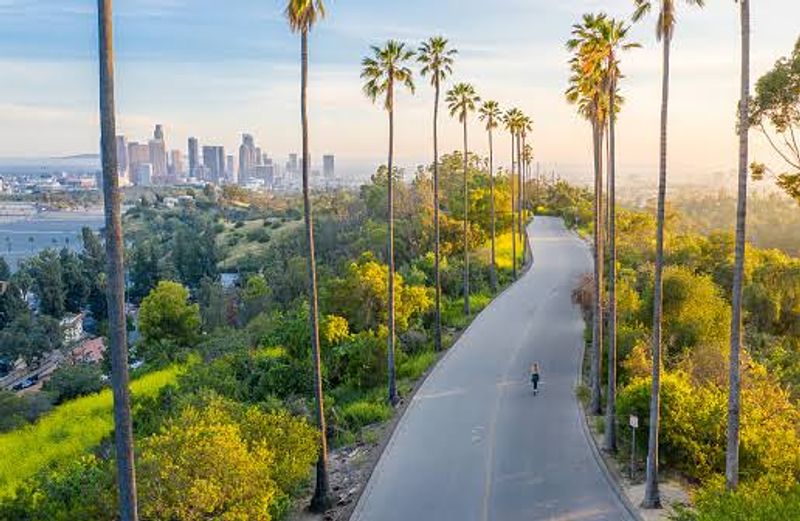
Fog can sit over one cove while the next beach glows in full sun, and both scenes hold steady for hours.
Marine layers thread through valleys, wrapping some streets in cool gray while neighbors a few blocks inland wear T shirts.
Locals study wind direction, cloud height, and the look of the horizon line before choosing where to walk.
Morning plans often start with a glance at the nearby ridge because its silhouette predicts warmth or chill more than apps.
The coast teaches you that weather is more pattern than event, with edges that slide and overlap.
Light sweaters live in car trunks year round so a bright start does not turn into a shiver by noon.
Surfers trust tide charts and buoy readings, since waves can pulse even when the beach looks sleepy from the parking lot.
Hikers time fog burn off to catch cool climbs up bluffs and then sunny views on the way down.
Farmers market vendors bring extra clips to keep signs from flapping when afternoon breezes kick across the stalls.
Even coffee orders shift with the sky, hot on gray mornings and iced when the sun breaks through with intent.
Microclimates shape houseplants too, with coastal nooks favoring ferns while a few inland blocks suit citrus.
Evening brings the daily question of whether the deck will be pleasant or damp depending on the returning chill.
Cloud height matters, because a low lid keeps everything muted while higher strata let color spill at sunset.
Learning these signals feels like getting local fluency, a quiet literacy that makes days flow smoother.
You start choosing routes based on shade and wind, building a map that only exists in the air.
3. Tide Tables Are Social Calendars
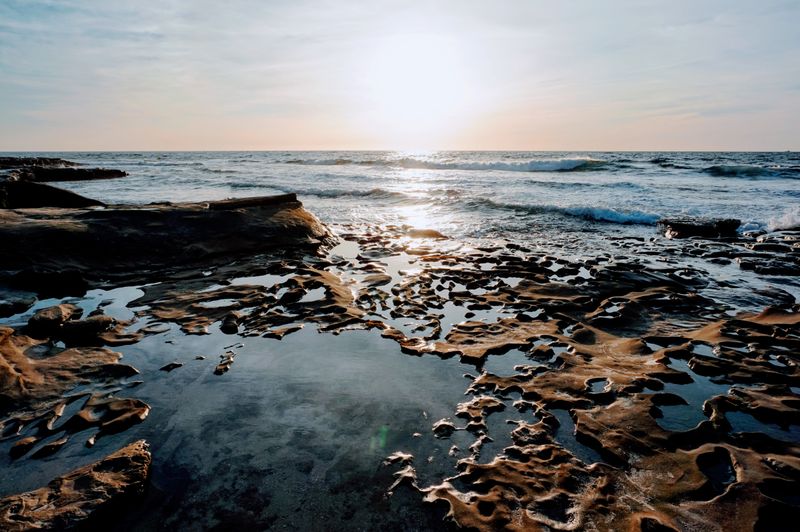
Low tide sets the hour for tidepool walks, beach runs, and the best chance at long, firm sand underfoot.
Friends text screenshots of charts as if they were invitations, circling windows when the reef will open like a book.
Anemones, hermit crabs, and yards of kelp become familiar neighbors when water draws back far enough to reveal their rooms.
The rhythm of the coast lives in these tables, not in a clock, and locals plan accordingly.
Sunrise lows feel different than twilight lows because the light lifts colors or flattens them into moody blues.
Photographers chase reflections on wet sand that look like brushed metal when the ocean slides away slowly.
Kids learn the rule of never turning your back, since sneaker waves ignore schedules and reclaim ground quickly.
Trailheads near sheltered coves can be bliss at minus tides, with sandstone caves and sea arches briefly accessible.
Clamoring shorebirds run in zigzags, timing pecks to the retreating foam in a choreography that feels precise.
Rock textures sharpen under thin water, and small hermits clack shells as they investigate the suddenly bigger world.
Even errands bend around these windows, with a grocery stop deferred because the reef will not wait.
When tides rise, jogging routes shift to bluffs and promenades, keeping salt air close without soaked shoes.
Fisherfolk read current strength and plan casts for edges where bait drifts naturally along kelp lines.
The social piece is simple, since shared charts make a plan without fuss or long threads.
When you start checking tides first, you know the coast has set your schedule too.
4. Fog Has A Sound And A Color
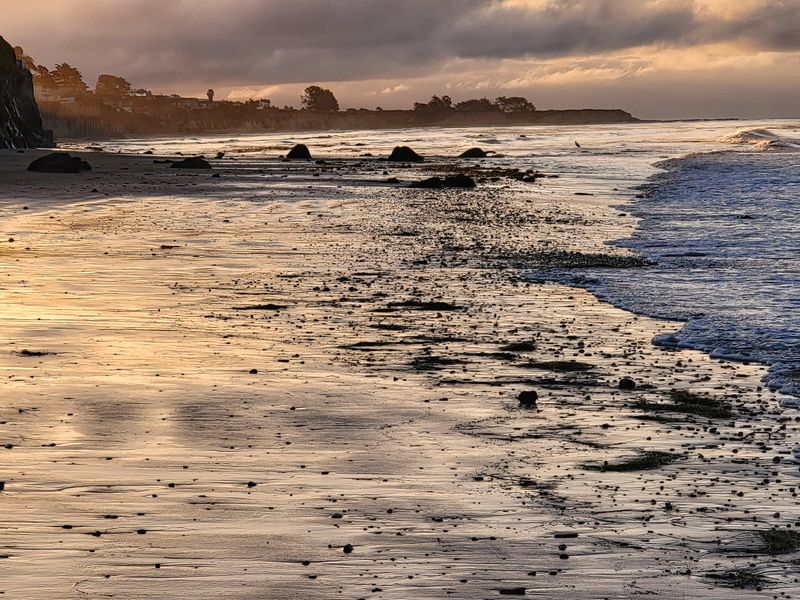
Fog settles with a muffled hush that changes how footsteps and gull calls carry across the neighborhood.
The ocean shifts from bright blue to pewter, and the horizon disappears into a soft band of silver gray.
Car headlights glow amber in the mist, and even bright murals take on a watercolor wash.
This gray is not dreary, but a breathable cool that gives you a pause from heated afternoons.
Runners like the calm because the air holds steady, and sweat does not flash off in sudden gusts.
Plants drink through leaves as moisture beads on rosemary and sage without a drop falling from the sky.
Horn blasts sound closer than they are, a trick of damp air bending their path toward your block.
Cafes feel warmer on fog days, with windows fogging slightly while steam curls above pastry cases.
Wetsuits come out because the ocean temperature does not care if the street looks gray or bright.
Photographers lean into it, framing silhouettes of piers and palms that look cinematic without extra effort.
The smell shifts too, trading sun baked seaweed for a clean mineral note that feels freshly laundered.
Traffic sounds drop and you notice footsteps, dog tags, and the scrape of a gate more than engines.
By midday the lid sometimes lifts and leaves the world polished, like someone dusted every edge.
If it hangs on, you adapt and enjoy a day that moves slower in a good way.
Either way, fog teaches patience and rewards anyone who likes subtle color.
5. Beach Parking Is A Strategy, Not A Spot
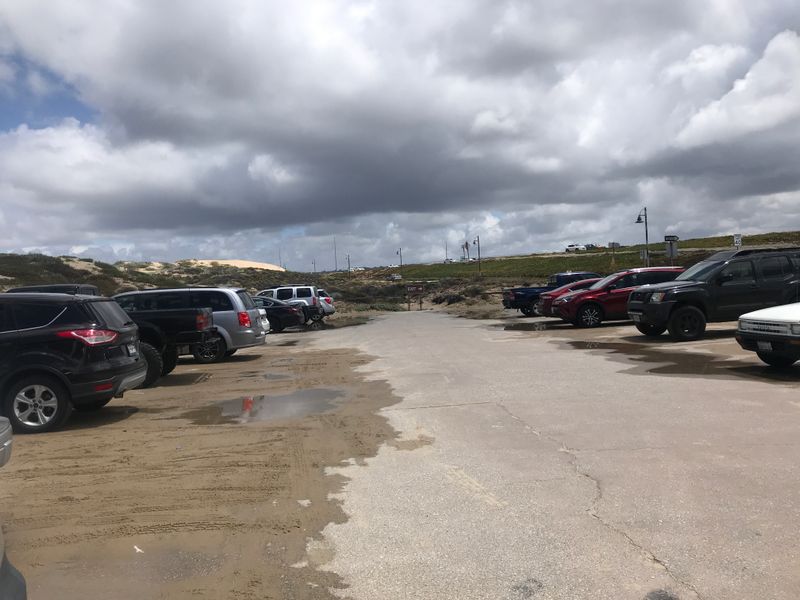
Finding a place to leave the car near the sand is not luck, it is timing and a practiced route.
Early arrivals snag shaded spots that stay cool while latecomers orbit like satellites hoping for a brake light.
Locals memorize small side streets and legal pullouts that align with crosswalks and beach access stairs.
Enforcement is real near popular strands, so curbs, driveways, and signed zones get respectful distance.
Bike racks fill after the morning swell report convinces half the town to paddle out before breakfast.
Some bring small wagons for towels and chairs because a longer walk beats circling for another half hour.
Meters often reset after turnover, and quick pay by app helps when you are hustling before the set rolls.
Shuttle lots on peak days are useful if you plan to stay long and avoid the crawl near the pier.
When evening glass off calms the water, spots open as families bail for dinner and warm showers.
Rainy days can surprise with space and moody light that rewards anyone who loves empty sand.
Residents whisper about midweek sweet spots when commuters leave and before sunset crowds arrive for color.
Shoes that slip on fast become a small advantage when you pivot from scouting to seizing an opening.
Friends coordinate via short texts that read like code words based on landmark poles and curb colors.
Eventually you stop counting steps and accept that the walk back uphill is part of the ritual.
The beach feels better when you earned it a little.
6. Wildlife Comes To Town At Night
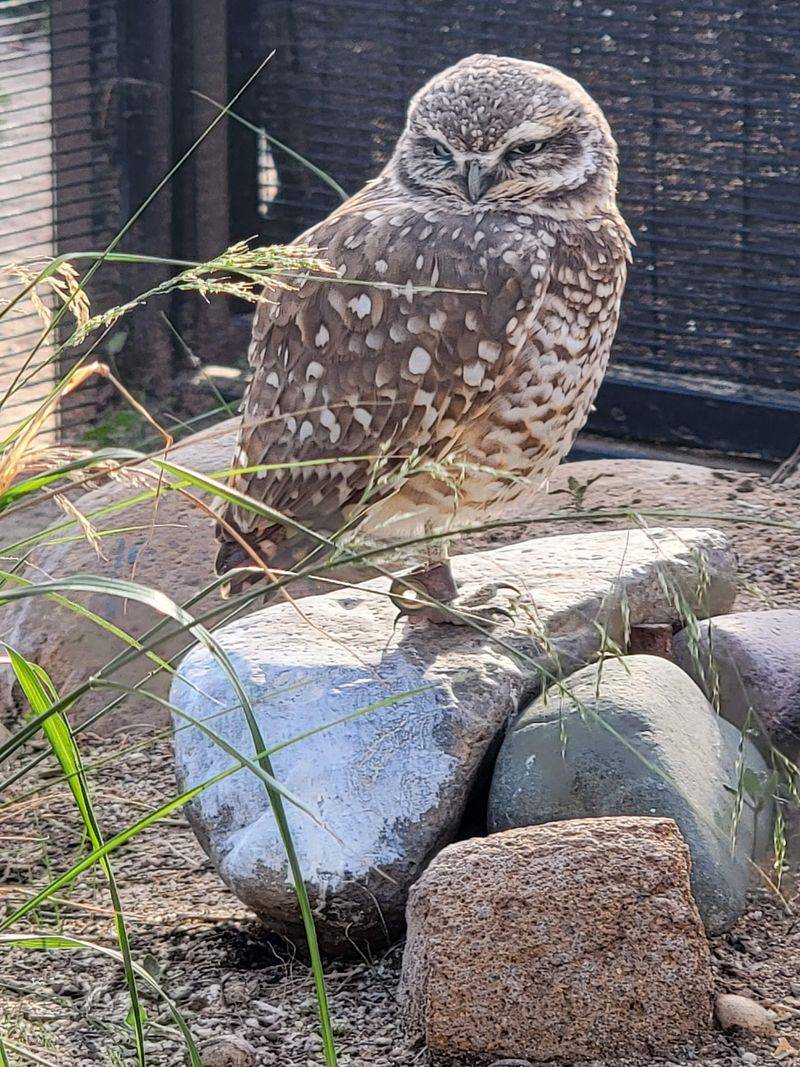
Raccoons and skunks patrol alleys after dark, checking bins with nimble hands and little fear of porch lights.
Owls float between eucalyptus branches, and their calls sound like a soft question that repeats in the quiet.
Coyotes slip through gaps in fences at dawn, pausing at intersections like cautious joggers before moving on.
Neighborhoods near canyons, brush and backyards blend, blurring the line between wild ground and patios.
Compost lids snap tight and pet food does not linger outside unless you want visitors.
Footprints on damp driveways tell stories in the morning, and kids learn to read the clues with delight.
Sea lions bark from harbor entrances, a rough chorus that drifts far inland on still nights.
Moths gather at warm windows, tapping softly and pulling geckos from their hiding spots to hunt.
Headlamps catch eye shine along trail edges, a glittering row that looks like scattered beads.
Trash day becomes a coordination game where cans roll out just before pickup and return fast.
The ocean brings birds too, with pelicans cruising street height in formation when winds align.
Fences get coyote rollers in some yards, and gaps under gates shrink after a few close calls.
People keep dogs leashed at dusk, since silhouettes can look like prey from a distance.
The lesson is coexistence and habits that respect a food chain still very much at work.
It feels like living next to a park that never closes.
7. Cliff Trails Are Seasonal Conversations
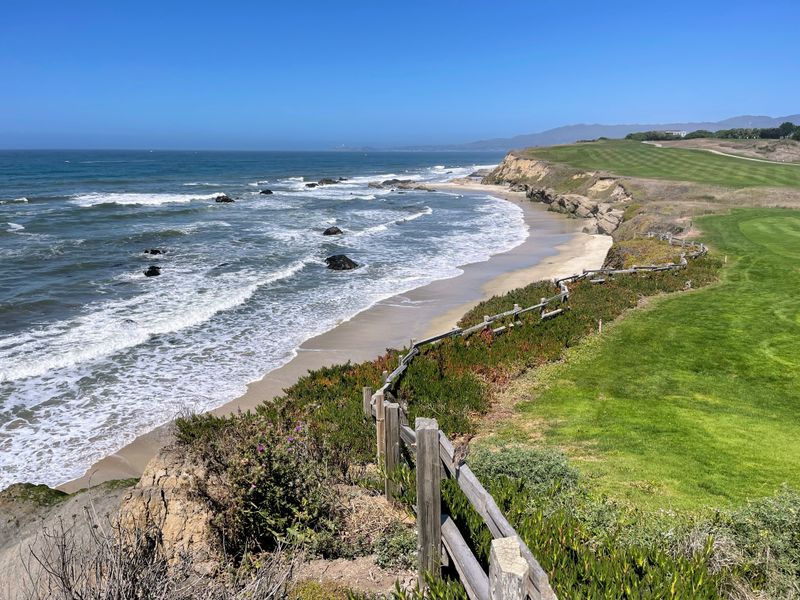
Bluff paths shift with winter storms that nibble edges and force new detours around fresh cracks.
Spring returns with wildflowers and soft dirt that holds footprints cleanly without turning to dust.
Summer dries the trail to fine grit, and every step lifts a ghost of powder that settles on your ankles.
Erosion signs are not decoration, and locals respect ropes and rails installed after geologists inspect.
Benches appear in odd places because the view improves as vegetation changes height through the year.
Seasonal closures protect nesting birds on slopes, and the chorus of peeps gives the rule context.
Dawn walkers know that marine layer mornings keep cliffs cool while gulls trace lazy loops overhead.
After storms, driftwood piles up below, building temporary sculptures that the next tide calmly rearranges.
Runners bring small headlamps in winter since early darkness can turn the path into a shadowed ribbon.
Handrails pick up salt crystals overnight, and palms leave thin fronds that crunch under your shoes.
Trail crews lay fresh decomposed granite in patches, a color shift that feels like new punctuation marks.
Neighbors share updates about soft spots, making the route safer without turning it into gossip.
Tread changes day to day, so shoes with grippy soles become the quiet MVP of coastal errands.
Every curve frames the ocean differently, a series of small theaters for wave watching and cloud reading.
Walking here trains you to notice the ground as much as the horizon.
8. Kelp Is A Season, Not Just Seaweed
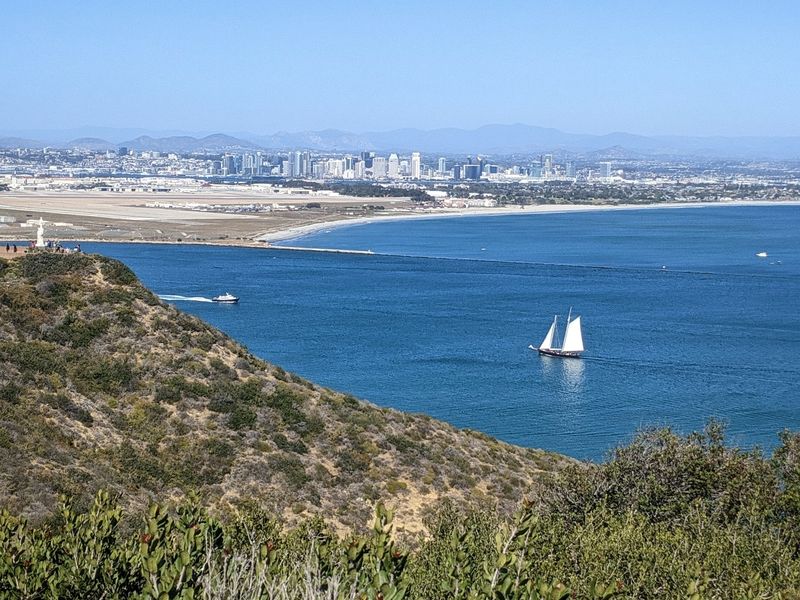
Kelp arrives in thick ribbons after lively swells, laying a fragrant line that feeds birds and resets the beach.
Bladders pop underfoot with a rubbery snap, and kids grin while adults step around with practiced caution.
Some mornings the wrack glows gold in low light and looks like a scattered harvest across the sand.
In California kelp forests offshore shelter fish and dampen waves, shaping the smooth days surfers call glassy.
When storms hit, detached stalks drift ashore and become a buffet for sand crabs and beetles.
Beach crews rake after busy weekends, but midweek the line remains and keeps shorebirds busy.
Gardeners haul small bundles home for compost, a practice that works if you rinse the salt first.
The smell is briny and earthy, not everyone’s favorite, but it signals a living ocean close by.
Sea lions and otters forage along the edges, and slick fronds swirl like slow flags in the wash.
After a few cycles you can predict the days when fresh drifts will decorate the tide line.
Some beaches hardly see kelp while nearby coves catch loads due to currents and rocky reefs.
Morning walks become mini field trips as you notice blades, bulbs, and holdfasts with unique shapes.
Foot traffic carves neat channels through the wrack, and shoes pick up a faint tang for a while.
When the line fades, sand feels blank, and you realize the beach looks healthier with a little mess.
Kelp seasons add texture to the year and a steady reminder of ocean cycles.
9. Soundtrack Of Swell And Wind
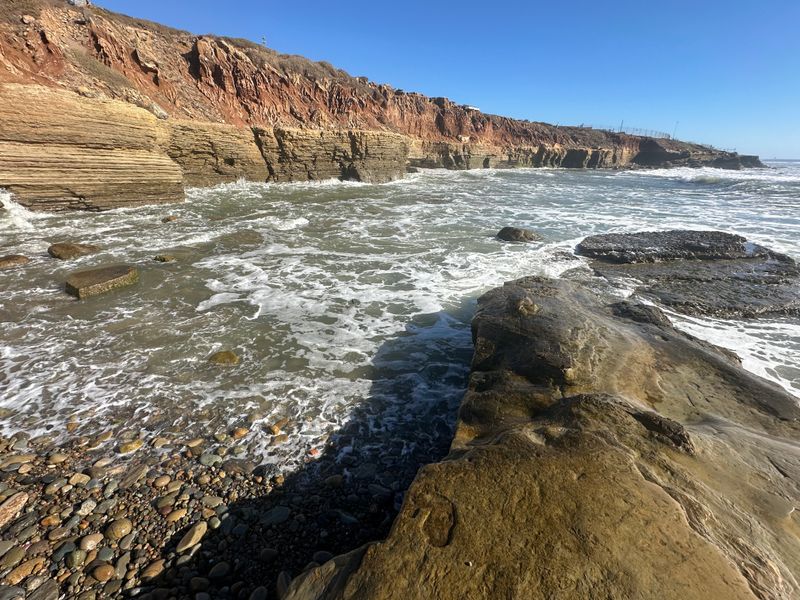
Windows cracked at night pick up the low drum of surf that rises and falls with distant sets.
Onshore breezes carry a hiss that threads through palms and lifts the edges of everything not tied down.
Flags tell you which direction to walk if you want an easier stroll back home.
The soundtrack changes with swell direction, as some beaches boom while others barely murmur.
Piers creak softly and cables sing when gusts push through, a faint music that locals recognize instantly.
Inside homes, chimes go quiet on still days and burst into busy patterns when systems move in.
Bike rides hug wind shadows behind bluffs, using natural walls as comfortable lanes.
Even street trees speak, with eucalyptus leaves clattering like small coins shaken in an invisible jar.
Morning calm rewards paddlers, while afternoons often bring texture that stitches small ripples across the bay.
Storm weeks amplify everything until the shore feels like a breathing machine you can hear across town.
Parking lots turn into little wind tunnels, so hatchbacks swing and straps thrum against board racks.
With practice you can tell a windy day from a calm one just by how screen doors tap.
On nights when wind dies, conversations travel, and you hear laughter from porches two blocks away.
The ocean is never silent, and that constancy becomes a comforting reminder of place.
Once you tune in, the coast feels like a living instrument.
10. Sun Protection Is A Lifestyle Habit
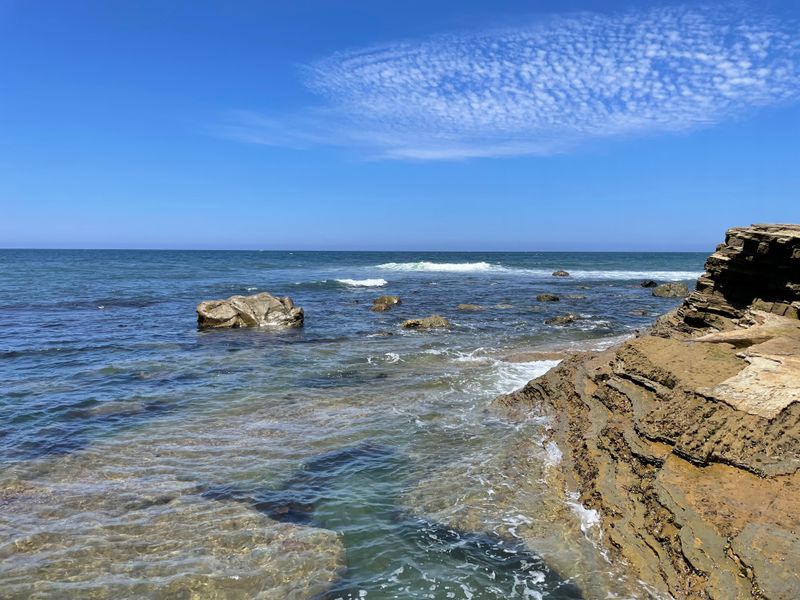
Light bounces from water, sand, and pale stucco, multiplying exposure even when clouds soften the sky.
Hats sit by the door with keys, and sleeves come down for midday errands without a second thought.
Sunscreen lives in every bag, with reapplications as normal as refilling a water bottle.
Coastal towns you adapt by building shade into plans rather than hoping for it on arrival.
Umbrellas and pop up canopies bloom on wide strands, creating small islands of calm in bright conditions.
Afternoon walks slide into earlier slots when glare grows harsh and sidewalks radiate stored heat.
Surfers and swimmers cover shoulders and backs since reflections double what you feel on the skin.
Cloudy mornings are not a pass, because wind can push the layer thin and leave you exposed.
Porches gain shade sails and vines that filter light while keeping the sea breeze moving.
Car visors become essential on west facing routes where twilight blazes straight into the windshield.
Sunglasses with real protection matter, especially on open stretches near dunes and river mouths.
Outdoor cafes favor awnings and planters that act like soft barriers against afternoon glare.
Even quick chats on sidewalks tilt toward the shadow side of a building by unspoken agreement.
When the sun finally dips, the world relaxes and colors deepen to those rich coastal ambers and blues.
Habits stick, and your skin thanks you for the routine.
11. Access Requires Respect And Small Courtesies
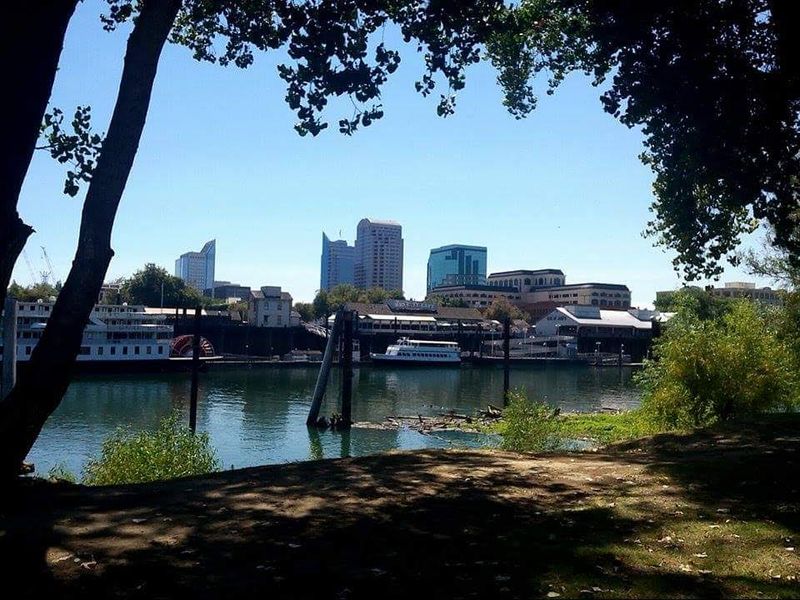
Paths to the shore often cross neighborhoods where driveways and gardens sit close to public steps.
Quiet voices in the morning and careful doors at night keep the relationship good for everyone.
Trash leaves with you, and sand gets brushed off at the path so drains stay clear.
Access points feel communal, with unspoken rules that work because people mostly follow them.
Dogs use leashes where posted and stay above wrack lines when birds are nesting on the open sand.
Stairs can be narrow, so boards turn sideways and hikers wait a moment to let others pass.
Benches belong to whoever needs them most that minute, and no one lingers when a parent arrives with a kid.
Locals sweep steps after windy days, a small act that makes shared spaces feel cared for.
At dusk headlamps tilt downward to protect night vision for everyone walking out.
Bikes slow early near pinch points, trading speed for ease and reducing awkward dance moves.
Music stays low so ocean sounds do not get drowned on a shoreline built for listening.
Even small smiles help, since the path is narrow and mood travels as fast as footsteps.
Over time these courtesies become muscle memory that makes busy days feel less crowded.
Respect keeps access open, and open access keeps the coast lively and welcoming.
It is a simple loop that works best when nobody needs reminding.
Dear Reader: This page may contain affiliate links which may earn a commission if you click through and make a purchase. Our independent journalism is not influenced by any advertiser or commercial initiative unless it is clearly marked as sponsored content. As travel products change, please be sure to reconfirm all details and stay up to date with current events to ensure a safe and successful trip.
