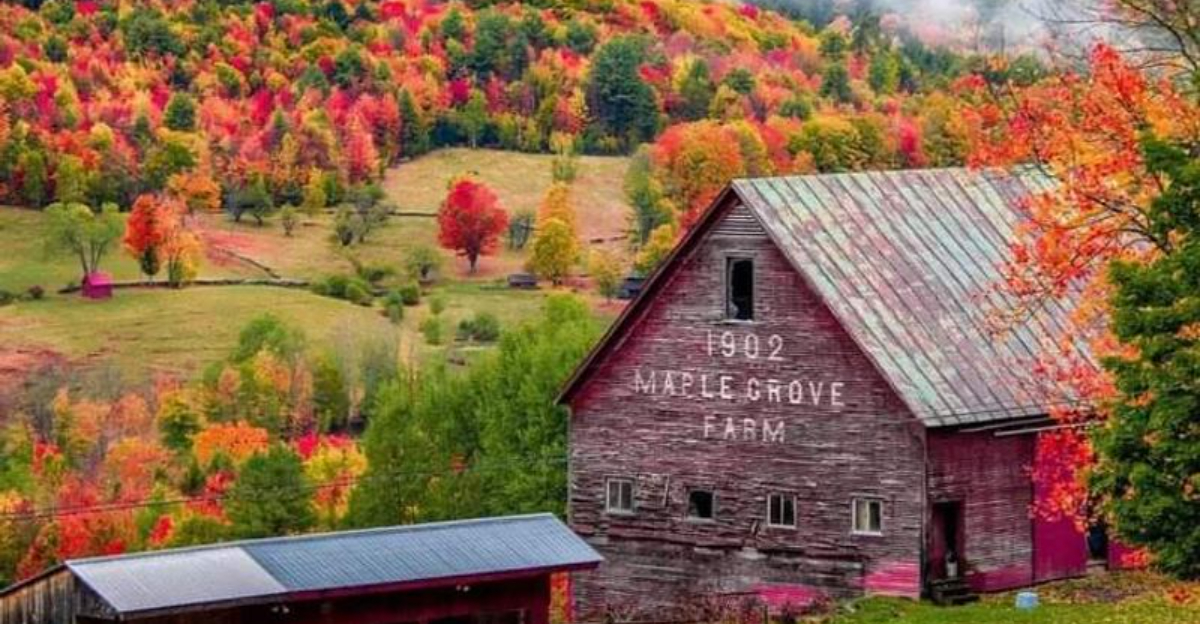
Vermont draws visitors from all over the world with its rolling green mountains, charming small towns, and maple syrup fame.
But beyond the postcard scenery, travelers quickly realize that the people of Vermont have their own unique way of doing things.
From how they greet strangers to what they wear in the dead of winter, locals have quirks that stand out and often surprise newcomers.
Here are seven things that visitors can’t help but notice about Vermonters when they visit the Green Mountain State.
1. Vermonters Wave at Everyone on the Road
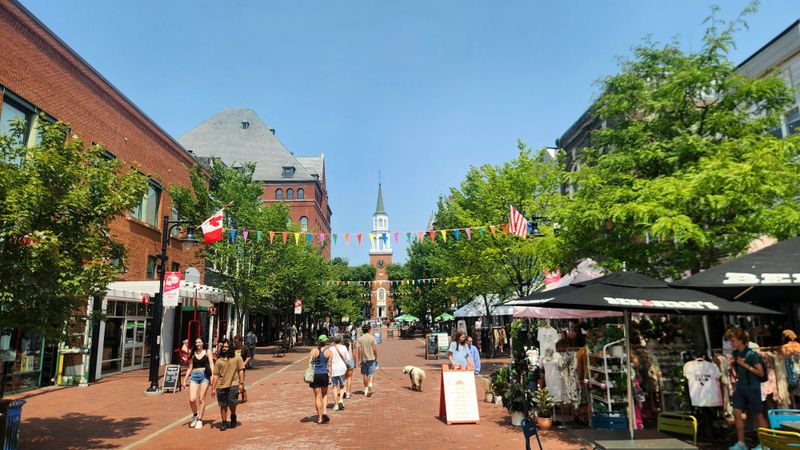
Driving through Vermont’s winding back roads feels like stepping into a friendlier version of reality.
Nearly every car that passes offers a wave, a nod, or at least a lifted finger from the steering wheel.
This gesture isn’t reserved for friends or family but extends to complete strangers navigating the same stretch of pavement.
Visitors from cities or larger states often find this habit startling at first, unsure if they’ve accidentally met someone they should recognize.
But locals explain that the wave is simply part of Vermont culture, a way to acknowledge shared space and show respect.
In rural areas where neighbors might live miles apart, this small act builds community and reinforces the idea that everyone belongs.
The tradition runs so deep that failing to wave back might be noticed, though Vermonters are usually forgiving of out-of-state plates.
Some say the custom started generations ago when roads were less traveled and seeing another vehicle was a rare event worth celebrating.
Others believe it’s tied to Vermont’s agricultural roots, where farmers would greet each other across fields and roads.
Whatever the origin, the habit remains strong today, even as tourism increases and highways grow busier.
Visitors who spend more than a day or two in Vermont often find themselves adopting the wave without realizing it.
By the end of a week, lifting a hand to passing drivers feels natural, almost automatic.
It’s one of those small gestures that quietly reshapes how people interact, reminding everyone that kindness doesn’t require much effort.
The Vermont wave isn’t flashy or loud, but it leaves a lasting impression on those who experience it.
It reflects a culture that values connection over anonymity and proves that even the simplest traditions can make a place feel like home.
2. Locals Dress for Function, Not Fashion
Fashion trends that dominate coastal cities rarely make their way into Vermont wardrobes.
Instead locals prioritize comfort durability and practicality often choosing the same trusted brands year after year.
Flannel shirts Carhartt jackets wool sweaters and sturdy boots dominate closets regardless of the season or occasion.
Visitors expecting stylish outfits or designer labels quickly realize that Vermonters measure clothing by how well it holds up in mud snow and unpredictable weather.
A person might wear the same pair of jeans to a town meeting a hike and a casual dinner without a second thought.
This approach isn’t about carelessness or lack of awareness but reflects a culture that values substance over appearance.
Vermonters spend a lot of time outdoors whether working on farms hiking trails or simply running errands in rural areas.
Clothing needs to perform under tough conditions which means synthetic fabrics and delicate materials don’t make the cut.
Wool cotton and heavy-duty canvas dominate often layered to handle temperature swings that can range from freezing mornings to mild afternoons.
Footwear follows the same logic with Bean Boots and insulated hiking boots appearing far more often than sneakers or dress shoes.
Even in more formal settings locals tend to dress down compared to other regions opting for clean and neat over polished and trendy.
Visitors sometimes feel overdressed when they arrive in business casual attire for events where everyone else wears jeans and a sweater.
But this relaxed approach to clothing creates an environment where people feel comfortable being themselves without pressure to impress.
It also reflects Vermont’s broader values of sustainability and frugality as locals prefer buying quality items that last decades rather than chasing fast fashion.
The result is a state where function always wins and nobody judges you for showing up in your work clothes.
3. They Take Their Time and Rarely Rush
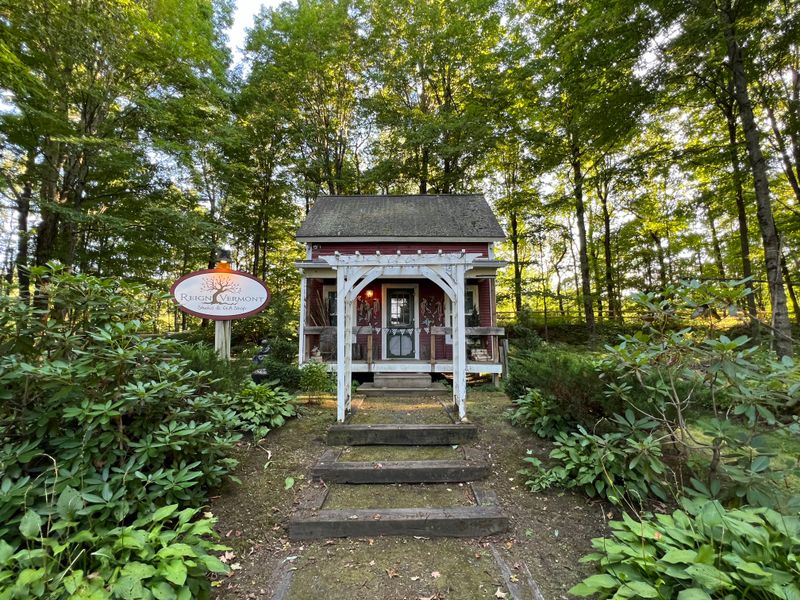
Vermont operates on a different clock than most of the country, and visitors notice this almost immediately.
Locals move through their days at a deliberate pace, rarely rushing even when tasks pile up or schedules get tight.
Conversations at the grocery store checkout can stretch for several minutes as neighbors catch up on family news, weather predictions, or weekend plans.
Drivers don’t honk when someone takes an extra moment at a green light, and restaurant servers don’t hurry diners out the door.
This slower rhythm can frustrate travelers accustomed to urban efficiency, but it reflects a deeper philosophy about what matters in life.
Vermonters prioritize relationships and presence over productivity and speed, believing that rushing through moments means missing them entirely.
A trip to the post office might take twenty minutes not because of poor service but because the clerk asks about your garden and shares a story about their own.
This unhurried approach extends to work, recreation, and even emergencies, where people remain calm and methodical rather than frantic.
Visitors often describe feeling their own stress levels drop after a few days in Vermont, as the local pace quietly encourages them to slow down too.
It’s not that Vermonters lack ambition or drive, but they measure success differently, valuing quality of life over constant hustle.
Farmers wake before dawn and work long hours, but they also take breaks to enjoy the view or chat with a passing neighbor.
Business owners close their shops for lunch or take a random Tuesday off without guilt or apology.
This attitude can seem strange to outsiders raised on the idea that busyness equals importance, but it offers a refreshing alternative.
Vermont’s slower pace teaches visitors that life doesn’t have to be a race and that taking time for small moments creates a richer, more meaningful existence.
By the time travelers leave, many find themselves wishing they could bottle this mindset and bring it home.
4. Locals Are Fiercely Independent and Self-Reliant
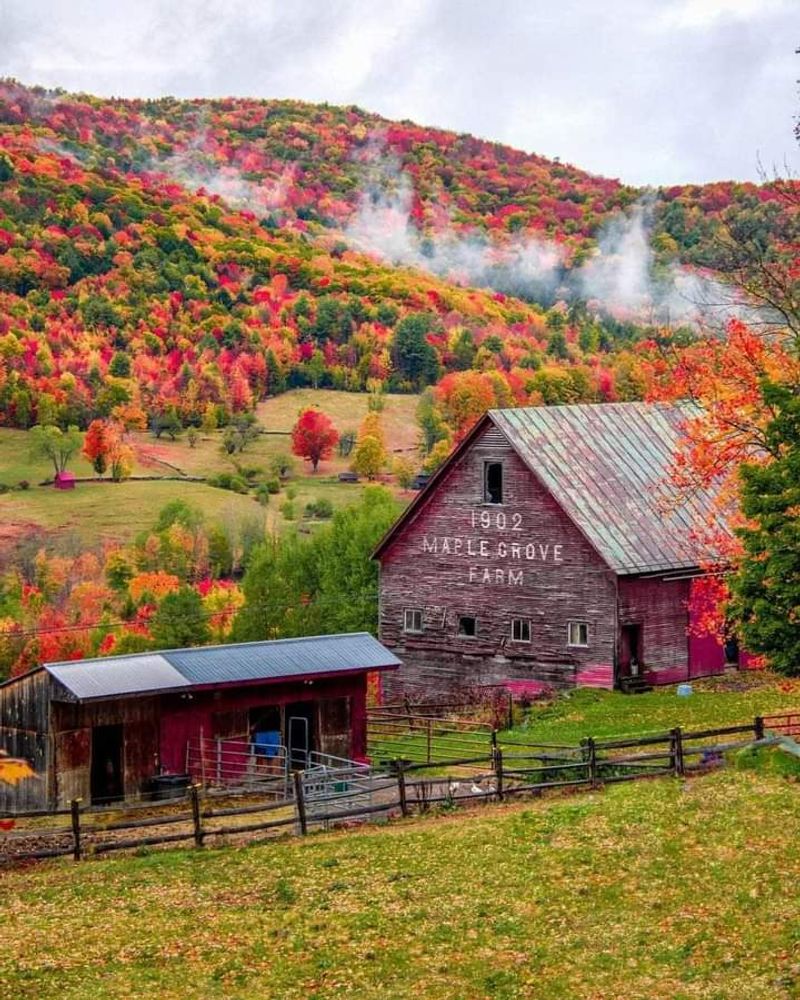
Self-reliance runs deep in Vermont, where many locals pride themselves on handling problems without outside help.
From fixing broken machinery to growing their own food, Vermonters approach challenges with a do-it-yourself mentality that surprises visitors.
Hardware stores and farm supply shops buzz with activity as people stock up on tools, seeds, and materials for home projects.
It’s common to meet someone who built their own house, splits their own firewood, taps their own maple trees, and repairs their own vehicles.
This independence isn’t about showing off or rejecting help but stems from practical necessity and cultural values passed down through generations.
Vermont’s rural landscape means that professional services aren’t always nearby, and waiting for a repairman could mean days without heat or water.
So locals learn to solve problems themselves, developing skills that range from plumbing and carpentry to animal husbandry and food preservation.
Visitors often feel humbled when they realize how much knowledge and competence the average Vermonter possesses.
A casual conversation might reveal that your neighbor can butcher a deer, build a stone wall, and rewire a barn without breaking a sweat.
This self-sufficiency also shapes Vermont’s political culture, where residents tend to distrust government overreach and value personal freedom.
People want to make their own choices about their land, their businesses, and their lives without unnecessary interference.
At the same time, Vermonters understand the importance of community and will help neighbors in need, especially during emergencies like floods or power outages.
The balance between independence and mutual aid creates a unique social fabric where people respect each other’s space but show up when it counts.
Visitors from more dependent or service-oriented cultures often leave Vermont inspired to learn new skills and rely less on professionals for everyday tasks.
The state serves as a reminder that self-reliance isn’t about isolation but about confidence, competence, and the freedom that comes from knowing you can handle whatever life throws your way.
5. They’re Obsessed with Local and Seasonal Food
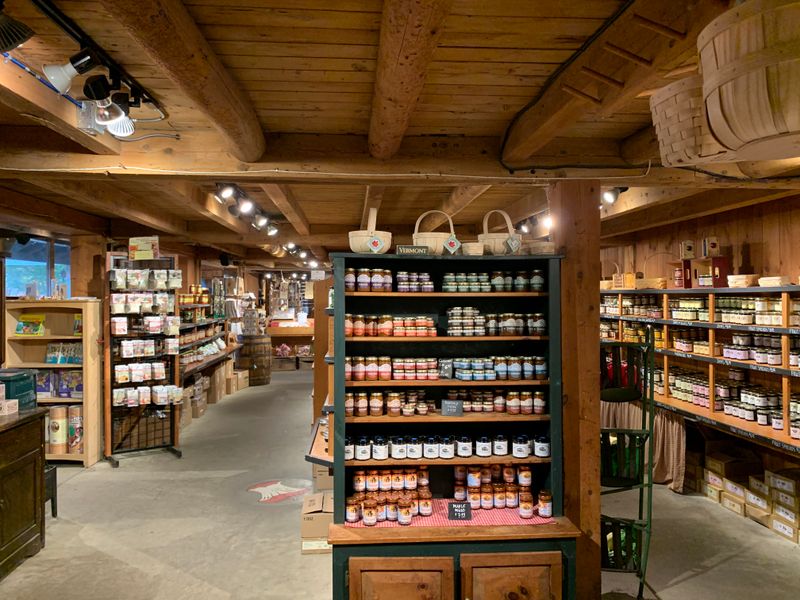
Walk into any Vermont restaurant or grocery store and you’ll quickly notice an intense focus on local and seasonal ingredients.
Menus proudly list the farms where vegetables, meat, and dairy products come from, often including the town or even the specific field.
This isn’t just marketing but reflects a genuine commitment to supporting local agriculture and eating food grown nearby.
Vermonters know their farmers by name, visit markets regularly, and plan meals around what’s currently in season rather than relying on imported produce.
During summer and fall, kitchens overflow with fresh tomatoes, corn, squash, and berries, while winter tables feature root vegetables, preserved goods, and hearty stews.
The farm-to-table movement that became trendy in other states has been Vermont’s reality for decades, rooted in necessity and tradition rather than fashion.
Small farms dot the landscape, producing everything from organic vegetables and grass-fed beef to artisan cheese and craft beer.
Visitors often comment on the superior taste of Vermont food, attributing it to freshness, quality soil, and farming practices that prioritize sustainability over mass production.
Cheese lovers make pilgrimages to creameries where they can watch the cheesemaking process and sample products still warm from the aging room.
Maple syrup enthusiasts tour sugarhouses during sugaring season, learning how sap transforms into the state’s most famous export.
This connection to food extends beyond restaurants and markets into everyday life, where backyard gardens, chicken coops, and home canning remain common practices.
Even people who don’t farm themselves often know someone who does and can get fresh eggs, honey, or vegetables through informal networks.
This food culture creates a strong sense of place and season, reminding people that eating well means eating what grows nearby at the right time of year.
Visitors leave Vermont with a new appreciation for how food connects people to land, community, and the rhythms of nature.
They also tend to leave with suitcases full of maple syrup, cheese, and other local treats they can’t find anywhere else.
6. Vermonters Are Quietly Progressive but Politically Independent
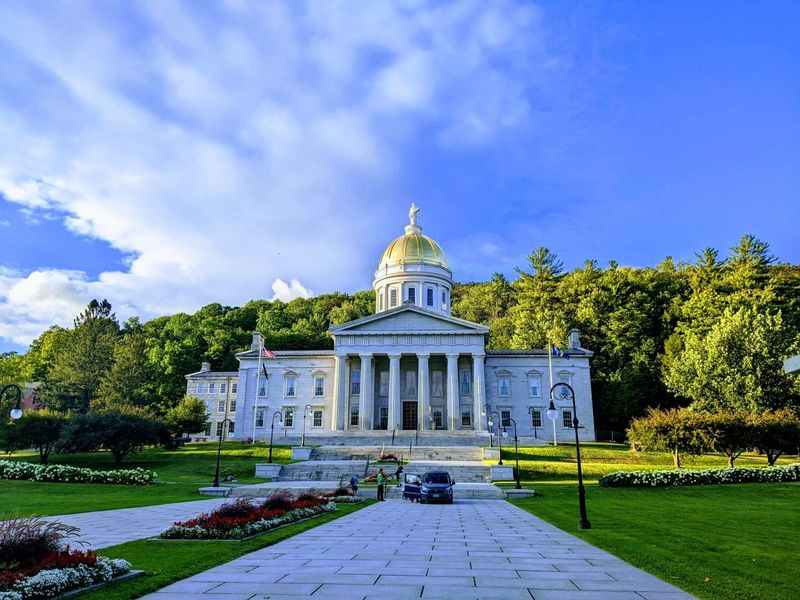
Vermont has a reputation for progressive politics, being the first state to legalize civil unions and elect an openly socialist senator.
But visitors quickly learn that Vermont’s political culture is far more complex and independent than national stereotypes suggest.
Locals value individual freedom and community decision-making above party loyalty, often holding views that don’t fit neatly into liberal or conservative boxes.
A Vermonter might support environmental protection and universal healthcare while also opposing gun control and advocating for minimal government interference in personal lives.
Town meetings remain a cornerstone of Vermont democracy, where residents gather to debate budgets, elect officials, and vote on local issues face to face.
These meetings can last for hours, with passionate discussions about everything from school funding to road maintenance, and everyone gets a chance to speak.
This tradition of direct democracy shapes how Vermonters think about politics, emphasizing local control and grassroots participation over top-down mandates.
Visitors attending their first town meeting often feel transported to an earlier era of American governance, where neighbors debate policy without partisan rancor.
While disagreements happen, the tone remains respectful, focused on solving practical problems rather than scoring political points.
This independent streak also means Vermonters resist being told what to do, whether by federal government, big corporations, or out-of-state interests.
They’ll fight hard to protect their forests, farms, and small-town character from overdevelopment, but they’ll also defend their right to live as they choose.
Political signs in Vermont yards often mix candidates from different parties, reflecting voters who choose individuals over ideology.
This pragmatic, independent approach can confuse outsiders who expect Vermont to be uniformly liberal based on its national image.
But locals see no contradiction in holding diverse views, believing that real democracy means thinking for yourself and making decisions based on what’s best for your community.
Visitors leave with a deeper understanding that Vermont’s progressivism isn’t about following trends but about protecting a way of life rooted in independence, sustainability, and local control.
7. They Have a Deep Connection to Nature and the Outdoors
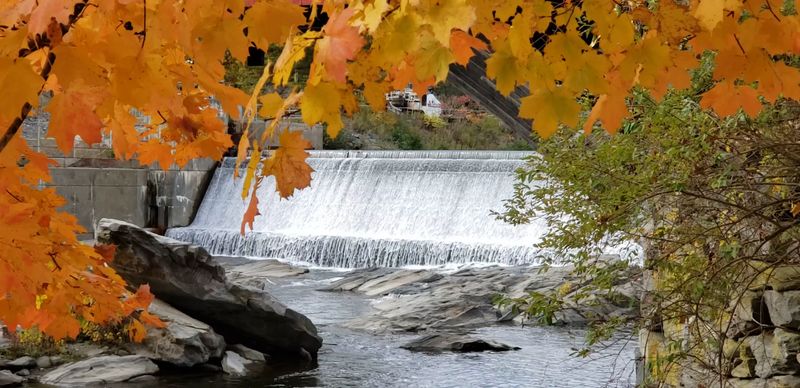
Vermonters don’t just live near nature but immerse themselves in it as a fundamental part of daily life.
Hiking, skiing, fishing, hunting, and foraging aren’t occasional weekend activities but regular practices that shape schedules and conversations.
Locals can identify trees by bark texture, predict weather by cloud patterns, and navigate trails without maps because they’ve walked them countless times.
This deep outdoor knowledge comes from spending time outside in all seasons, not just during perfect weather or vacation weeks.
Children grow up playing in forests, swimming in lakes, and learning to ski almost as soon as they can walk.
Adults continue these habits throughout their lives, taking lunch breaks to walk trails or ending workdays with a quick ski run or paddle.
The changing seasons dictate Vermont life in ways that surprise visitors from more climate-controlled environments, with each season bringing specific activities and preparations.
Spring means maple sugaring and muddy roads, summer brings swimming holes and farmers markets, fall offers foliage hikes and apple picking, and winter demands skiing and firewood splitting.
Locals don’t just endure winter but embrace it, investing in quality gear and finding joy in activities that others might consider hardships.
Visitors often comment on how casually Vermonters discuss outdoor adventures that would require extensive planning and preparation elsewhere.
A neighbor might mention climbing a mountain before breakfast or paddling across a lake after work as if describing a trip to the grocery store.
This relationship with nature also shapes Vermont’s environmental values, as people who spend time outdoors develop a strong desire to protect what they love.
Conservation efforts enjoy broad support because locals understand firsthand what’s at stake when forests are cleared or rivers polluted.
The connection isn’t romantic or abstract but practical and personal, based on daily interactions with the land.
Visitors leave Vermont with a renewed appreciation for the natural world and often feel inspired to spend more time outside in their own communities.
They also gain respect for a culture that measures quality of life not by convenience or entertainment options but by access to mountains, forests, and wild spaces.
Dear Reader: This page may contain affiliate links which may earn a commission if you click through and make a purchase. Our independent journalism is not influenced by any advertiser or commercial initiative unless it is clearly marked as sponsored content. As travel products change, please be sure to reconfirm all details and stay up to date with current events to ensure a safe and successful trip.
