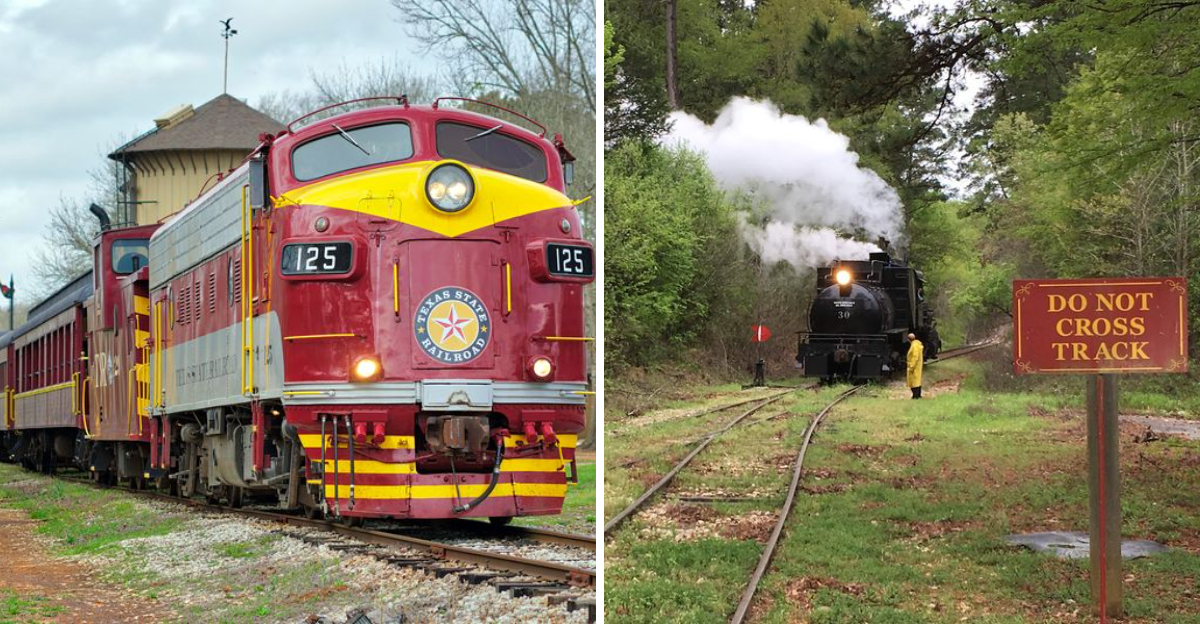
There’s something about the rhythm of train wheels on old tracks that slows time down in the best possible way. The Texas State Railroad between Palestine and Rusk offers exactly that kind of escape, especially during spring when the Piney Woods come alive with color and the air feels impossibly fresh.
I’ve always thought trains let you see places from angles you’d never find on a highway, passing through backyards and forest clearings that feel almost secret.
This particular route stretches 25 miles each way through East Texas, crossing bridges and cutting through dense pine forests that have stood for generations.
It’s the kind of trip where you’re not rushing to get anywhere, just enjoying the fact that you’re moving through beautiful country at a pace that lets you actually see it.
Starting Point: The Historic Palestine Depot
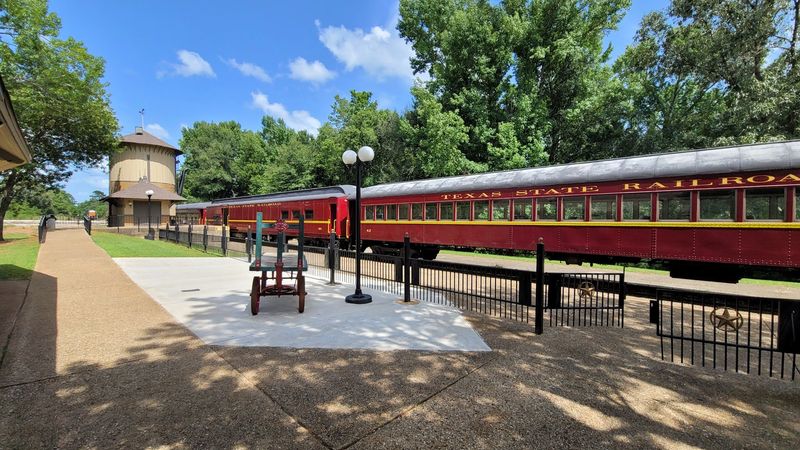
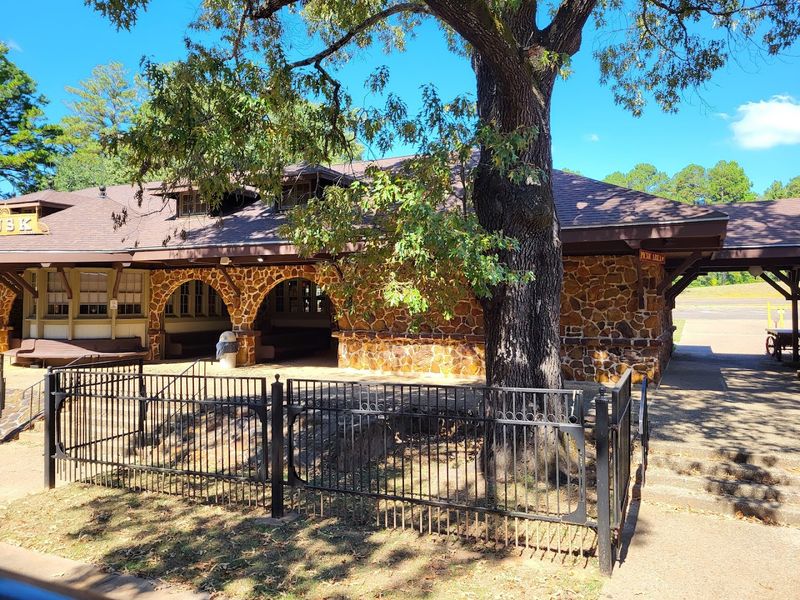
The Palestine Depot sits right in the heart of town, and you can’t miss it. Built in the late 1800s, the building has that classic railroad architecture with high ceilings and wooden benches worn smooth by more than a century of travelers.
Walking in feels like stepping into a different era, which I suppose is exactly the point.
Arriving early gives you time to poke around the small museum inside, where old photographs and railroad memorabilia tell the story of when trains were the lifeline of small Texas towns. There’s something grounding about seeing how people traveled before interstates carved up the landscape.
The staff are usually chatting with regulars and first-timers alike, answering questions about the route and sharing stories about the trains.
Outside on the platform, the locomotives sit waiting, either the vintage steam engine or one of the diesel models depending on the day’s schedule. People gather with cameras, kids press their faces against the windows of the coaches, and there’s a low hum of anticipation that builds as boarding time approaches.
The whole scene has a timeless quality, like you could be waiting for this same train in 1920 or 2020 and it wouldn’t feel much different. That’s part of what makes starting here special.
Choosing Your Railcar Experience
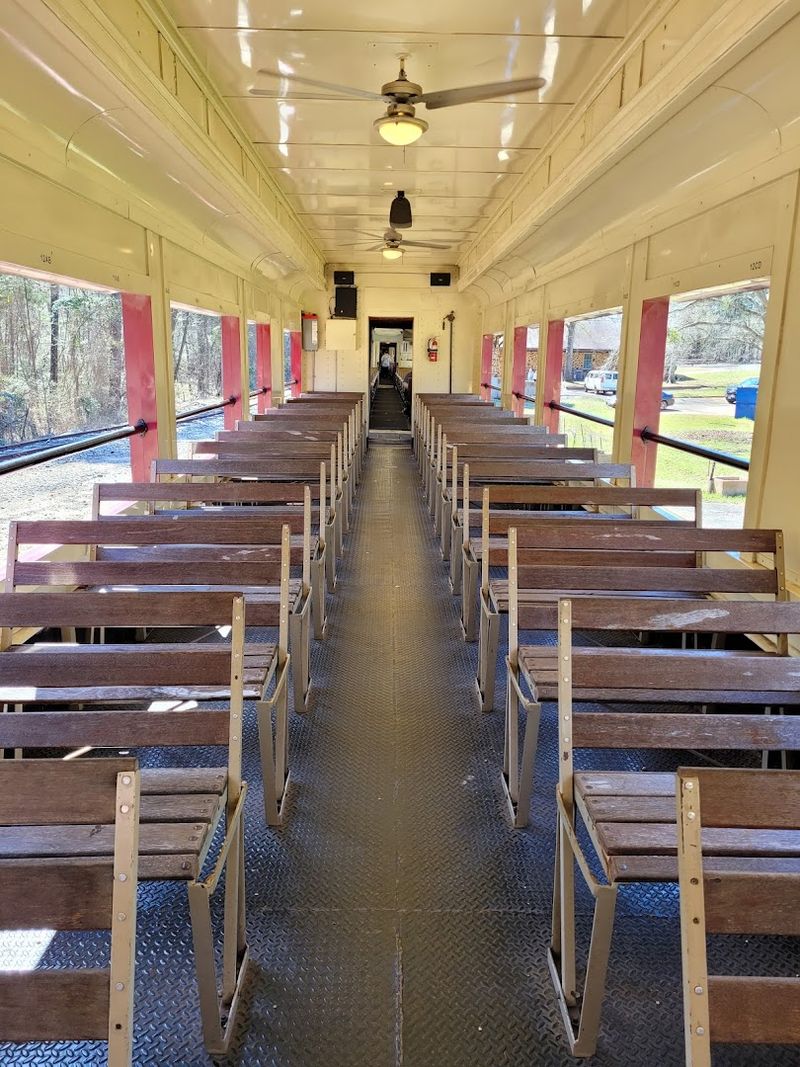
You’ve got options when it comes to where you sit, and honestly, there’s no wrong choice. The enclosed vintage coaches have wooden seats with cushions, big windows that actually open, and that unmistakable old-train smell of wood polish and history.
Families with little kids often pick these because they’re comfortable and you can move around without worrying about anyone tumbling off.
Then there are the open-air cars, which are exactly what they sound like. No windows, just benches and the breeze and an unobstructed view of everything you’re passing through.
These are my favorite on spring days when the weather’s mild and you want to feel completely immersed in the journey. You hear every sound, smell the pine forest, and get the full sensory experience of riding through the woods.
Some folks like switching it up and riding in one type of car on the way out and another on the return trip. The conductors don’t mind if you wander between cars during the journey, so you’re not locked into your choice.
What matters most is what kind of experience you’re after. If you want classic train travel with a bit of protection from the elements, stick with the vintage coaches.
If you want to feel every mile of track and every shift in the landscape, head for the open air.
Rolling Into the Piney Woods
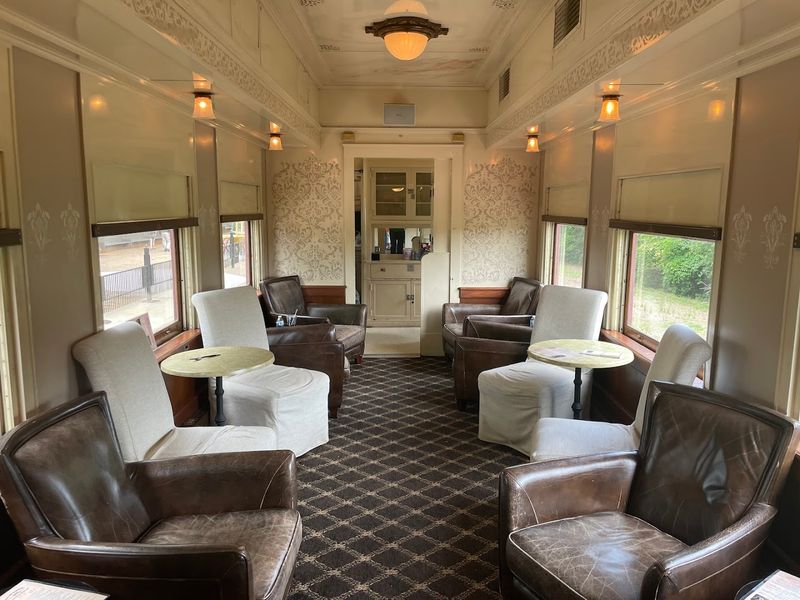
Once the train pulls out of Palestine, the town falls away quickly and the forest closes in. The Piney Woods of East Texas aren’t like the Hill Country or the coastal plains.
They’re dense and green and feel almost secretive, like you’re passing through land that hasn’t changed much in a hundred years.
The rhythm of the train becomes hypnotic pretty fast. You settle into your seat or lean against the rail in the open car, and the steady clack of wheels on rails just pulls you into the moment.
Trees rush past, sometimes so close you could reach out and touch the branches if the conductors would let you.
Wildlife sightings are common, especially in spring when animals are more active. Deer freeze and stare as the train rumbles by, squirrels dart up tree trunks, and hawks circle overhead looking for an easy meal.
One trip I took, someone spotted a wild hog crashing through the underbrush, and half the car crowded to one side to get a look.
The forest isn’t just scenery. It’s the whole point of this journey, this living, breathing ecosystem that the railroad cuts through without disturbing.
You’re a visitor here, watching from a moving window as the Piney Woods do what they’ve always done.
Crossing the Neches River
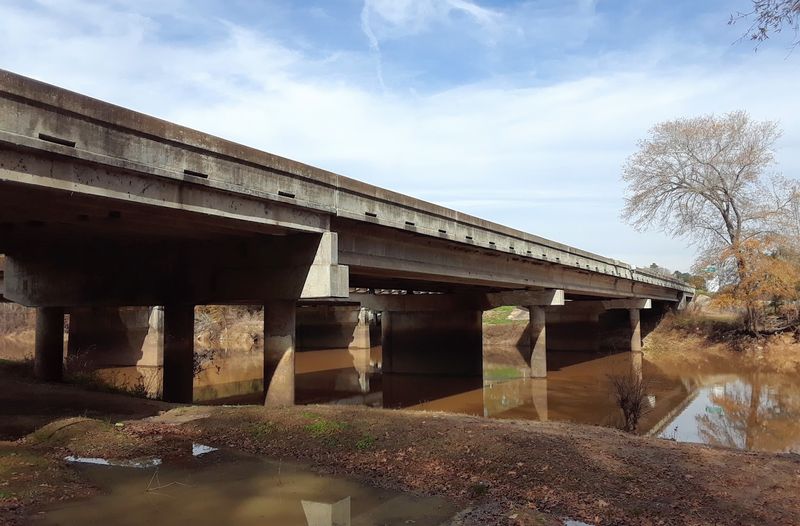
About halfway through the journey, the train slows as it approaches the Neches River bridge. This is the moment everyone’s been waiting for, and you can feel the shift in energy as passengers move toward the windows or stand up in the open cars to get a better view.
The bridge itself is an engineering relic, a steel trestle that’s been carrying trains across this river for decades. As you roll out over the water, the forest opens up and suddenly you can see for miles.
The river flows slow and brown beneath you, reflecting the sky and the trees that line both banks.
Photographers love this spot, and for good reason. The combination of the old bridge, the wide river, and the surrounding forest creates one of those perfect compositions that looks great no matter what kind of camera you’re using.
Even if you’re not into photography, it’s hard not to pause and just take it in.
The train doesn’t rush across. It takes its time, letting everyone absorb the view and snap their pictures.
Then, just as gradually, the forest swallows you up again on the other side. It’s a brief moment of openness in an otherwise enclosed journey, and it feels significant every single time.
The Journey to Rusk Depot
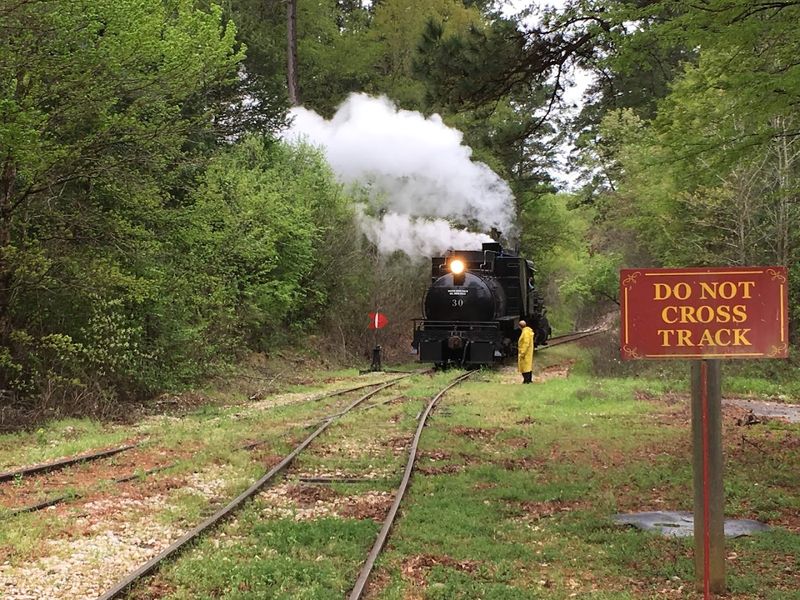
After the river crossing, the landscape starts to shift in subtle ways. The forest remains thick, but you begin to see more clearings, more signs of human activity.
Old farms appear through the trees, barns weathered gray by time, and occasionally a house with someone on the porch waving as the train passes.
This 25-mile stretch isn’t about dramatic scenery changes. It’s about the accumulation of small details that tell you you’re moving through real, lived-in country.
A rusted tractor in a field, a fishing pond catching the sunlight, a hand-painted sign advertising fresh eggs or firewood.
The train maintains its steady pace, never rushing, never slowing except for the river and a few other spots where the track requires it. Conversations among passengers drift from excited chatter to comfortable quiet as people settle into the rhythm.
Some folks nap, others read, and plenty just stare out the windows watching East Texas roll by.
As you approach Rusk, the forest starts to thin out and you catch glimpses of the town ahead. The depot comes into view gradually, another historic building waiting at the end of the line.
The journey feels complete but not finished, because you know you’ve still got the return trip ahead.
Exploring Rusk During the Layover
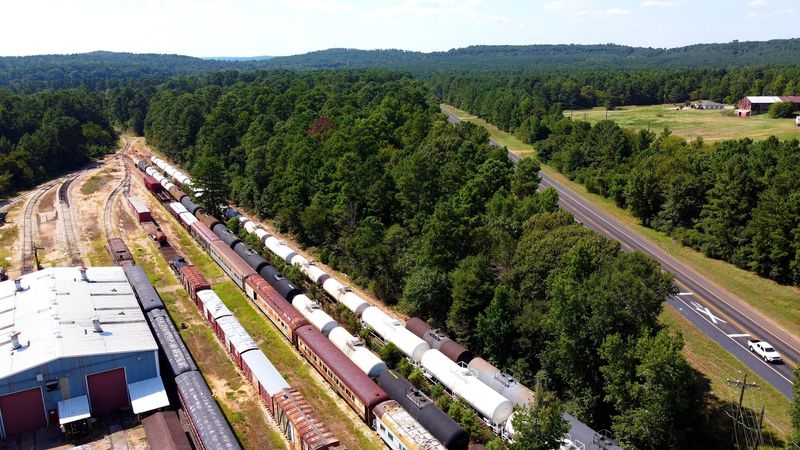
The layover in Rusk gives you about 90 minutes to stretch your legs and explore before the return journey begins. The depot itself is worth wandering around, with its own small museum and gift shop where you can pick up railroad memorabilia or local crafts.
Outside, the depot grounds have picnic tables scattered under trees, and on nice spring days, plenty of passengers spread out with lunches they’ve packed or snacks they’ve bought from vendors who sometimes set up near the station.
Kids run around burning off energy while parents sit and relax, knowing they don’t have to drive anywhere or navigate traffic.
If you’re ambitious, you can walk into downtown Rusk, which is only a few blocks away. It’s a small East Texas town with the kind of charm that comes from not trying too hard.
There are a few shops, a courthouse square, and usually some kind of seasonal event happening if you time your visit right. Spring often brings festivals or markets that make the stop even more interesting.
But honestly, some of the best moments happen just sitting on a bench watching the locomotive get turned around on the turntable or chatting with other passengers about where they’re from and why they decided to take this trip. The layover isn’t just a break in the journey.
It’s part of the experience.
The Relaxing Return to Palestine
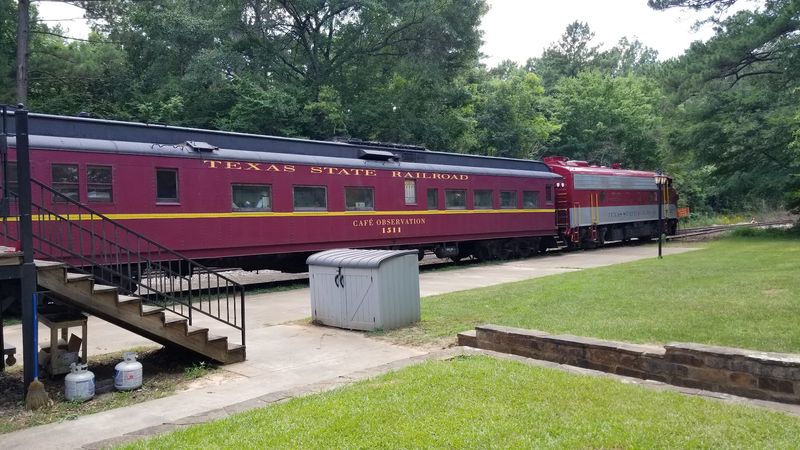
The return trip always feels different, quieter somehow. Maybe it’s because everyone’s already seen the route once, or maybe it’s just the time of day, but there’s a definite shift in mood as the train pulls out of Rusk heading back toward Palestine.
People settle into their seats with a kind of contented tiredness. The excitement of the outbound journey gives way to something more meditative.
You notice different things on the way back, details you missed the first time because you were too busy trying to see everything at once.
The light changes too, especially if you’re on an afternoon departure. Spring afternoons in East Texas have this golden quality, and as the sun starts to angle lower, it filters through the pine trees in long shafts that make the whole forest glow.
Shadows lengthen, the air cools just slightly, and the whole world feels softer.
Some passengers doze off, lulled by the motion and the rhythm of the rails. Others sit quietly with their thoughts, staring out at the passing woods.
There’s less conversation, fewer cameras out, just people being present in the moment.
By the time Palestine comes back into view, you feel like you’ve been gone longer than a few hours. That’s the magic of slow travel, I think.
It stretches time in ways that driving never does.
Why This East Texas Train Ride Is Perfect for Spring
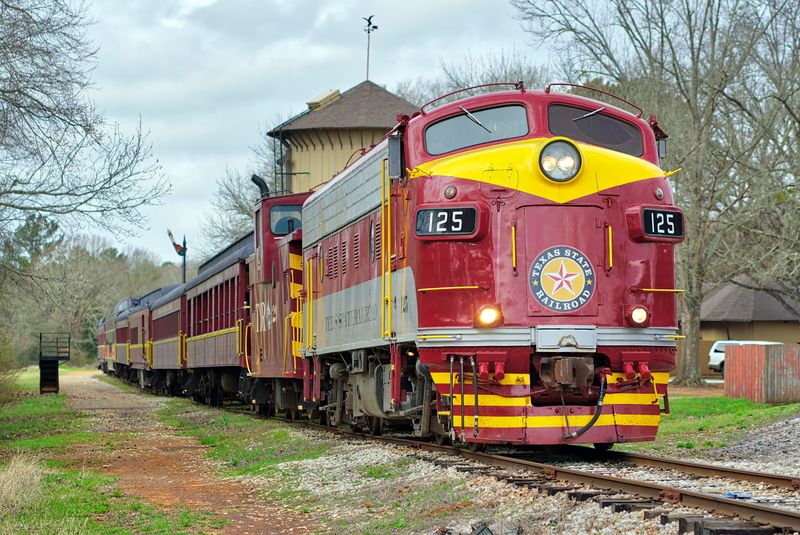
Spring transforms the Piney Woods into something worth putting your phone down for. The temperatures hover in that perfect range where you’re comfortable whether you’re sitting inside a vintage coach or standing in an open-air car with the breeze in your face.
Wildflowers start popping up along the tracks, and the dogwoods bloom white against all that deep green pine.
The forest feels alive in a way it doesn’t during the hotter months. Birds are nesting and calling to each other, and if you’re lucky, you might spot deer moving through the underbrush as the train rolls past.
There’s a freshness to the air that makes even the diesel exhaust from the locomotive smell kind of nostalgic.
What makes spring ideal is that the landscape is waking up but hasn’t yet turned into the thick, humid wall of summer heat that East Texas is known for. The light filters through the trees differently, softer and more golden.
You can actually enjoy being outside without melting, which matters when you’re spending a good chunk of your day on a moving train.
This isn’t a thrill ride or a theme park experience. It’s just a slow, steady journey through beautiful country at the exact time of year when that country looks its absolute best.
Tips for Planning the Spring Rail Day
Timing matters more than you might think. Spring weekends book up fast, especially during wildflower season, so reserving tickets a few weeks ahead is smart.
The railroad runs different schedules depending on the season, with more frequent departures during peak times. Check their calendar and pick a date when the weather forecast looks promising.
Arriving at the Palestine Depot about 30 minutes before departure gives you time to park, use the restrooms, explore the museum, and choose your seat without feeling rushed. Parking is free and plentiful, which is a nice bonus.
Bring layers even in spring because temperatures can shift, especially if you’re riding in an open-air car. A light jacket or sweater often comes in handy.
Pack snacks and water since there’s no dining car, though vendors sometimes sell refreshments at both depots. Sunscreen and hats are good ideas too, particularly in the open cars where you’re fully exposed to the sun.
This trip works beautifully for families with kids who can handle sitting for a few hours, and it’s equally perfect for couples looking for a low-key day out. The pace is gentle enough that you’re never bored but never overwhelmed.
Just remember that this isn’t about getting somewhere fast. It’s about enjoying the journey itself, which is something we don’t get to do nearly often enough.
Dear Reader: This page may contain affiliate links which may earn a commission if you click through and make a purchase. Our independent journalism is not influenced by any advertiser or commercial initiative unless it is clearly marked as sponsored content. As travel products change, please be sure to reconfirm all details and stay up to date with current events to ensure a safe and successful trip.
