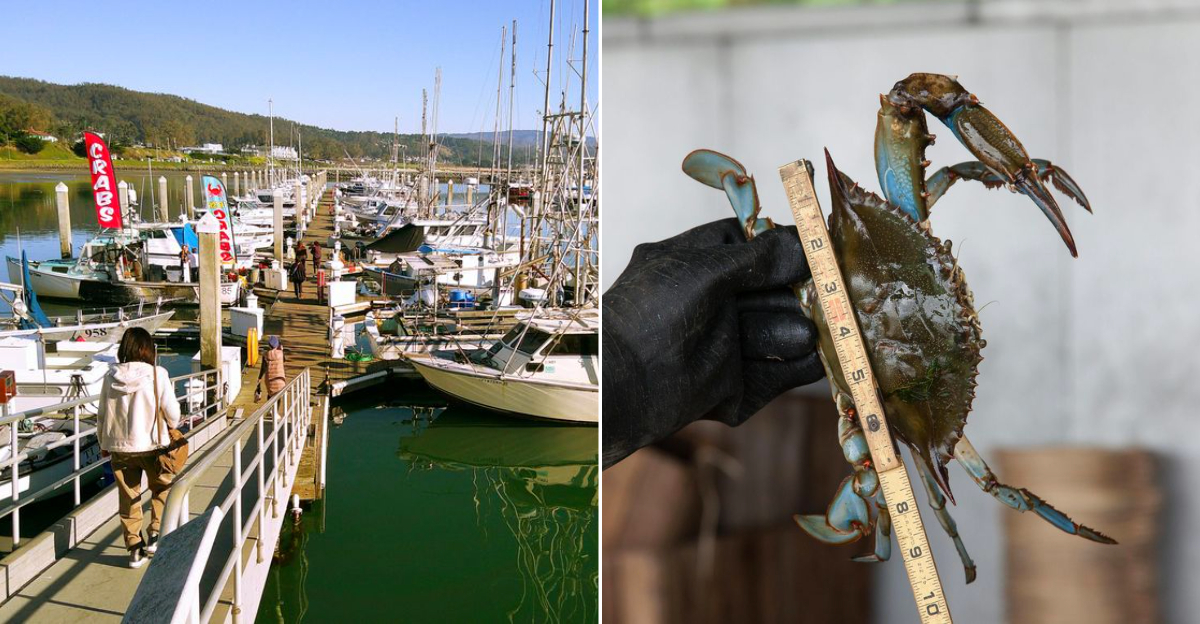
You think crab season is just boats, butter, and good vibes? In Maryland, crab season comes with extra rules that can surprise visitors fast, because the state takes its blue crabs seriously and does not want the resource getting wrecked.
Some rules are about who can catch what, when, and how. Others get into gear, limits, and what counts as legal harvesting versus the kind of shortcut that can earn you a fine.
It is not just about protecting crabs, either. The regulations also help keep the waterway ecosystem healthier, keep commercial and recreational fishing from turning into chaos, and make sure the season stays a season instead of a free-for-all.
The funny part is how specific some of these rules can sound when you are reading them on dry land. But on the water, those details are the difference between doing it right and doing it wrong.
This list breaks down 10 Maryland laws that add structure to crab season, so you can enjoy the feast without accidentally stepping into trouble.
1. Your Daily Limit Changes Depending On What You Put The Crabs In
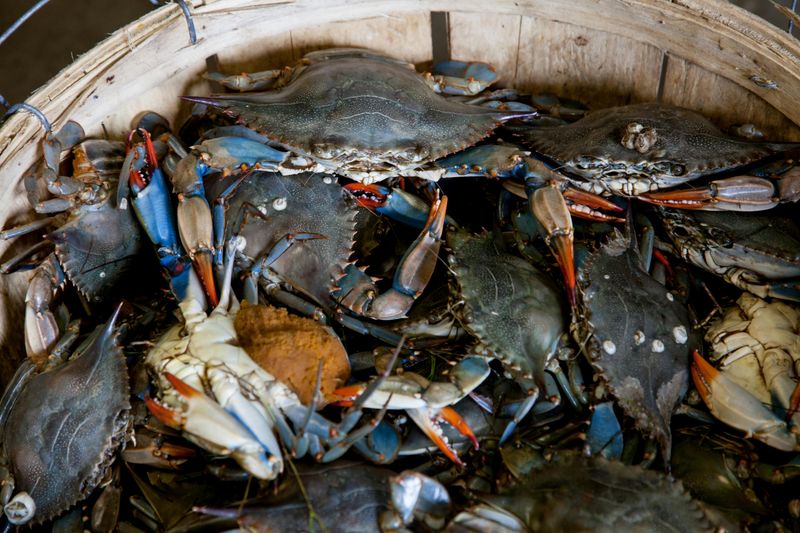
Here is a curveball most folks miss on their first trip. Your allowed take in Maryland can hinge on the container sitting at your feet.
A wooden bushel basket is not just tradition, it is a measuring tool with a known volume. Swap it for a random bin, and suddenly different limits can apply.
That means you and a buddy could fish the same line, catch the same crabs, and still be legal or not based on the box you used. It sounds fussy until you realize the basket keeps things consistent across the docks.
I keep one standard basket aboard and label any alternate container so I do not forget what rules I am under. Before shoving off, check the state guidance for recreational limits tied to your setup.
If an officer asks what container you are counting against, you want a clean answer. Stacking containers or repacking mid day to gain volume can get you in trouble.
One container, one limit, one story is the stress free way to ride. Maryland is big on fairness during peak pressure, and this rule levels the playing field.
It also makes quick dockside checks possible without a tape measure marathon. So which will you pick for your next run, basket or box?
2. A “Self-Closing” Crab Trap Is Illegal, Meaning Any Trap That Snaps Shut Automatically
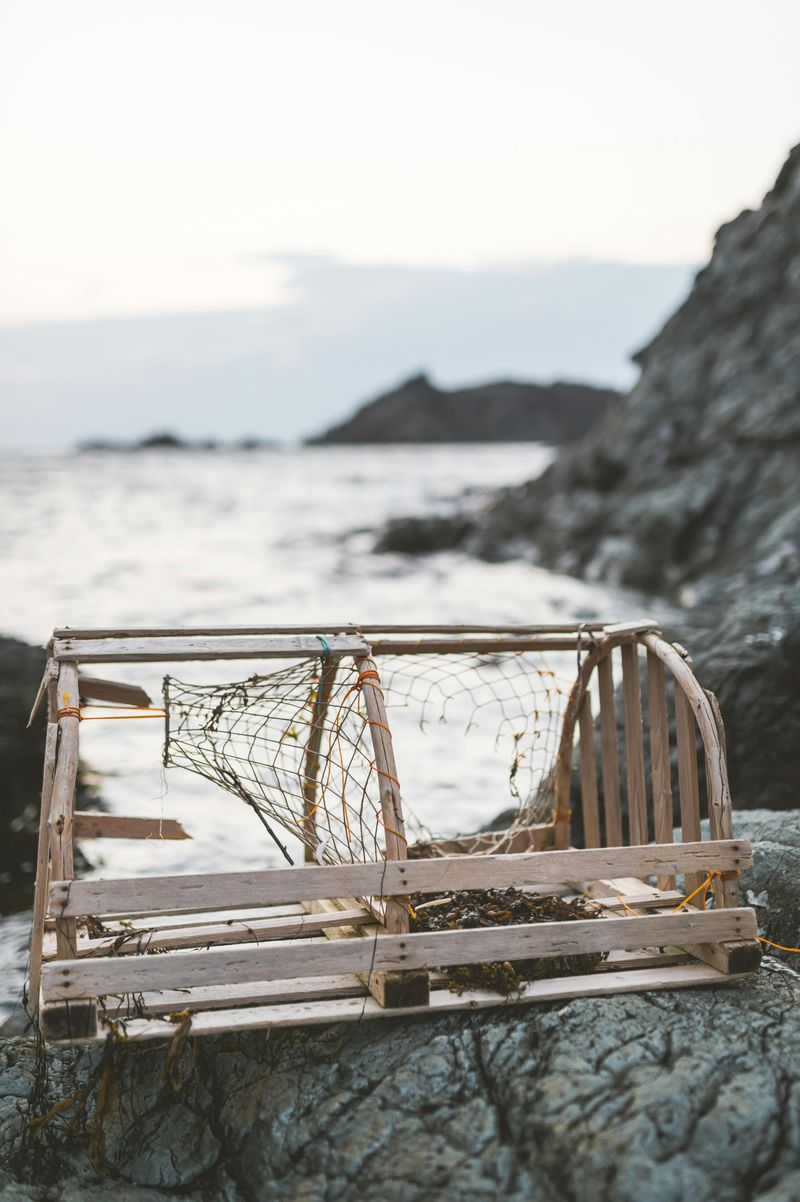
Spring loaded jaws that snap shut by themselves might look clever, but they cross the line in Maryland. If the trap closes without you pulling it, it is considered self closing and off limits.
The idea is simple and fair. You should be actively working the gear, not setting a machine to do the catching while you cruise around.
Collapsible traps with hand lines and rings are fine when you are the closer. It is the automatic action that raises a flag and turns a neat gadget into illegal gear.
I run a quick fingertip test on hinges and springs before tossing anything overboard. If it wants to snap by itself, it stays on land.
Check product descriptions too, because some listings lean on buzzy language that hints at auto close action. When in doubt, bring plain rings or standard collapsible traps and keep it obvious.
Enforcement officers have seen every trick, and the snap test is quick. Why invite a headache when a simple hand pull keeps you clean?
Beyond fines, you also risk losing time on the water while things get sorted out. Maryland waters get crowded, and the rules keep a level field when pressure is high.
3. Waterfront Property Owners Must Use Turtle Reduction Devices On Recreational Crab Pots

If you are crabbing off your own shoreline in Maryland, turtle reduction devices are not optional. They have to be the right size and mounted in the right spot at the funnel openings.
This protects diamondback terrapins that patrol the shallows near piers and marsh edges. A small metal or plastic rectangle shifts the entry geometry so turtles do not slip inside.
I keep a pair of pre sized frames in my tackle box along with cable ties and a screwdriver. It takes a minute to install, and an officer can see compliance at a glance.
Check the state spec for dimensions and placement, because a close miss still counts as wrong. Also confirm the pot is truly recreational, since commercial rules differ and you do not want to mix categories.
Terrapins breathe air, and getting trapped is bad news fast. The device saves them and keeps your pot from becoming a hazard beneath the dock.
Neighbors often ask why their old pots draw warnings, and the missing device is almost always the reason. Retrofit and you are good.
Maryland has leaned into wildlife friendly crabbing, especially in quiet coves where turtles cruise. You can still catch plenty while keeping the locals safe.
4. You Must Register Crab Pots Used Off Private Shoreline Property
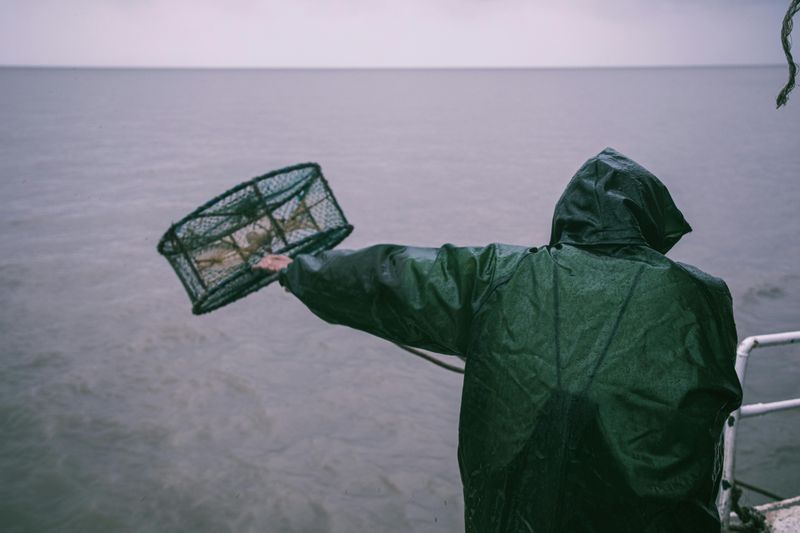
Quiet dock, coffee in hand, and a pot soaking off your own pilings sounds simple. In Maryland, that setup needs a current recreational pot registration tied to your property.
The tag links your pot to you so officers know it is not a stray or abandoned trap. It also limits the number of pots and helps avoid ghost gear.
Here is the part people forget. The registration does not last forever, and the clock runs out right when you are getting comfortable.
I set a calendar reminder on my phone and write the renewal month on the pot tag with a paint marker. Lose track, and you could be legal one day and not the next.
While you are at it, mark your name and contact details clearly on the buoy or line tag. Wind, drift, and storms move things around, and that info can save a lot of anxiety.
Check local county notes too, because placement rules near channels or neighbors can tighten up. Spacing and depth can matter in narrow creeks.
Maryland enforces this to keep small waterways orderly and to cut down on mystery pots. It is not red tape just for sport.
5. Egg-Bearing “Sponge” Crabs Are Treated Like Contraband
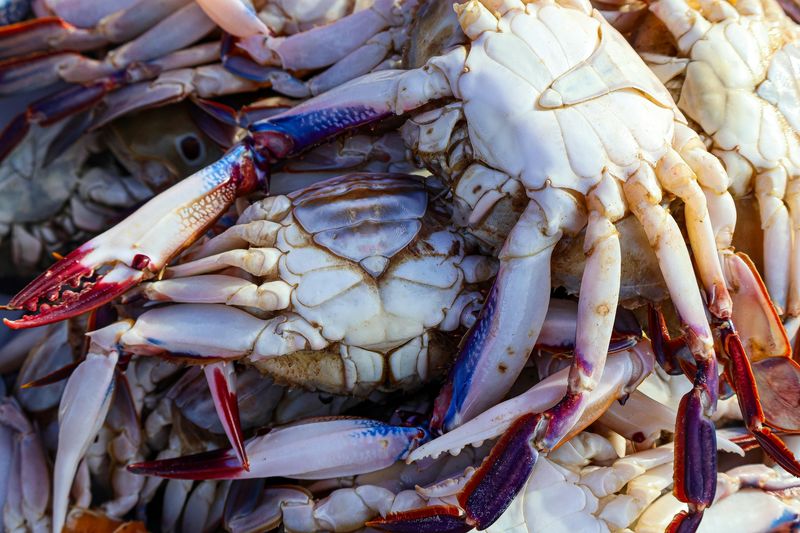
See that orange sponge under the apron? In Maryland, that is a hard stop, and you cannot keep or possess that crab.
The rule reaches farther than the deck, covering transport and even bringing them into the state. It is a full circle protection aimed at future generations of crabs.
If one shows up in your trap or on your line, the move is immediate release and gentle handling. Keep her in the water if you can and skip the photoshoot.
Officers view sponge possession the way airport staff view restricted items. It is not a teachable moment, it is a violation.
I keep a quick mental checklist when the basket starts filling fast. Flip the crab, check the underside, and move on if you see the sponge mass.
Freshwater or brackish, pier or skiff, the rule does not change with the backdrop. That consistency helps everyone remember.
Maryland wants strong future seasons, and this one detail does heavy lifting without fuss. Most days you will only need a second to check.
6. Crabbing Has “Clock Rules” That Shift By Season And By Where You’re Fishing
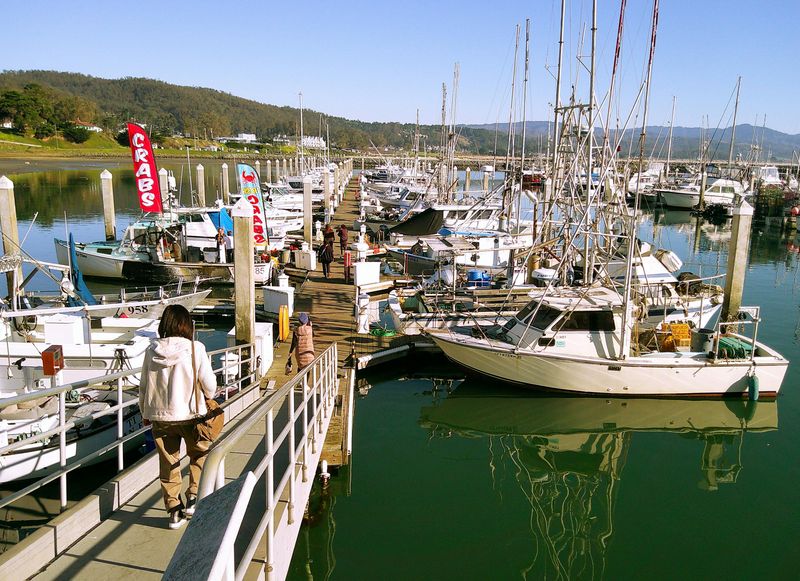
You know how sunrise feels like permission to go? Maryland does not always agree, because crabbing hours change with season and location.
Main Bay windows are not always the same as small tributaries tucked under trees. The time shifts can tighten or loosen with the calendar, so the safe bet is to check before launching.
I keep a laminated card near the helm with the current time windows for where I plan to fish. It saves me from guessing at dawn or pushing past the afternoon line.
If you hop from a river to open water mid day, you could cross into a different schedule. That is where folks slip, especially on good weather runs.
Officers know the common crossing points and watch for lines still soaking after hours. Pull early if you are unsure and enjoy a slow cruise back.
The rule spreads pressure and gives crabs a daily breather when the fleet is heavy. It also standardizes checks so patrols are not chasing moving targets in the dark.
Maryland’s clock rules keep crowds predictable, which helps everyone share the space without elbowing. Set an alarm, write the hours on your cooler, and make the last pull clean.
7. You Cannot Set Or Fish A Trotline Within 100 Feet Of Someone Else’s Gear
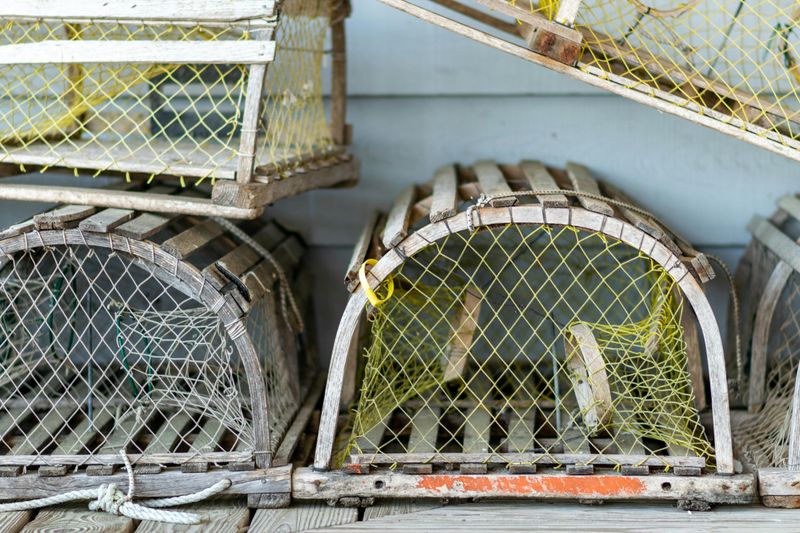
Ever feel someone crowd your spot like they are parking a bumper boat? Maryland draws a bright line by requiring space between your trotline and anyone else’s gear.
The buffer applies across the board, from rings to collapsible traps to a second trotline. It is about safety, clean drifts, and not tangling in a comedy of knots.
I scout the cove first, note buoy markers, and set my course with a mental bubble around every rig. If I am unsure, I swing wide and wave.
Nothing ruins a morning like a prop chewing through someone’s line or a slow tangle that eats an hour. Distance keeps tempers cool and gear intact.
Patrols can eyeball spacing quickly, especially in tight creeks where lines snake along the same contour. Give room and you look like a pro, not a shadow.
This rule also protects beginners who may not control drift angles well yet. A little space forgives a lot of awkward turns.
Maryland water can feel busy on bluebird mornings, but it works when everyone leaves breathing room. Plan your set, honor the gap, and your line will sing without a snag.
8. Minimum Legal Crab Size Changes Mid-Season
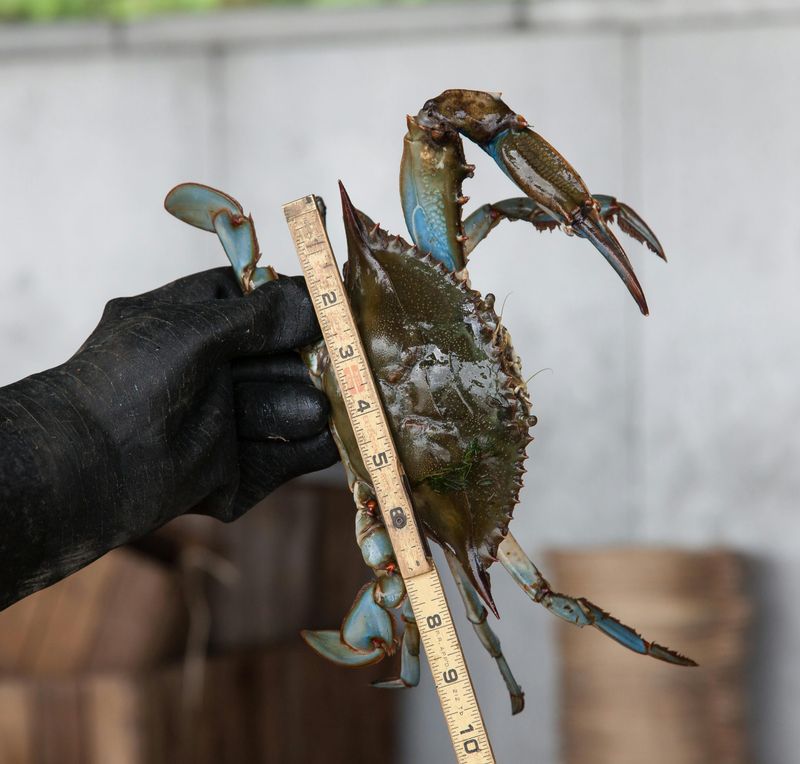
Here is where a small ruler saves a big headache. Maryland shifts the minimum size during the season, so a keeper today can be short tomorrow.
The change reflects growth spurts and pressure as the months roll along. It keeps the stock healthy without shutting the door entirely.
I clip a metal gauge to the cooler and mark the current minimum with a strip of tape. When the mid season bump hits, I move the tape and retest a few crabs to reset my eye.
Measuring from the longest point across the shell is the habit to lock in. Speed comes with repetition, and you will feel the right width in your hand soon enough.
If one lands on the line, toss it back and take the karma win. Riding the edge is how buckets get rechecked and afternoons get longer than planned.
Dockside, officers can and do pull out a gauge for spot checks. They are not guessing, and you should not either.
Maryland’s shifting size rule sounds annoying until you see the payoff in healthier pulls later. Keep the gauge handy, adjust mid season, and let the close calls swim.
9. Crab Pots Have Maximum Allowed Dimensions
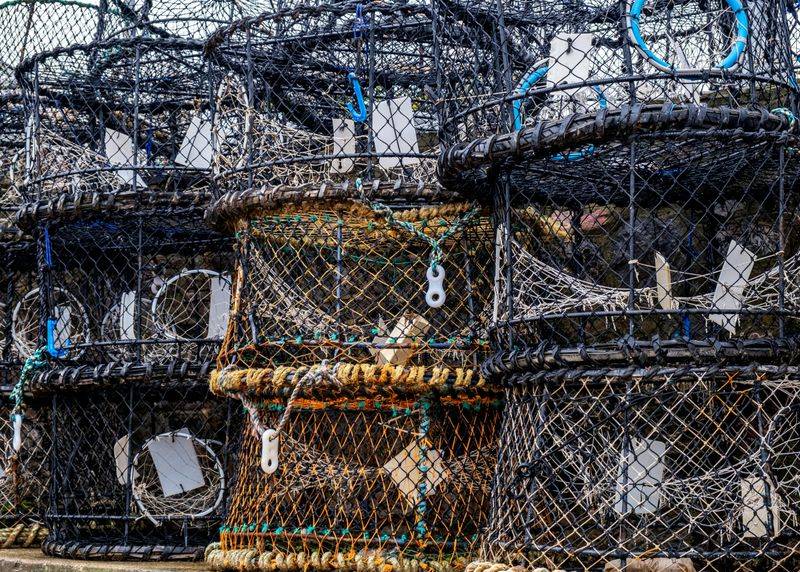
Big cages look impressive on the dock, but Maryland caps pot dimensions for recreational use. If your build or purchase stretches past the limit, it is not just bulky, it is illegal.
The size ceiling stops backyard gear from turning into small traps farms scattered under the pier. It also keeps handling safe for one or two people without a winch.
Before you buy that flashy cube online, scan the spec sheet against the state numbers. Brands vary, and a few models creep over the line by a hair.
I keep a tape measure in the truck and check welded corners and funnel depth. Do not forget that add ons like bait boxes or PVC frames can push dimensions in sneaky ways.
If you are handy and building your own, sketch first and mark cut lengths so you do not drift big. A legal pot that fishes clean beats an oversized headache every time.
Officers read pot size like body language on the pier. Obvious overbuilds draw a second look and a measuring tape.
Maryland’s limit holds the line between fun weekend gear and semi commercial rigs clogging the cove. Respect the box, fish it well, and you will not miss the extra inches.
10. In Worcester County’s Coastal-Bays Rules, Some Pots Must Use Specific “Cull Ring” Openings
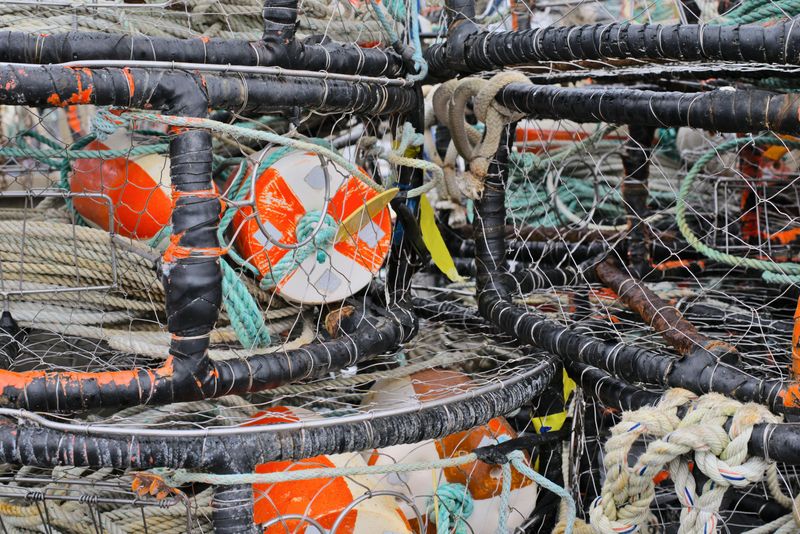
Headed for the coastal bays around Ocean City? Worcester County layers on cull ring requirements that go beyond the usual Maryland setup.
Those round escape openings let smaller crabs bail out on their own while your pot soaks. Size and placement matter, and officers know exactly where to look.
I carry spare rings, a nut driver, and stainless fasteners so I can fix a pot on the tailgate. It is a quick job that saves a long conversation later.
Make sure the ring sits cleanly in the mesh without blocking by a funnel or tie strap. Half covered rings do not count and will earn a head shake.
Local tackle shops near the inlet usually stock the right parts and can eyeball your pot in seconds. That ten minute pit stop is worth it before you cross the causeway.
The coastal bays see heavy weekend traffic, and the cull rings keep undersized crabs rotating out. It is a quiet way to protect the pipeline without policing every pull.
Maryland’s county specific twist can surprise visiting friends who only fish the main Bay. Give them the quick brief, swap in rings, and you are set.
Dear Reader: This page may contain affiliate links which may earn a commission if you click through and make a purchase. Our independent journalism is not influenced by any advertiser or commercial initiative unless it is clearly marked as sponsored content. As travel products change, please be sure to reconfirm all details and stay up to date with current events to ensure a safe and successful trip.
