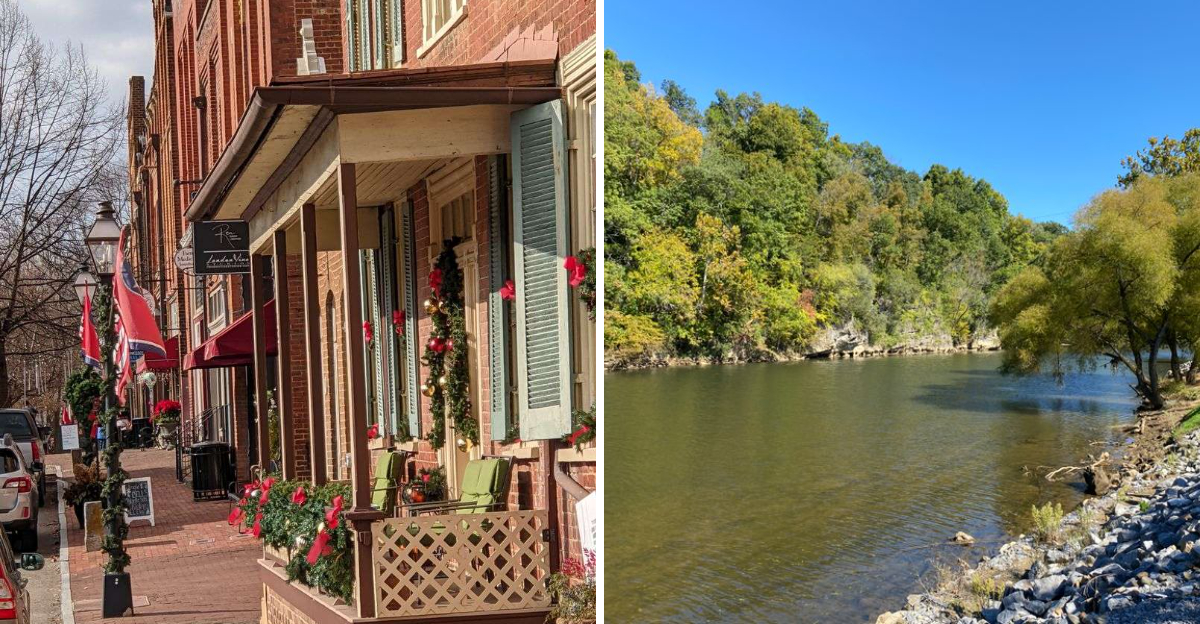
Tennessee’s mountain region holds a special kind of magic that speaks to travelers tired of rushing from one attraction to another.
Nestled between rolling peaks and winding valleys, these small towns offer something increasingly rare in modern travel: the freedom to simply exist without a packed itinerary.
Whether you crave historic streets perfect for wandering, quiet rivers that beg you to sit and watch, or mountain views that make you forget your phone exists, these destinations deliver a slower, more meaningful way to experience the Volunteer State.
Here are ten Tennessee mountain towns where doing less feels like discovering more.
1. Jonesborough
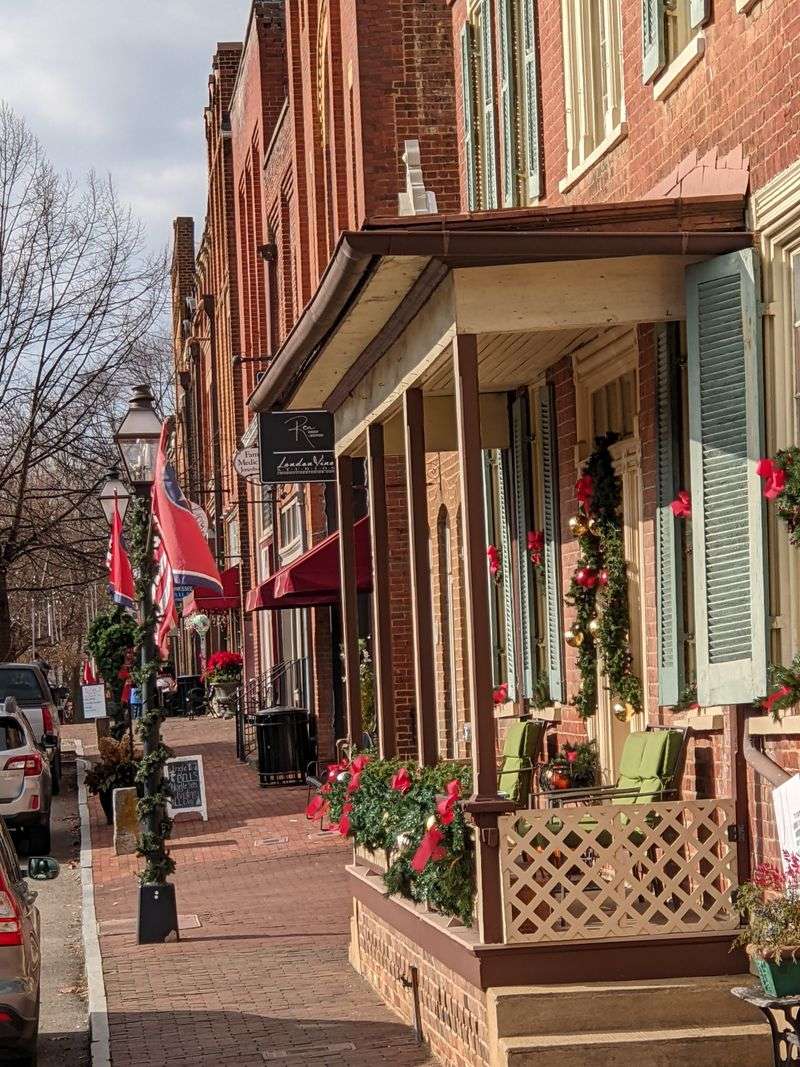
Tennessee’s oldest town wears its age like a badge of honor, with stories etched into every brick and beam along its main corridor.
Founded in 1779, Jonesborough became the birthplace of the state’s storytelling tradition, a legacy that continues through annual festivals and everyday conversations with locals who treat history as living memory rather than dusty fact.
Walking these streets feels like stepping through a portal where time moves differently.
The preserved architecture isn’t just for show. It creates an atmosphere where your footsteps echo those of pioneers, soldiers, and countless travelers who passed through centuries before smartphones existed.
You won’t find chain restaurants dominating the landscape here.
Instead, family-owned cafes and independent bookshops invite you to linger over coffee that tastes better when you’re not rushing.
The town square becomes your living room, a place to sit on a bench and watch life unfold at its natural pace.
History buffs appreciate the numerous plaques and markers, but you don’t need to be a scholar to feel the weight of the past pressing gently against the present.
Jonesborough asks nothing of you except presence.
There’s no pressure to see everything or check boxes on a tourist list.
The beauty lies in discovering a small museum tucked between shops or stumbling upon a local artist’s gallery without planning to.
Evening light paints the buildings in warm tones that photographers dream about, yet the best moments often happen when cameras stay in pockets.
This town rewards those who wander without destination, proving that getting lost sometimes means finding exactly what you needed.
2. Sevierville
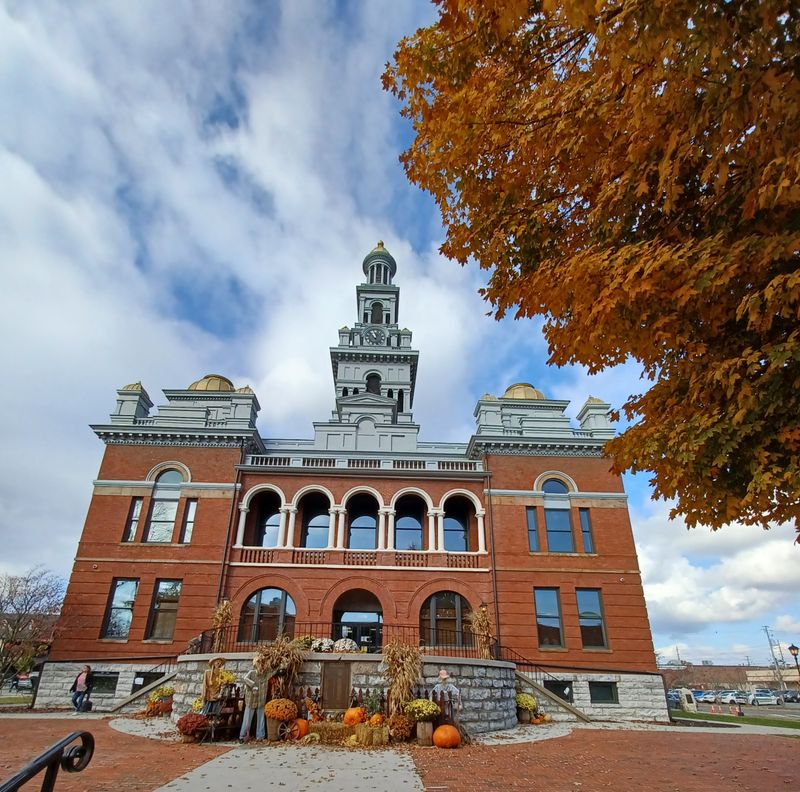
Positioned at the doorstep of America’s most visited national park, Sevierville somehow maintains an identity separate from the tourist frenzy that defines its more famous neighbors.
While millions drive through on their way to somewhere else, those who actually stop discover a town that balances mountain access with genuine local character.
The courthouse square anchors downtown with a statue of Dolly Parton, the town’s most famous daughter, but her presence feels more like a friendly nod than a commercial exploitation.
From here, the Smokies rise in layers of blue-gray ridges that change personality with each season.
Spring brings wildflowers that carpet the lower elevations, while autumn transforms the mountainsides into a painter’s palette gone wild with color.
What makes Sevierville special for slow travelers is its resistance to becoming a theme park version of mountain life.
Yes, there are tourist spots along the main corridors, but turn down side streets and you’ll find neighborhoods where locals still sit on porches in the evening.
Parks along the river offer quiet spots to read or simply watch water move over rocks worn smooth by centuries of flow.
The food scene leans heavily into Southern comfort without pretension.
Biscuits arrive hot and flaky, fried chicken comes with sides your grandmother would approve of, and sweet tea flows freely.
Nobody rushes you through a meal here.
Using Sevierville as a base camp for Smoky Mountain exploration makes practical sense, but the town itself deserves more than drive-through status.
Early mornings bring mist that settles in the valleys, creating scenes that feel almost mystical before the day fully wakes.
3. Townsend
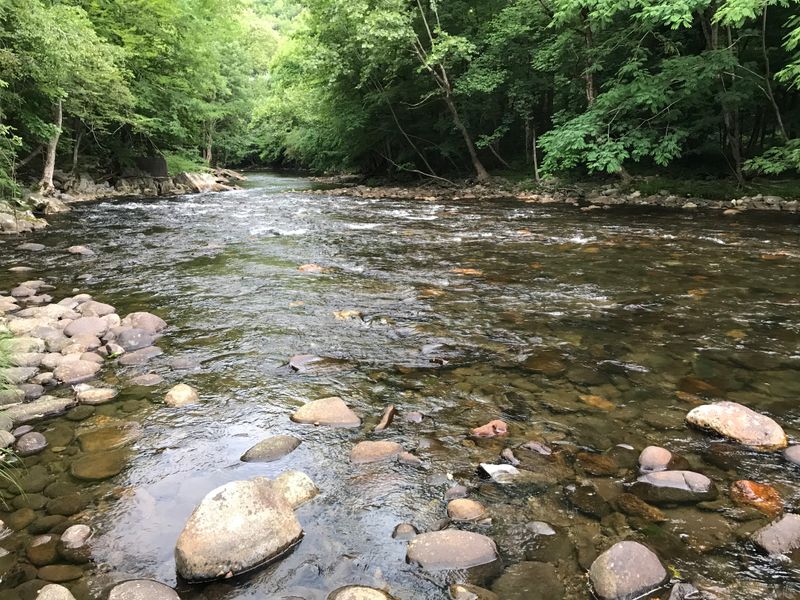
They call Townsend the Peaceful Side of the Smokies, and that name isn’t tourism marketing fluff.
It’s an accurate description of a place that chose preservation over profit, quietude over crowds.
While other gateway towns built go-kart tracks and outlet malls, Townsend kept its rivers clean and its mountain views unobstructed.
The Little River runs through town like a liquid heartbeat, its constant murmur providing a soundtrack that never gets old.
Fly fishermen wade into its currents with the patience of monks, understanding that the activity itself matters more than the catch.
Even if you’ve never held a fishing rod, watching them work the water becomes a form of meditation.
Access to Great Smoky Mountains National Park from Townsend takes you along Cades Cove Loop Road, an eleven-mile circuit through a preserved valley where historic cabins and churches tell stories of mountain families who carved lives from wilderness.
Wildlife appears regularly here, deer grazing in meadows, black bears ambling through forests, turkeys strutting across clearings.
But Townsend’s magic isn’t just about the park.
The town itself practices a kind of radical simplicity that feels countercultural in our age of constant stimulation.
Accommodations lean toward cabins and cottages rather than mega-resorts.
Restaurants serve food made by people who actually live in the community.
Evening entertainment might mean sitting on a porch watching fireflies compete with stars for your attention.
There’s an honesty to Townsend that’s increasingly rare.
It doesn’t try to be something it’s not or promise experiences it can’t deliver.
Instead, it offers exactly what its nickname suggests: peace, found in valleys, rivers, and mountains that have watched over this land long before towns existed.
4. Gatlinburg

Gatlinburg carries a reputation for tourist crowds and commercial development, and parts of that reputation are earned.
But dismissing the entire town because of its busy main strip means missing experiences that exist beyond the neon and noise.
Early morning transforms Gatlinburg into something entirely different from its daytime personality.
Before the shops open and the crowds arrive, you can walk the main streets in relative solitude, watching mist rise from the mountains like breath from sleeping giants.
The chairlift at Ober Mountain offers sunrise rides that feel almost spiritual.
As you ascend, the town shrinks below while the Smokies reveal themselves in layers of ridges extending to horizons that seem infinite.
Up here, silence replaces the bustle, and you remember why people fell in love with these mountains in the first place.
Gatlinburg’s walkable layout actually serves slow travelers well once you understand how to navigate it.
Side trails lead away from commercial areas into forests where streams tumble over rocks and rhododendron creates green tunnels.
The Roaring Fork Motor Nature Trail begins just outside town, offering a one-way loop through old-growth forest with stops at historic buildings and waterfalls.
Local craft shops, the real ones run by actual artisans, showcase mountain traditions like woodcarving, pottery, and weaving.
Watching a craftsperson work provides insight into skills passed down through generations.
Moonshine tastings, once illegal operations hidden in mountain hollers, now happen in legal distilleries where you can learn about Appalachian history through the lens of corn liquor.
The key to enjoying Gatlinburg without stress is choosing your timing and knowing where to look.
Skip the peak hours and tourist traps, seek out the authentic experiences, and you’ll find a town that still remembers its mountain roots beneath the modern development.
5. Rugby

In 1880, British author and social reformer Thomas Hughes founded Rugby as a utopian colony where younger sons of English gentry could build new lives free from rigid class structures.
The experiment in social equality eventually failed, but the village itself survived, preserved like a Victorian time capsule in the Tennessee mountains.
Walking through Rugby today feels like stepping onto a stage set, except everything is authentically old rather than artificially aged.
The original buildings, seventeen of them still standing, maintain their 19th-century character with steep roofs, wooden siding, and windows that reflect clouds moving across mountain skies.
Christ Church Episcopal, built in 1887, still holds services using its original walnut furnishings and organ.
Sunlight filtering through stained glass creates patterns on wooden pews where Victorian colonists once sat, probably wondering if their bold experiment would succeed.
The Hughes Free Public Library houses 7,000 volumes, many from the founder’s personal collection, creating a literary atmosphere that honors Rugby’s intellectual ambitions.
You can browse the same books that colonists read by lamplight, their pages yellowed but words still sharp.
What makes Rugby perfect for travelers seeking less structure is its inherent quietness.
There are no crowds here, no lines, no pressure to move quickly through exhibits.
You can spend an hour examining a single building or sit in the garden letting your mind wander through decades.
The surrounding landscape adds to the timeless feeling.
Rolling hills, dense forests, and the Clear Fork River create a pastoral setting that probably looks similar to what those Victorian colonists saw when they first arrived.
Modern life feels very far away in Rugby, and that distance becomes a gift rather than a loss.
6. Newport
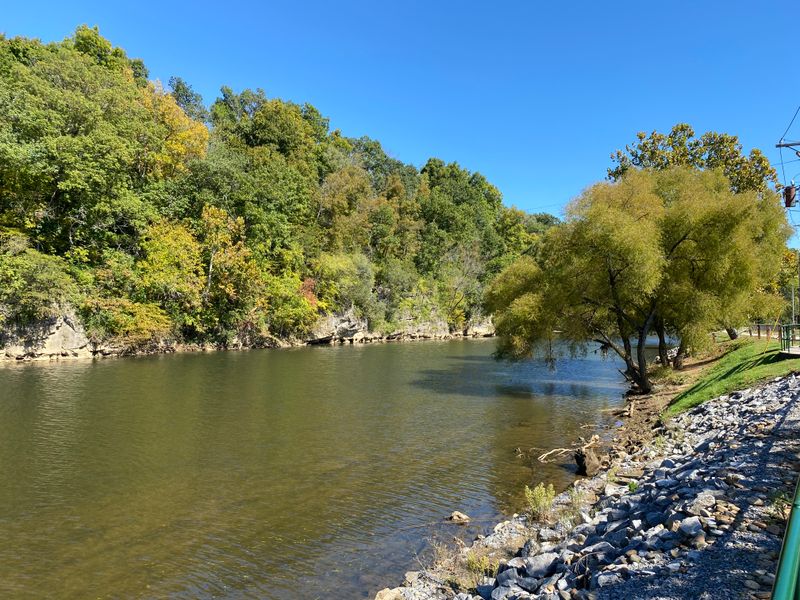
Newport doesn’t announce itself with billboards or tourist welcome centers.
It simply exists along the Pigeon River, a working town that happens to sit in beautiful country.
That lack of tourist infrastructure is precisely what makes it appealing to travelers tired of manufactured experiences.
The river runs through town like a vein of silver, its banks offering spots to sit and watch current move past.
Fishermen work the water with quiet concentration, and ducks paddle in eddies where the flow slows.
Nobody bothers you here, nobody tries to sell you anything, and that freedom from commercial pressure feels increasingly precious.
From Newport, scenic drives branch out in multiple directions, each leading to highlands where views stretch for miles.
The Foothills Parkway offers overlooks where you can pull off and simply stare at mountains layered like waves on a blue-green ocean.
In autumn, these drives become tunnels of color so intense it almost hurts to look directly at the trees.
Downtown Newport maintains an authentic small-town character that hasn’t been polished for tourist consumption.
Local diners serve breakfast all day, hardware stores still exist alongside dollar stores, and people actually know each other by name.
You’re not a customer here so much as a temporary neighbor, and that distinction matters.
The town’s proximity to both the Smokies and Cherokee National Forest means nature access without the crowds that pack more famous gateways.
Trails lead into forests where the only sounds come from wind, water, and wildlife.
Newport won’t overwhelm you with attractions or entertainment options.
What it offers instead is authenticity, a real place where real people live real lives against a backdrop of mountains that have witnessed centuries of human stories.
Sometimes that’s exactly what travel should be.
7. Wears Valley

Wears Valley doesn’t feel like a town so much as a state of mind, a collection of farms, churches, and homes spread across a valley that sits in the shadow of the Great Smokies.
Driving through here means following country roads that curve gently between pastures where horses graze and old barns lean at angles that defy physics.
The valley stretches between US-321 and the national park, creating a buffer zone where development happened slowly enough to preserve rural character.
You won’t find strip malls or chain restaurants cluttering the landscape.
Instead, the view remains largely unobstructed, allowing your eyes to travel from valley floor to mountain peaks without interruption.
Those peaks dominate the skyline, their presence so constant it becomes almost companionable.
Morning mist settles in the low spots, creating patches of white that slowly burn off as sun climbs higher.
Evening brings golden light that turns ordinary fields into scenes worthy of landscape paintings.
Photographers love Wears Valley for these qualities, but you don’t need a camera to appreciate beauty that exists simply for its own sake.
The valley’s appeal for slow travelers lies in its lack of demands.
There are no must-see attractions, no famous landmarks, no itinerary pressures.
You can drive the roads without destination, stop at farm stands selling seasonal produce, or pull over at viewpoints to watch clouds cast shadows across mountainsides.
A few small churches dot the landscape, their white steeples pointing skyward like fingers.
These buildings serve local congregations who’ve worshipped in the same spots for generations, their roots running as deep as the trees.
Wears Valley reminds you that not every place needs to be a destination.
Sometimes the journey itself, the simple act of moving through beautiful country without purpose beyond presence, provides exactly the experience your soul was craving.
8. Bell Buckle
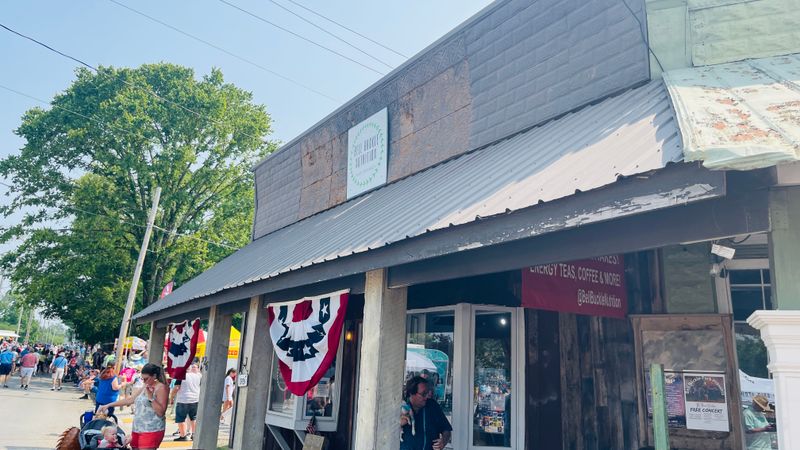
Bell Buckle proves that a town can be tiny and still pack tremendous personality into every square foot.
With a population that barely cracks 500 people, this community has cultivated a reputation for antiques, crafts, and quirky festivals that draw visitors who appreciate small-town charm without pretension.
The main street stretches only a few blocks, but those blocks contain enough interesting shops to occupy an entire afternoon.
Antique stores overflow with treasures ranging from genuine valuable finds to delightfully weird objects whose original purposes remain mysterious.
Browsing here becomes a treasure hunt where the joy lies in discovery rather than acquisition.
Craft shops showcase work by local and regional artisans who create everything from pottery to quilts to handmade soaps.
Meeting the makers adds depth to purchases, transforming souvenirs into stories you can tell later.
Bell Buckle’s festivals celebrate the town’s offbeat spirit.
The RC Cola and MoonPie Festival, held each June, honors two Southern staples with a celebration that includes MoonPie eating contests, RC Cola chugging competitions, and live music.
It’s ridiculous and wonderful in equal measure, the kind of event that exists purely for fun rather than profit.
Outside festival times, Bell Buckle maintains a peaceful atmosphere that invites leisurely exploration.
The Bell Buckle Cafe serves Southern comfort food in portions that assume you’ve been working hard all day.
Locals gather here for coffee and conversation, and visitors quickly realize that eavesdropping provides entertainment more genuine than any television show.
The town’s compact size means you can see everything in a few hours, but the best visits involve slowing down enough to actually experience rather than simply observe.
Sit on a bench, watch people pass, and let the town’s rhythm replace your usual pace.
9. Paris
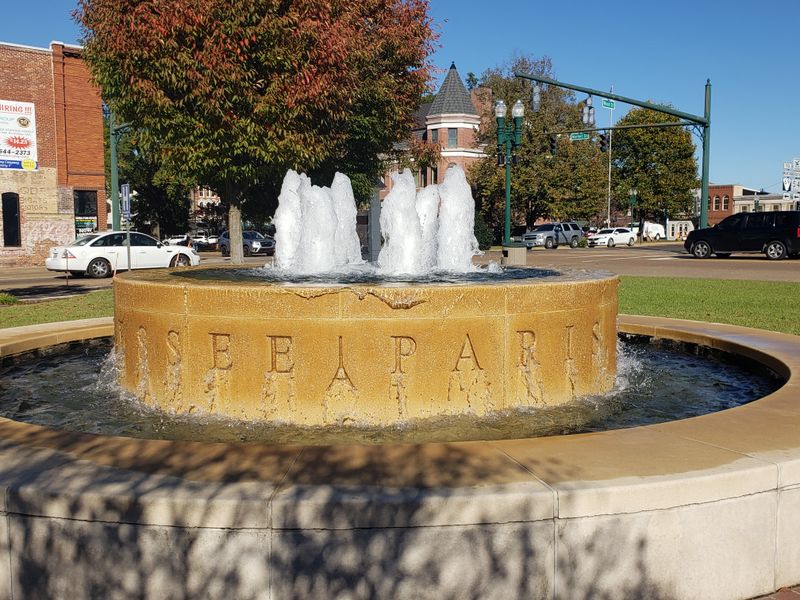
Paris, Tennessee, decided it wanted its own Eiffel Tower, so in 1993, the town built a 60-foot replica complete with a red, white, and blue crown.
This act of whimsical ambition perfectly captures the town’s spirit, a blend of Southern hospitality and playful creativity that refuses to take itself too seriously.
The tower stands in Memorial Park, visible from various points around town, serving as both landmark and conversation starter.
Visitors inevitably take photos, often striking poses that mimic famous shots from the real Paris.
The absurdity of finding the Eiffel Tower in rural Tennessee somehow makes the experience more delightful rather than less.
Beyond the tower, Paris offers a downtown that maintains historic character without feeling frozen in amber.
The courthouse square anchors the commercial district, surrounded by local businesses that serve community needs rather than tourist wants.
This authenticity creates an atmosphere where visitors feel welcome but not catered to, a subtle distinction that matters.
Kentucky Lake lies just west of town, providing water access for those who want to add fishing, boating, or lakeside relaxation to their visit.
The lake’s size means you can find quiet coves even during busy seasons, spots where water laps gently against shore and the only sounds come from birds and breeze.
Paris doesn’t rush you or pressure you to see everything immediately.
The town operates at a pace that allows for long lunches, aimless walks, and conversations with strangers who might become friends.
Local restaurants serve food that tastes like someone’s grandmother cooked it, which often means someone’s grandmother did cook it.
The combination of French-inspired fun and genuine small-town warmth creates an experience that’s hard to find elsewhere.
Paris knows exactly what it is and invites you to enjoy it without pretension or apology.
10. Abingdon
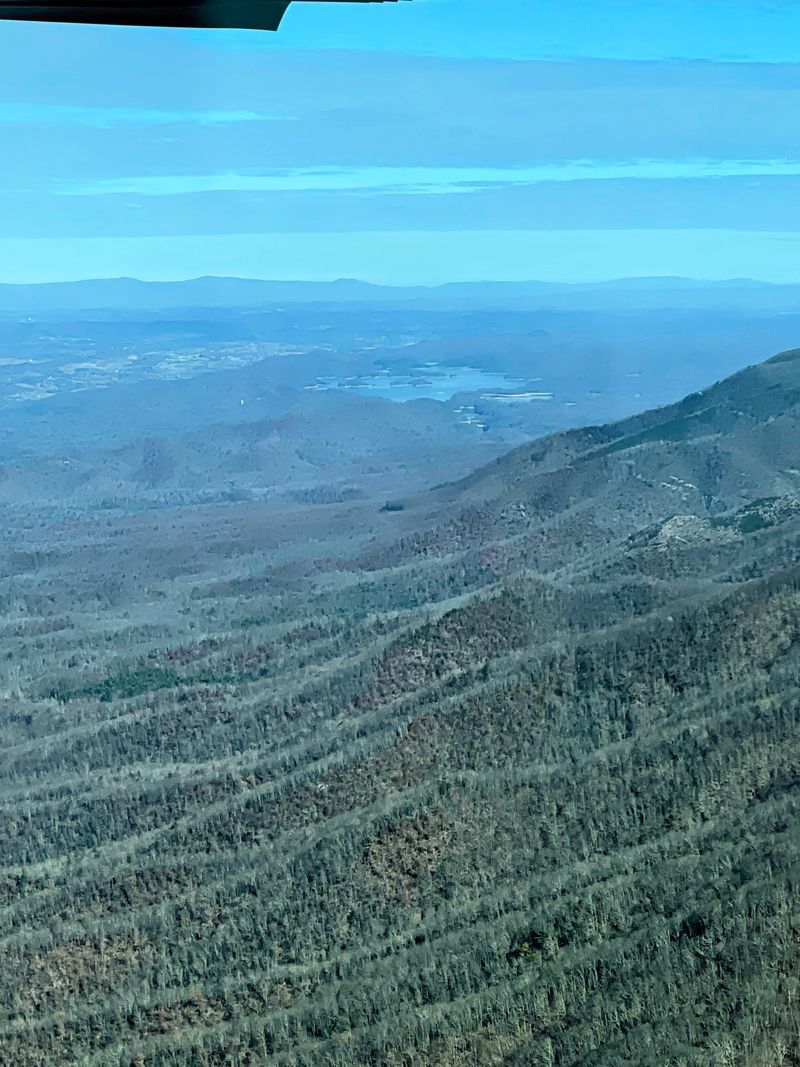
Technically located just across the state line in Virginia, Abingdon appears on this list because its Appalachian character and proximity to Tennessee make it a natural extension of the region’s mountain town culture.
The town’s historic district stretches along Main Street, where brick buildings house theaters, galleries, restaurants, and shops that reflect both mountain heritage and contemporary creativity.
Abingdon’s cultural institutions punch well above the town’s weight class.
The Barter Theatre, founded during the Great Depression when admission could be paid with produce, continues operating as the state theater of Virginia.
Professional productions run year-round, offering entertainment quality that rivals urban venues.
Watching live theater in this intimate setting, surrounded by history and mountains, creates memories that outlast any tourist snapshot.
The town’s walkable center encourages exploration without vehicles.
You can park once and spend hours wandering, discovering details like architectural flourishes on old buildings or unexpected art installations in pocket parks.
This pedestrian-friendly design naturally slows your pace, making rushing feel inappropriate even if you wanted to hurry.
Local restaurants emphasize regional ingredients and traditional preparations updated for contemporary tastes.
Meals here become experiences rather than fuel stops, opportunities to taste place through food.
The Virginia Creeper Trail, a 34-mile rail-trail, begins in Abingdon and winds through mountains and valleys offering cycling or hiking through landscapes that showcase Appalachian beauty.
You can rent bikes in town and ride as far as ambition carries you, knowing the return journey will be just as scenic.
Abingdon balances history with vitality, preserving its past while remaining relevant to present visitors.
The town proves that cultural richness doesn’t require big-city budgets, just commitment to quality and community.
Dear Reader: This page may contain affiliate links which may earn a commission if you click through and make a purchase. Our independent journalism is not influenced by any advertiser or commercial initiative unless it is clearly marked as sponsored content. As travel products change, please be sure to reconfirm all details and stay up to date with current events to ensure a safe and successful trip.
