Tennessee has always been a favorite destination for travelers seeking Southern charm, natural beauty, and rich cultural experiences.
From the Great Smoky Mountains to vibrant music scenes, the state offers countless attractions that draw millions of visitors each year.
However, this surge in popularity has brought unexpected challenges to some of the state’s smallest communities.
Quaint towns that once enjoyed peaceful, slow-paced lifestyles now find themselves overwhelmed by endless streams of tourists.
Roads designed for local traffic become clogged with out-of-state vehicles, parking spaces vanish, and the character that made these places special begins to fade.
Long-time residents struggle with rising costs, noise, and the transformation of their beloved hometowns into tourist hotspots.
While tourism brings economic benefits, it also creates tensions between preserving community identity and accommodating visitors.
These seven Tennessee small towns are experiencing firsthand what happens when tourism growth outpaces infrastructure and planning.
Their stories reveal the complex relationship between economic opportunity and quality of life.
Understanding these challenges helps us appreciate the delicate balance small communities must maintain as they navigate the double-edged sword of popularity.
1. Gatlinburg
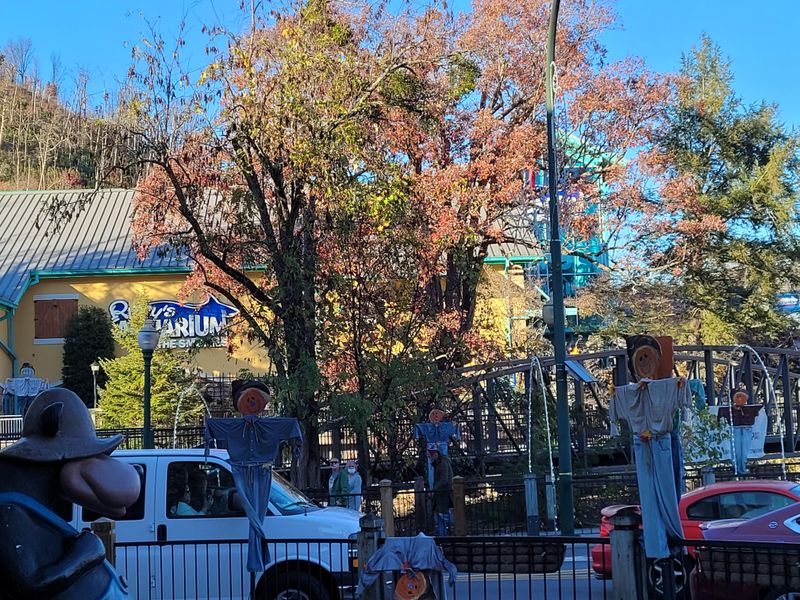
Nestled at the doorstep of Great Smoky Mountains National Park, Gatlinburg has transformed from a quiet mountain retreat into one of Tennessee’s most congested tourist destinations.
The town’s main parkway becomes a parking lot during peak seasons, with visitors inching along at frustratingly slow speeds.
What once took five minutes to traverse now requires thirty or more during busy weekends.
Local residents often avoid downtown entirely, planning grocery trips and errands around tourist schedules to maintain their sanity.
The population swells from about 4,000 permanent residents to over 40,000 daily visitors during summer and fall months.
This massive influx strains every aspect of the town’s infrastructure, from water systems to emergency services.
Parking has become such a nightmare that some visitors spend hours circling blocks searching for spaces.
Businesses that once catered to locals have shifted focus entirely to tourists, leaving residents with fewer options for everyday needs.
The Gatlinburg Trail, located at 1002 River Road, offers a peaceful escape but even nature trails see overcrowding now.
Rising property values and short-term rental conversions have priced many long-time residents out of the housing market.
The town’s charm still attracts millions annually, but the quality of life for those who call it home continues declining.
Traffic accidents increase during peak seasons as frustrated drivers navigate unfamiliar mountain roads packed with pedestrians.
City officials struggle to balance economic benefits against resident complaints about noise, pollution, and lost community character.
The once-tight-knit mountain community now feels more like an amusement park than a hometown to many longtime families.
Gatlinburg’s experience serves as a cautionary tale about tourism growth without adequate planning and infrastructure investment to support it.
2. Pigeon Forge
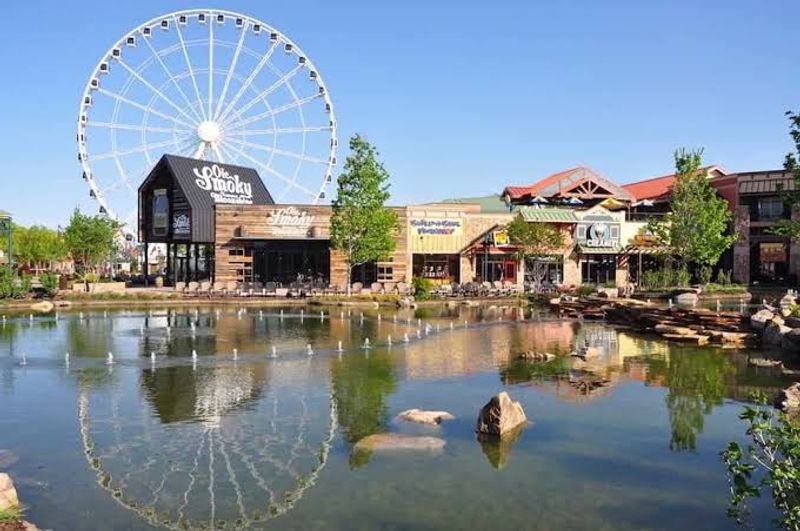
Just north of Gatlinburg sits Pigeon Forge, where the tourism boom has created a different kind of chaos along its famous commercial corridor.
Dollywood and countless attractions draw roughly 11 million visitors annually to this town of just over 6,000 permanent residents.
The main parkway stretches for miles, lined with theaters, restaurants, mini-golf courses, and souvenir shops competing for attention.
Traffic crawls at a snail’s pace throughout most of the year, with multiple traffic lights every few hundred feet compounding congestion problems.
Residents who need to cross town for work or appointments often add an extra hour to their commute times.
The constant stream of tour buses, RVs, and rental cars creates hazardous conditions as drivers rubberneck at flashy attractions.
Housing costs have skyrocketed as investors snap up properties for vacation rentals, displacing families who’ve lived here for generations.
Neighborhoods that once hosted community gatherings now sit empty most of the year, filled with rotating tourists rather than familiar faces.
The Island at Pigeon Forge, located at 131 The Island Drive, exemplifies how commercial development prioritizes visitor entertainment over resident needs.
Noise pollution from traffic and attractions disrupts the mountain tranquility that originally defined this community’s appeal.
Local schools struggle with funding challenges despite the town’s tourism revenue, creating frustration among families.
Grocery stores and pharmacies become overcrowded as tourists and residents compete for resources in limited retail spaces.
Emergency response times have increased due to traffic congestion, raising safety concerns for permanent residents.
The town’s identity has shifted so dramatically that some longtime residents no longer recognize the place they grew up in.
Pigeon Forge demonstrates how unchecked commercial tourism development can overwhelm a small town’s capacity to maintain livability for its residents.
3. Townsend
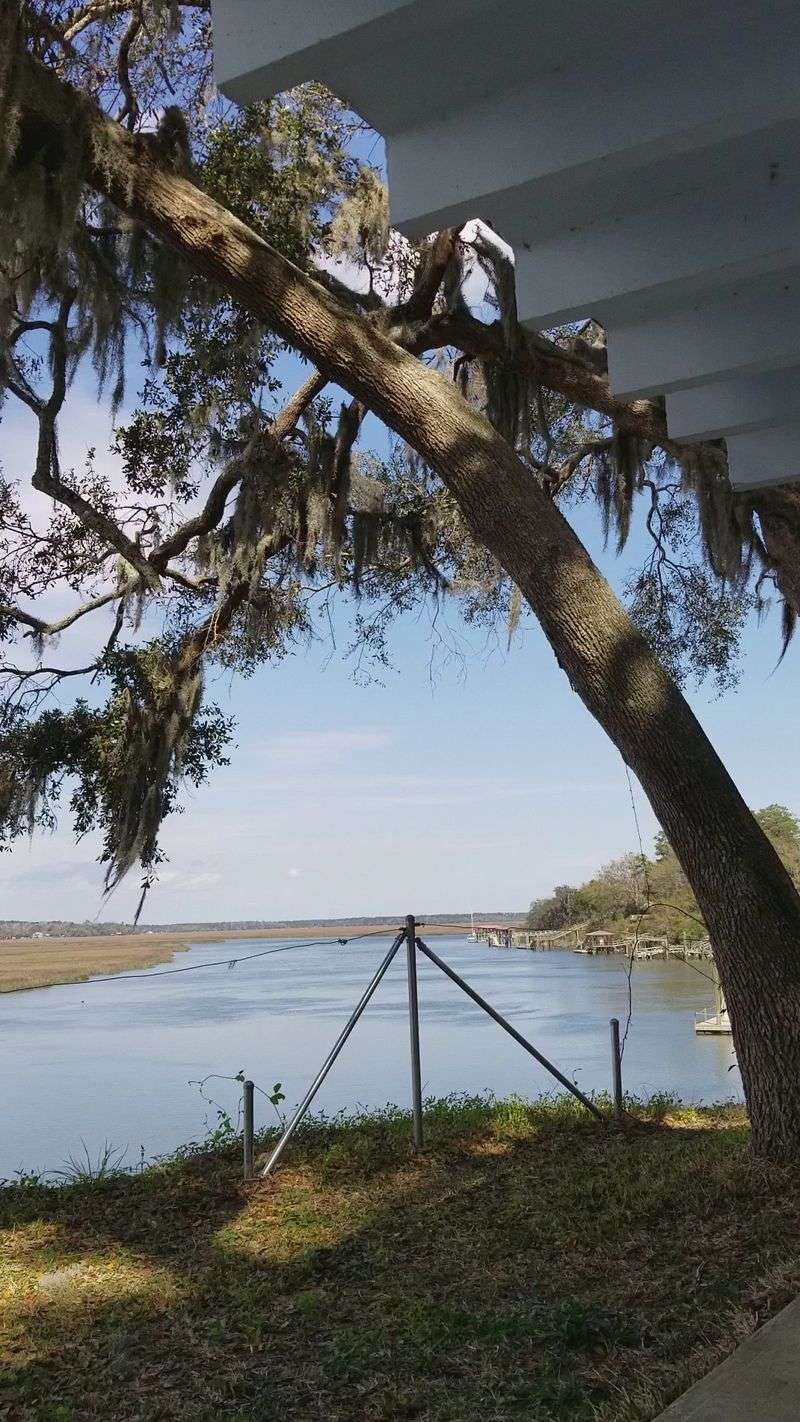
Marketed as the “Peaceful Side of the Smokies,” Townsend is rapidly losing the very tranquility that made it an attractive alternative to busier neighbors.
This tiny community of fewer than 500 residents has seen dramatic increases in visitor traffic as tourists seek escapes from Gatlinburg’s crowds.
Ironically, they’re bringing the same congestion problems with them, overwhelming Townsend’s limited two-lane roads and small-town infrastructure.
The Cades Cove entrance to Great Smoky Mountains National Park sits nearby, funneling thousands of vehicles through town daily during peak seasons.
Little River Road becomes a bottleneck as visitors navigate the winding route, often stopping unexpectedly to photograph scenery.
Residents who valued the quiet lifestyle now deal with constant traffic noise and safety concerns on roads never designed for such volume.
Property developers have taken notice, with new cabin rental developments sprouting throughout the area despite local opposition.
The character of the community shifts as vacation rentals replace year-round residents, eroding the neighborhood bonds that defined Townsend.
The Great Smoky Mountains Heritage Center at 123 Cromwell Drive offers cultural education but struggles with increased visitor numbers straining its small facility.
Local businesses face pressure to extend hours and cater to tourists, changing the rhythm of life for workers and owners alike.
Wildlife encounters increase as development pushes into previously undisturbed areas, creating dangerous situations for both animals and humans.
The town lacks adequate parking for current visitor levels, leading to roadside parking that creates visibility and safety hazards.
Water and sewer systems designed for a small population face strain from the influx of vacation properties and their occupants.
Residents worry that Townsend will lose its identity entirely, becoming just another overcrowded mountain tourist trap.
The community’s struggle illustrates how even towns trying to maintain low-key appeal cannot escape the pressures of regional tourism growth.
4. Jonesborough
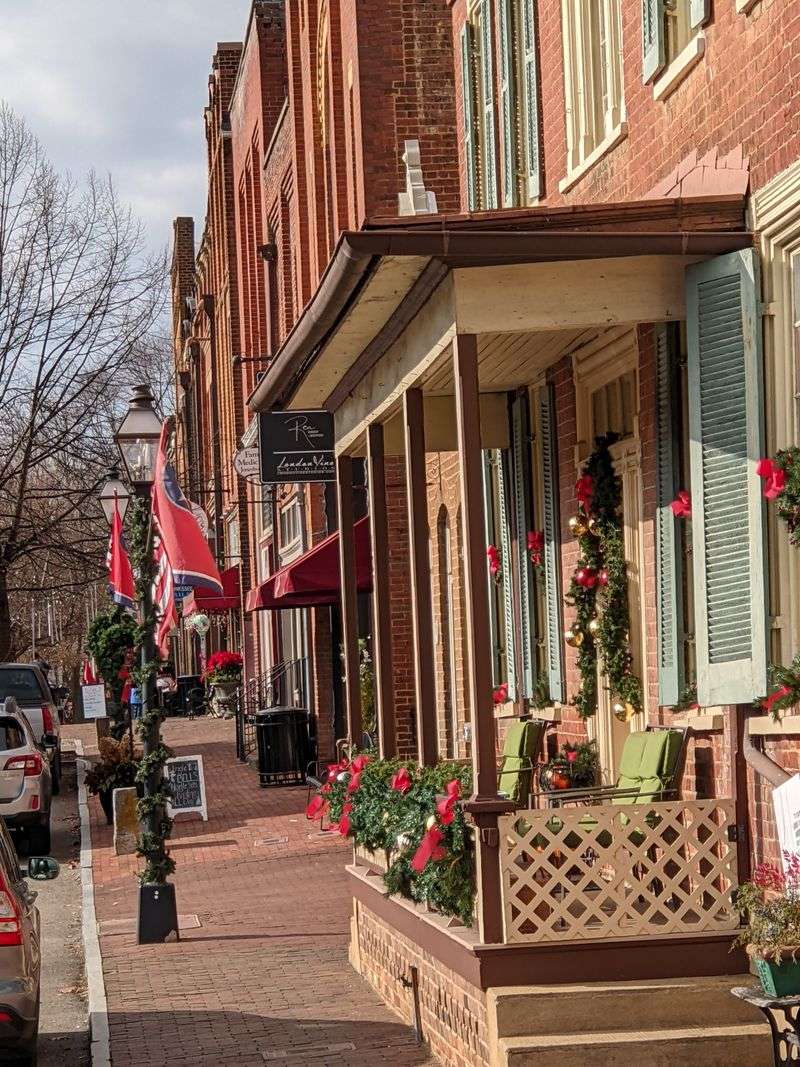
As Tennessee’s oldest town, Jonesborough has preserved its historic charm through careful stewardship and community pride for over two centuries.
The town’s reputation as the storytelling capital of the world attracts thousands to its annual National Storytelling Festival each October.
What began as a small cultural celebration has grown into an event that completely overwhelms this town of approximately 5,500 residents.
During festival weekends, the population multiplies many times over, creating parking nightmares and straining every local resource.
Historic Main Street, typically a peaceful thoroughfare lined with antique shops and local eateries, transforms into a congested pedestrian mall.
Residents often leave town entirely during the festival to avoid the chaos, a telling sign of how disruptive the event has become.
The town’s historic district attracts steady tourist traffic beyond festival season, with visitors exploring sites like the Chester Inn Museum at 116 West Main Street.
Increased foot traffic threatens the preservation of historic structures as wear and tear accelerates on buildings never meant to accommodate such numbers.
Parking enforcement has become stricter, frustrating both residents and visitors as the town attempts to manage limited spaces.
Local restaurants and shops appreciate the business but struggle with staffing challenges during sudden influx periods.
The town’s intimate, walkable scale that made it special now feels cramped and crowded during peak tourist times.
Property values have risen significantly, making it difficult for young families and longtime residents to afford living in the historic district.
Noise levels during events disrupt the peaceful atmosphere that attracted many residents to Jonesborough in the first place.
The town council faces difficult decisions about balancing tourism revenue with quality of life for permanent residents.
Jonesborough’s experience shows how cultural festivals, while economically beneficial, can fundamentally alter a community’s character when they outgrow the town’s capacity to host them comfortably.
5. Lynchburg
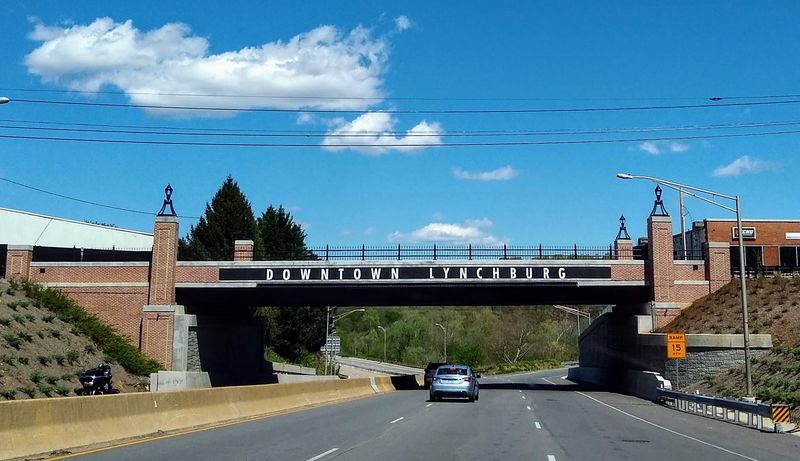
Home to the world-famous Jack Daniel’s Distillery, Lynchburg has seen its population of just over 6,000 residents dwarfed by the quarter-million tourists who visit annually.
The distillery’s global reputation brings visitors from around the world to this tiny Moore County seat, creating unique challenges for the rural community.
Tour buses navigate narrow streets designed for horse-drawn wagons, often blocking traffic and creating safety concerns for pedestrians and local drivers alike.
The town square, which once served as a gathering place for residents, now functions primarily as a tourist attraction filled with souvenir shops.
Authentic local businesses have been replaced by establishments catering exclusively to visitors seeking whiskey-themed merchandise and memorabilia.
Lynchburg Hardware and General Store at 1 Public Square still operates but now serves more tourists than locals seeking actual hardware supplies.
Parking becomes nearly impossible during peak visitation times, forcing residents to park blocks away from their own homes and businesses.
The influx of tourist dollars hasn’t translated to significant improvements in local schools or infrastructure that would benefit permanent residents.
Ironically, Moore County is a dry county, so visitors cannot even purchase the whiskey that brings them here, creating confusion and frustration.
Restaurants like Miss Mary Bobo’s Boarding House experience months-long reservation waits, making it difficult for locals to enjoy their own town’s amenities.
The constant presence of tourists photographing everything creates privacy concerns for residents simply trying to go about their daily lives.
Property taxes have increased as land values rise, pressuring longtime residents on fixed incomes who cannot afford escalating costs.
The town’s infrastructure, including roads and public restrooms, was never designed to accommodate current visitor volumes.
Residents feel their hometown has become a theme park where they’re merely background characters in tourists’ vacation experiences.
Lynchburg exemplifies how a single major attraction can fundamentally reshape a small town’s identity and overwhelm its capacity to serve its own residents.
6. Leipers Fork
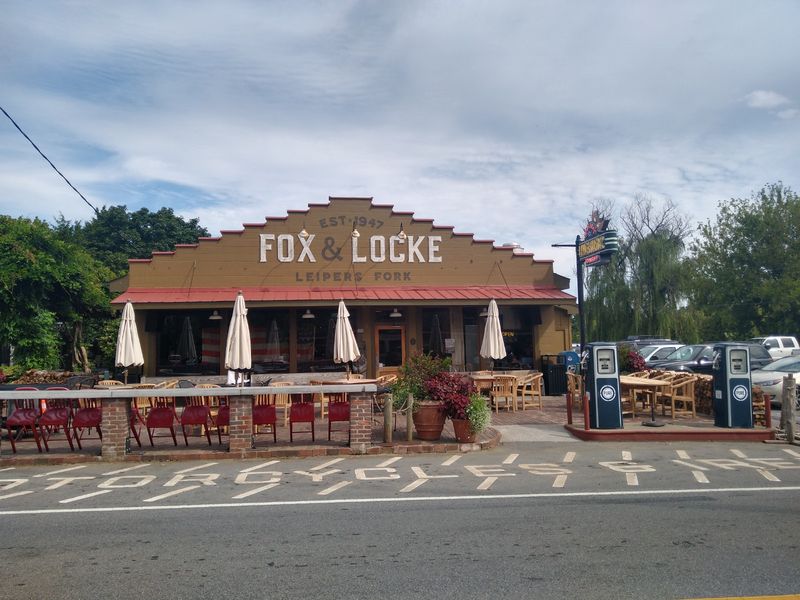
This unincorporated community of fewer than 650 residents has become a trendy destination for Nashville day-trippers seeking rural charm and artisan shopping.
Leipers Fork’s artistic community and well-preserved historic character have attracted attention from lifestyle magazines and social media influencers.
The resulting tourist influx has transformed quiet country roads into congested thoroughfares on weekends, frustrating locals who valued the area’s seclusion.
Peavine Road, the main route through the village, was never designed for the current traffic volume it now carries regularly.
Visitors unfamiliar with narrow country roads create hazardous conditions as they slow to photograph picturesque scenes or search for parking.
The village lacks sidewalks in many areas, making pedestrian traffic dangerous as tourists walk along roadsides to visit various shops and galleries.
Real estate prices have skyrocketed as wealthy Nashville residents purchase second homes and investment properties in the area.
Longtime residents and farming families find themselves priced out of the community their families have called home for generations.
Country Boy Restaurant at 2804 Lewisburg Pike has become so popular with tourists that locals often cannot get tables at their neighborhood gathering spot.
The village’s artistic character, while attracting visitors, has shifted from authentic community expression to commercial tourism-focused galleries and boutiques.
Increased traffic raises safety concerns for children, horses, and farm equipment that share the roads with impatient tourist drivers.
The lack of formal town governance makes it difficult to implement traffic management or parking solutions to address growing problems.
Noise pollution from increased vehicle traffic disrupts the rural tranquility that defined Leipers Fork’s appeal to residents and visitors alike.
The community’s intimate scale cannot absorb current visitor numbers without losing the authentic character that attracted tourists in the first place.
Leipers Fork demonstrates how social media attention can rapidly overwhelm a small rural community unprepared for sudden popularity and its consequences.
7. Rugby
Founded in 1880 as a utopian community for English settlers, Rugby remains a remarkably preserved Victorian village with fewer than 100 permanent residents.
Historic Rugby Inc. maintains the site as a living history destination, attracting history enthusiasts and tourists seeking a glimpse into 19th-century life.
The village’s remote location in the Cumberland Plateau once protected it from excessive visitation, but improved roads have increased accessibility and tourist numbers.
The narrow roads winding through the historic district were designed for pedestrian traffic and occasional horse-drawn vehicles, not modern automobiles.
Tour buses and RVs attempting to navigate the village create traffic jams and threaten historic structures with vibration damage and accidental contact.
Parking facilities remain limited, leading visitors to park along roadsides in ways that block resident access and emergency vehicle routes.
The Hughes Public Library at 5517 Rugby Highway, one of the oldest public libraries still operating in Tennessee, faces preservation challenges from increased visitor handling of historic materials.
Residents who chose Rugby for its isolation and peaceful historic atmosphere now deal with regular intrusions of tourist groups and organized tours.
The village’s small size means even modest increases in visitation feel overwhelming to the tiny year-round population trying to maintain normal lives.
Tourist-oriented businesses have limited operating hours due to staffing challenges in such a remote location, frustrating visitors and creating uneven economic benefits.
The community struggles to balance historic preservation with the infrastructure improvements needed to safely accommodate current visitor levels.
Increased traffic on approach roads raises safety concerns as tourists navigate unfamiliar mountain routes to reach the isolated village.
The intimate scale that makes Rugby special as a historic site also makes it particularly vulnerable to the impacts of over-tourism.
Residents worry that excessive visitation will damage the authentic historic character that makes the village worth preserving in the first place.
Rugby’s situation highlights the unique challenges facing heritage tourism sites in small communities where preservation and visitation goals sometimes conflict.
Dear Reader: This page may contain affiliate links which may earn a commission if you click through and make a purchase. Our independent journalism is not influenced by any advertiser or commercial initiative unless it is clearly marked as sponsored content. As travel products change, please be sure to reconfirm all details and stay up to date with current events to ensure a safe and successful trip.
