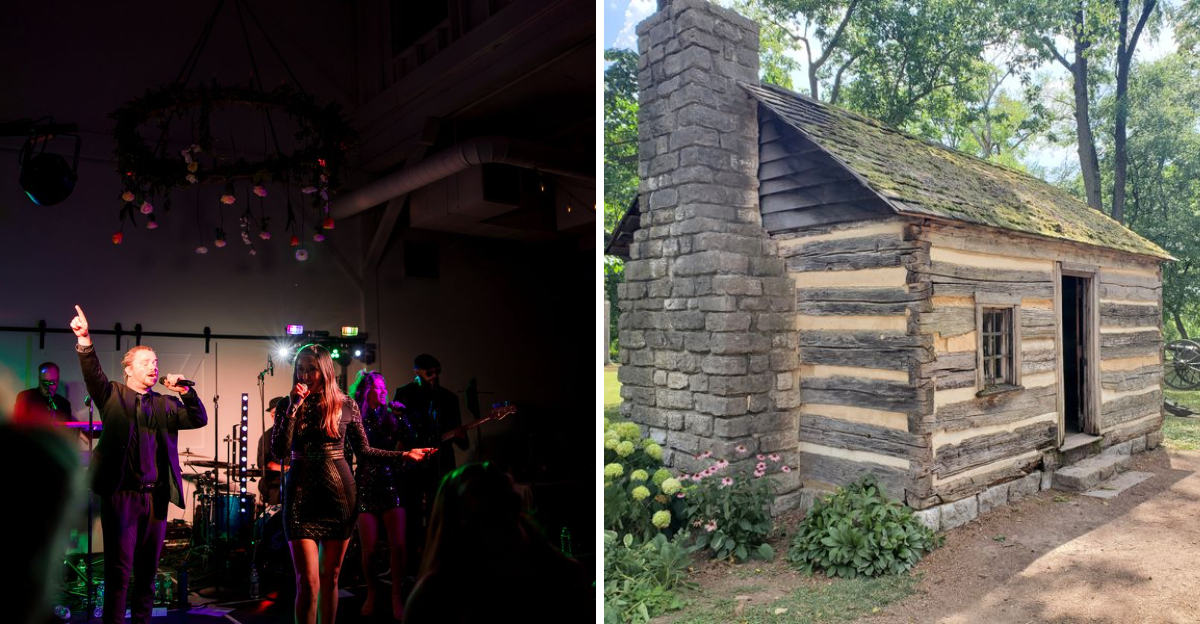
Tennessee holds a special place in American culture, offering visitors an incredible mix of experiences that you won’t find anywhere else.
From the birthplace of blues and rock ‘n’ roll to the misty peaks of the Smoky Mountains, this state delivers unforgettable adventures around every corner.
Whether you’re humming along to live music on Beale Street, hiking through ancient forests, or exploring Civil War battlefields, Tennessee connects you to the heart of America’s story.
The state’s rich tapestry includes Native American heritage, pioneer settlements, and pivotal moments that shaped our nation.
Music lovers can trace the roots of country, blues, rock, and soul through legendary studios and historic venues.
Outdoor enthusiasts discover waterfalls, caves, and mountain trails that take your breath away.
History buffs walk the same ground where presidents were born and battles were fought.
Small towns welcome you with Southern hospitality and home-cooked meals that taste like grandma’s kitchen.
Big cities pulse with energy, creativity, and world-class attractions that draw millions of visitors each year.
Tennessee’s diverse landscapes stretch from the Mississippi River to the Appalachian highlands, creating distinct regions with their own character and charm.
Planning a trip here means choosing between so many amazing options that you’ll probably want to come back again.
These seven destinations showcase the very best of what Tennessee offers, giving you music, mountains, and history all wrapped up in one incredible journey.
1. Memphis: The Birthplace of Rock and Soul
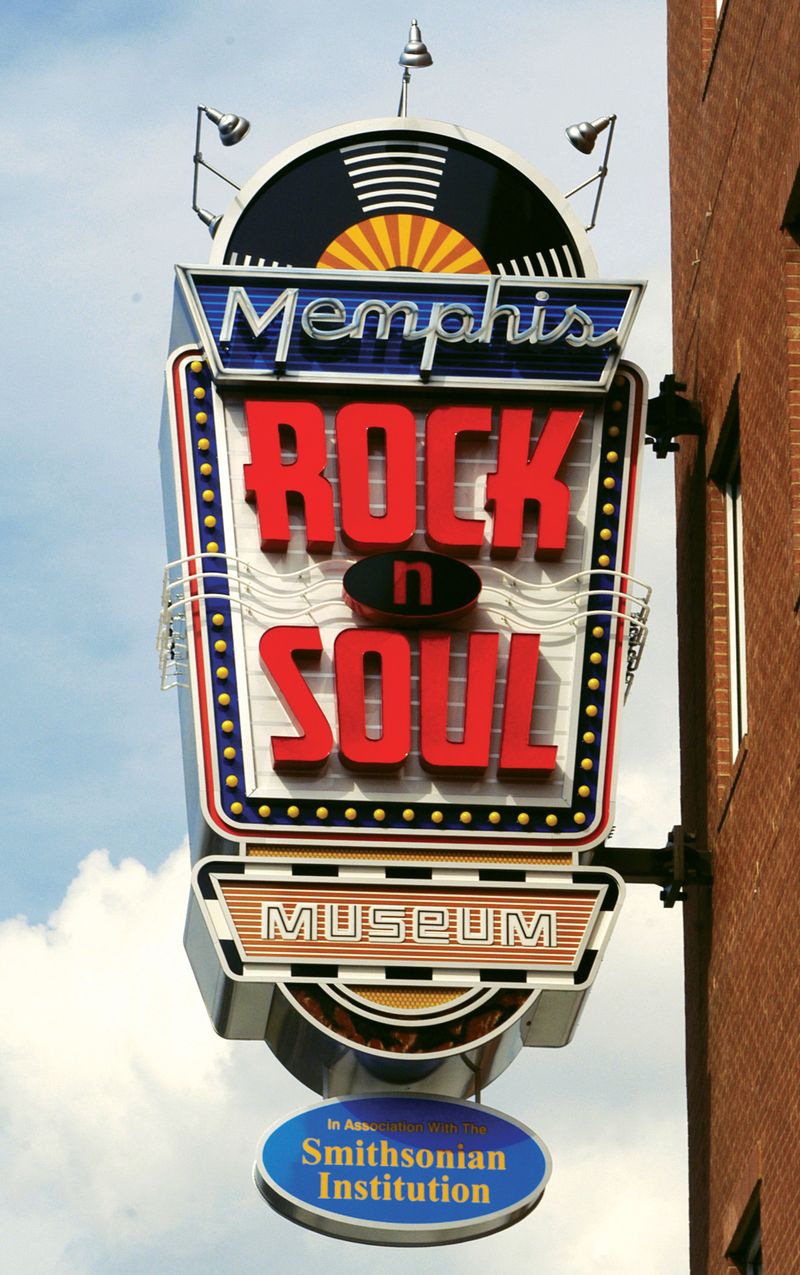
Memphis sits on the mighty Mississippi River, where music history was made and legends were born.
Beale Street stretches through downtown like a ribbon of sound, lined with clubs where blues musicians still play every single night.
The neon signs glow bright, inviting you inside to hear guitar riffs that make your heart beat faster.
Graceland, Elvis Presley’s former home at 3764 Elvis Presley Boulevard, welcomes thousands of fans who want to see where the King of Rock ‘n’ Roll lived and recorded.
You can tour his mansion, view his collection of cars and jumpsuits, and visit his final resting place in the Meditation Garden.
The energy of his legacy fills every room, making you feel connected to an era that changed music forever.
Sun Studio at 706 Union Avenue claims the title of birthplace of rock ‘n’ roll, where Elvis, Johnny Cash, Jerry Lee Lewis, and B.B. King all recorded.
Standing in that small studio, you can almost hear the echoes of those first revolutionary recordings.
The walls practically vibrate with musical history that shaped generations.
Memphis also serves up world-famous barbecue that competes with its musical offerings for attention.
Rendezvous at 52 South Second Street has been smoking ribs since 1948, filling the air with mouth-watering aromas.
Central BBQ and Gus’s World Famous Fried Chicken round out a food scene that’s as legendary as the music.
The National Civil Rights Museum at 450 Mulberry Street occupies the former Lorraine Motel, where Dr. Martin Luther King Jr. was assassinated in 1968.
This powerful museum traces the American civil rights movement from slavery through present day.
Walking through its exhibits reminds us how far we’ve come and how much work remains to create true equality for everyone.
2. Great Smoky Mountains National Park: Nature’s Masterpiece
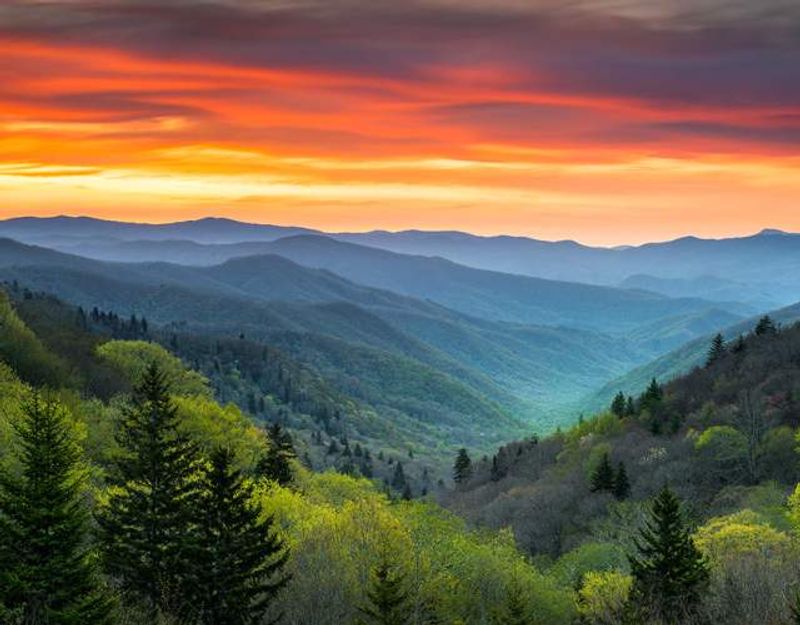
Ancient mountains rise like waves frozen in time, their peaks disappearing into clouds that give them their smoky appearance.
Great Smoky Mountains National Park straddles the Tennessee-North Carolina border, protecting over 500,000 acres of wilderness.
More people visit this park than any other in America, drawn by its stunning beauty and incredible biodiversity.
Cades Cove offers an eleven-mile loop road through a valley surrounded by mountains, where deer graze in open fields and historic buildings tell pioneer stories.
Old churches, cabins, and a working grist mill transport you back to the 1800s when settlers carved out lives in these isolated mountains.
Many visitors arrive at sunrise to see wildlife most active in the cool morning hours.
Hiking trails range from easy nature walks to challenging climbs that reward you with panoramic views stretching for miles.
Alum Cave Trail leads to dramatic rock formations and stunning vistas, while Laurel Falls provides a paved path suitable for families with young children.
Rainbow Falls tumbles 80 feet over rocks, creating mist that sparkles in sunlight and sometimes forms actual rainbows.
The park protects an incredible variety of plants and animals, including over 1,500 kinds of flowering plants and 200 species of birds.
Black bears roam the forests, and synchronous fireflies put on magical light shows in early summer.
Old-growth forests contain trees that were already ancient when European settlers first arrived.
Gatlinburg and Pigeon Forge sit at the park’s entrance, offering accommodations, restaurants, and attractions like Dollywood.
These mountain towns provide comfortable bases for exploring the wilderness while adding entertainment options for rainy days.
Local craftspeople sell handmade quilts, pottery, and woodwork that reflect Appalachian traditions passed down through generations.
3. Nashville: Music City’s Legendary Sounds

Country music’s beating heart pumps through every street corner where aspiring stars perform for tips and dreams.
Nashville earned its Music City nickname honestly, hosting more live music venues per capita than almost anywhere else on Earth.
Broadway’s honky-tonks blast music from morning until late night, their doors open wide to welcome anyone who loves a good song.
The Grand Ole Opry at 2804 Opryland Drive has showcased country music legends since 1925, making it the longest-running radio show in American history.
Attending a live Opry performance feels like stepping into country music royalty, where today’s stars share the stage with up-and-coming artists.
The circular wooden stage contains a piece cut from the original Ryman Auditorium, connecting past and present in a beautiful tradition.
Ryman Auditorium at 116 Fifth Avenue North served as the Opry’s home from 1943 to 1974 and still hosts incredible concerts today.
This former church building’s exceptional acoustics have captured performances from Johnny Cash, Patsy Cline, and countless others.
Sitting in those pews, you can feel the weight of musical history pressing down like a comfortable blanket.
The Country Music Hall of Fame and Museum at 222 Fifth Avenue South houses the world’s largest collection of country music artifacts and recordings.
Interactive exhibits let you try your hand at songwriting or mixing tracks in a recording studio.
Elvis’s gold Cadillac and other iconic items bring music history to life in ways that photographs never could.
Printers Alley hides between Third and Fourth Avenues, a narrow street where nightclubs have operated since the 1940s.
This historic entertainment district once hosted secret gambling and burlesque shows during Nashville’s wilder days.
Music Row’s recording studios continue producing hit songs that top charts worldwide, proving Nashville’s creative energy never sleeps.
4. Chattanooga: Where Rivers Meet Mountains
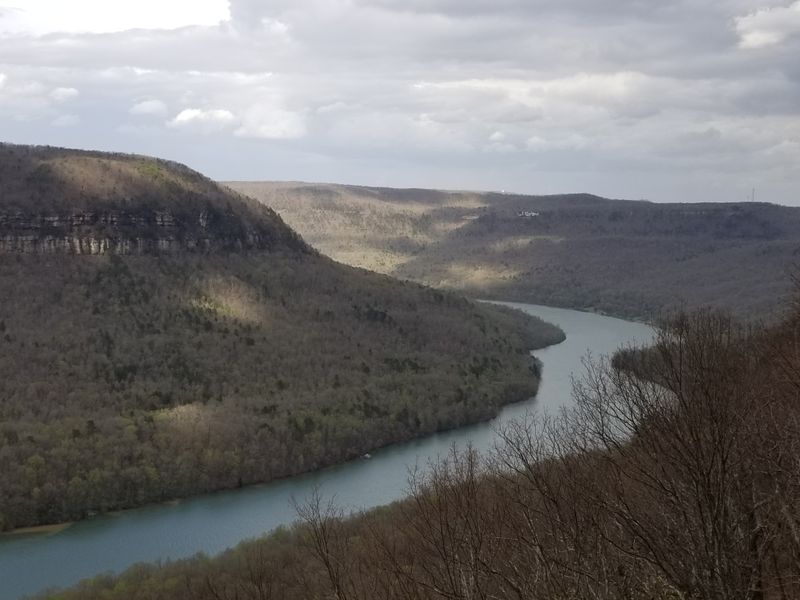
Chattanooga transformed itself from a struggling industrial city into one of America’s most exciting outdoor destinations.
The Tennessee River curves through downtown, creating a waterfront playground where kayakers paddle past restored warehouses turned trendy restaurants.
Lookout Mountain rises dramatically above the city, offering adventures both above and below ground.
Rock City Gardens at 1400 Patten Road sits atop Lookout Mountain, featuring massive rock formations, gardens, and the famous “See Seven States” viewpoint.
Narrow passages squeeze between ancient boulders, leading to hidden waterfalls and the swinging bridge suspended high above the valley.
Gnome statues and fairy-tale scenes delight children while the natural beauty captivates adults seeking Instagram-worthy photos.
Ruby Falls at 1720 South Scenic Highway plunges 145 feet underground inside Lookout Mountain, discovered in 1928 and named after the discoverer’s wife.
The guided tour leads through narrow cavern passages decorated with stunning rock formations before reaching the illuminated waterfall.
Standing in that underground chamber while water crashes down feels otherworldly and magical.
The Incline Railway at 3917 St. Elmo Avenue claims the title of world’s steepest passenger railway, climbing Lookout Mountain since 1895.
The cable car ride offers breathtaking views as it ascends at a 72.7-percent grade near the top.
Passengers grip their seats during the steep climb, marveling at engineering that’s still going strong after more than a century.
Chickamauga and Chattanooga National Military Park preserves Civil War battlefields where Union and Confederate forces fought crucial battles in 1863.
Walking these grounds where thousands died brings history textbooks to life in sobering ways.
The Tennessee Aquarium at 1 Broad Street showcases river and ocean ecosystems, housing thousands of animals in impressive exhibits that educate and entertain visitors of all ages.
5. Franklin and the Civil War Trail
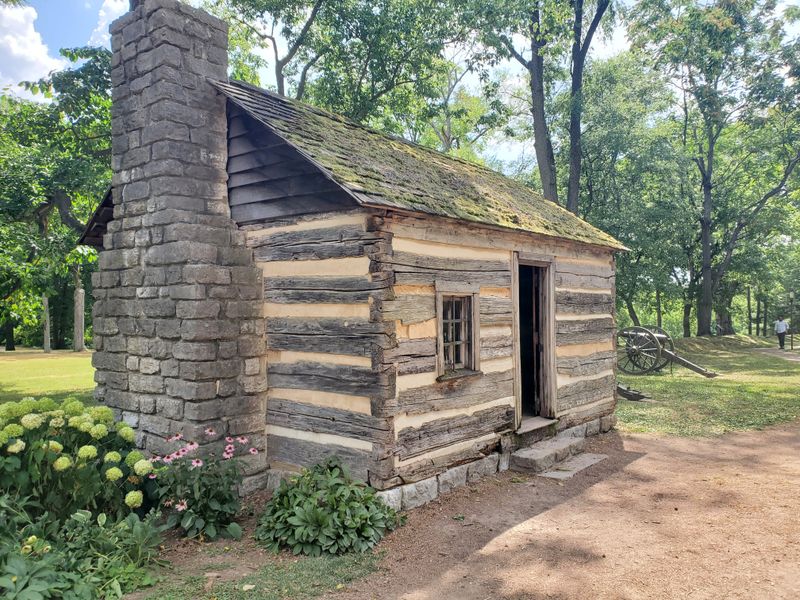
Franklin’s charming downtown square looks much like it did when Confederate and Union soldiers marched through its streets during the Civil War.
Main Street’s brick buildings house antique shops, boutiques, and restaurants that serve Southern comfort food with modern twists.
History seeps from every corner of this town where one of the war’s bloodiest battles was fought on November 30, 1864.
The Battle of Franklin lasted only five hours but resulted in over 9,000 casualties, devastating both armies and changing countless lives forever.
Carnton at 1345 Eastern Flank Circle served as a field hospital during and after the battle, with blood stains still visible on the original wood floors.
The McGavock Confederate Cemetery behind the house contains 1,481 soldiers buried in neat rows, the largest private Confederate cemetery in the nation.
Lotz House at 1111 Columbia Avenue stood directly in the battle’s path, with bullet holes and cannon damage still visible in its walls today.
The family who lived there huddled in their basement while the fighting raged around them, surviving one of history’s most intense close-quarter combats.
Today’s museum displays artifacts found on the property and tells stories of both soldiers and civilians caught in war’s terrible grip.
Carter House at 1140 Columbia Avenue marks the center of the Union line, where desperate fighting occurred in the yard and even inside the building.
The Carter family sheltered in their basement with neighbors while battle raged overhead, not knowing their son fought and died just yards away.
Over 1,000 bullet holes pockmark the house’s exterior, silent testimony to the battle’s ferocity.
Downtown Franklin offers shopping and dining that make history tours feel less heavy, with live music often floating from restaurants and bars.
Puckett’s Grocery and Restaurant serves Tennessee barbecue and hosts songwriters’ nights featuring Nashville musicians testing new material.
The town perfectly balances honoring its tragic past while celebrating present-day Southern culture and hospitality.
6. Gatlinburg and Mountain Arts

Nestled against Great Smoky Mountains National Park’s entrance, Gatlinburg grew from a quiet mountain settlement into a bustling tourist destination.
The main parkway runs through town like a carnival midway, packed with attractions, shops, and restaurants that cater to millions of annual visitors.
Yet the town maintains connections to its Appalachian roots through arts and crafts that showcase traditional mountain skills.
The Great Smoky Arts and Crafts Community along an eight-mile loop east of downtown represents one of America’s largest groups of independent artisans.
Over 120 shops, studios, and galleries line the winding roads where craftspeople create pottery, quilts, woodwork, jewelry, and paintings.
Watching a blacksmith hammer glowing metal or a weaver work an old loom connects you to traditions stretching back generations.
Many artisans learned their crafts from parents and grandparents who survived in these mountains by making everything they needed by hand.
You can purchase one-of-a-kind pieces directly from creators who pour their heritage and skills into every item.
These aren’t mass-produced souvenirs but genuine handmade treasures that carry stories and traditions forward.
Gatlinburg’s downtown offers family attractions like Ripley’s Aquarium of the Smokies at 88 River Road, featuring underwater tunnels and interactive exhibits.
The Space Needle at 115 Historic Nature Trail provides 360-degree views from its observation deck 407 feet above the town.
Ole Smoky Moonshine at 903 Parkway offers tastings of legal moonshine, connecting to the region’s bootlegging history during Prohibition.
Winter transforms Gatlinburg into a mountain wonderland when Ober Gatlinburg at 1001 Parkway offers skiing, snowboarding, and ice skating.
The aerial tramway carries visitors up the mountain for snow sports and stunning views.
Christmas brings elaborate light displays that turn the entire town into a glowing celebration, drawing couples and families seeking magical holiday memories in the mountains.
7. Jonesborough: Tennessee’s Oldest Town
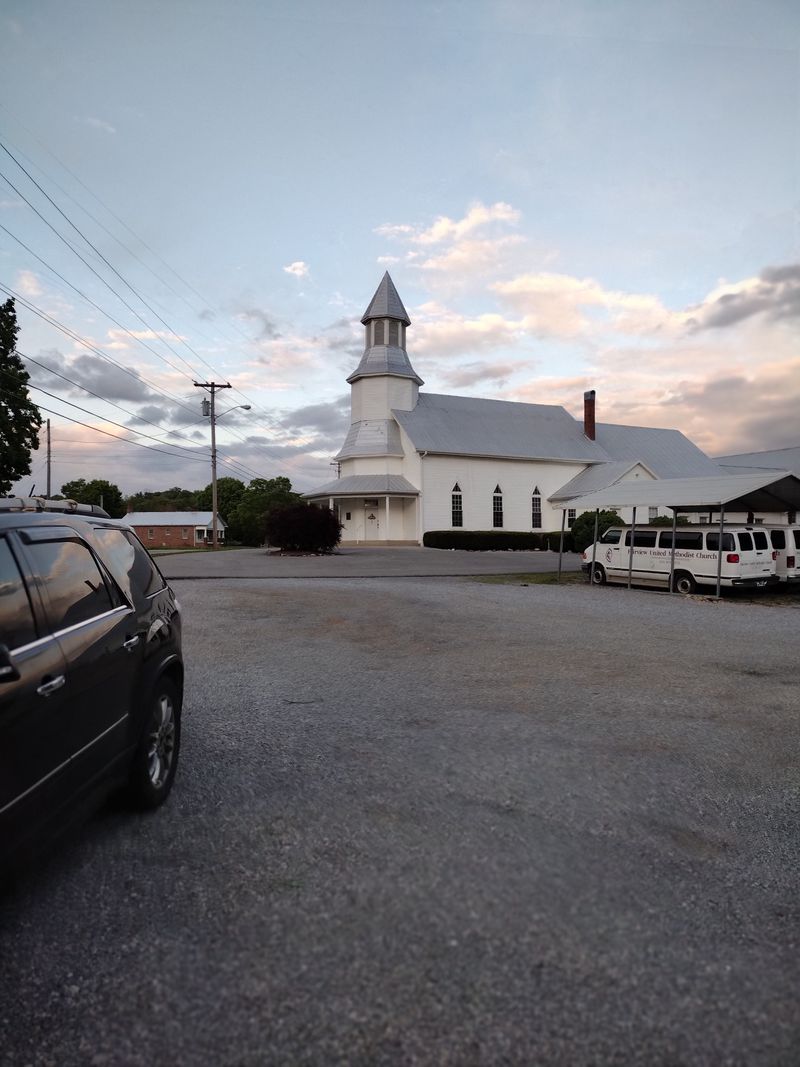
Jonesborough predates Tennessee itself, established in 1779 when the area was still part of North Carolina.
Walking down Main Street feels like traveling through time, with buildings dating back over two centuries standing proudly along brick sidewalks.
This small town of fewer than 6,000 residents preserves history not as a museum piece but as a living, breathing community.
The Chester Inn at 116 West Main Street, built in 1797, once hosted presidents Andrew Jackson, James K. Polk, and Andrew Johnson.
Today it serves as the International Storytelling Center’s museum, honoring Jonesborough’s reputation as the storytelling capital of the world.
Every October, the National Storytelling Festival draws thousands of people who gather to hear tales told the old-fashioned way, without screens or special effects.
Storytelling traditions run deep in Appalachian culture, where families passed down history, wisdom, and entertainment through spoken words around hearth fires.
Jonesborough embraced this heritage, creating a festival that celebrates an art form older than writing itself.
Professional storytellers from around the globe perform in tents set up around town, weaving magic with nothing but their voices and gestures.
The historic district contains over 100 buildings listed on the National Register of Historic Places, representing various architectural styles from different eras.
The 1846 courthouse still serves Washington County, making it one of Tennessee’s oldest continuously operating courthouses.
Antique shops, galleries, and cafes occupy restored buildings where merchants have conducted business for generations.
Jonesborough’s small size makes it perfect for a relaxing afternoon of browsing shops and soaking in history without crowds or commercialization.
The town square hosts festivals throughout the year, celebrating everything from Christmas to local arts and crafts.
Main Street Café and Bakery at 117 East Main Street serves home-cooked meals in a building that’s witnessed centuries of Tennessee history unfold outside its windows.
Dear Reader: This page may contain affiliate links which may earn a commission if you click through and make a purchase. Our independent journalism is not influenced by any advertiser or commercial initiative unless it is clearly marked as sponsored content. As travel products change, please be sure to reconfirm all details and stay up to date with current events to ensure a safe and successful trip.
