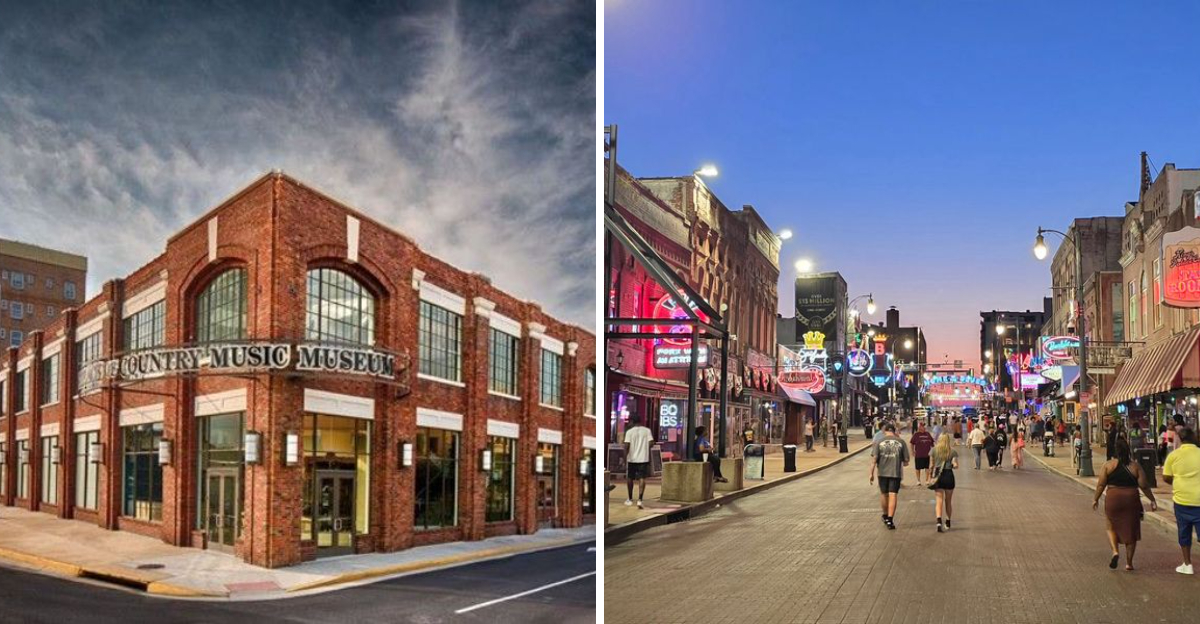
Tennessee’s music scene stretches far beyond the neon lights and honky-tonks of Nashville’s Broadway.
Across the state, hidden gems wait to share their unique musical stories with visitors who venture off the beaten path.
From the birthplace of rock and roll in Memphis to mountain towns where bluegrass echoes through the valleys, these special places offer authentic experiences you won’t find in guidebooks.
Each location carries its own rhythm and history, shaped by the musicians, communities, and cultural movements that made Tennessee the true heart of American music.
Whether you’re a die-hard music fan or simply curious about the roots of your favorite songs, these seven spots will change how you think about Tennessee’s musical legacy.
Small-town music halls, historic recording studios, and legendary venues across the state continue to nurture talent and preserve traditions that influenced everything from blues to country to soul.
Getting away from the tourist crowds means discovering places where music still lives and breathes in everyday life.
Pack your bags and prepare your playlist because Tennessee’s hidden music treasures are calling your name.
1. Sun Studio – Memphis
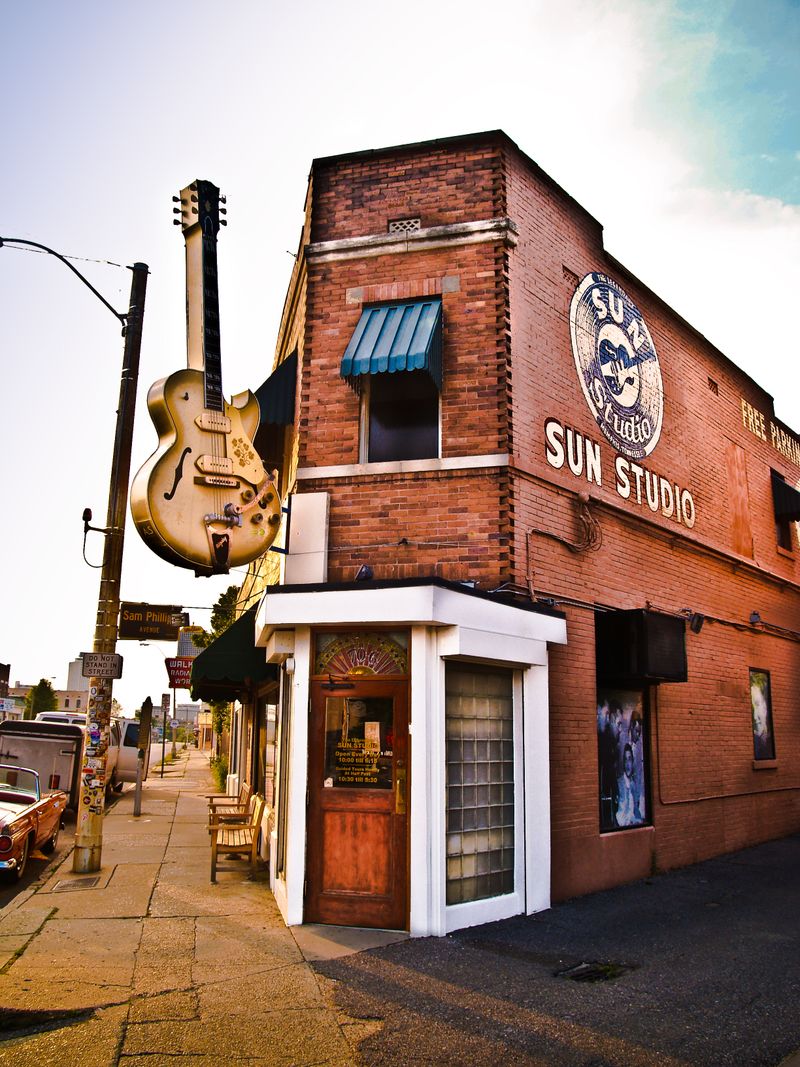
Walking into Sun Studio feels like stepping through a time portal straight into the 1950s.
This unassuming brick building at 706 Union Avenue in Memphis changed music history forever when Elvis Presley, Johnny Cash, Jerry Lee Lewis, and B.B. King recorded their earliest hits here.
Producer Sam Phillips opened the studio in 1950, creating a space where Black and white musicians could collaborate during a deeply segregated era.
The original equipment still sits exactly where it was placed decades ago, including the microphones that captured Elvis’s voice for the first time.
Guided tours run throughout the day, led by passionate music historians who share incredible stories about the legendary recording sessions that happened in this very room.
You’ll stand on the exact spot where “That’s All Right” and “I Walk the Line” were born, feeling the weight of musical history beneath your feet.
What makes Sun Studio truly special is that it remains a working recording studio at night.
Modern artists still book time here, hoping to capture some of that original magic that launched rock and roll.
The acoustics in the small recording room possess a unique quality that engineers and musicians still can’t quite explain or replicate.
Visitors often report getting goosebumps when they hear the stories and see the photographs covering the walls.
The gift shop offers exclusive merchandise and recordings you won’t find anywhere else.
Memphis might be famous for Beale Street and Graceland, but Sun Studio represents the true birthplace of rock and roll.
Music lovers who skip this stop miss out on understanding how American popular music transformed from regional styles into a global phenomenon.
The affordable admission price and central Memphis location make it accessible for anyone exploring the city’s rich musical heritage.
2. Muscle Shoals Sound Studio – Sheffield
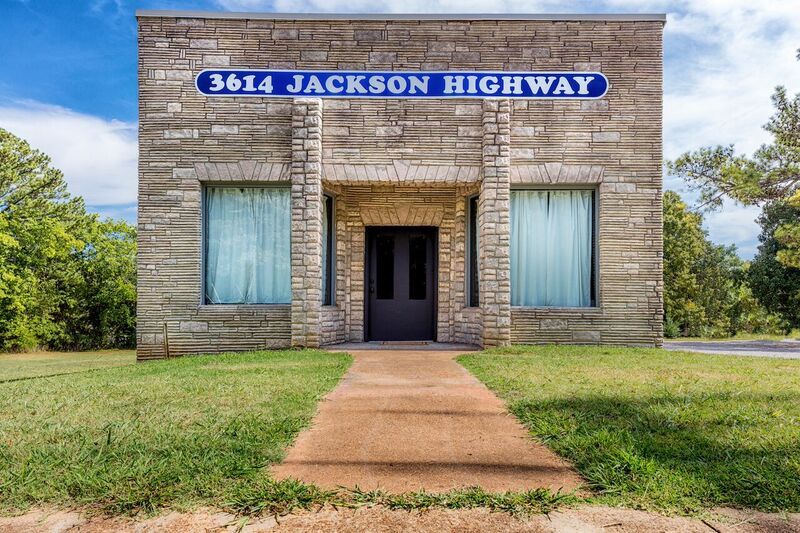
Just across the Tennessee River near the Alabama border sits a legendary recording facility that produced some of the most soulful music ever made.
Muscle Shoals Sound Studio at 3614 Jackson Highway in Sheffield attracted artists from around the world who wanted that distinctive Southern sound.
The Swampers, a group of session musicians, created the studio’s signature groove that defined hits by Aretha Franklin, Wilson Pickett, and the Rolling Stones.
Aretha Franklin recorded “I Never Loved a Man the Way I Love You” here, launching her career into superstardom.
The studio’s relaxed atmosphere and incredibly talented house band made magic happen during sessions that often stretched late into the night.
Musicians traveled from New York, Los Angeles, and London specifically to work with the Muscle Shoals rhythm section.
Today, the building operates as a museum where visitors can explore the original Studio A and see instruments used on countless classic recordings.
The control room remains frozen in time, with vintage equipment and tape machines still in place.
Tour guides explain how the studio’s unique approach to recording created sounds that major-label facilities in bigger cities couldn’t match.
Photographs throughout the building document incredible moments when music history was being written in this small Tennessee River town.
The nearby area offers several other music-related attractions, making it worth spending a full day exploring the region.
Fans of classic soul, rock, and R&B will recognize song after song that was recorded within these walls.
The studio’s influence on American music far exceeded what anyone would expect from such a modest building in a small Southern town.
Visiting Muscle Shoals helps you understand how geography, culture, and extraordinary talent combined to create timeless recordings.
This hidden gem deserves recognition alongside more famous studios in Memphis, Nashville, and New York.
3. Bristol – The Birthplace of Country Music
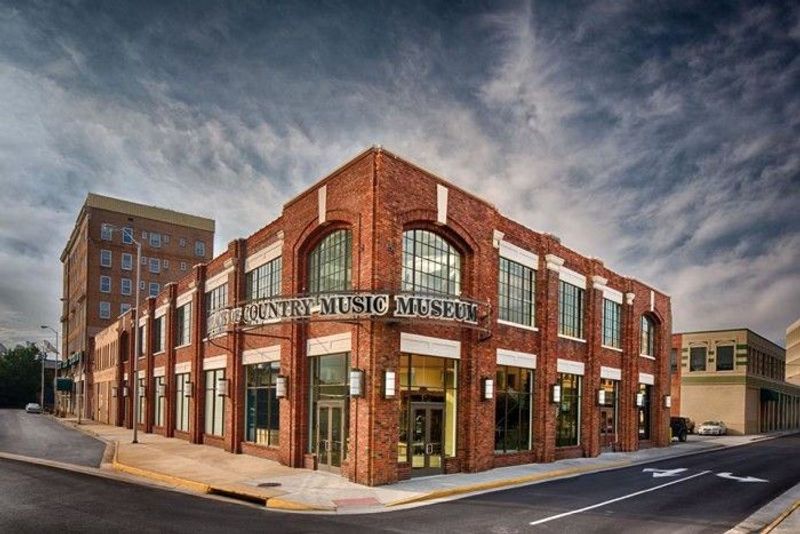
Straddling the Tennessee-Virginia border, Bristol earned its title as the birthplace of country music through a series of historic recording sessions in 1927.
Ralph Peer, a talent scout for Victor Records, set up temporary recording equipment in a hat warehouse and advertised for local musicians to audition.
The Bristol Sessions, as they became known, introduced the world to the Carter Family and Jimmie Rodgers, whose recordings defined country music for generations.
The Birthplace of Country Music Museum at 101 Country Music Way brings this pivotal moment to life through interactive exhibits and rare recordings.
Visitors can listen to original 78 rpm records, watch documentary footage, and explore how mountain music evolved into the country genre we know today.
The museum’s state-of-the-art technology lets you remix classic songs and understand the musical elements that made these recordings revolutionary.
Downtown Bristol celebrates its musical heritage with murals, sculptures, and regular live performances featuring both traditional and contemporary country artists.
State Street, which literally straddles two states, hosts festivals throughout the year where you can hear authentic Appalachian music.
Local venues like the Paramount Center for the Arts continue the tradition of showcasing emerging talent alongside established performers.
The surrounding mountains provided isolation that allowed unique musical traditions to develop and flourish for generations.
Bristol’s contribution to American culture extends beyond country music into bluegrass, gospel, and folk traditions.
Walking these historic streets helps you understand how rural Southern music captured universal themes of love, loss, and hard work.
Many visitors combine their Bristol trip with exploration of the beautiful Appalachian landscape that inspired countless classic songs.
The museum gift shop offers hard-to-find recordings and books about early country music history.
Anyone serious about understanding country music’s roots must make the pilgrimage to Bristol.
4. Beale Street – Memphis
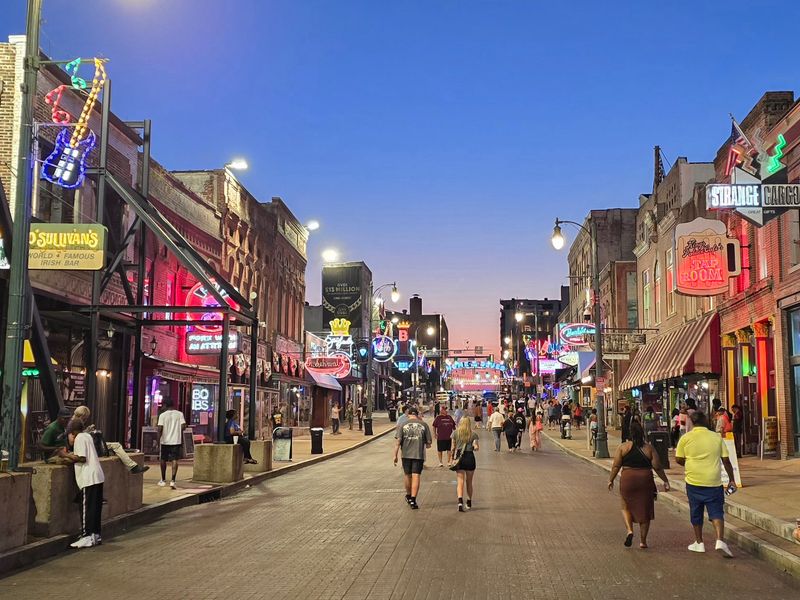
Blues music pulses through every brick and cobblestone on Memphis’s most famous street.
Beale Street runs through downtown Memphis as a living museum where the blues was born, evolved, and continues to thrive every single night.
From the 1860s through today, this three-block stretch has launched careers of legends like B.B. King, Muddy Waters, and countless others who shaped American music.
Clubs line both sides of the street, each offering live performances from afternoon until the early morning hours.
B.B. King’s Blues Club at 143 Beale Street remains one of the most popular venues, featuring talented musicians who keep the blues tradition alive.
The energy on weekends becomes electric as music spills out of every doorway, creating a soundtrack that follows you down the entire street.
Historic markers throughout the district tell stories of the musicians, entrepreneurs, and cultural movements that made Beale Street legendary.
The street became one of America’s first integrated entertainment districts, where people of all backgrounds gathered to enjoy incredible music.
During the day, you can explore shops selling vintage instruments, records, and music memorabilia you won’t find anywhere else.
Free concerts happen regularly at outdoor stages, giving emerging artists chances to perform where their heroes once stood.
Restaurants serve authentic Memphis barbecue and soul food that pairs perfectly with the blues soundtrack surrounding you.
The Beale Street Historic District represents more than entertainment; it’s a testament to how music can transcend social barriers and unite communities.
Photographers love capturing the neon signs reflecting off rain-soaked streets after dark.
Every visit to Memphis should include at least one evening on Beale Street, experiencing the raw emotion and incredible talent that defines the blues.
This isn’t a manufactured tourist attraction but a genuine neighborhood where music remains central to daily life.
5. Dollywood – Pigeon Forge
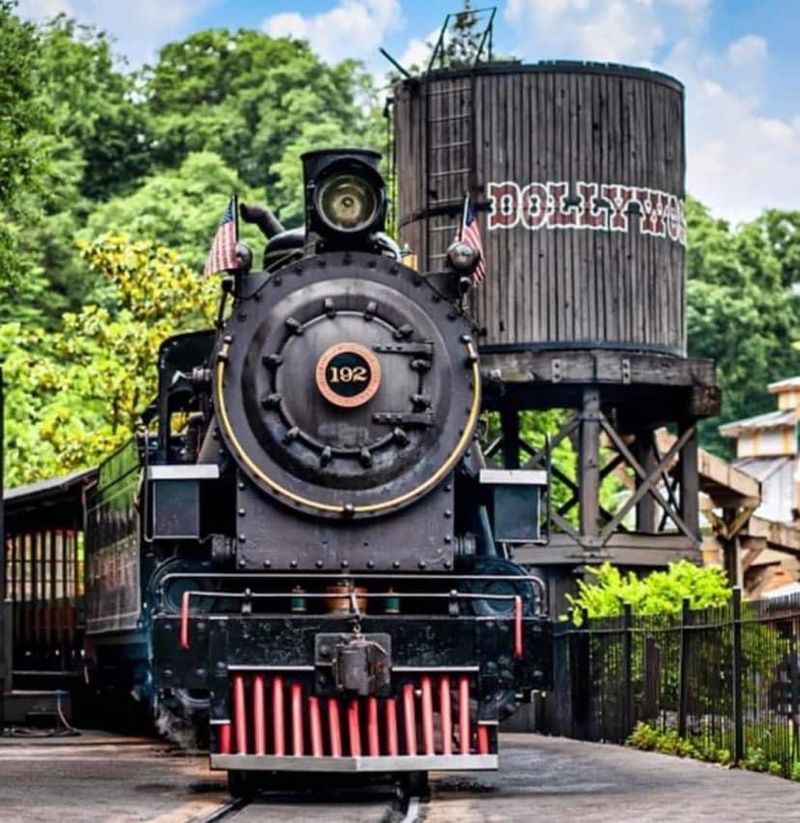
Dolly Parton’s theme park in Pigeon Forge celebrates Appalachian culture and music in ways that go far beyond typical amusement park entertainment.
Dollywood opened in 1986 and has grown into one of Tennessee’s most visited attractions, combining thrilling rides with authentic mountain music traditions.
The park employs full-time musicians, craftspeople, and performers who demonstrate traditional arts that might otherwise disappear from modern culture.
Multiple venues throughout the 160-acre property host live performances ranging from bluegrass to gospel to contemporary country music.
The Showstreet area features the Celebrity Theater, where national touring acts perform alongside Dollywood’s resident musicians.
During festivals like the Smoky Mountain Summer Celebration and Harvest Festival, special musical guests join regular performers for concerts included with park admission.
What distinguishes Dollywood from other theme parks is its genuine commitment to preserving and sharing Southern Appalachian musical heritage.
Craftsmen’s Valley showcases traditional instrument makers, including dulcimer builders and fiddle carvers who explain their crafts while working.
Visitors can watch demonstrations, ask questions, and even try playing instruments that have been part of mountain culture for centuries.
The park’s Chasing Rainbows Museum tells Dolly Parton’s personal story through costumes, awards, and artifacts from her incredible career.
Seasonally, the park hosts special events focusing specifically on different musical genres and traditions.
Families appreciate that Dollywood offers entertainment suitable for all ages while maintaining high artistic standards.
The surrounding Smoky Mountains provide a stunning natural backdrop that reminds visitors why this region developed such distinctive musical traditions.
Dollywood proves that theme parks can educate and preserve culture while still providing world-class entertainment and thrills.
Music lovers who dismiss it as just another amusement park miss out on one of Tennessee’s best celebrations of mountain music heritage.
6. Ryman Auditorium – Downtown Nashville
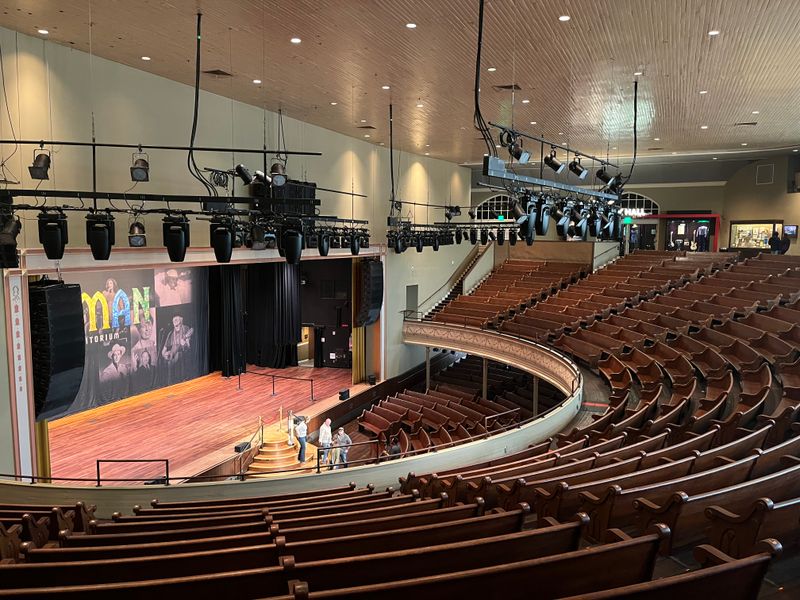
Known as the Mother Church of Country Music, the Ryman Auditorium stands as Nashville’s most sacred musical space.
Built in 1892 as a tabernacle for religious revivals, the building at 116 Fifth Avenue North became home to the Grand Ole Opry from 1943 to 1974.
Its exceptional acoustics, created accidentally by the building’s design, make it one of the finest natural sound environments in the world.
Hank Williams, Patsy Cline, Johnny Cash, and virtually every country music legend performed on this stage during the Opry’s residency.
The wooden pews that served revival congregations still provide seating for audiences who come to experience concerts in this historic venue.
Artists from all genres, including rock, pop, and classical musicians, seek opportunities to perform at the Ryman because of its legendary sound quality and atmosphere.
Daytime tours allow visitors to walk backstage, stand on the famous stage, and learn stories about the countless memorable performances that happened here.
The building narrowly escaped demolition in the 1970s, saved by preservationists who recognized its irreplaceable cultural value.
Today, it operates year-round as a concert venue while maintaining its role as a living museum of American music history.
Stained glass windows and original architectural details remind visitors of the building’s spiritual origins.
The Ryman’s intimate size means every seat offers a close connection to performers, creating magical experiences impossible in larger venues.
Recordings made at the Ryman possess a distinctive warmth that audio engineers attribute to the wood interior and unique architectural acoustics.
Photographs covering the backstage walls document generations of performers who considered playing the Ryman a career milestone.
The venue books approximately 200 shows annually, ranging from country and Americana to rock and comedy.
Experiencing live music at the Ryman Auditorium connects you directly to over a century of American musical tradition.
7. The International Rock-A-Billy Hall of Fame – Jackson
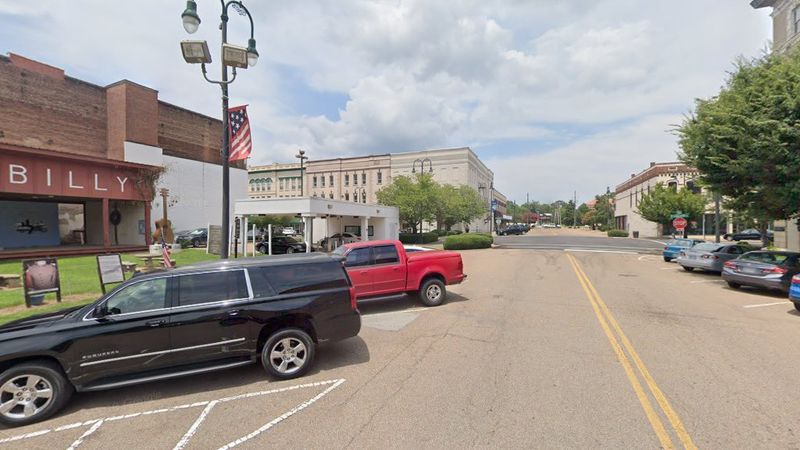
Tucked away in Jackson, Tennessee, this quirky museum celebrates a music genre that merged country, rhythm and blues, and raw energy into something entirely new.
The International Rock-A-Billy Hall of Fame occupies a modest building at 105 North Church Street but contains an impressive collection of memorabilia, instruments, and artifacts.
Founder and curator Henry Harrison has spent decades gathering items related to rockabilly pioneers who created this distinctive sound in the 1950s.
Display cases overflow with stage costumes, rare photographs, original recordings, and personal items donated by musicians or their families.
Many rockabilly artists who never achieved mainstream fame receive recognition here for their contributions to this influential genre.
The museum helps visitors understand how rockabilly served as a crucial bridge between early rock and roll and later musical movements.
Carl Perkins, who wrote and recorded “Blue Suede Shoes,” came from Jackson, making this city’s connection to rockabilly especially meaningful.
The museum hosts occasional live performances and special events that bring together rockabilly enthusiasts from around the world.
Visitors often spend hours examining the detailed exhibits and reading stories about musicians whose names deserve wider recognition.
The admission price remains remarkably affordable, and the passionate staff members love sharing their encyclopedic knowledge with curious guests.
Jackson itself offers other attractions, including historic downtown areas and restaurants serving classic Southern cuisine.
Music historians appreciate how this small museum preserves a genre that major institutions sometimes overlook.
Rockabilly’s influence extends far beyond its brief period of mainstream popularity in the 1950s, affecting punk, alternative country, and modern indie rock.
The Hall of Fame’s collection includes international rockabilly artifacts, demonstrating how this American genre spread worldwide.
Anyone interested in the roots of rock and roll or the evolution of American popular music should make time for this hidden treasure in Jackson.
Dear Reader: This page may contain affiliate links which may earn a commission if you click through and make a purchase. Our independent journalism is not influenced by any advertiser or commercial initiative unless it is clearly marked as sponsored content. As travel products change, please be sure to reconfirm all details and stay up to date with current events to ensure a safe and successful trip.
