Tennessee has built a remarkable reputation as a hub for live entertainment and the performing arts.
From historic opera houses to modern concert halls, the state offers venues that showcase everything from Broadway musicals to symphony orchestras.
Whether you love country music, classical ballet, or cutting-edge theater productions, Tennessee’s performance spaces deliver unforgettable experiences.
These seven venues represent the very best places to catch a show, each offering its own unique atmosphere and world-class performances that draw audiences from across the country.
1. Ryman Auditorium
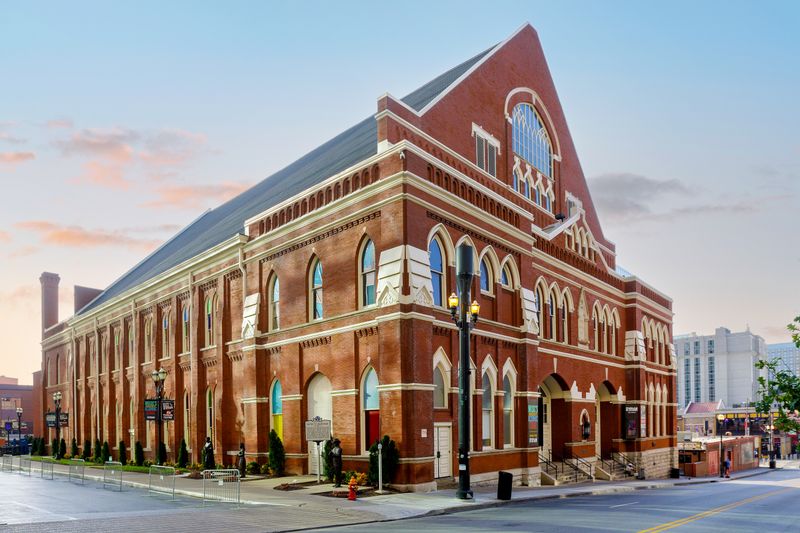
Standing tall in downtown Nashville since 1892, this legendary venue earned its nickname as the Mother Church of Country Music through decades of unforgettable performances.
The building started as a tabernacle for religious gatherings before transforming into the home of the Grand Ole Opry from 1943 to 1974.
Walking through the doors at 116 5th Avenue North, Nashville, TN 37219 feels like stepping back in time to country music’s golden era.
The interior features original wooden pews that provide surprisingly comfortable seating for modern audiences.
Stained glass windows cast colorful light across the hall, creating an atmosphere that blends reverence with excitement.
The acoustics here are absolutely phenomenal, designed originally for unamplified voices but perfect for today’s performances.
Every major country artist dreams of playing this stage, but the venue now hosts rock, pop, and comedy acts too.
The backstage tours offer fascinating glimpses into dressing rooms where legends prepared for their performances.
You can even stand on the famous circle of wood taken from the original Opry stage.
The intimate size means no seat feels too far from the action, with just over 2,300 spots available.
Shows here sell out quickly, especially during the holiday season when special Christmas concerts fill the calendar.
The surrounding neighborhood offers plenty of restaurants and bars for pre-show dining.
Attending a performance here connects you directly to music history in ways few other venues can match.
The energy in the room during a live show creates memories that last a lifetime.
This venue truly deserves its status as a Nashville landmark and American cultural treasure.
2. Tennessee Performing Arts Center
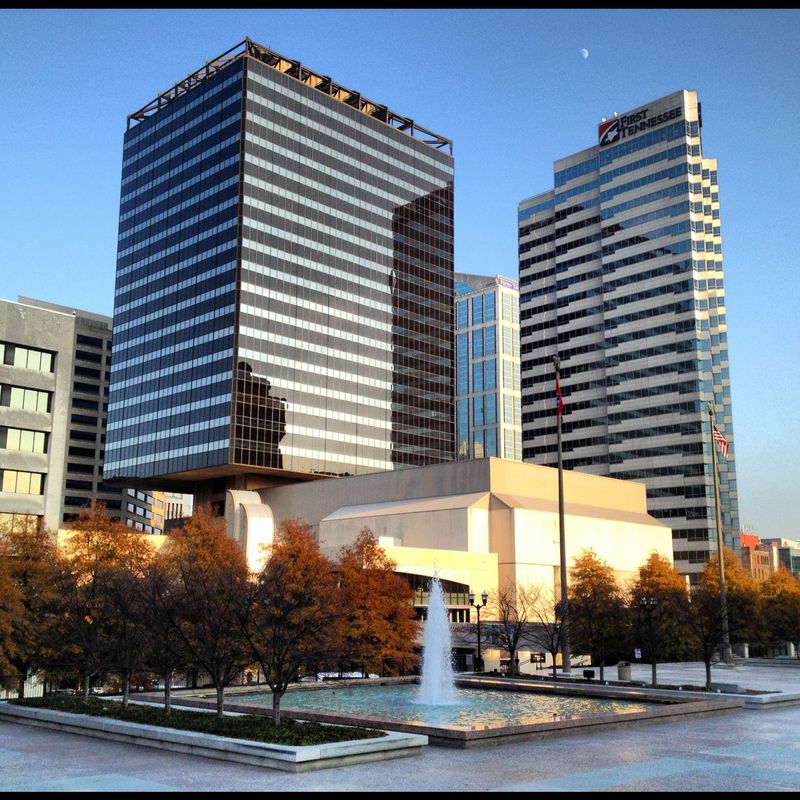
Locals affectionately call it TPAC, and this massive complex at 505 Deaderick Street, Nashville, TN 37243 houses three separate theaters under one roof.
Opening its doors in 1980, the center brought world-class touring Broadway shows to Tennessee audiences hungry for theatrical excellence.
The building’s modern design contrasts beautifully with the historic structures surrounding it in the downtown arts district.
Jackson Hall serves as the largest space, seating over 2,400 people for major Broadway tours and symphony performances.
The acoustics were carefully engineered to handle everything from quiet dramatic moments to full orchestral crescendos.
Plush seating and excellent sightlines ensure comfortable viewing from nearly every position in the house.
Polk Theater offers a more intimate setting with about 1,000 seats, perfect for smaller productions and regional theater companies.
Johnson Theater rounds out the trio with flexible seating arrangements that adapt to different performance styles.
The lobbies feature soaring ceilings, elegant staircases, and plenty of space for intermission mingling.
Throughout the season, audiences can catch everything from classic musicals to contemporary dance performances.
The Nashville Ballet calls this venue home, presenting stunning productions of The Nutcracker each December.
The Nashville Opera also stages several productions here annually, bringing operatic masterpieces to appreciative crowds.
Parking can be challenging on show nights, but several nearby garages offer convenient options.
The staff maintains high standards of professionalism, ensuring smooth operations from ticket scanning to curtain call.
Educational programs and student matinees help introduce young people to the magic of live theater.
This venue represents Tennessee’s commitment to making performing arts accessible to everyone in the community.
3. Orpheum Theatre Memphis
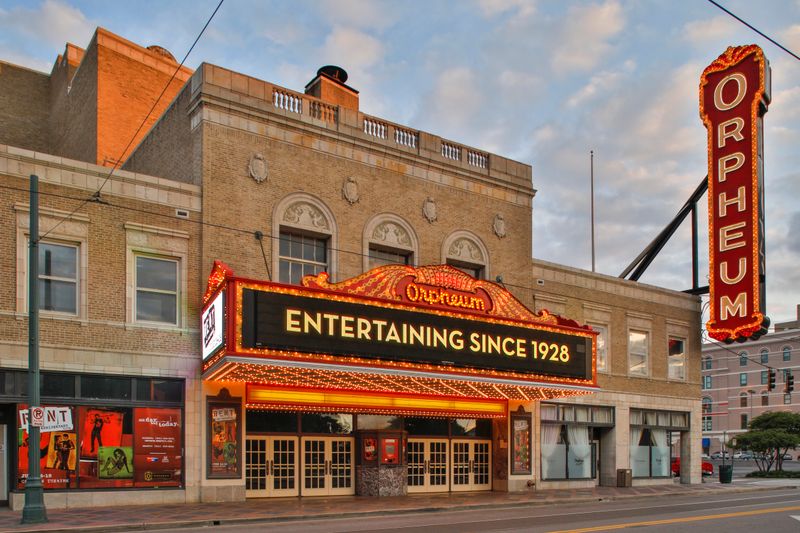
Beale Street’s crown jewel sits at 203 South Main Street, Memphis, TN 38103, dazzling visitors with its opulent 1928 architecture.
The original theater on this site opened in 1890, but fire destroyed it, leading to the construction of the current magnificent building.
Crystal chandeliers hang from elaborately decorated ceilings that showcase the craftsmanship of a bygone era.
The lobby alone takes your breath away with marble columns, gold leaf accents, and plush carpeting that muffles footsteps.
Restoration work completed in the 1980s brought the theater back to its original splendor after years of decline.
The main auditorium seats just over 2,300 guests in an arrangement that maintains intimacy despite the size.
Broadway touring productions make regular stops here, bringing hit shows like Hamilton and The Lion King to Memphis audiences.
The Memphis Symphony Orchestra performs seasonal concerts on this stage, filling the hall with rich musical tones.
Ballet Memphis also presents productions here, taking advantage of the spacious stage and excellent technical capabilities.
Legend has it that a friendly ghost named Mary haunts the theater, occasionally appearing in the balcony.
Staff members share stories of unexplained occurrences, adding a touch of mystery to the venue’s already fascinating history.
Ghost tours are sometimes offered, letting curious visitors explore the building’s spooky side.
The theater’s location puts you right in the heart of Memphis’s entertainment district.
Before or after shows, you can explore nearby restaurants, blues clubs, and historical sites.
The combination of architectural beauty and top-tier performances makes every visit memorable.
This theater proves that historic venues can successfully compete with modern facilities when maintained with care and respect.
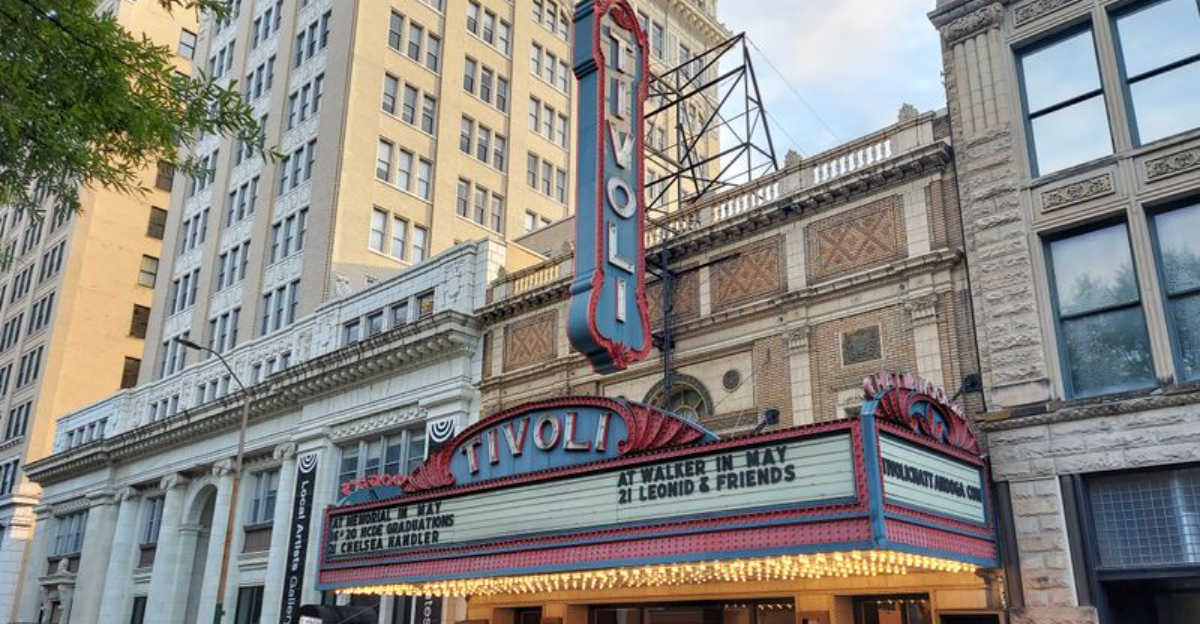
4. Tivoli Theatre Chattanooga
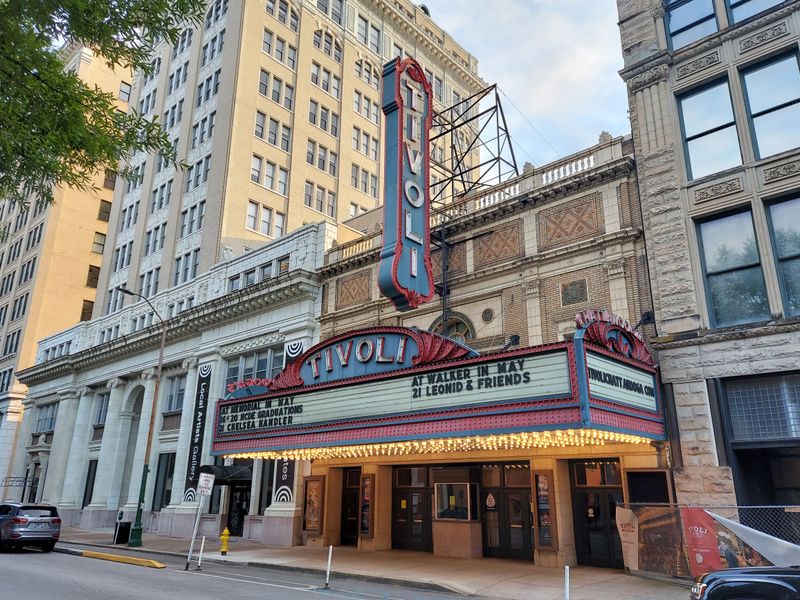
Chattanooga’s jewel box theater at 709 Broad Street, Chattanooga, TN 37402 transports visitors to a Spanish courtyard under twinkling stars.
Built in 1921, the venue originally served as a vaudeville house and silent movie palace before evolving into a performing arts center.
The atmospheric design creates the illusion of an outdoor Mediterranean plaza, complete with building facades and a ceiling painted to resemble the night sky.
Restoration efforts in the 1960s saved the theater from demolition when many similar venues were being torn down.
The community rallied to preserve this architectural treasure, recognizing its importance to Chattanooga’s cultural identity.
Today, the theater gleams with restored decorative plasterwork, original light fixtures, and carefully maintained period details.
The Chattanooga Symphony and Opera makes this venue its home, presenting classical concerts and full opera productions.
Broadway shows stop here regularly, offering audiences in southeastern Tennessee access to national touring productions.
The stage can accommodate elaborate sets and large casts, making it suitable for even the most technically demanding shows.
Seating capacity reaches about 1,750, creating an intimate atmosphere where performers can connect with the audience.
The balcony offers excellent views at lower ticket prices, making live performances accessible to budget-conscious families.
Acoustics were improved during renovations, ensuring that every seat enjoys clear sound quality.
The theater district surrounding the Tivoli has experienced significant revitalization in recent years.
New restaurants and shops have opened nearby, creating a vibrant pre-show dining and entertainment scene.
Free parking garages within walking distance make attending performances convenient and stress-free.
This venue demonstrates how historic theaters can anchor downtown development while preserving important cultural heritage.
5. Schermerhorn Symphony Center
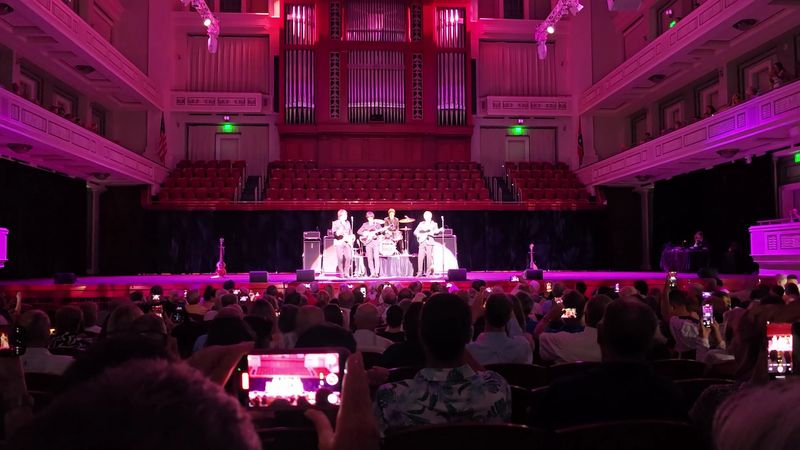
Classical music lovers find paradise at 1 Symphony Place, Nashville, TN 37201, where the Nashville Symphony performs in acoustical perfection.
Opening in 2006, this relatively new venue was purpose-built for orchestral performances, incorporating cutting-edge design principles.
The exterior features limestone and brick in a neoclassical style that honors traditional concert hall architecture.
Laura Turner Concert Hall serves as the main performance space, seating 1,872 people in a shoebox design proven ideal for symphonic sound.
Every architectural detail serves the music, from the adjustable acoustic panels to the carefully calculated dimensions.
Natural wood surfaces throughout the hall add warmth while contributing to the exceptional sound quality.
The Nashville Symphony presents over 140 concerts annually, ranging from classical masterworks to pops concerts featuring movie soundtracks.
Guest artists from around the world appear regularly, performing concertos with the orchestra or giving solo recitals.
Educational concerts introduce school children to orchestral music, helping build the next generation of classical music fans.
The smaller Mike Curb Family Music Education Hall provides space for chamber music and community events.
This flexible venue hosts everything from jazz ensembles to lecture demonstrations.
The lobby features a stunning grand staircase that creates a sense of occasion for concertgoers.
Parking is available in an attached garage, eliminating weather concerns on concert nights.
The downtown location puts you within walking distance of restaurants perfect for pre-concert dining.
Many patrons make attending symphony concerts a regular tradition, subscribing to full season packages.
The center has won numerous architectural awards for its design excellence.
Recording engineers praise the hall’s acoustics, which have been used for multiple Grammy-winning albums.
This venue proves that new construction can achieve world-class status when designed with care and expertise.
6. Bijou Theatre Knoxville
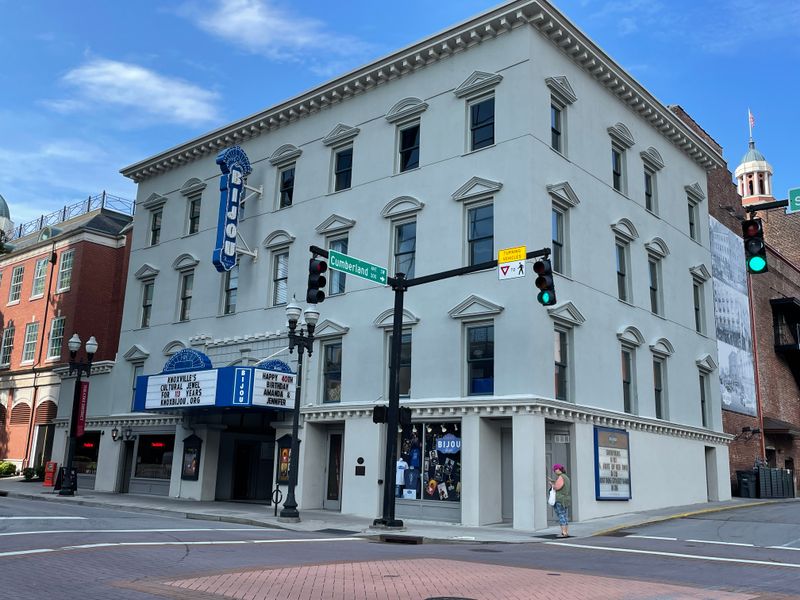
Knoxville’s oldest theater stands proudly at 803 South Gay Street, Knoxville, TN 37902, having entertained audiences since 1909.
The building originally housed the Lamar House Hotel’s ballroom before being converted into a vaudeville theater.
Victorian-era architectural details remain visible throughout the venue, creating a connection to entertainment history.
The intimate 740-seat capacity ensures that every audience member feels close to the performers on stage.
Ornate plasterwork decorates the walls and ceiling, showcasing the artistic craftsmanship valued in early 20th-century theater design.
Original wooden floors creak slightly underfoot in the lobby, adding authentic character to the experience.
The Knoxville Symphony Orchestra presents chamber concerts here, taking advantage of the warm acoustics.
Touring musicians appreciate the venue’s character and the engaged audiences that fill the seats.
Comedy shows, theatrical productions, and dance performances round out the diverse programming calendar.
The theater underwent major renovations in 2006, updating technical systems while preserving historic features.
Modern lighting and sound equipment now coexist with vintage architectural elements.
Comfortable new seating replaced deteriorating original chairs, improving audience comfort without sacrificing authenticity.
The location on Gay Street puts you in the heart of Knoxville’s revitalized downtown.
Dozens of restaurants within a few blocks offer dining options for every taste and budget.
The Market Square area nearby features shops, bars, and seasonal farmers markets.
This venue successfully balances historic preservation with modern functionality.
Staff members take pride in maintaining the building’s legacy while creating welcoming experiences for contemporary audiences.
The Bijou represents the type of small-scale theater that once existed in every American city but has largely disappeared.
Supporting this venue helps ensure that future generations can enjoy live performances in an authentic historic setting.
7. Grand Ole Opry House
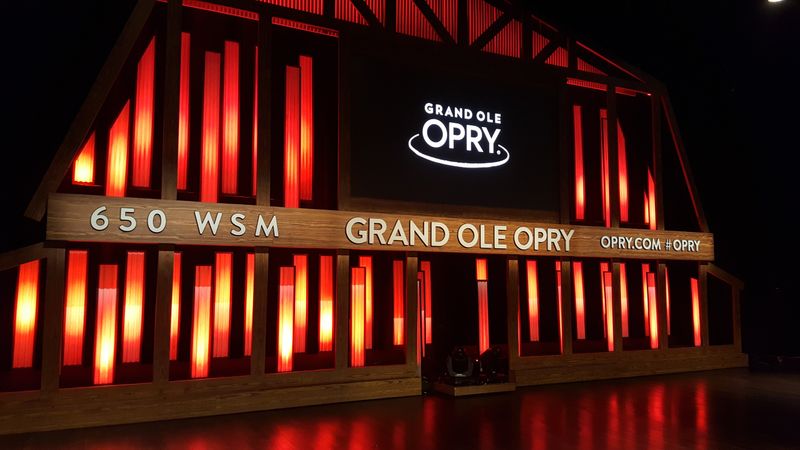
Country music’s most famous stage resides at 2804 Opryland Drive, Nashville, TN 37214, hosting the longest-running radio broadcast in American history.
The Opry moved to this location in 1974, leaving behind the Ryman Auditorium for a larger, more modern facility.
The building seats 4,400 people, making it significantly larger than the original downtown venue.
The famous wooden circle from the Ryman stage was cut out and installed in the center of the new stage.
Performers consider it an honor to stand within this circle, connecting them to generations of country music legends.
The stage has witnessed performances by every major country artist of the past fifty years.
Regular Opry shows happen multiple times per week, featuring rotating casts of established stars and rising newcomers.
Each show includes several different acts, giving audiences variety and introducing them to artists they might not know.
The format remains true to the original radio show structure, complete with commercial breaks and announcer introductions.
Backstage tours let visitors see dressing rooms decorated with photos and memorabilia from decades of performances.
The green room buzzes with energy on show nights as performers prepare and mingle between sets.
Many artists have permanent dressing rooms, decorated to reflect their personalities and achievements.
The venue sits within the Opryland entertainment complex, which includes hotels, restaurants, and shopping.
Visitors can easily make a full day or weekend out of an Opry trip, exploring the surrounding attractions.
The location requires a short drive from downtown Nashville but offers ample free parking.
Attending the Grand Ole Opry should top every country music fan’s bucket list.
The experience connects you to a living tradition that has shaped American popular music.
This venue represents not just a theater but a cultural institution that continues evolving while honoring its roots.
Dear Reader: This page may contain affiliate links which may earn a commission if you click through and make a purchase. Our independent journalism is not influenced by any advertiser or commercial initiative unless it is clearly marked as sponsored content. As travel products change, please be sure to reconfirm all details and stay up to date with current events to ensure a safe and successful trip.
