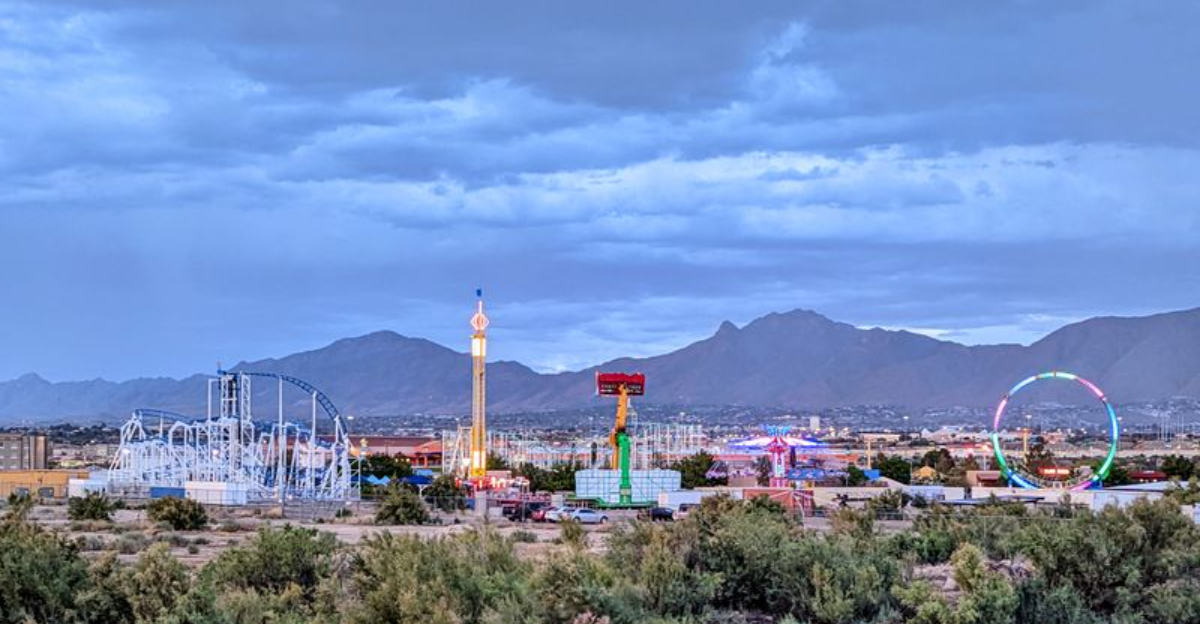
Texas holds secrets beyond its sprawling deserts and bustling cities, and some of the most fascinating ones hide behind rusted gates and overgrown pathways.
Abandoned theme parks scattered across the Lone Star State tell stories of joy, laughter, and dreams that once thrived but now stand frozen in time.
Exploring these forgotten wonderlands offers adventure seekers a unique glimpse into the past, where roller coasters sit silent and carousel horses wait for riders who will never come.
Whether you’re a history buff, an urban explorer, or simply someone who loves discovering hidden gems, these six abandoned theme park ruins across Texas promise unforgettable experiences.
From waterparks reclaimed by nature to amusement centers that once echoed with children’s laughter, each location carries its own haunting beauty and mysterious charm.
Pack your camera, bring your sense of adventure, and prepare to step into worlds where time stands still and memories linger in every corner.
These ruins remind us that even the happiest places can fade, but their stories continue to captivate those brave enough to seek them out.
Get ready to discover the eerie beauty and fascinating history behind Texas’s most intriguing abandoned theme park adventures.
1. Joyland Amusement Park in Lubbock
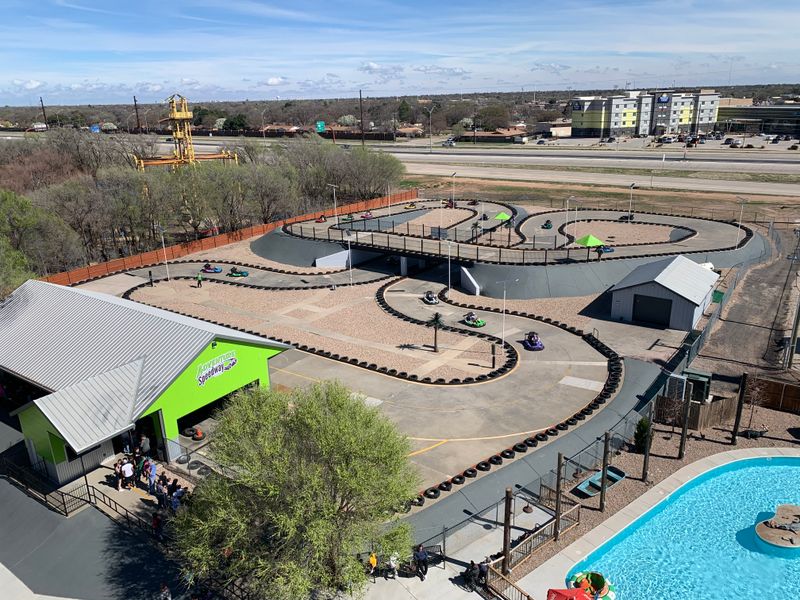
Joyland Amusement Park once stood as Lubbock’s premier family entertainment destination, drawing crowds from across West Texas with its thrilling rides and carnival atmosphere.
Opening its gates in 1947, this beloved attraction served generations of families before closing permanently in the 1980s.
Today, remnants of its glory days remain scattered across the property, offering urban explorers a haunting journey through childhood memories turned ghostly.
The rusted skeleton of the roller coaster rises against the Texas sky like a monument to forgotten summers.
Vines and prairie grass have reclaimed much of the grounds, wrapping around ticket booths and concession stands that once buzzed with activity.
Faded paint on ride signs barely hints at the vibrant colors that once attracted excited children.
Walking through the grounds feels like stepping into a time capsule, where every corner reveals another piece of the park’s story.
Photographers particularly love this location for its dramatic contrast between human-made structures and nature’s relentless takeover.
The Ferris wheel, though no longer operational, still dominates the landscape as a powerful symbol of the park’s former grandeur.
Local historians have documented much of Joyland’s history, making it easier for visitors to understand what each area once represented.
Safety should remain your top priority when exploring, as decades of weathering have made structures unstable.
Many Lubbock residents still share fond memories of birthday parties and first dates at Joyland, keeping the park’s spirit alive through storytelling.
The site serves as a powerful reminder that nothing lasts forever, but the joy these places brought continues echoing through time.
Before visiting, research current access restrictions and always respect private property boundaries to ensure this historical site remains available for future explorers.
2. Sandy Lake Amusement Park in Dallas
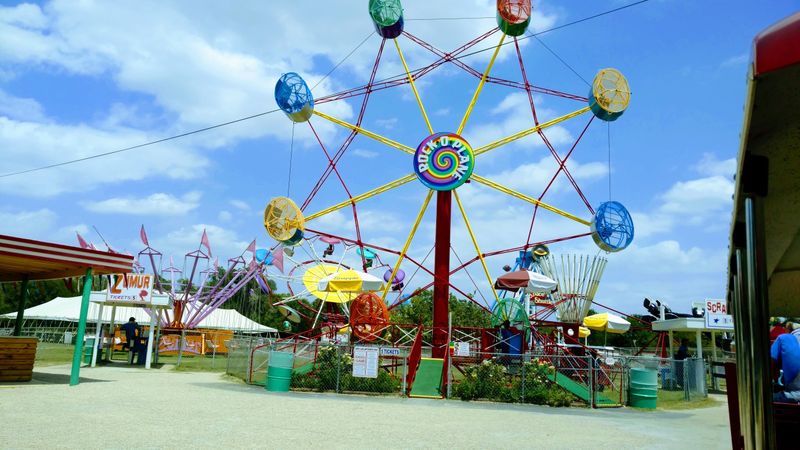
For over five decades, Sandy Lake Amusement Park represented summertime paradise for Dallas families seeking relief from scorching Texas heat.
The combination waterpark and amusement center opened in 1950 and became legendary for its massive swimming areas, exciting slides, and traditional carnival rides.
After closing in 2008, the property transformed into one of North Texas’s most intriguing abandoned attractions, frozen in a state of eerie preservation.
Walking through Sandy Lake today reveals a landscape where water once flowed freely but now only memories remain.
The enormous swimming pools sit empty, their cracked concrete bottoms collecting rainwater and fallen leaves instead of happy swimmers.
Colorful waterslides that once echoed with screams of delight now stand silent, their paint peeling away in long strips.
The main lake itself, which gave the park its name, has significantly receded, exposing shorelines that were once underwater.
What makes Sandy Lake particularly fascinating is how much infrastructure remains relatively intact compared to other abandoned parks.
Buildings still stand with their original signage, allowing visitors to imagine the park in its operational days.
The arcade building, concession stands, and even some ride platforms remain recognizable despite years of neglect.
Nature has begun its slow reclamation process, with trees growing through pavement and wildlife making homes in former attractions.
Urban explorers should note that the property remains privately owned, and trespassing laws apply strictly.
However, the site’s visibility from nearby roads allows for fascinating glimpses without entering the grounds.
Local preservation groups have expressed interest in documenting Sandy Lake’s history before time erases all evidence of this beloved Dallas institution.
The park’s story reminds us how quickly our favorite places can vanish, leaving only photographs and fading memories behind.
3. Western Playland in El Paso
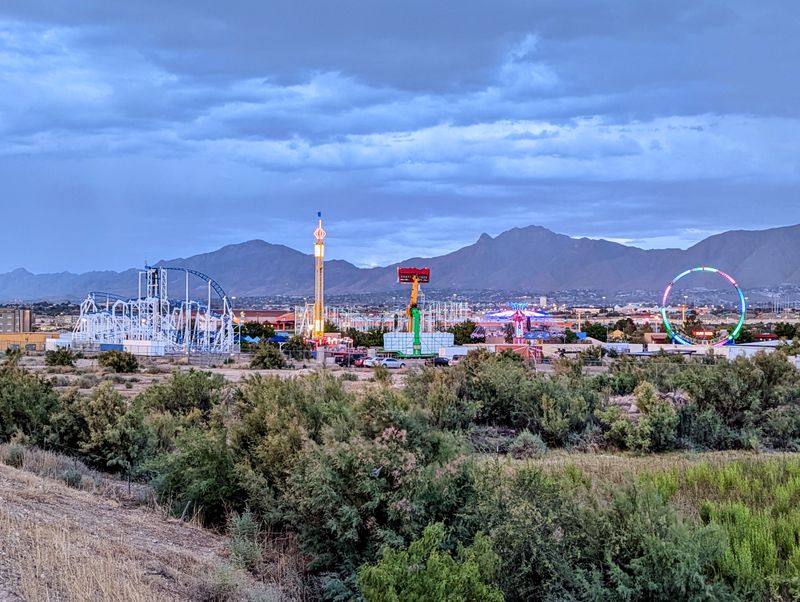
El Paso’s Western Playland brought Wild West fantasies to life for countless visitors who wanted to experience cowboy culture alongside modern amusement park thrills.
Nestled in the Franklin Mountains’ shadow, this park blended traditional carnival rides with Western-themed attractions that celebrated Texas’s frontier heritage.
Although portions of the park still operate seasonally, abandoned sections offer explorers a glimpse into entertainment styles from decades past.
The abandoned areas of Western Playland showcase how theme park design has evolved over the years.
Old wooden structures built to resemble frontier towns now sag under the desert sun’s relentless punishment.
Ride mechanisms that once delighted children with mechanical horses and spinning wagons sit motionless, their paint faded to ghostly versions of original colors.
The contrast between operational and abandoned sections creates a unique opportunity to see past and present side by side.
Desert conditions have preserved some elements surprisingly well while completely destroying others.
Metal components show extensive rust damage from occasional rain and extreme temperature fluctuations.
Wooden structures have weathered to silvery gray, their original vibrant hues long since bleached away.
Signs advertising long-discontinued attractions still hang in places, their promises of adventure now ironic given their current state.
What sets this location apart is its accessibility for those interested in amusement park history.
Because parts remain operational, visitors can legitimately access the property and observe the abandoned sections from safe distances.
The juxtaposition between functioning rides and decaying attractions creates powerful visual commentary on entertainment’s temporary nature.
Photography enthusiasts find endless inspiration in the textures, colors, and compositions available throughout the grounds.
Respecting boundaries between operational and closed areas remains essential for anyone visiting Western Playland.
The park’s management has clear policies about which sections remain off-limits, and following these rules ensures continued access for future visitors.
4. Astroworld in Houston
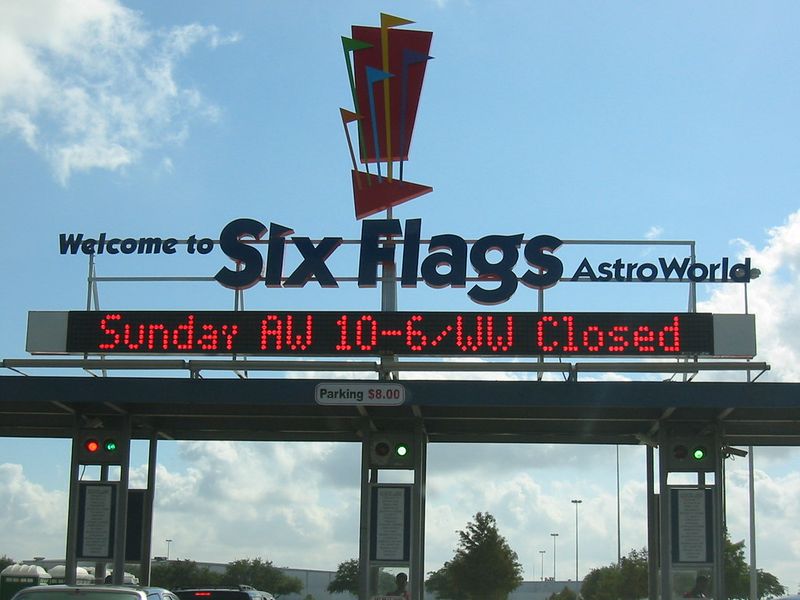
Astroworld once reigned as Texas’s most famous theme park, attracting millions of visitors during its 37-year run from 1968 to 2005.
Six Flags operated this massive entertainment complex adjacent to the Astrodome, creating a destination that defined Houston summers for multiple generations.
Though completely demolished after closure, the site itself holds powerful significance for those who remember the park’s glory days and the heartbreak when bulldozers erased it from existence.
Unlike other entries on this list, Astroworld offers no physical ruins to explore since developers cleared everything for parking lots and commercial development.
However, the location at 9001 Kirby Drive remains a pilgrimage site for former fans who want to stand where legendary rides once thrilled millions.
Memories of the Texas Cyclone, Greezed Lightnin’, and Ultra Twister live on through photographs, videos, and passionate online communities dedicated to preservation.
The empty space where such joy once existed creates its own haunting atmosphere, perhaps more profound than actual ruins.
Former visitors often describe standing on the site as an emotionally powerful experience.
Your imagination must fill in the gaps, reconstructing roller coaster screams and carnival music from memory alone.
Several online resources provide detailed maps showing exactly where each attraction stood, allowing virtual reconstruction of the park’s layout.
Some enthusiasts have created augmented reality experiences that overlay historical photos onto the current landscape through smartphone apps.
Astroworld’s demolition sparked conversations about preserving cultural landmarks versus economic development.
Many Houstonians still express regret that nothing was saved from the park, not even the iconic entrance sign.
The site serves as a cautionary tale about how quickly beloved places can disappear without proper historical documentation.
Youth who never experienced Astroworld often hear stories from parents and grandparents, keeping the park’s legend alive through oral tradition.
Visiting the location reminds us that some adventures exist only in memory, making them somehow more precious and worth sharing.
5. Landa Park Aquatic Complex Ruins in New Braunfels
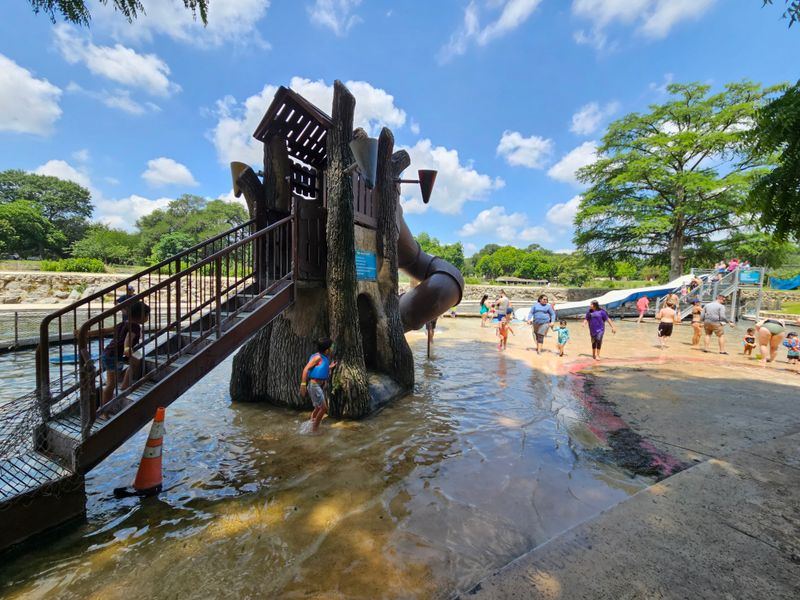
New Braunfels’s Landa Park has served as a recreational haven since the 1890s, but hidden within its still-operational areas lie remnants of earlier aquatic attractions.
The original spring-fed swimming pools, built in the early 1900s, represented cutting-edge leisure facilities for their time.
While modern pools replaced them decades ago, portions of the old concrete structures remain visible, offering fascinating glimpses into recreational design from over a century past.
What makes these ruins special is their integration into an active park environment.
You can explore historical swimming structures while surrounded by families enjoying current facilities, creating an interesting temporal juxtaposition.
The old pools utilized the area’s natural springs, which still flow today, feeding both historical and modern water features.
Concrete walls from original pools show construction techniques vastly different from contemporary methods, with hand-formed edges and unique drainage systems.
Archaeological significance adds another layer to these ruins’ importance.
Historians have studied the site to understand how German immigrants who founded New Braunfels approached recreation and community building.
The spring-fed design reflected both practical water management and a cultural appreciation for natural resources.
Some original changing rooms and bathhouse foundations remain partially intact, though heavily weathered by more than a century of exposure.
Landa Park’s management has embraced the historical elements rather than completely removing them.
Informational plaques near the old structures explain their history and significance to New Braunfels’s development.
This approach creates educational opportunities while preserving tangible connections to the past.
Photographers appreciate how the ruins blend with natural spring environments, creating images that feel both historical and timeless.
Because Landa Park remains fully operational and free to enter, accessing these ruins requires no special permissions or risky trespassing.
Families can easily combine historical exploration with swimming, picnicking, and enjoying other park amenities.
The ruins remind visitors that recreation has always been important to human happiness, even if the specific forms change over time.
6. SpeedZone Abandoned Sections in Dallas
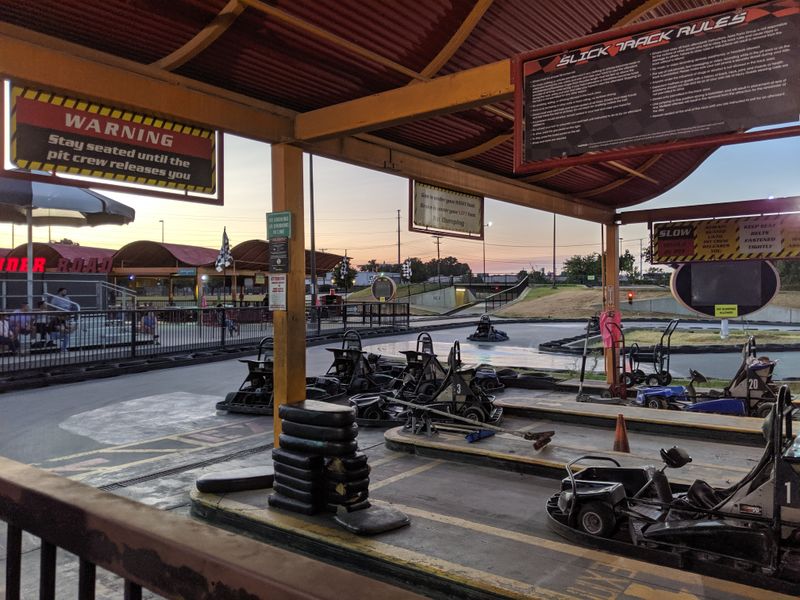
SpeedZone Dallas opened in the 1990s as a motorsports-themed entertainment complex featuring multiple go-kart tracks, miniature golf, and arcade games.
Located at 11130 Malibu Drive, the facility experienced various ownership changes and partial closures over the years.
While some sections continue operating, abandoned portions showcase what happens when high-energy entertainment venues fall silent, their engines forever stilled.
The closed go-kart tracks present particularly striking scenes of abandonment.
Asphalt courses designed for speed now crack and buckle as weeds push through racing surfaces.
Tire barriers that once protected drivers sit scattered and faded, their bright colors dulled to pastel ghosts.
Timing equipment and scoreboard displays remain mounted but dark, their digital readouts blank where lap times once flashed.
Pit areas where karts received maintenance now stand empty, tools and equipment long since removed.
What distinguishes SpeedZone’s abandonment is the specificity of its theming.
Unlike general amusement parks, every element here focused on racing culture, making the silence even more pronounced.
Checkered flag patterns still decorate walls, their racing symbolism now ironic given the complete absence of motion.
Miniature golf courses themed around famous racetracks have become overgrown obstacle courses where nature races against decay.
The arcade building’s exterior shows years of weathering, with faded murals depicting racing scenes that once excited visitors.
Windows reveal darkened interiors where game cabinets presumably still stand, though visibility from outside remains limited.
The contrast between abandoned and operational sections creates cognitive dissonance, similar to Western Playland’s situation.
Urban explorers interested in SpeedZone should exercise particular caution regarding property boundaries and access restrictions.
The facility’s mixed operational status means some areas remain strictly off-limits while others welcome paying customers.
Photographing from public areas or operational sections provides safer alternatives to trespassing.
SpeedZone’s story illustrates how specialized entertainment venues face unique challenges when consumer interests shift, leaving purpose-built facilities difficult to repurpose for other uses.
Dear Reader: This page may contain affiliate links which may earn a commission if you click through and make a purchase. Our independent journalism is not influenced by any advertiser or commercial initiative unless it is clearly marked as sponsored content. As travel products change, please be sure to reconfirm all details and stay up to date with current events to ensure a safe and successful trip.
