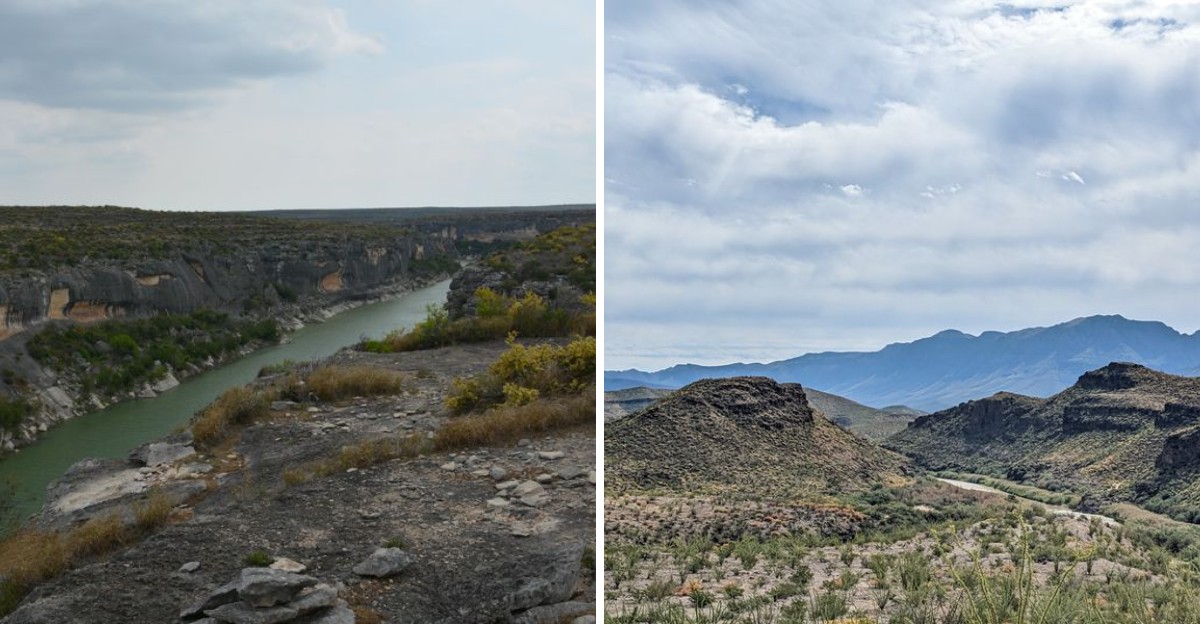
Seeing a black bear in Texas is not as rare as it used to be. In fact, early fall is when sightings spike, as bears roam farther and wider in search of food before winter sets in.
These eight areas across the state have been reporting more bear activity than usual, and anyone spending time outdoors there should know what to expect. It is not about fear.
It is about awareness. Black bears are generally shy and would rather avoid people than encounter them.
But a surprised bear or a mama with cubs can be dangerous. So make noise on the trail, store food properly, and never leave scraps behind.
The good news is that seeing one is a privilege, a reminder that Texas still has wild corners left. Just give them space, respect their home, and enjoy the sight from a distance.
The bears were here first, after all.
1. Big Bend National Park, Chisos Mountains
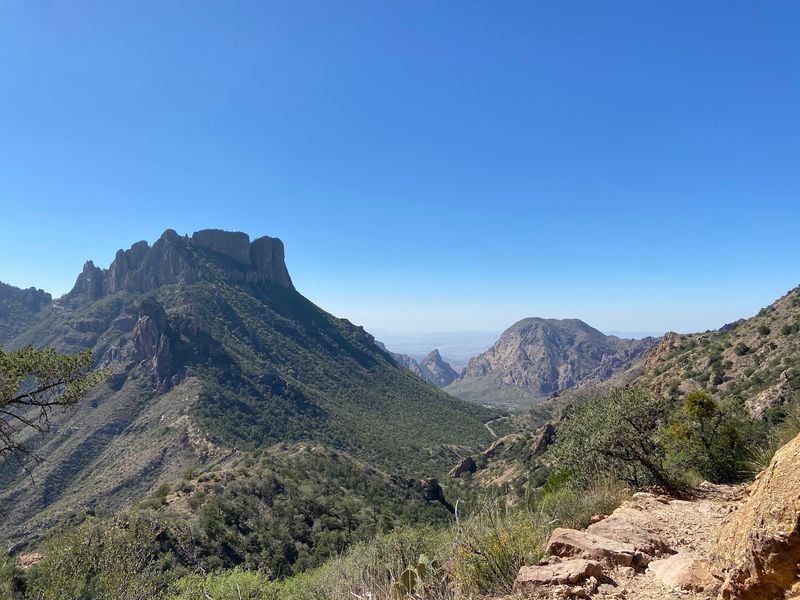
Few places in North America feel as genuinely remote as the Chisos Mountains tucked inside Big Bend National Park. Rising dramatically from the Chihuahuan Desert floor, this isolated sky island creates a microclimate unlike anything else in Texas.
Bears thrive here because the elevation brings cooler temperatures and a richer variety of food sources than the desert below can offer.
Early fall is prime time. Bears are actively foraging, covering ground across the basin and upper slopes as they load up on whatever the season offers.
The Chisos Basin area sees the most consistent sightings, particularly along the Window Trail and near the campground at dawn or dusk.
The basin’s natural bowl shape concentrates wildlife movement in ways that make encounters more likely. Visitors who move quietly and stay alert along the lower trail sections have the best odds.
Binoculars help, especially when scanning the rocky ridgelines above the treeline.
Black bears in Big Bend tend to be smaller than their eastern cousins, but they are no less impressive to watch in the wild. They move with surprising speed and purpose.
Keeping a respectful distance is essential, and the park’s guidelines make clear that feeding or approaching bears is never acceptable.
The Chisos Basin Visitor Center is a smart first stop. Rangers update sighting logs regularly and can point visitors toward recent activity areas.
Camping in the basin puts travelers closest to bear country, and those early morning hours just after sunrise are consistently the most productive for wildlife observation.
2. Davis Mountains State Park
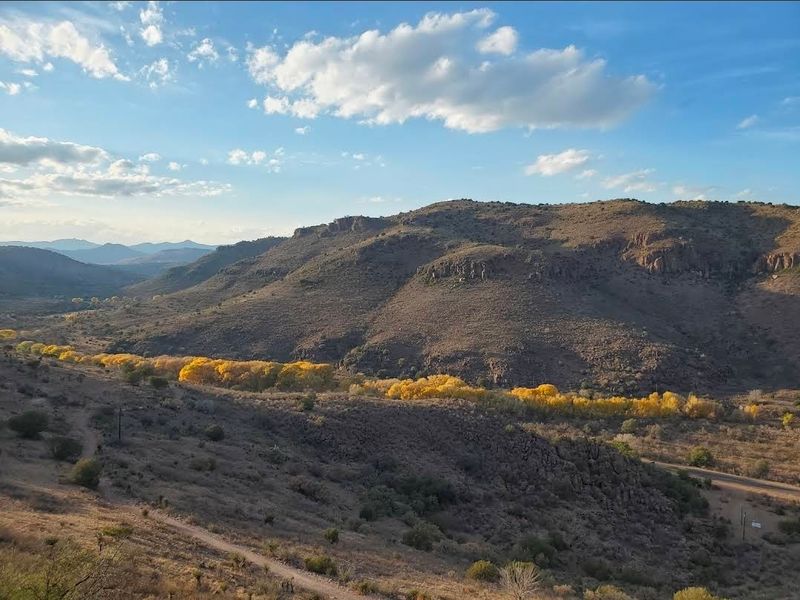
The Davis Mountains sit higher and greener than most people expect from West Texas. That elevation, combined with a surprising density of oak, juniper, and pinon, creates a habitat that supports a quiet but steady black bear population.
Sightings here tend to happen along the park’s hiking trails and near the wooded draws where natural water sources collect.
Early fall brings a noticeable shift in the light and temperature at this elevation. Mornings carry a cool edge that encourages wildlife to stay active longer into the day.
Bears moving through the Davis Mountains are often spotted in the hours around sunrise, crossing open slopes or disappearing into dense brush along drainage channels.
The Indian Lodge Trail is one of the better spots for a slow, observant walk through bear habitat. The trail winds through typical high-desert vegetation and provides open sightlines across the hillsides.
Patience matters more than speed here.
What makes Davis Mountains State Park particularly interesting for bear watchers is the combination of relative accessibility and genuine wildness. The park is not overly crowded, which means wildlife tends to move more freely and closer to the main use areas than in heavily trafficked parks.
Bringing a good pair of binoculars and arriving well before the park fills up on weekends gives visitors the strongest advantage. The interpretive center near the park headquarters also provides helpful context about the local bear population and the broader Trans-Pecos ecosystem that supports it.
Address: TX-118, Fort Davis, TX 79734, United States
3. Guadalupe Mountains National Park
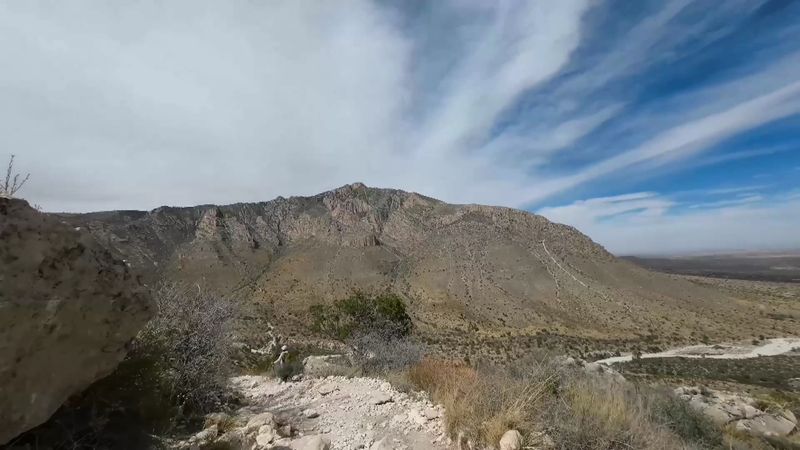
Guadalupe Mountains National Park protects one of the most striking landscapes in all of Texas, and its bear population reflects the richness of its diverse ecosystems.
The park’s canyons, high ridges, and sheltered drainages all serve as travel corridors for black bears moving through the area in early fall.
McKittrick Canyon draws a lot of attention in autumn for its dramatic foliage display, and it also happens to be one of the better areas in the park for bear activity. The canyon walls funnel movement, and bears following fruit and nut sources often pass through in the morning hours.
Visitors exploring the canyon trail should move quietly and scan ahead frequently.
The Pine Springs area also sees sightings, particularly along the base of the escarpment where desert scrub transitions to the higher woodland zones. Bears crossing between elevations tend to use these transition zones heavily during foraging season.
Guadalupe Mountains is a quieter park compared to many others in the national park system. That lower foot traffic works in favor of wildlife watchers.
Bears here have less reason to avoid the main trail corridors, and sightings sometimes happen close enough to the parking areas to surprise even casual visitors.
Rangers at the Pine Springs Visitor Center maintain updated information on recent wildlife activity. Checking in with them before heading out is genuinely useful, not just a formality.
Early fall weekdays offer the best combination of bear activity and manageable visitor numbers, making the experience feel personal rather than crowded.
Address: Dell City, TX 79847, United States
4. Black Gap Wildlife Management Area
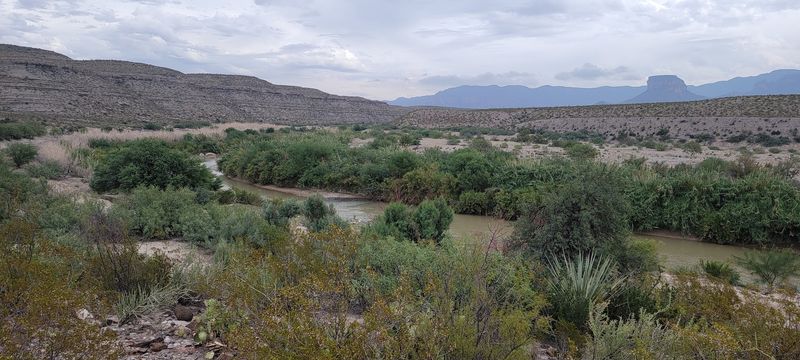
Black Gap Wildlife Management Area is about as far from ordinary as Texas gets. Stretching across more than 100,000 acres of raw Chihuahuan Desert terrain near the Rio Grande, this is one of the most remote public lands in the entire state.
Bears move through here regularly, drawn by the river corridor and the rugged terrain that provides cover and food in a landscape that looks deceptively barren.
Getting to Black Gap requires preparation. Roads are rough, services are nonexistent once inside, and the distances between anything are significant.
That remoteness is precisely what makes it so compelling for serious wildlife observers. The lack of development means bears here behave more naturally than in areas with higher human presence.
Sightings tend to cluster near the Rio Grande and along the creek drainages that cut through the mesas. These water sources attract wildlife of all kinds, and early fall brings bears into these areas with greater frequency as they search for late-season food.
Dawn and dusk patrols along the primitive roads often yield the most results.
Visitors must check in at headquarters upon arrival and obtain the appropriate permit. Blaze orange clothing is required during daylight hours when firearm hunting seasons are active.
Understanding those requirements before arriving saves confusion and ensures a smooth visit to one of Texas’s most extraordinary wild spaces.
The sense of scale here is hard to describe without experiencing it firsthand. The sky feels enormous, the silence is almost physical, and every animal sighting carries extra weight because the setting itself feels so untouched.
Black bears here are part of a genuinely wild ecosystem.
Address: Alpine, TX 79830, United States
5. Big Thicket National Preserve
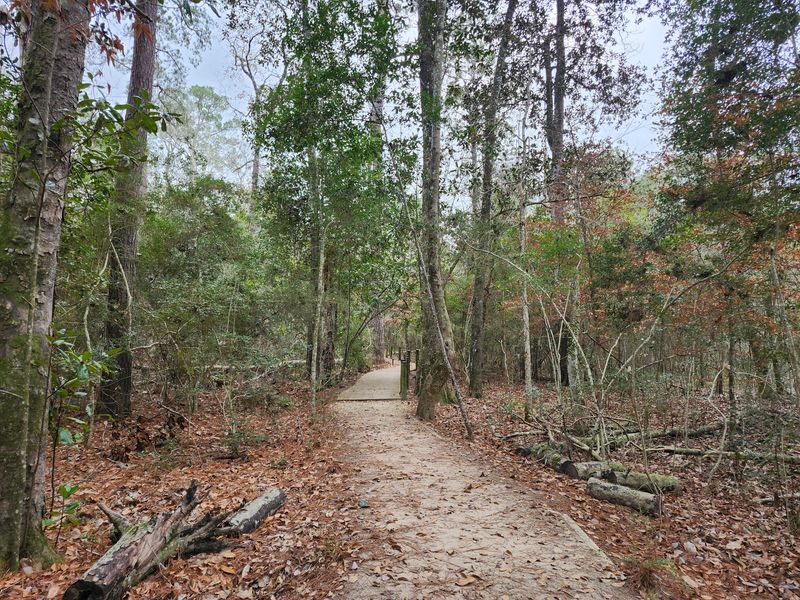
Big Thicket National Preserve occupies a different world entirely from the desert parks of West Texas. Dense, humid, and layered with an almost overwhelming variety of plant life, this preserve in East Texas represents one of the most biologically diverse ecosystems in North America.
Black bears have been returning to the Big Thicket in increasing numbers, and early fall is when their activity becomes most noticeable.
The preserve’s bottomland hardwood forests provide exactly what bears need during pre-winter foraging: abundant mast crops, berries, and the kind of dense cover that makes movement easy and safe.
Bears here are often heard before they are seen, crashing through the underbrush or splashing through shallow sloughs.
Trails like the Kirby Nature Trail wind through some of the preserve’s most productive bear habitat. Moving slowly and listening carefully changes the entire experience.
The Big Thicket is not the kind of place where you scan distant ridgelines; wildlife here appears suddenly and close, which makes awareness all the more important.
The biological crossroads character of the preserve means the habitat shifts frequently within short distances. Bears take advantage of that variety, moving between forest types as food availability changes through the season.
This behavioral flexibility is part of what makes the population here so resilient.
Visiting on weekday mornings gives the best combination of quiet trails and active wildlife. The visitor center staff are knowledgeable about recent sightings and can suggest which trail sections have seen the most recent bear activity.
Proper bear awareness practices apply here just as they do in any other bear habitat.
Address: 6102 Farm to Market 420, Kountze, TX 77625, United States
6. Seminole Canyon State Park and Historic Site
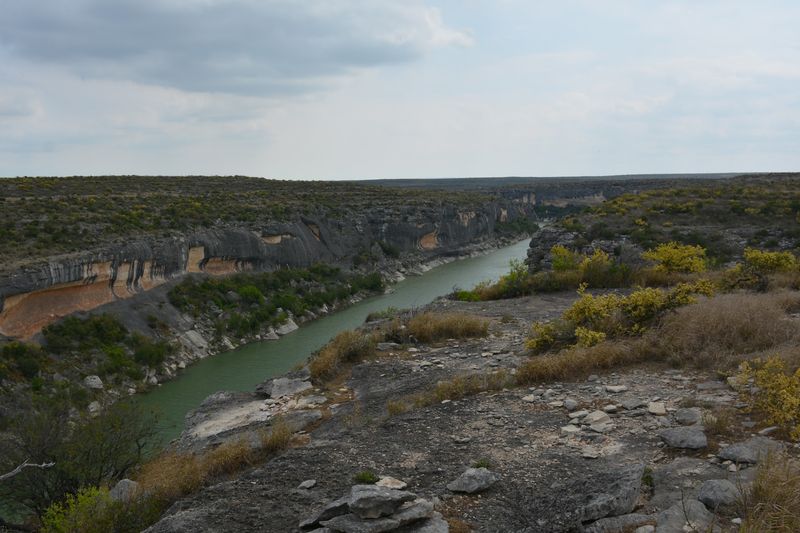
Seminole Canyon cuts deep into the limestone plateau of the lower Pecos region, creating a landscape of sheer walls, hidden shelters, and winding dry creek beds that have sheltered life for thousands of years.
Black bears pass through this canyon system with regularity, following the same natural corridors that ancient inhabitants once used.
There is something genuinely striking about that continuity.
The canyon’s geography makes it excellent bear habitat. Shaded rock shelters hold moisture longer than the surrounding desert, supporting plant growth that attracts wildlife throughout the year.
In early fall, bears moving along the Rio Grande corridor often detour into Seminole Canyon to forage along its sheltered walls and brushy floor.
Sightings here tend to happen near the canyon rim and along the upper trail sections that overlook the drainage. Early morning visitors who arrive before the heat builds have consistently reported more wildlife activity than those who come later in the day.
The canyon itself amplifies sound in interesting ways, sometimes alerting attentive hikers to movement below before anything becomes visible.
The park’s guided tours to the Fate Bell Shelter provide access to parts of the canyon that are otherwise off-limits, and those routes pass through some of the most productive wildlife zones in the area.
Rangers leading those tours are experienced observers and often point out signs of recent bear activity along the way.
Beyond the guided experience, the park’s open trail network allows for independent exploration of the rim and surrounding terrain. Bears here are wild and unpredictable, as they should be, and that unpredictability is exactly what makes a sighting here feel so memorable and real.
Address: US-90, Comstock, TX 78837, United States
7. Neches River Corridor
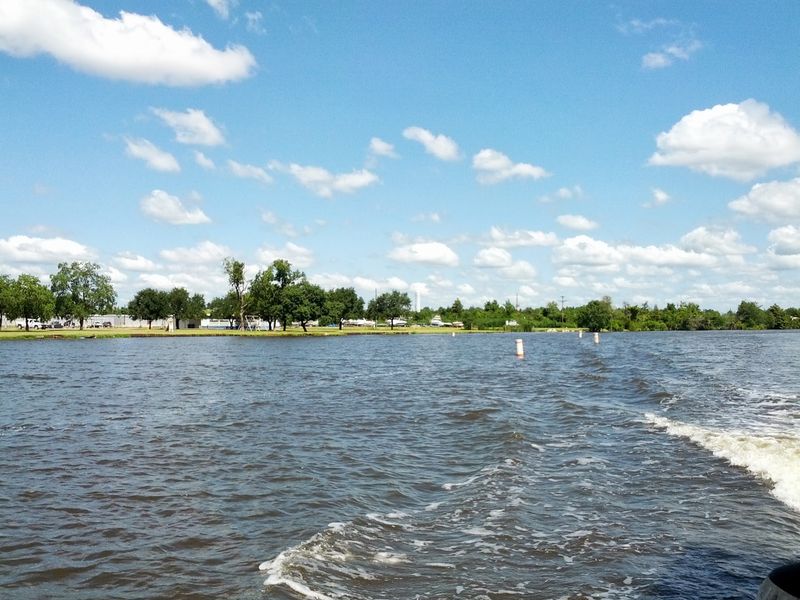
The Neches River moves quietly through East Texas, threading through bottomland forests and cypress-lined sloughs that form one of the region’s most important wildlife corridors.
Black bears have been documented with increasing frequency along this waterway, particularly in the sections protected by the Neches River National Wildlife Refuge.
The river itself acts as a natural highway for wildlife movement through an otherwise fragmented landscape.
Early fall transforms the corridor in subtle but meaningful ways. The canopy begins to thin, improving sightlines while the bears remain highly active.
Fruit-bearing trees along the river banks draw bears into predictable areas, and patient observers positioned near these natural food sources often get extended viewing opportunities rather than just a quick glimpse.
The refuge’s trail network winds through exceptional bottomland hardwood habitat, with one path running directly alongside the river.
That riverside trail is consistently the most productive for bear sightings, particularly in the early morning hours when mist still hangs over the water and wildlife moves without the pressure of midday heat.
Bird activity here is extraordinary, which sometimes serves as an indirect indicator of larger wildlife nearby. When the birds go quiet suddenly, something has moved into the area.
Experienced wildlife observers learn to read those silences just as much as the sounds.
The Neches River corridor rewards visitors who slow down and pay attention to the small details. A fresh track in the mud, a torn-open log, or scratch marks on a cypress trunk all tell a story.
Bears leave evidence of themselves even when they are not visible, and learning to read that evidence turns every walk into a genuine tracking experience.
8. Big Bend Ranch State Park
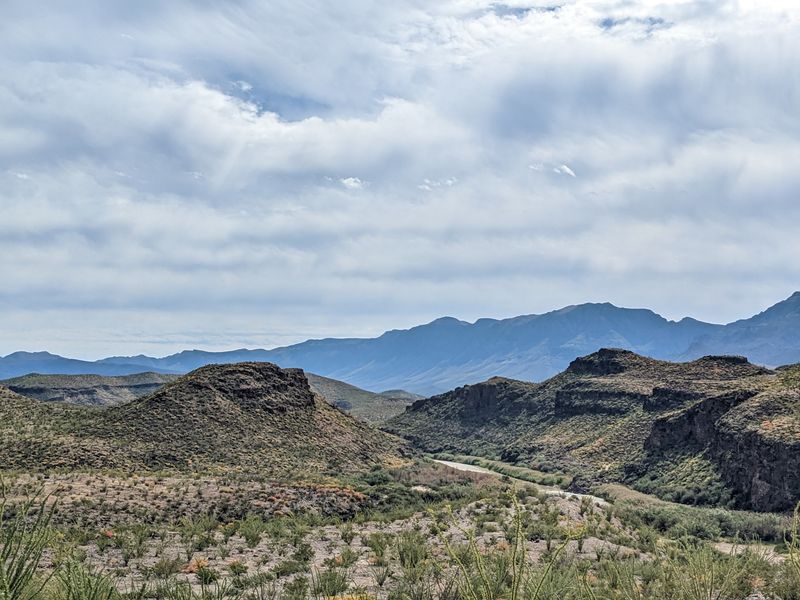
Big Bend Ranch State Park earns its reputation as the wild side of an already wild region. As Texas’s largest state park, it encompasses a staggering variety of terrain: volcanic mountains, deep canyons, open desert flats, and the dramatic Rio Grande corridor that forms its southern boundary.
Bears move through all of it, and early fall brings them into their most active phase of the year.
The park sees far fewer visitors than neighboring Big Bend National Park, which means wildlife here experiences less disturbance. That lower pressure translates directly into more natural behavior and more frequent sightings close to the road and trail systems.
Bears in this park are not particularly habituated to people, which makes encounters feel genuinely wild rather than managed.
The Ojito Adentro Trail near the Sauceda Ranger Station passes through an area that concentrates wildlife around a natural water source. Bears visit these spots predictably, especially during dry stretches in early fall when natural water becomes scarce across the broader landscape.
Arriving at the trailhead before full daylight and waiting quietly near the water source is one of the most effective strategies for a sighting.
The Cinco Tinajas Trail leads to a series of natural rock pools that hold water after seasonal rains. These tinajas attract bears along with mountain lions, javelinas, and an impressive variety of bird species.
The canyon walls surrounding the pools create a natural blind of sorts, allowing careful observers to watch wildlife approach without being easily detected.
Night skies here are exceptional, and the park’s dark sky designation makes evening hours special in their own right. But it is those first gray minutes of dawn that offer the best chance of seeing a bear move across the open terrain.
Address: 21800 FM170, Terlingua, TX 79852, United States
