You do not need to empty your wallet to have a great day out. Some of the best attractions in Texas cost exactly zero dollars but still feel like you paid for VIP access.
Think stunning views, interactive exhibits, and outdoor spots that make you forget about expensive ticket booths. The secret is knowing where to look because the free stuff does not always advertise itself loudly.
You can spend a whole morning or afternoon somewhere that feels premium without ever pulling out your card. No crowds of tour buses, no overpriced gift shops you feel guilted into visiting.
Just twelve places that prove the best things in life are actually free.
1. Texas State Capitol
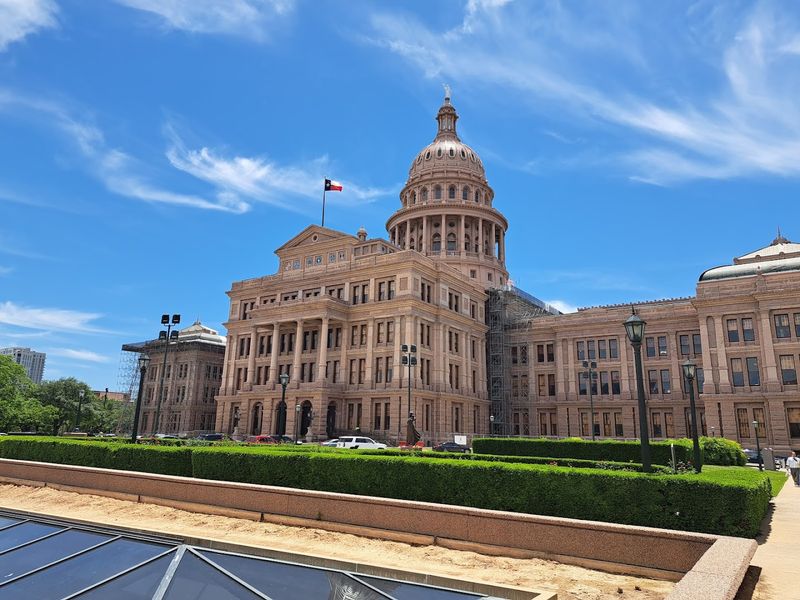
The moment you look up at that massive dome, something shifts inside you. It is hard not to feel a little awestruck by the sheer scale of the Texas State Capitol, a building that was intentionally designed to stand taller than the U.S.
Capitol in Washington, D.C. That detail alone tells you a lot about Texas pride.
Free guided tours are available throughout the week, and the guides here are genuinely passionate about what they share. You learn about battles, political drama, and architectural decisions that shaped an entire state.
The interior is just as impressive as the outside, with detailed tilework, soaring ceilings, and portraits lining the halls.
Even if history is not your thing, the grounds are beautiful and worth a slow walk. The surrounding Capitol Complex includes monuments and open green spaces that invite you to just sit and take it all in.
It feels like a place that belongs to everyone, because it does.
Address: 1100 Congress Ave, Austin, TX
2. The Alamo
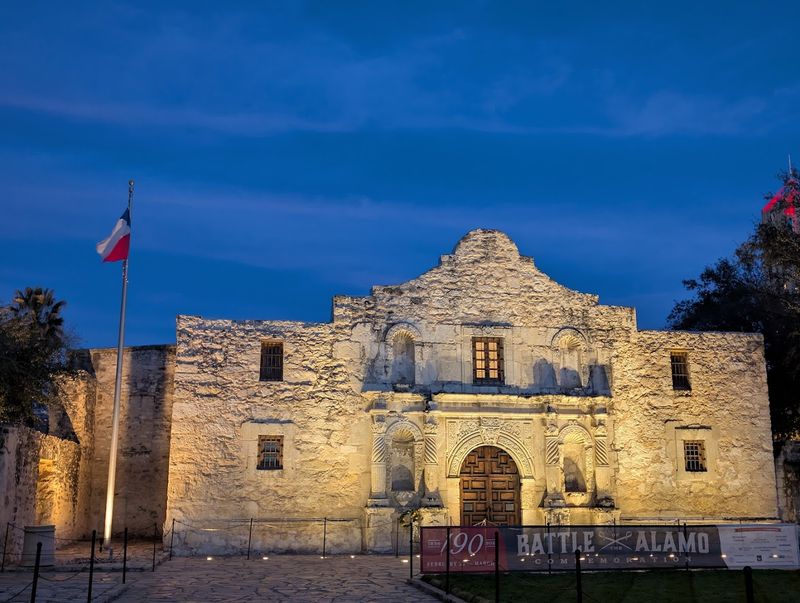
Few places in America carry as much emotional weight as The Alamo. It sits right in the heart of San Antonio, quietly holding centuries of history while the modern city buzzes around it.
The contrast between the ancient stone walls and the surrounding downtown energy is striking.
Admission is free, and the experience feels far more immersive than you might expect from a free attraction. Inside, the exhibits are thoughtful and detailed, covering the 1836 battle with honesty and depth.
You get a real sense of what the defenders faced and why this place became such a powerful symbol.
The gardens behind the main chapel are a hidden gem that many visitors overlook. They are quiet, shaded, and surprisingly peaceful given how busy the plaza can get.
Spending time back there gives you a chance to breathe and reflect on everything you have just seen.
I always recommend arriving early to beat the crowds and get the most out of the experience. The early morning light on that famous facade is something worth seeing at least once in your life.
Address: 300 Alamo Plaza, San Antonio, TX
3. San Antonio River Walk
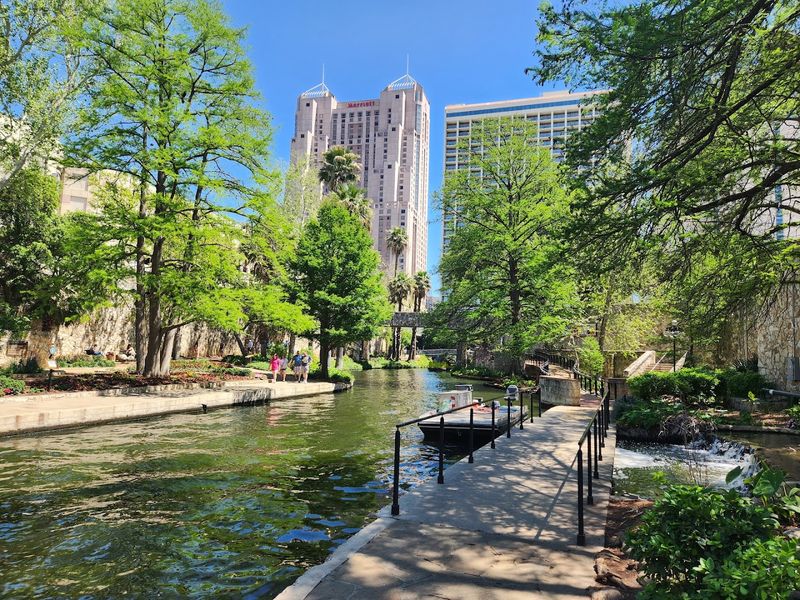
There is something undeniably romantic about the River Walk, even when you are just there for a solo afternoon stroll. The network of pathways runs along the San Antonio River for roughly fifteen miles, weaving past cypress trees, arched stone bridges, and colorful murals.
It feels like a different world hidden just below street level.
The walk itself is completely free, and it connects many of the city’s most important landmarks. You can cover a short stretch or spend an entire day exploring at your own pace.
Every bend in the path seems to reveal something new, whether it is a courtyard garden, a public art installation, or a historic marker.
One thing I love about this place is how alive it feels at any hour. Early mornings are calm and misty, while evenings bring out musicians and families enjoying the cooler air.
The energy shifts throughout the day, and the River Walk adapts beautifully to each mood.
It is the kind of place where you can simply wander without a plan and still feel like you got the full San Antonio experience.
Address: 123 Losoya Street, San Antonio, TX
4. Kimbell Art Museum
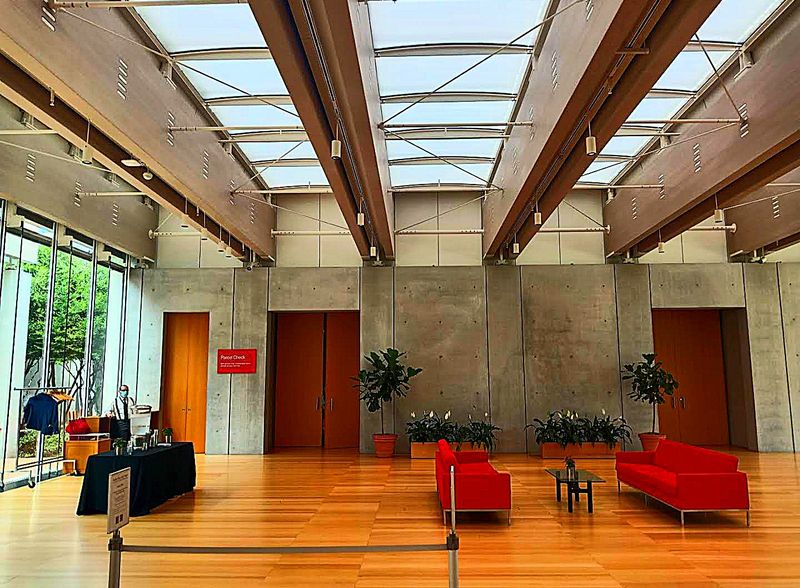
Art museums can sometimes feel intimidating, but the Kimbell Art Museum has a way of making you feel genuinely welcome. The building itself is considered a masterpiece of architecture, designed by Louis Kahn with long barrel-vaulted galleries that fill with soft natural light throughout the day.
Even if you knew nothing about art, you would feel something special just from being inside.
The permanent collection is free to visit and includes works spanning thousands of years of human creativity. You might find yourself standing in front of a Rembrandt or a Picasso, completely alone, with no velvet rope and no crowd.
That kind of quiet access to world-class art is rare.
The museum does not feel like a place that is trying to impress you. It just does.
The pace here is unhurried, and the staff are genuinely helpful without being pushy. I spent nearly three hours there once and still felt like I had not seen everything worth seeing.
Fort Worth does not always get the same attention as Dallas, but the Kimbell alone makes it a destination worth planning a trip around.
Address: 3333 Camp Bowie Blvd, Fort Worth, TX
5. The Menil Collection
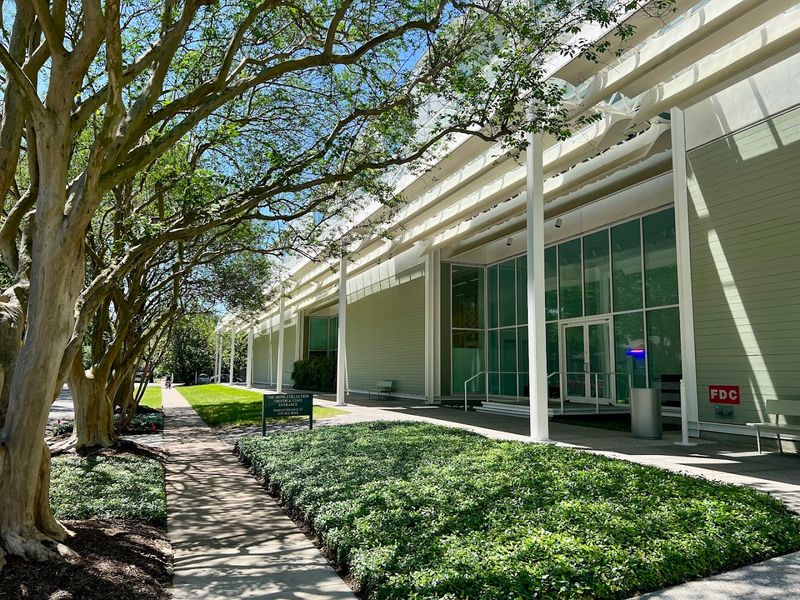
The Menil Collection sits in a quiet Houston neighborhood like a well-kept secret, surrounded by bungalows, oak trees, and a campus that feels more like a small village than a museum complex.
It was founded by philanthropists John and Dominique de Menil, who believed that great art should be accessible to everyone.
That philosophy is still felt in every corner of the place.
There is no admission fee, ever. The collection spans ancient artifacts, Byzantine art, Surrealism, and contemporary pieces, all displayed in a building that uses natural light in a way that feels almost meditative.
The galleries are never overcrowded, and the atmosphere encourages you to slow down.
Scattered across the surrounding neighborhood are several smaller Menil-affiliated spaces, including the Rothko Chapel, which is a short walk away. Each one adds a different layer to the overall experience, making the whole area feel like an open-air cultural campus.
It is a genuinely special corner of Houston that rewards those who take the time to explore it fully.
Address: 1533 Sul Ross St, Houston, TX
6. Dallas Museum of Art
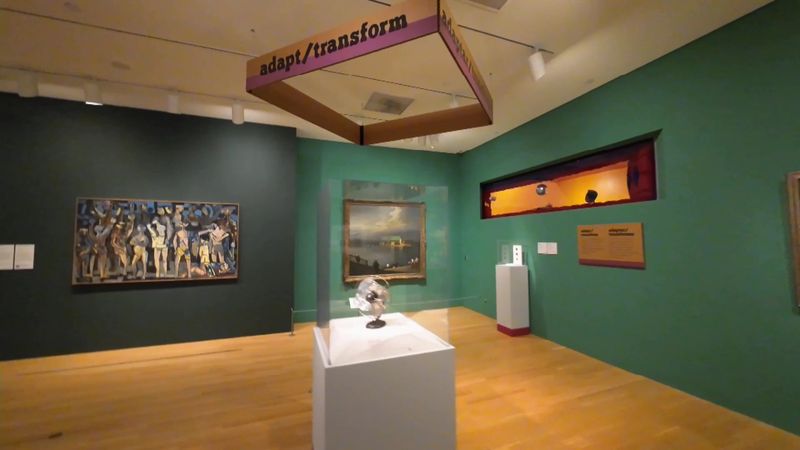
General admission to the Dallas Museum of Art has been free since 2013, and that decision changed how the entire city relates to art. Before that policy change, the museum was a place many locals had never visited.
Now it draws people from all walks of life, and you can feel that diversity the moment you walk through the doors.
The collection here is enormous, covering everything from ancient Egyptian artifacts to cutting-edge contemporary installations. There is genuinely something for every kind of visitor, whether you are a seasoned art lover or someone who wandered in off the street.
The sheer variety keeps you engaged in a way that smaller collections sometimes cannot.
The building itself is worth noting, designed by Edward Larrabee Barnes and later expanded by several other architects. The result is a layered, interesting space that feels dynamic rather than static.
I always end up spending more time here than I originally planned, mostly because there is always one more gallery I have not explored yet.
The Arts District surrounding the museum is also worth a walk, filled with outdoor sculptures and stunning architecture.
Address: 1717 N Harwood St, Dallas, TX
7. Fort Worth Botanic Garden
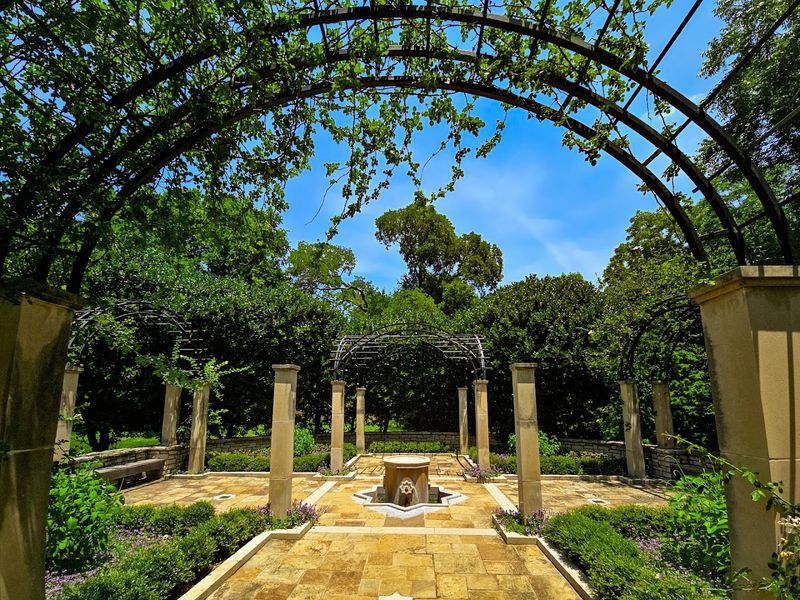
Opened in 1934, the Fort Worth Botanic Garden is the oldest botanic garden in Texas, and it has aged in the best possible way. The general garden areas are free to explore, and they span over 110 acres of themed gardens, native plant collections, and shaded walking paths.
It is the kind of place that feels different every time you visit because something is always blooming or changing.
The rose garden is particularly stunning in spring, when hundreds of varieties are in full color and the scent hits you before you even see the flowers. There is a formal Japanese Garden on the grounds that does charge a small fee, but the surrounding areas are entirely free and still deeply beautiful.
You do not need to see everything to feel like you got something meaningful out of the visit.
Families love it here, and it is easy to see why. Kids can run freely on the open lawns while adults take their time along the quieter garden paths.
The pace is relaxed and the atmosphere is genuinely restorative. It is one of those places that reminds you how good it feels to simply be outside and paying attention.
Address: 3220 Botanic Garden Blvd, Fort Worth, TX
8. Buffalo Bayou Park
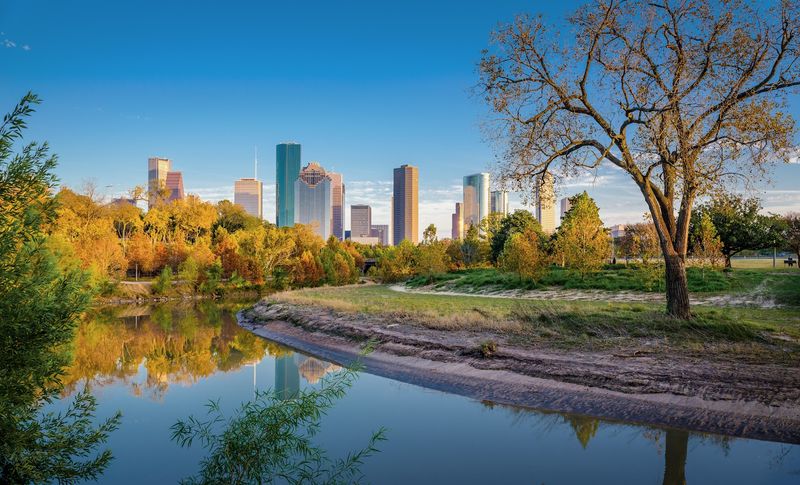
Buffalo Bayou Park is one of those urban green spaces that makes you rethink what a city park can be. Stretching along the bayou just west of downtown Houston, the park covers 160 acres of trails, public art, open lawns, and waterway views.
It is the kind of place where you can kayak in the morning, catch a yoga class at noon, and watch the sun set over the skyline by evening.
The trails are well-maintained and popular with joggers, cyclists, and dog walkers throughout the week. Public art installations are scattered along the route, and they range from playful to thought-provoking.
One of the most unique features is the Buffalo Bayou Park Cistern, a stunning underground space that hosts art exhibitions inside a former drinking water reservoir.
What makes the park feel premium is the quality of the design and the care that has gone into maintaining it. Nothing feels neglected or afterthought.
Even the pedestrian bridges have an elegance to them that you would not expect from a free city park.
Houston can be overwhelming, but this park gives you a place to exhale.
Address: 105 Sabine St, Houston, TX
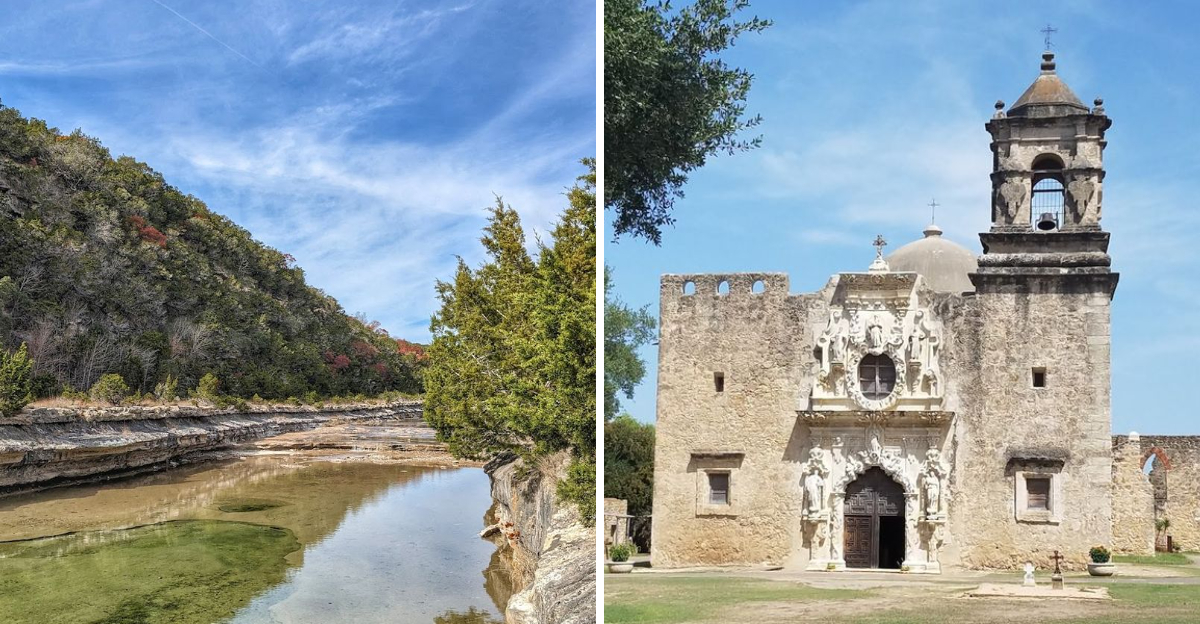
9. San Antonio Missions National Historical Park
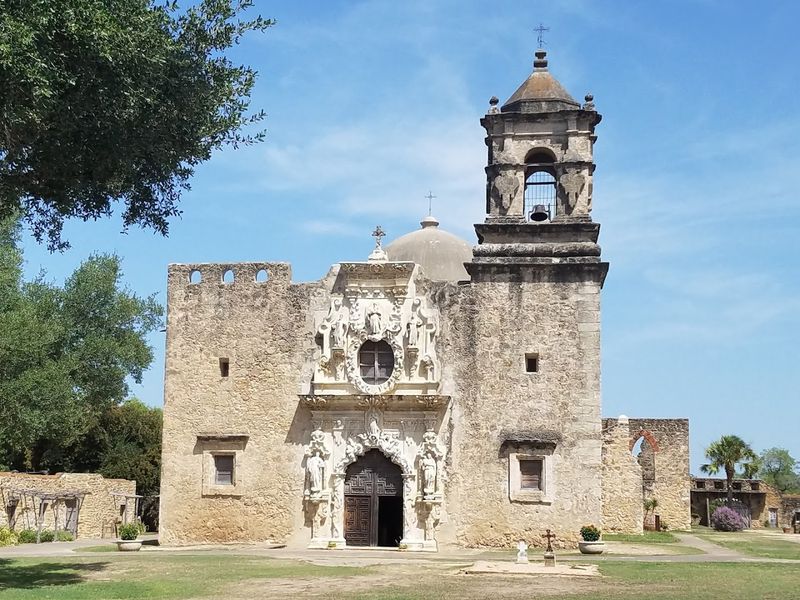
Most people know about The Alamo, but fewer realize that four other Spanish colonial missions are just a short drive south and they are all part of the same UNESCO World Heritage Site.
The San Antonio Missions National Historical Park includes Mission Concepcion, Mission San Jose, Mission San Juan, and Mission Espada, each one distinct in character and state of preservation.
Entry to the park is free, and the grounds feel genuinely historic rather than staged. Some of the missions still hold active Catholic masses, which adds a living dimension to the experience that you rarely find at historical sites.
You are not just looking at the past; you are walking through a place that still breathes.
Mission San Jose is often called the Queen of the Missions, and once you see its elaborately carved stone window, you will understand why. The artistry in that stonework is extraordinary, especially considering it was created centuries ago without modern tools.
Spending a full day moving between all four missions gives you a deep sense of the history and culture that shaped this entire region.
Address: 6701 San Jose Dr, San Antonio, TX
10. Big Thicket National Preserve
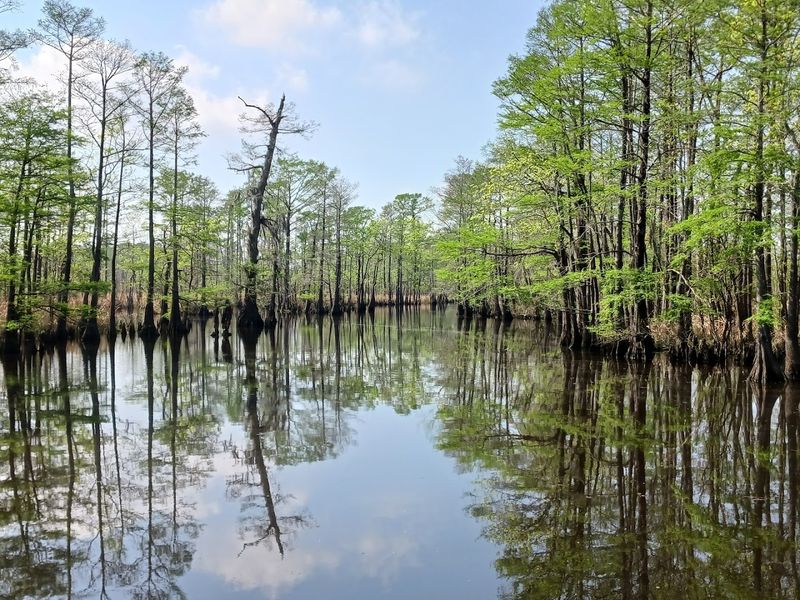
Big Thicket National Preserve is one of the most ecologically diverse places in the entire country, and most people outside of Texas have never heard of it.
Located in the Piney Woods of East Texas, it protects a remarkable overlap of ecosystems where Eastern forests, Gulf Coast plains, and Southeastern swamps all converge in one place.
Biologists have described it as a biological crossroads of North America.
Admission to the preserve is free, and the trail system offers everything from easy boardwalk loops to longer backcountry routes. You might spot carnivorous pitcher plants growing alongside alligators, or hear woodpeckers echoing through stands of ancient longleaf pine.
The biodiversity here is genuinely staggering once you start paying attention to what surrounds you.
The preserve does not have a main entrance or a single visitor hub, which gives it a slightly wild, unstructured feel that I personally love. It rewards explorers who do a little planning beforehand and come prepared.
Bring water, wear layers, and give yourself enough time to really absorb the place rather than just passing through. Big Thicket is not flashy, but it is unforgettable in the best possible way.
Address: 6102 Farm to Market 420, Kountze, TX
11. Balcones Canyonlands National Wildlife Refuge
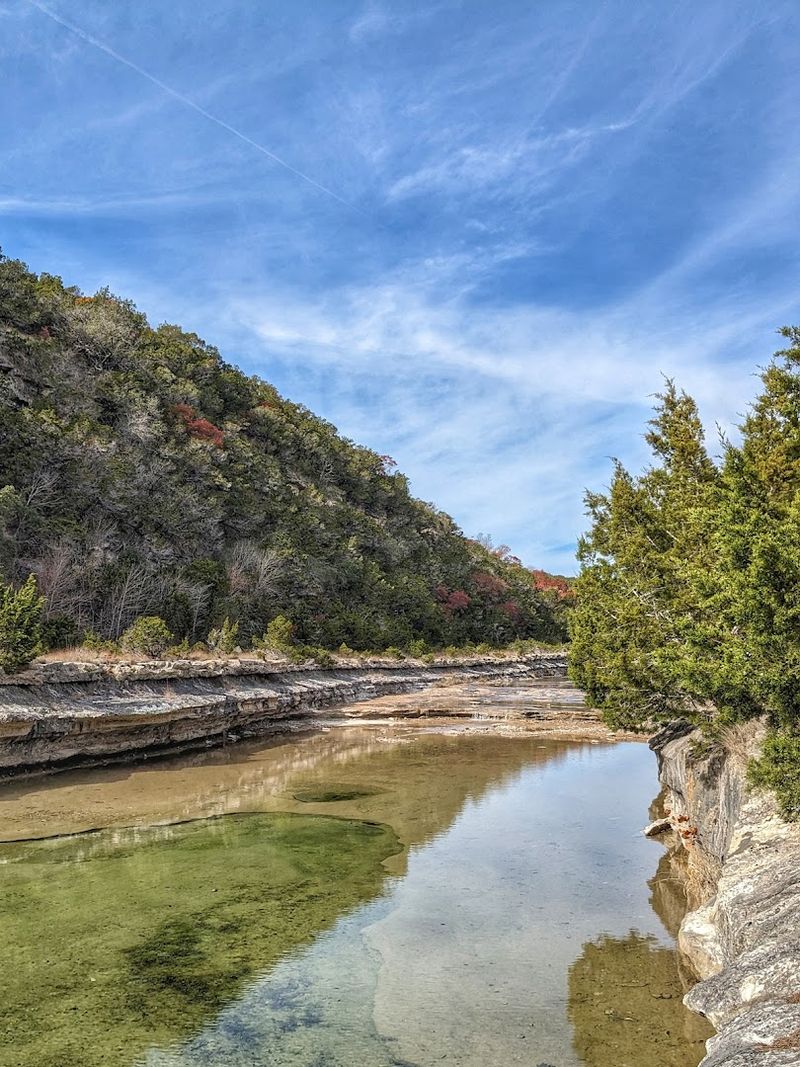
If you have never heard of Balcones Canyonlands National Wildlife Refuge, you are not alone, and that is part of what makes it so special.
Hidden into the limestone hills west of Austin, this refuge was established specifically to protect two endangered songbirds: the Golden-cheeked Warbler and the Black-capped Vireo.
What started as a conservation mission has become one of the most rewarding free outdoor experiences in Central Texas.
The landscape here is quintessential Texas Hill Country, all cedar, oak, and rugged rock formations carved by centuries of wind and water. Trails wind through canyon edges and open meadows, offering views that feel genuinely remote even though Austin is less than an hour away.
Spring is the best time to visit, when the warblers are singing and wildflowers cover the hillsides in waves of color.
Birdwatchers absolutely love this place, but you do not need to be a serious birder to enjoy it. The quiet is reason enough to come.
There is a simplicity to the experience here that feels increasingly rare, just you, the trail, and a landscape that has been protected for future generations to discover. That alone feels like a gift.
Address: 24518 FM 1431, Marble Falls, TX
12. Pioneer Plaza Cattle Drive Sculptures
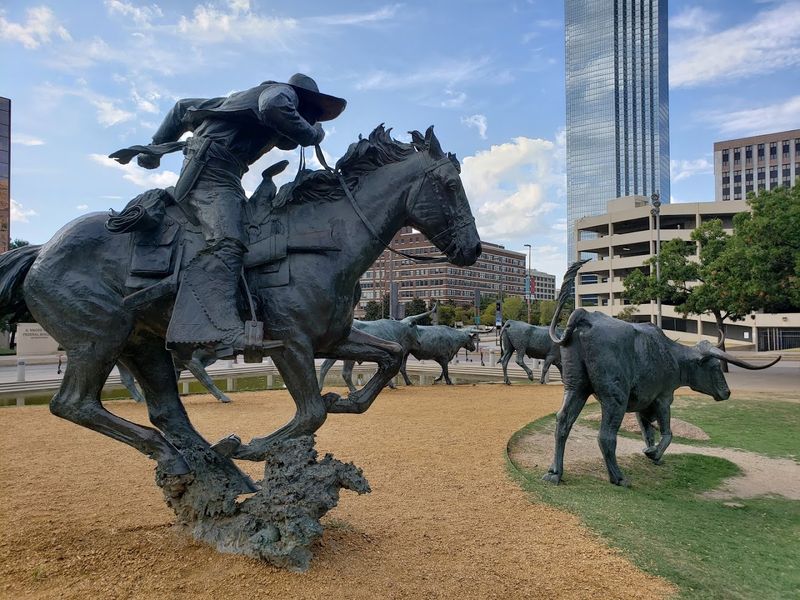
Right in the middle of downtown Dallas, forty-nine bronze longhorn steers are frozen mid-stride down a limestone bluff, guided by three larger-than-life cowboy figures on horseback.
It is one of the largest bronze monuments in the world, and it sits in a public park where anyone can walk right up and stand among the herd. The scale of it is almost surreal when you first encounter it.
Sculptor Robert Summers spent years creating the piece, and the level of detail in each animal is remarkable. Every steer has its own posture, its own energy, as if they were caught in a single moment of a real cattle drive across the Texas plains.
A small stream runs through the scene, adding movement and sound to what could have been a static display.
The surrounding park is clean, shaded, and surprisingly peaceful given its downtown location. It is the kind of public art that does not demand anything from you, no audio guide, no admission booth, no time limit.
You can spend five minutes or an hour, and both feel completely right. For anyone who wants to understand what Texas means to itself, this is a powerful and moving place to start.
Address: 1428 Young St, Dallas, TX
