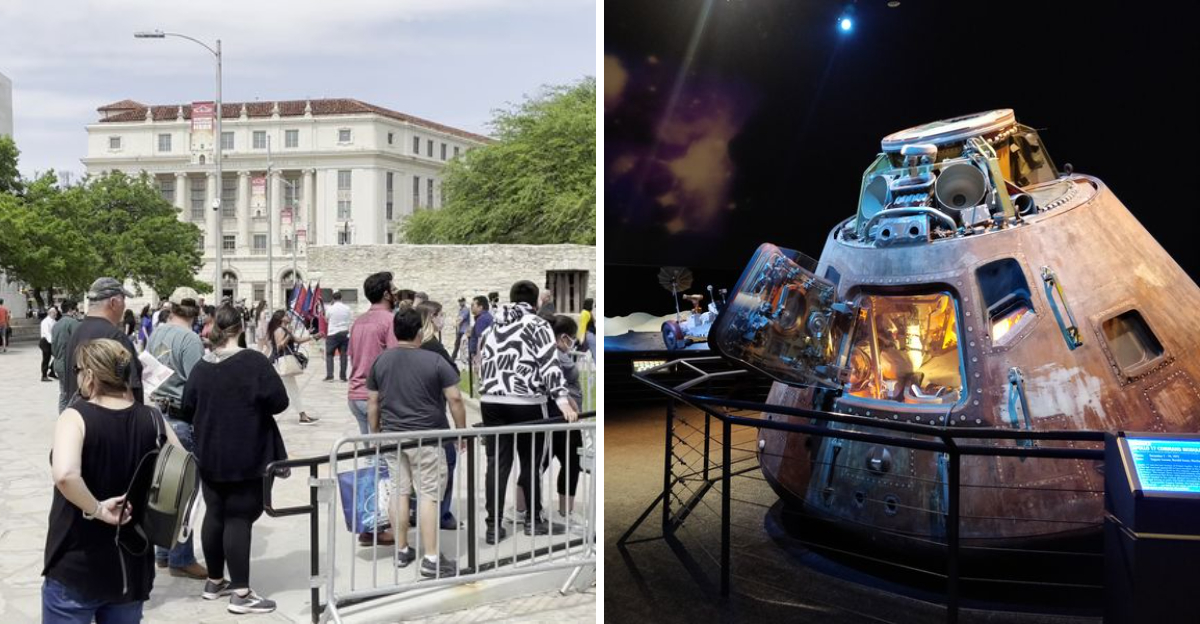
Every state has those places where tourists flock in droves while locals shake their heads and take the long way around. Texas might be bigger than most, but that just means we have more spots where out-of-towners line up for hours while residents wonder what all the fuss is about.
I have watched friends from out of state plan entire vacations around attractions that most Texans visit once, shrug, and never return to.
The Lone Star State offers incredible experiences tucked away in unexpected corners, yet visitors often gravitate toward the same handful of crowded hotspots that locals consider overhyped and overpriced.
Understanding which attractions fall into this category can help travelers make smarter choices and discover the authentic Texas that residents actually enjoy.
1. Cadillac Ranch Amarillo
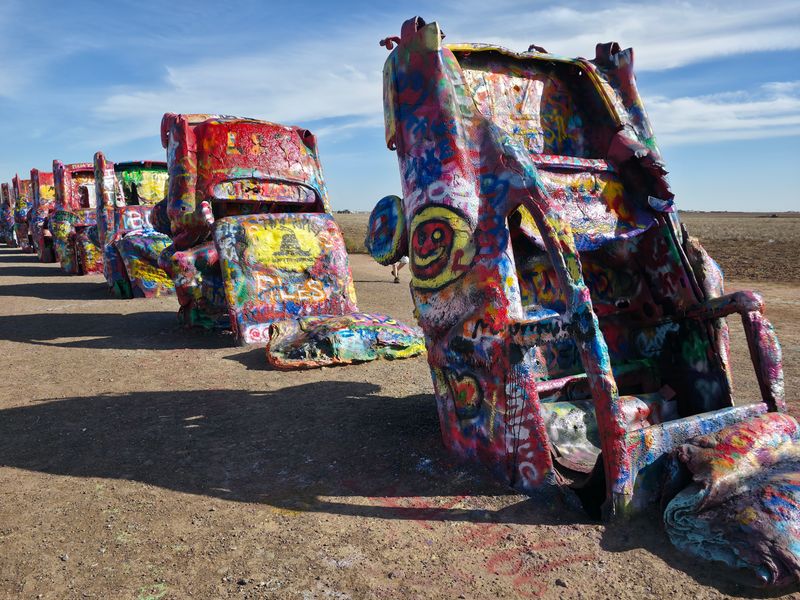
Out in the flat expanse near Amarillo, ten Cadillacs stick out of the ground at an angle, covered in layers upon layers of spray paint. Visitors drive miles out of their way to see this roadside art installation, expecting something profound or at least entertaining enough to justify the detour.
The entire experience lasts about fifteen minutes if you stretch it. You park, walk to the cars, snap a few photos, maybe add your own spray paint if you brought some, then head back to your vehicle wondering why this needed to be on your itinerary.
Locals pass by without a second glance, having long ago exhausted any novelty the installation once held.
The surrounding area offers nothing else, so this becomes a standalone stop that eats up travel time without delivering memorable experiences. Wind whips across the open field, dust gets in your eyes, and the cars themselves look exactly like they do in every photo you have already seen online.
No gift shop, no facilities, no context beyond what you could read on your phone.
Texas residents understand that Cadillac Ranch represents an interesting concept that does not translate into an actual attraction worth visiting. The art world may celebrate it, but as a tourist destination, it falls flat and leaves most visitors feeling like they just wasted gas and time for a glorified photo op.
2. Magnolia Market at the Silos Waco
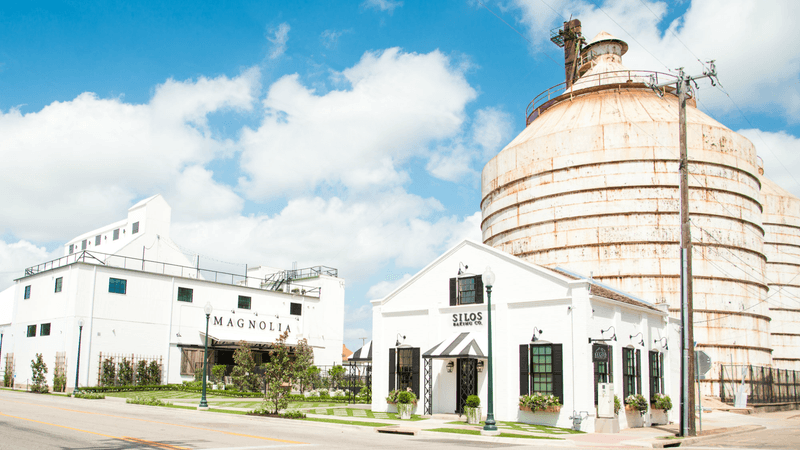
Television transformed a former industrial site in Waco into a pilgrimage destination for home decor enthusiasts who worship at the altar of shiplap and farmhouse chic. The Gaines family built an empire here, and tourists arrive by the busload expecting to capture some of that HGTV magic for themselves.
Walking through the market reveals prices that make locals wince. A simple wooden sign that cost maybe five dollars to produce sells for ten times that amount because it carries the Magnolia brand.
The crowds make browsing difficult, and the merchandise itself rarely differs from what you could find at any home goods store for a fraction of the cost.
Waco residents tire of explaining to visitors that their city offers far more interesting attractions than an overpriced gift shop. The food trucks on site serve decent fare at inflated prices, and finding parking during peak times requires patience and luck.
Long lines form for the bakery, where cupcakes cost more than a full meal at numerous excellent local restaurants nearby.
The whole enterprise feels less like an authentic shopping experience and more like a carefully constructed brand extension designed to monetize television fame.
Most items available for purchase serve no practical purpose beyond signaling that you made the pilgrimage to Waco and spent money at the place you saw on TV.
3. Big Texan Steak Ranch Amarillo
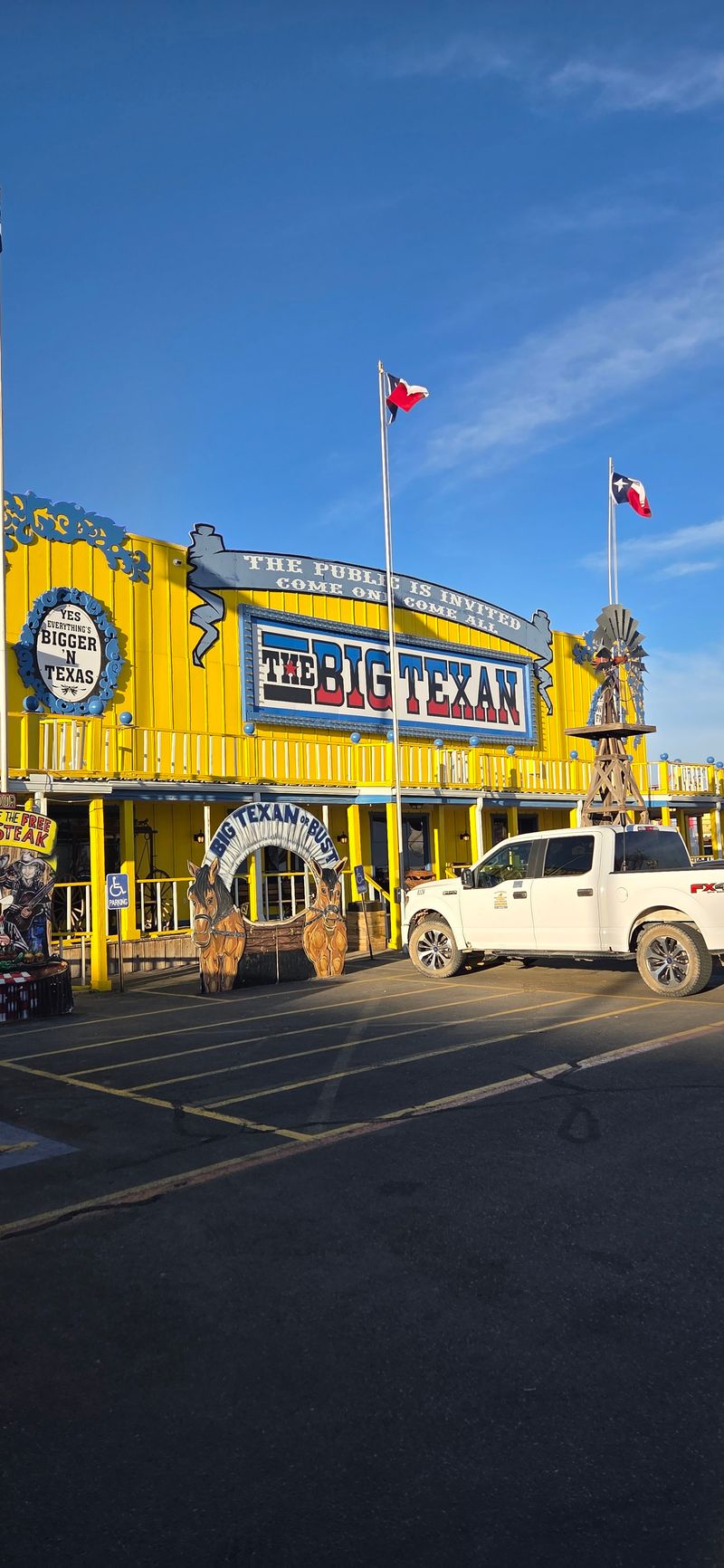
A seventy-two-ounce steak challenge and a massive cowboy statue out front draw highway travelers who want the full Texas stereotype experience. The restaurant built its reputation on gimmicks rather than quality, and locals know better than to recommend it to anyone seeking an actual good meal.
Inside, the decor screams tourist trap with every square inch covered in Western kitsch that no real ranch would ever display. Prices run high for steaks that rarely impress, and the whole atmosphere feels manufactured for people passing through rather than locals dining out.
The famous free steak challenge requires eating an enormous meal in an hour, which sounds fun until you watch someone attempt it and realize it is just sad.
Amarillo residents have dozens of better steakhouses where the meat actually tastes good and the prices reflect reality rather than tourist markup. The Big Texan succeeds because of its location along Interstate 40, capturing travelers who want to say they ate at the place they saw on television or read about online.
Service varies wildly depending on how busy they are, and busy describes most evenings during travel season.
The experience delivers exactly what it promises, which is an overpriced, mediocre meal surrounded by every Texas cliche imaginable. Actual Texas culture involves far more nuance than giant cowboy hats and seventy-two-ounce steaks, but tourists rarely discover that if they waste their dining budget here.
4. Space Center Houston
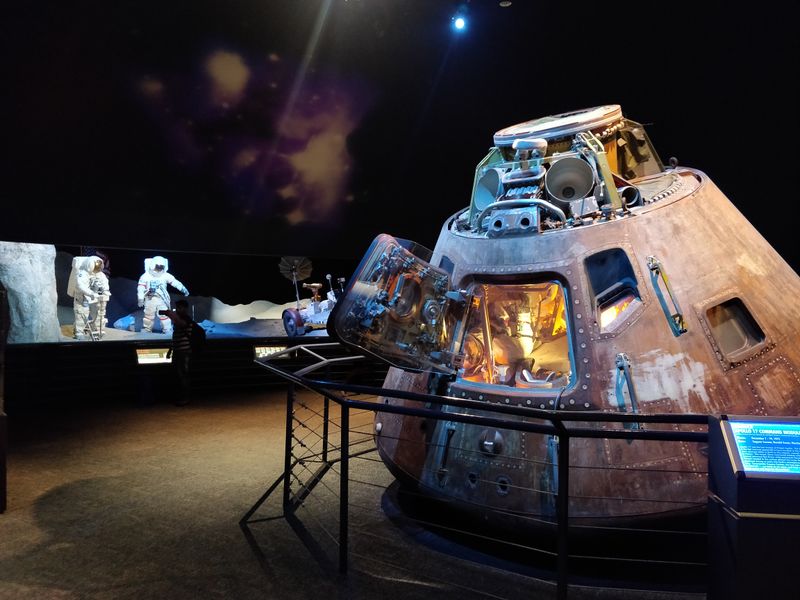
NASA’s visitor center promises an inspiring journey through space exploration history, and while the exhibits have merit, the crowds and admission prices leave many visitors feeling underwhelmed.
Families arrive expecting a full day of entertainment only to realize that much of the complex can be seen in a few hours, making the steep entrance fee harder to justify.
Houston locals generally visit once during elementary school field trips and never feel compelled to return. The tram tour to see actual NASA facilities sounds exciting but often involves long waits followed by distant views of buildings where you cannot actually go inside.
Gift shops push overpriced merchandise at every turn, and the food options inside carry the usual captive-audience markup.
Summer months bring oppressive heat and humidity that make walking between exhibits exhausting, especially for families with young children. The parking lot alone costs extra, setting the tone for an experience designed to extract maximum revenue from visitors who traveled specifically to see this attraction.
Interactive exhibits frequently malfunction or have lines too long to make participation practical.
Texas residents interested in space exploration often prefer free alternatives or smaller museums where crowds do not overwhelm the experience.
Space Center Houston works better as a quick stop rather than an all-day destination, but the pricing structure assumes you will spend hours there and leaves many feeling they overpaid for what they received.
5. The Alamo San Antonio
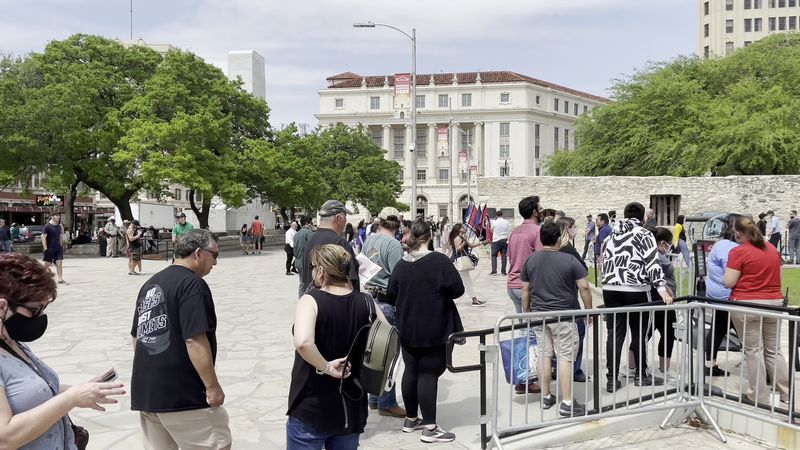
Every Texas schoolchild learns to remember the Alamo, but visiting the actual site often disappoints tourists who expected something grander than a relatively small mission building surrounded by modern San Antonio.
The shrine to Texas independence draws massive crowds who shuffle through quickly, take obligatory photos, and leave wondering what they missed.
San Antonio residents appreciate the historical significance but recognize that the Alamo functions better as a symbol than as an engaging tourist attraction.
The building itself is smaller than most visitors anticipate, and the surrounding area has been so commercialized that the solemn atmosphere one might expect at such a historic site gets lost among gift shops and tourist traps.
Free admission helps, but the crowds make lingering impossible.
Most of the interesting history requires reading plaques and signs while other tourists jostle around you trying to get their own photos. The museum portions offer some context, but nothing you could not learn more comfortably by reading a book or watching a documentary from your hotel room.
Summer heat makes standing outside in long security lines particularly miserable.
Locals suggest viewing the Alamo from outside, snapping a quick photo, and moving on to other San Antonio attractions that offer more substance.
The reality cannot match the legend built up in Texas mythology, and that disconnect leaves many visitors feeling let down by an experience that takes thirty minutes and provides little lasting impression.
6. Southfork Ranch Dallas
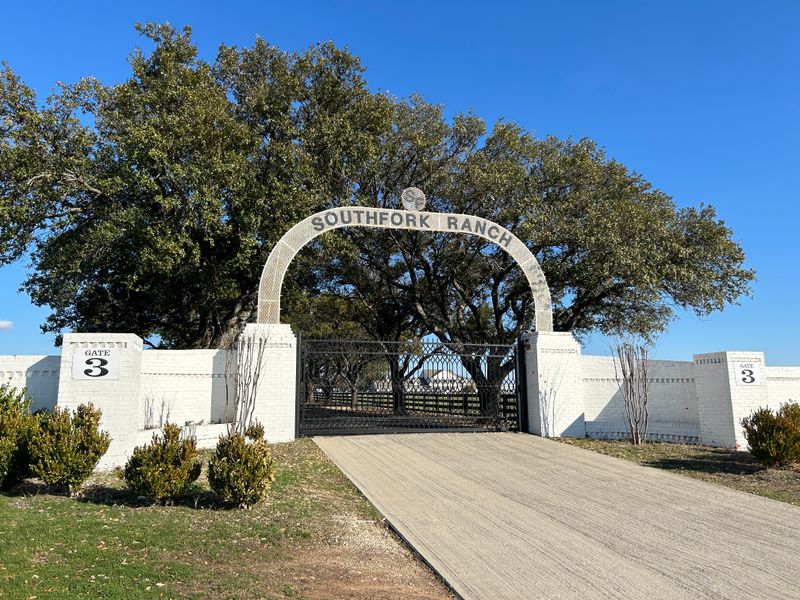
Fans of a television show that ended decades ago still make pilgrimages to this ranch north of Dallas, expecting to reconnect with their memories of oil barons and family drama.
The tour reveals a house that looks smaller in person, with rooms staged to recreate scenes most visitors barely remember from a show that younger generations never watched.
Dallas locals find the whole enterprise baffling, as the ranch itself holds no historical significance beyond serving as a filming location.
The tour guides do their best to make forty-five minutes feel worthwhile, but ultimately you are just walking through a house looking at furniture and photos from an old television series.
Gift shops sell Dallas memorabilia that feels dated and pointless unless you maintain serious nostalgia for 1980s primetime soap operas.
The drive from Dallas takes longer than the actual tour, and the surrounding area offers nothing else of interest. Admission prices seem steep for what amounts to a brief walk through a TV set that has been converted into a museum nobody asked for.
Most visitors finish the experience wondering why they thought this would be interesting in the first place.
Texas residents under fifty have no connection to the show and cannot fathom why anyone would spend money visiting this ranch. Even fans of the series often leave disappointed, realizing that their memories of the show were better than the actual physical location could ever be.
7. Galveston Island Historic Pleasure Pier
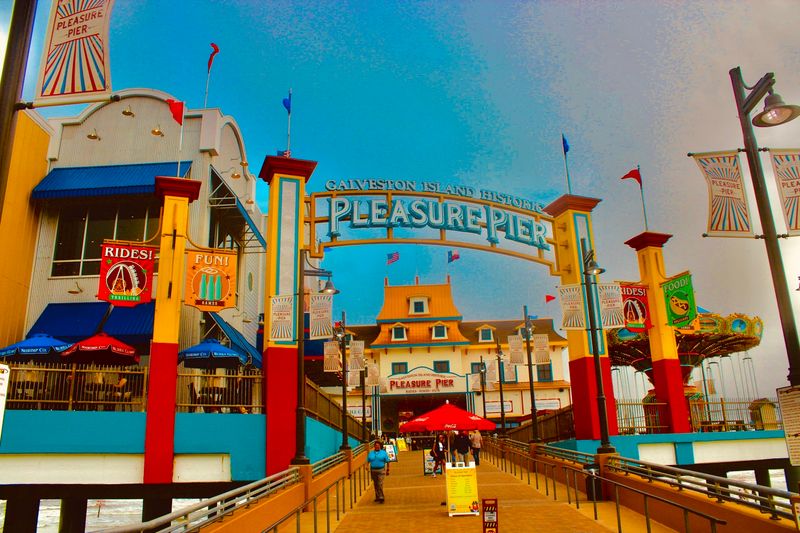
Jutting out into the Gulf of Mexico, this amusement pier tries to recreate the charm of classic seaside attractions but ends up feeling more like a small carnival with ocean views.
Visitors pay separately for parking, pier admission, and then individual rides or an expensive unlimited wristband that rarely proves worthwhile given how few attractions actually operate on any given day.
Galveston residents avoid the pier except when out-of-town guests insist on visiting, knowing that better beach experiences exist just down the coast. The rides themselves are standard fair attractions that would feel at home in any parking lot, but here they charge premium prices because they sit over water.
Food vendors serve overpriced carnival fare that tastes exactly like you expect it to, which is not a compliment.
Salt air corrodes the equipment, meaning rides frequently close for maintenance, but admission prices never drop to reflect the reduced options. The pier gets incredibly crowded during summer weekends when families descend hoping for classic beach town fun.
What they find instead is long lines, high prices, and an experience that photographs better than it actually feels to participate in.
Better piers exist along the Texas coast, and better beaches line Galveston Island itself. The Pleasure Pier survives on tourists who do not research alternatives and families who already committed to the trip before realizing they overpaid for a mediocre afternoon.
8. Fort Worth Stockyards
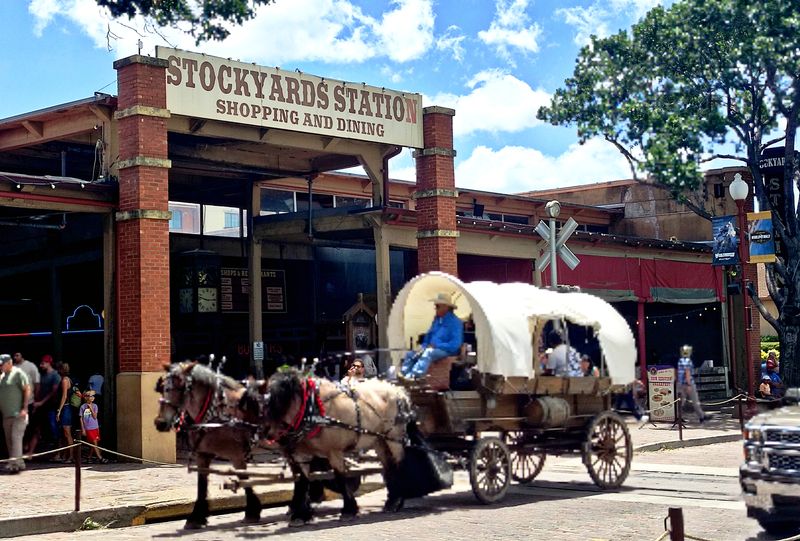
Twice daily cattle drives down brick streets give tourists their Wild West fantasy, complete with longhorns and cowboys in period costume.
Fort Worth markets this historic district as an authentic glimpse into Texas ranching heritage, but locals recognize it as a carefully staged performance designed to separate visitors from their money.
The shops lining the streets sell mass-produced Western wear and souvenirs made overseas, nothing you could not find cheaper elsewhere. Restaurants serve Tex-Mex and barbecue at prices inflated by the tourist traffic, and the quality rarely justifies the cost.
The whole area feels like a theme park version of Texas history rather than anything genuinely connected to the past.
Fort Worth residents appreciate the actual history but wish it had not been transformed into such an obvious tourist trap. The cattle drive itself lasts about ten minutes, and once you have seen it, you have experienced the main attraction.
Everything else exists to keep you there spending money on overpriced meals and unnecessary souvenirs. Parking costs extra, and the crowds during peak times make simply walking around exhausting.
Better examples of Texas ranching culture exist throughout the state where authenticity has not been sacrificed for tourist dollars.
The Stockyards work fine for a quick photo opportunity, but spending hours or planning an entire day around this attraction leaves most visitors feeling like they experienced a sanitized, commercialized version of something that should have been more meaningful.
9. Reunion Tower Dallas
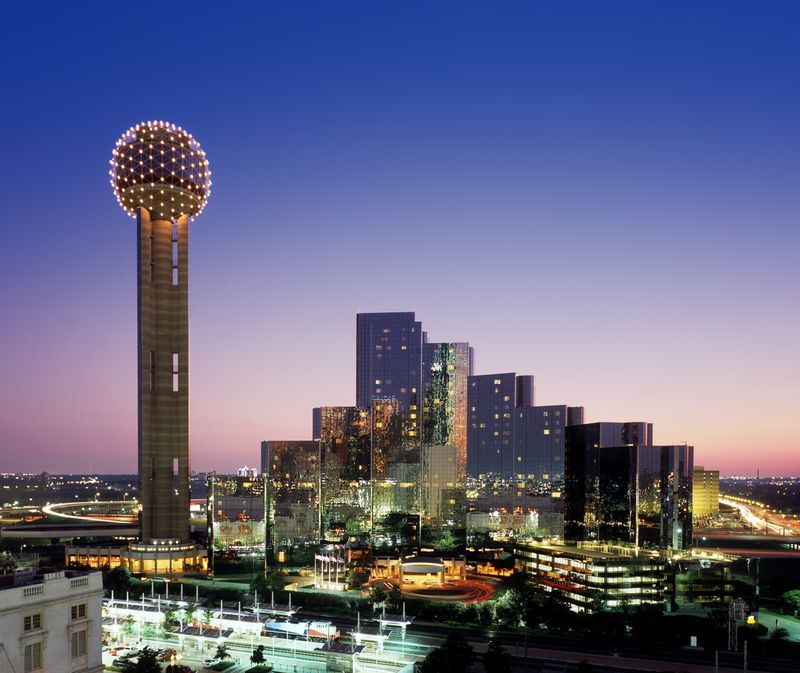
The glowing geodesic sphere atop this Dallas tower has become an iconic part of the skyline, and the observation deck promises panoramic views of the metroplex.
What visitors get is an expensive elevator ride to a crowded deck where you look out at sprawl stretching in every direction with few distinguishing landmarks to identify.
Dallas residents joke that the best thing about Reunion Tower is that when you are up there, you do not have to look at Reunion Tower. The views themselves prove underwhelming unless you have a specific interest in seeing highways and office buildings from above.
The rotating restaurant charges premium prices for mediocre food, banking on the novelty of dining while slowly spinning rather than the quality of the cuisine.
Admission costs more than observation decks in cities with actual dramatic skylines or natural features to observe. The gift shop pushes overpriced souvenirs, and the whole experience feels designed for tourists who want to check a box rather than actually enjoy themselves.
Better views of Dallas exist from several locations that cost nothing and do not involve crowds or time limits.
Most locals have been up Reunion Tower exactly once, usually as children on a school trip, and never felt compelled to return. The tower works as a navigational landmark when driving through Dallas, but as an actual attraction worth visiting, it falls well short of justifying the price and time investment required.
10. Dealey Plaza Dallas
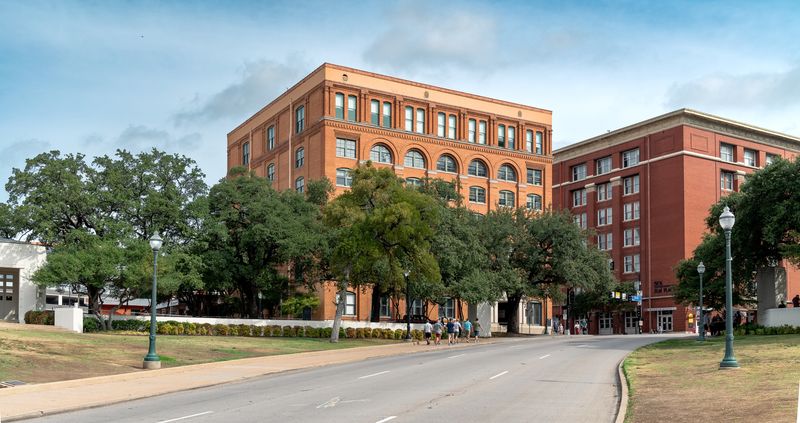
The site of President Kennedy’s assassination draws history buffs and conspiracy theorists who want to stand where one of America’s darkest moments occurred.
What they find is a busy downtown intersection that has been absorbed into modern Dallas, with the famous grassy knoll now surrounded by roads and buildings that make imagining the historical moment difficult.
The Sixth Floor Museum charges admission to see exhibits about the assassination, but the plaza itself is just a public space where cars drive past and locals eat lunch on benches.
Visitors stand on street corners trying to visualize the motorcade route while traffic whizzes by, making the whole experience feel disconnected from the gravity of what happened there.
Souvenir vendors and conspiracy theory hawkers set up nearby, commercializing tragedy in ways that feel deeply uncomfortable.
Dallas residents largely ignore Dealey Plaza unless cutting through downtown, having long ago processed the historical significance without needing to visit regularly.
The plaza works better as a quick stop than a destination, and spending more than twenty minutes there leaves most visitors wondering what else they expected to gain from standing at an intersection.
The museum provides context, but the plaza itself offers little beyond a geographic location tied to a historical event.
Better Dallas attractions exist that showcase the city’s culture and growth rather than dwelling on a single traumatic moment. Dealey Plaza matters historically, but as a tourist experience, it disappoints more often than it enlightens or moves visitors in meaningful ways.
Dear Reader: This page may contain affiliate links which may earn a commission if you click through and make a purchase. Our independent journalism is not influenced by any advertiser or commercial initiative unless it is clearly marked as sponsored content. As travel products change, please be sure to reconfirm all details and stay up to date with current events to ensure a safe and successful trip.
