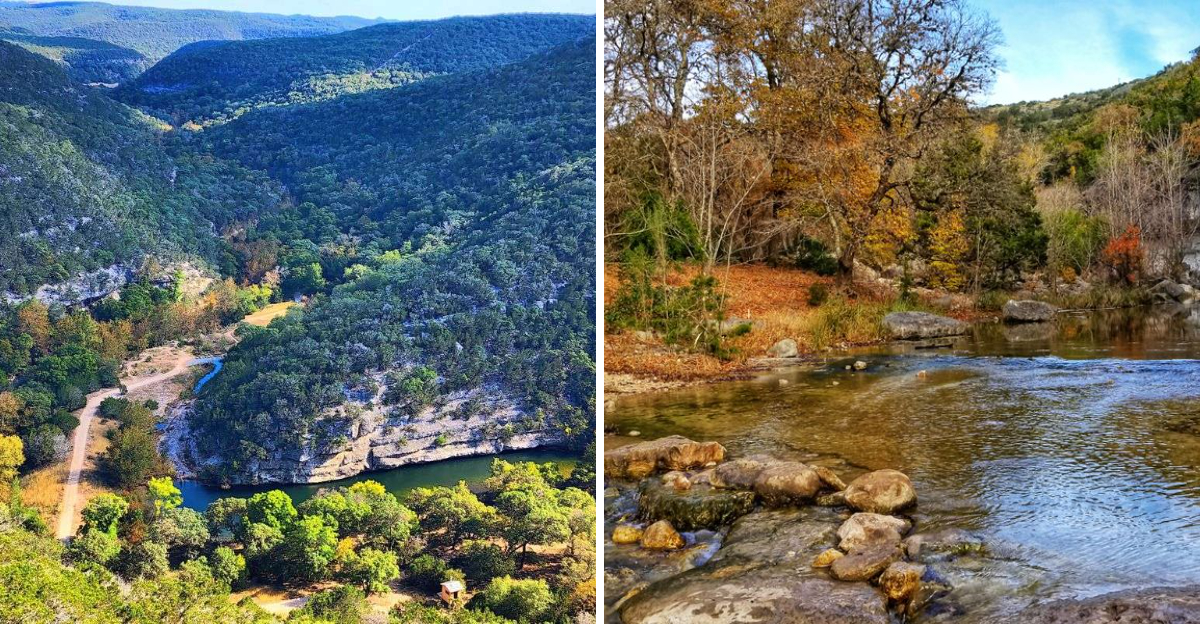
Winter in Texas brings a quietness to the land that transforms backroads into peaceful ribbons of discovery.
When the temperatures drop and the crowds thin out, locals know exactly where to go for unhurried drives that soothe the soul and awaken the senses.
These routes wind through Hill Country valleys, trace the Rio Grande through desert canyons, and meander past limestone cliffs that glow golden in the soft winter light.
Whether you crave wide open skies or intimate forest roads, Texas backroads offer a kind of calm that feels like coming home.
1. FM 170 River Road
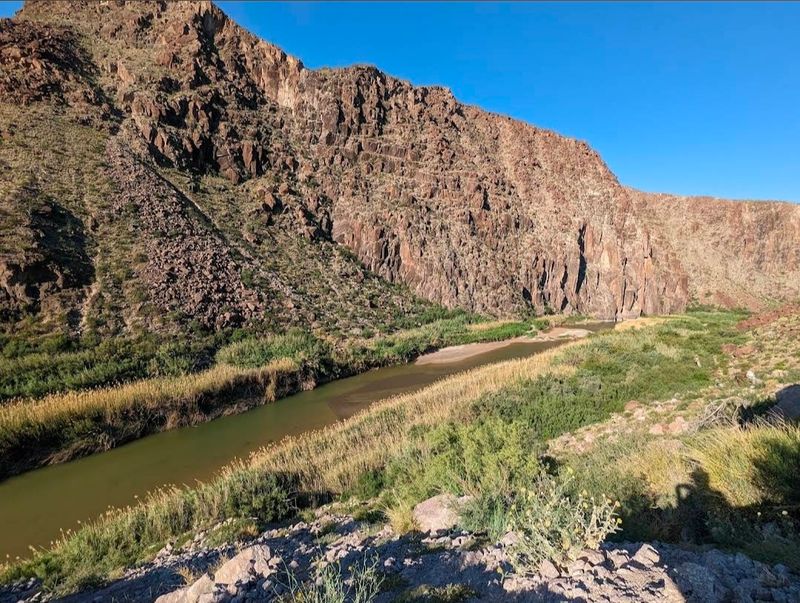
Stretching roughly 120 miles from Terlingua to Presidio, FM 170 earns its reputation as one of the most dramatic drives in the entire state.
Known affectionately as River Road, this route hugs the Rio Grande so closely you can almost hear the water murmuring its ancient song as you pass.
Towering cliffs rise on one side while the river curves gracefully on the other, creating a corridor of raw beauty that feels timeless and untouched.
Winter brings out the best in this landscape.
The harsh summer heat gives way to mild temperatures that make every moment outside the car a pleasure rather than an endurance test.
Golden light bathes the canyon walls in the late afternoon, turning the rock faces into glowing canvases of orange, red, and amber.
The road itself twists and turns with the river, demanding your attention but never feeling rushed or stressful.
Every curve reveals something new: a hidden side canyon, a cluster of desert willows clinging to the riverbank, or a stretch of rapids where the Rio Grande picks up speed.
Small settlements appear occasionally, their adobe structures and simple churches reminding you that people have called this harsh but beautiful land home for centuries.
Locals treasure this drive for its ability to strip away the noise of modern life.
Out here, your phone signal fades, your schedule becomes irrelevant, and the only thing that matters is the road ahead and the landscape unfolding around you.
Bring plenty of water, a full tank of gas, and an open heart ready to absorb the desert’s stark magnificence.
2. Willow City Loop
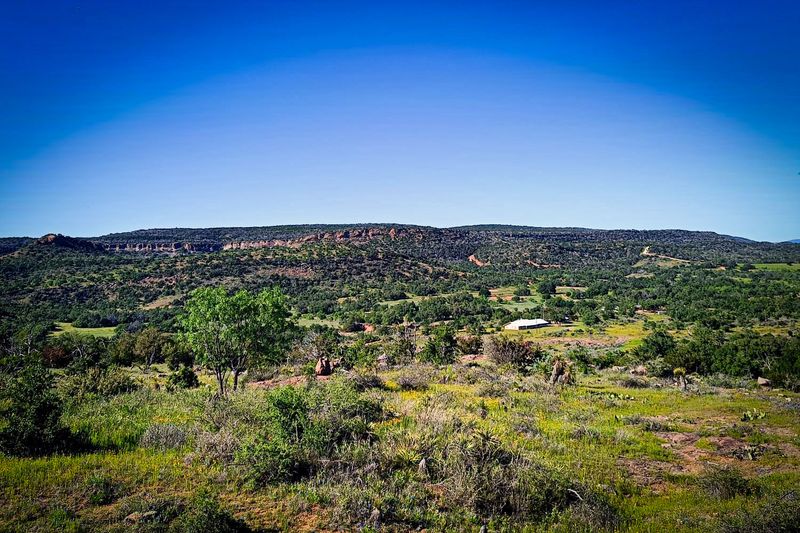
Just outside Fredericksburg lies a 13-mile stretch of road that captures the essence of Texas Hill Country in its most peaceful form.
Willow City Loop gained fame for its spectacular wildflower displays each spring, when bluebonnets and Indian paintbrush turn the roadsides into living tapestries of color.
But even without the blooms, this loop offers something equally valuable: a sense of spaciousness and calm that feels increasingly rare in our crowded world.
Winter strips the landscape down to its essential beauty.
The ranchland spreads out in shades of tan, brown, and muted green, punctuated by sturdy live oaks that have weathered countless seasons.
Cattle graze peacefully behind wire fences, barely lifting their heads as you pass, perfectly content in their slow-paced existence.
The road itself curves gently through the countryside, never demanding too much attention but keeping you engaged with its subtle shifts in elevation and direction.
Historic barns and farmhouses appear along the way, their weathered wood and rusted metal roofs telling stories of families who worked this land long before highways connected every corner of Texas.
Winter light here has a special quality, softer and more forgiving than the harsh glare of summer, making every view seem painted rather than photographed.
Locals appreciate this loop for its accessibility and its ability to deliver a genuine country experience without requiring an entire day’s commitment.
You can complete the circuit in less than an hour if you rush, but the real magic happens when you slow down, pull over at one of the many informal roadside spots, and simply sit with the silence.
Bring a camera, but also bring the willingness to put it down and just be present in the moment.
3. Devil’s Backbone
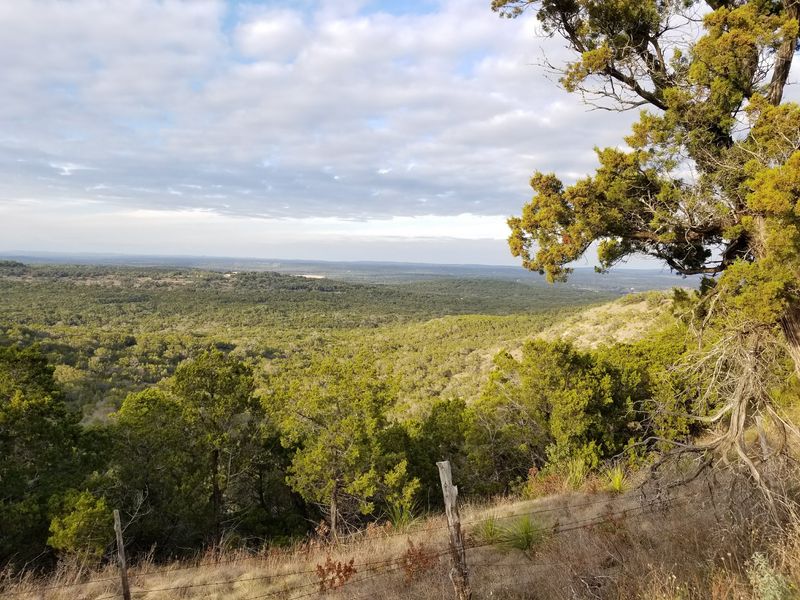
Between Wimberley and Blanco runs a 51-mile ribbon of asphalt that locals call Devil’s Backbone, a name that hints at the dramatic topography you’ll encounter.
This route follows a high limestone ridge that rises above the surrounding valleys like the spine of some ancient sleeping giant.
From certain points along the drive, you can see for miles in every direction, with layer upon layer of hills fading into the distance in progressively lighter shades of blue.
The views from Devil’s Backbone rank among the finest in all of Texas.
Expansive valleys open up below, dotted with ranches and small homesteads that look like miniatures from this elevated vantage point.
Rugged hills march off toward the horizon, their irregular shapes creating a landscape that feels both wild and welcoming at the same time.
Winter enhances the experience by clearing away the summer haze that sometimes obscures the distant views.
The air feels crisp and clean, carrying scents of cedar and limestone dust that seem to sharpen your senses.
The road itself demands respect without being dangerous, with enough curves and elevation changes to keep you engaged but never anxious.
Pull over at one of the several scenic overlooks and you’ll understand why generations of Texans have made this a pilgrimage route.
The silence up on the ridge feels profound, broken only by the occasional whisper of wind through the cedars or the distant cry of a hawk riding the thermals.
Local families have been taking Sunday drives along Devil’s Backbone for as long as anyone can remember, treating it as a kind of reset button for the soul.
Pack a picnic lunch, find a spot with a view, and let the vastness of the Hill Country remind you how small your worries really are.
4. Medina River Valley
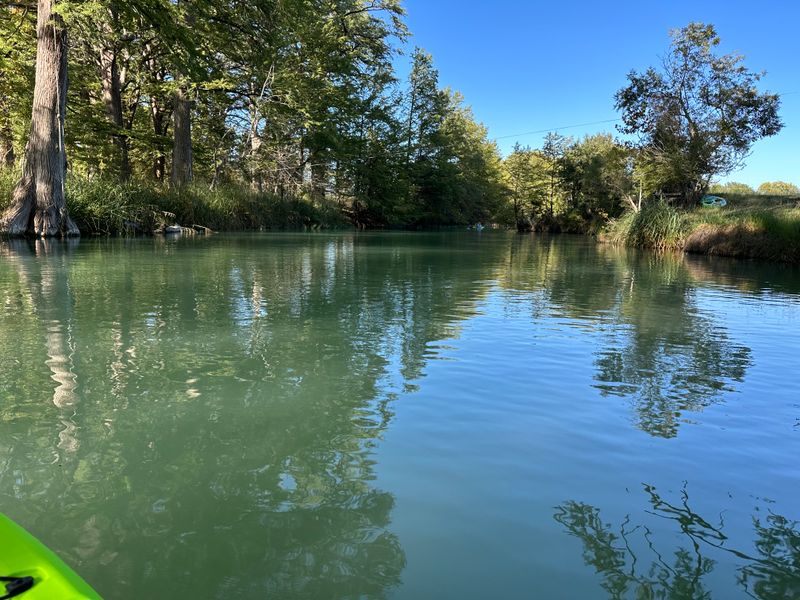
Following the Medina River as it carves its way through the Hill Country offers a different flavor of Texas backroad beauty.
The valley roads that parallel this waterway provide intimate views of riparian landscapes that contrast beautifully with the drier upland areas.
Bald cypress trees line the riverbanks in many spots, their distinctive knees poking up through the shallow water and their bare winter branches creating delicate patterns against the sky.
The river itself varies from placid pools to quick-moving riffles, always present as a silver thread connecting the landscape.
Limestone bluffs rise on either side of the valley in places, their layered faces revealing millions of years of geological history in shades of cream, tan, and pale gray.
Winter transforms the Medina River Valley into a study in subtle colors and textures.
The grasses along the riverbanks turn golden, the trees show their elegant bone structure without summer’s leafy disguise, and the water runs clear enough to see the rocky bottom in shallow sections.
Small parks and river access points dot the route, inviting you to stop and walk down to the water’s edge.
The sound of flowing water adds a soothing soundtrack to your journey, a constant reminder that life and movement continue even in the quietest season.
Local residents treasure these valley roads for their shade in summer and their shelter from winter winds.
The slightly lower elevation and proximity to water create a microclimate that feels a few degrees warmer than the surrounding hills, making winter drives especially pleasant.
Watch for white-tailed deer coming down to drink, particularly in the early morning or late afternoon when they feel most comfortable venturing into the open.
Bring binoculars if you’re interested in birds, as the river corridor attracts species you won’t see in the drier uplands.
5. Lost Maples Scenic Loop
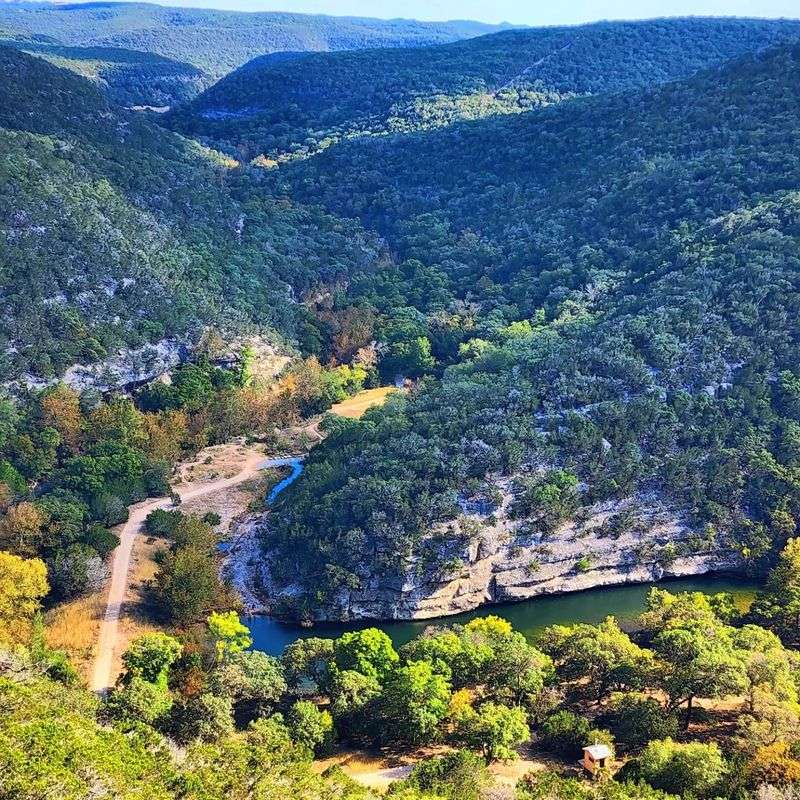
The roads around Lost Maples State Natural Area offer something unique in Texas: a landscape where bigtooth maple trees create seasonal drama in a state not known for fall color.
While autumn brings the crowds seeking those famous golden and crimson leaves, winter provides an entirely different but equally valuable experience.
The maples stand bare, revealing the elegant structure of their branches and allowing clearer views of the surrounding canyon country.
Sabinal Canyon cuts deep through limestone layers, creating steep walls that rise dramatically from the creek bottom.
The roads that wind through and around this area follow the natural contours, sometimes hugging the canyon rim for spectacular views, other times descending to creek level where the perspective shifts to intimate rather than expansive.
Winter water levels in the Sabinal River vary from year to year, but even in drier periods you’ll find pools and flowing sections that support surprising biodiversity.
The canyon walls show their geological story clearly in winter light, with distinct layers marking different epochs of deposition and the occasional fossil visible to patient observers.
Small caves and overhangs pock the cliff faces, reminders that this limestone dissolves slowly over time, creating underground passages and surface shelters.
The drive through this area rewards geological curiosity as much as scenic appreciation.
Local geology enthusiasts consider this one of the best places in the Hill Country to read landscape history written in stone.
Beyond the state park boundaries, the loop continues through ranch country where the maple influence fades but the canyon drama remains.
Tiny communities appear occasionally, their few buildings clustered around a crossroads or old general store that still serves local residents.
Pack layers for temperature changes as you move between sunny ridgetops and shaded canyon bottoms, and bring a field guide if you want to identify the various trees and shrubs that make this ecosystem unique.
6. Pedernales River Road
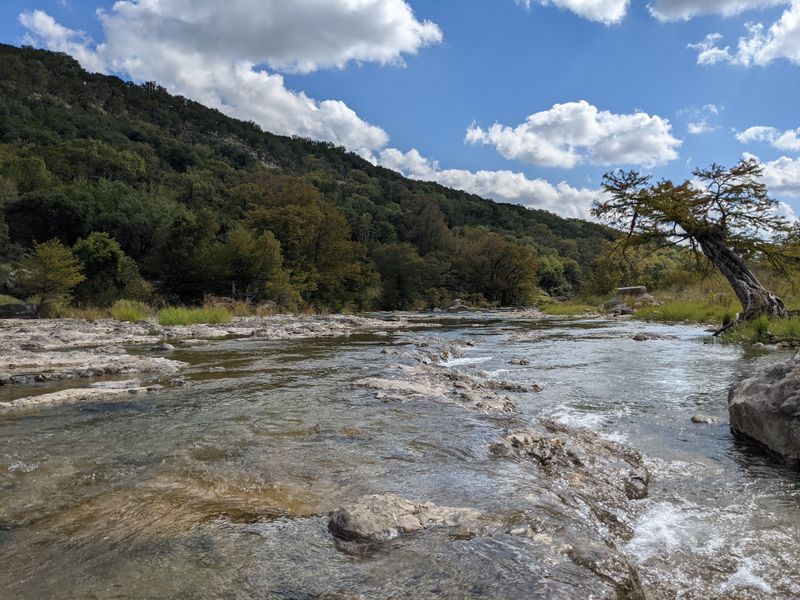
Roads that follow the Pedernales River provide access to some of the most historically significant and scenically beautiful country in central Texas.
This river played a crucial role in the settlement of the Hill Country, and the roads along its banks connect communities that still maintain their small-town character despite proximity to growing urban areas.
The Pedernales itself alternates between wide, shallow stretches where the limestone bedrock creates natural crossings and deeper pools carved into the rock over countless floods.
Winter transforms the river into a clear-running stream where you can watch fish holding in the current and see every pebble on the bottom in shallow sections.
Limestone outcrops along the river road create natural sculptures, their surfaces pitted and carved by water into fantastic shapes that spark the imagination.
Live oak and cedar trees cluster near the water, while the higher ground supports grasslands dotted with prickly pear cactus and occasional stands of juniper.
The landscape feels quintessentially Texan, combining elements of the arid west with the greener east in proportions that create something unique to this region.
Small parks and river access points invite you to stop and walk down to the water, where the sound of flowing current and the sight of clear water over white limestone create an instantly calming effect.
Locals know the best swimming holes and fishing spots, knowledge passed down through families who have lived along this river for generations.
Winter means you’ll have many of these spots to yourself, with only the occasional fisherman or photographer sharing the solitude.
The road quality varies from paved state highways to county roads that require a bit more attention, but all remain accessible to regular vehicles in normal weather conditions.
Watch for wildlife, particularly in early morning and evening when deer, wild turkey, and occasionally javelina move between the river and the surrounding hills.
7. Leakey to Vanderpool Route
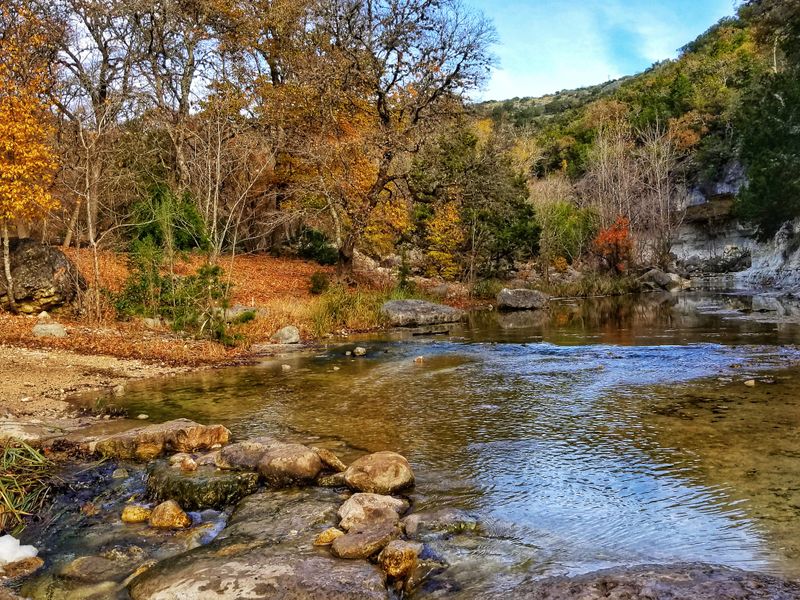
The route connecting Leakey to Vanderpool threads through the heart of what locals call the Real Hill Country, where development remains minimal and ranch life continues much as it has for generations.
These small communities serve as anchors for the surrounding rural areas, offering basic services and a sense of place that makes them more than just dots on a map.
The road between them follows valleys and crosses ridges, constantly shifting perspective and revealing new aspects of the landscape.
Frio Canyon influences much of this route, with the Frio River’s presence felt even when the water itself isn’t visible from the road.
The slightly increased moisture near the river supports lusher vegetation, creating corridors of green that contrast with the drier uplands.
Winter brings the river down to more intimate levels, exposing gravel bars and rocky shelves that summer floods keep hidden.
The small towns themselves reward brief stops, with local cafes serving honest food to ranchers and travelers alike, and occasional antique stores offering treasures from Hill Country history.
These communities feel genuinely welcoming rather than tourist-oriented, maintaining their authentic character because they serve local needs first and visitor curiosity second.
Between the towns, the landscape opens up into classic Hill Country vistas: limestone hills covered in cedar and oak, valleys where cattle graze, and skies that seem impossibly large and blue on clear winter days.
The road demands attention without being stressful, with enough curves and elevation changes to keep you engaged but never feeling dangerous or rushed.
Locals make this drive regularly for work, shopping, or simply to visit friends in the next community, but they never seem to lose appreciation for the beauty of the route.
That kind of lasting appeal says something important about a landscape: it doesn’t just impress on first viewing but continues to nourish the soul with repeated exposure.
Bring cash for small-town purchases, as some businesses still operate on a cash-only basis, and don’t expect cell service throughout the entire route.
Dear Reader: This page may contain affiliate links which may earn a commission if you click through and make a purchase. Our independent journalism is not influenced by any advertiser or commercial initiative unless it is clearly marked as sponsored content. As travel products change, please be sure to reconfirm all details and stay up to date with current events to ensure a safe and successful trip.
