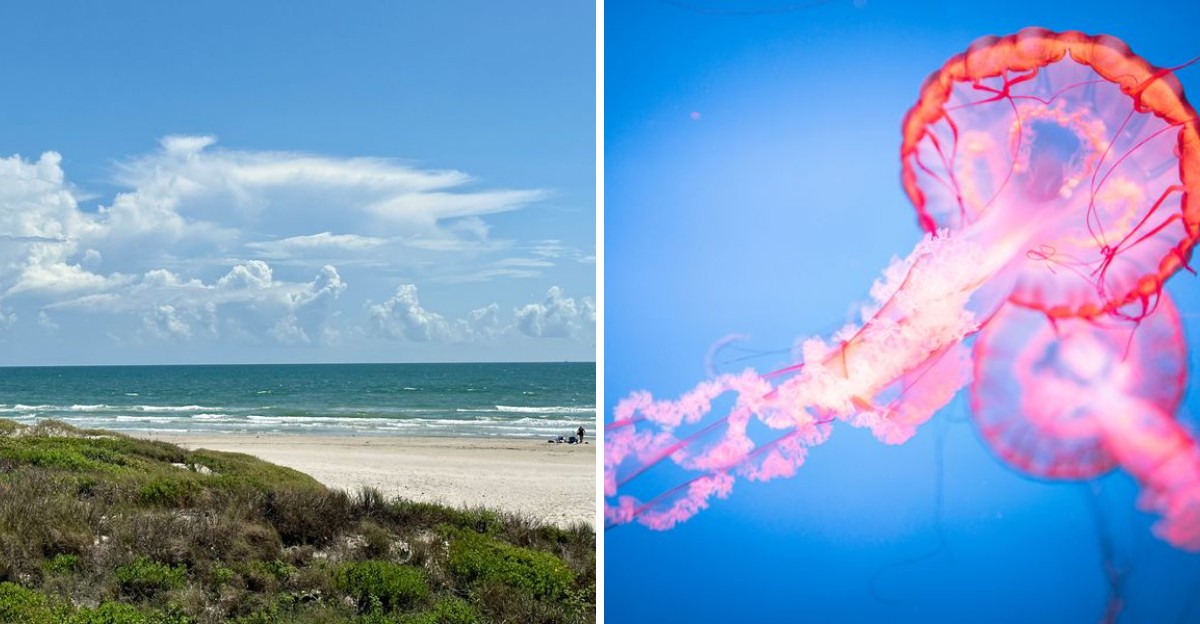
September on the Texas coast usually means warm water, smaller crowds, and a nice break from the summer rush. This year, it also means jellyfish.
Lots of them. Several beaches are seeing a major surge in jellyfish numbers, which can turn a relaxing swim into a painful lesson in marine biology.
It is a seasonal thing, but this year the numbers are higher than usual. That does not mean you have to skip the beach entirely.
It just means paying attention, watching where you step, and maybe packing a little vinegar in your beach bag just in case. The coast is still beautiful this time of year.
The sunsets are still worth the drive. Just keep an eye out for the clear, floating blobs and give them plenty of space.
They were here first, after all. A little caution goes a long way.
1. Galveston Island State Park
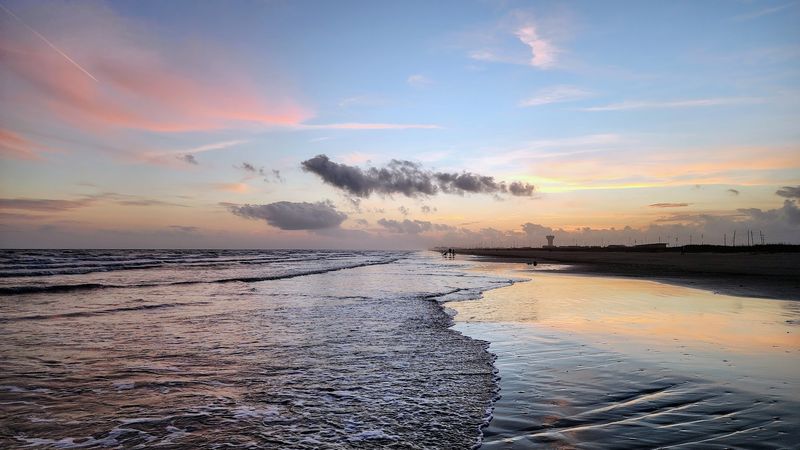
Few places along the upper Texas coast capture the raw, unfiltered beauty of the Gulf quite like this sprawling 2,000-acre barrier island refuge.
Galveston Island State Park sits at a fascinating crossroads of ecosystems, where open beach meets wetland prairie and quiet bayou, creating a layered coastal environment that feels genuinely alive in every direction.
September brings a noticeable shift to the park’s shoreline. Moon jellyfish, those soft, disc-shaped creatures that drift with almost dreamlike grace, begin appearing in impressive numbers, often washing ashore in clusters after storm surges or shifting tides push them landward.
Previous Septembers have recorded thousands of these translucent animals along this very stretch of beach, making it one of the more dramatic jellyfish hotspots on the upper coast.
Beyond the jellyfish spectacle, the park offers paddling trails along Dana Cove, Jenkins Bayou, and Oak Bayou, each winding through habitats rich with shorebirds and marsh wildlife.
Observation towers give visitors elevated vantage points to scan both the Gulf-facing beach and the calmer bay side.
Camping is available directly on the beach, which means waking up to a shoreline that may be dotted with jellies just a few feet from the tent.
Fishing remains a popular activity here, whether casting into the surf, the bay, or one of the freshwater ponds hidden within the park’s interior. Rangers lead educational programs that often touch on seasonal marine phenomena, including the annual jellyfish surge.
Awareness and curiosity go hand in hand at this exceptional coastal destination.
Address: 14901 FM 3005, Galveston, TX
2. Bolivar Peninsula
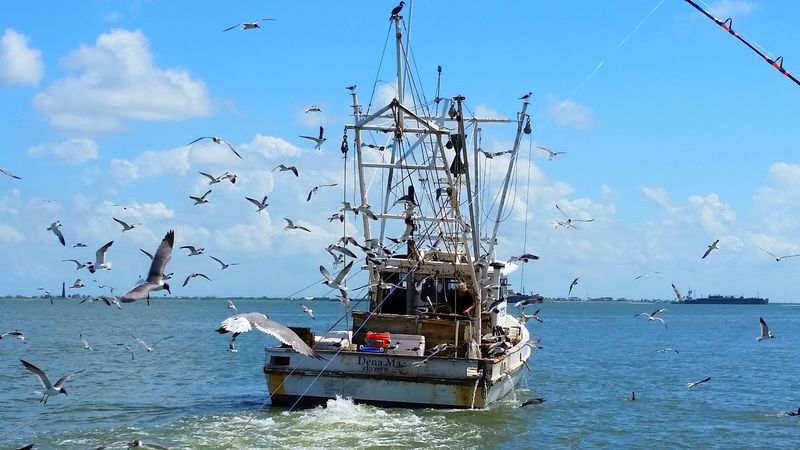
Stretching like a long, sun-bleached ribbon between Galveston Bay and the open Gulf, the Bolivar Peninsula has a character all its own. It is the kind of place where fishing poles lean against pickup trucks, pelicans cruise low over the surf, and the horizon feels genuinely endless.
Crystal Beach draws the most visitors, with its relaxed family-friendly access and a selection of local restaurants that lean heavily into fresh Gulf seafood.
September is when things get especially interesting from a marine biology standpoint. Moon jellyfish have historically washed ashore here in significant numbers during this month, sometimes blanketing sections of the beach in a shimmering, gelatinous carpet after overnight tidal shifts.
Portuguese Man o’ War, though technically siphonophores rather than true jellyfish, have also been spotted drifting close to shore during windy periods, their vivid blue-purple floats catching the light in a way that is oddly beautiful and undeniably dangerous.
Port Bolivar, at the western tip of the peninsula, connects to Galveston Island via the free Galveston Ferry, a short ride that offers its own dose of coastal scenery and occasional dolphin sightings.
High Island, on the eastern end, draws serious birdwatchers from across the country, particularly during migration season when songbirds funnel through in remarkable concentrations.
Gilchrist sits quietly in between, offering a stripped-back beach experience with minimal crowds and maximum sky. The peninsula rewards those who take their time exploring it, especially when the September light turns golden and the jellyfish season peaks in full, fascinating force.
3. Matagorda Bay
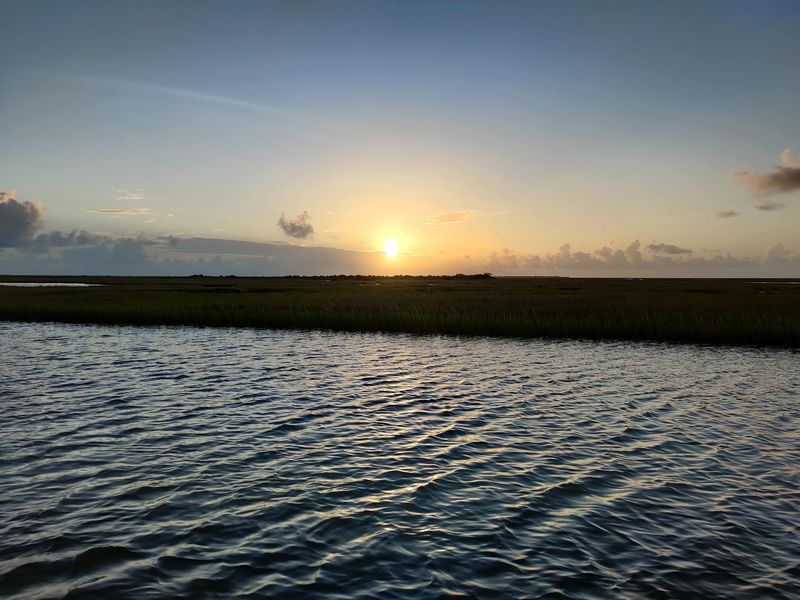
Matagorda Bay carries a quieter energy than most Texas coastal destinations, and that is precisely its appeal.
Situated where the Colorado River empties into the Gulf of Mexico, this bay system offers a distinctly unhurried pace, with wide open skies, calm inshore waters, and shorelines that feel refreshingly uncrowded even during peak travel months.
September is consistently one of the most active months for jellyfish along this stretch of coast. Warm bay temperatures linger well into autumn, creating ideal conditions for moon jellyfish to aggregate near the surface in large, loosely drifting groups.
These creatures are a natural and fascinating part of the bay ecosystem, their translucent bells pulsing rhythmically as they move with the current. Spotting them from a kayak or a fishing pier is an experience that shifts quickly from surprising to quietly mesmerizing.
Crabbing and fishing are beloved traditions here, and the bay’s nutrient-rich waters support a healthy population of redfish, flounder, and speckled trout.
Camping under genuinely dark skies is one of the underrated pleasures of this area, with the Milky Way visible on clear nights in a way that is simply not possible closer to city lights.
Equipment rentals make it easy for visitors to get out on the water without hauling gear from home.
The natural character of Matagorda Bay rewards patience. Herons stalk the shallows, roseate spoonbills flush pink in the afternoon light, and the jellyfish drift through it all with total indifference to the calendar.
It is coastal Texas at its most honest.
Address: 6420 FM Rd 2031, Matagorda, TX
4. Mustang Island State Park
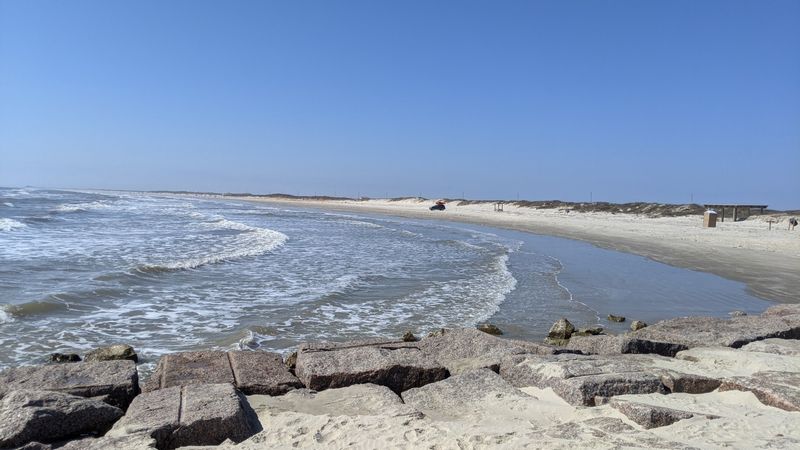
More than five miles of Gulf shoreline stretch through Mustang Island State Park, and almost none of it feels crowded.
Located just south of Port Aransas, the park preserves a barrier island environment that includes open beach, active dunes, coastal wetlands, and bay-side waters, each habitat distinct and worth exploring on its own terms.
The sense of scale here is genuinely impressive.
Jellyfish activity at Mustang Island follows a pattern familiar to much of the Texas coast. The season runs roughly from May through October, with late summer and early fall representing the peak.
Moon jellies and cabbage-head jellies are the most commonly encountered species, often washing ashore overnight and discovered by early morning walkers before the tide pulls them back.
Portuguese Man o’ War appearances increase during windy stretches, so checking conditions before entering the water is always a smart move.
Three sections of paddling trails wind for roughly 20 miles along the island’s western shoreline inside Corpus Christi Bay, passing through some of the best shallow-water fishing habitat in the state.
Birding is exceptional during fall migration, with shorebirds, wading birds, and occasional raptors moving through in numbers that make a pair of binoculars feel absolutely essential.
Camping is available both in developed sites with electricity and water, and in primitive drive-up spots directly on the beach.
Beach wheelchairs are available for loan, a thoughtful detail that makes the shoreline genuinely accessible. The park sits close enough to Port Aransas for a quick supply run, but feels worlds apart from the town’s busier energy.
Address: 9394 TX-361, Port Aransas, TX
5. Padre Island National Seashore
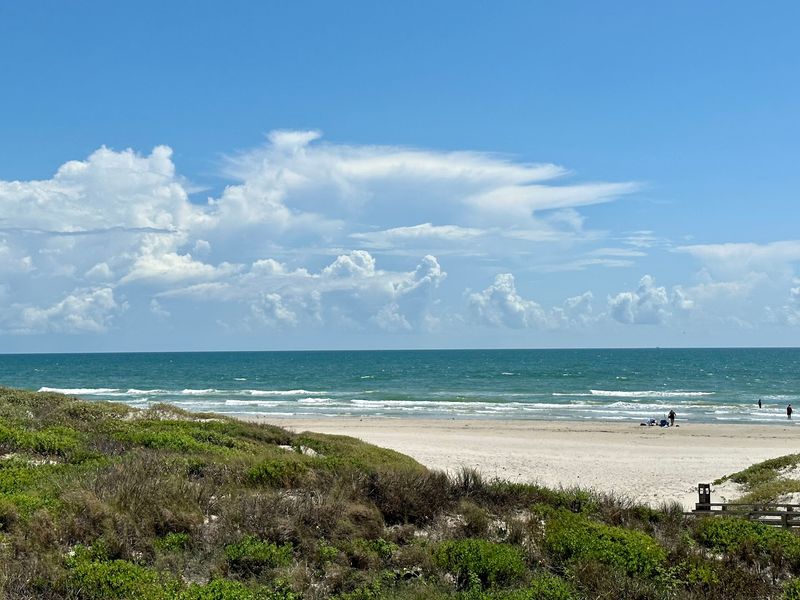
Nearly 70 miles of undeveloped barrier island shoreline make Padre Island National Seashore one of the most extraordinary natural spaces on the entire Gulf Coast. There are no hotels here, no boardwalks, and no souvenir shops.
Just sand, sky, wind, and a level of solitude that feels increasingly rare along any coastline in the continental United States. The sheer length of this protected stretch means visitors can drive south along the beach and genuinely feel like they have left the modern world behind.
August and September mark the height of jellyfish season across this entire stretch of coast, and the National Seashore is no exception.
Portuguese Man o’ War are particularly visible during periods of strong onshore wind, their iridescent blue floats catching sunlight as they drift in from open Gulf waters.
True jellyfish species, including moon jellies, also appear in elevated numbers during this period, accumulating in tide lines along the upper beach. Giving these animals a wide berth is always the sensible approach.
Kemp’s ridley sea turtle nesting is one of the park’s most celebrated conservation stories, with rangers actively monitoring nest sites and facilitating hatchling releases during the warmer months.
Windsurfing thrives here when Gulf breezes build, and primitive camping along the remote southern sections of the beach offers an unmatched overnight experience under genuinely dark skies.
The quiet is almost startling at first.
Wildlife sightings are frequent and varied, from coyotes trotting the dune line at dusk to massive flocks of shorebirds working the surf zone. Padre Island in September is raw, alive, and utterly unforgettable.
Address: 20420 Park Rd 22, Corpus Christi, TX
6. Port Aransas Beach
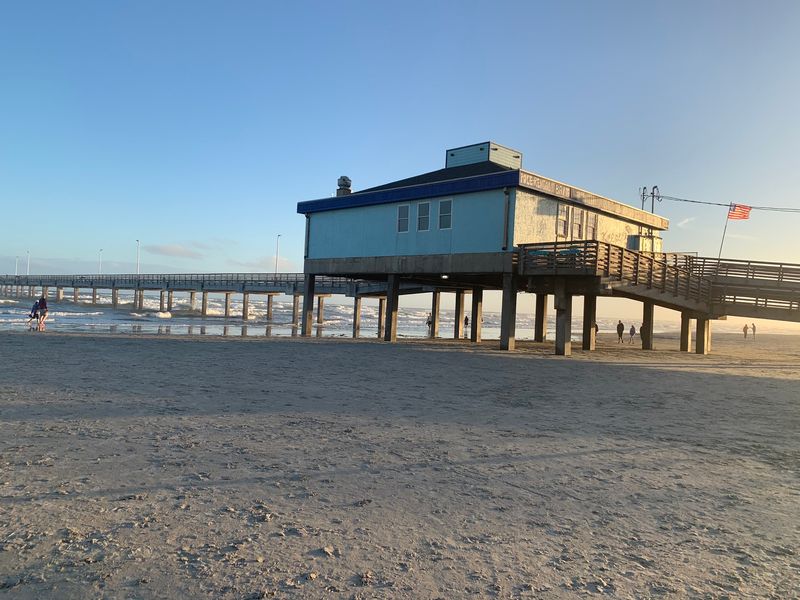
Port Aransas Beach anchors the northern end of an 18-mile stretch of Gulf-facing sand on Mustang Island, and it carries an energy that is hard to replicate anywhere else on the Texas coast.
Known affectionately as Port A, this beach town blends laid-back coastal culture with enough amenities to keep visitors comfortable without losing its salty, sun-weathered charm.
Driving directly onto the sand is one of those Port Aransas traditions that never gets old.
Late September 2025 brought a striking reminder of the Gulf’s seasonal rhythms when thousands of moon jellyfish swarmed local marinas, packing the water so densely that the surface seemed to pulse.
Pink meanie jellyfish, a species that preys on other jellyfish and can grow to impressive sizes, were also spotted during this period, adding an unexpected dimension to an already remarkable display.
Sea nettles and cannonball jellies round out the cast of species that beachgoers are likely to encounter during the fall surge.
The Horace Caldwell Pier extends out over the Gulf near I.B. Magee Beach Park, offering a prime fishing platform and front-row views of the shipping channel where massive cargo vessels pass close enough to feel the displacement in the water.
Lifeguards patrol the beach seasonally, and amenities including restrooms, showers, and a dedicated dog beach make this one of the more visitor-friendly stretches of coast in the region. Small campfires are permitted on the beach, which makes September evenings here genuinely special.
Sunrise at Port Aransas is worth setting an alarm for. The sky shifts through amber, coral, and gold before the first swimmers arrive.
7. Whitecap Beach
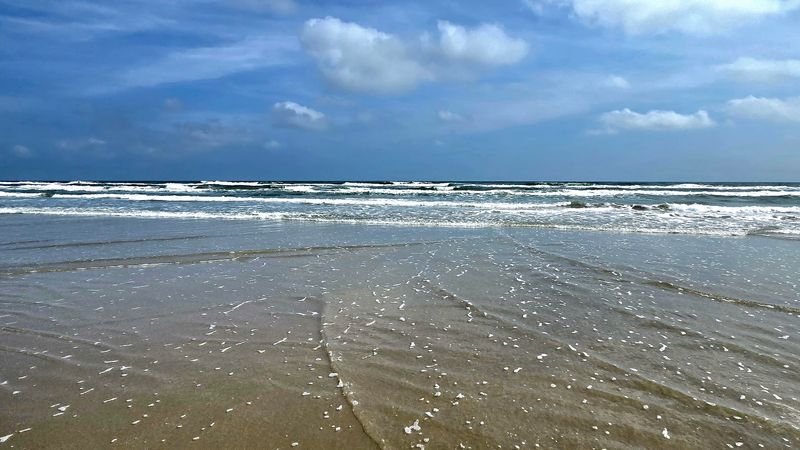
Whitecap Beach sits on North Padre Island with a residential quietness that sets it apart from the louder stretches of Texas coastline. Locals gravitate here precisely because the crowds thin out and the pace slows down.
The beach is wide and sandy, the waves are generally manageable, and the presence of the Packery Channel jetties at the eastern end adds a bit of structural interest to an otherwise open, breezy shoreline.
May through October covers the jellyfish window for this part of the Corpus Christi area, and August and September represent the peak of that activity due to sustained warm water temperatures in the shallow inshore zone.
Beachgoers here frequently spot jellyfish in the surf, particularly moon jellies drifting close to shore in loose aggregations.
Rip currents are an additional consideration during this season, making awareness of both marine life and water conditions equally important for anyone entering the Gulf.
Shell hunting is one of the quiet pleasures of a morning walk along Whitecap Beach, with the outgoing tide regularly depositing a fresh selection along the waterline.
Kayaking out through the calm nearshore waters is a popular way to observe the coastal environment, and the jetties at Packery Channel attract both anglers and a rotating cast of seabirds that perch, dive, and generally steal the show.
Camping is permitted on the beach, with trash bag stations available to help keep the shoreline clean.
The beach sits between Michael J. Ellis Beach and Padre Balli Park, making it easy to extend a visit by exploring neighboring sections of this dynamic stretch of North Padre Island coastline.
8. Corpus Christi Bay
Corpus Christi Bay frames the city’s downtown waterfront with a kind of quiet authority, its broad, calm surface reflecting the South Texas sky in shades that shift from silver-blue at midday to deep amber at dusk.
The stretch near 400 E Shoreline Blvd is a lively urban waterfront zone, with parks, marinas, and scenic walkways that draw locals and visitors alike throughout the year.
The bay itself feels different from the open Gulf, more sheltered and contemplative, with its own distinct cast of marine life.
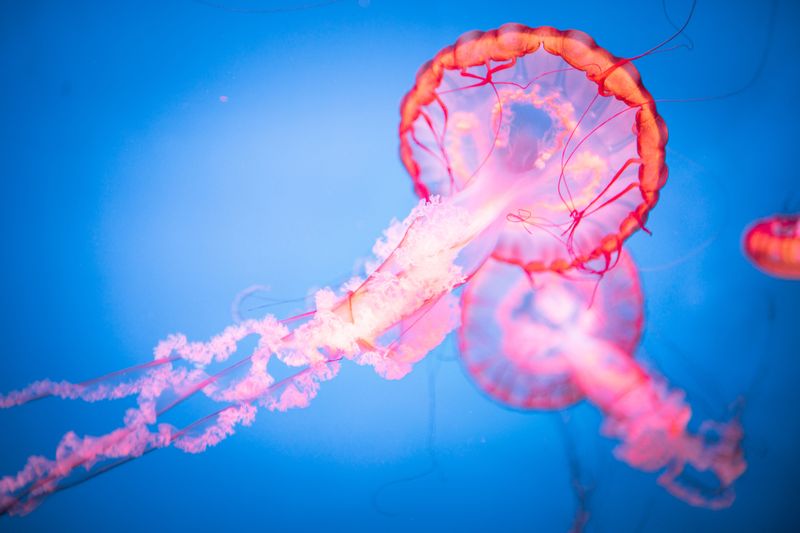
Jellyfish are present in these bay waters year-round, but their numbers climb noticeably during August and September when water temperatures peak.
Stinging nettle jellyfish are among the more commonly reported species in the bay during this period, capable of delivering a sting that is unpleasant without being life-threatening.
Moon jellyfish appear in large numbers as well, their mild sting making them less of a hazard but no less striking when seen drifting in slow, translucent clusters near the surface. Cabbagehead jellyfish, though their sting is rarely felt, can cause skin and eye irritation on contact.
Fishing from piers and marina edges is a popular pastime along this stretch of waterfront, and the bay’s calmer conditions make it a reliable spot for boating and kayaking when Gulf conditions are too rough for comfort.
The urban setting adds an interesting contrast to the natural spectacle unfolding just below the surface.
Awareness of seasonal jellyfish activity in the bay is genuinely useful for anyone planning water-based activities during September. The bay rewards curiosity as much as it rewards patience.
Address: 400 E Shoreline Blvd, Corpus Christi, TX
