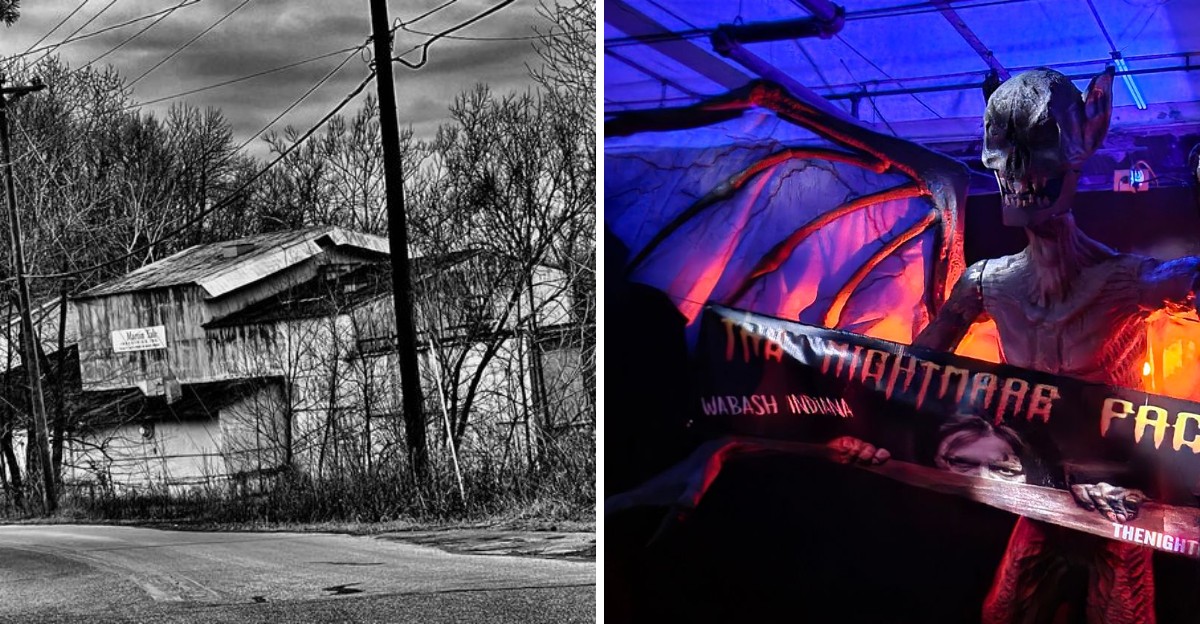
The building looks like a place you would warn your children about. “Don’t go in there.” “Stay away from that.” “Seriously.”
Then October arrives, and Indiana charges admission to do exactly the opposite. The abandoned factory becomes a five-floor haunted attraction spanning more than 68,000 square feet.
Catwalks hang above concrete corridors. Rusted surfaces cover the old industrial spaces.
Darkness fills the rooms that once had completely different purposes. The story adds a fictional laboratory obsessed with fear, turning the factory into one enormous experiment.
The strangest part is the voluntary nature of it. People walk toward the building knowing perfectly well they are about to be frightened.
They enter anyway. They keep climbing.
They keep going. Somewhere around the third floor, that original enthusiasm may require a little explaining.
An Old Paper Plant That Never Really Left
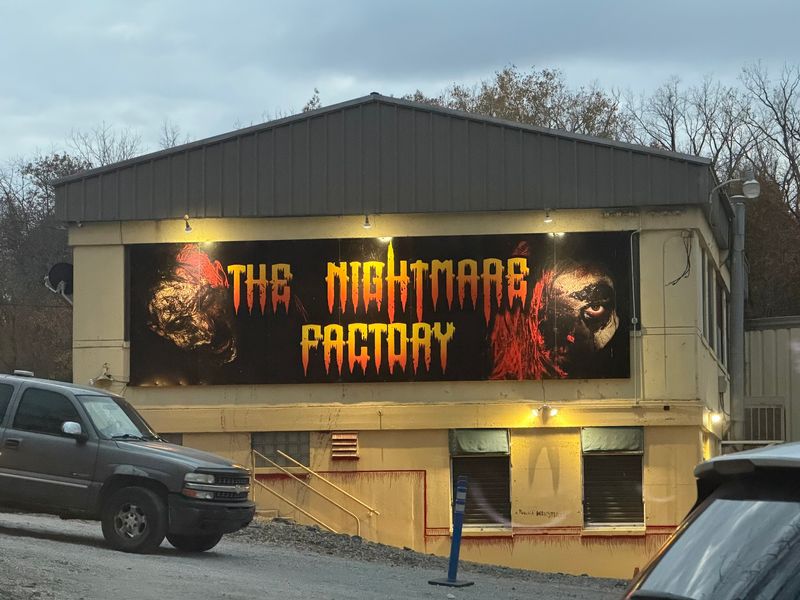
Some haunted houses are built inside gymnasiums and covered in black plastic. Not here.
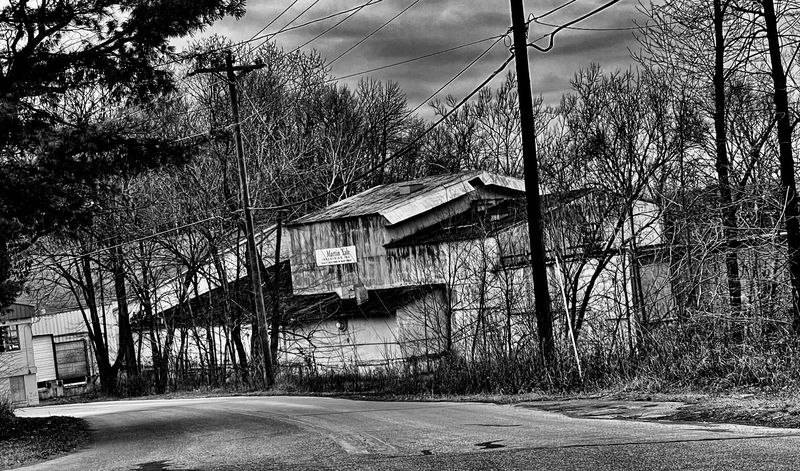
The Nightmare Factory occupies the former Martin Yale factory at 200 Chestnut Street in Wabash, Indiana, a real industrial site that once churned out paper products for decades.
The building came with its own atmosphere already installed, and that changes everything about how the experience lands.
Concrete floors have permanent stains. Stairwells are narrow and steep in ways no modern designer would choose on purpose.
Freight doors, loading bays, and old machine mounts still sit where workers left them, which means the set decoration blends into genuine industrial wear.
Visitors often notice the temperature first. A building this old and this large holds cold air in strange pockets, so a hallway can feel noticeably chillier than the room behind it.
Sound behaves oddly too, echoing down long corridors and bouncing off metal in ways that make footsteps impossible to place. That works in the haunt’s favor, since a scare heard before it is seen tends to stick.
Practical tip for first timers: wear closed shoes with real grip. Floors are uneven, ramps appear without warning, and the lighting is intentionally unhelpful.
The factory’s past life gives the whole place a weight that fabricated sets rarely manage to fake.
68,000 Square Feet Is Bigger Than It Sounds
Numbers on a website mean very little until the walking starts. Then 68,000 square feet becomes a genuinely long journey.
Spread across five floors, the attraction unfolds as a series of connected districts rather than one loop with a quick exit. That layout gives the design team room to stretch out, letting quiet stretches build tension before something breaks the calm.
Long haunts feel different from short ones. Instead of a rapid burst of scares, the pacing rises and falls, and the mind starts filling empty hallways with things that are not there.
Stairs deserve a mention. Moving between levels means climbing and descending repeatedly, so anyone with mobility concerns should plan accordingly and ask staff about the route beforehand.
Comfort matters more than style here. Light layers work better than heavy coats, because the walk warms visitors up quickly while the outdoor line stays cool.
Sense of direction tends to disappear somewhere around the second floor, which is very much the point. Corridors double back, rooms open into other rooms, and the exit stops feeling like a fixed location.
Groups sometimes split apart without meaning to. Staying close together helps, though the building has a habit of separating people anyway.
Bring patience, curiosity, and shoes made for distance.
The Vex Laboratories Story Ties Everything Together
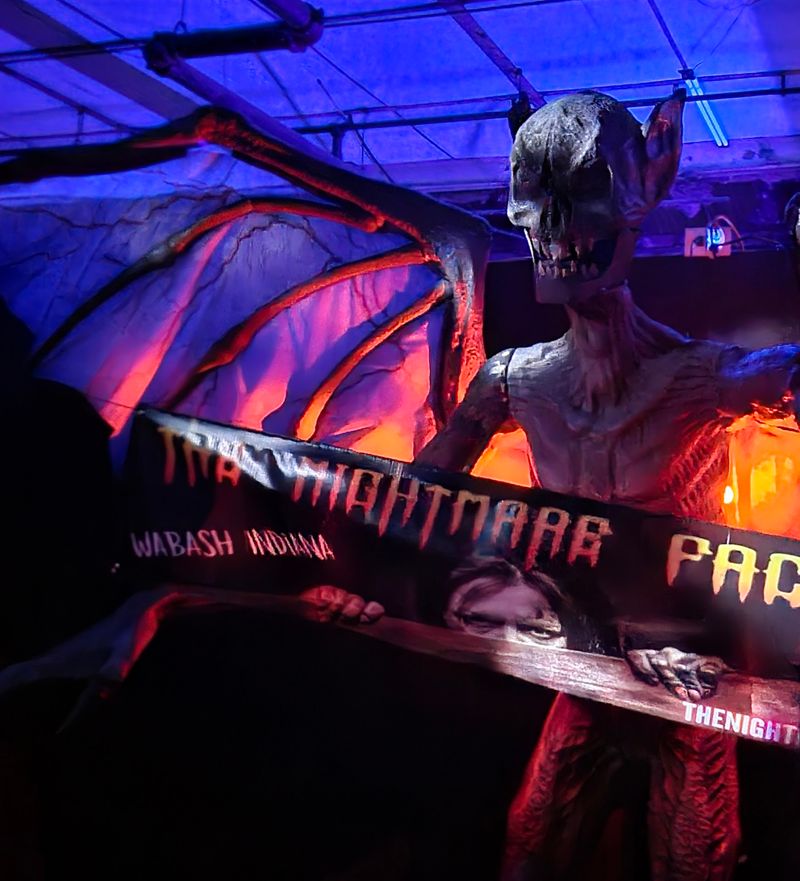
Most haunted attractions hand over a jump scare and call it a night. This one hands over a case file.
Running underneath every district is the lore of Vex Laboratories, a fictional research operation led by the shadowy Dr. Vex, whose decades of experiments centered on studying, shaping, and eventually weaponizing fear. Guests are treated less like spectators and more like fresh test subjects.
That framing pays off in small details. Paperwork on desks, labels on containers, and warning signs bolted to walls all point back to the same twisted project, so scenes connect instead of feeling random.
Reading the story beforehand actually improves the visit. Knowing what Vex was trying to accomplish makes certain rooms click into place, and the experience shifts from startling to genuinely unsettling.
Each district explores a different corner of the mind, which keeps the tone from flattening out. One section leans clinical and cold.
Another leans chaotic.
There is a thoughtful streak in the writing too, poking at questions about how far research should go and what happens when curiosity outruns conscience.
Fans of story-driven horror films will appreciate the effort. The scares hit harder when they belong to something larger, and the building’s own industrial past slides neatly into the fiction.
Unit 713 Pushes Nerves To The Edge
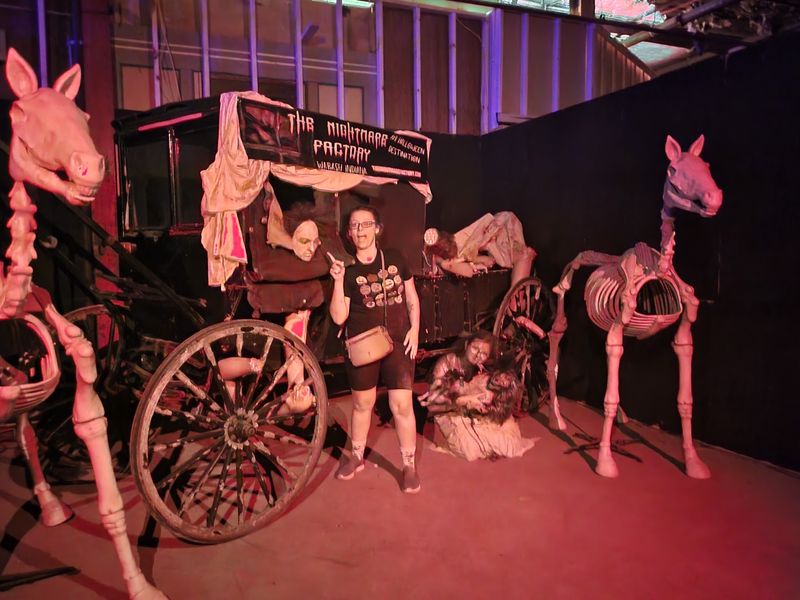
Somewhere in the fictional town of Ashwix sits Unit 713, described as the main research facility of Vex Laboratories. It is the section people talk about afterward.
Isolation, sensory manipulation, and fear conditioning make up the supposed methods here, and the design reflects that with tight spaces, harsh lighting, and sounds that arrive from the wrong direction. Comfort is not on the menu.
According to the lore, some subjects never recovered from what happened inside. Others came out sharper and far more dangerous, which explains why the corridors feel less like an exhibit and more like an active facility.
Disorientation does most of the heavy lifting. Strobes, narrow passages, and sudden shifts in volume make it genuinely hard to judge distance, and the brain fills the gaps with worst-case guesses.
Anyone sensitive to flashing lights or tight spaces should ask staff about this section before entering. Knowing what waits ahead takes nothing away from the fun.
A useful trick for nervous visitors: keep breathing slow and steady. Panic feeds on shallow breaths, and the actors can spot hesitation from across a room.
Unit 713 works because it targets the mind rather than the eyes. Long after the exit, the memory that lingers is not a monster but a feeling.
Macabre Manor And Its Endless Hallways
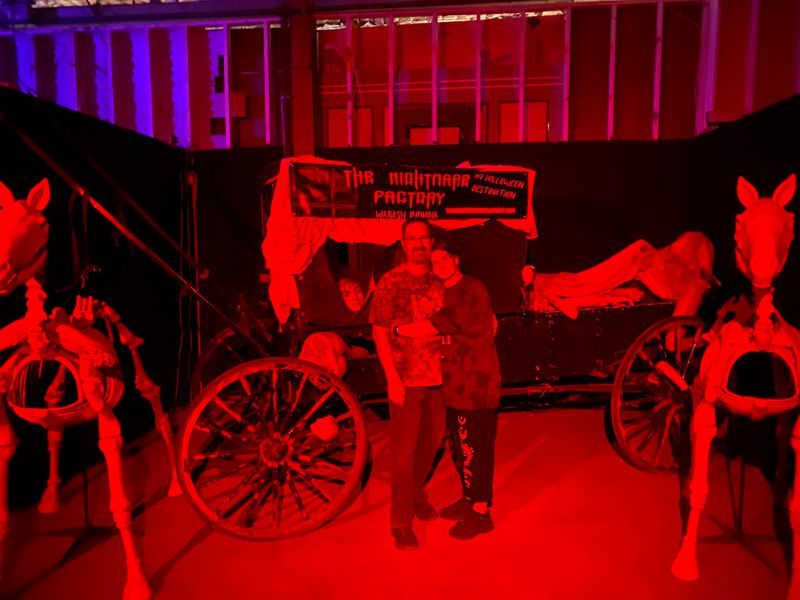
Every good haunt needs one classic haunted house, and Macabre Manor fills that role with plenty of dust and menace.
Set within the woods of Ashwix in the attraction’s story, the estate arrives wrapped in whispered legends about visitors who wandered in and became part of the decor.
The design leans into old-house dread: patterned wallpaper curling off the walls, portraits that seem a little too attentive, furniture arranged as if someone still lives there.
Curiosity becomes the trap. Rooms invite a closer look, and that extra second spent examining a shelf is exactly when something moves.
Passages branch and loop until the sense of progress fades entirely. Doorways lead to rooms that lead to more rooms, and the manor stops feeling like a walkthrough and starts feeling like a maze with opinions.
Sound design carries a lot of the weight here. Creaking wood, faint music, and distant footsteps replace loud effects, building a slow pressure instead of constant shocks.
Fans of gothic horror will spot the influences immediately, from crumbling family portraits to hallways that feel a foot too narrow.
Worth noting for the nervous: sections like this reward walking rather than running. Rushing means missing the details, and the details are where the real chills hide.
The Sinister Stable And Other Strange Corners
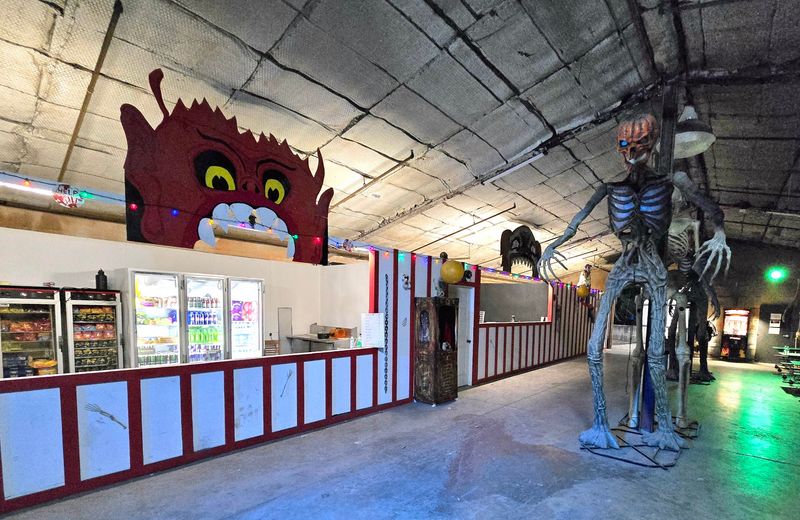
Fear comes in different flavors, and The Sinister Stable serves the primal kind.
Story-wise, the stable holds the leftovers of early Vex Laboratories attempts to enhance human ability, experiments that produced subjects described as violent and impossible to control.
Something instinct-driven now moves through the stalls, and the design makes clear that visitors are the ones being tracked.
Wooden beams, scattered straw, and rust-covered tools replace the clinical look of the lab districts. Different setting, different kind of panic.
Nearby sits The Happy Place, a fractured playground where imagination has quietly overwritten reality for whoever still lives there. Bright colors in a dark building create a specific type of unease that is hard to shake.
Then there is the Harow House, home to a family placed under Dr. Vex’s observation until they slowly turned into something no report could explain. Domestic details make it worse, not better.
Variety keeps the whole visit interesting. Just as the mind adjusts to psychological pressure, the environment swaps to a chase, then to something almost childlike and wrong.
Pacing tip: linger a moment between districts if the option exists. Catching a breath resets the nerves and makes the next section land properly.
Horror fans tend to leave with a favorite, and opinions on which district hits hardest rarely match.
A Midway Buzzing With Energy Between Scares
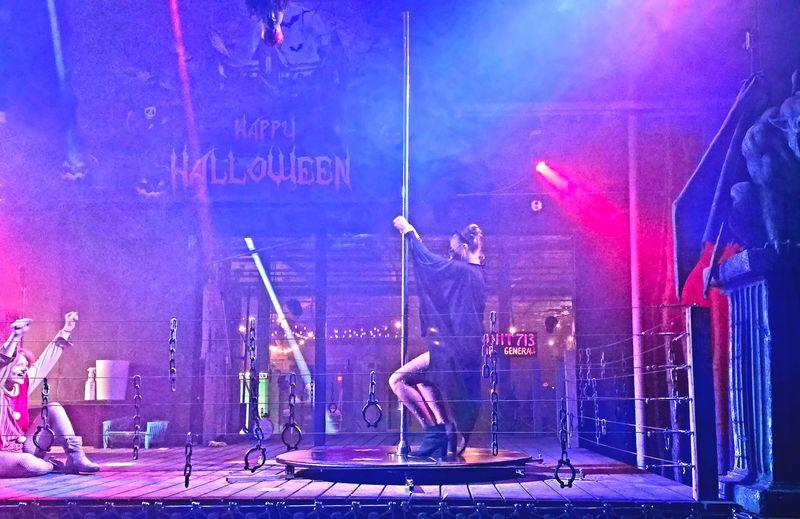
Not every minute at The Nightmare Factory happens in the dark. Some of the best moments unfold outside the walls.
A large midway area anchors the property, filled with roaming characters, entertainment, and enough movement to keep the mood buzzing before anyone steps inside. Music from a live DJ sometimes fills the air, giving the whole grounds a festival feel with a spooky twist.
Waiting stops being dead time. Costumed performers wander through, leaning over shoulders and picking out easy targets, so the show begins well before the first door.
Afterward, the midway becomes a decompression zone. Groups gather to compare notes, laugh at who screamed loudest, and shake off whatever followed them out of the building.
That social side matters more than people expect. Sharing the experience turns a scary night into a genuinely fun one, and the energy outside balances the intensity inside.
Arriving early is smart. Parking near 200 Chestnut Street fills up on busy October weekends, and earlier arrivals get more time to soak in the atmosphere.
Autumn nights in northern Indiana get cold quickly, so a jacket and a phone charger both earn their spot in a pocket.
The combination of frights and festive commotion makes the trip to Wabash feel like a full evening out.
