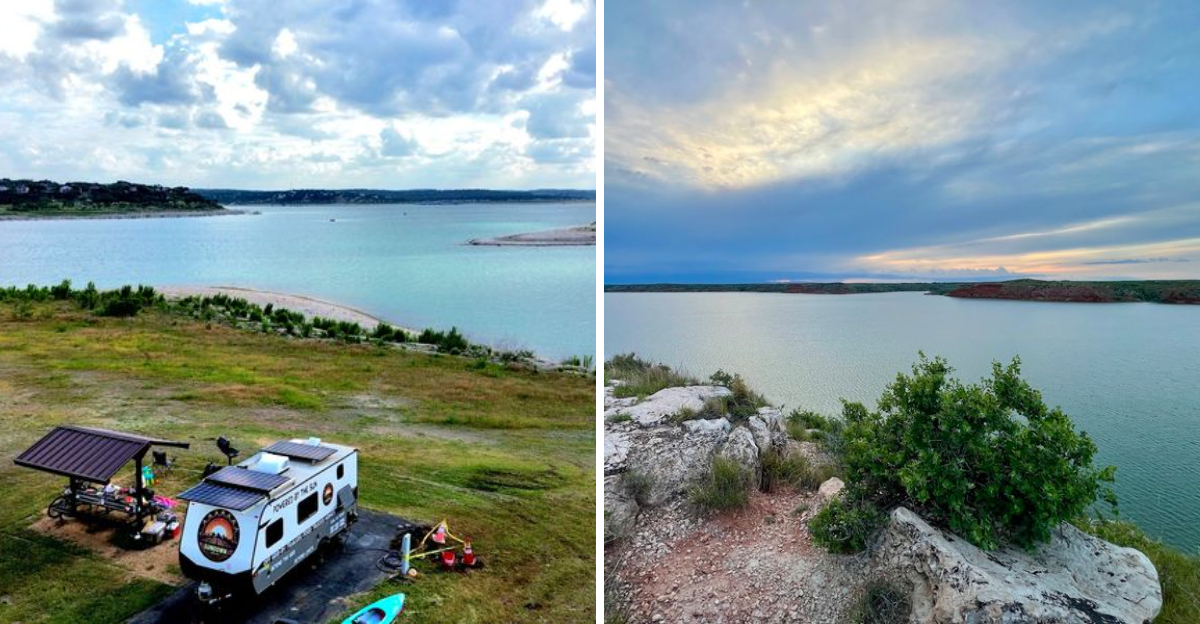
A tent pitched within earshot of lapping water changes the whole camping game. No highway noise, no bright city lights, just the sound of a fish jumping somewhere out in the dark.
These seven Texas camping areas deliver exactly that. Some offer full hookups for RVs, others require a canoe or a good pair of hiking boots to reach the best spots.
The common thread is the lake, always there, reflecting the sky and making every meal taste better. Morning coffee hits different when sipped from a camp chair facing open water.
Evening card games feel less competitive when the sunset keeps stealing glances. A person could show up with a cooler, a sleeping bag, and zero agenda, and still leave feeling like they accomplished something important.
Texas has plenty of crowded campgrounds where neighbors are close enough to borrow sugar, but these spots offer space to breathe. Pack the fishing pole, the s’mores supplies, and a good book.
The only schedule is the sun.
1. Inks Lake State Park Campground, Central Texas
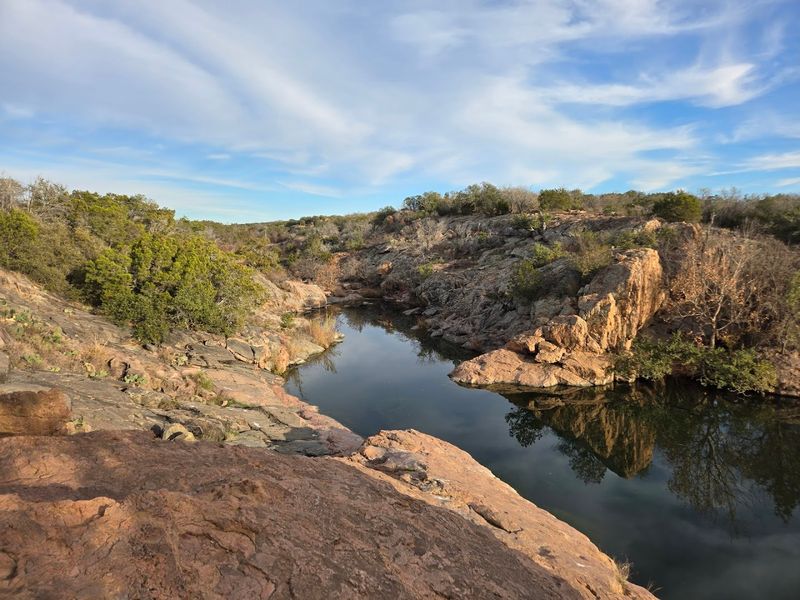
Pink metamorphic rock rises out of the earth here like something out of a geology textbook, except far more beautiful in person. Inks Lake sits in the heart of the Texas Hill Country, about an hour northwest of Austin, cradling a stunning 831-acre reservoir between ancient formations of gneiss.
The water takes on a blue-green tone depending on the light, and at certain times of day, it genuinely looks like something you would see on a postcard.
What makes this place stand apart is how the landscape wraps around you. The pink and gray rock outcroppings frame every view, wildflowers push up through the cracks in spring, and the whole place feels older and quieter than most of Texas.
I found myself just sitting on a rock ledge one afternoon, watching dragonflies hover over the surface, completely content doing nothing at all.
The campground has 114 sites for tents and RVs with electric hookups, plus nine primitive hike-in spots for those who want even more solitude. Two fishing piers give anglers a solid shot at bass and catfish, and the fish cleaning stations are a genuinely appreciated touch.
Paddling trails wind through calm stretches of the lake, making it a wonderful spot for kayaks and canoes.
Families tend to love it here because everything is accessible without being crowded or chaotic. Trails stay manageable for younger hikers while still offering enough terrain to keep adults interested.
The surrounding ecological highlands are home to a surprising variety of plant and bird life, so bring binoculars if that is your thing.
Evenings at Inks Lake have a particular kind of magic. The sun drops behind the rocky ridges, the air cools quickly, and the lake goes still in a way that feels almost deliberate.
Campers gather around firepits, and the sounds of the night take over slowly. It is the kind of place you keep meaning to leave but somehow never quite manage to.
Address: 3630 Park Road 4 West, Burnet, Texas
2. Double Lake Recreation Area, Sam Houston National Forest
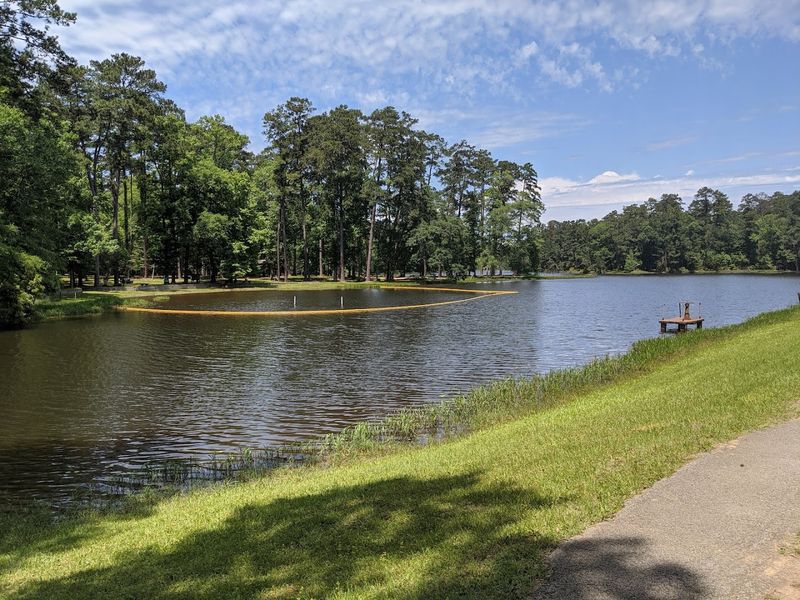
Hidden inside the Sam Houston National Forest about 60 miles north of Houston, Double Lake feels like a secret that East Texas has been keeping for a while.
The lake itself covers just 24 acres, which sounds modest until you realize that smaller lakes often mean calmer water, closer access, and a much more personal camping experience.
The forest presses in from every side, dense and green and alive with sound.
Arriving here feels like crossing a threshold into a different kind of quiet. The pines are tall and the canopy is thick, filtering sunlight into soft, shifting patterns across the ground.
It is the kind of forest that smells incredible after rain, and East Texas gets enough of it to keep things lush and fragrant throughout most of the year.
This is a full-service campground, meaning you get actual amenities without sacrificing the natural feel. Swimming in the lake is one of the most popular activities here, and the water stays pleasant through a long stretch of the warmer months.
Boating is allowed as well, though the intimate scale of the lake makes it more suited to paddling than anything with a motor.
One thing I appreciate about Double Lake is how unpretentious it all is. There is no overdevelopment, no loud commercial energy, just trees, water, and space to breathe.
Families come here on weekends, but the forest absorbs the activity well, and you rarely feel like you are fighting for elbow room.
The surrounding national forest opens up a whole network of trails beyond the campground itself. Hikers can head out on the Lone Star Hiking Trail, one of the longer trail systems in Texas, and return to a lakeside camp at the end of the day.
That combination of wilderness access and comfortable base camp is genuinely hard to beat in this part of the state.
Evenings here settle in gently, with the lake reflecting the last light of the day through the pines. It is peaceful in the truest sense of the word.
3. Lake Livingston State Park Campground, East Texas
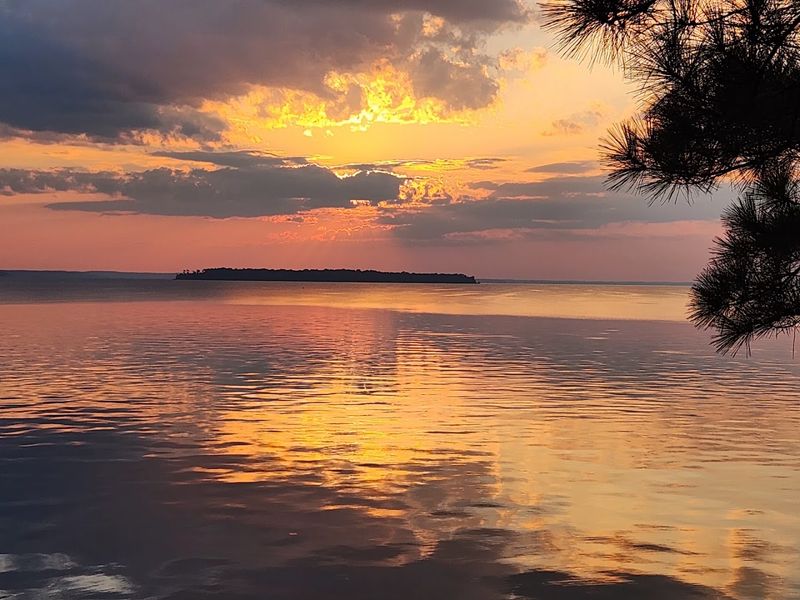
Lake Livingston is massive. With a surface area of 90,000 acres, it ranks among the largest lakes in the entire state, and that scale is something you feel the moment you arrive at the state park campground on its western shore.
The horizon over the water seems to stretch forever, and when the sun rises over the far edge of the lake, the colors reflect back in a way that is almost theatrical.
Reviewers consistently mention the sunrises here as one of the most memorable parts of any visit. I understand why completely.
Some campsites sit right on the water, and waking up to that view with a cup of coffee in hand is an experience that lingers long after you have driven home. The park sits about an hour north of Houston, making it a realistic escape for city residents who need a genuine reset.
The camping options are well-spaced and thoughtfully laid out, giving each site a sense of privacy even when the park is busy. Trails wind through the surrounding forest, quiet and shaded, with enough birdlife to keep naturalists occupied for hours.
Herons, egrets, and woodpeckers are common sightings, and the wetland edges around the lake attract a surprising variety of species.
Swimming, fishing, boating, and hiking all have their place here, and the park handles multiple activity types without feeling stretched thin. Anglers in particular seem to love the access, with the lake producing solid catches of catfish, bass, and crappie throughout the year.
The boat ramp makes launching easy for those who bring their own watercraft.
What really sells Lake Livingston State Park is how it manages to feel both grand and intimate at the same time. The lake is enormous, but the campground itself stays human-scaled and manageable.
You never feel lost or overwhelmed, just pleasantly surrounded by water, trees, and the kind of unhurried pace that a good camping trip is supposed to deliver.
Address: 300 Park Road 65, Livingston, Texas
4. Sanford-Yake Campground, Lake Meredith National Recreation Area
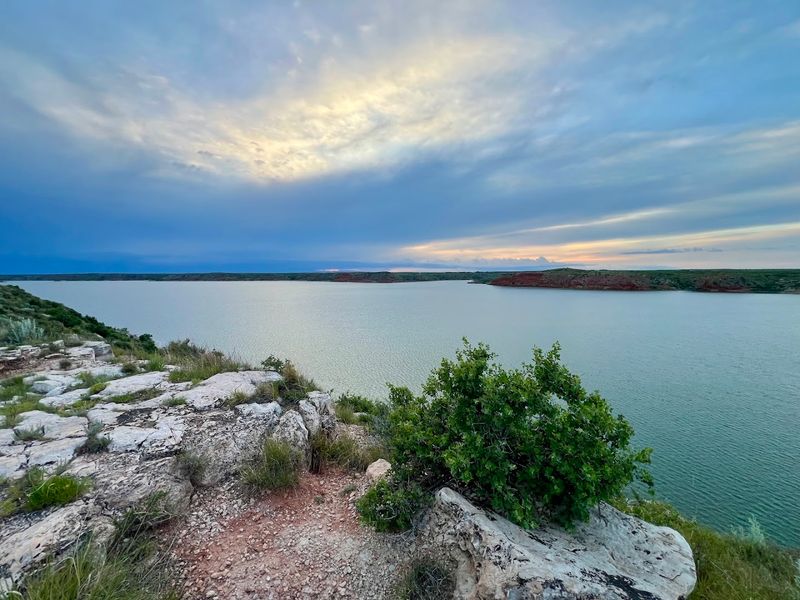
Nothing quite prepares you for the first look at Lake Meredith from the caprock edge.
The lake sits down inside dramatic canyon walls that drop nearly 200 feet, and the layers of color in that rock, ranging from deep rust to pale tan, create a visual effect that feels more like the American Southwest than anything most people associate with Texas.
Sanford-Yake is perched right up on that rim, and the views from camp are genuinely jaw-dropping.
This is the Texas Plains, which means the surrounding landscape is open, windswept, and wide in a way that feels almost confrontational at first. But that openness grows on you.
The sky here is enormous, and at night, the stars are absolutely relentless. There is minimal light pollution out on the Panhandle, and the Milky Way appears with a clarity that city dwellers simply do not get to experience on a regular basis.
Lake Meredith National Recreation Area has 11 different campgrounds scattered around the lake, but Sanford-Yake stands out for its elevated position and the sheer drama of its setting. Campsites are well-spaced, giving each visitor a genuine sense of solitude.
The quiet here is the deep, undisturbed kind that comes from being far from any major population center.
Sunrises at this campground deserve their own mention. The light hits the canyon walls before it reaches the water below, painting the rock in shades of amber and gold while the lake stays dark and still.
Watching that sequence unfold from a camp chair is one of those moments that makes the drive out here feel completely worthwhile.
Wildlife sightings in the area include mule deer, pronghorn, and various raptors riding thermals above the canyon. The lake itself supports fishing, boating, and swimming, and the recreation area’s trail network gives hikers a chance to explore the canyon terrain more closely.
For anyone seeking something dramatically different from the usual Texas camping experience, this spot delivers on every level.
5. Tyler State Park Campground, East Texas
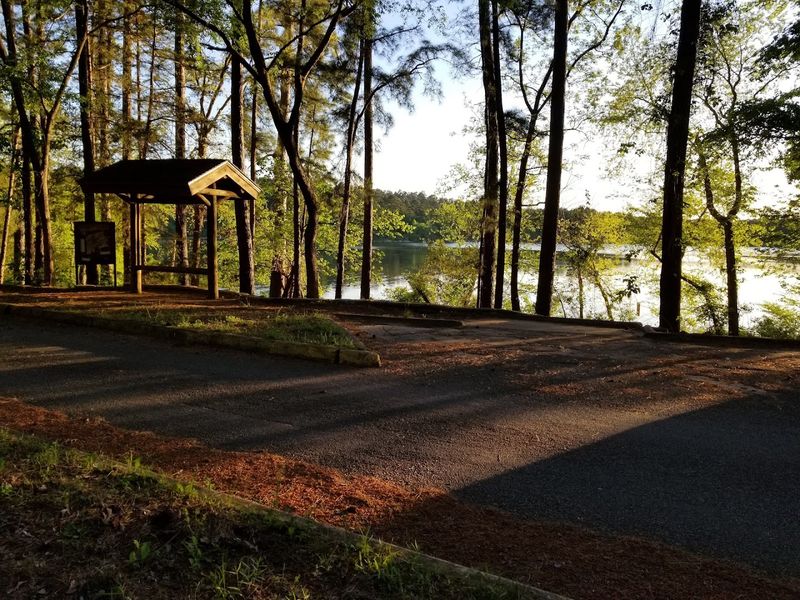
There is a particular charm to Tyler State Park that sneaks up on you. The lake here covers just 64 acres, small enough to feel personal, large enough to paddle across and feel genuinely out in nature.
Every single campsite in the park is situated right next to the water, which is not something you can say about most Texas state parks. That proximity to the lake changes the whole rhythm of a stay here.
The surrounding forest is one of the most ecologically interesting in East Texas, sitting in a transition zone where different plant communities meet. Towering loblolly pines mix with hardwoods, and in spring the understory fills up with wildflowers that seem almost too vivid to be real.
The park sits about 10 miles from the city of Tyler, close enough for convenience but far enough to feel like a proper escape.
Boating, swimming, and hiking are all available and well-supported here. The trails are manageable and scenic, looping through the forest and along the lake edge in a way that rewards a slow pace.
I walked one of the shorter loops just before sunset and came back to camp feeling genuinely refreshed in a way that a longer, harder hike sometimes does not quite deliver.
The historic structures scattered through the park add an interesting layer to the experience. Many of them date back to the Civilian Conservation Corps era of the 1930s, and they give the park a sense of continuity and character that newer facilities simply cannot replicate.
Stonework, bridges, and shelters from that period still stand in excellent condition.
What makes Tyler State Park work so well as a camping destination is how everything fits together. The lake, the forest, the history, and the accessibility all combine into something that feels complete rather than piecemeal.
Families return here year after year, and it is easy to see why. The place has a settled, welcoming quality that makes you feel at home from the first evening onward.
Address: 789 Park Road 16, Tyler, Texas
6. Caddo Lake State Park, East Texas
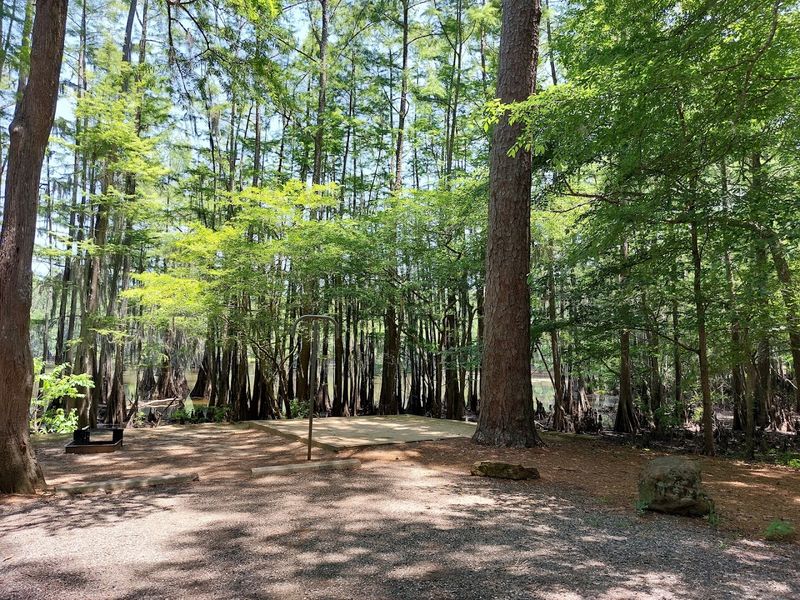
Caddo Lake is unlike anywhere else in Texas, and honestly, unlike most places in the entire country. Ancient bald cypress trees rise straight out of the water, their knees poking up through the surface, their branches heavy with Spanish moss that sways in the faintest breeze.
The whole place has an atmospheric, slightly otherworldly quality that gets under your skin from the very first moment.
Some campsites sit directly on the water’s edge, and spending a night here with that view is something I genuinely think everyone should experience at least once.
The sounds are extraordinary, frogs, insects, birds, water moving through the cypress roots, all layered into a kind of natural soundtrack that makes sleep come easily and feel unusually deep.
Canoeing is the activity most closely associated with Caddo Lake, and for good reason. The waterways wind through the cypress forest in a maze of channels and open water that rewards exploration and punishes impatience.
Rentals are available nearby, so you do not need to bring your own boat to get out on the water. Fishing is equally popular, and the bayou-like environment supports a diverse mix of species.
The park has a genuine sense of history to it as well. Caddo Lake is the only naturally occurring lake of significant size in Texas, formed by a massive log jam centuries ago.
That backstory adds a layer of interest to every paddle and every shoreline walk, making the place feel even more layered than it already appears on the surface.
Light filters through the moss-covered canopy in a way that photographers tend to lose their minds over. In the early morning especially, the whole place glows with a soft, diffused quality that makes even an ordinary snapshot look like a painting.
Evenings around a campfire here carry a particular mood, reflective and calm, with the water catching the last light between the trees. It is the kind of place that changes how you think about what a lake can actually be.
Address: 245 Park Road 2, Karnack, Texas
7. Potters Creek Park, Canyon Lake, Texas Hill Country
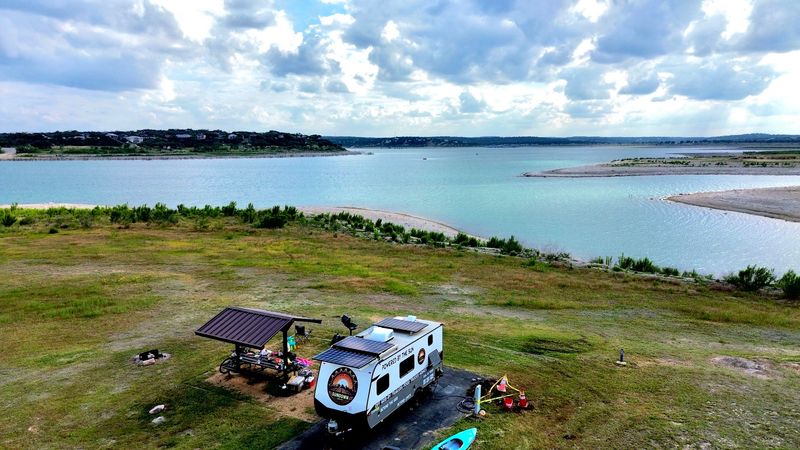
Canyon Lake sits in the Texas Hill Country like a reward for anyone willing to make the drive, and Potters Creek Park gives campers one of the best access points to its clear, blue-green water.
The lake was formed by a dam on the Guadalupe River, and the result is a reservoir with limestone bluffs, cedar-covered hillsides, and water that stays remarkably clear compared to many Texas lakes.
The whole setting has an almost Mediterranean feel on a bright summer day.
What I appreciate about Potters Creek specifically is that it avoids the over-commercialized atmosphere that some popular lake destinations in Texas tend to develop.
The park stays focused on the fundamentals: well-maintained campsites, clean facilities, good trail access, and direct connection to the water.
That simplicity is actually the appeal, and the campers who come here tend to get it.
Tent camping and full RV hookups are both available, making the park workable for different styles of outdoor travel. The hiking trails are pleasant without being demanding, winding through the Hill Country terrain in a way that shows off the landscape without requiring serious athletic effort.
Wildflowers appear along the trails in spring, and the cedar and oak canopy provides shade during the hotter months.
The lake itself is the obvious star attraction. Swimming, kayaking, and fishing are all popular here, and the water quality makes swimming particularly enjoyable.
Bass fishing gets a lot of attention from anglers who know Canyon Lake, and the shoreline access at Potters Creek makes it easy to spend a morning casting without needing a boat.
Being about an hour from San Antonio makes this a realistic weekend destination for a large population of Texas residents. The drive through the Hill Country is genuinely scenic on its own, rolling through small towns and cedar-covered ridges before the lake comes into view.
Arriving at camp with that kind of drive behind you already puts you in the right frame of mind for everything that follows.
Address: 601 Potters Creek Road, Canyon Lake, Texas
