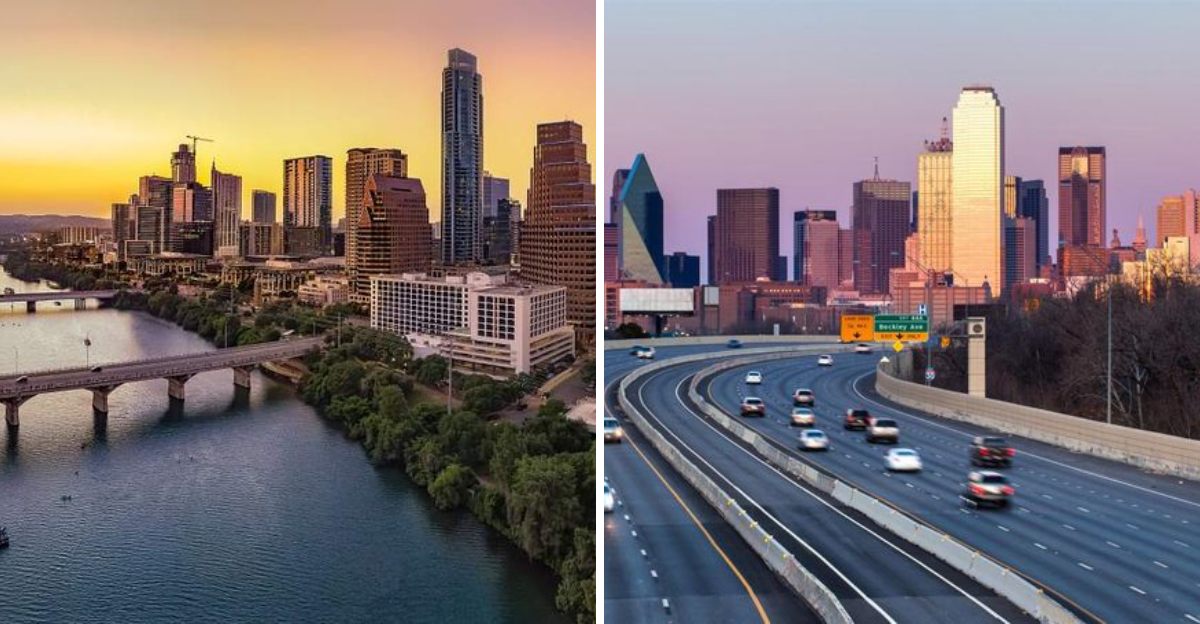
Texas has long been a magnet for people seeking wide-open spaces, booming job markets, and a lower cost of living compared to coastal states.
The Lone Star State’s blend of Southern hospitality, diverse landscapes ranging from Gulf Coast beaches to Hill Country vineyards, and vibrant cultural scenes in cities like Austin and San Antonio have drawn millions of newcomers over the past two decades.
However, recent surveys and resident feedback reveal a shifting tide, with locals in several major cities expressing growing dissatisfaction about affordability, safety, and quality of life.
Understanding which Texas cities are losing their appeal can help prospective movers make informed decisions and avoid potential pitfalls in their relocation journey.
1. Houston
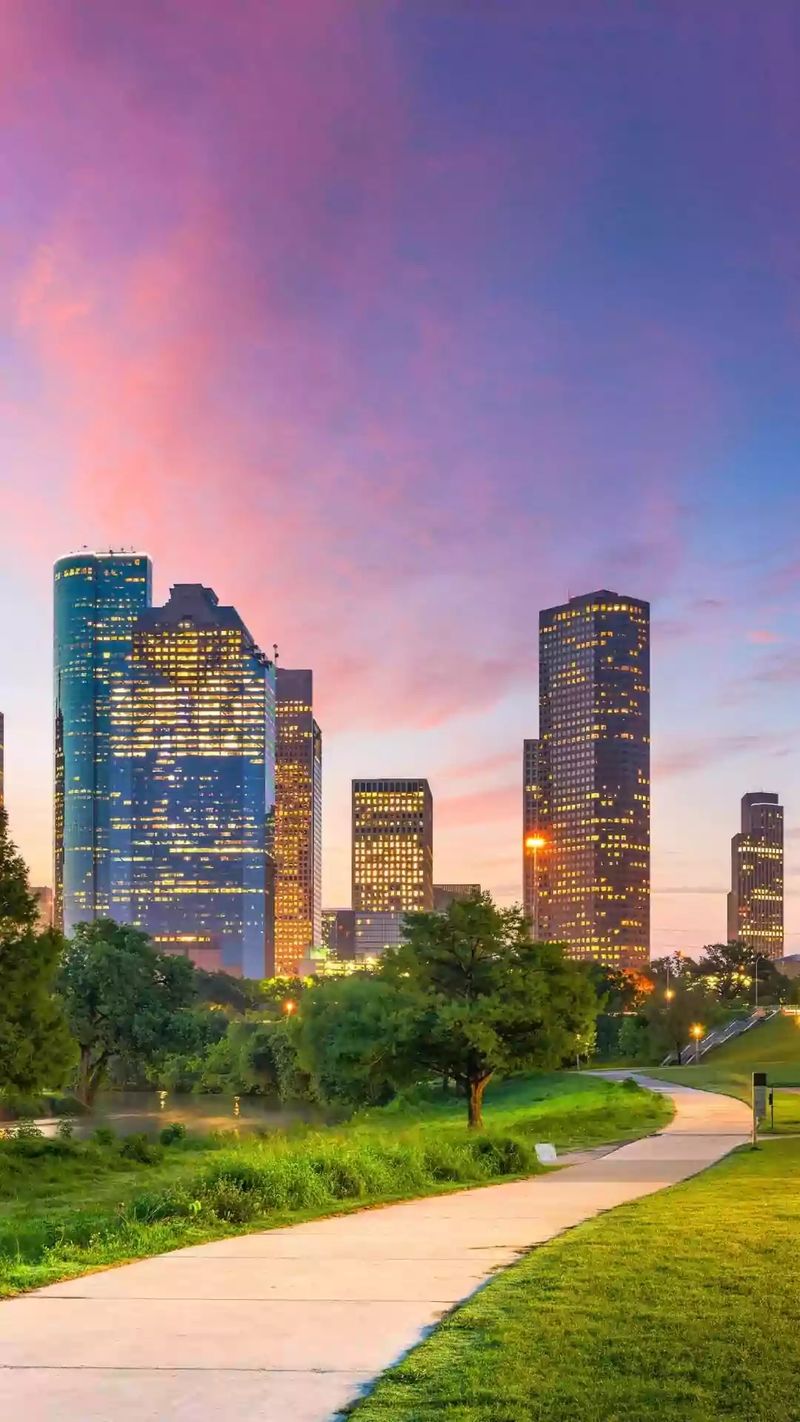
Once celebrated as a powerhouse of opportunity in the energy sector, Houston now faces a troubling combination of economic struggles and safety concerns that have residents reconsidering their future in the city.
A December 2025 ranking placed Houston dead last among 50 Texas cities for desirability, a shocking fall for what was once considered a land of endless possibilities. Crime statistics paint a worrying picture, with property crimes and violent incidents rising in several neighborhoods across the sprawling metropolis.
Affordability has become a major sticking point for Houston families. The city now holds the unfortunate distinction of having the highest poverty rate among America’s largest cities, with more than one in five residents living at or below the federal poverty line.
Housing costs continue to climb even as job opportunities in traditional industries shrink, creating a painful squeeze for working-class households trying to make ends meet. Traffic congestion remains a daily nightmare for commuters, with some residents spending two hours or more in their cars each day.
The city’s humid subtropical climate brings intense heat and frequent flooding, adding to the challenges of everyday life. While Houston’s cultural diversity and world-class medical facilities remain strong points, many locals feel these advantages no longer outweigh the mounting difficulties.
Neighborhoods that once felt safe and welcoming now see residents installing security systems and avoiding evening walks.
Young professionals who moved to Houston for career opportunities are increasingly looking elsewhere, seeking cities that offer better quality of life without sacrificing their financial security or personal safety.
2. Dallas

Dallas residents are voicing frustration about their city’s direction, with a November 2025 survey revealing satisfaction levels significantly lower than those in other major Texas metros.
What was once a thriving business hub with a sophisticated urban core now struggles with identity and livability issues that have locals questioning whether to stay or seek greener pastures. The gap between Dallas’s reputation and its current reality has never felt wider to those who call it home.
Housing affordability has spiraled out of control in desirable neighborhoods, pushing middle-class families further from city centers and into lengthy commutes. Job opportunities, while still present, no longer offer the competitive advantage they once did as other Texas cities catch up in attracting major employers.
Safety concerns have crept into conversations at neighborhood meetings and backyard barbecues, with residents noting changes in areas that were previously considered secure.
The summer heat in Dallas can be relentless, with temperatures regularly soaring above 100 degrees and putting strain on both infrastructure and residents’ electric bills.
Public transportation remains limited compared to other major American cities, forcing most residents into car dependency and the traffic headaches that come with it.
Cultural amenities and entertainment options, while improving, still lag behind what many expect from a city of Dallas’s size and economic clout. Many longtime Dallas residents describe a sense of disconnection from their city as rapid development prioritizes luxury condos over community spaces.
The promise of a cosmopolitan lifestyle that attracted young professionals a decade ago now feels hollow to many who struggle with basic quality-of-life issues in their daily routines.
3. Austin

Austin’s reputation as a quirky, creative haven where musicians and tech workers lived harmoniously has collided with harsh economic realities. Between 2023 and 2024, population growth slowed to a mere 0.4%, a dramatic shift for a city that once led the nation in attracting newcomers.
The affordability crisis has fundamentally transformed Austin’s character, pricing out the artists and creative types who gave the city its unique flavor.
Rent prices in central Austin neighborhoods have skyrocketed beyond the reach of average earners, forcing long-time residents to relocate to suburbs or leave the area entirely. The tech boom that brought prosperity also brought congestion, with traffic on Interstate 35 becoming a source of daily misery for commuters.
What locals once celebrated as small-town charm within a big city has been replaced by construction cranes and luxury developments that feel disconnected from Austin’s roots.
Summer temperatures have grown increasingly brutal, with heat waves stretching longer each year and putting pressure on an aging electrical grid.
The Colorado River, which feeds the beloved Lady Bird Lake, faces ongoing water management challenges that raise questions about long-term sustainability. Live music venues, the heart of Austin’s cultural identity, struggle to survive as property values and operating costs surge beyond sustainable levels.
Newcomers arriving with high-paying remote jobs have inadvertently driven up costs for everyone, creating tension between old Austin and new Austin.
The city’s famous motto to “Keep Austin Weird” now feels like a nostalgic memory rather than a living reality for residents watching their beloved hometown transform into just another expensive tech hub.
4. Fort Worth
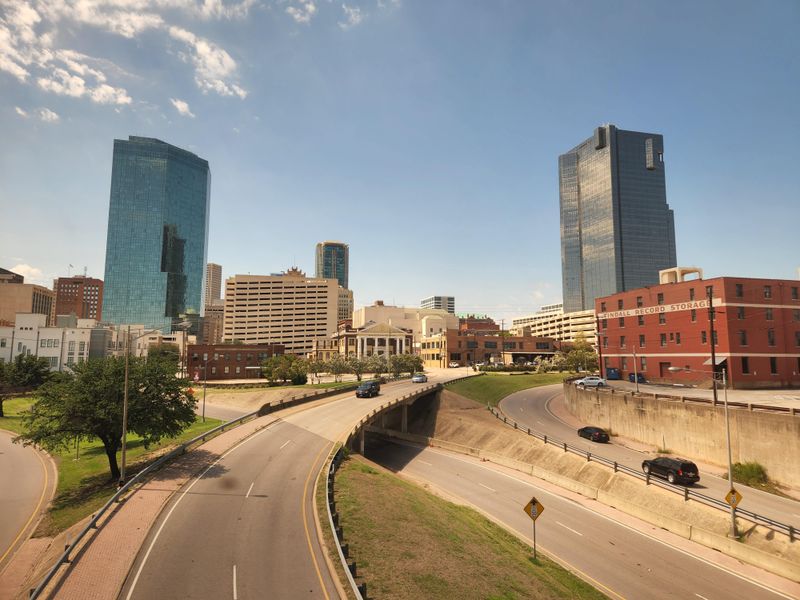
Fort Worth’s population surge past Austin to become Texas’s fourth-largest city has brought unexpected growing pains that have some residents questioning the city’s direction.
While growth often signals prosperity, rapid expansion without corresponding infrastructure improvements has created frustration among those who cherished Fort Worth’s more manageable pace.
The city’s strong ties to Western heritage and cowboy culture, once a defining charm, now feel limiting to residents seeking more diverse cultural experiences.
Entertainment and nightlife options remain sparse compared to neighboring Dallas, leaving young professionals feeling like they’re missing out on the vibrant urban lifestyle they expected. The Stockyards district, while popular with tourists, can feel more like a theme park than an authentic representation of modern Fort Worth life.
Public transit options lag far behind what residents of a city this size typically expect, making car ownership a necessity rather than a choice. Summer heat combines with limited tree canopy in many neighborhoods to create uncomfortable outdoor conditions for much of the year.
Job opportunities, while growing, tend to concentrate in specific sectors, leaving workers in other fields with fewer options than they might find elsewhere. Housing costs have risen steadily as more people discover Fort Worth, but wages haven’t kept pace, squeezing middle-income families.
Cultural institutions and museums, though improving, still can’t match the depth and variety found in other major Texas cities.
Many residents describe feeling stuck between Fort Worth’s traditional identity and aspirations for a more cosmopolitan future, creating an awkward transitional period that satisfies neither vision completely.
5. San Antonio
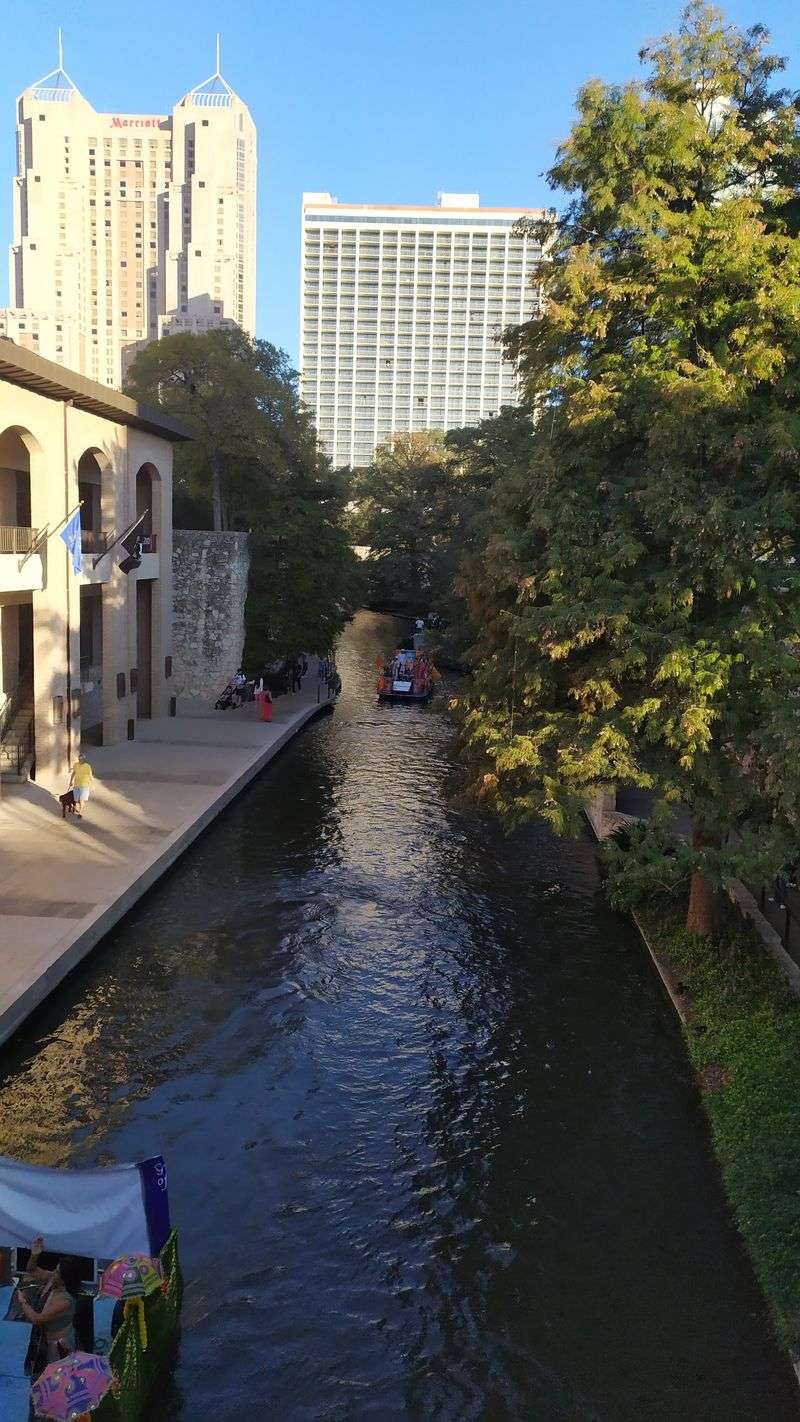
San Antonio’s charm as a historic city with strong cultural roots has been overshadowed by concerning economic trends and declining population numbers.
Recent studies show a population change of negative 4.80%, placing it among the fastest-declining cities in Texas and signaling deep-seated issues that are driving residents away.
The River Walk, while beautiful and tourist-friendly, can’t mask the underlying challenges facing everyday San Antonians trying to build stable lives.
Job opportunities lag behind other major Texas cities, with fewer corporate headquarters and limited diversity in employment sectors. Wages tend to run lower than in Houston, Dallas, or Austin, making it harder for families to achieve financial security even with the slightly lower cost of living.
Educational outcomes in public schools vary widely by neighborhood, creating anxiety for parents trying to give their children the best possible start.
The summer heat can be oppressive, with high humidity adding to the discomfort and driving up cooling costs for months on end. Public transportation options remain limited, forcing most residents into car dependency and the associated expenses.
While San Antonio’s Mexican-American heritage creates a rich cultural tapestry, economic opportunities haven’t kept pace with the city’s population needs.
Healthcare access, despite the presence of military medical facilities, can be challenging for civilian residents without strong insurance coverage.
Many young professionals who grew up in San Antonio choose to leave for cities with stronger job markets and higher earning potential, creating a brain drain that further hampers economic development and innovation in the region.
6. Lubbock
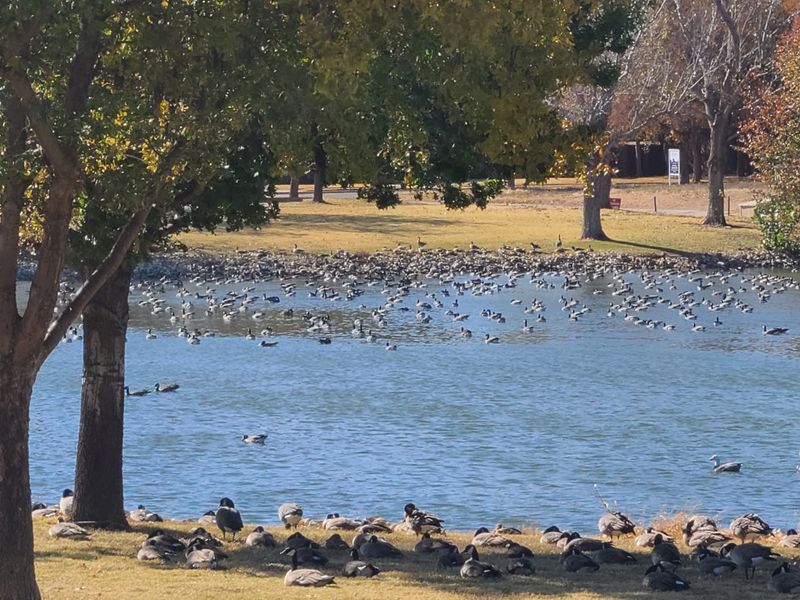
Lubbock’s location on the flat plains of West Texas gives it a stark, isolated character that many newcomers find difficult to embrace. Wind whips across the landscape with relentless intensity, creating dust storms that coat everything in fine grit and making outdoor activities unpleasant for much of the year.
The city’s distance from other major population centers leaves residents feeling cut off from the cultural and entertainment options they might find elsewhere.
Economic opportunities center heavily around agriculture and Texas Tech University, creating limited options for professionals in other fields. The conservative social climate, while appealing to some, can feel restrictive to those seeking more progressive or diverse communities.
Entertainment options tend toward college sports and country music, with fewer alternatives for residents with different interests.
Extreme weather swings from scorching summers to surprisingly cold winters, with severe thunderstorms and occasional tornadoes adding an element of danger. The landscape lacks the visual variety found in other parts of Texas, with miles of flat terrain offering little scenic relief.
Water scarcity remains an ongoing concern in this semi-arid region, raising questions about long-term sustainability.
Shopping and dining options, while adequate, can’t match the variety found in larger Texas cities, leading to a sense of sameness over time. Young people often leave Lubbock after college, seeking opportunities in cities with more dynamic economies and cultural scenes.
The city’s charms are real for those who appreciate small-town values and open spaces, but many residents find themselves yearning for more after a few years in the Hub City.
7. Beaumont
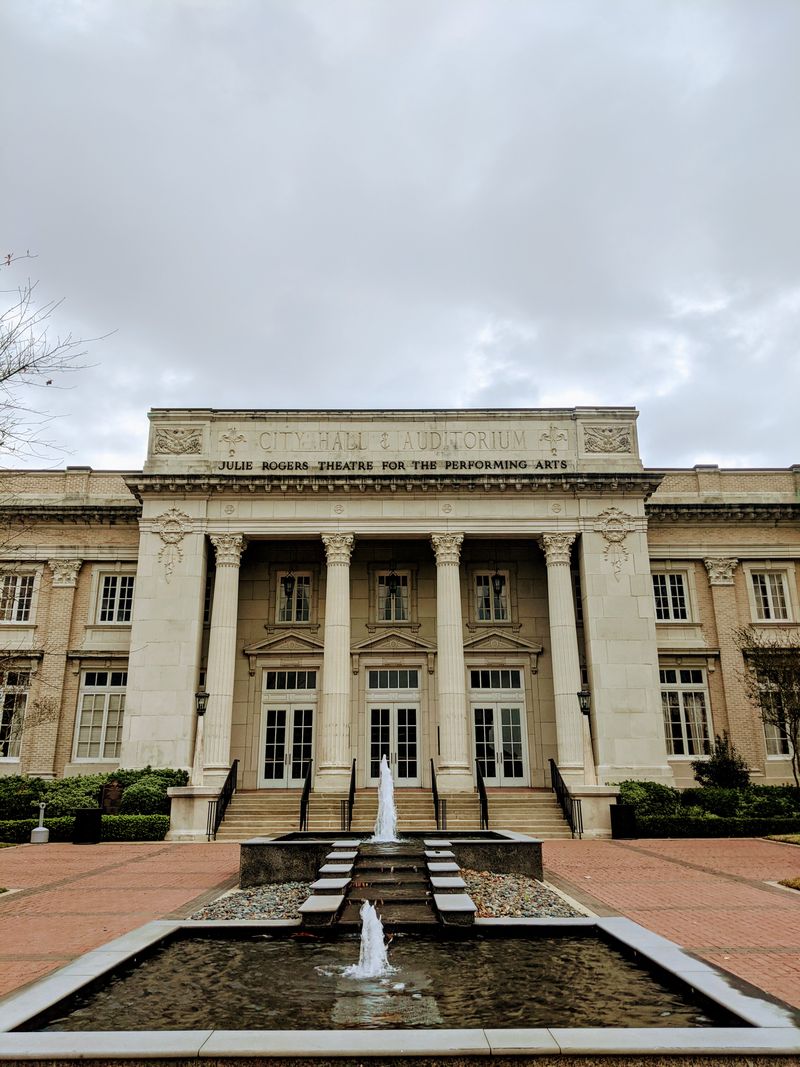
Beaumont’s economy has struggled since the decline of its once-thriving petrochemical industry, leaving the city searching for a new identity and economic foundation. Located in Southeast Texas near the Louisiana border, the city faces the dual challenges of economic stagnation and environmental concerns related to industrial pollution.
Many residents who remember Beaumont’s more prosperous days feel a sense of loss as opportunities dwindle and young people move away.
Hurricane risk looms large over daily life, with residents maintaining evacuation plans and hurricane supplies as standard practice. The 2017 devastation from Hurricane Harvey remains fresh in many minds, and the threat of future storms creates ongoing anxiety.
Humidity levels stay uncomfortably high throughout most of the year, contributing to a sticky, oppressive atmosphere that newcomers often find difficult to tolerate.
Job opportunities have contracted significantly, particularly in manufacturing and industrial sectors that once provided stable middle-class employment. The city’s location, while offering easy access to the Gulf Coast, also places it in a region prone to flooding and storm surge.
Cultural amenities and entertainment options remain limited, with residents often traveling to Houston for shopping, dining, and entertainment experiences.
Educational outcomes lag behind state averages, creating concerns for families considering a move to the area. Property values have stagnated or declined in many neighborhoods, reflecting the broader economic challenges facing the city.
While Beaumont retains pockets of charm and a tight-knit community feel in some areas, the overall trajectory has many current residents advising friends and family to consider other Texas cities with brighter futures.
8. Odessa
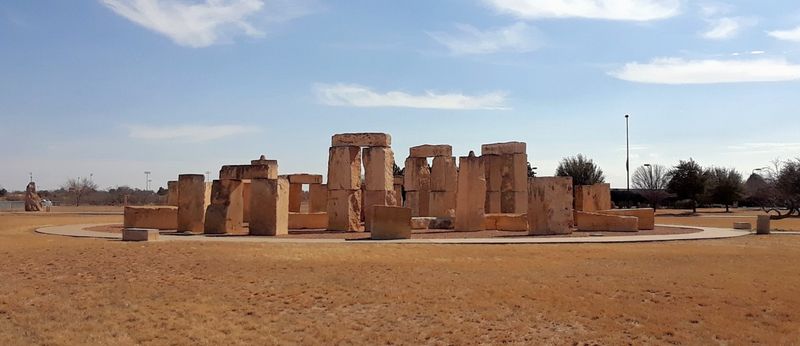
Odessa’s fortunes rise and fall with oil prices, creating a boom-and-bust cycle that makes long-term planning nearly impossible for residents. When oil is booming, the city buzzes with activity and high-paying jobs, but when prices drop, layoffs sweep through the community like a West Texas dust storm.
This economic volatility creates stress for families trying to build stable lives and makes it difficult for the city to develop the infrastructure and amenities found in more diversified economies.
The landscape around Odessa offers little visual appeal, with flat, scrubby terrain stretching to the horizon in every direction. Dust and wind are constant companions, coating vehicles and homes and making outdoor activities less enjoyable than in other parts of Texas.
Summer temperatures regularly exceed 100 degrees, while winter can bring surprising cold snaps that catch unprepared residents off guard.
Cultural and entertainment options remain limited, with high school football serving as the primary community gathering point for much of the year. The city’s rough-and-tumble reputation, earned during its oil boom days, persists and can make it feel unwelcoming to newcomers from different backgrounds.
Crime rates tend to spike during economic downturns as unemployment rises and social services struggle to keep pace with need.
Educational opportunities beyond high school require leaving the area, as local options remain limited. The transient nature of the oil workforce means community bonds can feel shallow, with neighbors moving in and out as job opportunities shift.
While Odessa offers high wages during good times, the lack of stability and quality-of-life amenities leads many to view it as a place to make money rather than put down roots.
9. Corpus Christi
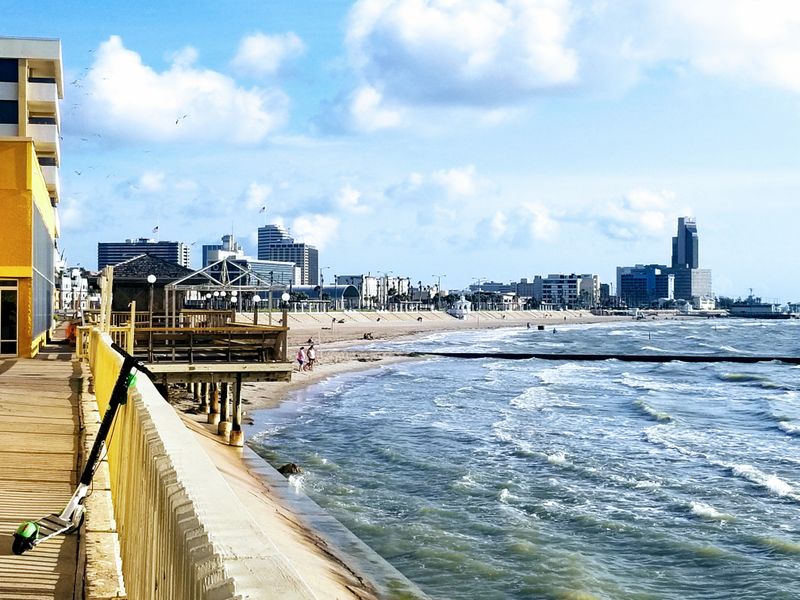
Corpus Christi’s position on the Gulf Coast should make it a paradise, but the reality falls short of the postcard image many newcomers imagine.
The beaches, while accessible, can’t compete with the white sands and clear waters found in Florida or California destinations, leaving some residents disappointed with the murky brown water and seaweed-strewn shores.
Hurricane threats loom every summer and fall, creating anxiety and the very real possibility of devastating property damage.
Economic opportunities remain limited, with the city struggling to diversify beyond tourism, shipping, and petrochemical industries. Wages tend to run lower than in other Texas coastal areas, making it challenging for families to achieve financial security despite the slightly lower cost of living.
The city’s infrastructure shows its age, with roads, bridges, and public facilities often in need of repair or replacement.
Cultural amenities lag far behind what residents of a city this size might expect, with limited options for arts, entertainment, and dining beyond chain restaurants. The humid, salty air accelerates corrosion on vehicles and homes, creating ongoing maintenance headaches for property owners.
Public transportation is nearly nonexistent, making car ownership essential and adding to household expenses. Educational outcomes in public schools vary widely, with some campuses struggling with funding and performance issues.
The city’s relative isolation from other major Texas population centers means residents must travel significant distances for shopping, medical care, or entertainment options not available locally.
While Corpus Christi offers a slower pace and beach access, many residents find themselves wishing for the opportunities and amenities available in larger, more dynamic Texas cities.
10. Amarillo
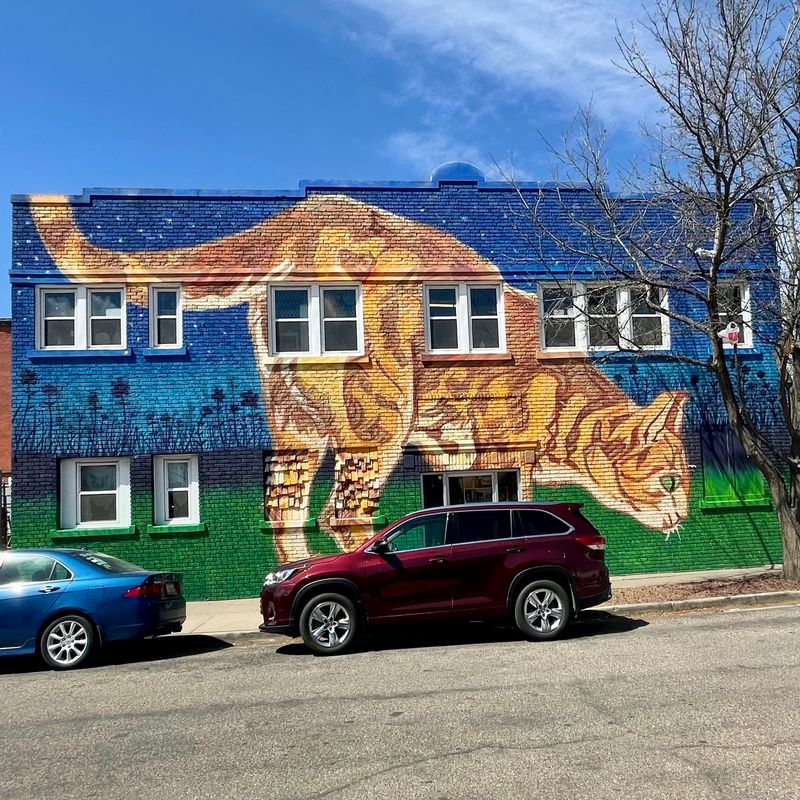
Amarillo sits isolated on the high plains of the Texas Panhandle, where fierce winds and extreme weather create challenging living conditions year-round.
The city’s remote location, hours from any other major population center, leaves residents feeling disconnected from the broader cultural and economic opportunities found elsewhere in Texas. What some might see as peaceful solitude, others experience as stifling isolation that wears on them over time.
Economic opportunities cluster around agriculture, meatpacking, and service industries, offering limited options for professionals in other fields.
The wind never seems to stop blowing across the flat landscape, creating a constant background noise and making outdoor activities less pleasant than in more sheltered locations. Dust storms can reduce visibility to dangerous levels, coating everything in grit and making respiratory issues worse for sensitive individuals.
Temperature extremes define life in Amarillo, with scorching summers giving way to bitterly cold winters that can bring ice storms and occasional blizzards.
Entertainment and cultural options remain sparse, with residents often describing a sense of sameness and limited variety in dining, shopping, and recreational activities. The city’s conservative social climate, while comfortable for some, can feel restrictive to those seeking more diverse or progressive communities.
Young people frequently leave Amarillo after high school or college, seeking opportunities in cities with more dynamic economies and cultural scenes. The aging population and youth exodus create concerns about the city’s long-term vitality and economic prospects.
While Amarillo offers affordable housing and a slower pace of life, many current residents caution newcomers to carefully consider whether they can handle the isolation, weather extremes, and limited opportunities before making the move to the Panhandle.
Dear Reader: This page may contain affiliate links which may earn a commission if you click through and make a purchase. Our independent journalism is not influenced by any advertiser or commercial initiative unless it is clearly marked as sponsored content. As travel products change, please be sure to reconfirm all details and stay up to date with current events to ensure a safe and successful trip.
