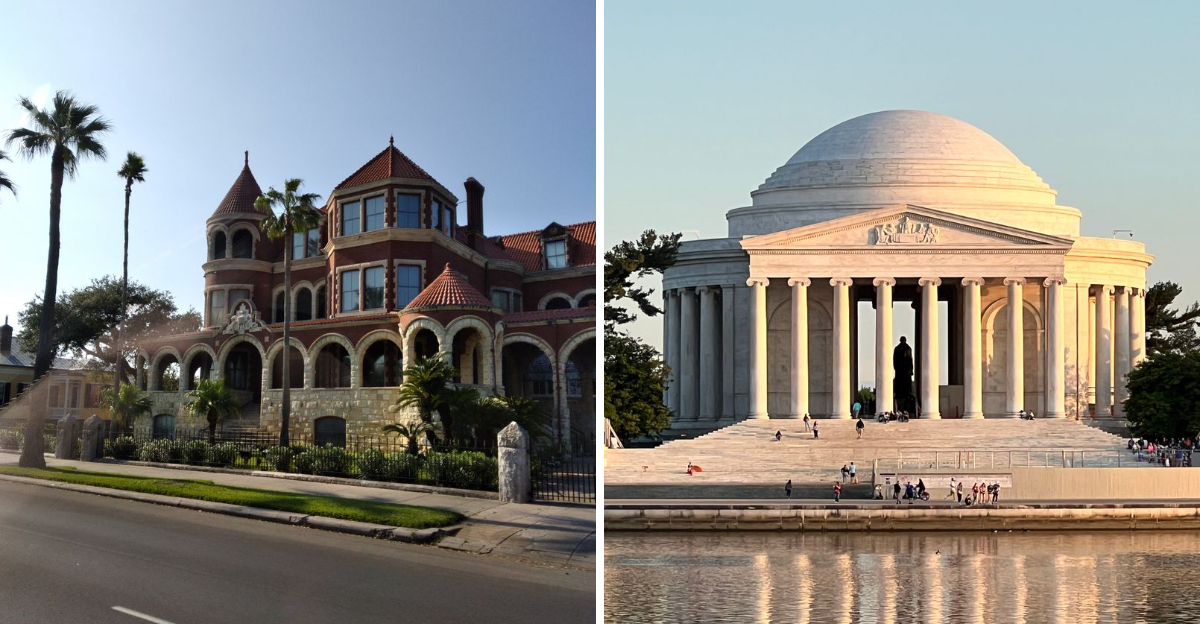
Texas stretches across nearly 270,000 square miles, offering everything from Gulf Coast beaches to Hill Country vineyards, historic ghost towns to lively entertainment districts.
Some of its most charming destinations draw millions of visitors each year with their scenic beauty, cultural festivals, and unique small-town atmospheres.
Yet while these places make for unforgettable weekend getaways, many travelers find themselves hesitant to pack up and move there permanently.
Understanding what makes a place perfect for visiting but less ideal for living helps travelers appreciate these destinations even more.
You can enjoy the relaxed pace without worrying about career prospects, soak in the seasonal festivals without considering year-round entertainment options, and embrace the tourist-friendly atmosphere without thinking about long-term infrastructure needs.
These nine Texas cities represent the best of both worlds: they offer incredible experiences for short stays while presenting practical challenges that make permanent residence less appealing for most people.
1. South Padre Island
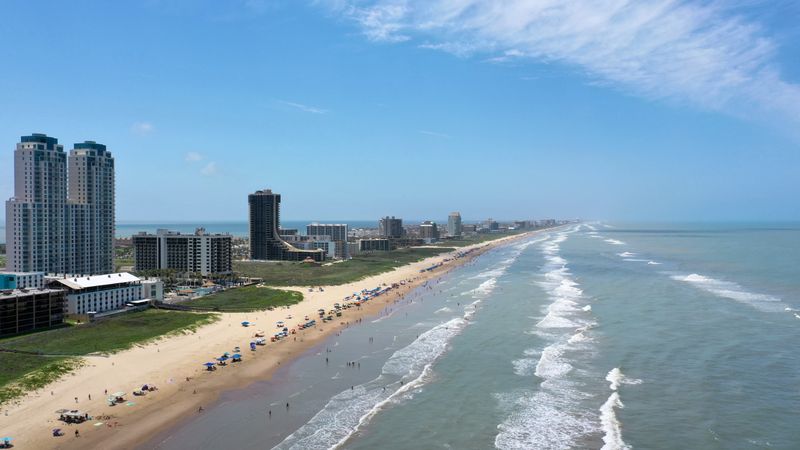
Crystal-clear waters and white sand beaches have made South Padre Island synonymous with Texas beach vacations. This narrow strip of land at the southern tip of Texas attracts spring breakers, families, and nature enthusiasts who come to enjoy water sports, dolphin watching, and some of the best birding in North America.
The island’s relaxed vibe and tropical atmosphere feel worlds away from mainland Texas, offering a true escape where flip-flops count as formal wear and every day revolves around sun and surf.
Year-round residents face a very different reality than weekend visitors experience. The economy depends almost entirely on tourism, creating feast-or-famine cycles that make consistent employment difficult.
Many businesses close or reduce hours during the off-season, leaving limited shopping and dining options for locals. The island’s remote location means a 30-minute drive to Brownsville for basic services like major grocery stores, medical specialists, and entertainment beyond beach activities.
Hurricane risk presents an even greater concern here than in Galveston, as South Padre sits exposed at the very edge of the Texas coast. Evacuation means crossing a single causeway that can quickly become overwhelmed during emergencies.
Property insurance costs reflect these risks, adding significantly to the cost of homeownership. The small year-round population creates a limited social scene outside tourist season, and families with children must consider the island’s single school serving all grades.
The island also faces environmental challenges, including beach erosion and the ongoing need for sand replenishment projects. Summer heat and humidity can feel oppressive without the constant ocean breeze, and the lack of trees or shade makes outdoor activities challenging during peak afternoon hours.
For a vacation, though, South Padre delivers paradise.
2. Jefferson
Step into Jefferson and you’ll feel like you’ve traveled back to the 1800s when this East Texas town thrived as a riverboat port. Antebellum homes line cypress-shaded streets, horse-drawn carriages clip-clop past historic storefronts, and bed-and-breakfasts occupy beautifully restored Victorian mansions.
The town has embraced its past, marketing itself as one of Texas’s most haunted destinations while preserving the architecture and atmosphere that make it feel frozen in time. Visitors love exploring the museums, taking riverboat tours, and browsing antique shops that fill the compact downtown area.
Living in this time capsule presents practical challenges that tourists don’t experience during weekend visits. The economy depends heavily on heritage tourism, offering limited career opportunities beyond hospitality and retail.
Young professionals and families often find themselves commuting to Marshall or Longview for better-paying jobs with growth potential. The town’s small size means fewer restaurants, entertainment venues, and shopping options than most people expect from modern life.
Jefferson’s remote location in far East Texas places it hours from major cities and their amenities. Medical care beyond basic services requires driving to larger towns, and specialized healthcare means trips to Tyler or Shreveport.
The aging housing stock, while charming for visitors, often requires extensive maintenance and updates that can strain budgets. Modern conveniences like high-speed internet and cellular service have been slower to reach this rural area.
The town’s population of around 2,000 creates a tight-knit community that can feel welcoming or insular depending on your perspective. Cultural activities and nightlife options remain limited, and the humid East Texas climate brings mosquitoes and heat that visitors might not notice during short stays.
Still, Jefferson offers an unmatched glimpse into Texas history that makes every visit memorable.
3. Galveston
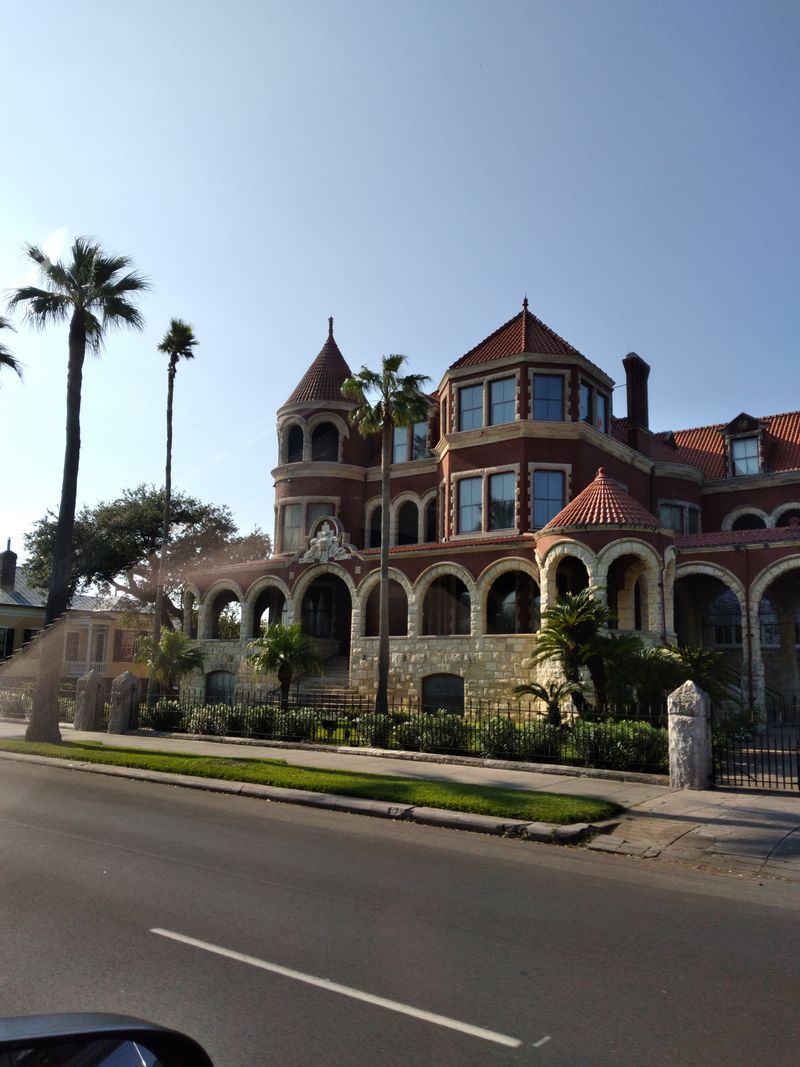
Barrier islands hold a special magic, and Galveston captures that enchantment with its Victorian architecture, historic Strand District, and miles of sandy beaches stretching along the Gulf of Mexico.
Visitors flock here year-round to explore Moody Gardens, stroll the Seawall Boulevard, and photograph the colorful buildings that survived the devastating 1900 hurricane.
The island offers a perfect blend of history and recreation, with museums, amusement parks, and seafood restaurants creating an ideal vacation atmosphere.
Hurricane season looms large in the minds of potential residents, though. Living on a barrier island means accepting the reality of evacuation orders, flood insurance costs, and the constant awareness that another major storm could strike at any time.
The 2008 Hurricane Ike caused billions in damage and reminded everyone of the island’s vulnerability. Beyond weather concerns, the tourism-driven economy creates seasonal job fluctuations that make year-round financial stability challenging for many residents.
The island’s infrastructure shows its age in places, with older neighborhoods struggling with drainage issues and some areas lacking the modern amenities found in mainland cities. Traffic congestion peaks during summer weekends and spring break, when visitors triple the local population.
Housing costs have risen as vacation rentals compete with residential properties, making affordable housing harder to find. The limited healthcare facilities and specialized services require trips to Houston for more serious medical needs.
Despite these challenges, Galveston remains an irresistible destination for short visits. The beaches, historic sites, and island atmosphere provide exactly what travelers seek for a few days of coastal escape without the long-term responsibilities of island living.
4. Granbury
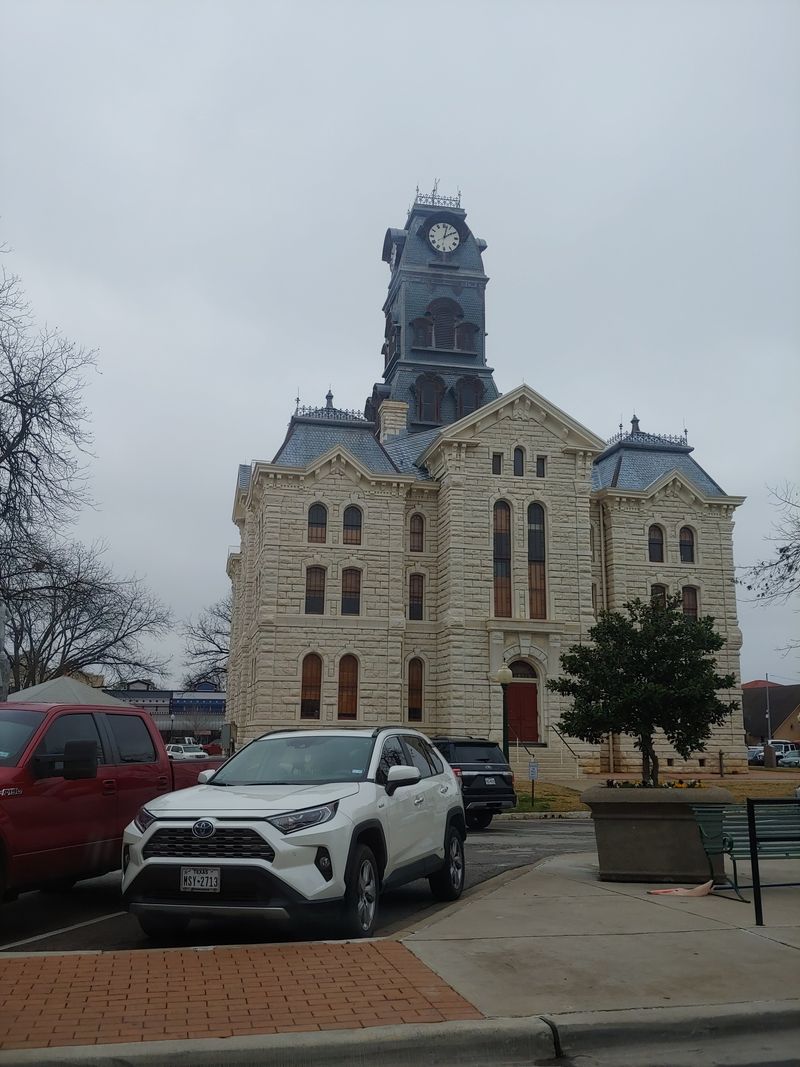
Granbury’s town square looks like it was designed for a movie set, with its restored 19th-century courthouse surrounded by shops, restaurants, and the historic Granbury Opera House.
Located about an hour southwest of Fort Worth, this Hill Country town sits on the shores of Lake Granbury, offering a picturesque combination of small-town charm and water recreation.
Visitors enjoy browsing the boutiques, catching live theater performances, and dining at locally-owned eateries that ring the square. The slower pace and friendly atmosphere provide a refreshing contrast to nearby Dallas-Fort Worth’s urban intensity.
Permanent residents discover that Granbury’s appeal comes with trade-offs. The town has grown significantly in recent years as retirees and commuters have moved in, driving up housing costs and creating traffic congestion that didn’t exist a decade ago.
What was once an affordable small town now sees home prices approaching those in suburban Fort Worth. The growth has strained infrastructure, with roads and utilities struggling to keep pace with development.
The tourism-focused downtown, while charming for visitors, offers limited practical services for daily life. Residents often drive to nearby Cleburne or Fort Worth for major shopping, medical specialists, and entertainment beyond the square’s offerings.
The town’s identity as a retirement destination means fewer activities and amenities geared toward young families and professionals. School options remain limited compared to larger suburbs, and career opportunities within Granbury itself concentrate in hospitality, retail, and service industries.
Lake living brings its own considerations, including higher property taxes for waterfront homes, algae blooms during hot summers, and water level fluctuations during droughts.
The town’s conservative culture and slower pace suit some people perfectly but may feel restrictive to others seeking more diversity and urban amenities.
Weekend visits capture Granbury’s best qualities without the daily realities of small-town life.
5. Grapevine
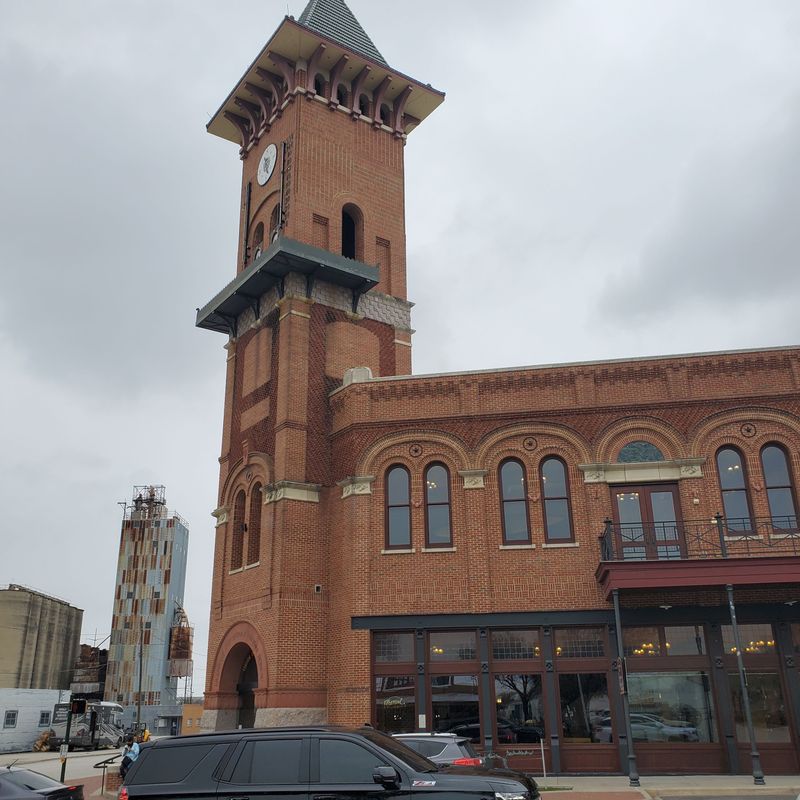
Calling itself the Christmas Capital of Texas, Grapevine transforms into a winter wonderland each holiday season with millions of lights, ice skating, and festive events that draw visitors from across the region.
The city’s historic Main Street features wine-tasting rooms, locally-owned shops, and restaurants housed in restored buildings that maintain small-town character despite sitting in the heart of the Dallas-Fort Worth Metroplex.
Its location near DFW Airport and Grapevine Lake makes it convenient for both business and leisure travelers seeking a taste of Texas hospitality.
Living in Grapevine means dealing with constant tourist traffic and crowds, especially during peak seasons. The city’s festival calendar includes nearly year-round events that bring visitors but also create parking challenges and congestion for residents trying to go about daily routines.
Main Street’s charm serves tourists well but offers limited practical services for locals, who must venture into surrounding areas for grocery shopping and everyday needs.
Housing costs reflect Grapevine’s prime location in the Metroplex, with prices significantly higher than in nearby suburbs offering similar amenities. The city’s focus on tourism and convention business means hotels and event venues occupy prime real estate, limiting residential development in desirable areas.
Airplane noise from DFW Airport affects many neighborhoods, creating a constant background hum that visitors might not notice during short stays but becomes wearing for daily life.
The city’s identity as a tourist destination sometimes overshadows community needs, with city resources and attention directed toward visitor experiences rather than resident concerns.
Traffic congestion on highways connecting Grapevine to other Metroplex cities creates long commutes despite relatively short distances.
The area’s rapid growth has strained schools and infrastructure, and the Grapevine Lake area faces ongoing debates about development and environmental protection. For a weekend visit or holiday celebration, though, Grapevine delivers memorable experiences and festive atmosphere in abundance.
6. New Braunfels
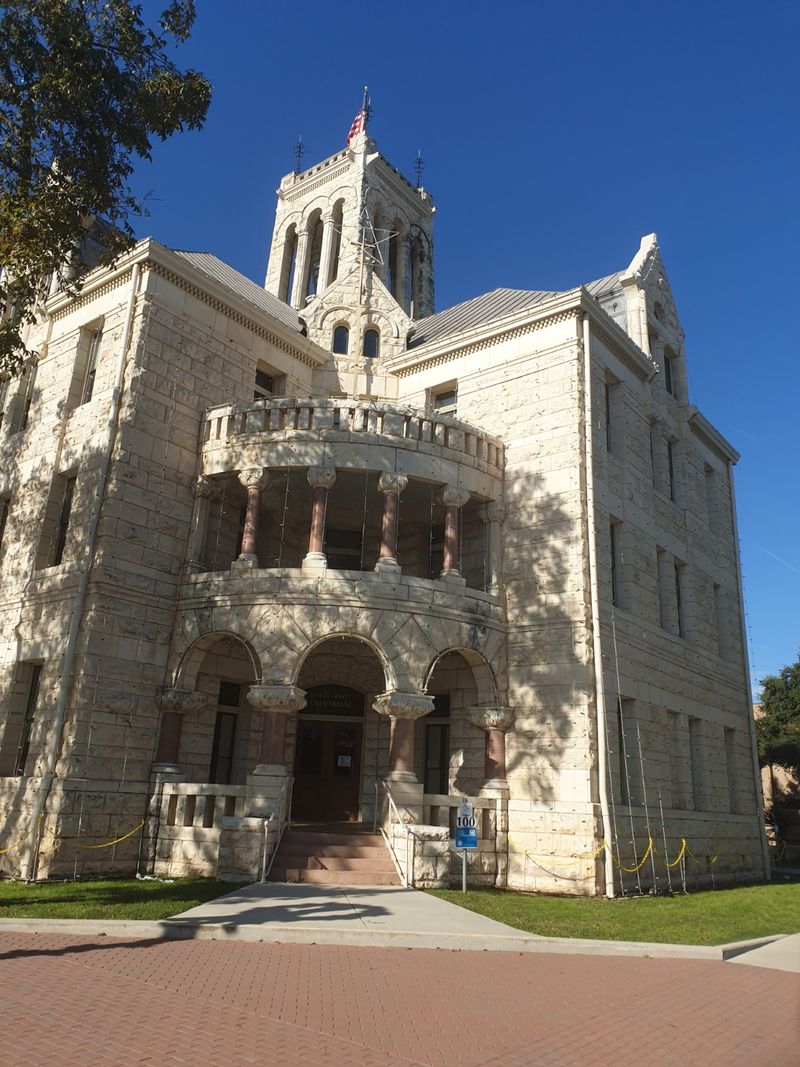
German heritage meets Texas Hill Country in New Braunfels, where limestone buildings house authentic German restaurants, the Comal and Guadalupe Rivers provide endless water recreation, and Schlitterbahn water park ranks among the nation’s best.
Founded by German immigrants in 1845, the city maintains strong cultural traditions through Wurstfest, historic architecture, and a distinctive character that sets it apart from typical Texas towns.
Visitors love floating the rivers on hot summer days, exploring the charming downtown, and enjoying the blend of German and Texan influences.
Summer tourism transforms New Braunfels into a crowded destination that can feel overwhelming for residents. The rivers attract thousands of tubers and kayakers daily during peak season, creating traffic jams, parking shortages, and noise that disrupts residential neighborhoods near the water.
What feels festive for a weekend becomes exhausting when you’re trying to run errands or get to work through streets clogged with out-of-town visitors.
The city’s explosive growth as a San Antonio suburb has changed its character dramatically. New developments sprawl across former ranch land, bringing chain stores and subdivisions that dilute the historic German town atmosphere.
Housing prices have soared as people relocate from more expensive cities, making affordability challenging for locals and young families. The infrastructure struggles to keep up, with roads, schools, and utilities stretched thin by rapid population increases.
Water issues loom large in this river-dependent community. Drought years reduce river flows and restrict tubing, while flooding during heavy rains can be severe.
The Edwards Aquifer’s health directly impacts New Braunfels, creating ongoing environmental concerns and water use restrictions. The city’s location between Austin and San Antonio means heavy traffic on Interstate 35, with commutes to either city taking an hour or more during rush hours.
Summer heat and humidity can be intense, and the tourist-focused economy offers limited high-paying career opportunities. Weekend visits, however, let you enjoy the rivers, festivals, and German heritage without the daily growing pains.
7. Port Aransas
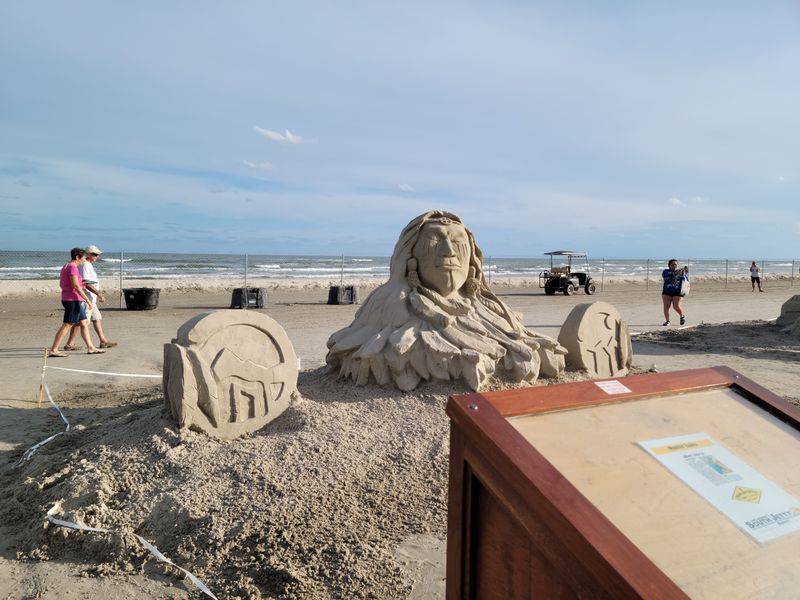
Known locally as Port A, this laid-back fishing village on Mustang Island embodies the casual beach lifestyle that mainlanders dream about. Golf carts serve as primary transportation, fishing piers extend into the Gulf, and the dress code never requires more than shorts and sandals.
The town attracts anglers seeking trophy catches, families building sandcastles on uncrowded beaches, and birders watching migrations along the Central Flyway. Its authentic coastal character feels refreshingly unpretentious compared to more developed beach destinations.
Hurricane Harvey devastated Port Aransas in 2017, destroying or damaging most structures and serving as a stark reminder of the risks inherent in barrier island living. While the town has rebuilt, that vulnerability remains ever-present in residents’ minds.
Evacuation means crossing a ferry or driving around Corpus Christi Bay, routes that can become bottlenecked during emergencies. Insurance costs reflect these hurricane risks, making homeownership expensive even for modest properties.
The tourism-dependent economy creates seasonal employment patterns that make financial stability challenging year-round. Many businesses close or reduce hours during the off-season, leaving limited services for permanent residents.
The island’s small size means driving to Corpus Christi for major shopping, medical care beyond basic services, and entertainment options. Schools serve a small student population, offering fewer programs and activities than mainland districts provide.
The isolated island lifestyle appeals to some but can feel confining to others. Cultural activities, diverse dining options, and career opportunities remain limited.
The constant salt air corrodes vehicles and buildings, requiring expensive maintenance. Summer heat and humidity can be oppressive, and the lack of trees means little natural shade.
Winter brings strong winds and occasional cold fronts that make beach life less appealing. The small year-round population creates a tight community but limited social opportunities, especially for young professionals and families.
For vacationers, though, Port A offers exactly the beach escape they’re seeking.
8. Rockport
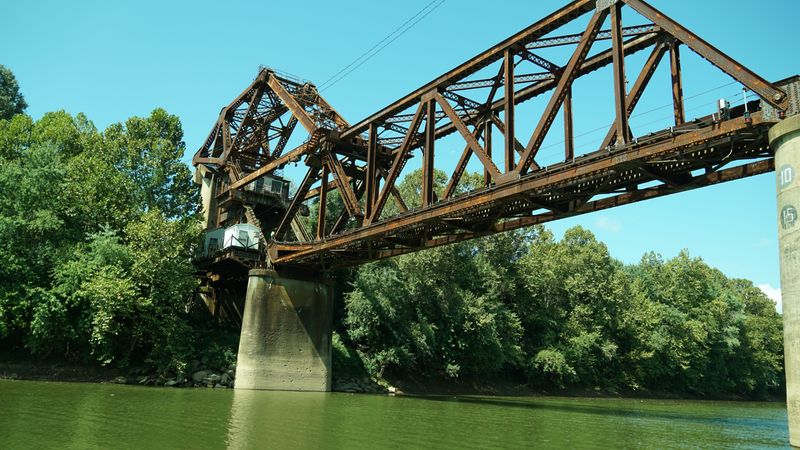
Artists have long been drawn to Rockport’s coastal light and natural beauty, establishing galleries and studios that give this fishing town a creative soul. The town sits on Aransas Bay rather than directly on the Gulf, offering calmer waters perfect for kayaking and birdwatching.
Whooping cranes winter nearby at Aransas National Wildlife Refuge, attracting nature enthusiasts from around the world. Rockport’s combination of art, nature, and seafood culture creates a distinctive atmosphere that feels more refined than typical beach towns while maintaining authentic coastal character.
Hurricane Harvey hit Rockport as a Category 4 storm in 2017, causing catastrophic damage that reshaped the community. Like Port Aransas, the town has rebuilt, but the experience highlighted the serious risks of coastal living.
Beyond hurricanes, the bay location means dealing with storm surge, flooding, and the reality that climate change may increase these threats. Property insurance reflects these risks, and some insurance companies have reduced coverage or pulled out of coastal markets entirely.
The town’s small size and remote location limit career opportunities, especially in fields beyond hospitality, fishing, and retail. Corpus Christi lies 30 miles away for major shopping and services, a drive that becomes routine for residents but adds time and expense to daily life.
Healthcare options remain basic, with specialized medical care requiring trips to larger cities. The school district serves a small population, offering fewer advanced courses and extracurricular activities than larger districts provide.
Rockport’s population skews heavily toward retirees, creating a slower pace and quieter social scene that may not suit younger residents or families seeking more activity. The art galleries and natural beauty that attract visitors offer limited entertainment for daily life.
Summer heat and humidity, combined with mosquitoes and occasional jellyfish blooms, can make outdoor activities less pleasant than visitors experience during ideal weather. The town’s identity as a retirement and vacation destination means fewer amenities geared toward working families.
Weekend visits let you enjoy the art, nature, and coastal beauty without confronting these daily realities.
9. Bandera
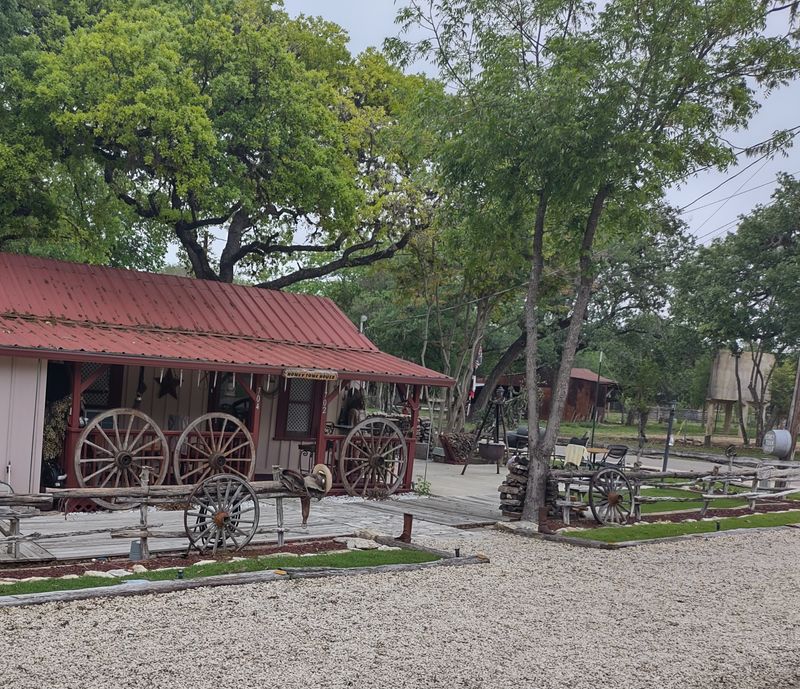
Bandera proudly claims the title of Cowboy Capital of the World, and this Hill Country town delivers authentic Western experiences that city folks crave. Dude ranches surround the town, offering horseback riding, rodeos, and cowboy cookouts under star-filled skies.
The Medina River flows through town, providing swimming holes and cypress-shaded banks perfect for hot summer afternoons. Downtown’s honky-tonks and Western stores maintain the frontier atmosphere, and real working ranches still operate in the surrounding hills.
Visitors embrace the chance to experience genuine cowboy culture without the hardships of 19th-century ranch life.
The romantic cowboy lifestyle becomes less appealing when you’re living it daily. Career opportunities center on tourism, ranching, and service industries, with limited options for professionals in other fields.
The nearest significant employment centers lie in San Antonio, about an hour away through winding Hill Country roads. Internet service and cellular coverage remain spotty in rural areas, making remote work challenging despite the area’s scenic appeal.
Bandera’s small population of around 850 people creates a tight-knit community that can feel welcoming or claustrophobic depending on your personality. Shopping, dining, and entertainment options remain limited, with residents driving to larger towns for variety.
The school district serves a small student body, offering fewer programs than urban or suburban schools provide. Medical care beyond basic services requires trips to San Antonio or Kerrville.
Hill Country living brings challenges that tourists don’t consider during weekend visits. Water availability depends on wells and the aquifer, with drought restrictions affecting daily life.
The area’s natural beauty comes with wildlife encounters, including rattlesnakes, scorpions, and feral hogs. Summer heat can be intense, and flash flooding poses serious risks during heavy rains.
The rural lifestyle means longer drives for everything, from groceries to healthcare. Property maintenance costs more when you’re dealing with septic systems, private roads, and acreage.
The cowboy culture, while charming for visitors, reflects conservative values and slower pace that may not suit everyone. For a weekend of horseback riding and rodeos, though, Bandera offers an unforgettable taste of authentic Texas cowboy life.
Dear Reader: This page may contain affiliate links which may earn a commission if you click through and make a purchase. Our independent journalism is not influenced by any advertiser or commercial initiative unless it is clearly marked as sponsored content. As travel products change, please be sure to reconfirm all details and stay up to date with current events to ensure a safe and successful trip.
