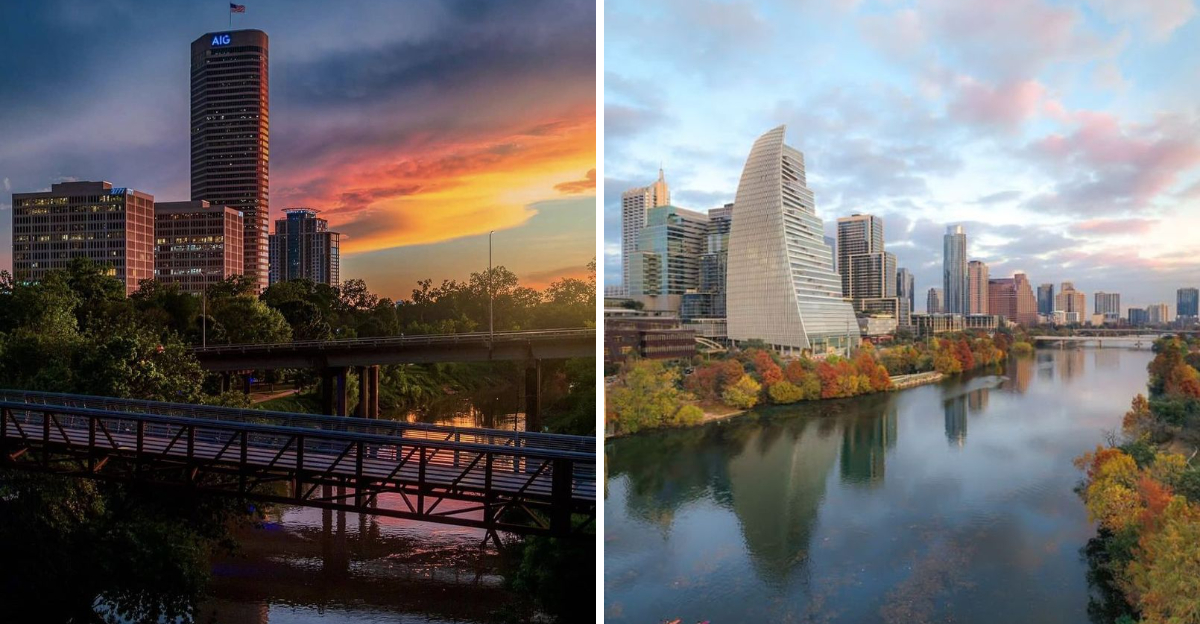
Texas is a state where everything feels bigger, bolder, and more competitive. From bustling metropolitan areas to rapidly growing suburbs, cities across the Lone Star State constantly vie for attention, bragging rights, and the title of best place to live, work, or play.
Whether it’s through sports rivalries that fill stadiums with roaring fans, economic initiatives that attract businesses and innovators, or cultural programs that draw visitors from around the world, Texas cities have turned friendly competition into an art form.
This spirited rivalry makes the state an exciting destination for travelers who want to experience the unique personality and pride each city brings to the table.
1. Fort Worth: The Western Counterweight to Dallas
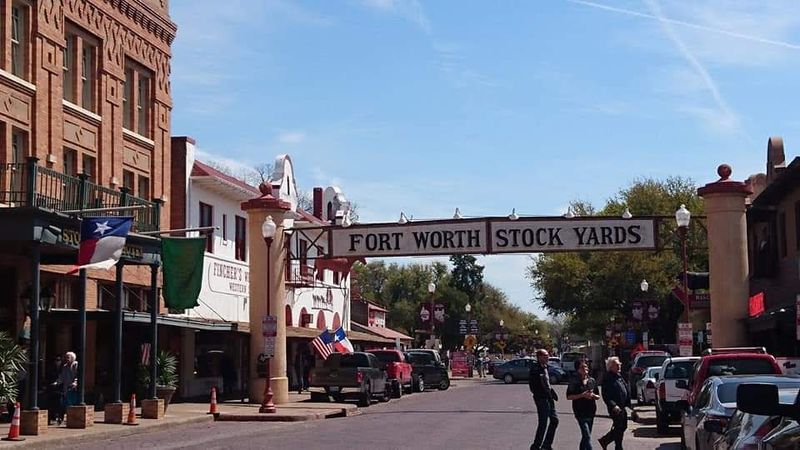
Fort Worth sits just thirty miles west of Dallas but cultivates an identity that could not be more different from its sophisticated neighbor.
While Dallas embraces corporate towers and designer boutiques, Fort Worth proudly maintains its cowboy heritage with the Stockyards National Historic District, where twice-daily cattle drives still rumble down brick streets.
Longhorn steers guided by genuine cowboys create scenes that transport visitors back to the Old West era.
The city’s motto, “Where the West Begins,” draws a clear line between Fort Worth’s authentic Western character and what locals view as Dallas’s pretentious metropolitan attitude. Rodeos at the Stockyards showcase bull riding, barrel racing, and roping competitions that attract competitors from across the country.
Honky-tonk music fills venues where dancers in boots and hats two-step across wooden floors worn smooth by generations of patrons.
Fort Worth surprises visitors with world-class museums that rival those in much larger cities. The Kimbell Art Museum houses masterpieces in a building designed by renowned architect Louis Kahn, while the Modern Art Museum of Fort Worth features contemporary works in a stunning glass-and-steel structure.
The Amon Carter Museum celebrates American art with a focus on Western themes that connect to the city’s heritage.
This combination of cowboy culture and sophisticated arts creates a unique appeal that Fort Worth leverages in its competition with Dallas. Residents take pride in their city’s more relaxed, friendly atmosphere compared to what they perceive as Dallas’s hustle and pretension.
The Trinity River flows through both cities, but Fort Worth residents claim their stretch offers better parks and more authentic Texas experiences than anything Dallas can provide.
2. El Paso: The Border City Standing Apart
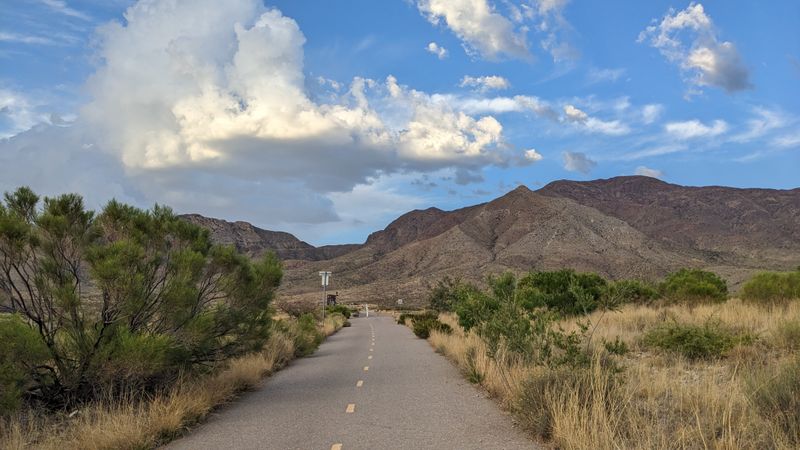
El Paso occupies a unique position in Texas geography and culture, sitting so far west that it shares more in common with New Mexico than with Houston or Dallas. The Franklin Mountains rise dramatically within city limits, creating a rugged backdrop that no other major Texas city can claim.
These peaks offer hiking trails with panoramic views stretching into three states and across the border into Mexico.
The city’s location directly across the Rio Grande from Ciudad Juarez creates a binational metropolitan area where cultures blend seamlessly. Spanish and English mix in daily conversations, while culinary traditions from both sides of the border influence restaurant menus throughout the city.
El Paso’s authentic Mexican food scene operates on a different level than the Tex-Mex found in other parts of the state, with recipes passed down through generations maintaining traditional preparation methods.
While other Texas cities compete for tech companies and corporate headquarters, El Paso focuses on its role as a major international trade hub. Trucks crossing border bridges carry goods between the United States and Mexico, making El Paso crucial to North American commerce.
Fort Bliss, one of the largest military installations in the country, anchors the local economy and brings a strong military presence to the community.
El Paso residents often feel overlooked in conversations about Texas cities, despite their metropolitan area housing nearly a million people. This geographic isolation has fostered fierce local pride and a determination to prove that West Texas matters just as much as the more populated eastern regions.
The city’s stunning desert landscapes, mountain vistas, and genuine border culture create experiences that travelers cannot find anywhere else in Texas, giving El Paso its own competitive edge.
3. Houston vs. Dallas: The Eternal Metroplex Showdown
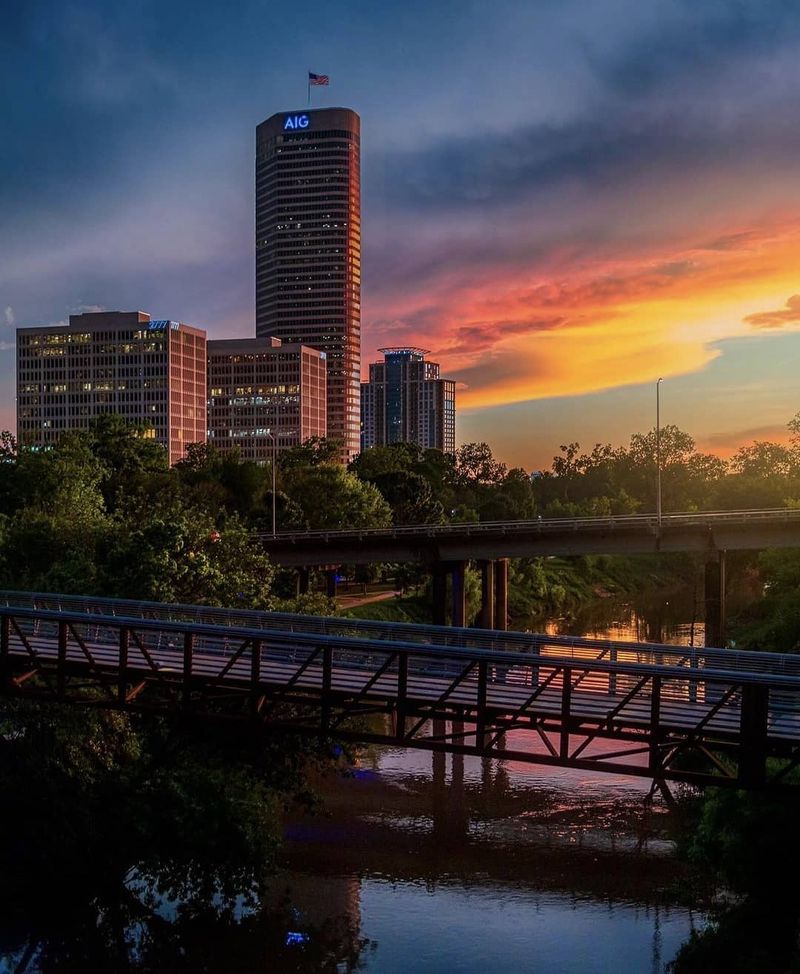
Houston and Dallas have been locked in a rivalry that spans generations, each city claiming superiority in size, culture, and economic power. Houston boasts its position as the fourth-largest city in America and home to NASA’s Johnson Space Center, where astronauts train and mission control operates.
The Space City takes immense pride in its diverse population, world-class medical center, and thriving energy industry that powers much of the nation.
Dallas counters with its gleaming skyline, sophisticated arts district, and reputation as a corporate headquarters haven. The city’s financial sector draws major companies seeking a business-friendly environment, while its fashion scene and upscale shopping districts attract style-conscious visitors.
Dallas residents point to their city’s central location and modern infrastructure as evidence of their forward-thinking approach.
Sports fuel this rivalry with particular intensity. When the Houston Astros face the Texas Rangers in the Lone Star Series, fans from both cities pack stadiums wearing their team colors with fierce loyalty.
The Silver Boot trophy awarded to the series winner becomes a symbol of bragging rights that lasts until the next season begins.
Cultural differences also define this competition. Houston embraces its international flavor with neighborhoods representing dozens of countries and some of the nation’s best Vietnamese and Mexican food.
Dallas leans toward polished sophistication with its theater productions, symphony performances, and art galleries that rival those in much older cities. Both cities continue expanding their convention centers and tourism infrastructure, each determined to capture more visitors and major events than their rival.
4. Austin: The Cool Kid Taking on Everyone
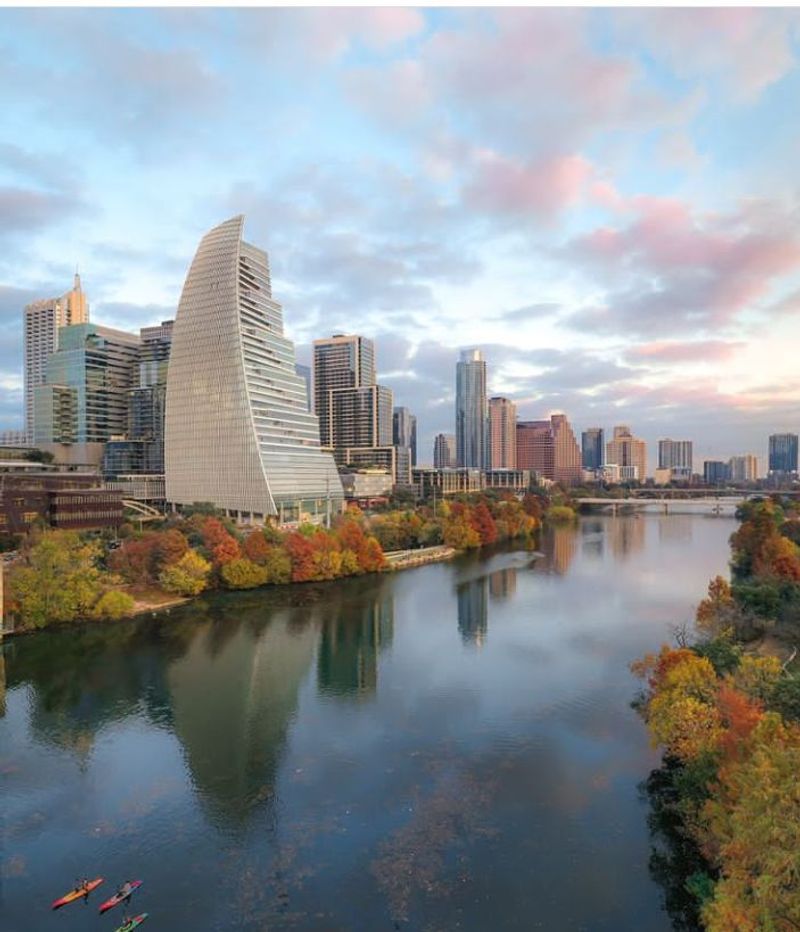
Austin has positioned itself as the rebellious upstart that refuses to play by traditional Texas rules. The city’s unofficial slogan, “Keep Austin Weird,” perfectly captures its determination to stand apart from every other metropolitan area in the state.
Live music pours from venues every night of the week, earning Austin its reputation as the Live Music Capital of the World and attracting musicians who want to make their mark.
Tech companies have transformed Austin into a Silicon Valley competitor, with major corporations establishing headquarters and innovation centers throughout the city. The University of Texas recently launched an artificial intelligence hub designed to attract top talent and position Austin as a leader in emerging technologies.
This aggressive push into the AI sector directly challenges other Texas cities hoping to claim tech industry dominance.
What really sets Austin apart is its blend of outdoor recreation and urban sophistication. Zilker Park offers green space right in the heart of the city, while Lady Bird Lake provides kayaking and paddleboarding opportunities that most major cities cannot match.
Barton Springs Pool maintains a constant 68-degree temperature year-round, creating a natural swimming hole that feels like a secret oasis.
The city’s food truck culture and farm-to-table restaurants have created a culinary scene that rivals Houston’s international offerings and Dallas’s upscale dining. Austin’s South Congress neighborhood showcases vintage shops, quirky boutiques, and colorful murals that have become Instagram favorites.
Film festivals, music conferences, and tech conventions fill the city’s calendar, with each event reinforcing Austin’s image as the place where creativity and innovation collide in unexpected ways.
5. San Antonio: The History Buff With Modern Ambitions
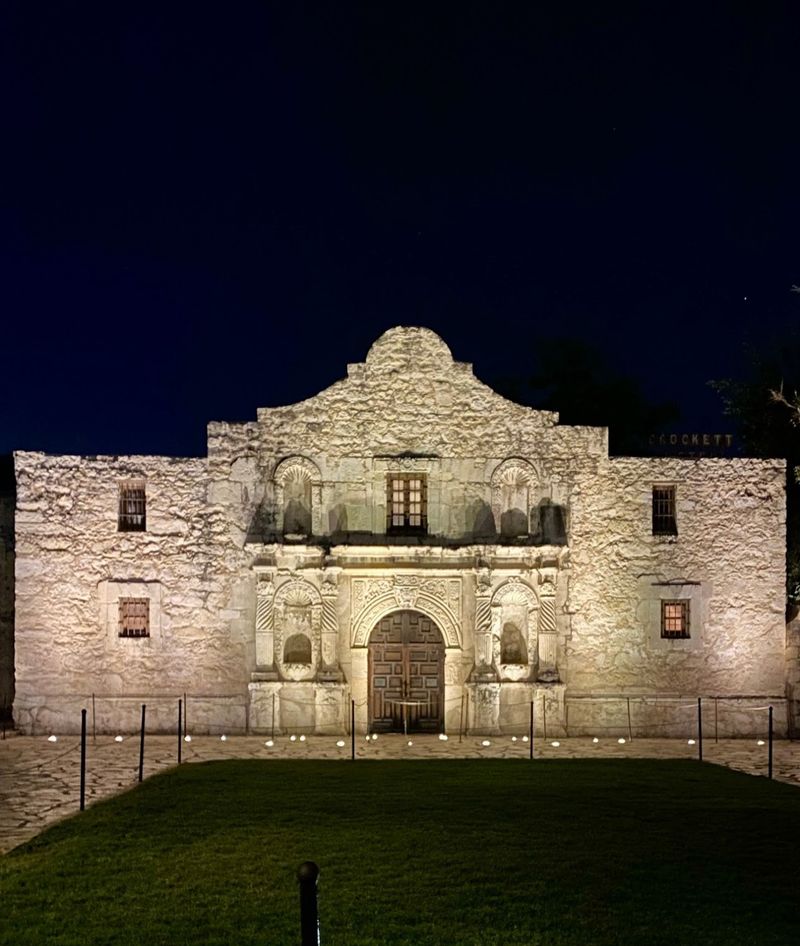
San Antonio carries the weight of Texas history on its shoulders while simultaneously pushing toward a competitive future. The Alamo stands as the most recognized symbol of Texas independence, drawing millions of visitors who want to walk the grounds where legends were born.
Beyond this famous mission, four other Spanish colonial missions create a UNESCO World Heritage Site that tells stories stretching back centuries.
The River Walk winds through downtown San Antonio like a hidden world below street level, where cypress trees shade outdoor cafes and colorful umbrellas dot restaurant patios. Stone pathways follow the San Antonio River for miles, creating an urban park that transforms the city center into a pedestrian paradise.
Tour boats glide past historic buildings while street performers entertain crowds gathering along the water’s edge.
San Antonio recently expanded its film incentive program to offer combined city-and-state rebates reaching 45 percent, deliberately outbidding Houston’s 41 percent and Austin’s 33.5 percent. This aggressive move signals the city’s determination to compete for movie and television productions that bring jobs, visibility, and economic benefits.
City leaders recognize that attracting filmmakers helps reshape San Antonio’s image from purely historical to dynamically modern.
Military bases surrounding the city, including Joint Base San Antonio, contribute significantly to the local economy and create a strong patriotic atmosphere. Fiesta San Antonio celebrates the city’s multicultural heritage each spring with parades, festivals, and events that last nearly two weeks.
The blend of Mexican, Spanish, German, and American influences creates a cultural tapestry that San Antonio claims no other Texas city can replicate with such authenticity and depth.
6. Plano and Frisco: The Suburban Challengers
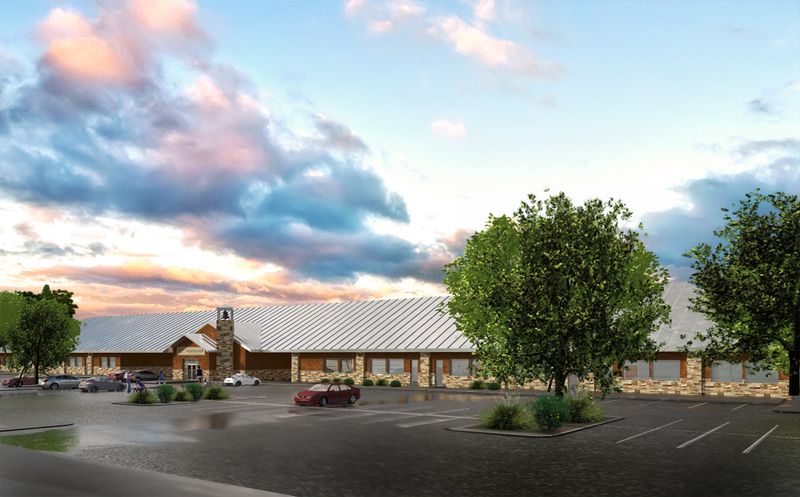
Plano and Frisco have transformed from quiet Dallas suburbs into competitive powerhouses that challenge established cities for recognition and residents. These northern suburbs grew explosively as families and companies sought newer infrastructure, excellent schools, and planned communities that offered modern amenities without urban congestion.
Corporate headquarters for major companies now dot both cities, bringing high-paying jobs and economic clout that rival older metropolitan areas.
Frisco particularly embraced sports as a competitive strategy, landing the Dallas Cowboys’ practice facility, known as The Star, which functions as a mixed-use development combining retail, dining, and entertainment with professional football operations.
The National Soccer Hall of Fame calls Frisco home, as does FC Dallas, the Major League Soccer team that competes against Houston Dynamo FC in the heated Texas Derby rivalry.
Multiple youth sports complexes host tournaments that bring thousands of visitors and their families to Frisco throughout the year.
Plano counters with its own impressive credentials, including a thriving corporate corridor that attracted Toyota’s North American headquarters.
The Legacy West development created an urban-style downtown district where none existed before, complete with high-rise apartments, upscale shopping, and restaurants that draw crowds from across the Dallas-Fort Worth area.
Historic downtown Plano preserves the city’s origins while new development pushes boundaries in every direction.
Both cities compete aggressively for the title of best suburb in America, regularly appearing on national rankings for quality of life, schools, and economic opportunity.
Their rapid growth and modern infrastructure appeal to young professionals and families who want suburban space without sacrificing urban amenities.
This suburban competition adds another layer to the already complex rivalry dynamics among Texas cities, proving that the competitive spirit extends beyond traditional metropolitan boundaries.
7. Corpus Christi: The Coastal Contender
Corpus Christi holds the distinction of being Texas’s largest coastal city, giving it a competitive advantage that landlocked rivals cannot match. Miles of beaches along the Gulf of Mexico attract visitors seeking sun, sand, and saltwater recreation without leaving the state.
Padre Island National Seashore protects the longest stretch of undeveloped barrier island in the world, offering pristine natural beauty just minutes from the city center.
The city’s deep-water port ranks among the largest in the United States, handling massive amounts of crude oil, petroleum products, and other cargo that drive the regional economy. This industrial might combines with tourism to create a diverse economic base that Corpus Christi leverages in its competition with other coastal destinations.
The Texas State Aquarium showcases marine life from the Gulf of Mexico and beyond, while the USS Lexington, a World War II aircraft carrier, serves as a floating museum that honors naval history.
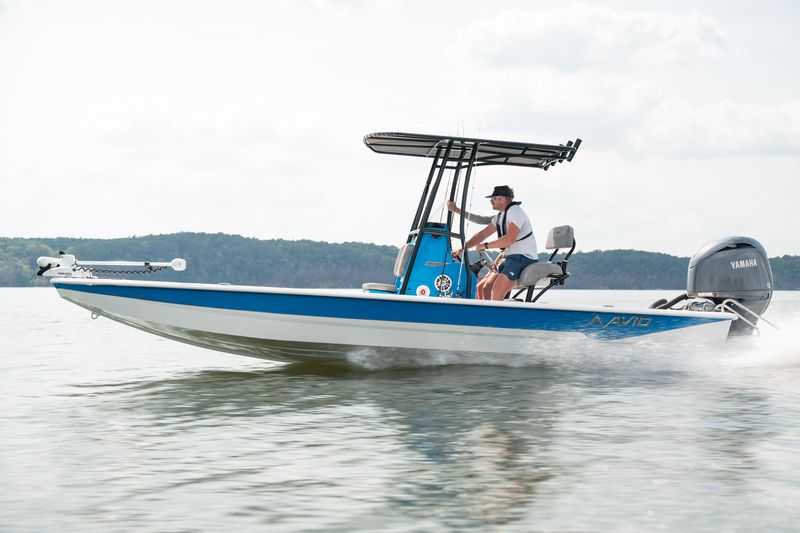
Water sports define the Corpus Christi lifestyle in ways that other Texas cities cannot replicate. Windsurfing, kiteboarding, and sailing take advantage of consistent coastal breezes, while fishing enthusiasts pursue redfish, speckled trout, and other species in the bay and offshore waters.
The city’s relatively affordable cost of living compared to other coastal destinations makes it attractive to retirees and young families seeking a beach lifestyle.
Corpus Christi competes not just with other Texas cities but with coastal destinations across the Gulf Coast. City leaders work to upgrade infrastructure, attract conventions, and market the area’s unique combination of beaches, history, and outdoor recreation.
The laid-back coastal atmosphere stands in sharp contrast to the hustle of Houston or Dallas, appealing to travelers who want to experience a different side of Texas where the pace slows down and the ocean breeze carries away everyday stress.
8. The Woodlands: The Master-Planned Marvel
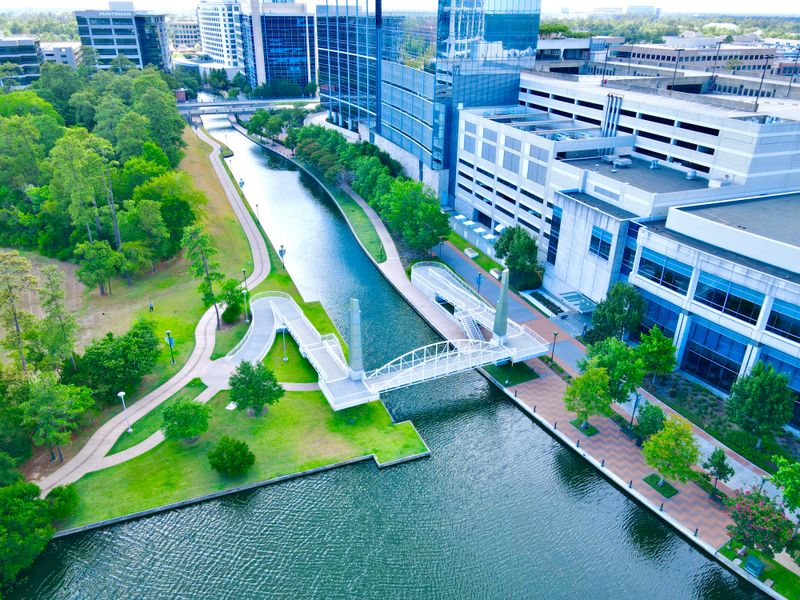
The Woodlands represents a different kind of Texas city competition, built from scratch as a master-planned community that challenges traditional urban development models.
Located north of Houston, this carefully designed city integrates residential neighborhoods, corporate offices, shopping districts, and recreational spaces in ways that blur the line between suburb and independent city.
Towering pine trees preserved during development create a forested canopy that makes The Woodlands feel more like a park than a city.
Major corporations established regional headquarters in The Woodlands, attracted by the planned infrastructure, educated workforce, and quality of life that the community offers.
ExxonMobil’s sprawling campus anchors the corporate presence, while healthcare, technology, and energy companies fill office buildings throughout the area.
This economic base allows The Woodlands to compete with established cities for jobs and tax revenue despite its relatively recent origins.
The Woodlands Mall and Market Street provide shopping and dining options that rival those in much larger cities, while The Cynthia Woods Mitchell Pavilion hosts concerts and performances in an outdoor amphitheater setting.
Miles of walking and biking trails connect neighborhoods and commercial areas, promoting an active lifestyle that appeals to health-conscious residents.
Parks, pools, and recreation centers appear throughout the community, ensuring that residents never travel far to find outdoor activities.
Real estate competition in The Woodlands ranks among the most intense in Texas, with homes often selling quickly and above asking price. The community’s reputation for excellent schools, low crime, and abundant amenities drives demand that keeps the housing market perpetually competitive.
The Woodlands proves that newer, carefully planned communities can compete effectively with historic cities, offering a vision of suburban living that prioritizes green space, walkability, and quality of life in ways that challenge traditional development patterns across Texas.
Dear Reader: This page may contain affiliate links which may earn a commission if you click through and make a purchase. Our independent journalism is not influenced by any advertiser or commercial initiative unless it is clearly marked as sponsored content. As travel products change, please be sure to reconfirm all details and stay up to date with current events to ensure a safe and successful trip.
