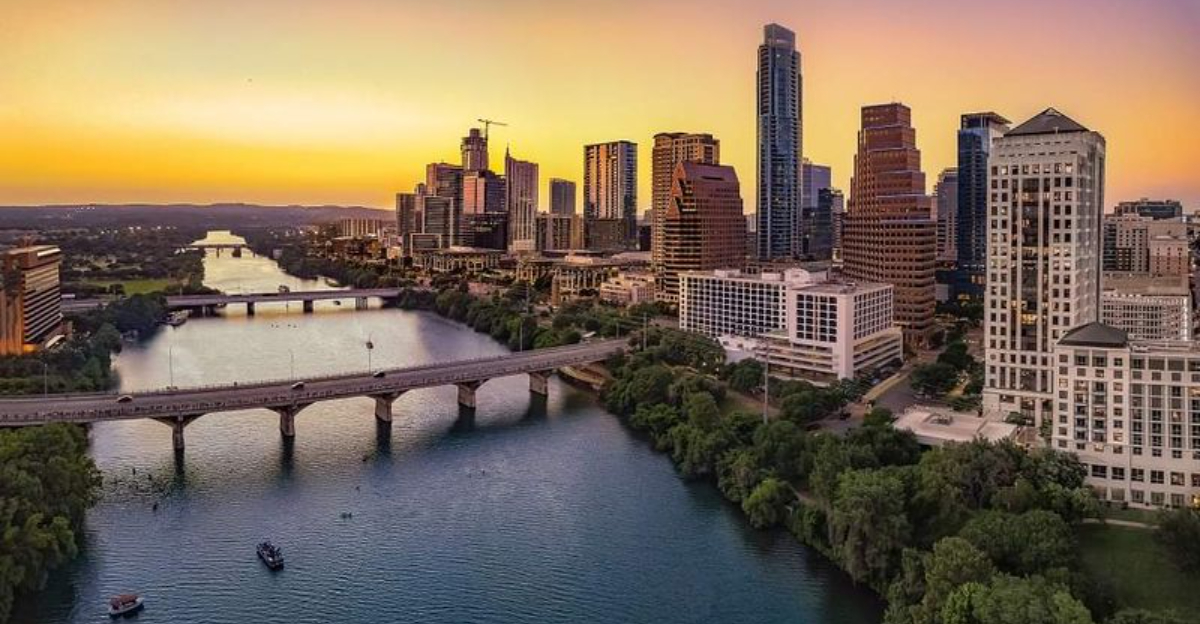
Most people think Texas is all about cowboys, oil fields, and endless stretches of desert.
While the Lone Star State certainly has its share of wide-open spaces, it also hides some truly unexpected urban gems that catch first-time visitors completely off guard.
From quirky college towns with vibrant music scenes to sophisticated cultural hubs that rival major coastal cities, Texas cities offer way more diversity than most outsiders imagine.
These surprising destinations showcase art galleries, world-class restaurants, beautiful natural landscapes, and unique local cultures that challenge every stereotype.
Whether you’re planning your first trip to Texas or you think you already know what the state has to offer, prepare to have your expectations flipped upside down.
The cities on this list prove that Texas is far more complex, creative, and cosmopolitan than Hollywood movies suggest.
Get ready to discover places where German heritage meets Tex-Mex cuisine, where bats emerge at sunset to the delight of thousands, and where contemporary art thrives in the middle of cattle country.
These seven cities will change how you see Texas forever.
1. Marfa
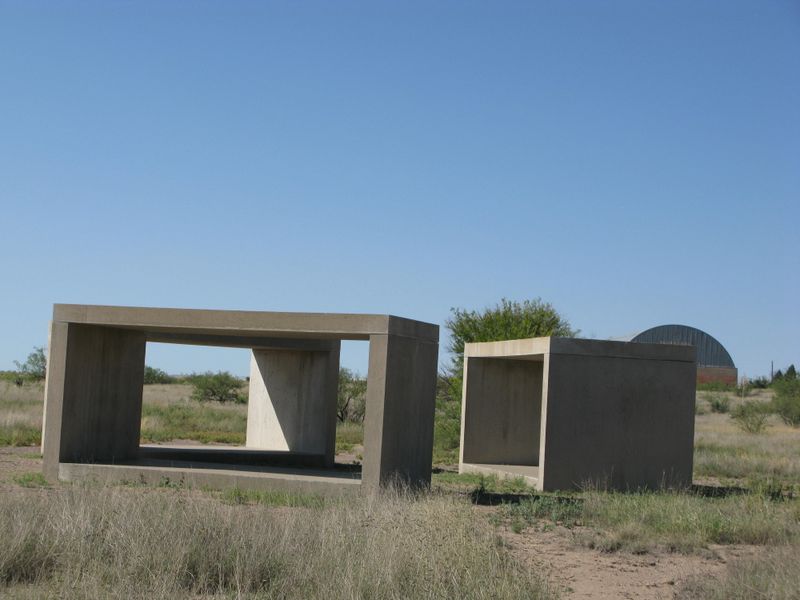
Picture a tiny town in the middle of the West Texas desert where world-famous artists display their work and gallery openings attract visitors from New York and Los Angeles.
Marfa sounds impossible, yet here it stands as one of America’s most unlikely art destinations.
With a population hovering around 1,700 people, this remote community has become an international cultural hotspot that leaves first-time visitors absolutely stunned.
The transformation began when minimalist artist Donald Judd moved here in the 1970s and started converting old military buildings into permanent art installations.
Today, the Chinati Foundation showcases massive sculptures and installations across 340 acres of desert landscape.
Visitors wander through former artillery sheds now housing enormous aluminum boxes that play with light and space in ways that photographs simply cannot capture.
Beyond the serious art scene, Marfa delivers quirky surprises at every turn.
The famous Prada Marfa installation sits along Highway 90, a fully stocked luxury boutique that will never open for business.
It’s a permanent sculpture that looks like a mirage in the desert, perfect for memorable photos.
Downtown Marfa features excellent coffee shops, creative restaurants, and boutique hotels that would feel at home in Brooklyn or Portland.
The Hotel Saint George offers stylish accommodations at 105 South Highland Avenue, while Food Shark serves incredible Mediterranean food from a food truck.
Evenings bring another surprise: the mysterious Marfa Lights, unexplained glowing orbs that appear in the distance and have puzzled observers for over a century.
Most visitors expect tumbleweeds and gas stations when heading to far West Texas.
Instead, Marfa delivers sophisticated culture, thought-provoking art, and a creative community that proves Texas contains multitudes.
This tiny desert town challenges assumptions and creates memories that last forever.
2. Fredericksburg
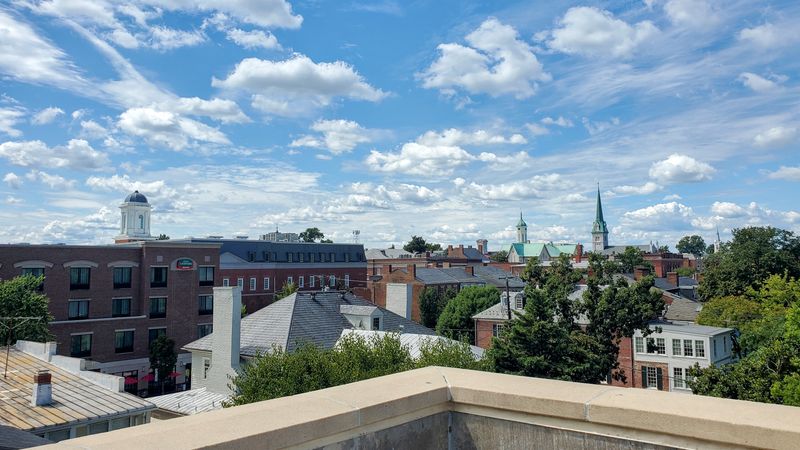
When you roll into Fredericksburg, you might wonder if you accidentally drove to Bavaria instead of Central Texas.
German-style architecture lines Main Street, bakeries sell authentic strudel and schnitzel, and many locals still speak German as a second language.
This Hill Country gem preserves its 1846 German immigrant heritage while simultaneously serving as the heart of Texas wine country, creating a cultural blend that catches everyone by surprise.
The town’s German roots run incredibly deep and show up in unexpected ways.
The Pioneer Museum Complex showcases original settler homes and artifacts that tell the story of hardy immigrants who made deals with Comanche tribes and built a thriving community.
Each October, Oktoberfest celebrations bring traditional music, dancing, and enough bratwurst to feed thousands of happy visitors who can hardly believe they’re still in Texas.
What really shocks first-timers is discovering that Fredericksburg sits at the center of a legitimate wine region with over 50 wineries nearby.
The Texas Hill Country AVA produces excellent wines, particularly Tempranillo and Viognier varieties that thrive in the local climate.
Becker Vineyards at 464 Becker Farms Road offers beautiful tastings among lavender fields, while Grape Creek Vineyard provides stunning views alongside their award-winning bottles.
Beyond wine and German culture, Fredericksburg surprises visitors with its connection to space exploration.
The National Museum of the Pacific War honors Admiral Chester Nimitz, who was born here, with extensive exhibits about World War II.
Main Street shopping delivers everything from antique stores to modern boutiques, while restaurants serve both traditional German fare and innovative Texas cuisine.
Peach orchards surround the town, and during summer months, fresh peaches appear everywhere from ice cream to barbecue sauces.
Fredericksburg proves that Texas history includes far more than just cowboys and cattle drives.
3. Austin
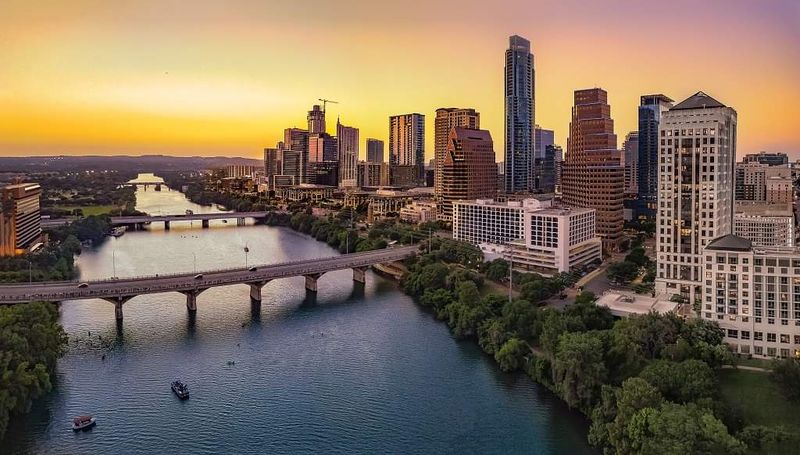
Austin’s reputation as the “Live Music Capital of the World” barely scratches the surface of what makes this city so surprising.
First-time visitors expect a fun music scene but rarely anticipate the sheer weirdness, natural beauty, and culinary innovation packed into Texas’s capital city.
From bat colonies to breakfast tacos to tech startups, Austin operates on a completely different wavelength than the rest of Texas.
The nightly bat flight from Congress Avenue Bridge represents Austin’s quirky spirit perfectly.
Every evening from March through October, roughly 1.5 million Mexican free-tailed bats emerge from beneath the bridge in a spectacular cloud that darkens the sky.
Thousands of people gather to watch this natural phenomenon, turning bat-watching into a beloved local tradition that visitors find absolutely delightful.
Austin’s food scene has exploded beyond anyone’s expectations, earning national recognition for innovation and quality.
Franklin Barbecue at 900 East 11th Street draws lines that stretch for hours, but the brisket justifies every minute of waiting.
The city claims to have invented the breakfast taco, and places like Veracruz All Natural serve versions so delicious they’ve achieved cult status among locals and tourists alike.
Natural swimming holes provide another unexpected element that first-timers absolutely love.
Barton Springs Pool maintains a constant 68-degree temperature year-round, offering refreshing swims right in the middle of the city.
Lady Bird Lake trails let you kayak or paddleboard with downtown skyscrapers as your backdrop, creating surreal combinations of nature and urban landscape.
The city’s “Keep Austin Weird” motto isn’t just marketing; it’s a genuine commitment to supporting local businesses, embracing counterculture, and celebrating individuality.
Street art covers entire buildings, food trucks serve cuisine from every continent, and live music pours from venues every single night.
Austin surprises visitors by being simultaneously Texan and utterly unlike anywhere else in Texas.
4. San Antonio
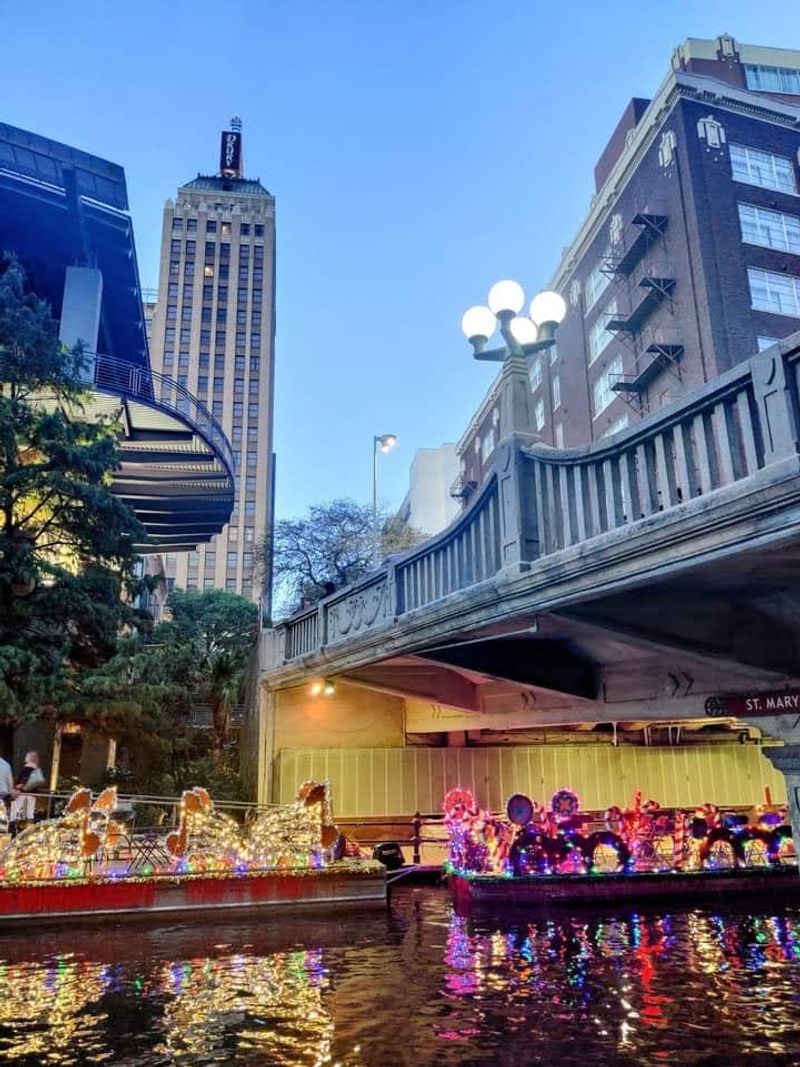
Everyone knows about the Alamo, but San Antonio’s magical River Walk catches first-time visitors completely unprepared for its beauty and charm.
Winding pathways follow the San Antonio River through the heart of downtown, creating a lush, European-style promenade lined with restaurants, shops, and hotels.
The atmosphere feels more like Venice or Amsterdam than what most people imagine when they picture Texas cities.
Walking down stone staircases from street level to the River Walk feels like entering a secret world hidden below the modern city.
Cypress trees provide shade while colorful umbrellas dot outdoor dining areas where visitors enjoy Tex-Mex cuisine alongside the gently flowing water.
River barges offer narrated tours that reveal the history and architecture of this unique urban waterway, which was nearly paved over in the 1920s before citizens fought to preserve it.
San Antonio’s Spanish colonial heritage creates an atmosphere unlike any other major Texas city.
Five Spanish missions, including the famous Alamo, form a UNESCO World Heritage Site that tells the story of 18th-century frontier life.
Mission San José at 6701 San Jose Drive features beautiful stone carvings and a working acequia (irrigation system) that still functions after 250 years.
The city’s food scene blends Mexican and Texan influences in ways that create entirely new flavors.
Authentic puffy tacos, invented in San Antonio, deliver crispy, airy shells filled with savory ingredients.
The Pearl Brewery district has transformed into a culinary destination featuring the Culinary Institute of America and acclaimed restaurants like Cured at 306 Pearl Parkway.
Beyond tourist attractions, San Antonio surprises visitors with its genuine warmth and cultural richness.
Fiesta San Antonio celebrates the city’s heritage each April with parades, concerts, and festivals that last nearly two weeks.
The blend of history, natural beauty, and vibrant culture makes San Antonio far more enchanting than first-timers ever expect.
5. El Paso
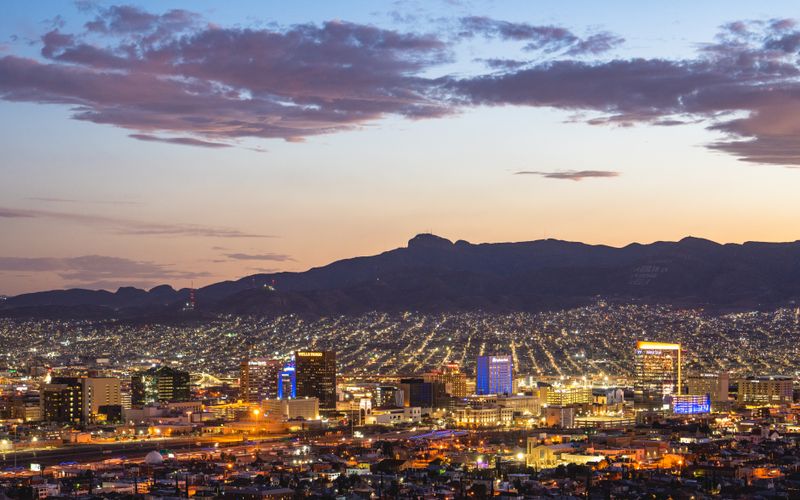
Nestled against the Franklin Mountains with Mexico visible across the Rio Grande, El Paso occupies one of the most geographically dramatic settings of any American city.
First-time visitors consistently express shock at the rugged mountain landscapes rising directly from the urban core.
This border city of nearly 700,000 people offers a bilingual, bicultural experience that feels distinctly different from anywhere else in Texas or the United States.
The Franklin Mountains State Park sits entirely within city limits, making El Paso the only major Texas city with a state park inside its boundaries.
Hiking trails wind through desert canyons where you might spot roadrunners, jackrabbits, and golden eagles against backdrops of stunning geological formations.
Wyler Aerial Tramway carries visitors to Ranger Peak, offering panoramic views that stretch across three states and into Mexico.
El Paso’s cultural identity reflects its position as the largest binational metropolitan area in the Western Hemisphere.
Juárez sits directly across the border, and the two cities function as interconnected communities sharing family ties, economic relationships, and cultural traditions.
Authentic Mexican cuisine here surpasses what you’ll find in most other American cities because recipes and ingredients flow directly across the border daily.
The Mission Trail preserves three Spanish colonial missions built in the 1680s, predating the famous San Antonio missions by decades.
Ysleta Mission at 131 South Zaragoza Road stands as the oldest continuously operated parish in Texas, with thick adobe walls and beautiful traditional architecture.
These historic sites remind visitors that Spanish colonization reached this area generations before most of Texas was even explored.
Downtown El Paso has experienced remarkable revitalization, with restored historic buildings now housing craft breweries, art galleries, and innovative restaurants.
The Sun City delivers nearly 300 days of sunshine annually, mountain adventures, authentic border culture, and a welcoming community that takes pride in its unique identity.
El Paso surprises everyone who visits.
6. Galveston

Most Texans know Galveston as a beach destination, but first-time visitors discover a sophisticated island city with Victorian architecture, fascinating history, and coastal charm that rivals much more famous seaside towns.
This barrier island survived the deadliest natural disaster in American history, the 1900 hurricane that killed thousands; and rebuilt itself into a cultural treasure that preserves its 19th-century glory while embracing modern attractions.
The combination of beaches, historic districts, and maritime heritage creates an atmosphere that feels nothing like landlocked Texas stereotypes.
The Strand Historic District showcases beautifully restored Victorian-era buildings that once made Galveston the wealthiest city in Texas.
Called the “Wall Street of the South” during its heyday, this downtown area now features art galleries, antique shops, restaurants, and museums housed in structures that survived the great storm.
Walking these streets feels like stepping back to the 1890s, especially during Dickens on the Strand festival when costumed performers recreate Victorian England on Texas soil.
Grand mansions reveal the incredible wealth that once flowed through this port city.
The Bishop’s Palace at 1402 Broadway stands as one of America’s most significant Victorian residences, with ornate woodwork, stained glass, and architectural details that leave visitors speechless.
Moody Mansion offers another glimpse into Gilded Age luxury, preserved exactly as the wealthy family left it.
Beyond history, Galveston delivers genuine beach experiences with 32 miles of Gulf Coast shoreline.
The Seawall stretches for ten miles, providing protection from storms while offering a perfect spot for biking, rollerblading, or watching spectacular sunrises over the water.
Pleasure Pier extends over the Gulf with amusement rides, games, and restaurants built on a historic pier structure.
Galveston surprises visitors by being simultaneously a beach town, historic preservation showcase, and working port where massive cruise ships depart regularly.
The island proves that Texas includes genuine coastal culture alongside its cowboy heritage.
7. Denton
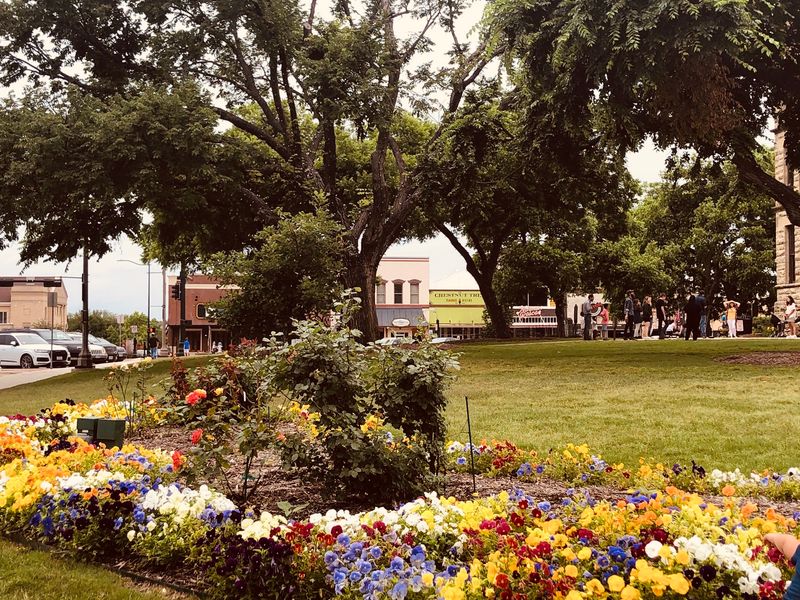
Hidden between Dallas and Fort Worth, Denton operates as a creative powerhouse that most non-Texans have never heard of despite its thriving music scene, two universities, and fiercely independent spirit.
This college town of about 150,000 people punches way above its weight in cultural influence, producing Grammy-winning musicians and fostering an arts community that rivals much larger cities.
First-time visitors expect a typical suburban area but instead discover a bohemian enclave with its own distinct personality.
Denton’s music scene has launched numerous nationally successful bands and continues to nurture emerging artists across every genre.
Local venues like Dan’s Silverleaf at 103 Industrial Street host intimate shows where you might catch tomorrow’s headliners before they blow up.
The University of North Texas houses one of America’s premier jazz programs, and you can hear incredibly talented student musicians performing around town any night of the week.
The historic courthouse square forms the heart of downtown, surrounded by local businesses, record stores, coffee shops, and restaurants that refuse to surrender to chain establishments.
Recurring Records offers vinyl treasures and local releases, while Beth Marie’s Old Fashioned Ice Cream serves handmade flavors that have achieved legendary status among students and locals.
This commitment to independent businesses creates an authentic community feel that corporate developments simply cannot replicate.
Public art covers buildings throughout Denton, with murals and installations that transform ordinary structures into canvases celebrating local culture and history.
The Denton Community Market brings together local farmers, artists, and food vendors every Saturday, creating a gathering space that strengthens neighborhood connections.
Clear Creek Natural Heritage Center provides nature trails and environmental education right in town, offering peaceful escapes without leaving city limits.
Denton surprises visitors by being genuinely weird, creative, and welcoming in ways that feel organic rather than manufactured.
This college town proves that Texas contains pockets of progressive culture and artistic innovation thriving alongside traditional values.
Dear Reader: This page may contain affiliate links which may earn a commission if you click through and make a purchase. Our independent journalism is not influenced by any advertiser or commercial initiative unless it is clearly marked as sponsored content. As travel products change, please be sure to reconfirm all details and stay up to date with current events to ensure a safe and successful trip.
