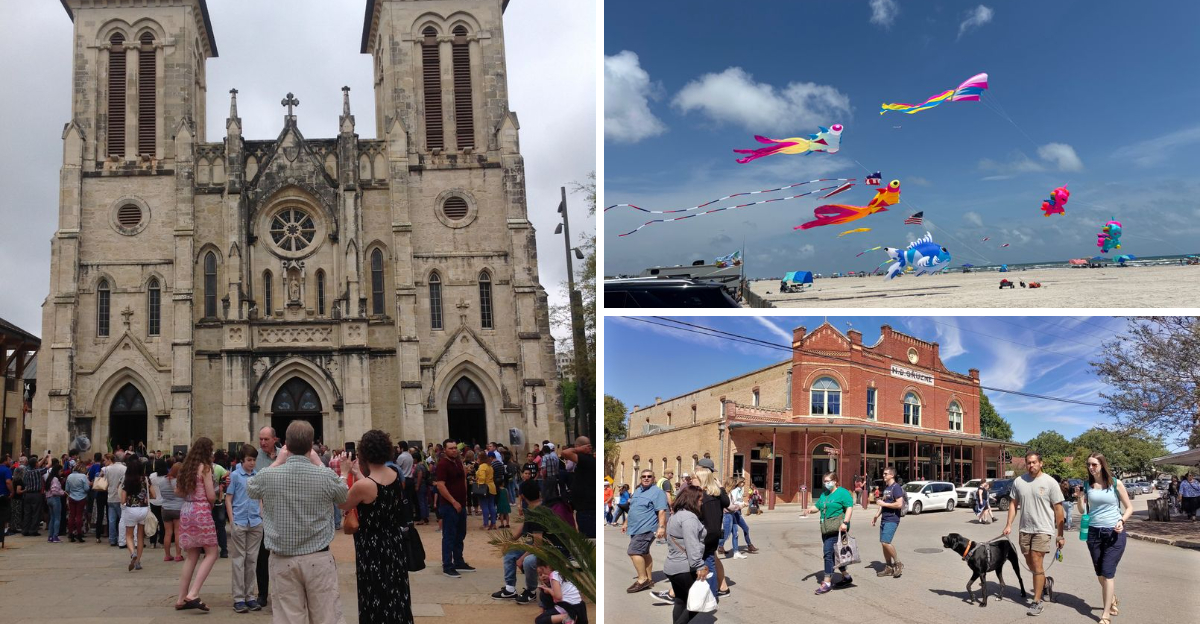
Texas stretches across nearly 270,000 square miles, packed with cities that promise adventure, history, and unforgettable experiences. But not every destination lives up to the hype, and some leave visitors wishing they had planned their trips a little differently.
From overcrowded attractions to sweltering heat and unexpected chaos, certain Texas cities have earned a reputation for frustrating tourists more than delighting them.
Whether it’s battling massive crowds at popular spots or dealing with traffic that seems to last forever, these places have climbed to the top of complaint lists across travel forums and review sites.
Ready to find out which cities made the list and why travelers are venting their frustrations online? Let’s hit the road and uncover the truth behind the tourist traps everyone loves to hate!
1. New Braunfels
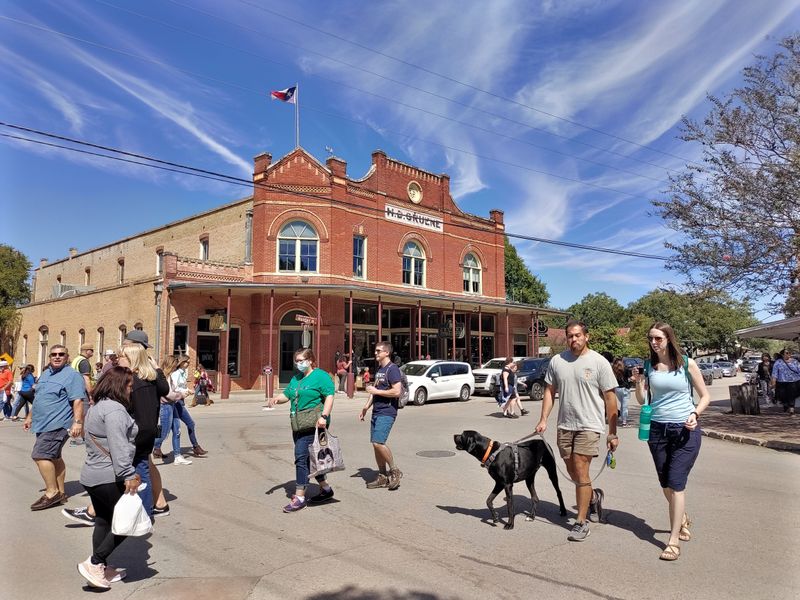
Picture this: you’re floating down a gorgeous river, the sun is shining, and then suddenly you’re shoulder-to-shoulder with what feels like half of Texas trying to enjoy the same tube. That’s the reality visitors face in New Braunfels, a charming Hill Country town that has become a victim of its own success.
The once-peaceful float down the Comal has transformed into a party-packed procession where finding a quiet spot feels nearly impossible.
Parking becomes a nightmare during peak season, with visitors circling for hours just to find a spot near the river outfitters. The wait times at Schlitterbahn can stretch beyond two hours for popular slides, turning a fun day into an exercise in patience.
Local restaurants overflow with hungry tourists, and reservations become essential even for casual dining spots.
New Braunfels wasn’t always this chaotic. Decades ago, it served as a peaceful German settlement where visitors could enjoy authentic culture and natural beauty without battling crowds.
Today, the charm still exists beneath the surface, but you’ll need to visit during off-peak times to experience it. Weekdays in spring or fall offer the best chance to enjoy this town without the frustration.
The historic downtown area, Gruene Hall, and local bakeries still deliver authentic Texas Hill Country vibes when the tourist masses aren’t overwhelming every corner. Just remember to plan strategically, or you’ll join the chorus of complainers who learned the hard way that timing is everything in New Braunfels.
2. Port Aransas
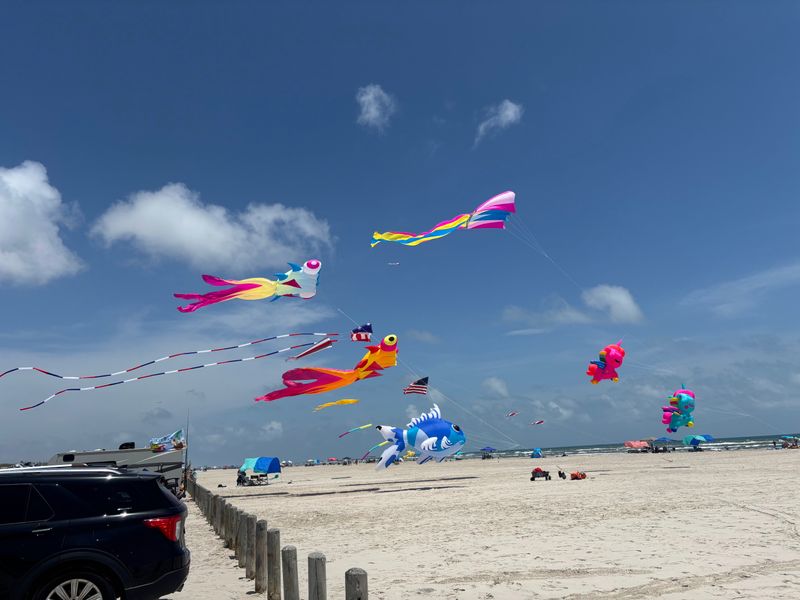
Gulf Coast dreams can quickly turn into sandy nightmares when you arrive at Port Aransas during spring break or summer holidays.
This barrier island destination promises pristine beaches and excellent fishing, but delivers bumper-to-bumper traffic and beaches so packed you can barely find space to spread your towel.
The ferry crossing from the mainland often involves waits exceeding an hour, with families sitting in hot cars wondering if the beach on the other side is worth the hassle.
Accommodations book up months in advance, forcing latecomers to pay premium prices for subpar lodging far from the beach. Restaurants struggle to keep up with demand, leading to long waits and sometimes disappointing meals rushed out to handle the volume.
The fishing piers become so crowded that finding a good spot requires arriving before dawn.
Hurricane Harvey devastated Port Aransas in 2017, and while the community has rebuilt admirably, the infrastructure still struggles to handle peak tourist loads.
Beach access points become choked with vehicles, and parking enforcement issues tickets at a furious pace to anyone who parks illegally out of desperation.
The natural beauty remains stunning when you can actually enjoy it, with dolphins playing in the surf and seabirds soaring overhead. Visiting during shoulder seasons like late September or early May offers a completely different experience, with manageable crowds and the same gorgeous coastline.
Port Aransas has incredible potential, but during peak times it exemplifies everything that can go wrong when tourism outpaces a small town’s capacity to handle it gracefully.
3. Dallas
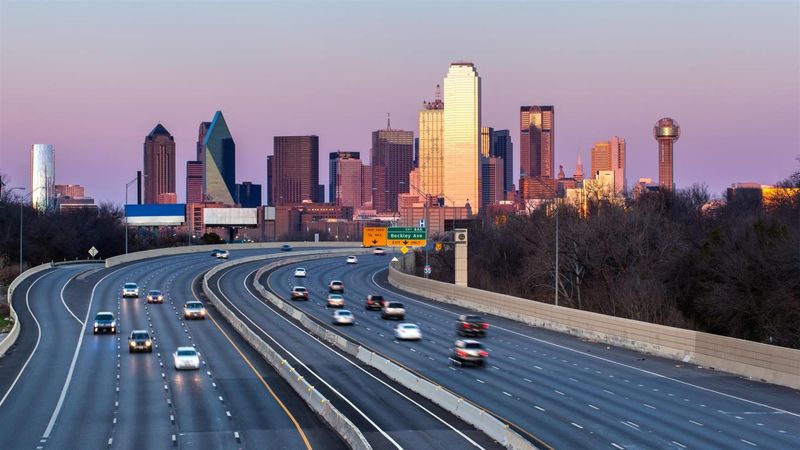
Everything’s bigger in Texas, including the traffic jams and tourist frustrations in Dallas. This sprawling metropolis offers world-class museums, incredible dining, and rich history, but visitors consistently complain about the city’s overwhelming size and confusing layout.
Getting around Dallas without a car proves nearly impossible, yet driving means navigating intimidating highways where locals zoom past at terrifying speeds.
Recent surveys show that even Dallas residents rank low in hometown satisfaction compared to other Texas cities, which doesn’t exactly inspire tourist confidence. The summer heat becomes absolutely brutal, with temperatures regularly exceeding 100 degrees and making outdoor exploration miserable.
Attractions spread across vast distances, turning a simple day of sightseeing into a logistical challenge requiring careful planning and lots of driving time.
Downtown Dallas empties out after business hours, creating an eerily quiet atmosphere that surprises visitors expecting vibrant nightlife. Parking costs add up quickly, and finding spots near popular attractions often requires circling blocks repeatedly.
The city’s public transportation system exists but doesn’t adequately serve most tourist destinations.
Despite these complaints, Dallas does shine in specific areas. The Arts District offers incredible cultural experiences, and the food scene rivals any major American city.
Visitors who do their homework and prepare for the challenges can have amazing experiences, but those who arrive expecting a compact, walkable city with manageable crowds will likely join the ranks of disappointed tourists sharing their frustrations online.
4. Austin
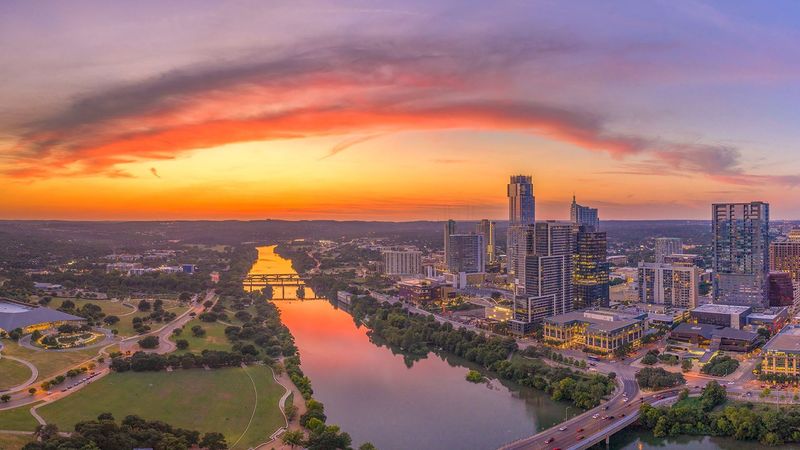
Keep Austin Weird has transformed into Keep Austin Overcrowded, much to the dismay of tourists and longtime residents alike.
The city’s explosive growth has strained infrastructure, created legendary traffic problems, and made popular attractions feel more like survival challenges than relaxing experiences. What used to be a quirky, laid-back capital city now struggles under the weight of its own popularity.
South Congress Avenue, famous for its eclectic shops and food trailers, becomes so packed on weekends that simply walking down the sidewalk requires patience and strategic maneuvering. Finding parking anywhere near downtown during events or weekends feels like winning the lottery.
The live music scene that made Austin famous now comes with cover charges, long lines, and venues packed so tightly you can barely move.
Summer temperatures combine with humidity to create sweltering conditions that surprise visitors from drier climates. The Colorado River running through town looks inviting, but access points overflow with paddleboarders, kayakers, and swimmers all vying for the same cooling relief.
Hotel prices have skyrocketed, making Austin one of the more expensive Texas destinations without necessarily delivering proportional value.
The breakfast taco scene remains legitimately amazing, and the natural beauty surrounding Austin still impresses when you can access it. Zilker Park offers gorgeous green space, though finding parking there on nice weekends tests anyone’s patience.
Austin hasn’t lost all its charm, but visitors expecting the relaxed, affordable, uniquely weird city of decades past will face disappointment. Plan for crowds, heat, and expenses, or risk becoming another frustrated tourist wondering what happened to the Austin everyone raves about.
5. San Antonio
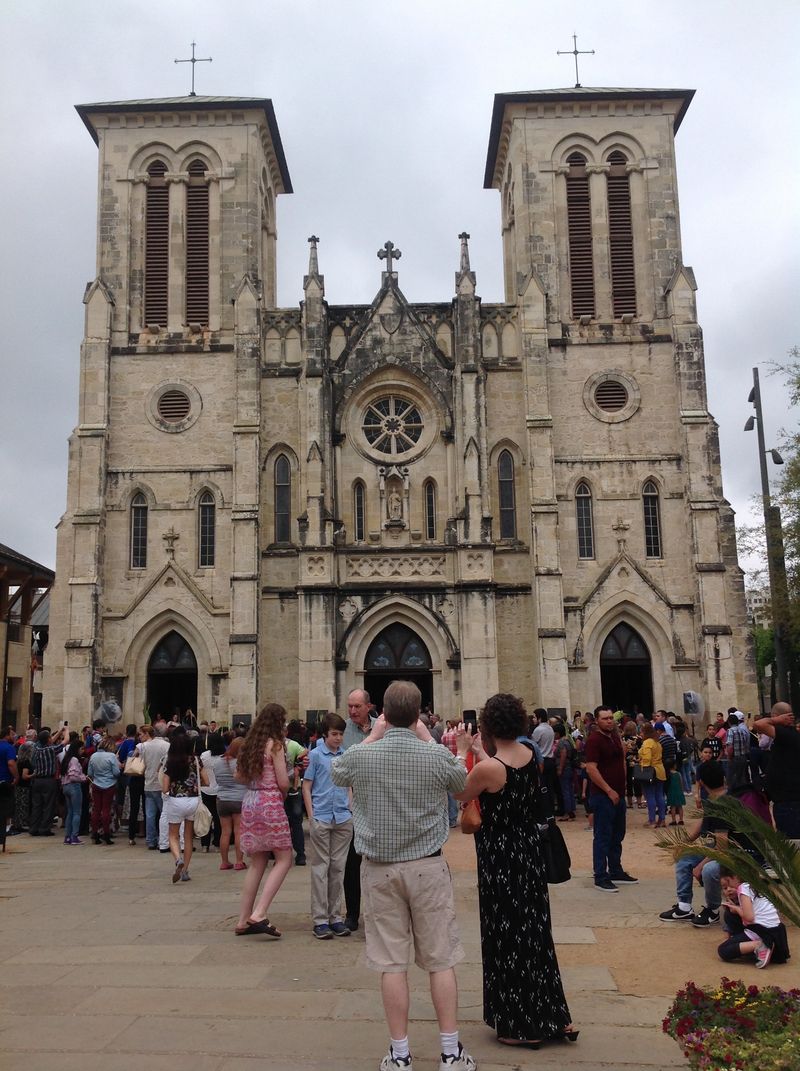
The Alamo might be worth remembering, but many tourists wish they could forget their frustrating San Antonio experiences.
This winding pathway along the San Antonio River becomes a slow-moving parade of tourists during peak times, with restaurant hosts aggressively trying to lure diners into their establishments every few feet.
The charm that made the River Walk famous gets buried under the sheer volume of people shuffling along the narrow walkways.
Summer heat in San Antonio reaches oppressive levels, with the River Walk’s below-street-level location trapping hot air and creating a sauna-like atmosphere.
Prices along the River Walk inflate dramatically compared to restaurants just a few blocks away, yet the food quality often disappoints given the premium costs.
Tour boats cruise by constantly, their guides’ amplified voices echoing off the stone walls and creating a noisy environment that makes conversation difficult.
The Alamo itself surprises many visitors with its small size and urban location, surrounded by modern development that clashes with expectations of a historic battlefield. Lines to enter stretch long during busy periods, and the experience inside takes less time than the wait to get in.
San Antonio does offer incredible history, authentic Mexican food in neighborhoods beyond the tourist zones, and genuinely warm hospitality. The Spanish missions scattered throughout the city provide peaceful alternatives to the River Walk chaos.
Visiting during winter months transforms the experience entirely, with pleasant temperatures and manageable crowds revealing why San Antonio became a destination in the first place. Just avoid summer weekends unless you enjoy sweating in slow-moving crowds while paying premium prices.
6. Amarillo
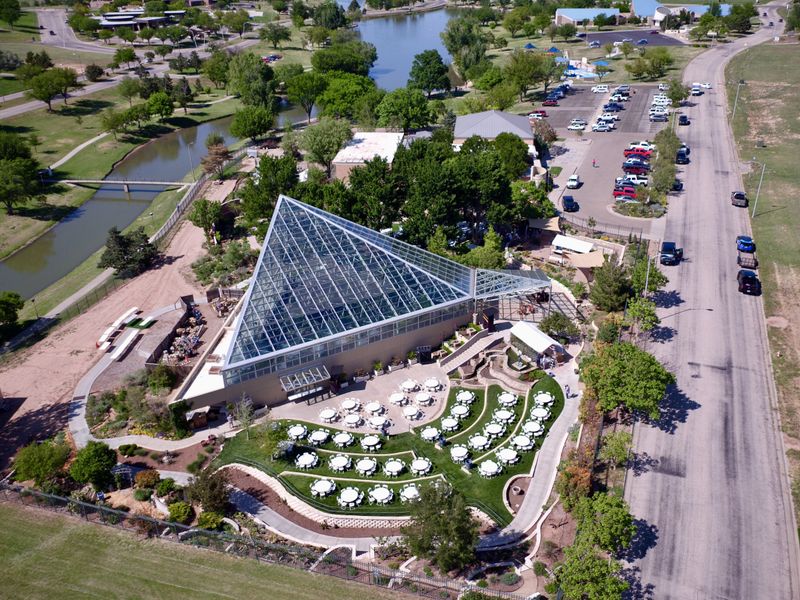
Amarillo sits in the Texas Panhandle like a mirage on the endless plains, and for many tourists, the reality proves just as disappointing as a desert illusion.
The attraction sits beside Interstate 40, with traffic noise and diesel fumes providing ambiance while you add your mark to the graffiti-covered vehicles.
Beyond Cadillac Ranch, Amarillo offers surprisingly little to hold tourist attention. The Big Texan Steak Ranch promises a free 72-ounce steak if you can finish it in an hour, but the gimmick wears thin quickly, and the food quality doesn’t match the hype.
Downtown Amarillo feels tired and worn, with many historic buildings sitting empty or underutilized. The famous Route 66 heritage that attracts road-trippers delivers more nostalgia than actual interesting sights.
Weather in Amarillo swings wildly, with brutal winters, scorching summers, and spring winds that can literally knock you off balance. Dust storms occasionally reduce visibility to nearly zero, and the flat landscape offers no natural beauty to offset the harsh conditions.
The city serves primarily as a convenient stopping point for travelers crossing the Panhandle, not a destination worth extended visits.
Palo Duro Canyon State Park, located about 30 minutes south of Amarillo, provides the region’s genuine highlight with stunning geological formations and hiking opportunities. The Panhandle-Plains Historical Museum offers quality exhibits for history enthusiasts.
These worthwhile experiences exist near Amarillo rather than in it, which summarizes the city’s tourism problem perfectly. Most visitors find themselves asking why they bothered stopping rather than pushing through to more rewarding destinations.
7. Fredericksburg
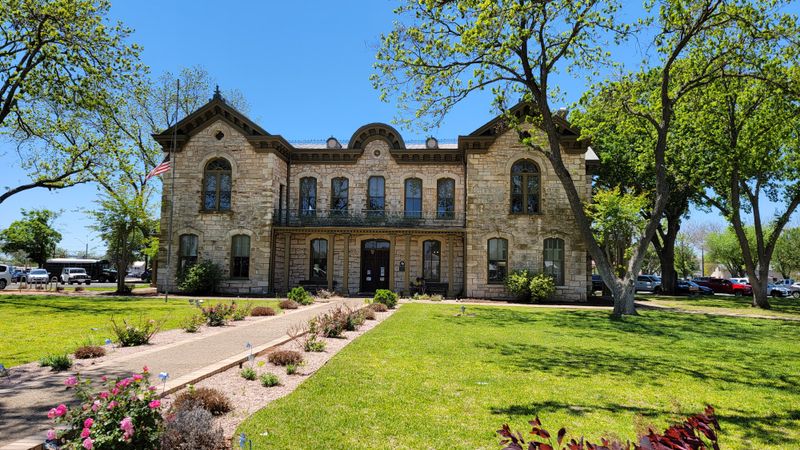
German heritage meets Texas Hill Country in Fredericksburg, creating a charming town that has become almost too popular for its own good.
Main Street in Fredericksburg transforms into a bumper-to-bumper crawl on Saturdays, with tourists pouring out of buses to shop for overpriced souvenirs and German-themed kitsch.
The town’s wineries and tasting rooms, once peaceful retreats, now operate on tight schedules with reservations required weeks in advance. Bachelorette parties have discovered Fredericksburg, bringing party buses and rowdy groups that clash with the town’s traditional character.
Restaurants that once welcomed walk-ins now require reservations, and the wait times at popular spots can stretch to two hours or more.
Accommodation prices have skyrocketed, with even basic bed-and-breakfasts charging premium rates during peak seasons. The town’s infrastructure struggles to handle the volume, with limited parking creating frustration and traffic backing up at the few stoplights along Main Street.
Many shops have shifted from authentic German goods to generic tourist merchandise, diluting the cultural experience that originally attracted visitors.
Fredericksburg still delivers genuine charm if you know when and where to look. Weekday visits in fall or spring offer pleasant weather and manageable crowds.
The National Museum of the Pacific War provides world-class exhibits that many tourists overlook in their rush to hit wineries. Local bakeries still produce authentic German pastries, and the surrounding countryside remains beautiful.
Just don’t expect the quaint, undiscovered gem that travel articles from a decade ago described, because that Fredericksburg exists only in memory now.
8. Galveston
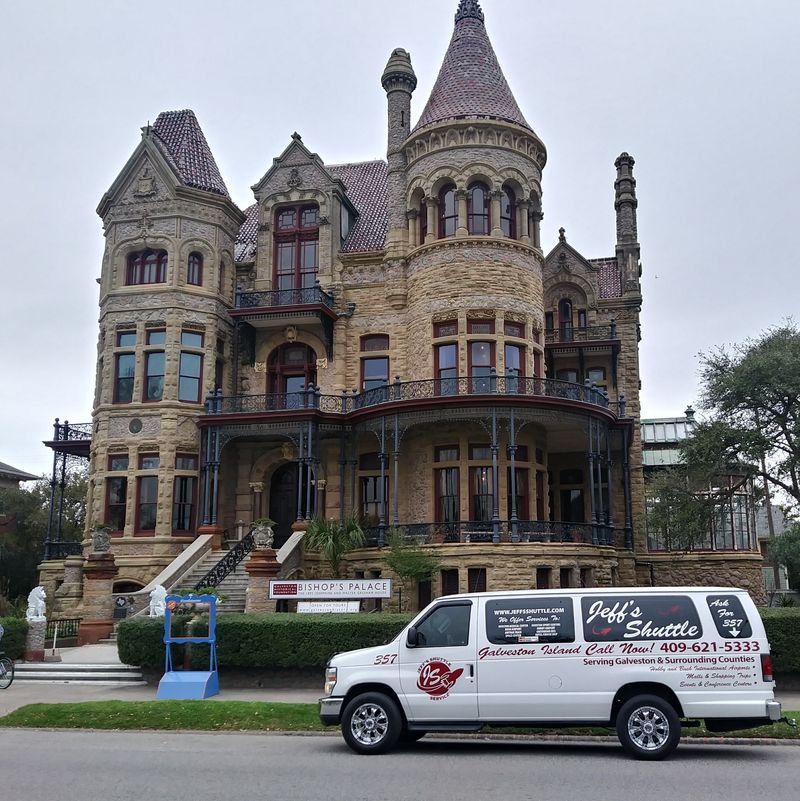
Island living sounds romantic until you experience Galveston during peak season, when this historic Gulf Coast city reveals all its frustrating quirks. The beaches, while convenient for Houston residents seeking quick coastal access, disappoint visitors expecting Caribbean-quality sand and water.
The brown, murky water results from sediment stirred up by the shallow Gulf floor, creating an unappetizing swimming experience that shocks first-time visitors. Seaweed piles up along the shore, and jellyfish appear frequently enough to make wading a risky proposition.
The Seawall Boulevard cruise drags on for miles, lined with souvenir shops selling identical merchandise, restaurants serving mediocre seafood at inflated prices, and attractions that feel outdated and overpriced.
Traffic along the Seawall moves at a crawl during summer weekends, with tourists and locals competing for limited parking spots.
The Strand Historic District offers genuine Victorian charm, but cruise ship passengers flood the area on port days, overwhelming the shops and restaurants.
Hurricane damage remains visible throughout the island despite years of recovery efforts, with boarded-up buildings and worn infrastructure creating a slightly depressing atmosphere.
The promised historic grandeur exists in pockets but gets overshadowed by commercial development that prioritizes profit over preservation.
Beach access requires fees at many locations, and the free beaches come with limited facilities and sketchy cleanliness.
Galveston does offer interesting history, from the 1900 Storm to its role as a major port city. The offshore fishing remains excellent, and Moody Gardens provides quality family entertainment.
The island’s convenient location makes it an easy getaway, but managing expectations proves essential. Come for history and fishing, not for pristine beaches and tropical paradise vibes, and you’ll avoid the disappointment that leads so many tourists to complain about their Galveston experiences.
9. Houston
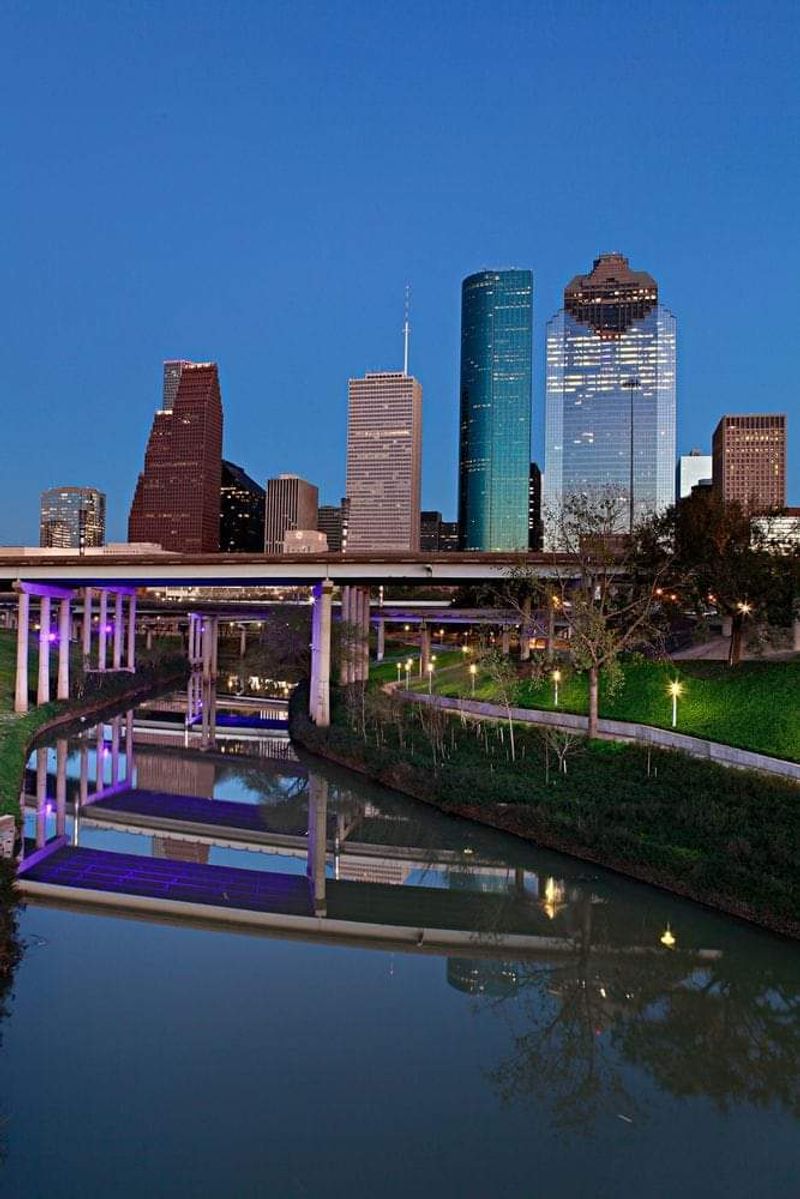
America’s fourth-largest city sprawls across the coastal plains like a concrete jungle with an identity crisis.
Houston offers incredible diversity, world-class museums, and a restaurant scene that rivals any city on Earth, but tourists consistently complain about the oppressive humidity, confusing layout, and lack of a cohesive downtown experience.
The city’s famous lack of zoning creates bizarre juxtapositions where strip clubs sit next to churches and industrial facilities neighbor residential areas, leaving visitors confused about which neighborhoods to explore.
Summer in Houston feels like living inside someone’s mouth, with humidity levels that make breathing feel like work and temperatures that send you sprinting between air-conditioned buildings.
Afternoon thunderstorms arrive with startling intensity, flooding streets within minutes and stranding motorists in high water.
The mosquitoes grow to terrifying sizes and attack with relentless determination, making outdoor activities miserable without industrial-strength repellent.
Traffic in Houston defies logic, with multiple 10-lane highways still experiencing gridlock during rush hours that seem to last all day. The city’s massive size means attractions sit miles apart, requiring extensive driving and careful planning to visit multiple sites in one day.
Public transportation exists but serves limited areas, leaving tourists dependent on rental cars or expensive ride-sharing services.
The Museum District genuinely impresses with free admission to many world-class institutions, and the food scene deserves every bit of praise it receives. Space Center Houston delivers fascinating exhibits for anyone interested in NASA’s history.
Hermann Park offers beautiful green space and the excellent Houston Zoo. These highlights exist, but finding and enjoying them requires patience, planning, and tolerance for heat and traffic that test even seasoned travelers.
Houston rewards those who dig deeper, but surface-level visits often leave tourists wondering what all the fuss was about.
10. Vanderpool
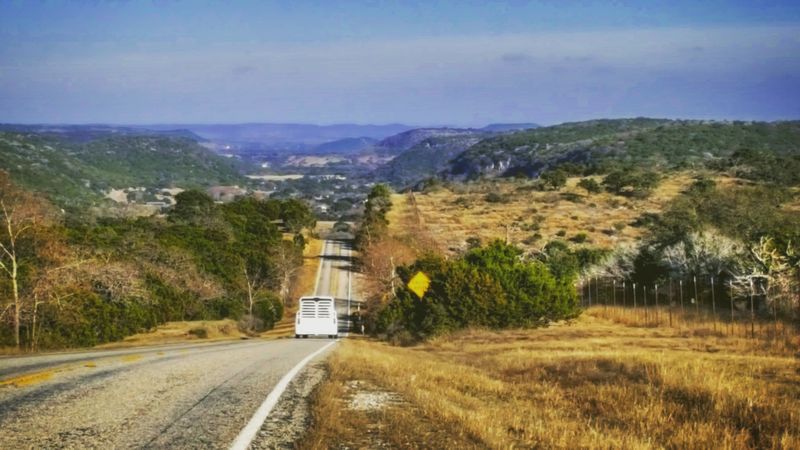
Tiny Vanderpool barely qualifies as a town, with a population that wouldn’t fill a high school gymnasium, yet it makes this list thanks to one spectacularly overcrowded attraction.
The park’s limited parking fills up hours before dawn on peak weekends, forcing rangers to close the gates and turn away visitors who drove hours to see the famous fall foliage.
The trails at Lost Maples, designed for peaceful nature experiences, become conga lines of hikers during October and November. Finding a quiet spot to enjoy the colorful maples proves nearly impossible when hundreds of people share the same goal.
Cell phone service doesn’t exist in this remote area, leaving turned-away visitors stranded without the ability to find alternative plans easily.
Vanderpool itself offers almost nothing beyond a small general store and a few scattered ranches. Visitors expecting a charming town to explore after hiking find themselves disappointed by the lack of restaurants, shops, or accommodations.
The nearest towns with services sit 30 minutes or more away on winding Hill Country roads that can become treacherous during the same fall rains that trigger the best leaf colors.
The natural beauty at Lost Maples genuinely deserves the attention when you can actually experience it. Visiting during off-peak times, even just a week before or after prime color season, transforms the experience entirely.
The rugged terrain, spring-fed streams, and unique maple trees create a special place worth protecting. Vanderpool’s problem isn’t the destination itself but rather the mismatch between capacity and demand during a few brief weeks each year when everyone wants to visit simultaneously.
Dear Reader: This page may contain affiliate links which may earn a commission if you click through and make a purchase. Our independent journalism is not influenced by any advertiser or commercial initiative unless it is clearly marked as sponsored content. As travel products change, please be sure to reconfirm all details and stay up to date with current events to ensure a safe and successful trip.
