Eventually, even the greatest hits of Texas travel start feeling a little too familiar.
You have wandered the famous downtowns, taken the standard scenic drives, stood at the overlooks everybody photographs, and possibly eaten barbecue at enough celebrated stops to develop surprisingly strong opinions about brisket bark.
That is when day trips get more interesting, because the goal changes from checking off landmarks to finding the weird, overlooked, strangely specific places that make you wonder why nobody mentioned them sooner.
Think unusual museums, forgotten historic sites, odd natural formations, tiny communities, unexpected trails, and roadside stops that would never win a popularity contest but make excellent stories afterward.
Texas is enormous enough to keep a second, third, and probably tenth round of day trips interesting, especially once the obvious choices are finally out of the way.
1. Caddo Lake State Park
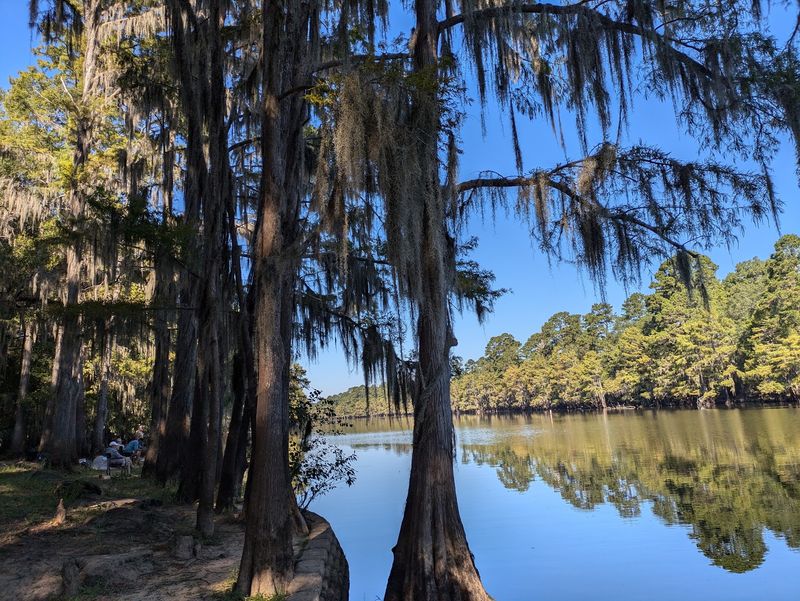
Something shifts the moment the highway gives way to the narrow roads threading through East Texas pines toward Caddo Lake. The air thickens, the light softens, and suddenly the landscape feels ancient in a way that very few places in Texas can claim.
Ancient bald cypress trees rise from the dark water like sentinels, their knees breaking the surface and their limbs heavy with curtains of Spanish moss.
Paddling a canoe through Saw Mill Pond or venturing out onto Big Cypress Bayou puts visitors right inside the ecosystem, close enough to spot great blue herons standing motionless on half-submerged logs.
Canoe rentals are available directly from the park office, making access straightforward even for first-timers. The waterways twist and branch unpredictably, so it genuinely pays to carry a map or follow a marked route.
For those who prefer solid ground, roughly 2.5 miles of trails wind through the forest and lead to a historic Civilian Conservation Corps pavilion that carries its own quiet dignity.
Over 70 species of fish inhabit the lake, and no fishing license is required when casting from shore within the park boundaries.
Birdwatching here rewards patience, with an impressive variety of species finding shelter in this rich East Texas and Louisiana border habitat. Ranger-led programs add context to what visitors are seeing, turning a beautiful afternoon into something genuinely educational.
Caddo Lake is one of those rare places that insists on being experienced slowly.
Address: 245 Park Road 2, Karnack, TX 75661
2. Monahans Sandhills State Park
Most people picture scrubby flatlands when they think of West Texas, which makes the first glimpse of Monahans Sandhills a genuine jaw-dropper.
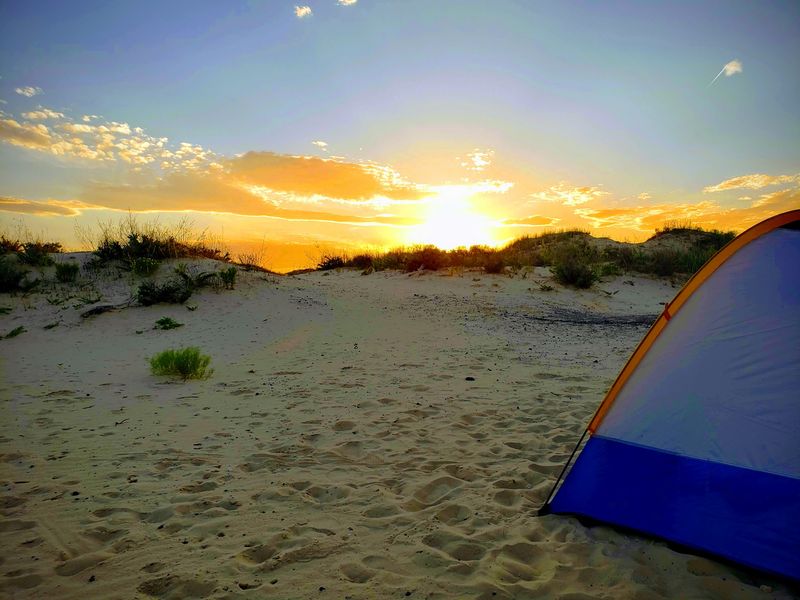
Dunes rise as high as 70 feet, constantly reshaped by relentless wind into new formations, creating a landscape that feels closer to the Sahara than to anything most Texans associate with their home state.
The scale of it is quietly humbling.
There are no marked trails here, which is actually part of the appeal. Visitors are free to roam wherever curiosity leads, climbing ridges and sliding down the other side with or without a sand disc rented from the park headquarters.
Sand sledding draws families and thrill-seekers alike, and watching someone attempt their first run down a steep face is reliably entertaining for everyone watching from below.
Horseback riding is permitted across an 800-acre equestrian area, though a negative Coggins test is required for any horse brought in.
The Dunagan Visitor Center provides a solid introduction to the park’s natural and cultural history, with large windows overlooking a wildlife observation area where javelinas and unusual desert birds occasionally make appearances.
Despite the seemingly barren terrain, the sandhills support a surprising number of plant and animal species that have adapted to shifting, dry conditions.
Visiting near sunset transforms the experience entirely, as the fading light pulls warm reds and oranges across the dunes in a display that genuinely earns the word spectacular.
It is a strange and beautiful corner of Texas.
Address: Park Road 41, Monahans, TX 79756
3. Jefferson, Texas
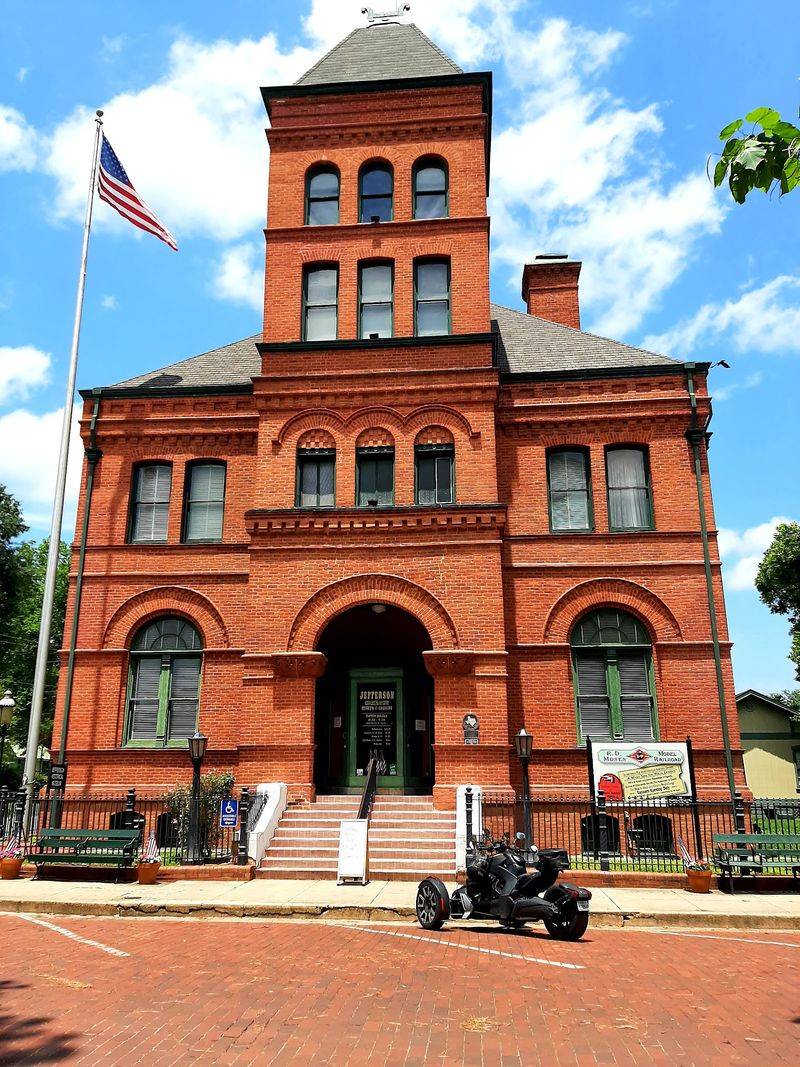
Jefferson is the kind of town that makes history feel genuinely accessible rather than like a school assignment. Hidden deep in the Piney Woods of East Texas, it preserves nearly 100 historic sites within a walkable downtown, many of them listed on the National Register of Historic Places.
The town’s prominence in the mid-1800s came directly from a natural logjam on the Red River that made the Big Cypress Bayou navigable, turning Jefferson into a vital inland port.
Historical walking tours and narrated carriage rides connect those dots in an engaging way, moving through streets lined with pre-Civil War and Victorian architecture that somehow survived the town’s economic decline when the logjam was cleared.
The Jefferson Historical Museum, housed inside a former federal courthouse, spans four floors and includes a model train set and a historic riverboat bell that anchors the maritime chapter of the town’s story.
For a more offbeat stop, the Museum of Measurement and Time displays an extensive collection of clocks alongside a truly remarkable assembly of salt and pepper shakers.
Narrated boat tours on the Big Cypress Bayou offer a completely different perspective, gliding past cypress trees draped in Spanish moss in a way that echoes the steamboat era. The Howe Truss Train Trestle from 1897 is illuminated each night, creating a beautiful reflection across the water.
Boutique shops and the Jefferson General Store, complete with an old-time candy counter and soda fountain, round out the experience with exactly the right amount of nostalgic charm. Jefferson rewards wanderers.
4. Fossil Rim Wildlife Center
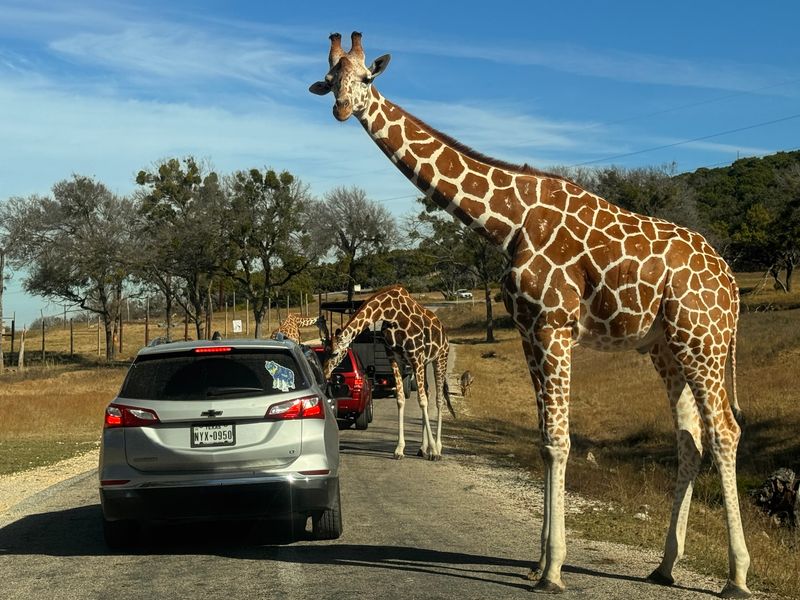
Fossil Rim Wildlife Center near Glen Rose operates on a simple but powerful premise: bring endangered animals into a habitat large enough that they can actually behave like themselves.
The result is a conservation experience that feels nothing like a zoo and everything like a genuine African savanna, complete with rolling hills, open grasslands, and animals that approach visitor vehicles with curious confidence.
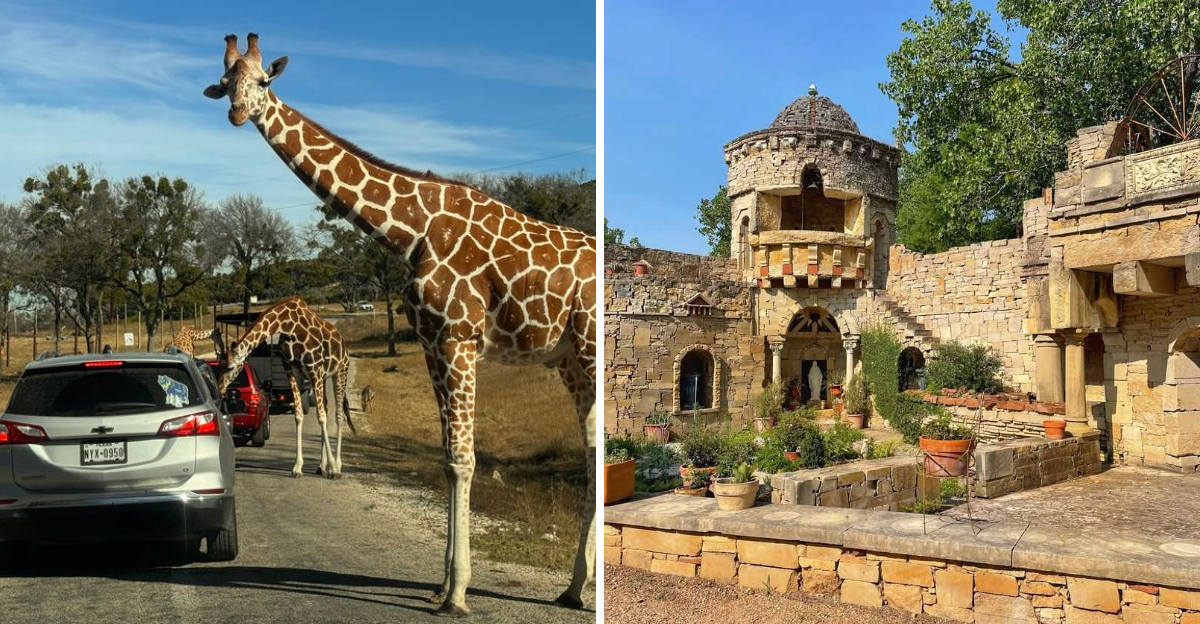
Hand-feeding a giraffe through a car window remains one of the more surreal moments available on a Texas day trip.
The self-guided scenic drive covers 9.5 miles and puts visitors face to face with over 1,000 animals from 50 species, including zebras, antelopes, addax, and white rhinos.
Guided safari tours go deeper into the property and into the science behind what Fossil Rim actually does, with naturalist-led commentary and access to areas closed on the self-guided route.
The Children’s Animal Center at the Overlook adds a petting zoo element that younger visitors tend to treat as the undisputed highlight of the day.
Short hiking trails, including the Texas Trail near the American Red Wolf enclosure and the aptly named Mark’s Nature Trail, give visitors a chance to stretch their legs between animal encounters.
The center’s breeding programs for species like the scimitar-horned oryx, Attwater’s prairie chicken, cheetahs, and the Texas Horned Lizard are core to its mission, and every visit directly funds that ongoing conservation work.
It is one of those rare places where the fun and the purpose are completely inseparable.
Address: 2299 County Road 2008, Glen Rose, TX 76043
5. Wimberley, Texas
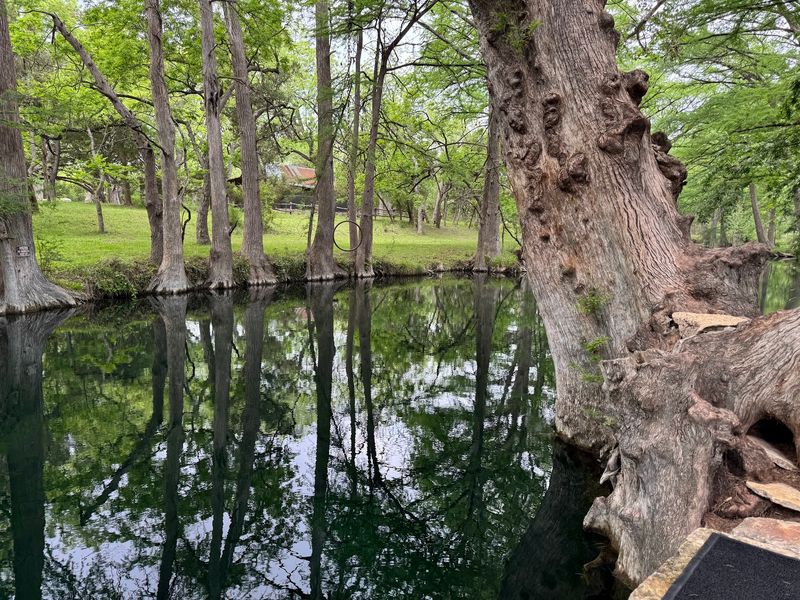
Wimberley sits at the confluence of the Blanco River and Cypress Creek in the Texas Hill Country, and the town seems to have absorbed some of that easy, flowing energy into its very character.
The pace here is genuinely slower, the kind of slow that feels like a conscious choice rather than a lack of options.
Artists, makers, and outdoor enthusiasts have all found their footing in this compact, creative community.
Blue Hole Regional Park is the centerpiece of Wimberley’s outdoor identity, offering a spring-fed swimming area shaded by enormous bald cypress trees, with rope swings and grassy swim lawns that make it feel like a summer afternoon from a different era.
Swimming requires seasonal reservations, but hiking and biking trails within the park are accessible year-round at no charge.
The water is that particular shade of blue-green that looks digitally enhanced until visitors are actually standing next to it.
Wimberley Square draws a different kind of energy, with independent boutiques, artisan shops, and handcrafted goods that reflect the town’s creative identity.
Wimberley Market Days, held the first Saturday of each month from March through December, is one of the largest outdoor markets in the Hill Country, featuring hundreds of vendor booths, live music, and a genuinely festive atmosphere.
Wimberley Glassworks offers live glassblowing demonstrations and a gallery full of luminous, hand-blown pieces that serve as far more interesting souvenirs than the usual options. The town consistently rewards slow, unplanned exploration.
Address: Blue Hole Regional Park, 333 Blue Hole Lane, Wimberley, TX 78676
6. Gonzales, Texas
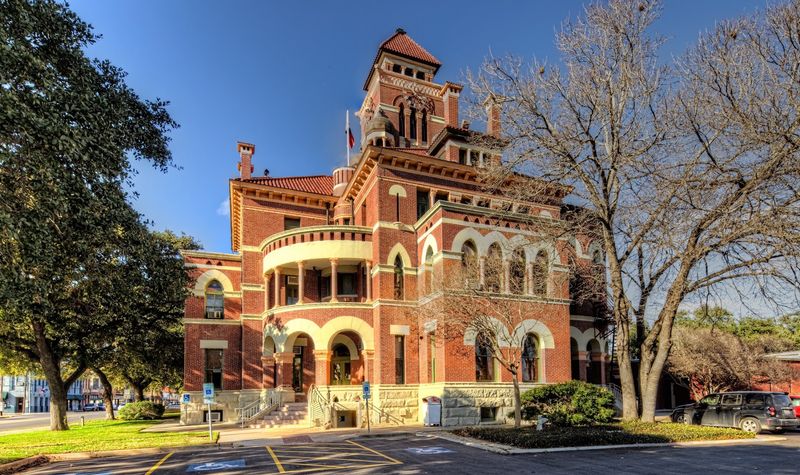
Gonzales carries a title that very few Texas towns can claim with the same legitimacy: the Lexington of Texas. It was here in October 1835 that the first shot of the Texas Revolution was fired, and the town has never quite let go of that defining moment.
The original street grid, with its seven public squares and streets named for saints, still reflects the ambitions of its early founders.
The Gonzales Memorial Museum anchors the town’s historical narrative, housing the legendary Come and Take It cannon and commemorating the Immortal 32, the group of local men who rode to reinforce the Alamo.
The museum building itself is a striking Art Deco structure from the 1930s, decorated with murals that move through key chapters of Texas history in vivid detail.
The adjacent Texas Heroes Monument extends that tribute into the open air.
The Pioneer Village Living History Center offers an immersive look at 19th-century pioneer life through a collection of historic structures and hands-on demonstrations of traditional skills.
The Eggleston Log House, a restored 1848 cabin considered the oldest home in the county, provides a particularly tangible sense of early Texas living.
After dark, the Texas Legacy in Lights projection show plays across the facade of the Gonzales Memorial Museum at no cost, turning the building into a canvas for the region’s story.
Palmetto State Park nearby resembles a tropical riparian zone, with dwarf palmetto plants, over 200 bird species, and canoeing on the San Marcos River rounding out a full and genuinely rewarding day.
Address: Gonzales Memorial Museum, 414 Smith Street, Gonzales, TX 78629
7. Granbury, Texas
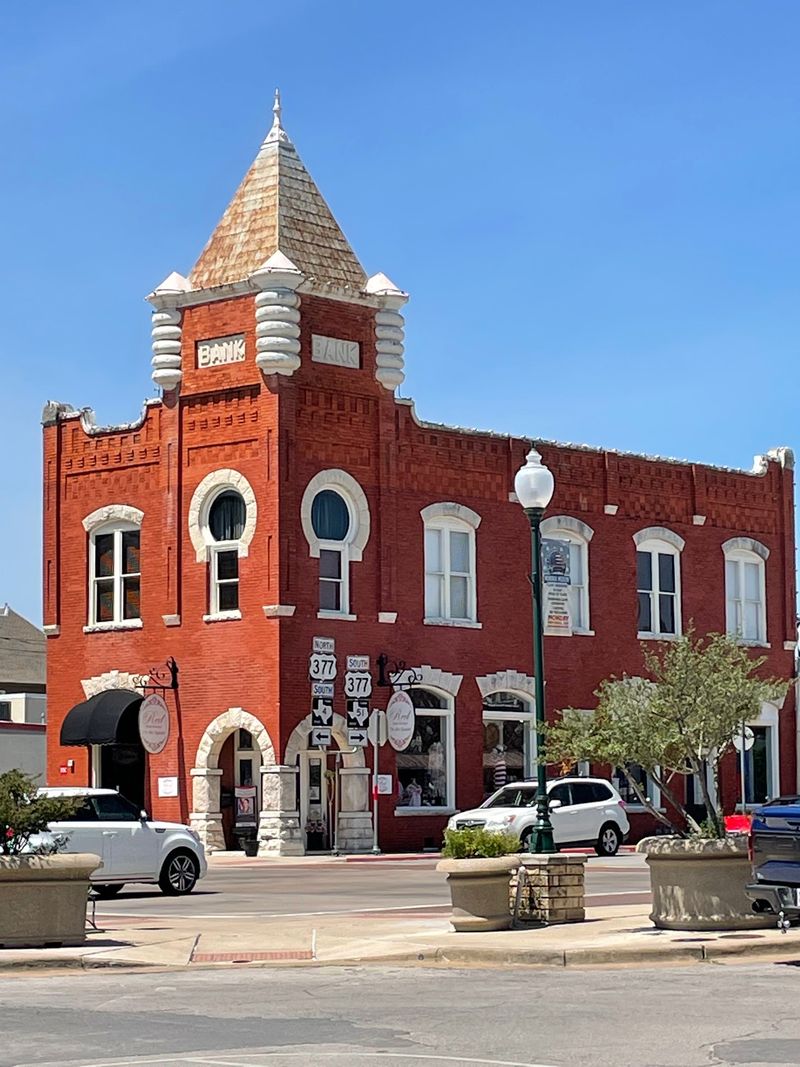
Granbury has a way of pulling visitors in before they even realize what is happening.
The Historic Granbury Square holds the distinction of being the first courthouse square in Texas listed on the National Register of Historic Places, and that pride of place is visible in every carefully maintained storefront and the stately 1890 Hood County Courthouse at its center.
Built from French Second Empire limestone and featuring a hand-wound clock, the courthouse is the kind of building that stops people mid-stride.
The Granbury Opera House, a meticulously restored 1886 theater, still hosts live productions, giving the square an active cultural pulse that goes well beyond preserved facades.
History enthusiasts tend to linger at the Hood County Jail Museum, an 1885 structure with original cellblocks and a hanging tower that delivers a decidedly unfiltered look at frontier-era justice.
Local lore also embraces the alleged grave of Jesse James in the Granbury Cemetery, alongside the very real grave of Elizabeth Crockett, wife of Alamo hero Davy Crockett, at the nearby Acton Cemetery.
Lake Granbury adds a refreshing outdoor dimension to the visit, with a city beach park set up for swimming, sunbathing, kayaking, and fishing. The Moments in Time Hike and Bike Trail connects different parts of town at a comfortable pace.
Antique shops, art galleries, and the Brazos Drive-In Theater, one of the few remaining drive-ins in Texas, fill out an already full day with options that suit almost any travel style. Granbury earns repeat visits.
Address: Hood County Courthouse, 100 E. Pearl Street, Granbury, TX 76048
8. Round Top, Texas
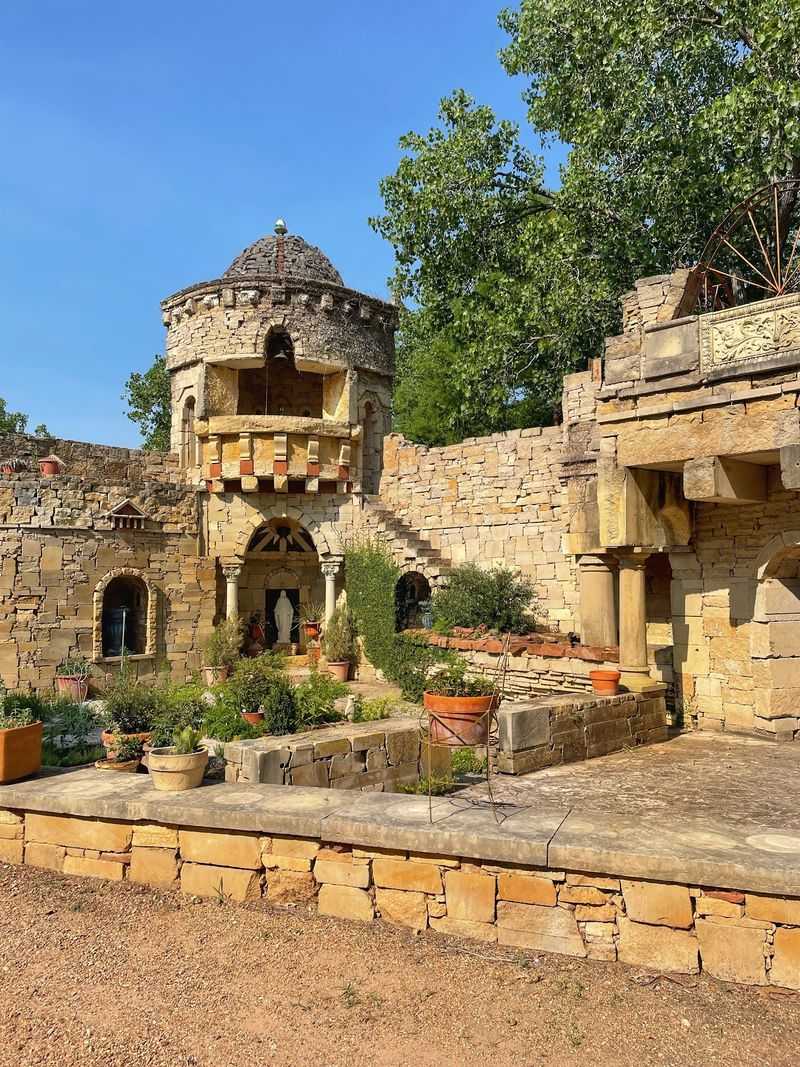
Round Top is one of those places that seems too good to be real for a town with a population hovering somewhere around 90 people.
Located in Fayette County between Austin and Houston, it operates with the cultural confidence of a city many times its size, anchored by institutions that draw visitors from across the country and beyond.
The oak trees here are enormous and old, and the whole place feels like it has been quietly perfecting itself for decades.
The Round Top Festival Institute, known locally as Festival Hill, is an internationally respected music school with a handcrafted 1,000-seat concert hall renowned for its exceptional acoustics and intricate woodwork.
The 210-acre campus features lush gardens and a collection of relocated historical structures that give the grounds a distinctive, layered character.
Attending a performance here is a legitimate cultural experience, not just a pleasant afternoon outing.
The Texas Quilt Museum, housed in two restored 1890s buildings, displays both antique and contemporary quilted art from Texas and beyond, with rotating exhibitions that consistently surprise.
The Winedale Historical Center, a University of Texas complex, preserves 10 19th-century German and Czech Victorian-era buildings with period furnishings that put early immigrant life into clear focus.
St. Martin Catholic Church, known as the World’s Smallest Catholic Church, is an 1888 structure seating only 20 people and is genuinely worth the detour.
Year-round boutique shops offer curated vintage goods, handcrafted collectibles, and local art that make Round Top worth visiting well outside of its famous antiques shows.
Address: Round Top Festival Institute, 248 Jaster Rd, Round Top, TX 78954
9. Salado, Texas
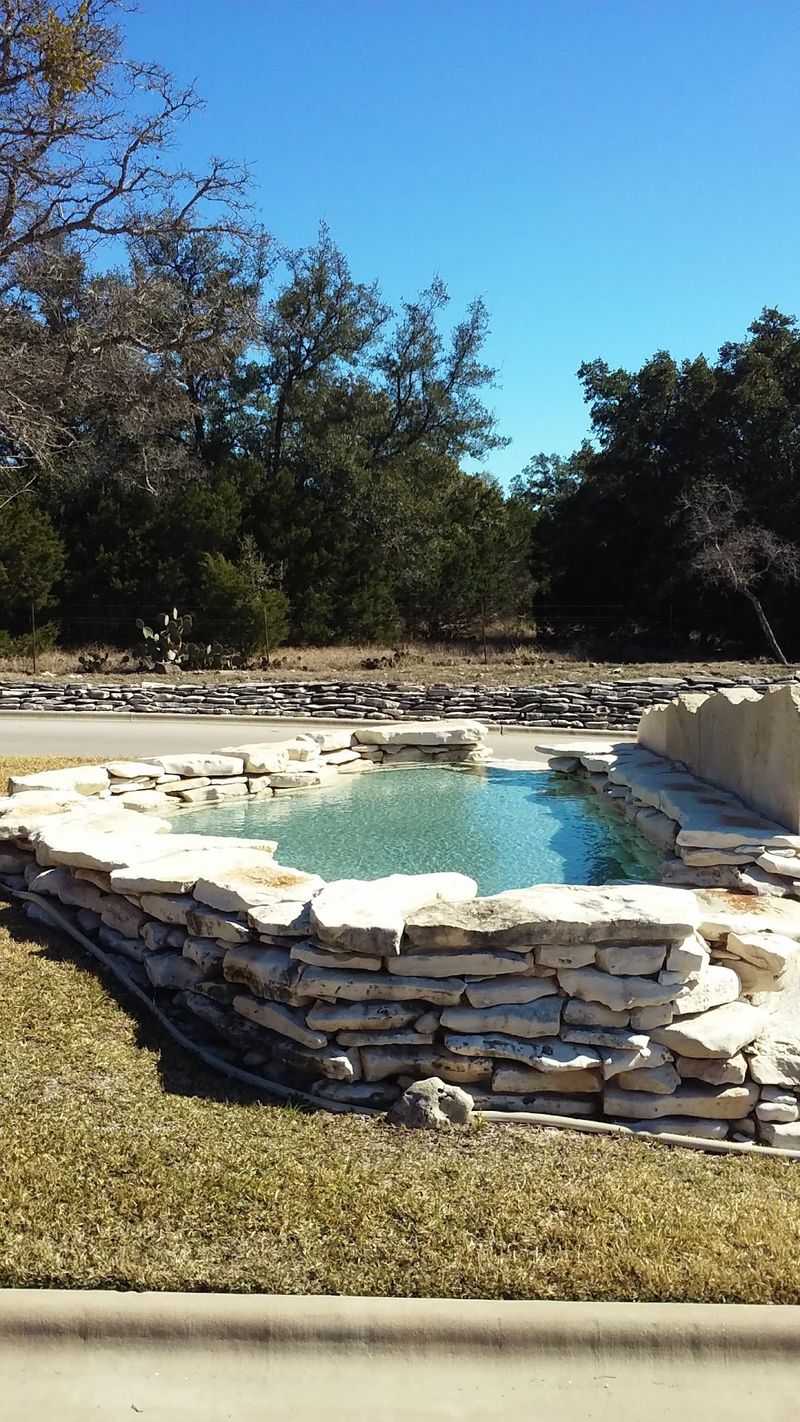
Salado Creek earned the distinction of being named the first Texas natural landmark, and the village that grew up alongside it has developed a character that feels equally worth preserving.
Positioned between Waco and Austin on the I-35 corridor, Salado is easy to reach but genuinely easy to underestimate from the highway.
Getting off the main road and into the historic district reveals a community where art, history, and natural beauty have been woven together with real intention.
Salado Glassworks is a natural starting point, offering live glassblowing demonstrations that are captivating even for people who have never given much thought to the craft.
Watching a skilled artisan shape molten glass into something luminous and precise is the kind of thing that holds attention effortlessly.
The adjacent gallery carries finished pieces ranging from functional art to sculptural work, all made on-site.
The Salado Sculpture Garden provides a completely different outdoor experience, with metal sculptures by Texas artists set along winding pathways through native plantings.
Main Street and the Royal Street District host numerous galleries, often with artists working in view, and the monthly Royal Street Art Walk extends the experience into the evening with live demonstrations and music.
The Salado Museum and College Park preserves the ruins of historic Salado College, one of the earliest co-educational institutions in Texas. Pace Park, where wagon wheel ruts are still visible in the creek bed, serves as a quiet, tangible reminder of the town’s place on the Chisholm Trail.
Wading in the creek on a warm afternoon is entirely free and entirely worth it.
Address: Salado Glassworks, 2 Peddlers Alley, Salado, TX 76571
10. Luckenbach, Texas
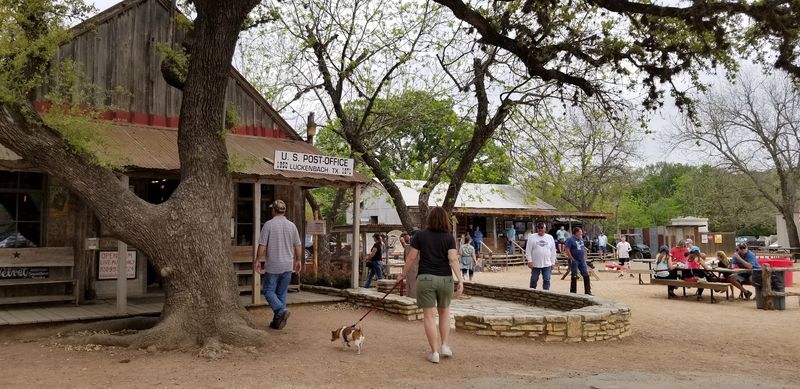
Luckenbach is not exactly a secret, but it earns its place on this list because what happens here cannot be replicated anywhere else in Texas, or honestly anywhere else at all.
This tiny, unincorporated hamlet in the Hill Country outside Fredericksburg runs on a philosophy best summarized by its own motto: Everybody’s Somebody.
That sentiment is not just decorative. It shapes every interaction, every impromptu jam session, and every conversation that spills out from the general store onto the packed dirt beneath the oaks.
The Luckenbach General Store dates to 1849, when German immigrants established the original trading post, and it now functions as a souvenir shop, a gathering spot, and the social heart of the whole operation.
Spontaneous acoustic picker circles form under the sprawling oak trees on almost any given afternoon, with musicians of varying skill levels pulling up chairs and playing alongside each other without ceremony or agenda.
Scheduled concerts and weekend dances in the historic dance hall draw bigger crowds but maintain the same unpretentious energy.
The town’s global fame arrived with the 1977 Waylon Jennings and Willie Nelson hit that carried its name, but Luckenbach had been quietly doing its thing for well over a century before that song made it a pilgrimage destination.
Annual events like the Texas Independence Day Celebration and the Luckenbach Blues Festival keep the calendar lively throughout the year.
The rustic buildings and vintage signage make it genuinely photogenic, and the surrounding Hill Country roads offer some of the most scenic driving in the entire state.
Address: 412 Luckenbach Town Loop, Fredericksburg, TX 78624
